Epic
vsProcaliber
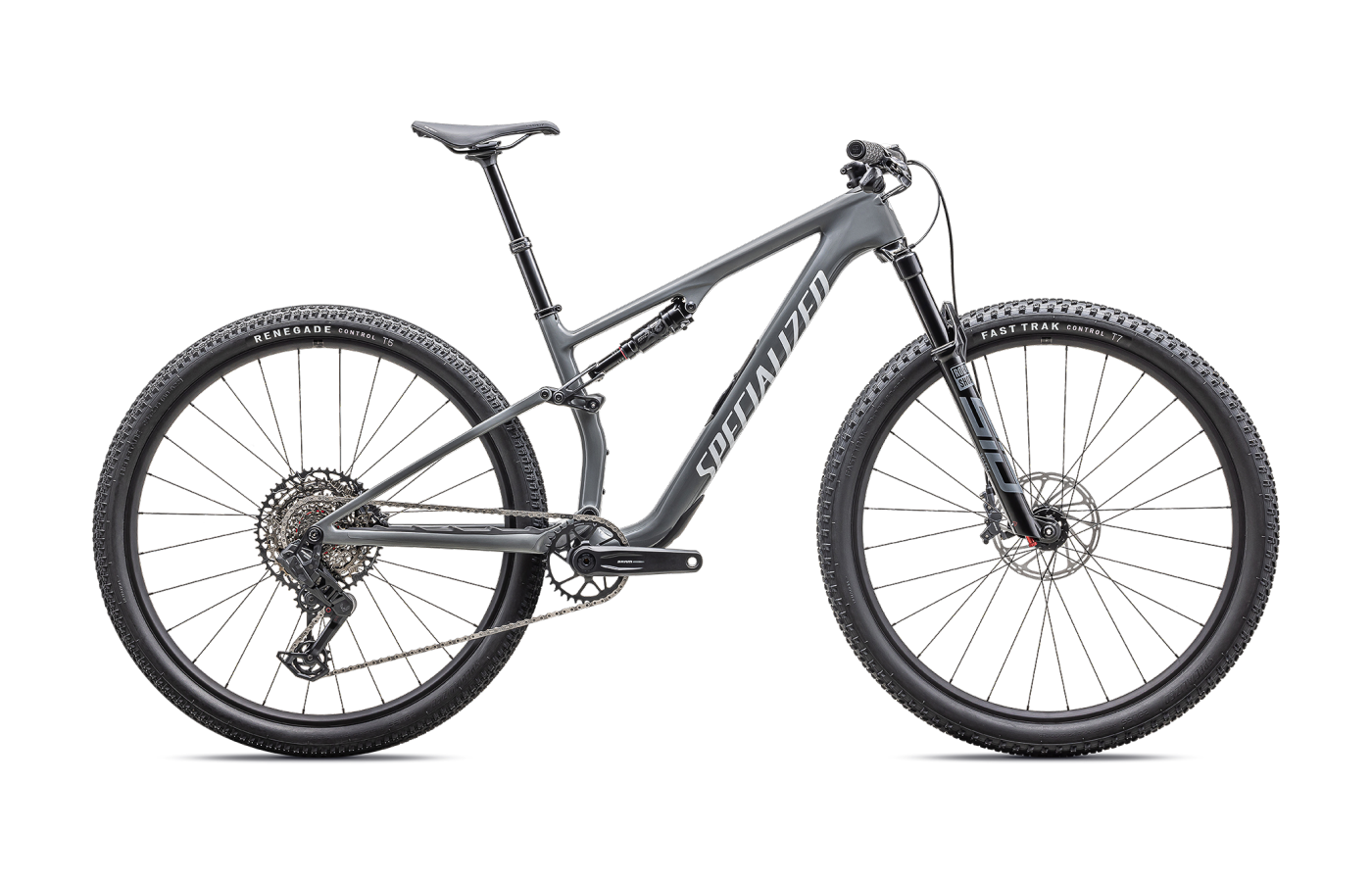
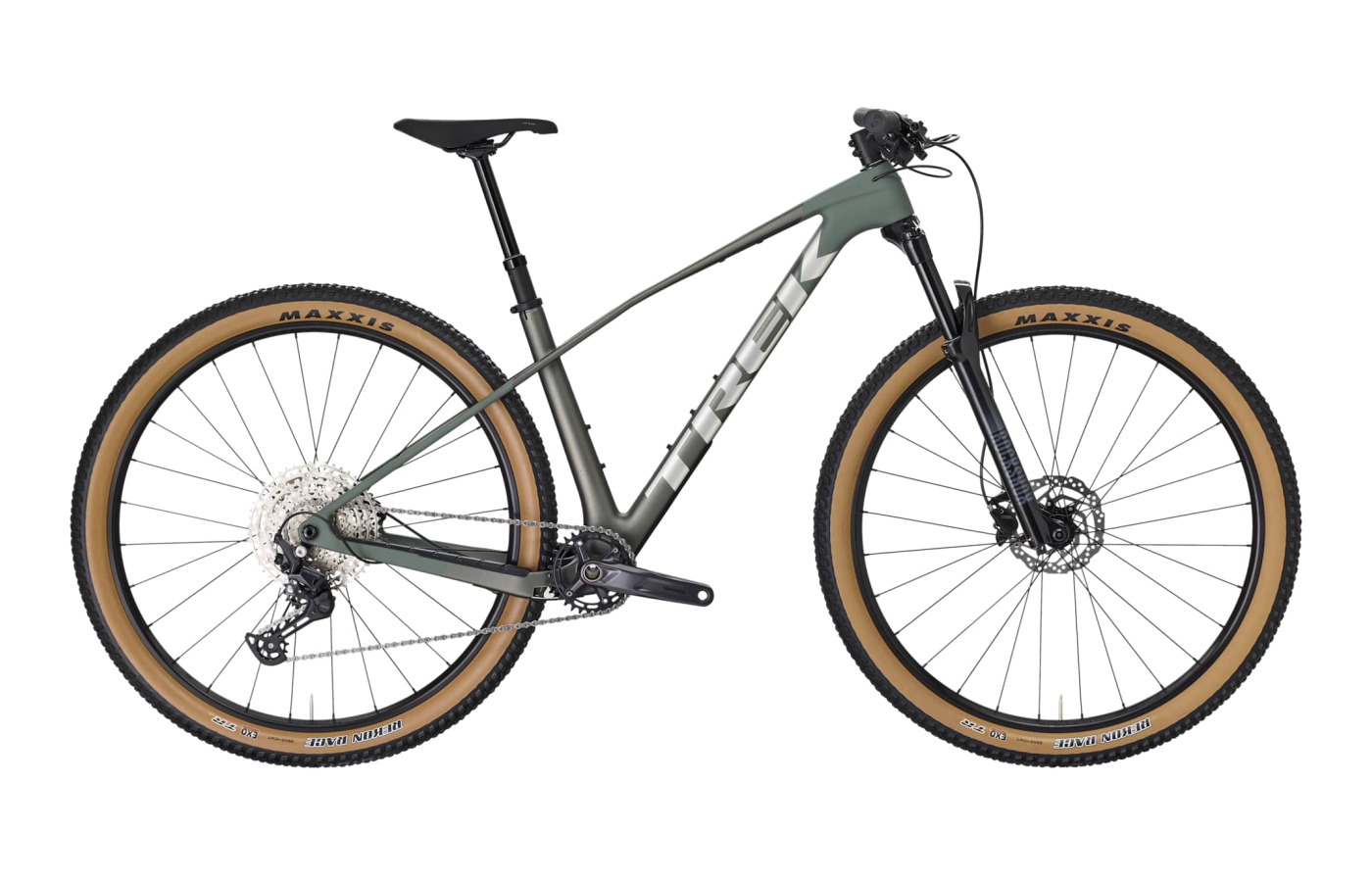
Two XC race bikes, two centuries of philosophy apart.
The Epic 8 is a 120/120 full-suspension multiplier with electronics on top. The Procaliber is a hardtail privateer's bike that tops out where the Epic's range begins.
Epic
- 120 mm of rear travel — handles technical terrain that would punish a hardtail.
- Modern slack geometry (65.9° HTA, 1,179 mm wheelbase at M) — race bike that descends like a trail bike.
- Eight-build range — from $4,499 alloy-wheel Comp to $14,999 S-Works Flight Attendant.
- Cheapest build is $4,499 — nearly double the Procaliber's flagship.
- Heavier than the Procaliber on smooth climbs (~11.9 kg at the entry build vs ~12.1 kg, but with full suspension overhead).
Procaliber
- Carbon flagship at $2,699 — Trek's entry-level Procaliber undercuts every Epic build by at least $1,800.
- Snappy hardtail efficiency — direct-drive feel that rewards out-of-saddle sprints and seated grinds.
- Simpler long-term ownership — no rear pivots to service, side-entry cable ports, threaded BSA on the alloy build.
- Hardtail rear end — rough tracks will slow you down regardless of IsoBow.
- Only two builds in the lineup; no high-end electronic-drivetrain option exists.
Editor’s analysis
This isn't really a head-to-head — it's a question of whether you want modern XC or traditional XC, and whether your budget cares which.
On paper, both bikes claim the same starting line. Both run 29-inch wheels, both target XC racers, both moved to 120 mm forks for the modern course. But the Epic shows up with 120 mm of rear travel, a slacker 65.9-degree head angle, and a $4,499–$14,999 price band. The Procaliber is a hardtail, holds a more conservative 67-degree head angle, and tops out at $2,699 — meaning Trek's flagship costs less than Specialized's cheapest build.
The Epic is the more capable bike, full stop. Specialized killed the Brain inertia valve and replaced it with the 'Magic Middle' digressive shock tune — firm enough to resist pedal bob, instantly active when you hit something. Reviewers describe it as 'outrageously stable,' a 'wolf in wolf's clothing,' a featherweight trail bike that still races. The 1,179 mm wheelbase, 75.5-degree seat tube, and 435 mm chainstays at size M let you bury the front end into corners that would unsettle a typical XC rig.
The Procaliber picks a different lane and sharpens it. The new IsoBow — a structural 'hole' through the top tube where the seatstays meet — replaces the old IsoSpeed pivot with no moving parts to service. Reviewers split on whether you can feel it (one called it a 'real highlight,' another 'struggled to feel masses of difference'), but the bike itself is unmistakably hardtail: snappy under power, zingy out of the saddle, brutally efficient on smooth singletrack. The 67-degree HTA keeps it nimble in tight switchbacks where the Epic's slacker geometry wants more space.
Put another way: the Epic is the bike you buy when you want one XC rig that can also handle the chunky local trail. The Procaliber is the bike you buy when you race smooth courses, want a premium carbon frame as a long-term platform, and would rather spend the saved money on race entries.
Where the builds differ.
Comparing our editor's-pick builds side-by-side. Winners highlighted row-by-row — lower price and weight, and the better-spec component, each mark a point.
Build variants & pricing
The lineups barely overlap on price. Epic starts at $4,499 and scales to $14,999. Procaliber's two builds top out at $2,699.
Editor's picks here are the entry-tier carbon builds on each side — the only way to get an apples-to-apples comparison given the platform price gap. If you want SRAM Transmission or XT Di2 on the Procaliber, it doesn't exist; you'd need to step up to a Trek Supercaliber. Prices are current US MSRP.
How they fit, how they steer.
Epic at size M, Procaliber at ML — the fit-picked sizes for a 5'8" rider. The Epic sits 16 mm lower in stack with 5 mm more reach, runs a 65.9° head angle versus 67°, and stretches the wheelbase 24 mm longer — modern race-bike numbers on the Epic, traditional XC on the Procaliber.
Which size should I buy?
Size suggestions based on stack, reach, and effective top tube. Both ranges cover similar rider heights, though the Procaliber's narrower size steps (S/M/ML/L/XL) give you finer fit options than the Epic's XS/S/M/L/XL.
→These are starting points. Flexibility, riding style, and preferred position all shift the answer — if you’re between sizes, a professional fit beats a chart.
What the magazines said.
Published reviews from trusted cycling outlets. Click through for the full write-up.
Which one should you buy?
If you want one bike for technical XC and rowdier weekend trails, get the Epic. If you race smoother courses on a budget and want a premium carbon hardtail, get the Procaliber.
Epic
If your local courses have rocks, roots, and proper descents — and you have $4,500+ to spend — the Epic 8 is the more capable tool by a wide margin. The 120 mm rear end and slack geometry let you ride harder, longer, with less fatigue. The Expert-tier builds at $7k are where most serious buyers should be looking.
Procaliber
If you race XC on smoother singletrack, want a premium carbon frame as a long-term platform, and don't want to spend Epic money to get there — the Procaliber 9.5 is the budget-conscious answer. You give up rear suspension, but you keep the OCLV carbon, the IsoBow, and the modern geometry the platform shares with $4k+ Procaliber builds in other markets.
Questions buyers actually ask.
Short answers to the things we get emailed about most often.
01Which is faster on a technical XC course?
The Epic 8, comfortably. The 120 mm rear end and slack 65.9-degree head angle let it descend and absorb chunder that would slow a hardtail to a crawl. Reviewers consistently called it 'outrageously stable' and a 'multiplier' of rider skill on rough terrain.
On a smooth, climbing-heavy course — fire roads, hardpack singletrack, classic European XC — the Procaliber's lower weight and direct-drive efficiency narrow the gap considerably.
02Is the Procaliber's IsoBow actually noticeable?
Reviewers split on this. One BikeRadar tester noted it took 'several days of riding to truly feel the system working' and that it provides a 'slight dulling of hard impacts.' Another tester 'struggled to feel masses of difference.'
The consensus is that the high-volume 2.4-inch tires do most of the compliance work; the IsoBow's main practical benefit may be that it replaces the old mechanical IsoSpeed pivot with a fixed structural feature, removing a bearing-and-hardware service item from the maintenance schedule.
03What's the price gap between these platforms?
It's stark. The Epic 8 ranges from $4,499 (Comp) to $14,999 (S-Works). The Procaliber Gen 3 ranges from $1,799 (alloy 6) to $2,699 (carbon 9.5).
In other words: Trek's flagship Procaliber costs $1,800 less than Specialized's cheapest Epic. They're not really competing for the same buyer — the Procaliber is positioned where someone might consider a hardtail-or-budget-FS decision, while the Epic targets the rider with full-suspension XC money to spend.
04What's the maximum tire clearance?
Specialized Epic 8: roughly 59.7 mm of stay clearance — comfortably runs the stock 29x2.35 Fast Trak / Air Trak combo with room to spare.
Trek Procaliber: roughly 61 mm — fits the stock 29x2.40 Bontrager Sainte-Anne Pro XR. Both have plenty of room for the modern high-volume XC tires that have become standard on this category.
05Which has better long-term reliability?
The Procaliber has the simpler ownership story by virtue of being a hardtail — no rear pivots, no shock service, no air can rebuild every season. Trek also routes cables through traditional side-entry head tube ports, which reviewers explicitly called out as easier to service than the headset-routed designs on most premium bikes.
The Epic is more complex but has matured significantly. The S-Works adds Flight Attendant electronics (up to nine batteries to manage on the top build), but the lower-tier Comp and Expert builds use cable-actuated TwistLoc lockouts. The Epic also returned to a threaded BSA bottom bracket, which mechanics universally prefer over press-fit.
06Can I upgrade the entry-level Procaliber to a higher-end build?
Yes — and that's part of Trek's pitch. The frame is the same OCLV Mountain Carbon chassis used across the entire Procaliber lineup (only the alloy 6 build differs). A buyer who starts with the 9.5 at $2,699 can incrementally swap the fork, drivetrain, and wheels over time and end up with the equivalent of a higher-tier build without the upfront cost.
The Epic 8's lineup follows a similar single-frame strategy across the FACT 11m carbon range, but the entry build's gap to the S-Works is much wider in both price and spec.
07Are these comparable for marathon or stage-race use?
The Epic 8 is the more obvious marathon tool — Specialized's 'Rider First Engineered' size-specific layups are claimed to reduce vibration transmission ~12%, and reviewers consistently note its ability to manage long-ride fatigue. The 120 mm rear travel is a real comfort advantage over multi-day events.
The Procaliber can do marathons — privateer racers have been doing them on hardtails forever — but the rider absorbs more vibration, which adds up over six-plus hours. If you race events longer than three hours regularly, the Epic's case strengthens significantly.
08What warranty do they come with?
Both brands offer lifetime frame warranties to the original owner against manufacturing defects. Trek and Specialized both offer crash-replacement pricing programs (typically 40–60% off a new frame) for riders who damage their bike in a wreck. Both have extensive dealer networks in North America for warranty service.
Similar bikes
If your priorities don’t map cleanly onto either of these, one of these adjacent bikes probably fits better.
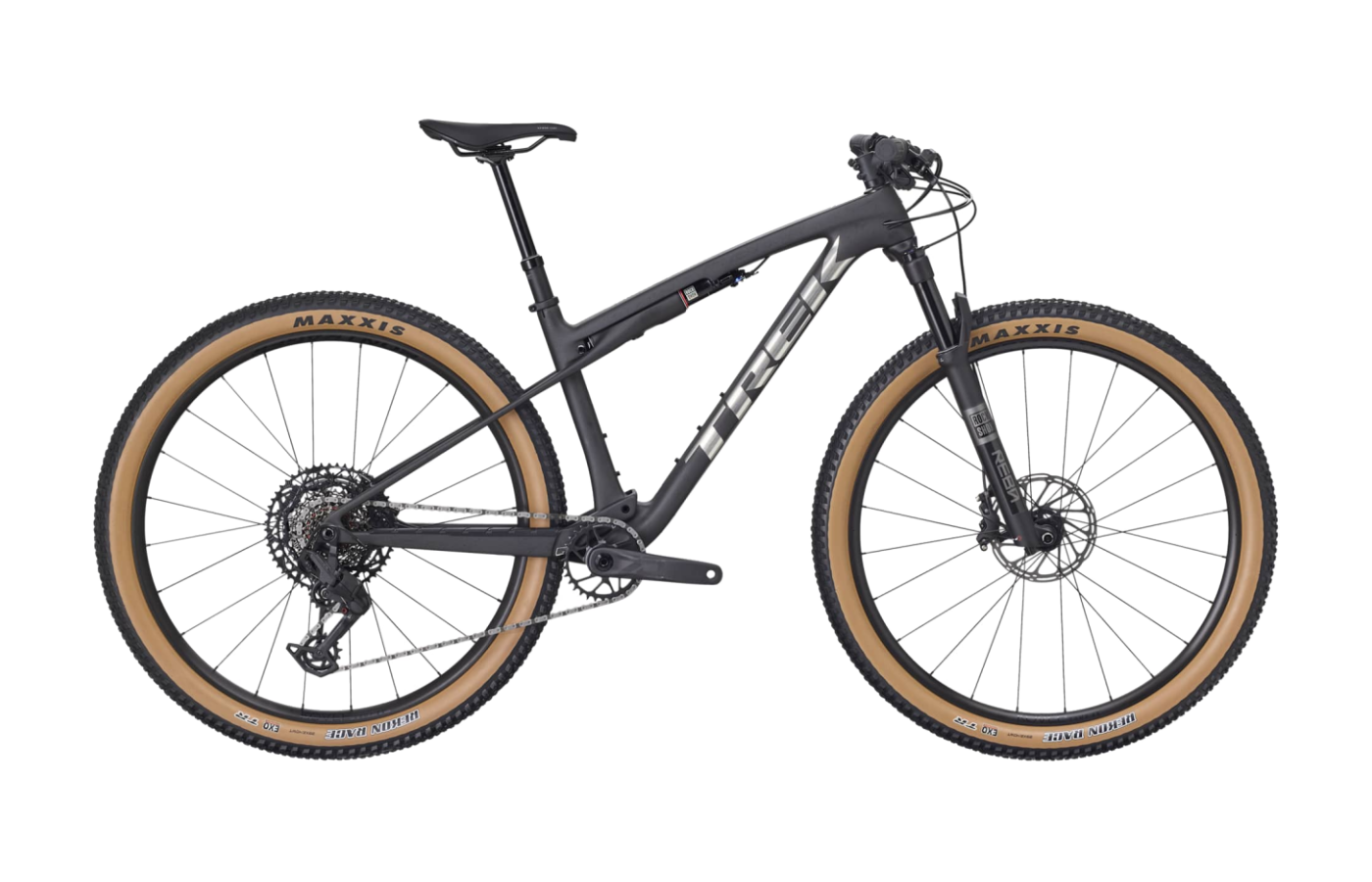
Supercaliber
Trek's other XC weapon — 80 mm of IsoStrut rear travel splits the difference between the Procaliber's hardtail efficiency and the Epic's full-suspension capability. The closest thing to a Trek answer to the Epic 8.
Compare →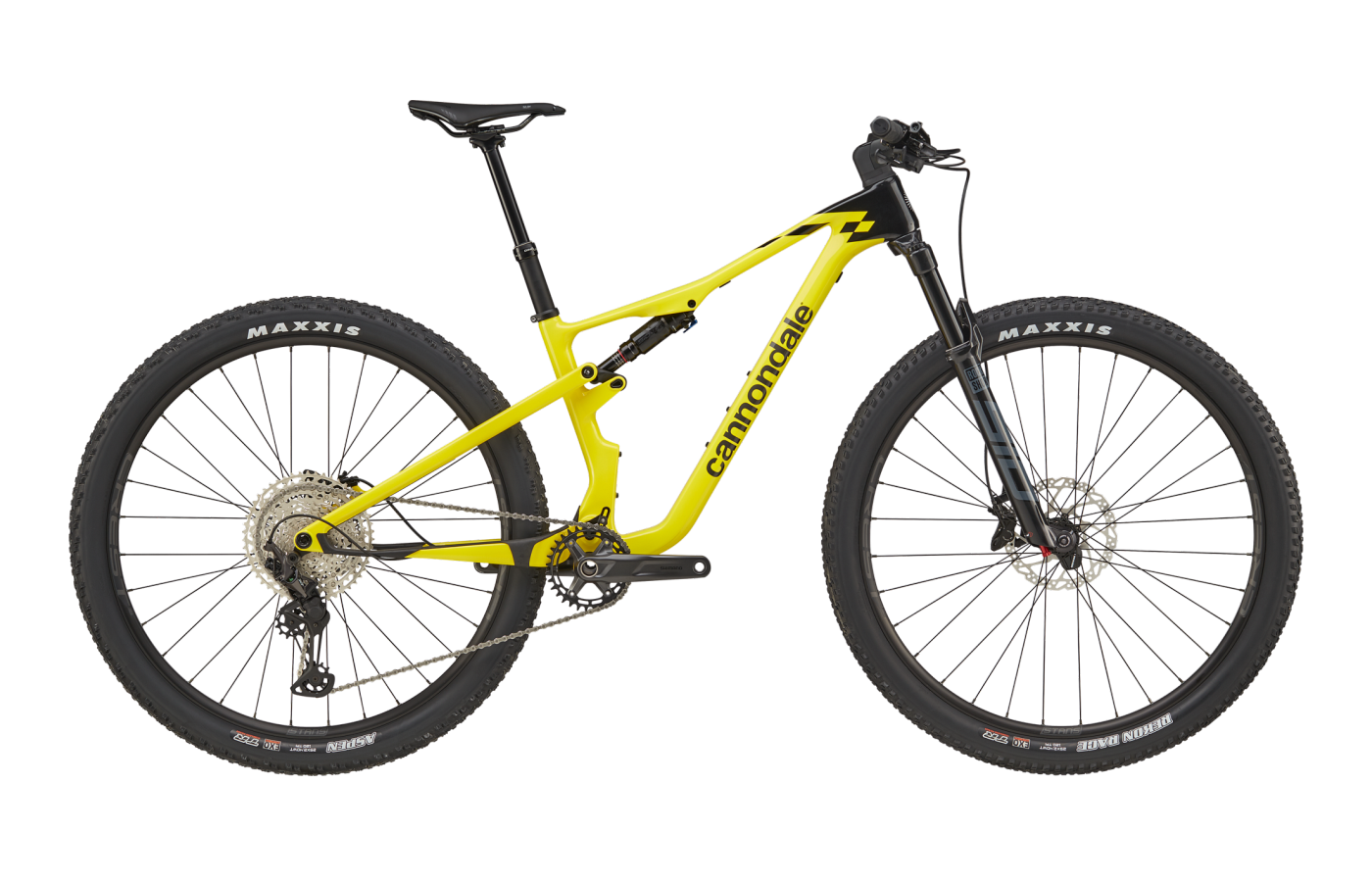
Scalpel
Cannondale's flex-stay XC racer — lighter, more focused, and arguably the sharpest descender in the category. A direct rival to the Epic for racers who prioritize traction over outright travel.
Compare →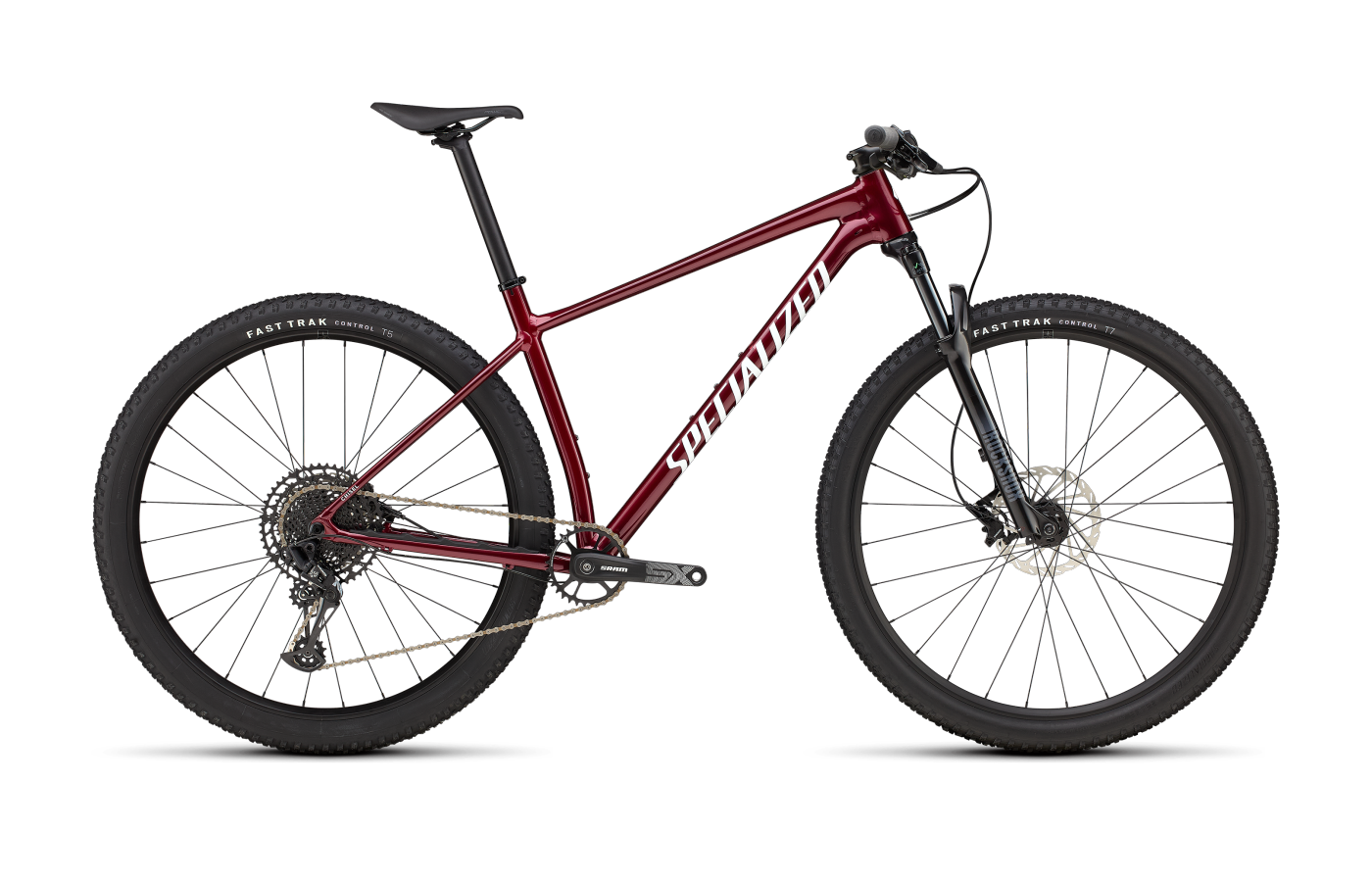
Chisel
Specialized's alloy hardtail with the same modern XC geometry as the Epic. A natural counter-pick to the Procaliber for riders who want hardtail simplicity at a tighter budget — and an aluminum frame they can beat up.
Compare →