Scalpel
vsEpic
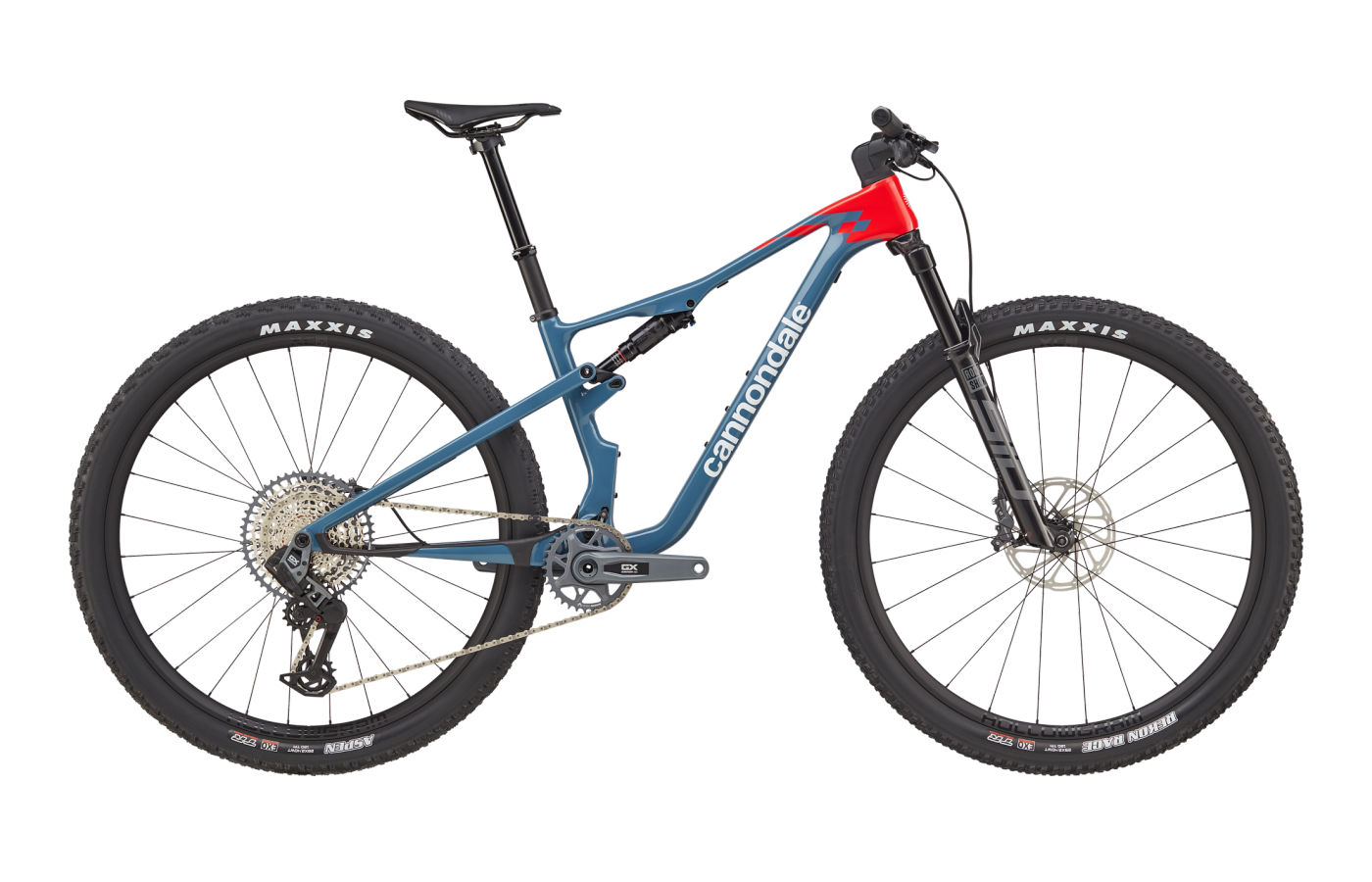
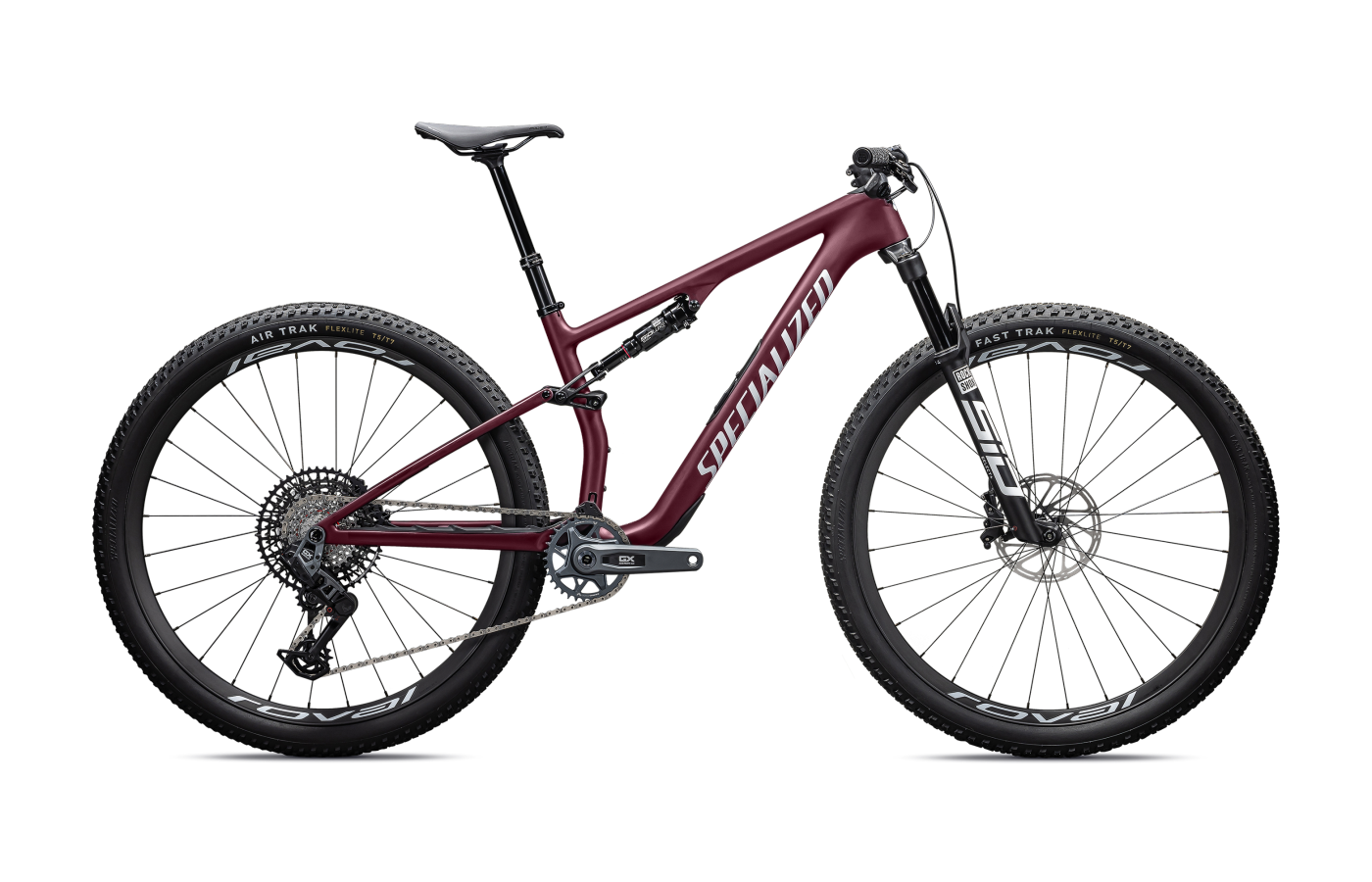
Two 120 mm XC racers, two suspension philosophies.
The Scalpel uses FlexPivot carbon stays and conventional geometry tweaks. The Epic 8 leans on a custom-tuned shock and the slackest head angle in the XC class.
Scalpel
- Size-specific chainstays (434–446 mm) keep front-rear balance honest from S to XL — most XC bikes don't bother.
- FlexPivot rear end delivers four-bar feel with fewer bearings to service over the bike's life.
- Lower price of entry — the carbon Scalpel 4 starts at $3,349, the cheapest carbon-frame build in this comparison.
- No in-frame storage — you'll be wearing a hip pack or strap on every ride.
- Through-headset cable routing across the range is a documented mechanic's headache.
Epic
- Slackest geometry in the XC class — 65.9° HTA in low and a 333 mm BB make it the most descent-confident XC race bike on sale.
- SWAT 4.0 downtube storage fits a tube and tools inside the frame — no hip pack required for a two-hour shred.
- Custom Magic Middle shock tune trickles down from the S-Works to the Expert — same suspension feel for half the price.
- Fixed 435 mm chainstay across all sizes can feel front-light to riders on XL frames.
- Higher price floor — even the cheapest Comp ($4,499) starts above the Scalpel's entry build.
Editor’s analysis
Same travel, same wheel size, same race pedigree — but two very different bets on what makes a modern XC bike fast.
The Cannondale Scalpel and Specialized Epic 8 sit in the same 120 mm cross-country slot, both on carbon, both 29ers, both stacked with World Cup wins in the last two seasons. Both also abandoned older orthodoxies in this generation — Specialized killed the Brain inertia valve, Cannondale ditched its proprietary Ai wheel offsets and PF30 bottom bracket. The result is two race bikes that finally meet the rest of the industry on standards. They diverge from there.
Specialized chases the geometry war. The Epic 8 runs a 65.9-degree head tube angle in the low setting — slacker than most enduro bikes from five years ago — paired with a steep 75.5-degree effective seat angle and a fixed 435 mm chainstay across every size. It descends like a featherweight trail bike and corners with what reviewers call a slalom-like, ground-hugging feel. Add the SWAT downtube storage and the custom Magic Middle shock tune, and the Epic becomes the bike that wants to be all bikes — XC race rig in the morning, light trail bike in the afternoon.
The Scalpel takes a more measured route. Head angle is 66.6 degrees — still modern, but not radical — and chainstays grow size-by-size from 434 mm (S) to 446 mm (XL) so taller riders stay balanced over the rear wheel. The FlexPivot carbon stays mimic a four-bar Horst-link layout without the pivot bearings, which keeps weight down and maintenance simpler. There's no in-frame storage and no flip chip: Cannondale's pitch is a lighter, more honest race bike that descends well because the geometry is right, not because the suspension is doing extra work.
Put another way: the Epic 8 is the bike for a racer who wants every gadget and the most aggressive descending geometry on the start line. The Scalpel is the bike for a racer who wants a clean, light platform with size-specific tuning and no battery-management discipline required.
Where the builds differ.
Comparing our editor's-pick builds side-by-side. Winners highlighted row-by-row — lower price and weight, and the better-spec component, each mark a point.
Build variants & pricing
Both ranges climb to flagship territory; the Scalpel starts $1,150 cheaper and the Epic stretches $500 higher at the top.
Prices are current US MSRP. Cannondale offers four builds ($3,349–$8,499); Specialized offers eight ($4,499–$14,999), including multiple Expert variants with different drivetrains and wheel specs at the same price tier.
How they fit, how they steer.
Both bikes are compared at size M — the fit-picked size for a 5'8" rider on each. Reach is identical at 450 mm; the Epic sits 1 mm taller in stack and runs a noticeably slacker head angle (65.9° vs 66.6°) with 5 mm more trail. Cannondale's M chainstay is 438 mm vs Specialized's fixed 435 mm.
Which size should I buy?
Recommendations based on stack, reach, and effective top tube. The Epic's size range extends one slot smaller (XS at 390 mm reach); the Scalpel offers four sizes from S to XL.
→These are starting points. Flexibility, riding style, and preferred position all shift the answer — if you’re between sizes, a professional fit beats a chart.
What the magazines said.
Published reviews from trusted cycling outlets. Click through for the full write-up.
Which one should you buy?
If you want a balanced, lighter race bike with size-specific tuning, get the Scalpel. If you want the most descent-capable XC bike on sale and don't mind managing batteries, get the Epic 8.
Scalpel
If you race XCO and marathon and want a bike that's lighter, simpler to live with, and balanced across the size range, the Scalpel is the choice. The size-specific chainstays make it the safer pick for taller riders, and the FlexPivot rear end gives you four-bar feel without the bearing-replacement schedule.
Epic
If you race technical XC courses or treat every weekend ride like a trail bike audition, the Epic 8's slacker geometry and Magic Middle shock turn it into the most aggressive descender in the category. The SWAT storage seals the deal for riders who hate hip packs.
Questions buyers actually ask.
Short answers to the things we get emailed about most often.
01Which descends better?
The Specialized Epic 8, by a meaningful margin for an XC bike. The 65.9-degree head tube angle (in the low flip-chip setting) and 333 mm bottom bracket give it what reviewers describe as featherweight-trail-bike confidence — Pinkbike, BikeRadar, and Flow Mountain Bike all called out the cornering composure as a category benchmark.
The Cannondale Scalpel is no slouch — its 66.6-degree head angle and size-specific chainstays make it a much better descender than the previous-gen 100 mm Scalpel — but it doesn't go as far down the trail-bike path as the Epic does.
02Which climbs better?
Both are excellent climbers; the differences come down to feel rather than speed. The Scalpel is widely described as a "rocket ship" on climbs — Cannondale tunes anti-squat to roughly 100% near sag, so the open mode feels firm enough that most reviewers don't bother with a lockout.
The Epic 8 uses its Magic Middle custom shock tune to get a similar effect: a digressive compression mode that resists pedal bob but "pops open" on impacts. Specialized claims 20% less pedal bob than the previous Epic EVO. On steep technical climbs, both keep the front wheel planted thanks to a 75.5-degree effective seat tube angle.
03How much travel does each bike have?
Both bikes run 120 mm front and rear. That's a change for both platforms — the previous Scalpel split into a 100 mm racing version and a 120 mm SE; the previous Epic was 100 mm. The 120 mm-everywhere convergence reflects how technical modern World Cup XC courses have become.
04What's the maximum tire clearance?
Scalpel: roughly 61 mm (2.4") — the stock builds ship with Maxxis Rekon Race / Aspen 29 x 2.4".
Epic 8: roughly 60 mm (2.35") — stock Specialized Fast Trak / Air Trak 29 x 2.35". Both clear modern XC race rubber comfortably; neither is a downcountry tire-stuffing platform.
05Which has better in-frame storage?
The Epic 8, by default. SWAT 4.0 downtube storage is on every build in the range — a flush, rattle-free door that fits a tube, levers, and a small multi-tool. Reviewers consistently call out the build quality as the best in the category.
The Scalpel skips frame storage entirely. Cannondale's argument is that omitting it keeps the Series 1 carbon frame lighter; the practical cost is you're carrying a hip pack or strap on every ride.
06Are the chainstays size-specific on both?
No — only on the Scalpel. Cannondale's "Proportional Response" approach scales the chainstay from 434 mm (S) to 446 mm (XL), keeping the front-rear balance consistent for taller riders.
The Epic 8 uses a fixed 435 mm chainstay across all five sizes. That short rear end helps small and medium frames feel agile, but reviewers testing the XL (with its 500 mm reach) noted the front end can feel slightly out of balance.
07What's the editor's-pick build on each?
Scalpel 2 at $5,799 — SRAM GX Eagle AXS Transmission, RockShox SID Select+ / SIDLuxe Select+, HollowGram XC-S 27 carbon wheels. Pinkbike and Bicycling both flag this as the value sweet spot in the Cannondale lineup.
Epic 8 Expert (GX AXS) at $7,199 — SRAM GX Eagle AXS Transmission, RockShox SID Select+ / SIDLuxe Select+ with the Magic Middle tune, Roval Control SL V carbon wheels. Pinkbike and Flow Mountain Bike both call this build the value sweet spot in the Epic range — the same custom suspension and carbon wheels as the Pro for nearly half the price.
08How serviceable are the cockpits?
Both bikes route cables through the headset on most builds, which makes bearing service significantly more time-consuming than a traditional setup — reviewers across both platforms flagged this as a long-term ownership cost.
Cannondale's higher-end SystemBar XC-One integrates bar and stem into one carbon piece, which means swapping bar width or stem length means buying a new unit. Specialized's lower and mid-tier builds (Expert and below) use a more conventional alloy bar and stem, which are easier to dial in for fit.
Similar bikes
If your priorities don’t map cleanly onto either of these, one of these adjacent bikes probably fits better.
ASR
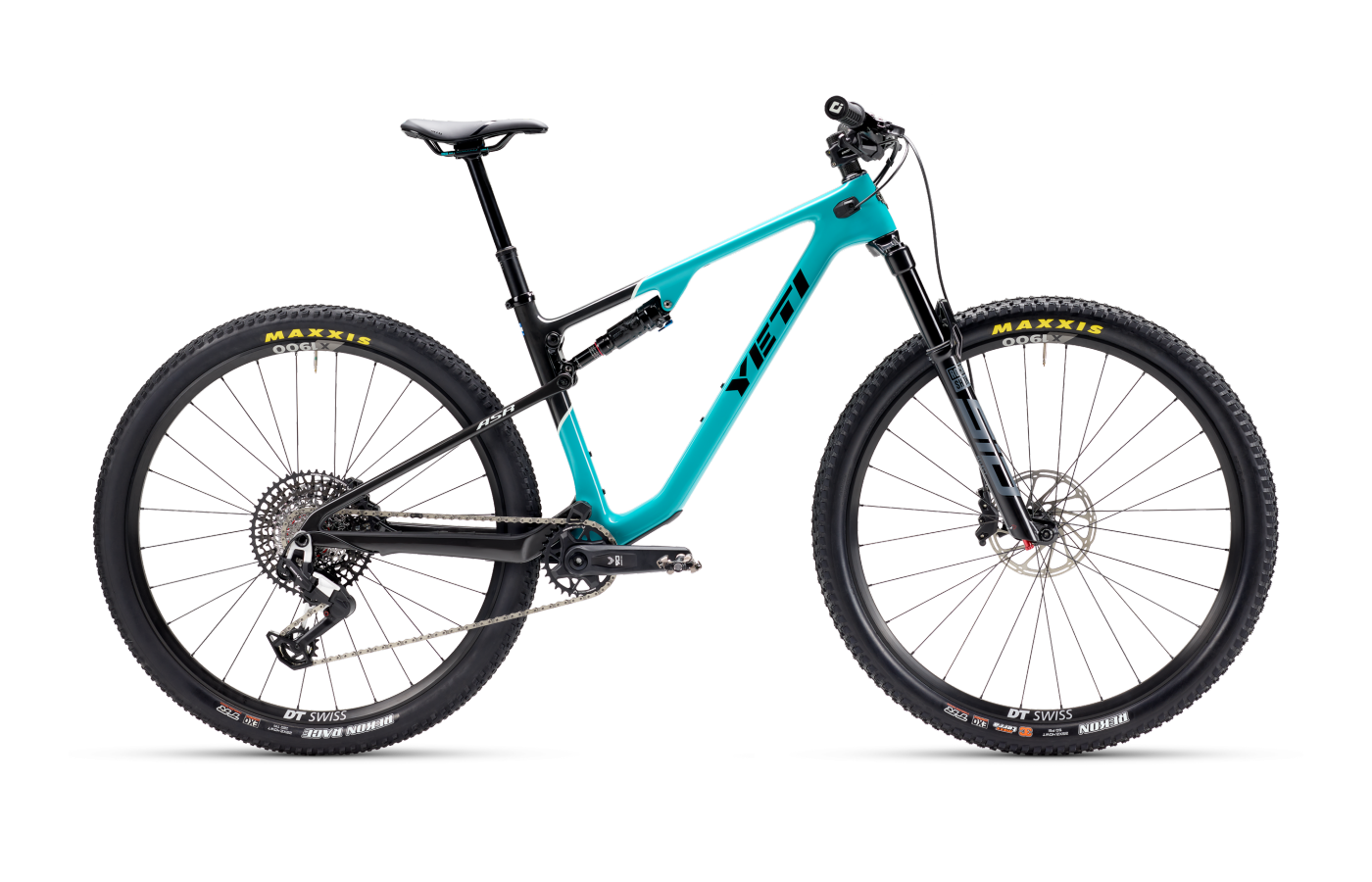
The Yeti ASR is the lighter, more single-mindedly uphill answer to the 120 mm trend — for racers who think the Scalpel and Epic are starting to feel trail-adjacent.
Compare →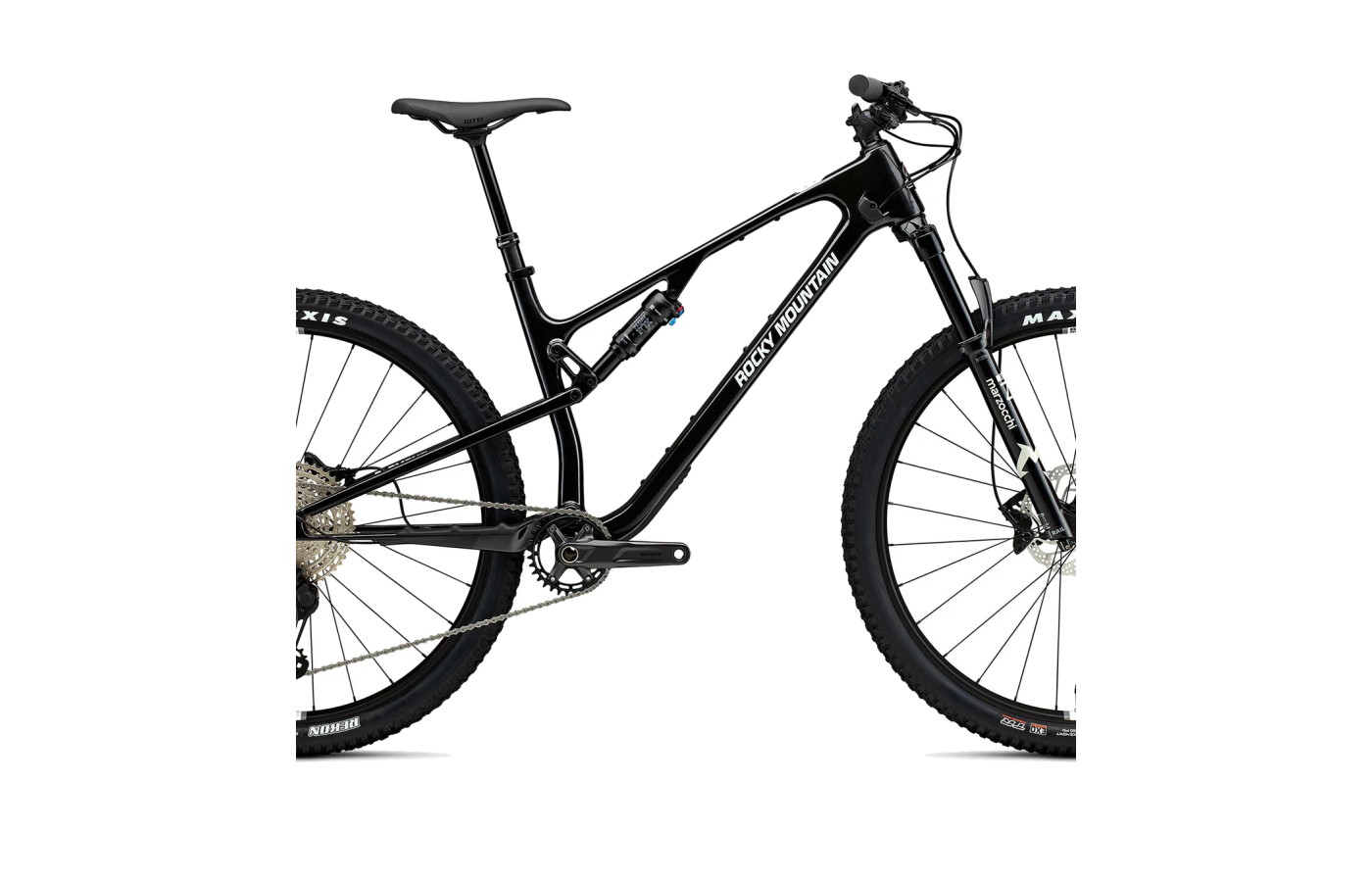
Element
The Rocky Mountain Element pushes further into downcountry territory with a 130 mm fork and a more complex four-bar linkage — pick this if the Epic 8 isn't quite slack enough for your local trails.
Compare →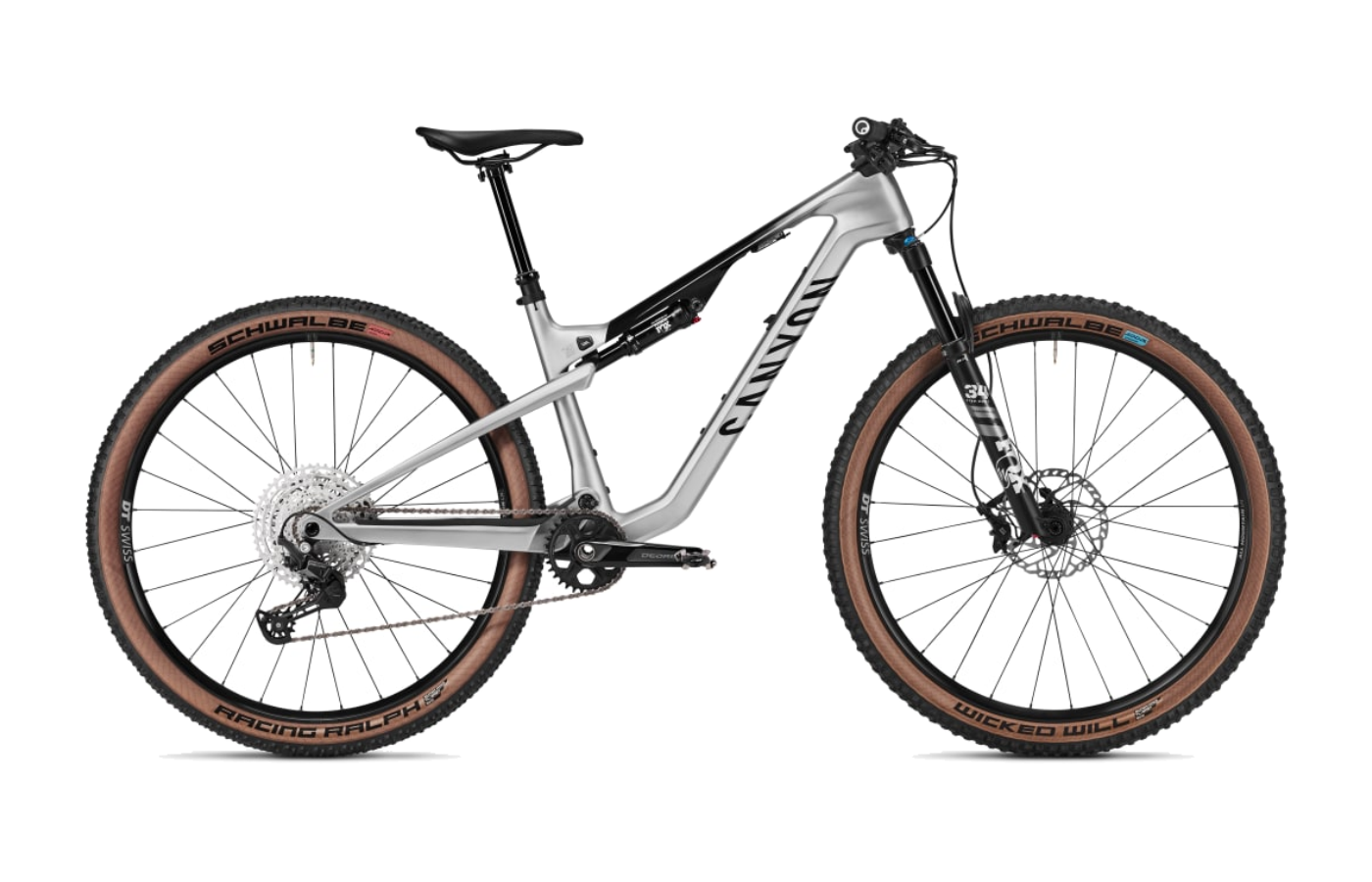
Lux Trail
The Canyon Lux Trail is the value play — same 120 mm travel, same in-frame storage, similar geometry, sold consumer-direct for noticeably less. The catch is no dealer network and no demos.
Compare →