Grail
vsAstr
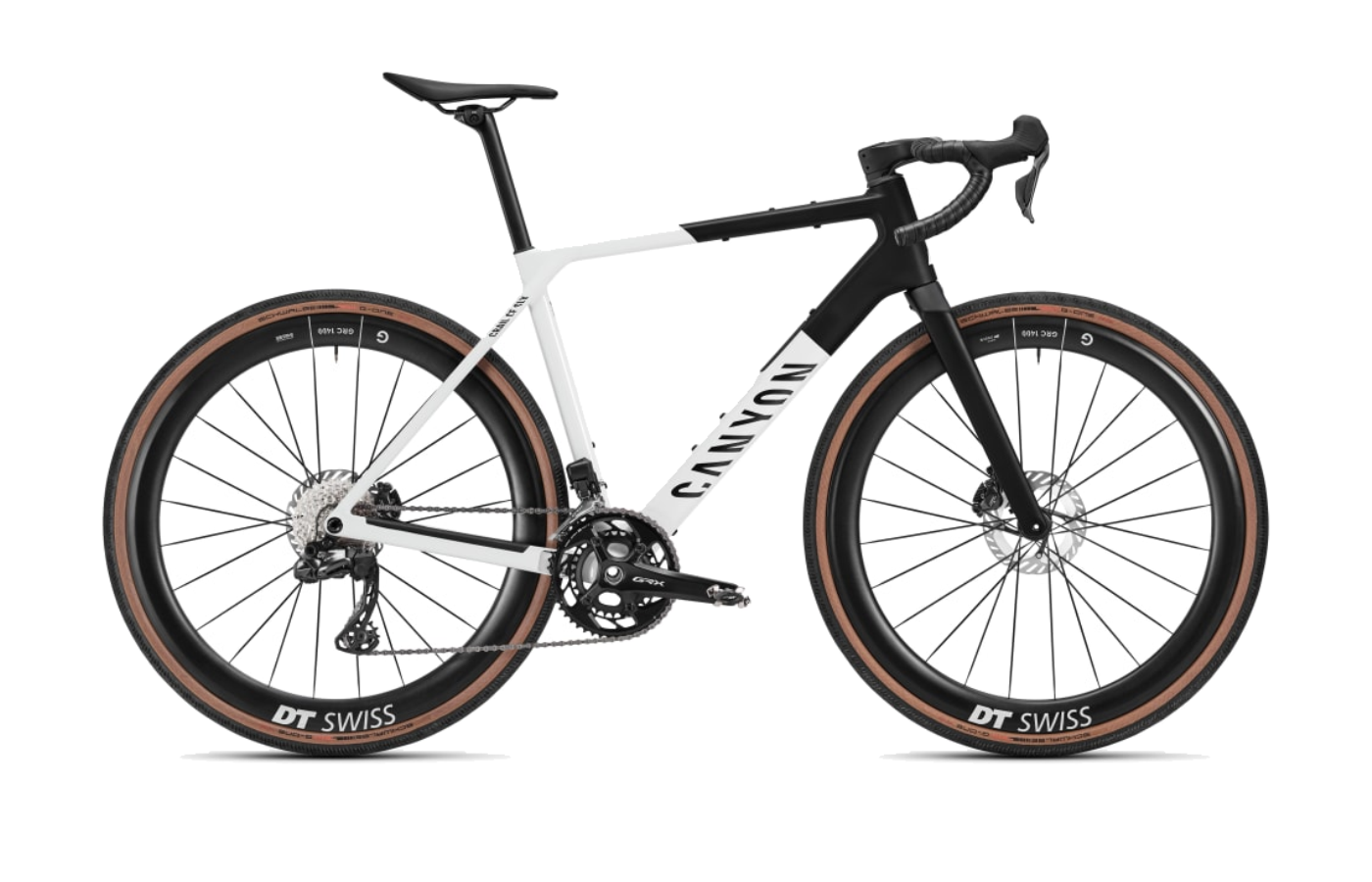
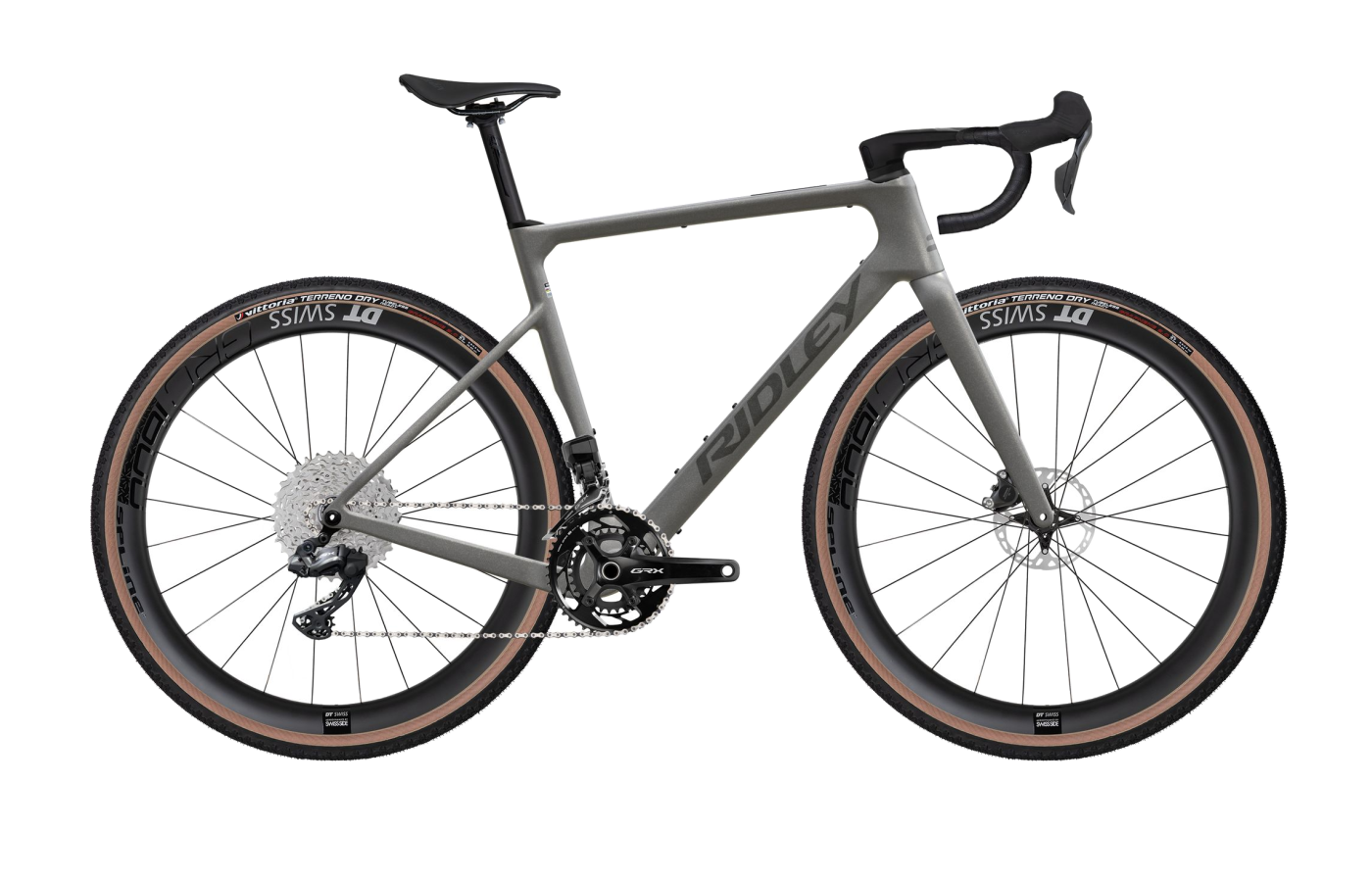
Two race-gravel bikes, ten millimeters apart.
The Canyon Grail is the tighter, aero-tuned racer with smart integrated storage. The Ridley Astr trades polish for tire room — 52 mm of it.
Grail
- Class-leading value — GRX Di2 + DT Swiss carbon at $5,599 undercuts most direct rivals by $1–2k.
- Integrated LOAD storage — downtube compartment plus Fidlock-mount frame bag Canyon claims is faster with than without.
- Composed at speed — long 1,057 mm wheelbase (size M) and 71.5° head tube track straight on rough open gravel.
- 42 mm tire ceiling is increasingly tight for chunky race courses.
- Stiff cockpit and D-shaped seatpost transmit a lot of trail chatter.
Astr
- 52 mm tire clearance (1x) — 10 mm more than the Grail, room for legitimate mountain-bike-adjacent rubber.
- Rock-solid in a straight line — planted, no-handed-stable, tailor-made for fast bunch riding at Unbound.
- Sub-900 g aero frame with full internal routing and Falcon RS-derived tube shapes.
- Heavy, slow steering feels ponderous on technical singletrack.
- No bikepacking, fender, or fork mounts — it's a race tool, not a do-it-all.
Editor’s analysis
Same brief — fastest gravel bike, full stop — answered two ways: one bike doubles down on aero polish, the other on the freedom to run mountain-bike rubber.
On paper the Canyon Grail and the Ridley Astr look like the same bike. Both are sub-900 g carbon race frames borrowing aero shapes from their makers' road platforms (the Ultimate and the Falcon RS). Both run integrated cockpits on their top builds, dropped seatstays, and proprietary D-shaped seatposts. Both are stiff to the point of jarring on rough ground. But spend a minute on tire clearance and the philosophies pull apart fast.
The Canyon Grail caps out at 42 mm — Canyon's call, in service of road-crank chainlines and a tight rear triangle. In return you get the most polished gravel race package on the market: integrated downtube storage, a Fidlock frame bag Canyon claims is faster than no bag at all, a 'Gear Groove' interface for aero extensions, and a 9.1 W aero gain over Gen 1 at 45 km/h. The CF SLX 8 Di2 build at $5,599 ships with full Shimano GRX Di2 and DT Swiss GRC 1400 carbon wheels — a spec that traditional brands struggle to match below $7k.
The Ridley Astr clears 52 mm with a 1x setup, 47 mm with a front mech — meaningfully more rubber than the Grail can swallow. That's the Astr's whole pitch: aero-race tube shapes plus mountain-bike-adjacent tires for the increasingly chunky reality of Unbound-style courses. The chassis is even stiffer than the Grail (one reviewer calls it 'an aero race bike on fat tires') and the steering noticeably heavier — locomotive-stable in a straight line, ponderous when you ask it to turn quickly. Ridley pairs it with a stock Vittoria Terreno T50 in 50c, signaling exactly what they expect you to ride.
Put another way: the Canyon Grail is the precision instrument for fast, predominantly smoother courses where 40 mm tires are the sweet spot and integrated tooling matters. The Ridley Astr is the broader weapon for courses where 42 mm is no longer enough and you'd rather have the tire-clearance headroom than a built-in tool roll.
Where the builds differ.
Comparing our editor's-pick builds side-by-side. Winners highlighted row-by-row — lower price and weight, and the better-spec component, each mark a point.
Build variants & pricing
The Grail offers five carbon builds from $2,899 to $6,099. The Astr's lineup spans seven builds anchored by Shimano GRX and SRAM AXS options.
Prices shown are current US MSRP where listed. Ridley sells the Astr through traditional dealers and US prices weren't published in our dataset at scrape time — confirm with your local Ridley shop. The Grail's two top-tier builds (CF SLX) get the integrated downtube storage and Gear Groove cockpit; the cheaper CF SL frames don't.
How they fit, how they steer.
Different size labels, same fit-picked frame for a 5'8" rider. Both run a 71° head angle and 425 mm chainstays; the Astr's 74° seat tube sits the rider 0.5° more forward over the cranks. Stack and reach are within 8 mm — the Astr is slightly lower and shorter at the rider's chosen size.
Which size should I buy?
Sizing comes from stack, reach, and effective top tube. The Grail offers seven sizes (2XS–2XL); the Astr offers five (XS–XL).
→These are starting points. Flexibility, riding style, and preferred position all shift the answer — if you’re between sizes, a professional fit beats a chart.
What the magazines said.
Published reviews from trusted cycling outlets. Click through for the full write-up.
Which one should you buy?
If you race on fast, hard-packed gravel and want integrated tooling and unbeatable spec value, get the Canyon Grail. If your courses run rougher and you'd rather have 50 mm tires than a frame bag, get the Ridley Astr.
Grail
If your gravel runs to the smoother end — fire roads, hard-pack, the kind of 'champagne gravel' where 40 mm tires are plenty — the Grail's polish, integrated storage, and Canyon-direct pricing are very hard to argue with. It's the spec-sheet winner of the bracket.
Astr
If your races (or favorite local rides) involve embedded rocks, exposed roots, and tires you wish you could go bigger on, the Astr's 52 mm clearance is the difference. It's the bike for riders who keep getting under-biked on a Grail.
Questions buyers actually ask.
Short answers to the things we get emailed about most often.
01How much more tire room does the Astr really have?
Officially, 10 mm. The Canyon Grail caps out at 42 mm; the Ridley Astr clears 52 mm in a 1x setup, 47 mm with a front derailleur. In practice that's a meaningful jump — a 50 mm Vittoria Terreno T50 (the Astr's stock tire) physically will not fit a Grail.
On smoother gravel the difference doesn't matter much. On chunky, rocky, root-strewn courses, an extra 8–10 mm of tire is worth several PSI of comfort and a noticeable bump in grip.
02Which bike is faster?
Roughly a wash on smooth surfaces. Both lean hard into aero — Canyon claims a 9.1 W saving at 45 km/h over the previous Grail, and Ridley pulls tube shapes directly from its Falcon RS road race frame. Reviewers describe both as 'an aero race bike on fat tires.'
Where the Astr can pull ahead is on rougher ground, because it can run wider, lower-pressure tires that roll faster over chunk. Where the Grail pulls ahead is on champagne gravel where its tighter rear end and integrated frame bag (Canyon claims it's faster with the bag than without) shine.
03Which is more comfortable?
Neither is plush — both are race-stiff frames. The Grail's reviewers consistently describe a firm, chatter-prone front end; the Astr is described as 'firm, firm' even with 47 mm tires at 20 PSI.
If comfort is the priority, both bikes' stock tire choice carries most of the smoothness load. The Astr's wider clearance gives you more headroom to throw bigger, lower-pressure rubber at the problem — which is the only meaningful comfort lever either bike offers.
04How do the integrated cockpits compare?
Both top-tier frames use proprietary one-piece carbon designs that limit fit adjustment. The Grail's CP0039 (CF SLX/CFR builds) has a swept-back top section, flared drops, and Canyon's Gear Groove interface for aero extensions and accessory mounts. Reviewers like the ergonomics but note the stock 420 mm bar on smaller frames feels too wide for narrower-shouldered riders.
The Astr's RS model uses Ridley's narrow one-piece carbon aero bar/stem, with reviewers describing it as 'very narrow' and aggressively stretched-out. Mid-tier Astr builds — including the Shimano GRX Di2 build we picked — ship instead with a more conventional Deda Superzero alloy bar plus separate stem, which is friendlier to swap and adjust.
05Can you fit fenders or bikepacking gear?
Canyon yes, Ridley no. The Grail has a dedicated quick-release fender kit (sold separately) and full top-tube/bottle mounts. Mid-tier-and-up Grails get the LOAD downtube storage and Fidlock-mount frame bag.
The Astr has no fender mounts, no fork mounts, and only the bare-minimum top tube and bottle cage bosses. Reviewers call this a deliberate race-only choice — Ridley made the Astr a focused tool, not a multi-purpose one. If you want to bikepack or commute on the same bike, the Grail is the only option here.
06Which has the better entry-level build?
The Grail wins this hands down. Canyon's CF SL 7 Shimano GRX 12s starts at $2,899 with a full carbon frame, GRX 12-speed mechanical, and DT Swiss alloy wheels — a serious value entry point.
Ridley's lineup skews higher and US pricing wasn't published in our dataset at scrape time, but European pricing positions the entry-level Astr Essential around €3,300 and the RS halo above €11,500. Expect the Astr to cost meaningfully more at every comparable spec — that's the cost of buying through traditional retail rather than direct-to-consumer.
07Which is better for a 5'8" rider?
Both fit fine — the fit algorithm picks size XS for the Grail and size S for the Astr. The labels differ across the two brands' size charts, but the actual frames sit within ~8 mm of each other on stack and reach.
One caveat: smaller-frame Grails have drawn flak from reviewers for stock 420 mm bars feeling too wide. If you have narrower shoulders, expect to factor in a cockpit swap on the SLX builds, which means a third-party bar/stem and a non-trivial install.
08Which is more serviceable long-term?
Both demand patience. The Grail's brake hoses route through the upper headset cover, complicating headset service; reviewers also flagged occasional creaking from the press-fit BB and noted the proprietary CP0039 cockpit and SP0072 D-post are pricey to replace. Canyon's direct-to-consumer model also means no local dealer for warranty handling.
The Astr's RS uses full internal routing and a proprietary D-shaped steerer, which similarly complicates cockpit and headset service. The mid-tier Astr builds (including the GRX Di2 build here) avoid the one-piece cockpit and are friendlier to wrench on. Ridley sells through traditional dealers, so you have a real shop to lean on.
Similar bikes
If your priorities don’t map cleanly onto either of these, one of these adjacent bikes probably fits better.
Crux
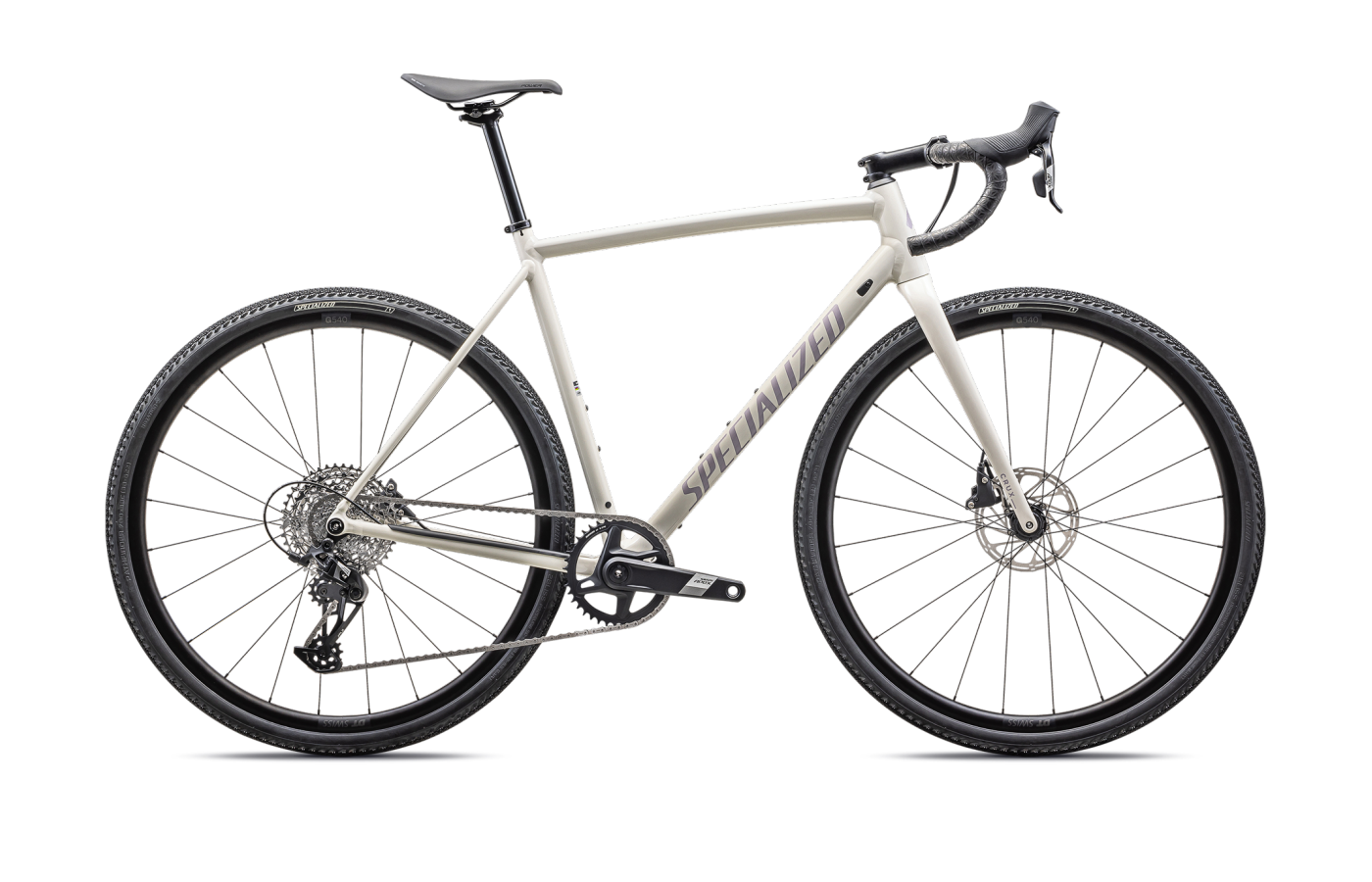
If both the Canyon Grail and the Ridley Astr sound too punishingly stiff, the Specialized Crux is the lightweight escape — a more compliant frame that trades aero tube shapes for grams. Best if your priority is climbing and all-day comfort, not flat-out aero pace.
Compare →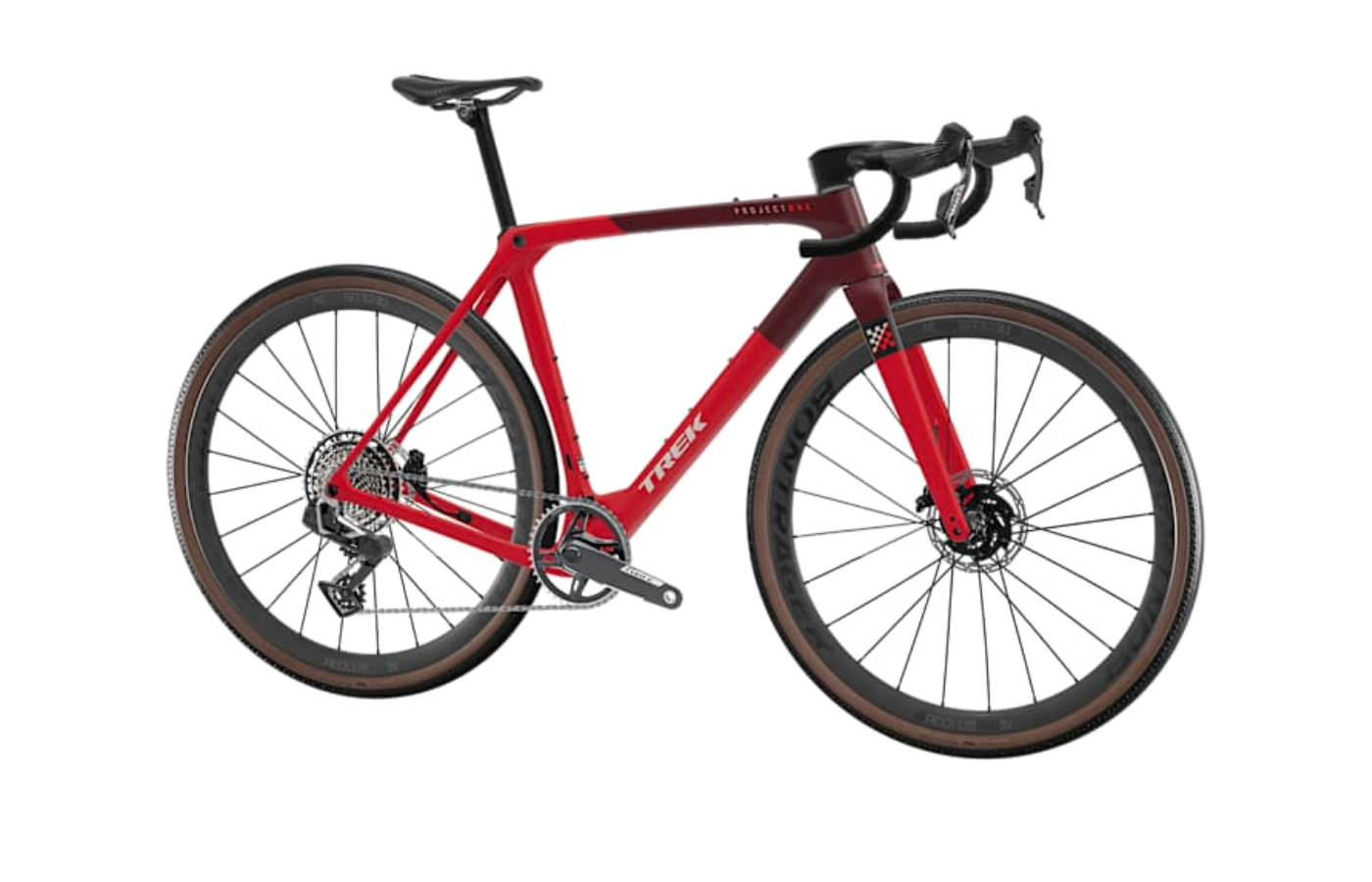
Checkmate
Trek's direct rival — same race-gravel brief as the Grail and Astr, but with the IsoSpeed decoupler softening the rear end. Pick it if you want a dedicated race frame that won't beat you up on the chunkier sections.
Compare →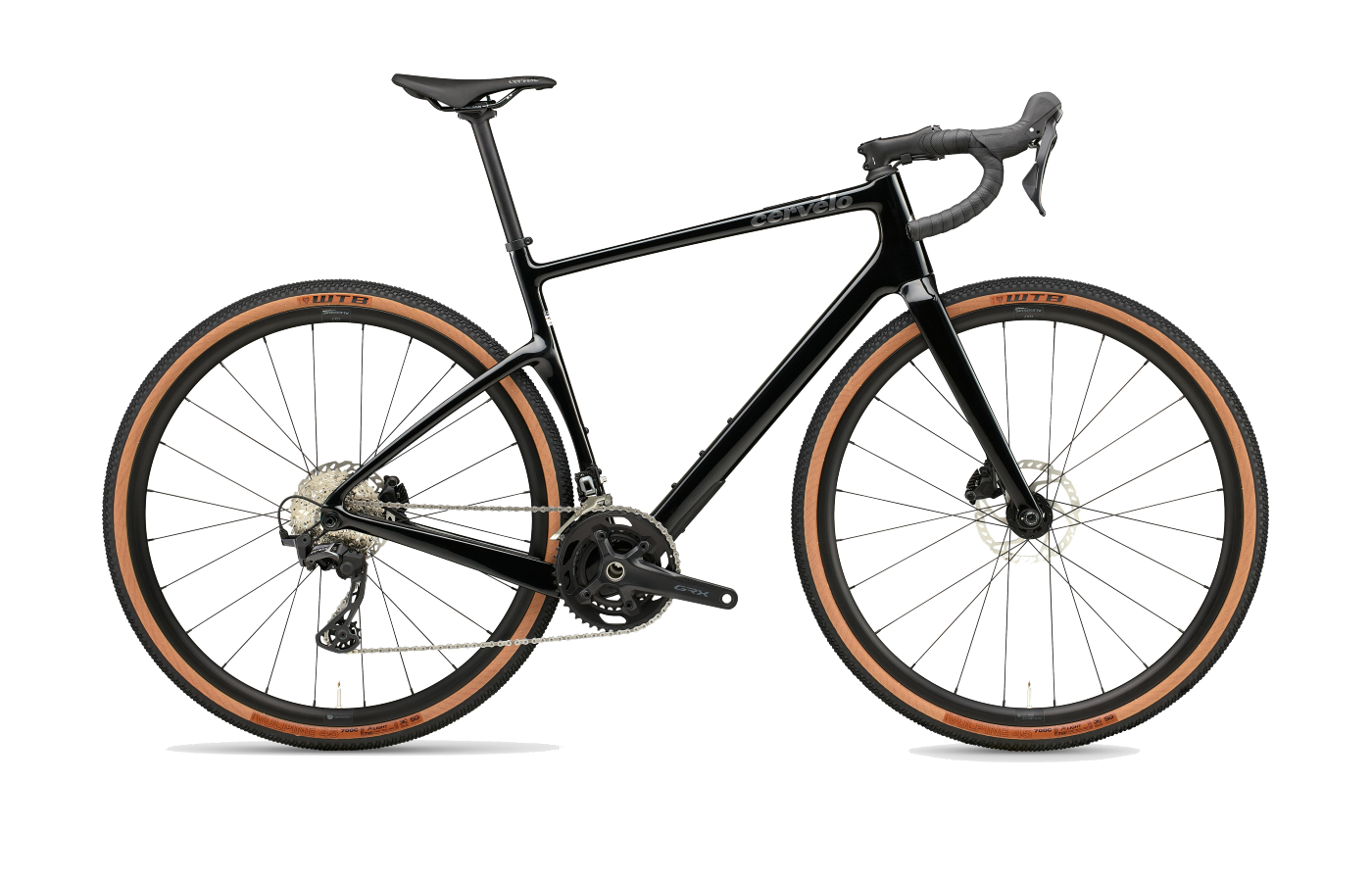
Aspero
Cervélo's racy entry comes with a conventional, swappable bar and stem instead of the proprietary integrated cockpits the Grail and Astr lock you into. Best for riders who already know they'll need fit tweaks.
Compare →