Ridley
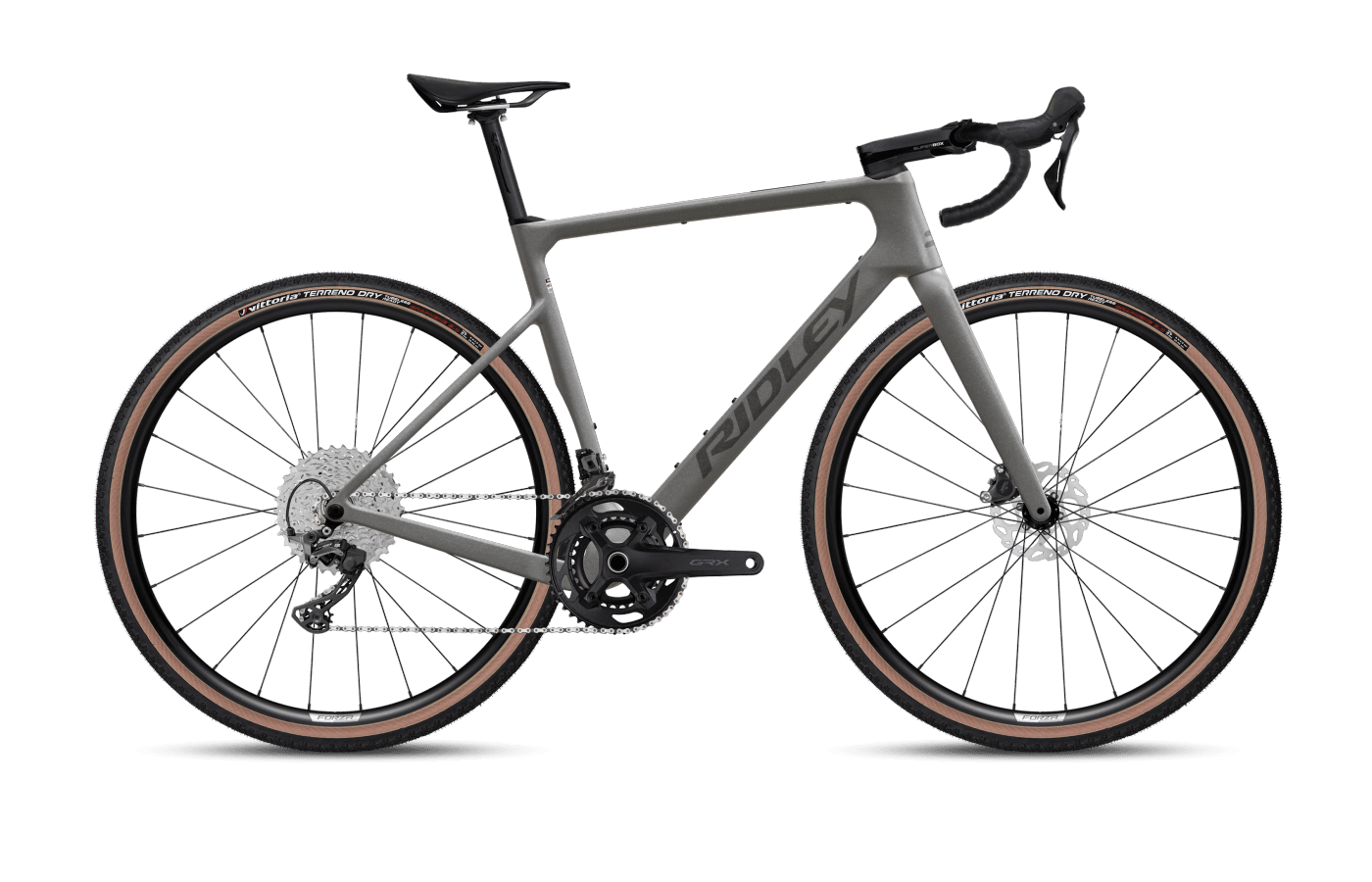
AstrShimano GRX600 2x12sp
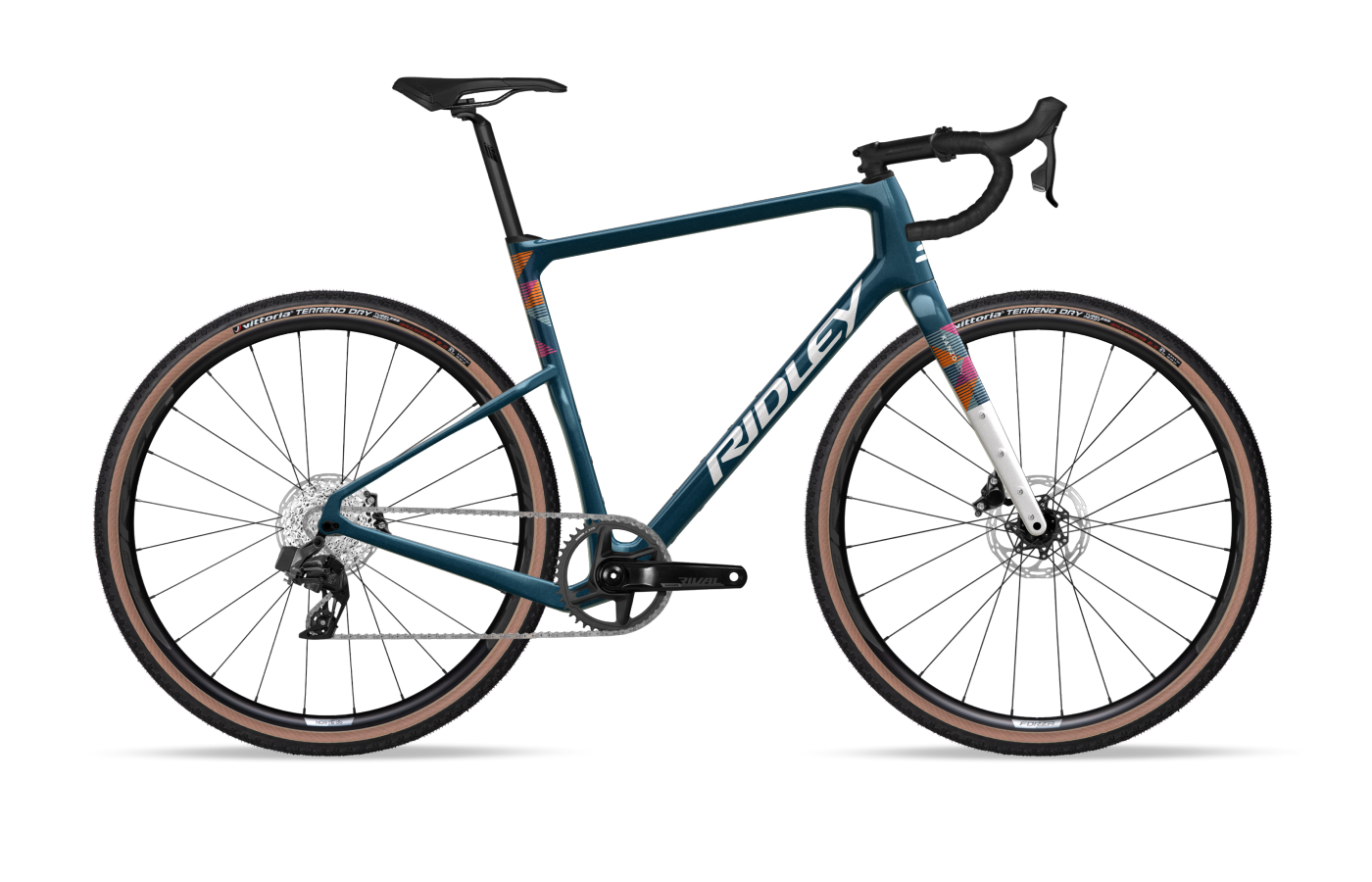
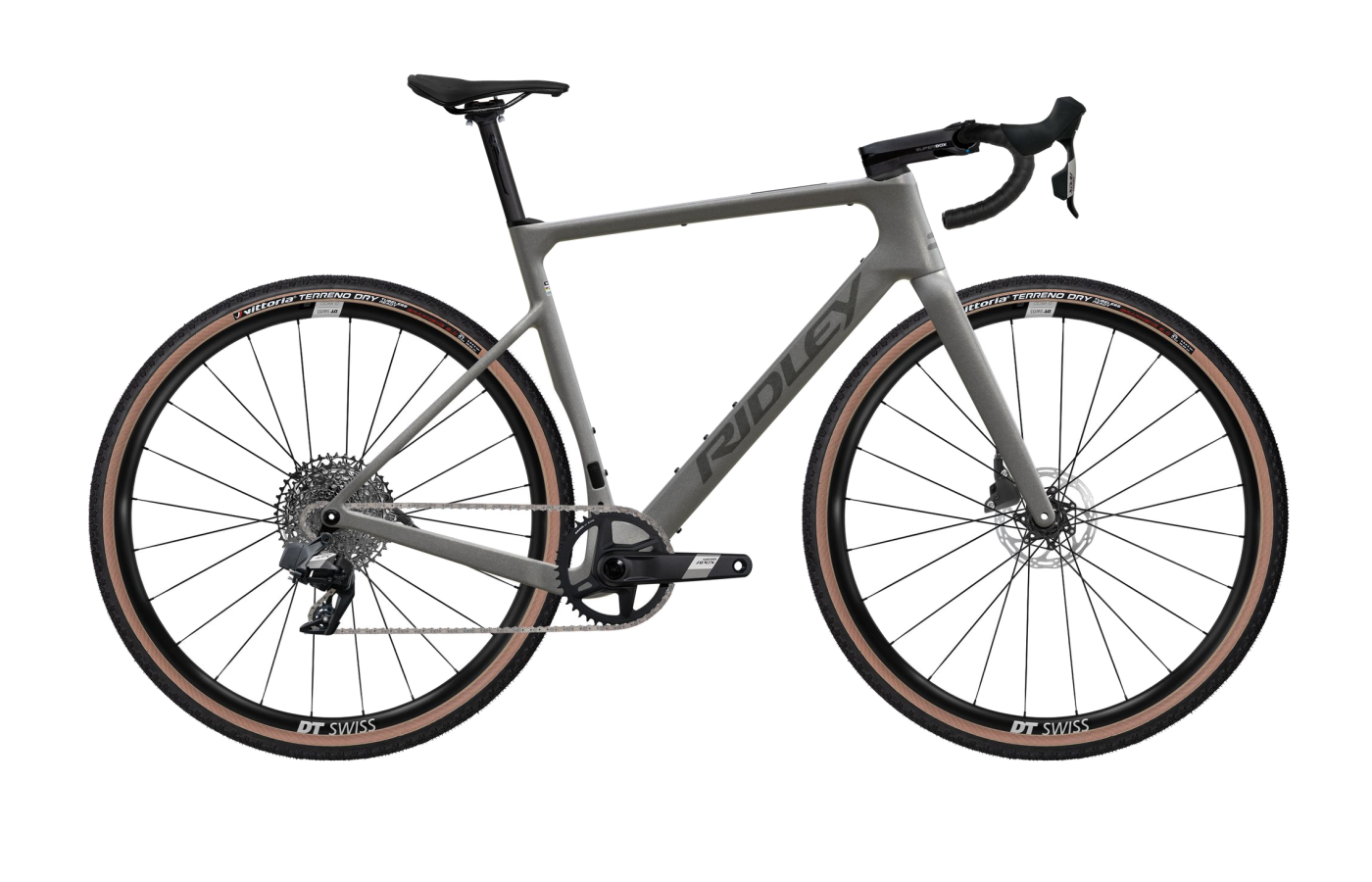
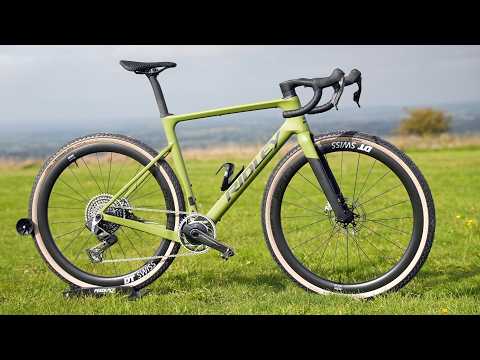
Ridley introduced the Astr platform for the 2025 model year as a dedicated performance gravel racing chassis. Built around an aero-to-weight philosophy, the frame borrows aerodynamic tube shaping and an integrated diffuser fork crown from Ridley’s Falcn RS road bike, while maintaining a highly competitive weight. The defining characteristic of the Astr is its massive tire clearance for a race-oriented frame, accommodating up to 52mm rubber on 1x drivetrains and 47mm on 2x setups. This allows racers to tackle increasingly rough, fast modern gravel courses without sacrificing aerodynamic efficiency. Ridley splits the platform into two tiers: the flagship Astr RS, which uses a sub-900-gram elite carbon layup and an aero D-shaped seatpost, and the standard Astr, which utilizes a slightly heavier carbon blend and a conventional 27.2mm round seatpost. Both tiers share the same aggressive silhouette and are strictly focused on speed, stripping away utility mounts in favor of pure racing performance.
Spec sheet.
Every component shipped with this build.
Geometry & fit.
5 sizes published.
Ridley designed the Astr’s geometry to keep the bike composed at race speeds. By utilizing a longer wheelbase, a slacker head tube angle, and a lower bottom bracket, the chassis naturally resists twitchiness and tracks predictably over rough surfaces. This stability-focused foundation is paired with an aggressive, aerodynamic rider posture.
The cockpit setup heavily influences the bike's handling and fit. While the flagship RS models are often tested with Ridley's narrow, one-piece carbon aero cockpit that stretches the rider out into a low, compact position, the standard builds rely on a two-piece Deda Super Box stem and Superzero Alloy Gravel handlebar. These Deda bars feature a narrow 420mm width at the hoods to minimize frontal area, flaring out to 500mm in the drops to provide essential leverage and control for descending. The combination of the stretched-out reach, narrow hood stance, and stable frame geometry creates a locomotive-like ride quality. It requires deliberate input to initiate tight turns but rewards the rider with exceptional tracking and aerodynamic efficiency on long, straight sectors.
Where the handlebar sits relative to the bottom bracket — the single most important fit pair.
01Fit geometry6 values
03Handling geometry5 values
Which size should I buy?
Slide your height to see the recommended size. GearWise's fit algorithm works from the published stack, reach, and ETT — the brand's own recommendation may differ.
→Calculated from GearWise's own stack / reach / ETT algorithm — the brand's size chart may recommend a different size, and a proper bike fit beats any calculator.
The lineup.
7 builds.
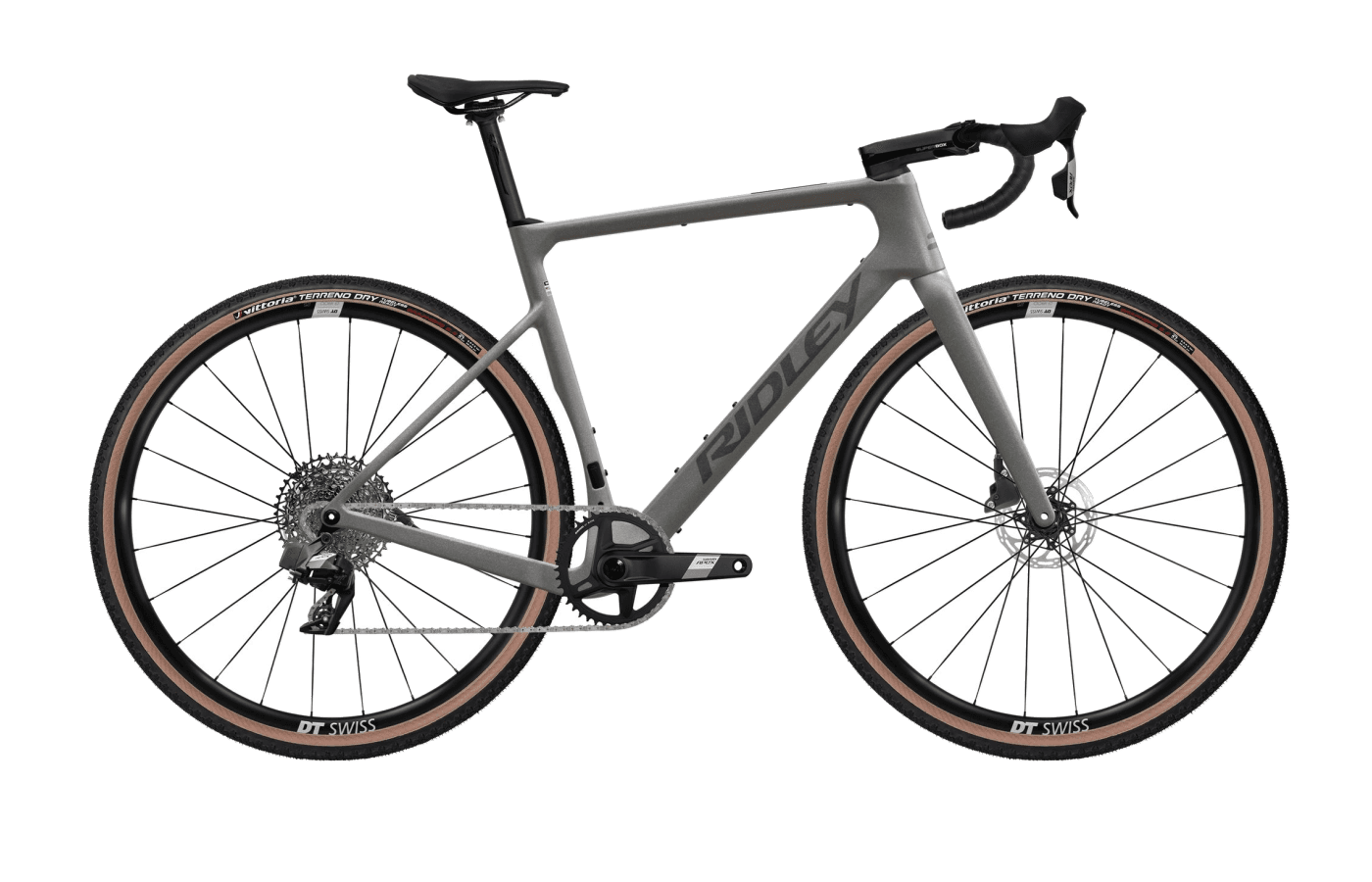
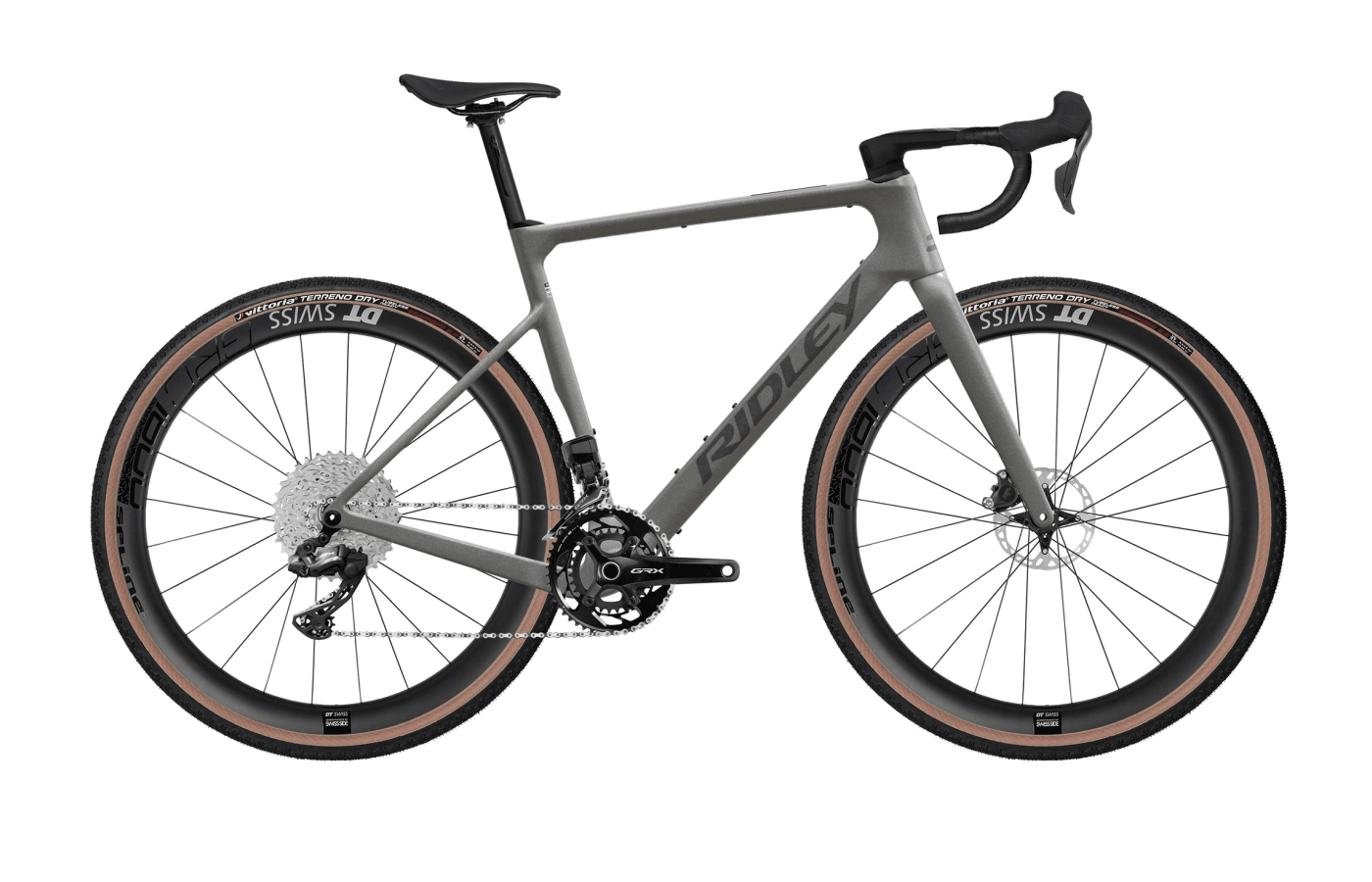
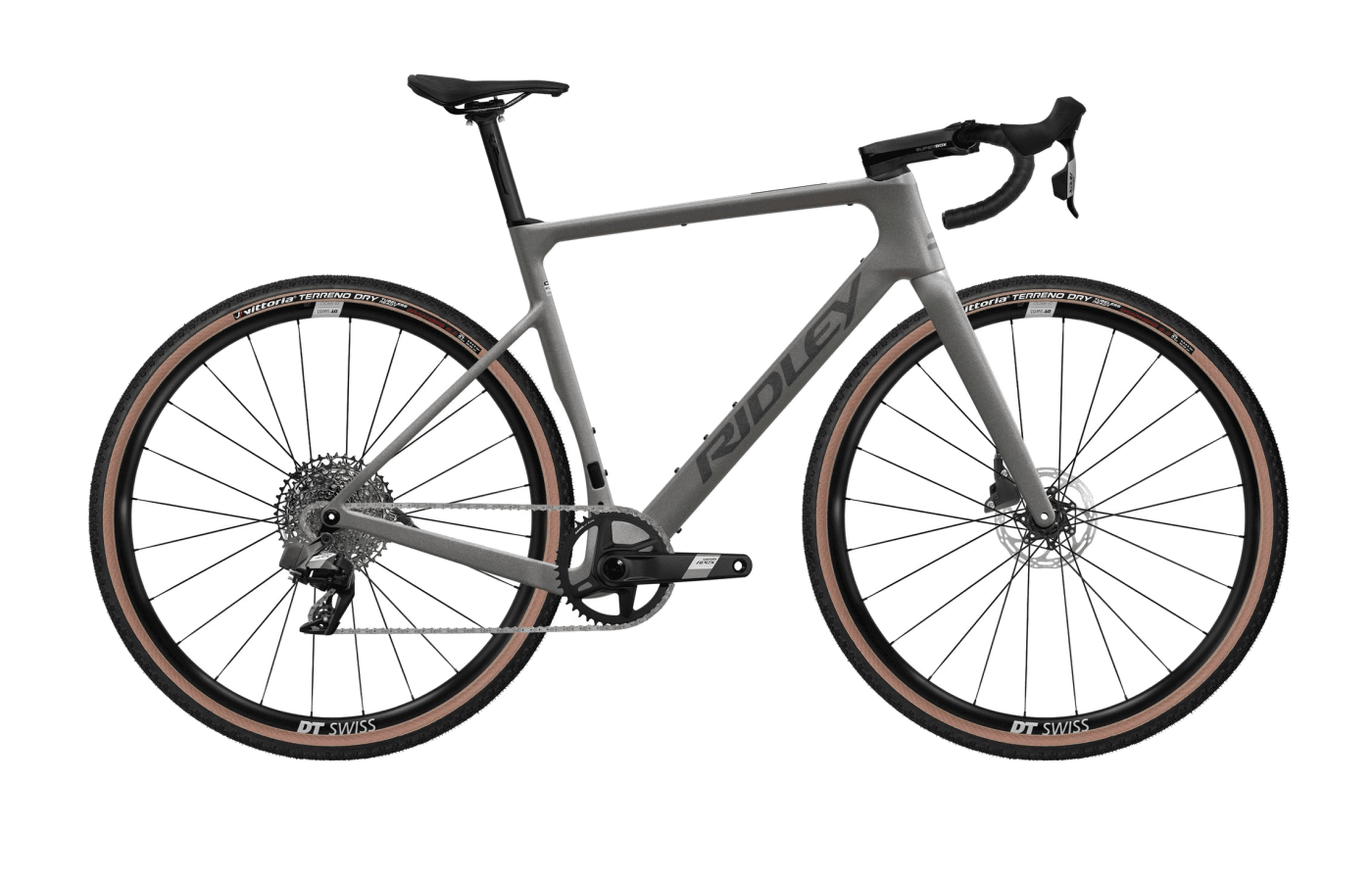
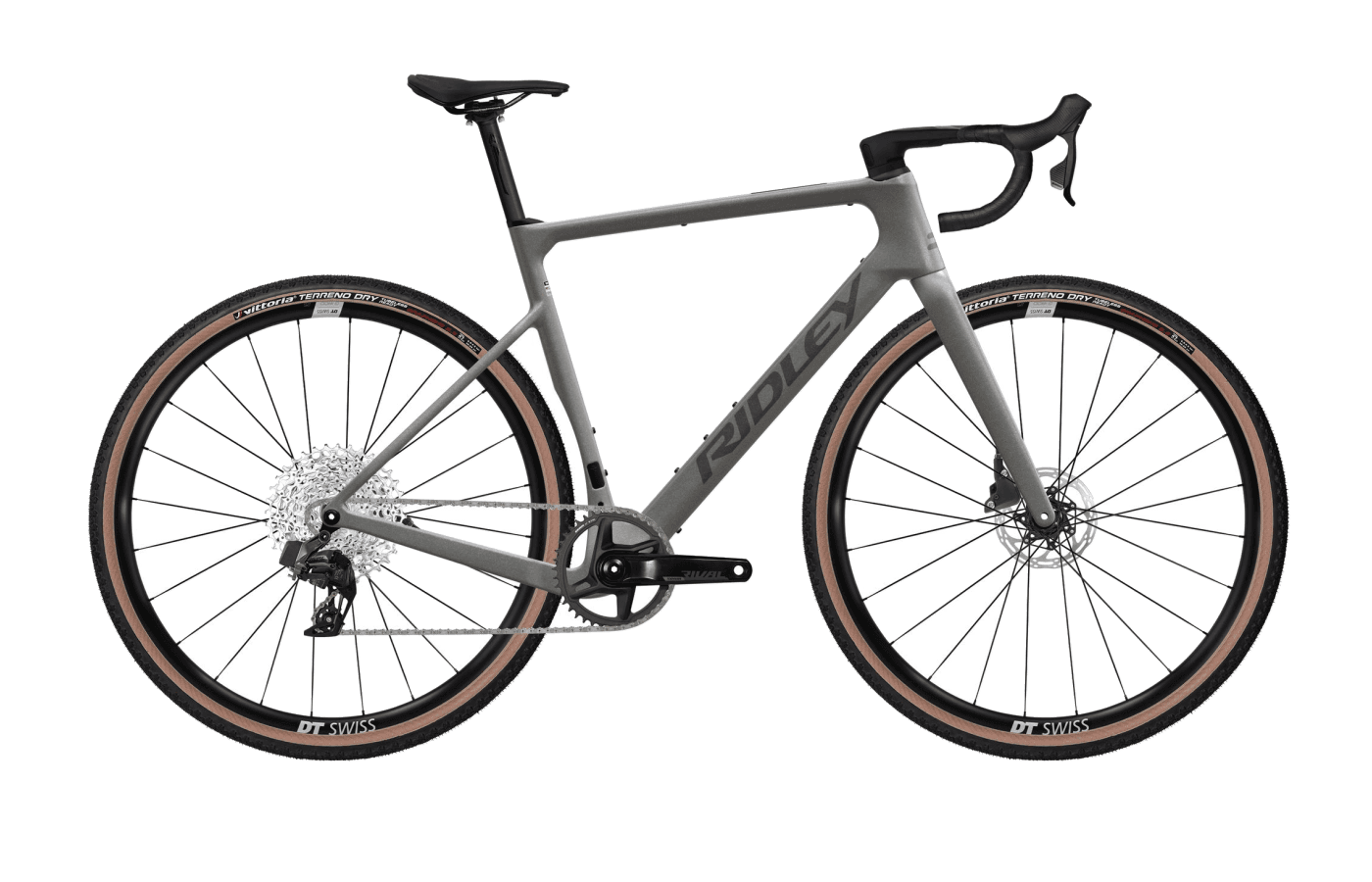
The Astr lineup is divided by frame material and seatpost standard, which dictates the overall value and upgrade path. The premium Astr RS frame is restricted to electronic groupsets and utilizes a proprietary D-shaped aero seatpost. In contrast, the standard Astr models use a slightly heavier carbon layup but feature a conventional 27.2mm round seatpost. This seemingly minor detail significantly increases the standard frame's versatility, allowing riders to easily install a suspension seatpost or standard dropper post to mitigate the frame's inherent stiffness.
Ridley offers a wide array of builds on the standard Astr frame, primarily utilizing Shimano GRX and SRAM XPLR drivetrains. The ladder includes both 1x and 2x configurations, though riders should note that running a front derailleur reduces maximum tire clearance from 52mm to 47mm. Standout options include builds equipped with the Classified Powershift rear hub, which provides a 2x gear range without the aerodynamic penalty or clearance limitations of a front derailleur. Across the standard builds, Ridley consistently specs 50mm Vittoria Terreno T50 tires and Shimano RX180 alloy wheels, meaning riders looking to maximize the frame's race potential will likely want to upgrade to a lighter carbon wheelset down the line.
From the press.
1 review from the cycling press.
Reviewers characterize the Astr RS as an uncompromising speed machine that prioritizes power transfer and straight-line stability over plush compliance. Testing the flagship model, David Arthur noted that the frame's immense stiffness delivers rapid acceleration but results in a "firm, firm ride" (YouTube). Even when running high-volume 47mm tires at low pressures, the chassis can feel "quite jarring at times" over exposed rocks and rougher trails (YouTube). This indicates that the bike relies almost entirely on tire volume for shock absorption rather than engineered frame flex.
When it comes to handling, the Astr RS is built to hold momentum across open terrain. The steering is deliberately heavy, which Arthur described as "rock solid in a straight line" and highly resistant to deflection in narrow ruts (YouTube). The tradeoff for this unwavering high-speed composure is a lack of low-speed agility. Navigating tight corners or technical singletrack from the hoods reveals steering that is "ponderous, perhaps" compared to more nimble gravel frames (YouTube). Ultimately, reviewers agree the Astr RS excels exactly where it was designed to: grinding out fast miles in a peloton or powering across wide-open gravel roads where maintaining a predictable trajectory is paramount.
Compared to.
Most-viewed comparisons.