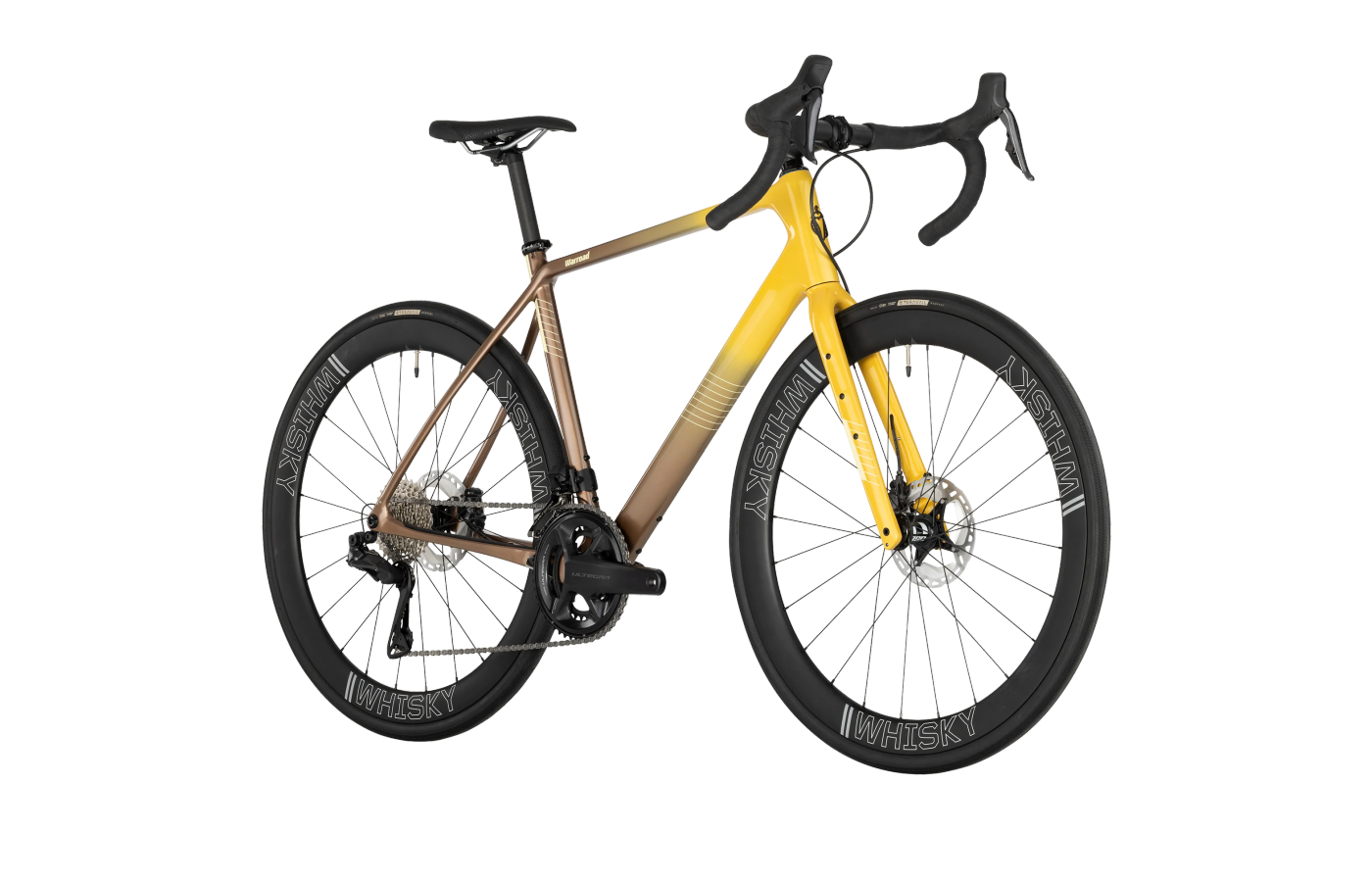
Warbird
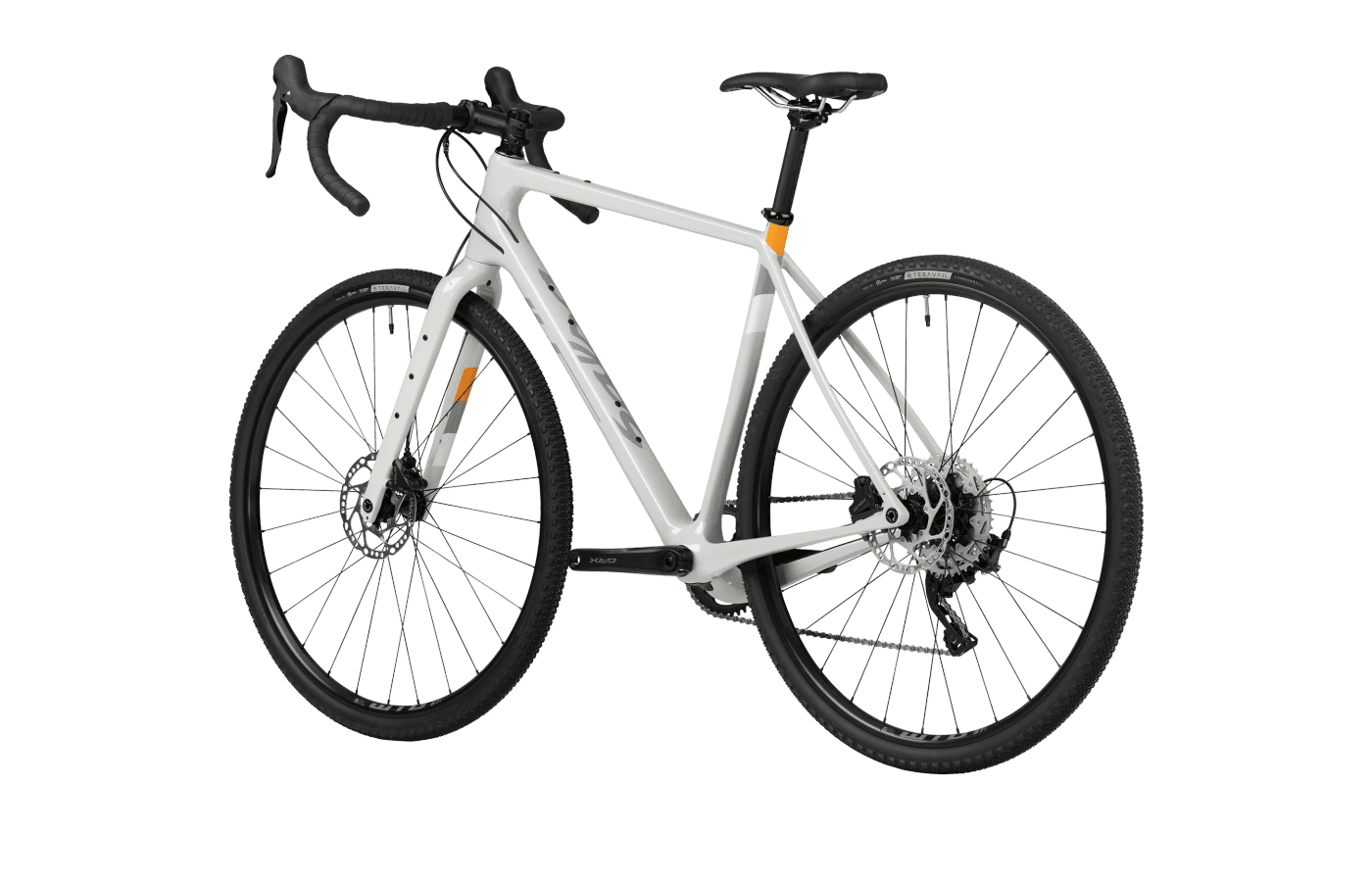
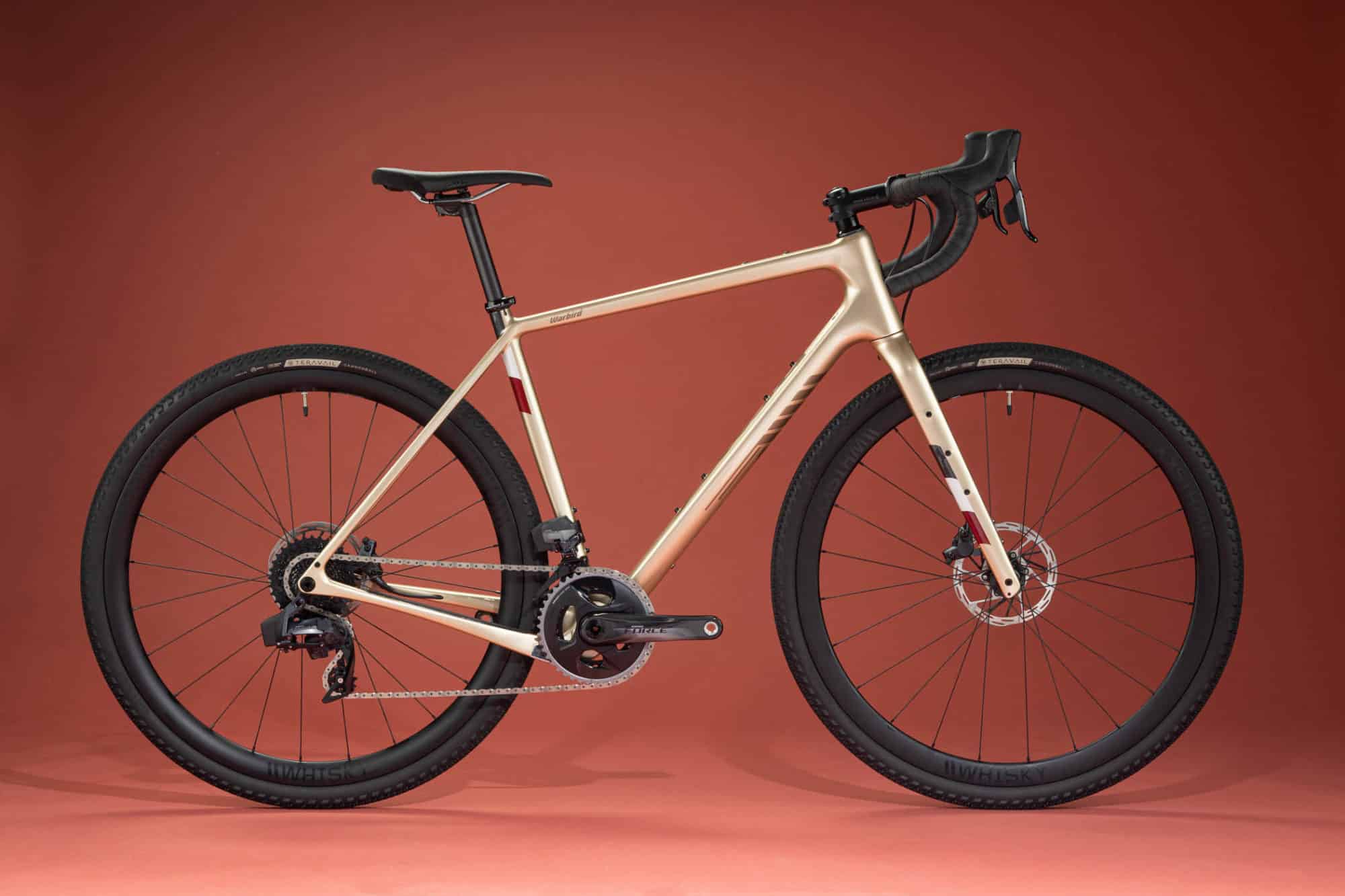
The Salsa Warbird v4 is a dedicated gravel race bike designed for long-distance events and self-supported endurance riding. Introduced in 2019, this fourth generation refined the platform for modern gravel racing, prioritizing stability at speed and reduced fatigue over hundreds of miles. It utilizes a high-modulus carbon frame paired with Salsa's Class 5 Vibration Reduction System to absorb harsh road chatter while maintaining a race-first posture.
The v4 update brought flat-mount disc brakes, stealth dropper routing for 1x setups, and extensive mounting options, including top-tube bag bolts and fork cargo mounts. It suits riders who want a fast, efficient machine for covering massive distances on rough roads, balancing the aggressive needs of a race bike with the practical cargo capacity required for remote, all-day efforts.
Geometry & fit.
7 sizes published.
Salsa designed the Warbird around what it calls Gravel Race Geometry, which aims to keep the rider centered and stable over long, fatiguing efforts. Across the size range, the frame features a relaxed head tube angle—hovering around 70.75 degrees for most sizes—paired with a long front-center and a low bottom bracket. This stretches the wheelbase to prioritize straight-line tracking and high-speed composure over twitchy, cyclocross-style cornering.
To keep the steering from feeling overly sluggish, Salsa pairs this long front end with relatively short stems. The resulting rider posture is slightly more upright than a traditional road racing bike, which helps alleviate lower back strain during multi-hour events, yet it remains aggressive enough to maintain an aerodynamic position in the drops. The frame utilizes a steeply sloping top tube, which exposes a significant amount of the 27.2mm seatpost. This design choice works in tandem with the rear triangle to maximize seated flex. The cockpit is finished with flared drop bars, offering a wider, more secure stance for navigating rough descents.
Where the handlebar sits relative to the bottom bracket — the single most important fit pair.
01Fit geometry6 values
03Handling geometry7 values
Which size should I buy?
Slide your height to see the recommended size. GearWise's fit algorithm works from the published stack, reach, and ETT — the brand's own recommendation may differ.
→Calculated from GearWise's own stack / reach / ETT algorithm — the brand's size chart may recommend a different size, and a proper bike fit beats any calculator.
The lineup.
7 builds, ranging $2,799 – $6,999.
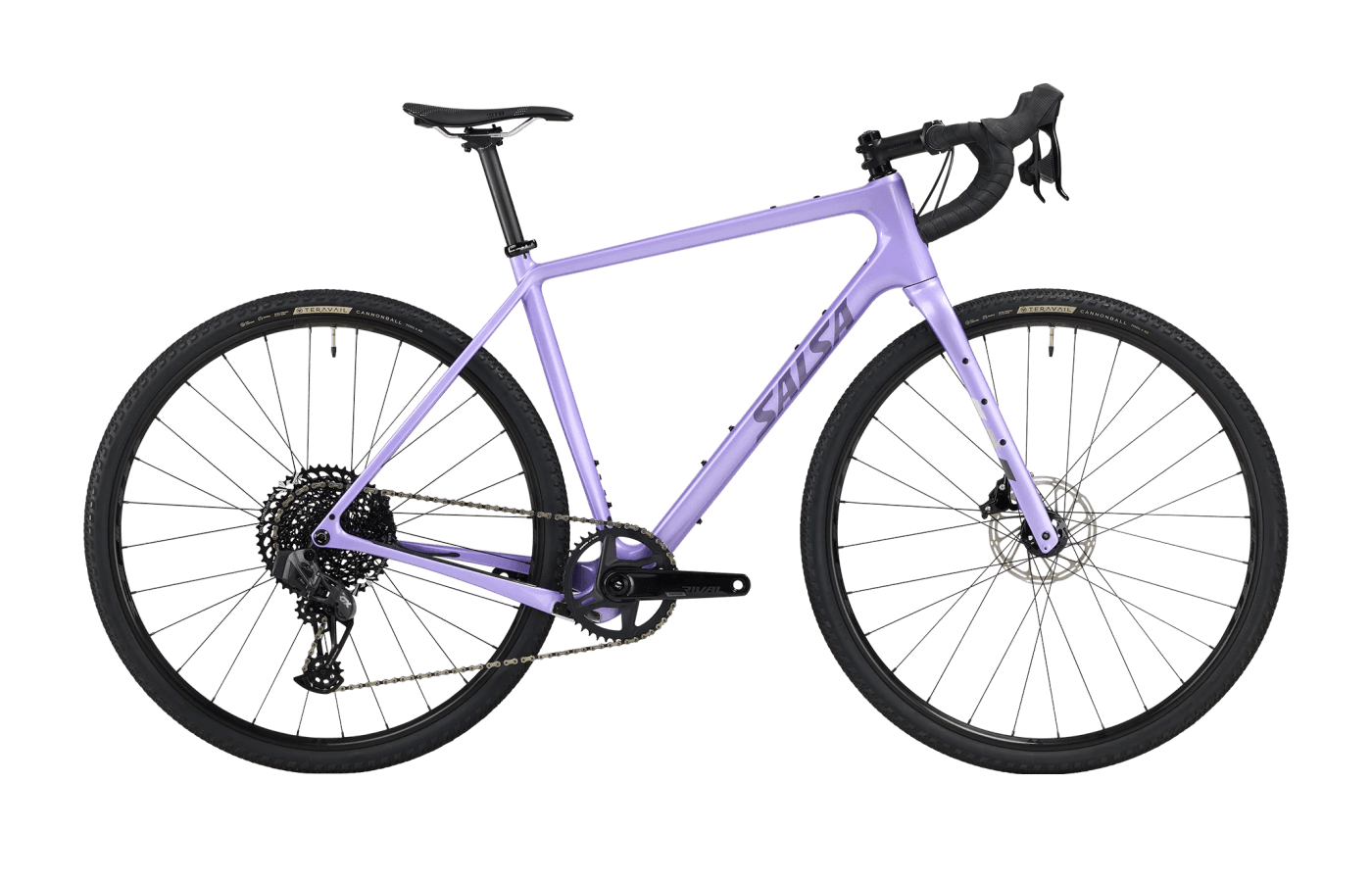
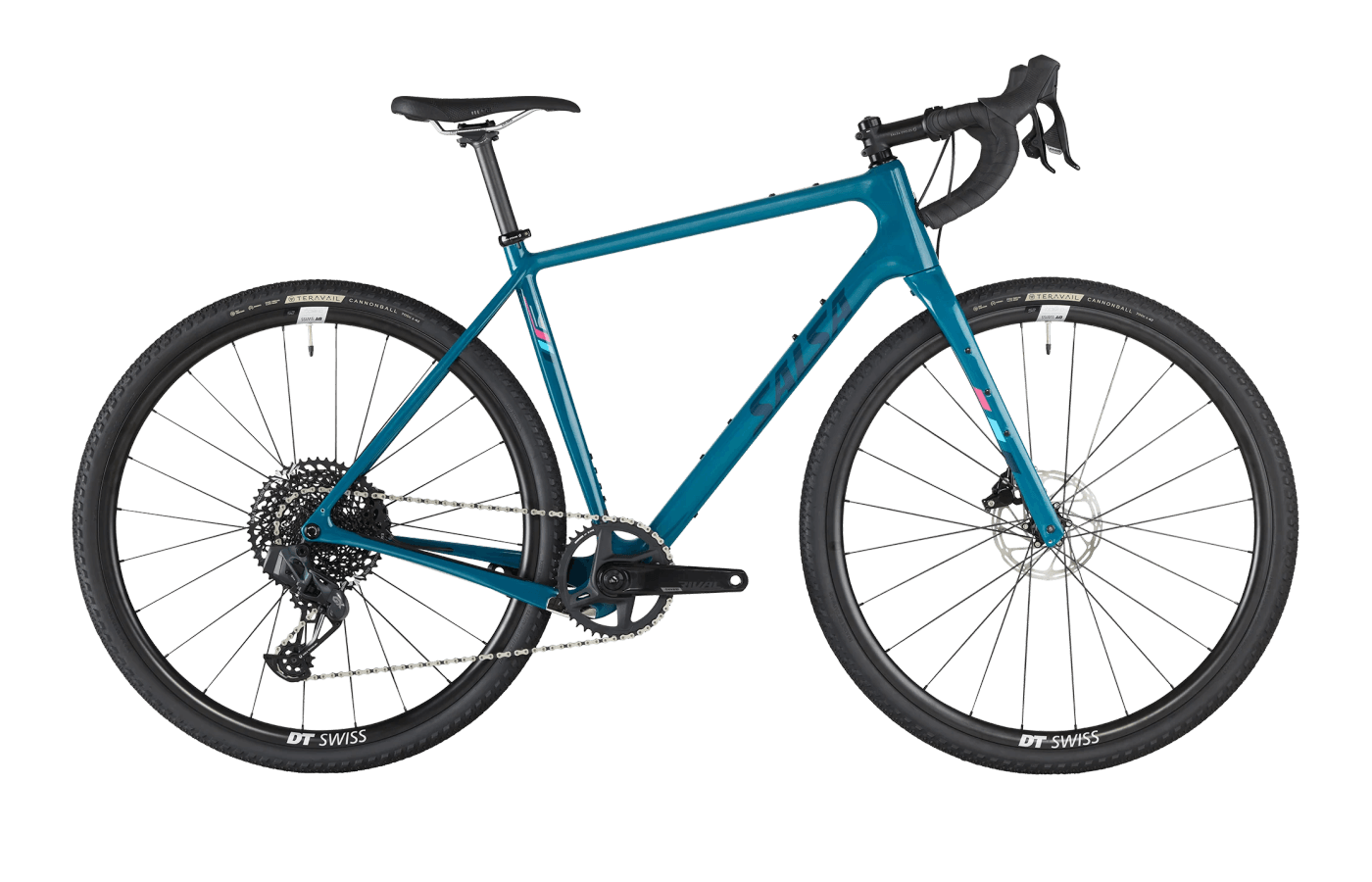
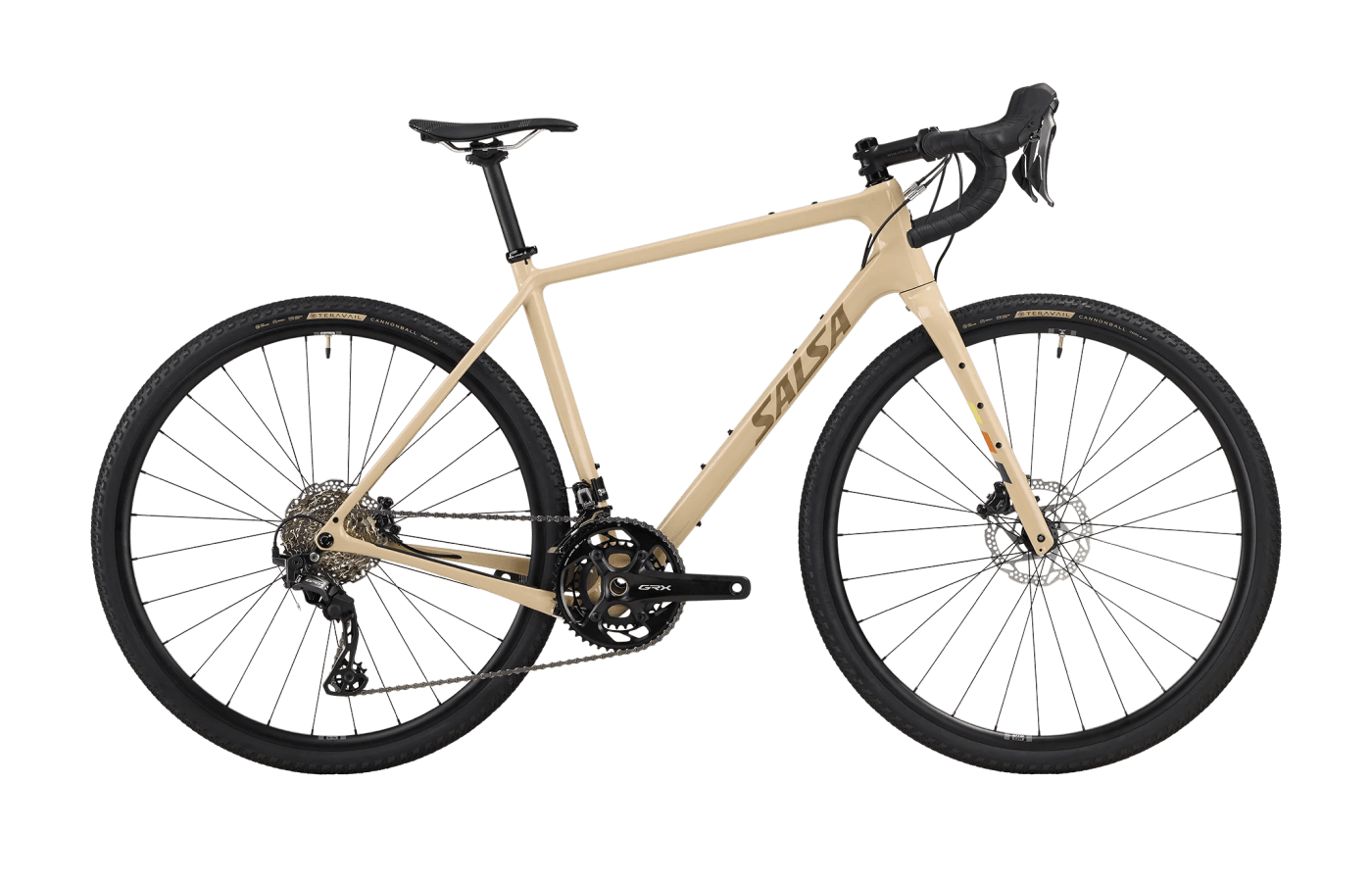
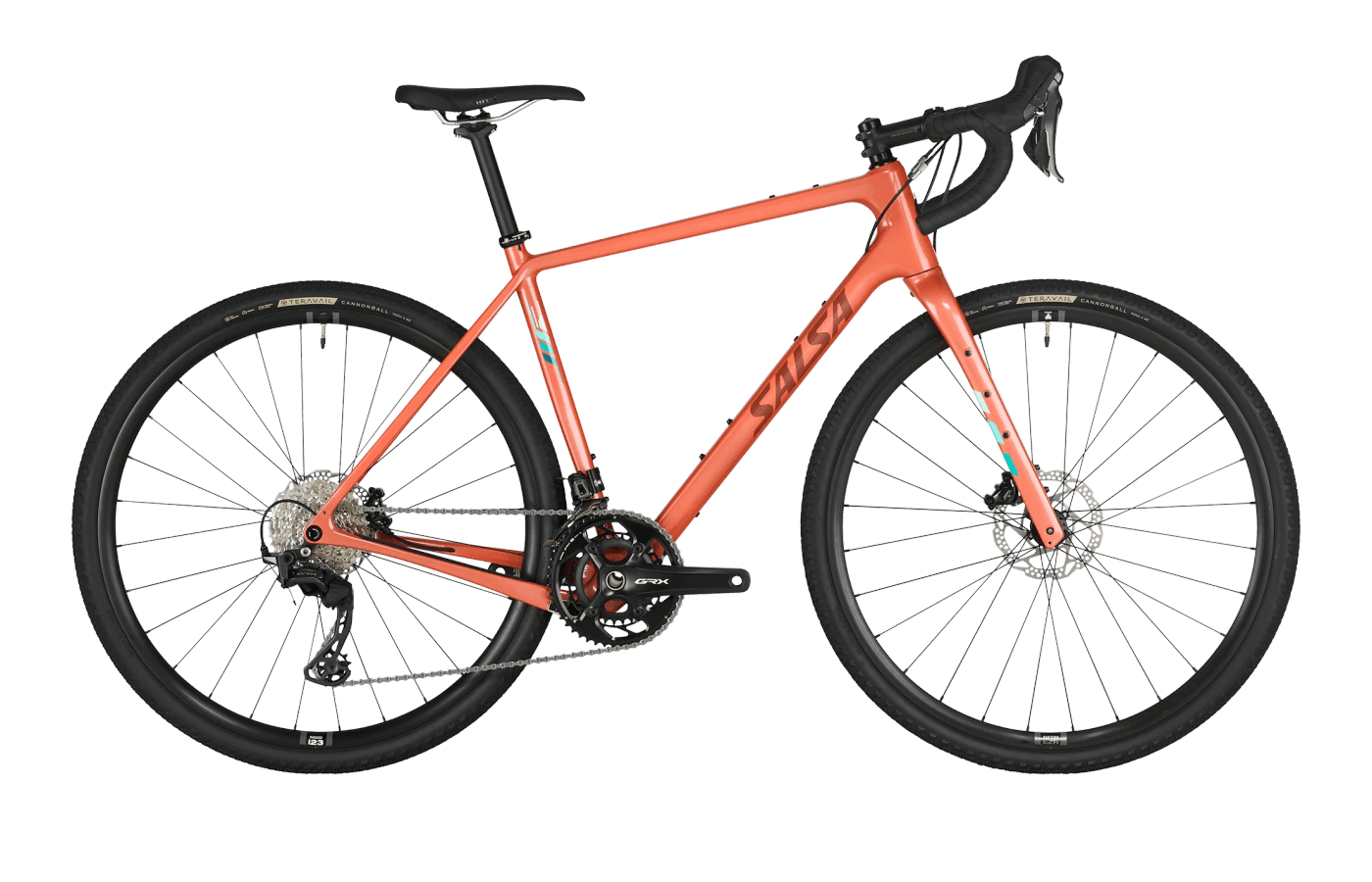
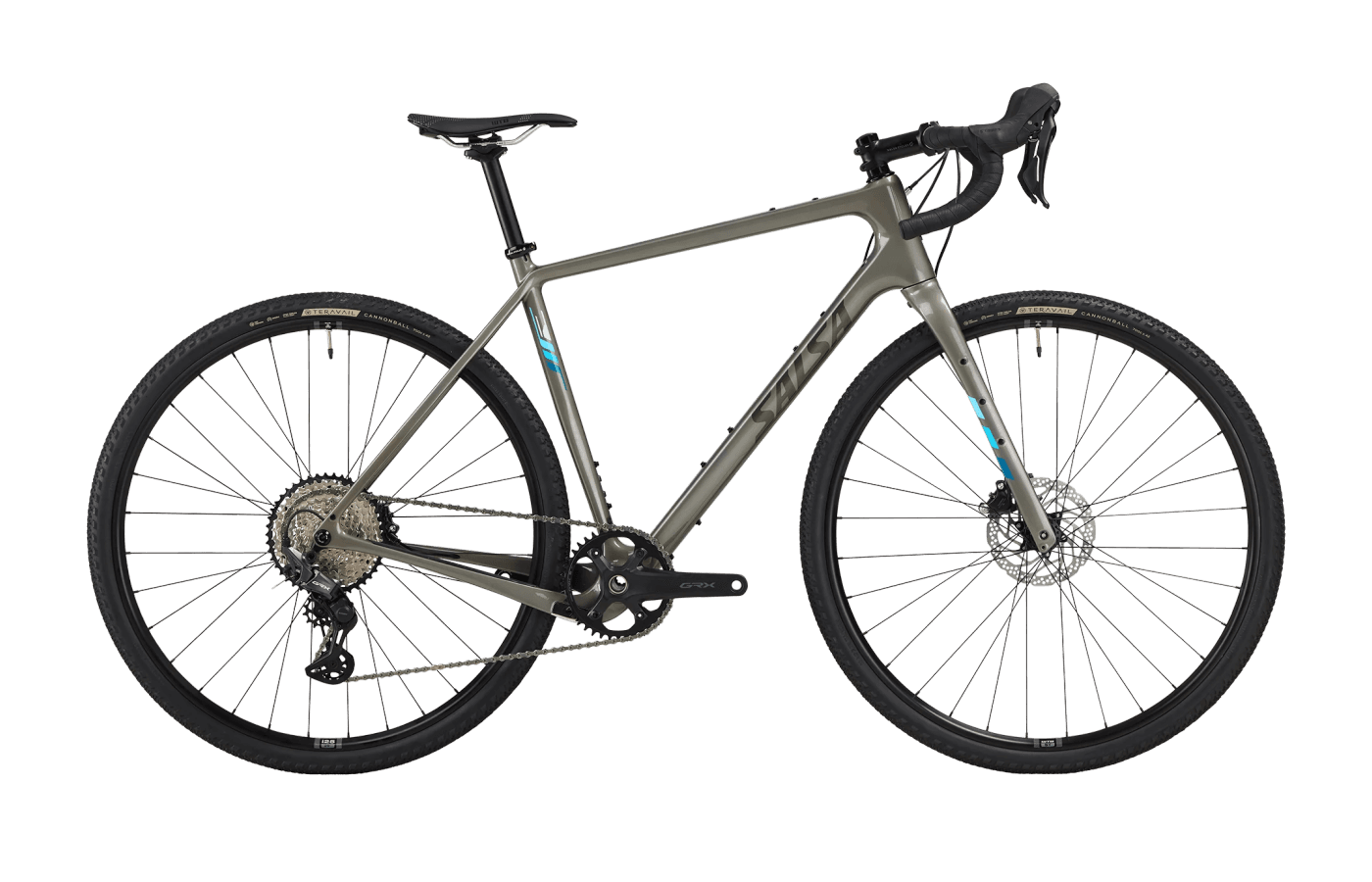
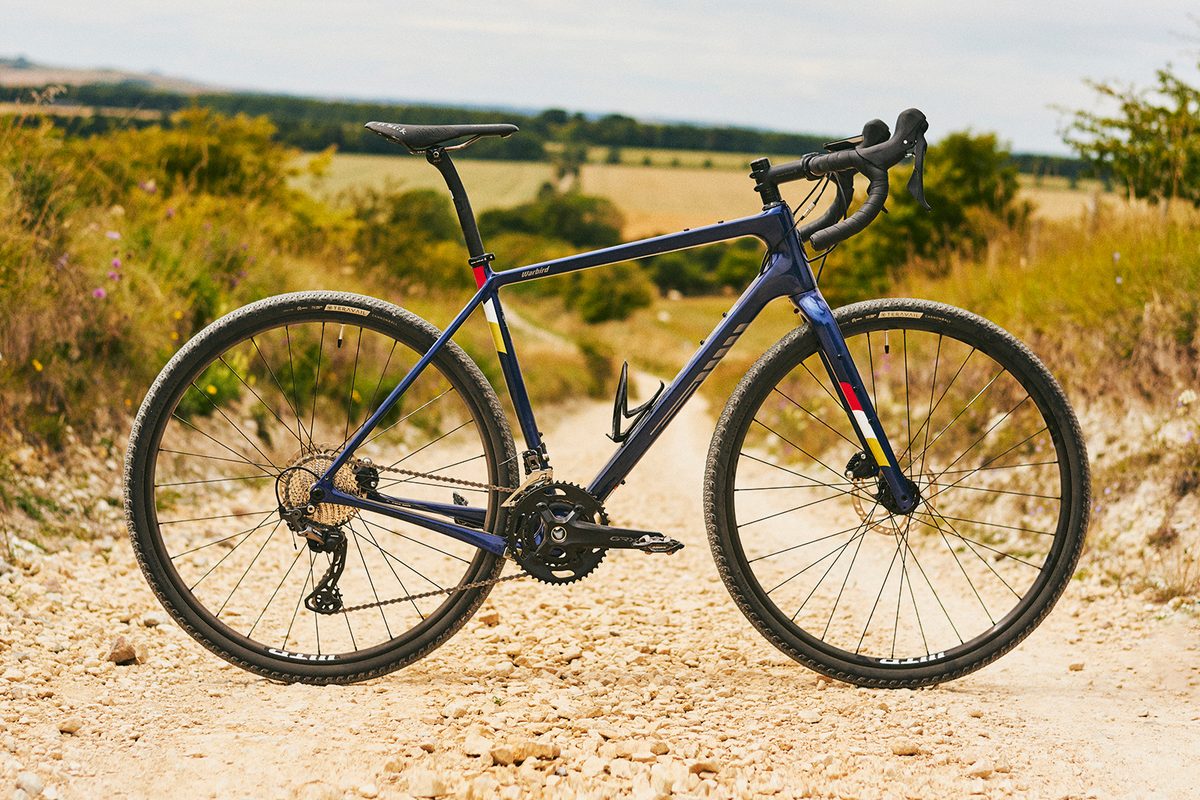
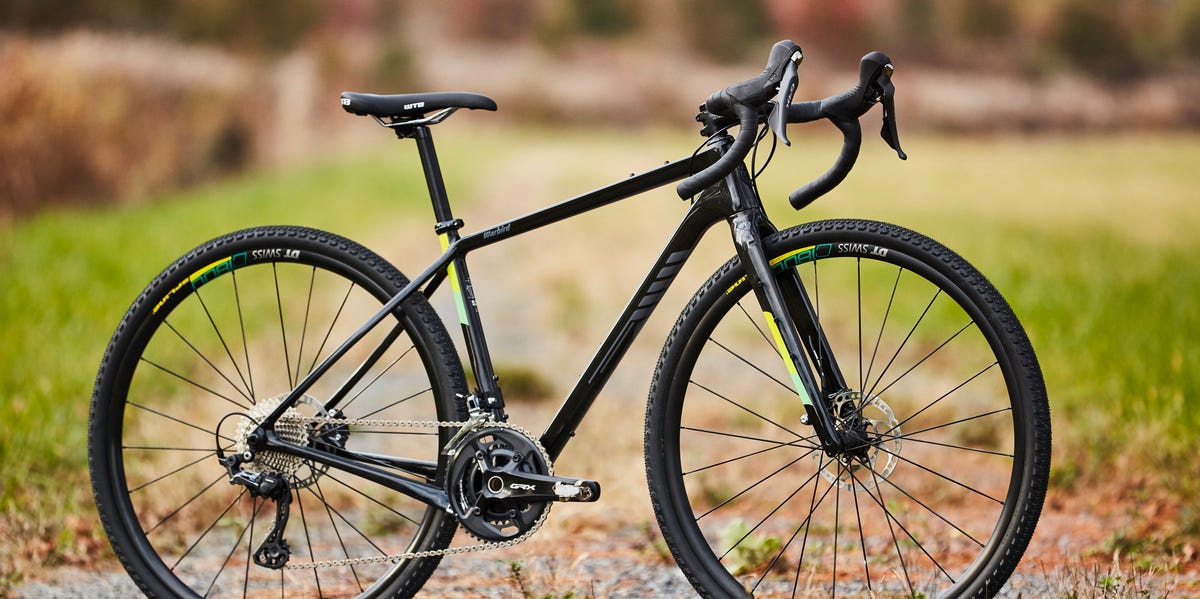
The Warbird lineup spans seven complete builds, all utilizing the same high-modulus carbon frame and Waxwing carbon fork. The range starts with mechanical 11-speed Shimano GRX 600 and 12-speed GRX 610 1x setups, offering reliable shifting and hydraulic braking on aluminum WTB rims. Mid-tier options move to Shimano GRX 820 in both 1x and 2x configurations, upgrading the drivetrain components while keeping the aluminum wheelsets.
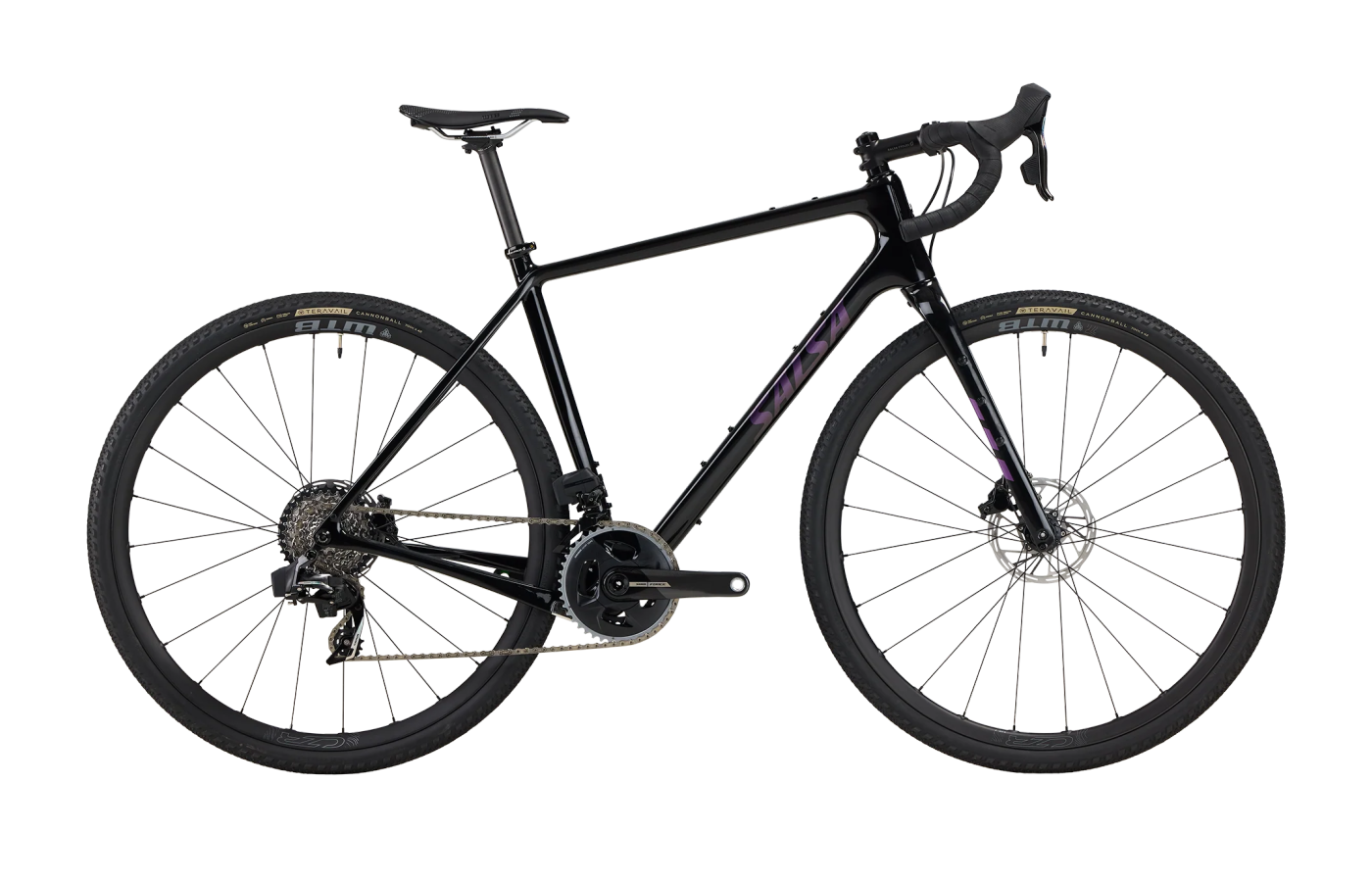
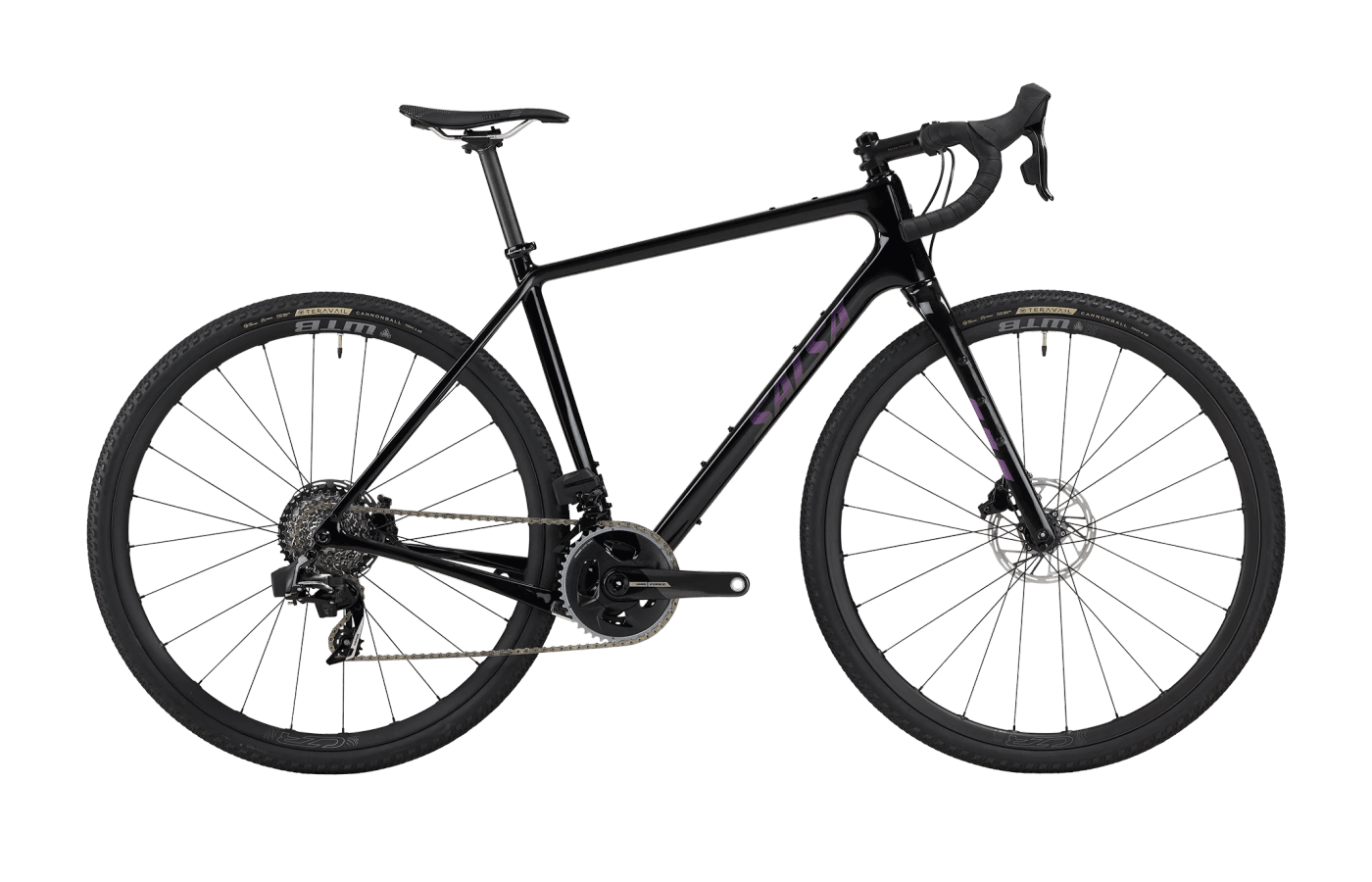
At the upper end, the builds transition to SRAM electronic shifting with the GX Eagle AXS mullet setup and the top-tier Force AXS Wide 2x. These premium models introduce carbon components, including Salsa's Cowbell Carbon handlebar and a carbon seatpost. The flagship Force AXS Wide build also upgrades to WTB CZR carbon rims, significantly reducing rotational weight.
While reviewers universally praise the frameset's quality and feature set, several note that the complete builds carry a premium price tag. The stock configurations prioritize durability over outright weight savings, leading some testers to suggest that purchasing the standalone frameset and building it custom might offer better overall value for riders seeking a specific, high-end specification.
From the press.
10 reviews from the cycling press.
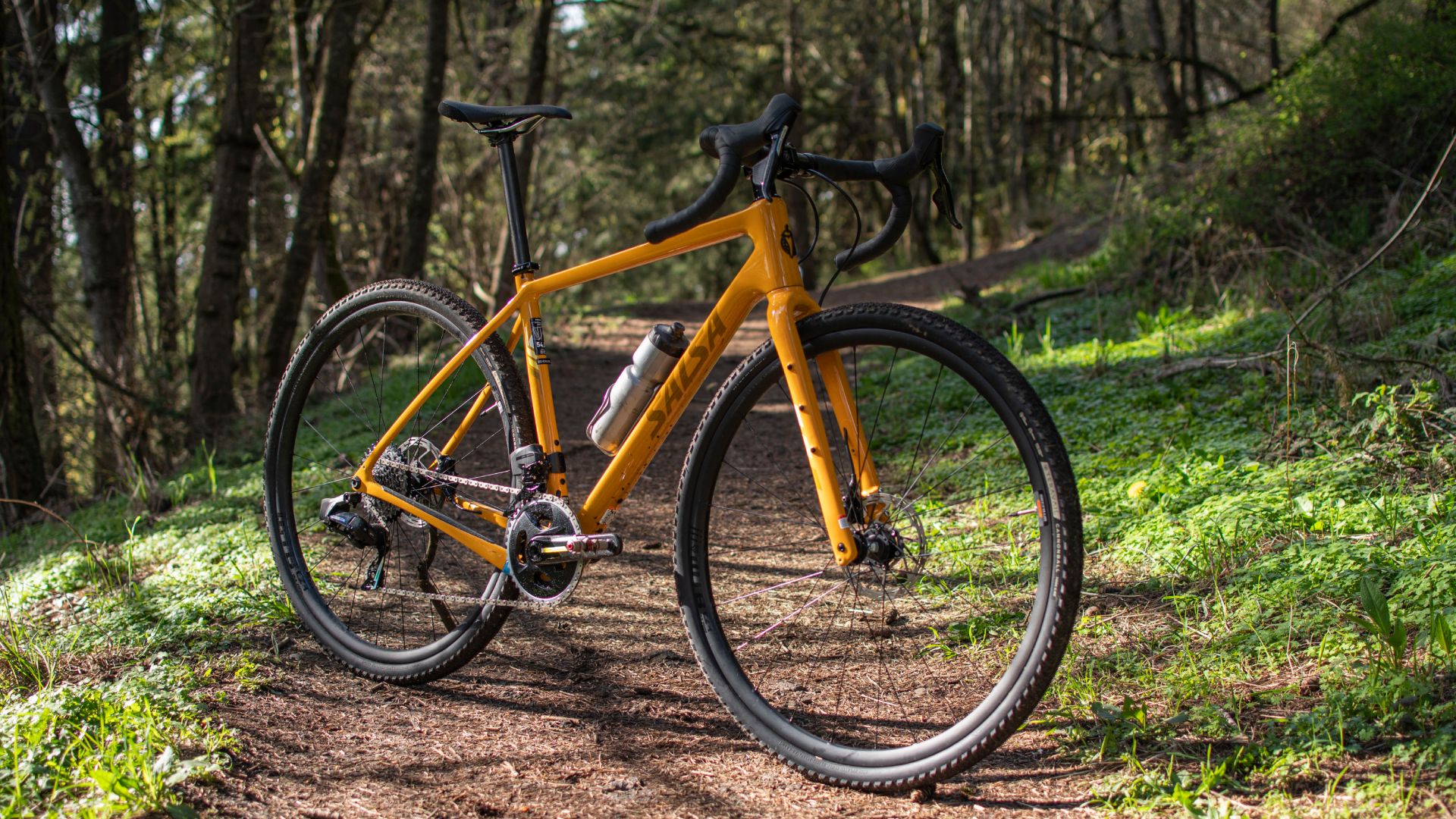
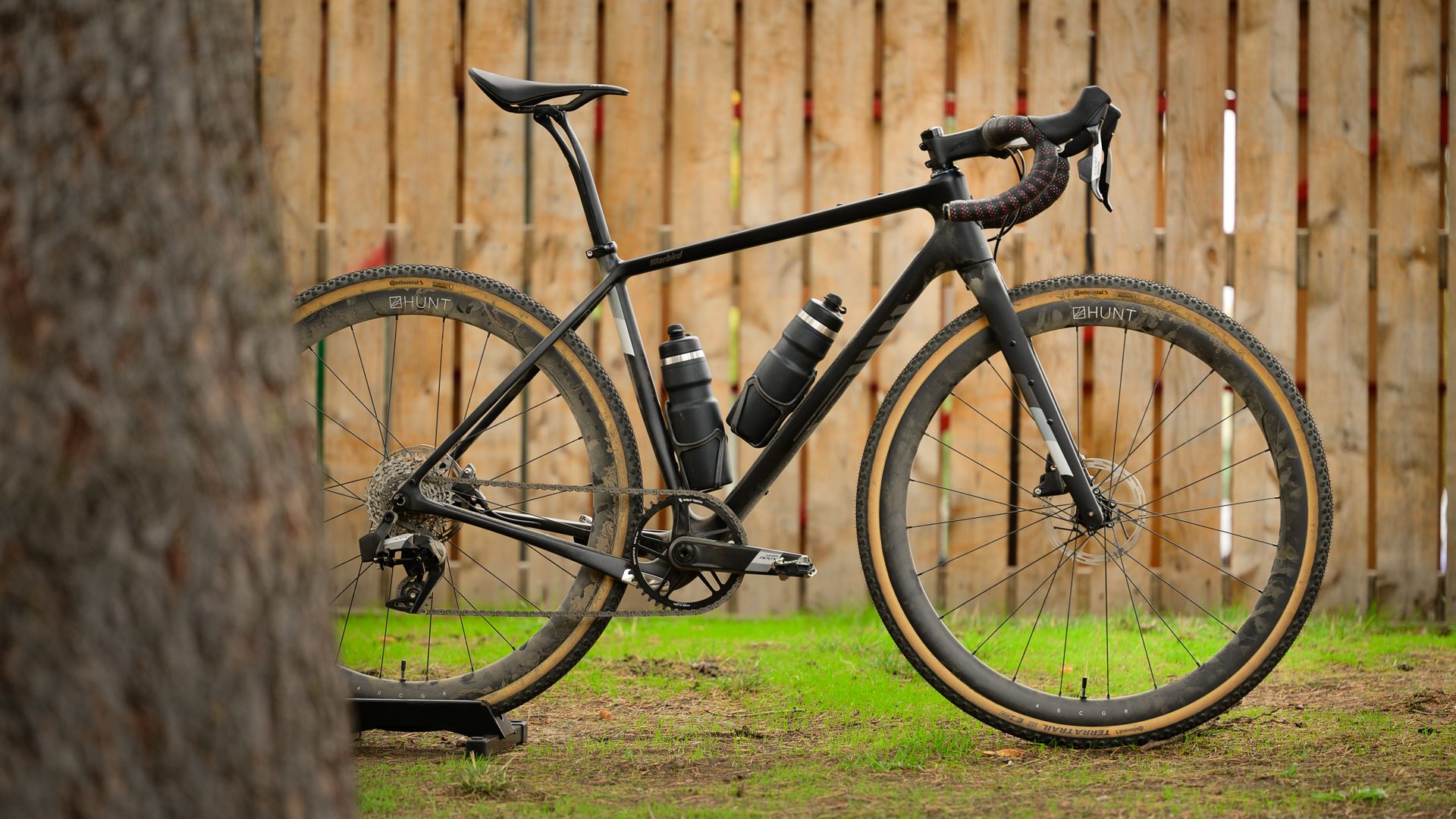
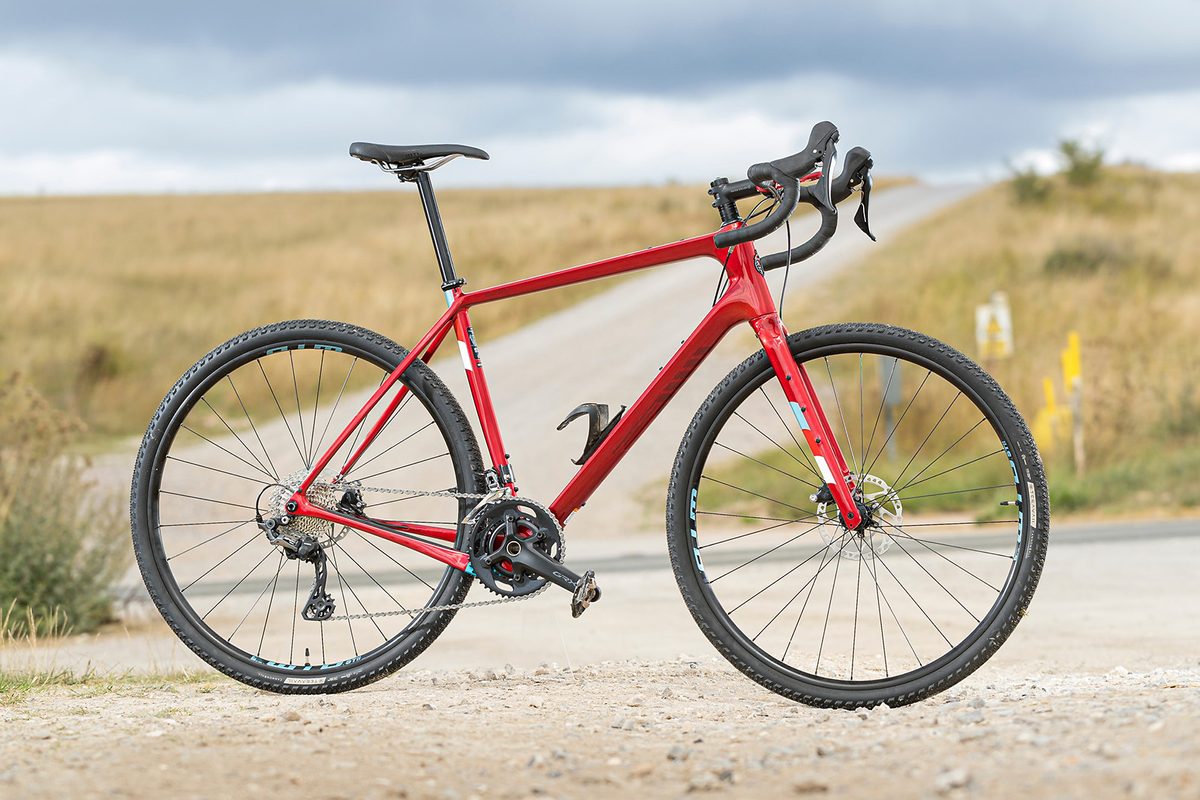
Reviewers consistently praise the Warbird for its ability to mute harsh gravel roads while maintaining an efficient pedaling platform. The Class 5 Vibration Reduction System rear triangle effectively absorbs high-frequency chatter, reducing fatigue over long distances without feeling soft under power. On open gravel and broken pavement, the bike is frequently described as "fast, consistent and smooth" (Cycling Weekly).
When the terrain turns technical, the updated geometry shows its worth. Testers note that the lengthened wheelbase and slacker front end make the bike "much more confident when descending rough gravel and singletrack" (Bikepacking) compared to earlier iterations. However, this emphasis on high-speed stability introduces a slight tradeoff in low-speed agility. The "slightly sedate steering is only really noticeable when you're turning through a tight gate gap" (BikeRadar), though some riders felt the handling became "a little bit more dull" (YouTube) on paved sections compared to more road-oriented gravel bikes.
Overall, the consensus points to a highly capable endurance machine. It excels at holding a line on fast, rough descents and keeping the rider fresh, even if it sacrifices a bit of snappy, low-speed maneuverability to get there.
I'm an 'overbiker', can this gravel race bike help me keep ...

- YouTube
Salsa Warbird C review: A gravel race bike for the people
Salsa Warbird C GRX 600 v4 review
Salsa Warbird Review – A Fast Gravel Bikepacking Road Bike!
Salsa Warbird Carbon GRX 600 review | BikeRadar
Battle of the Gravel Bikes: Salsa Warbird vs Cannondale Topstone Lefty | TESTED | Bicycling
The Salsa Warbird Was Born to Race Gravel
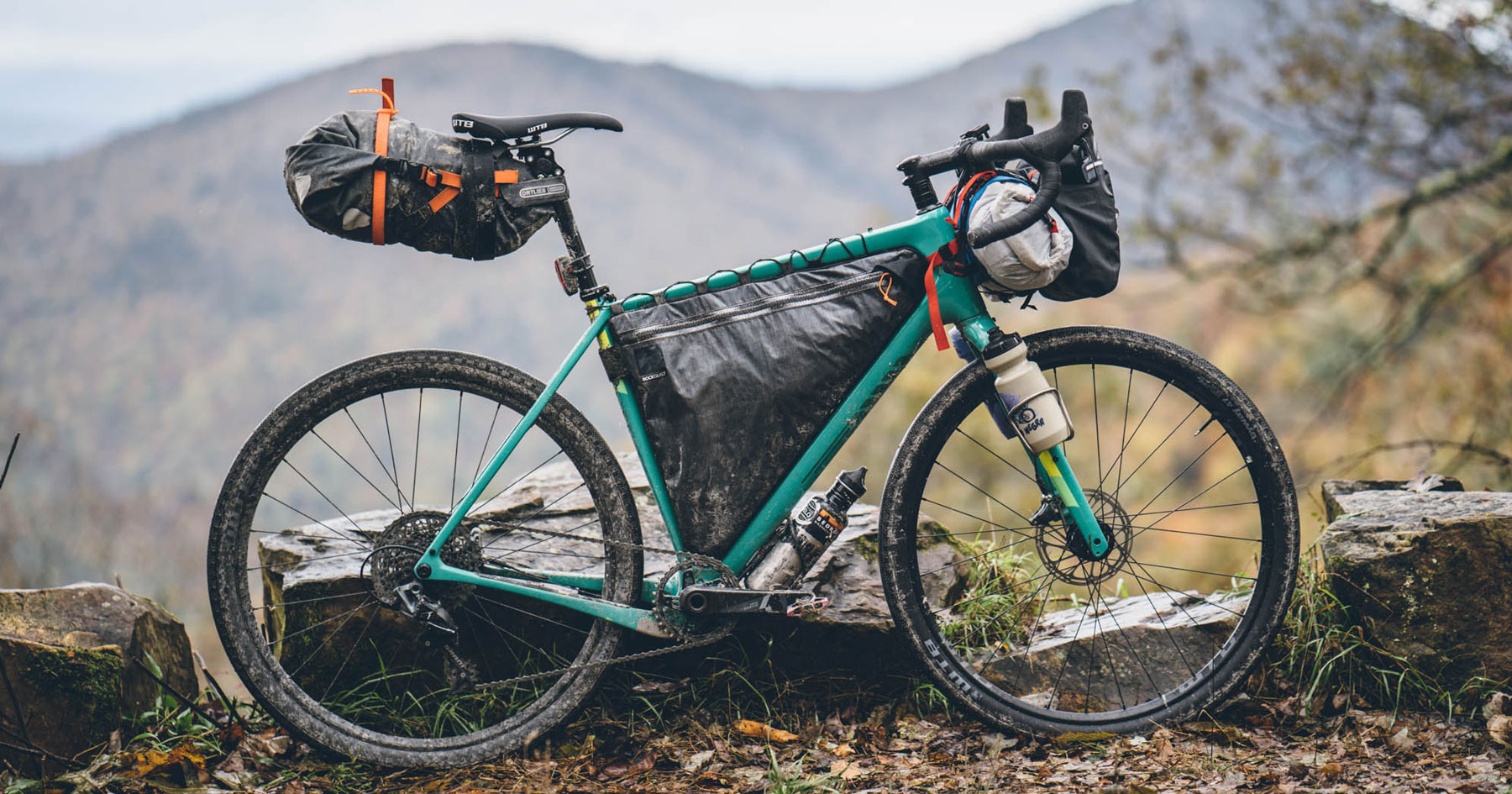
Salsa Warbird 650b Review: Over/Under
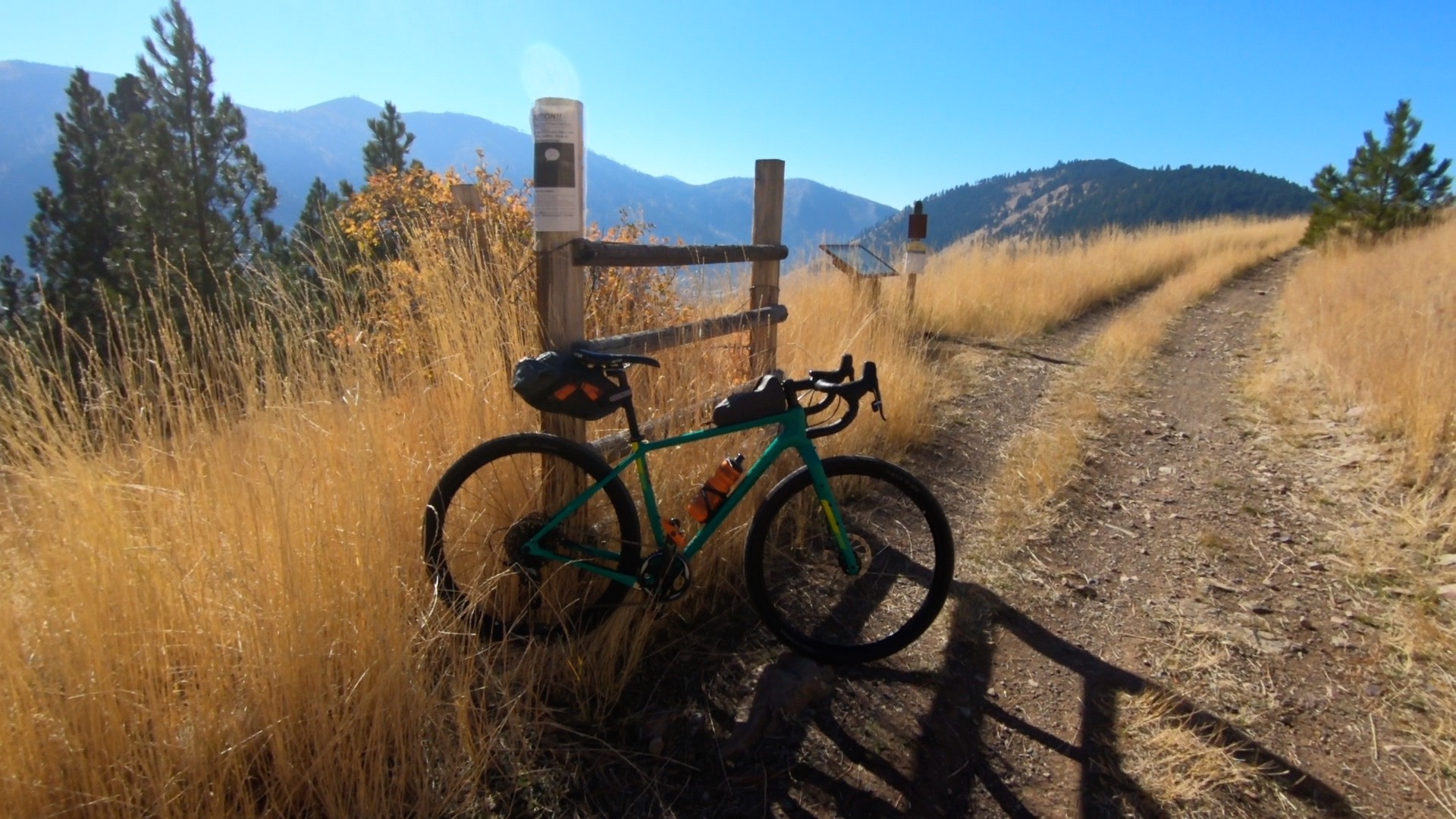
2019 Salsa Warbird 650b – The Path Less Pedaled
Compared to.
Most-viewed comparisons.
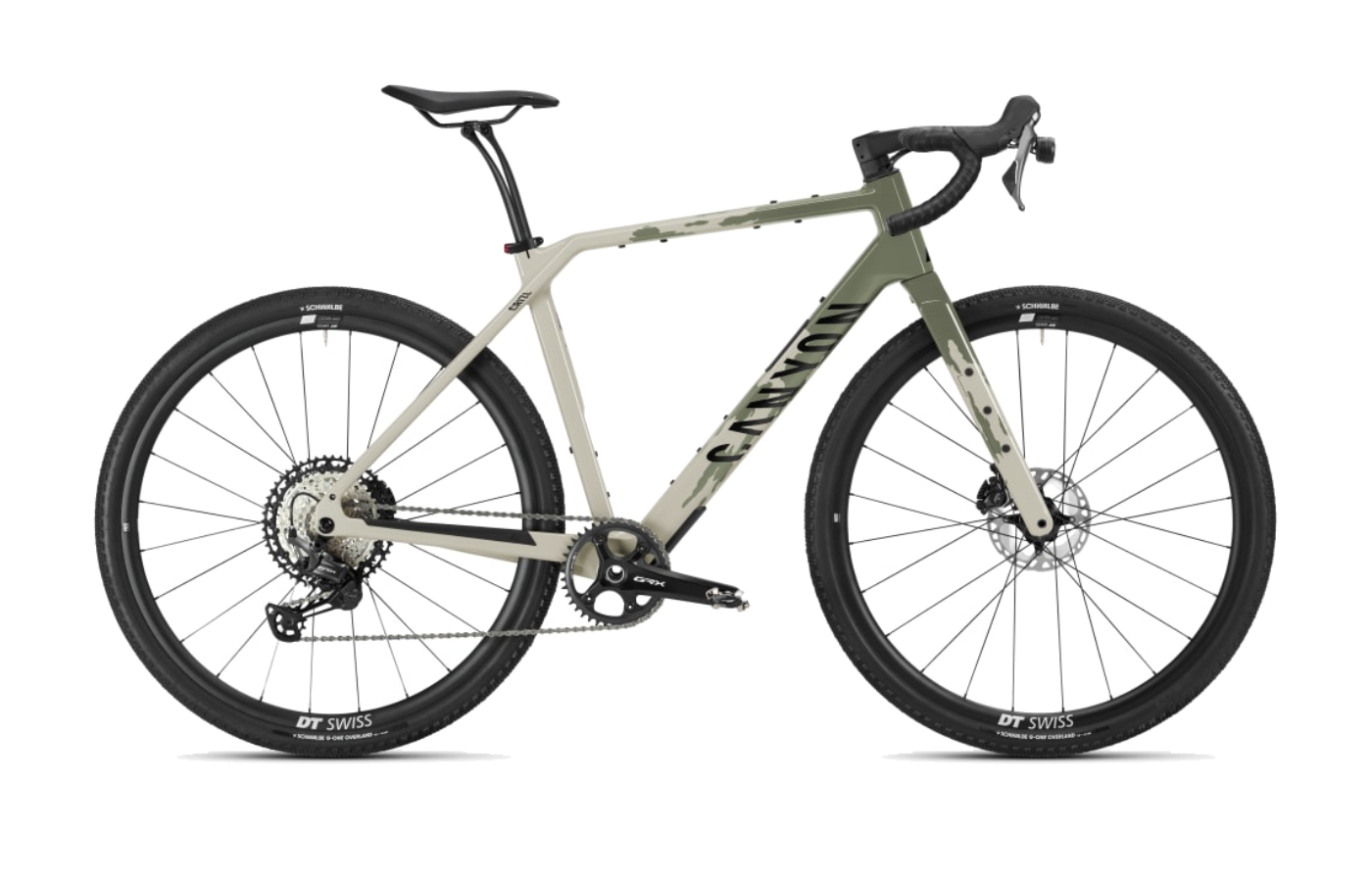
Canyon Grizl vs Salsa Warbird
Read comparison→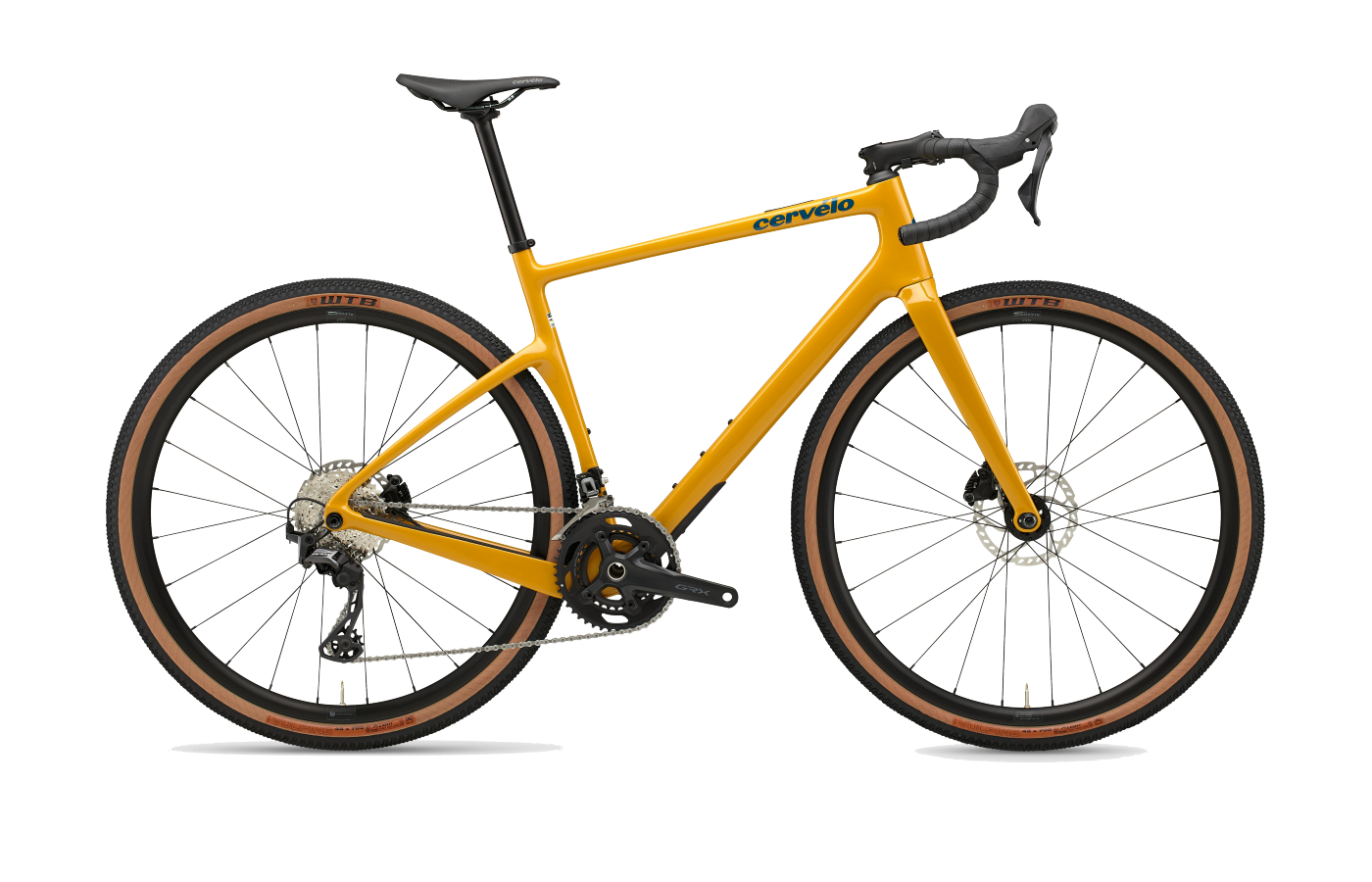
Cervelo Aspero vs Salsa Warbird
Read comparison→
Salsa Cutthroat vs Warbird
Read comparison→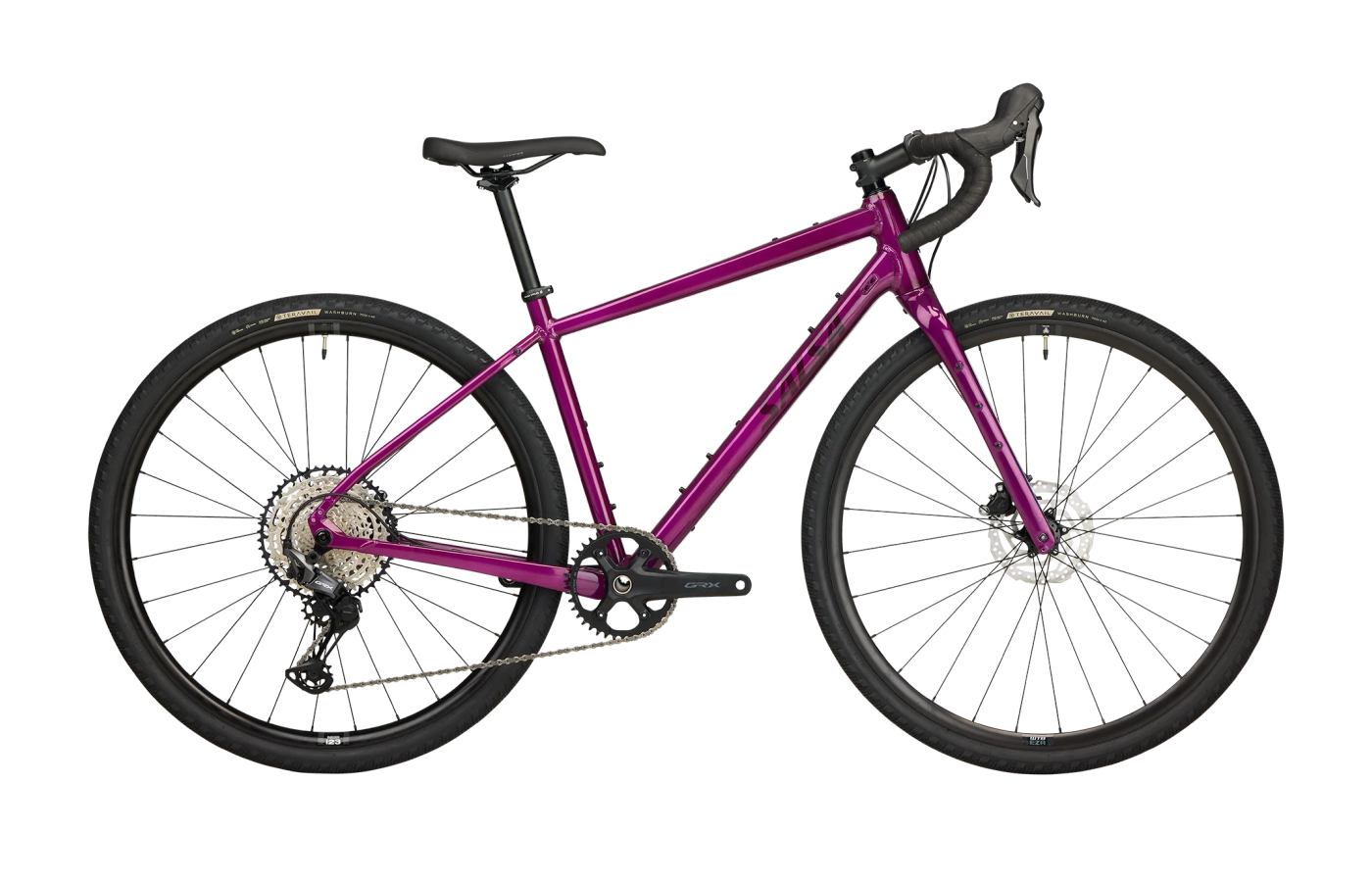
Salsa Journeyer vs Warbird
Read comparison→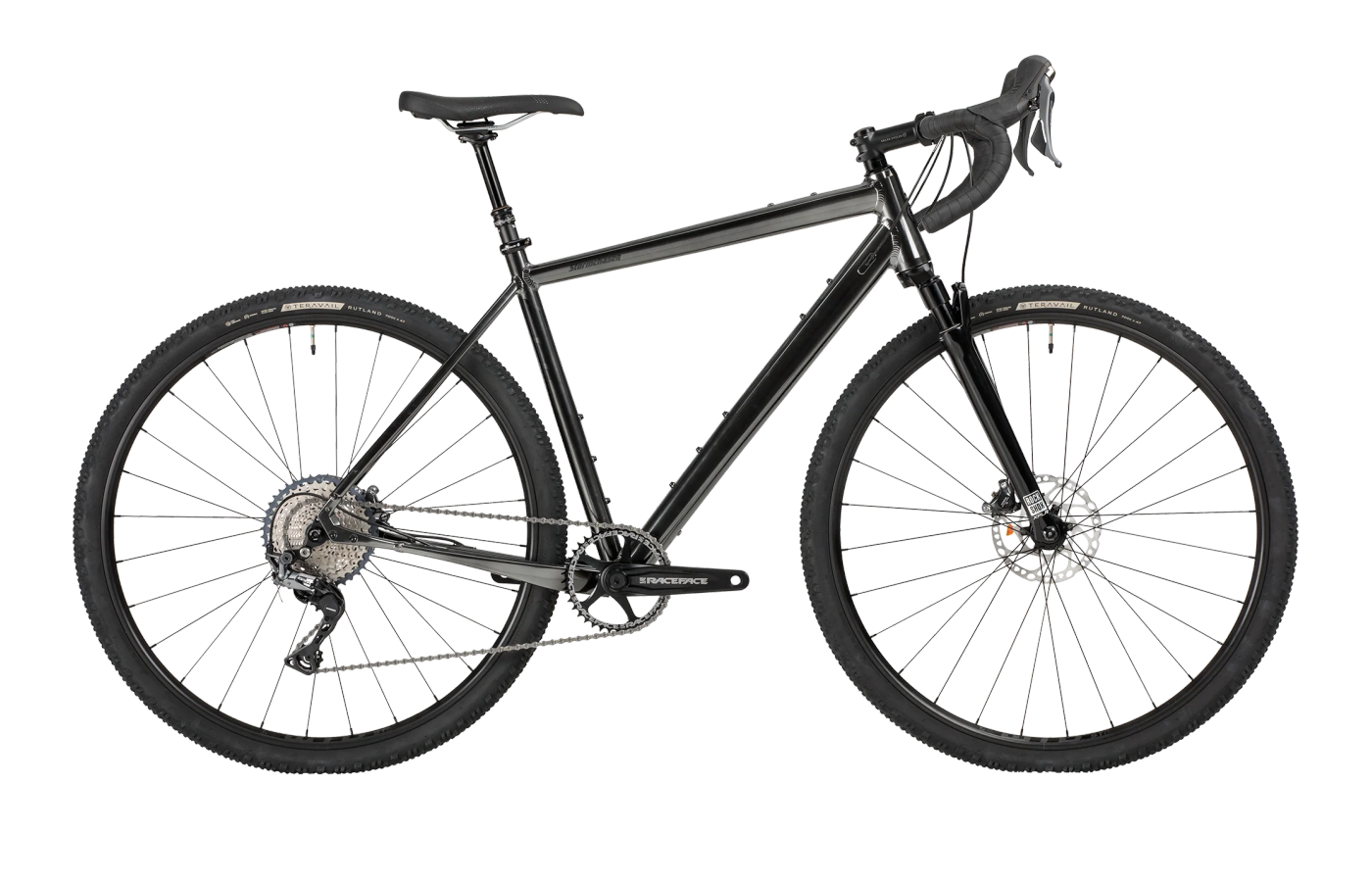
Salsa Stormchaser vs Warbird
Read comparison→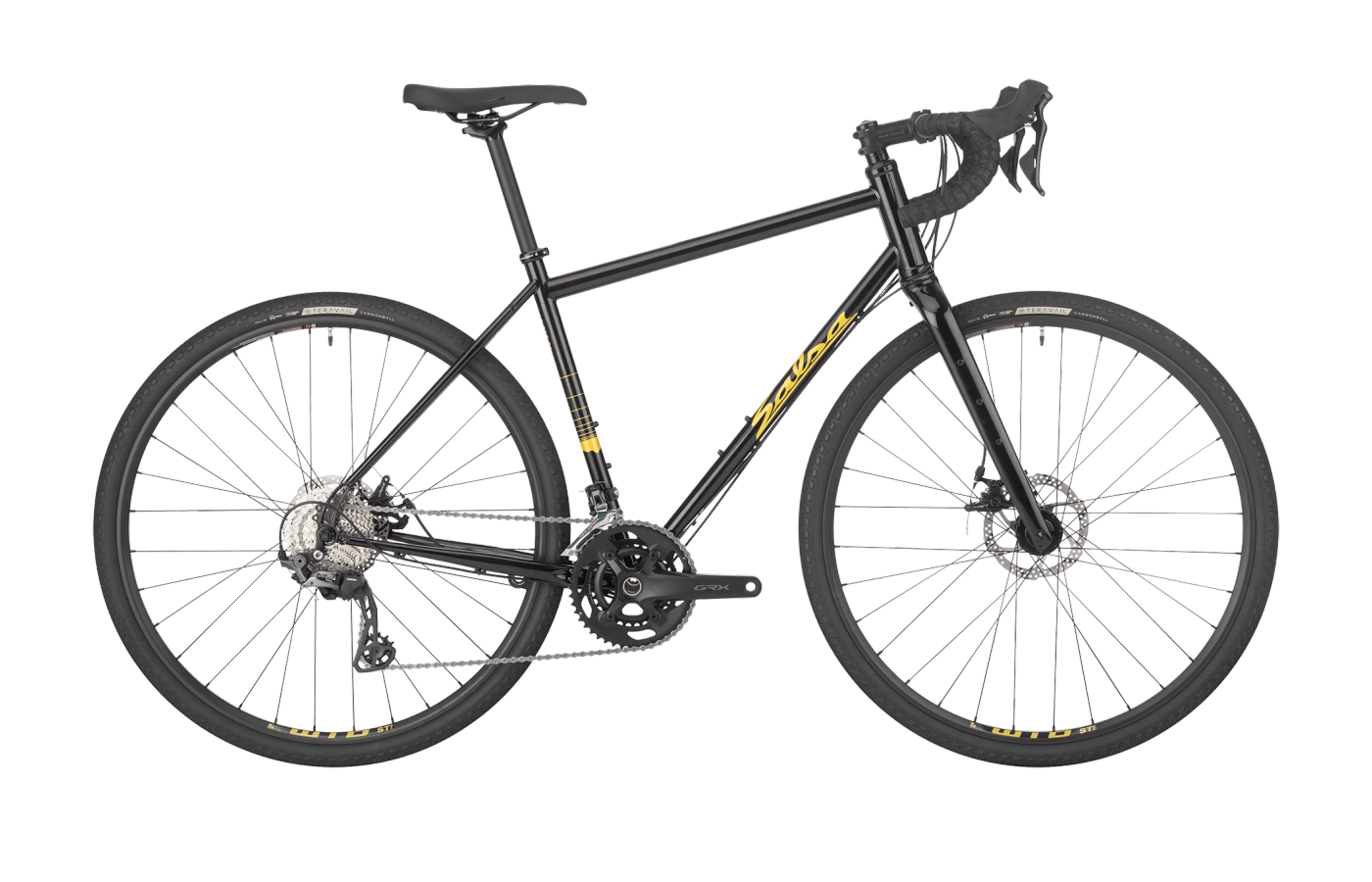
Salsa Vaya vs Warbird
Read comparison→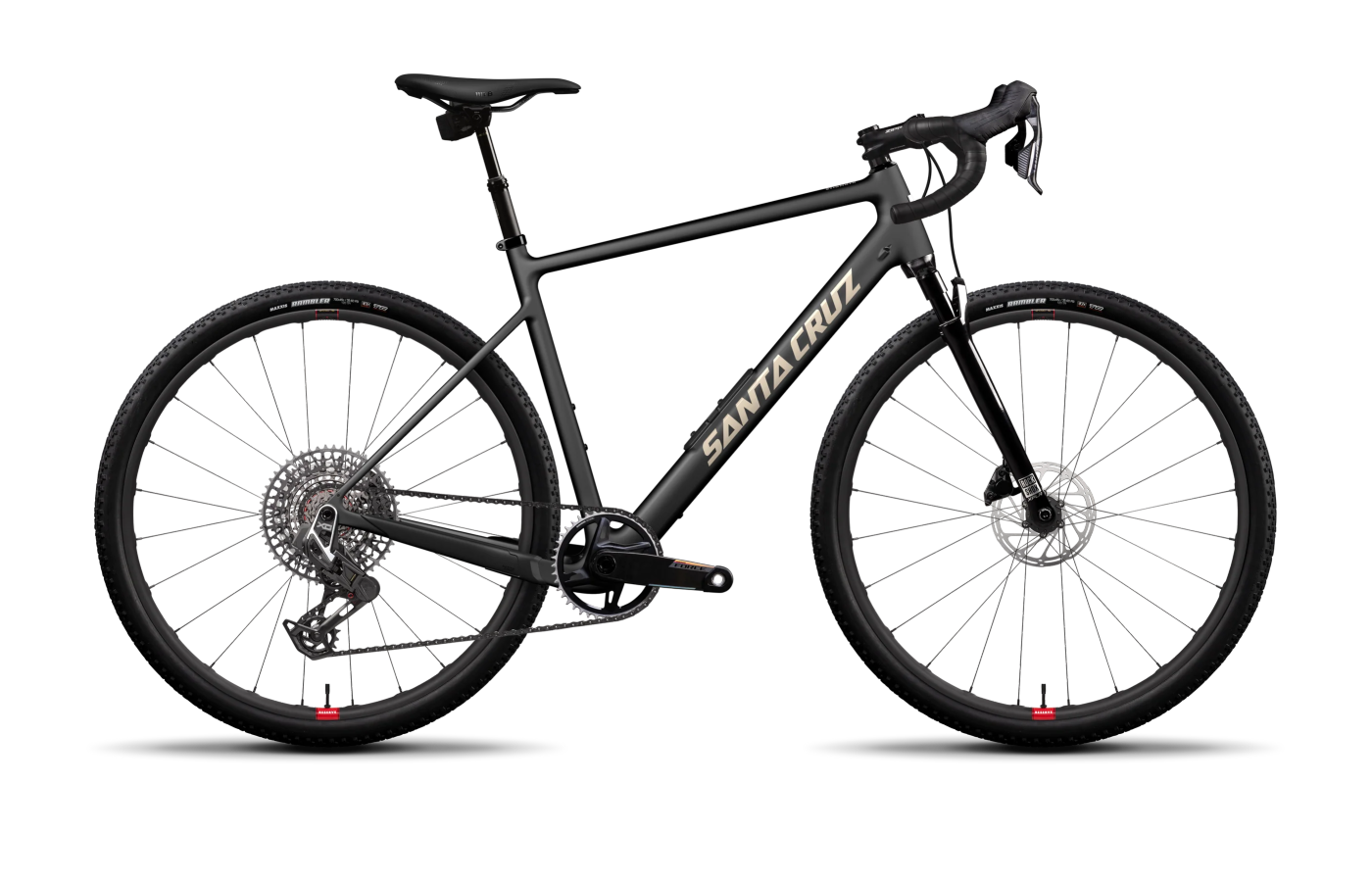
Salsa Warbird vs Santa Cruz Stigmata
Read comparison→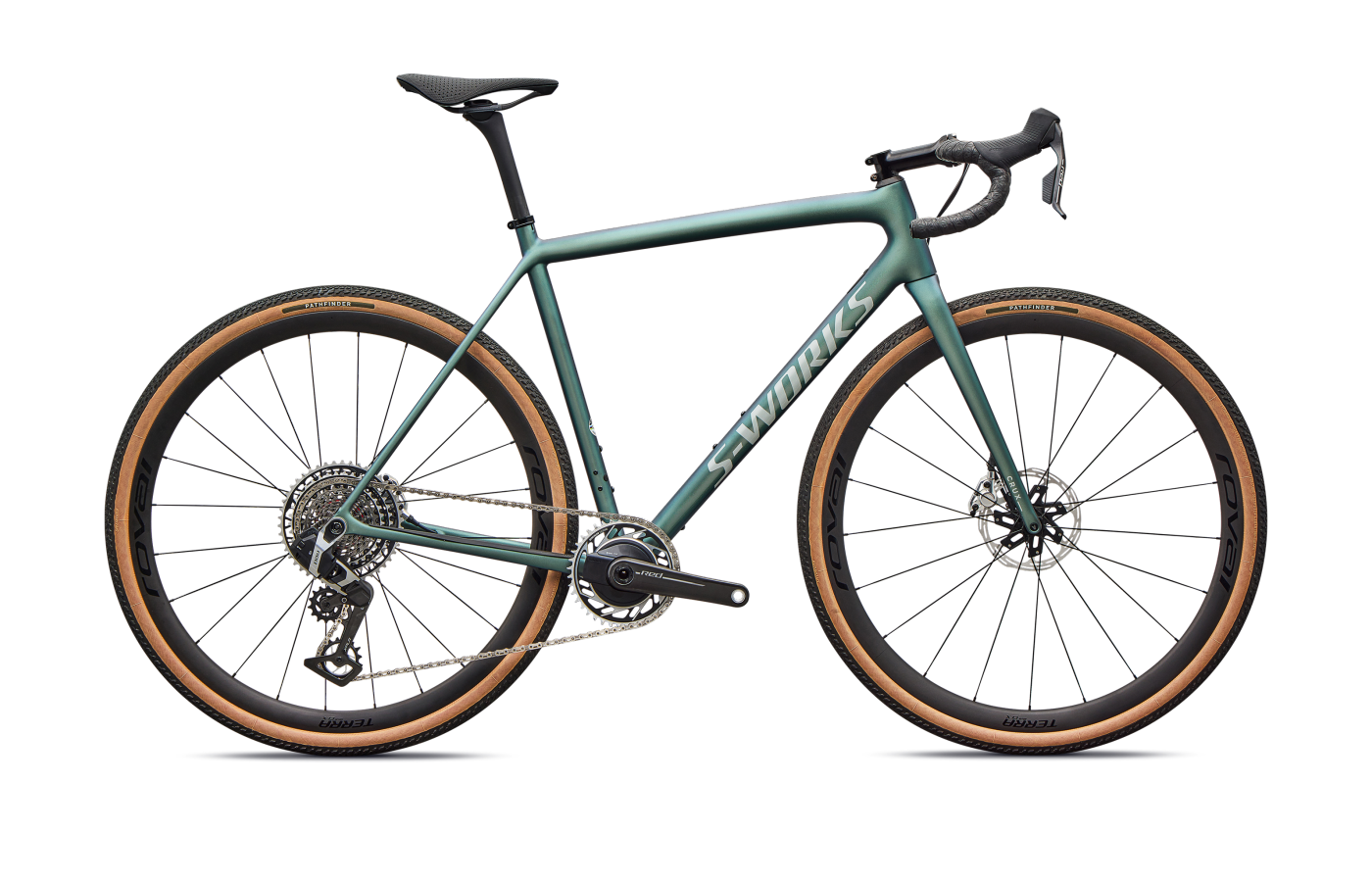
Salsa Warbird vs Specialized Crux
Read comparison→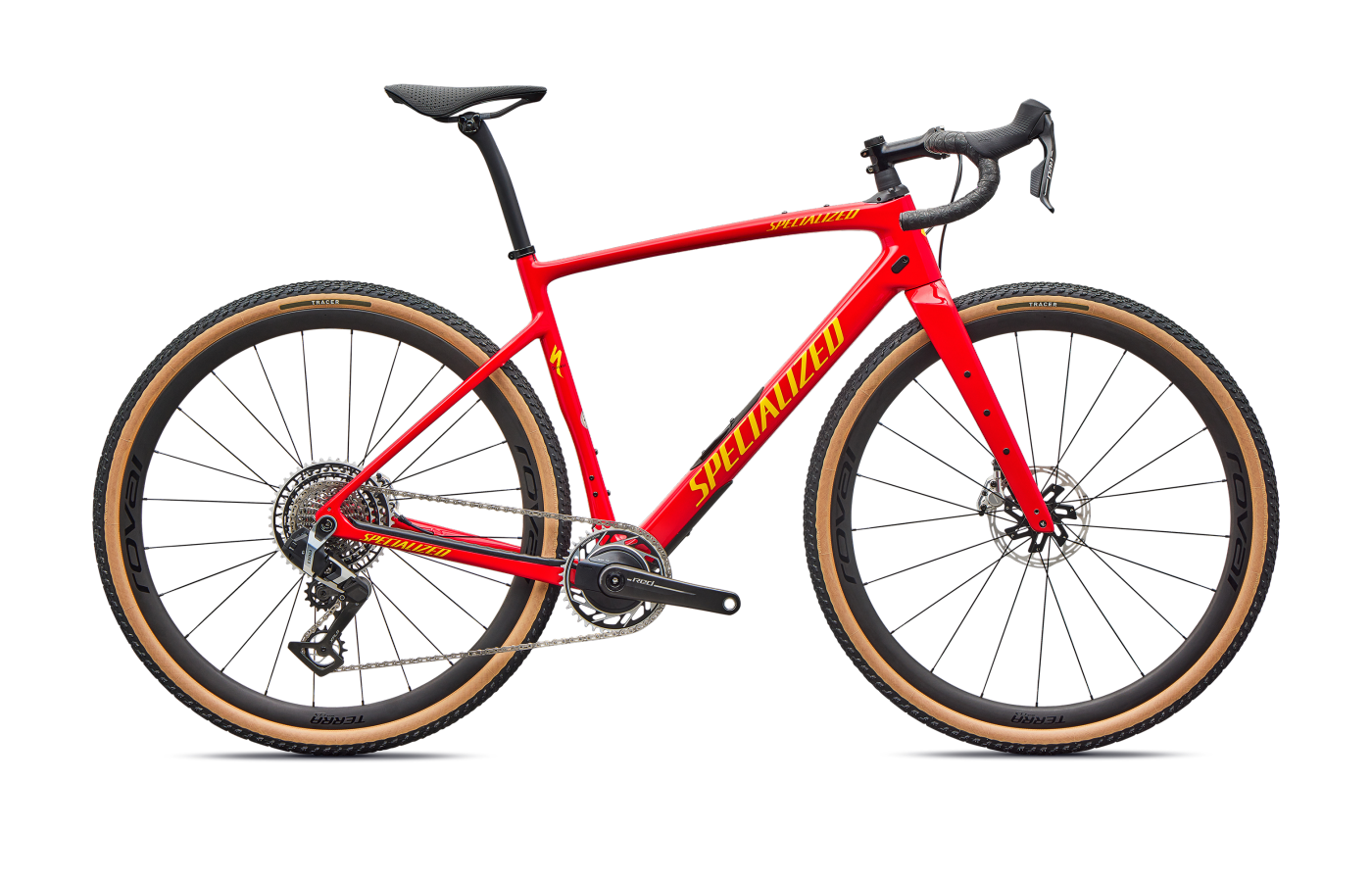
Salsa Warbird vs Specialized Diverge
Read comparison→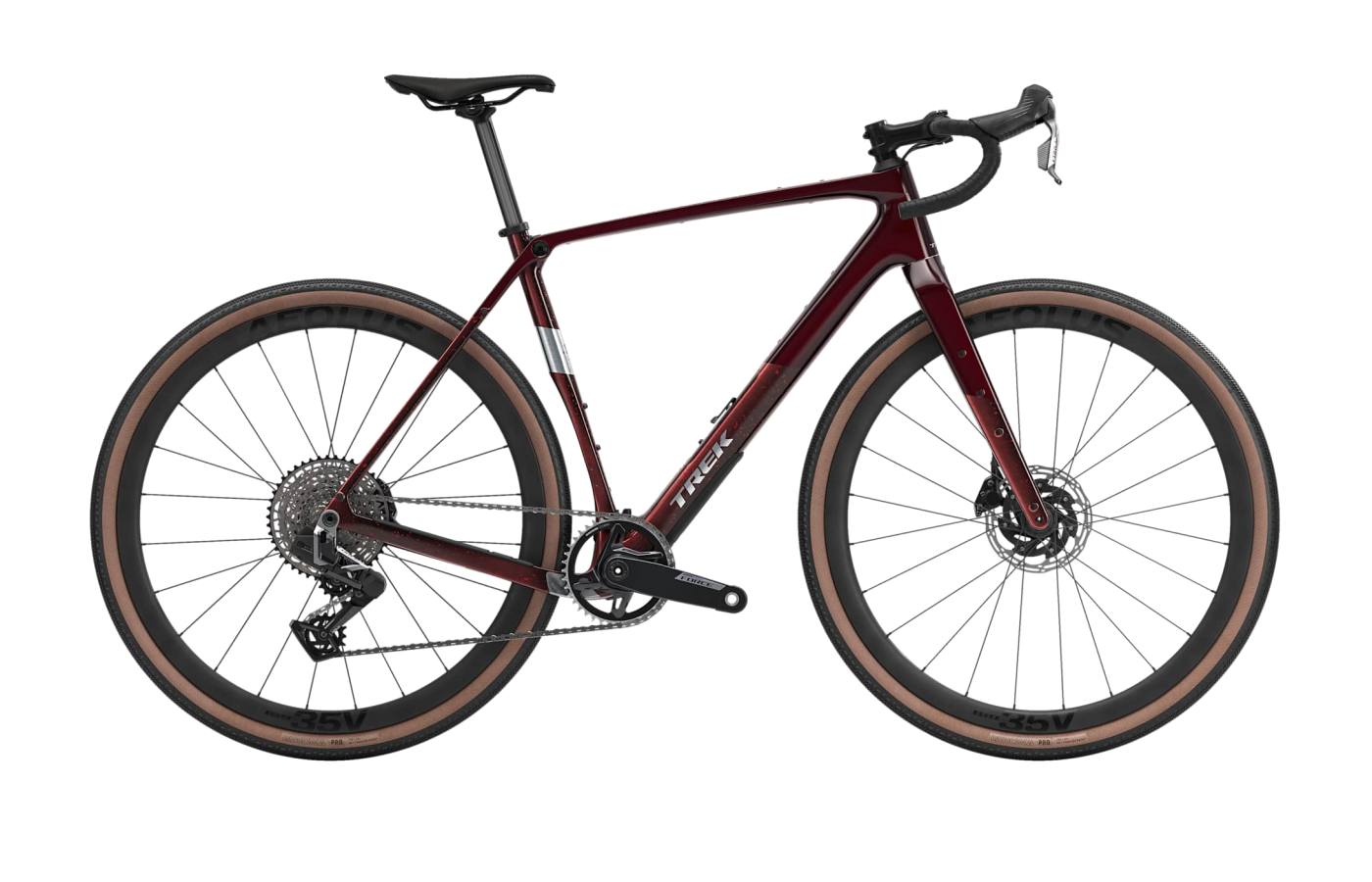
Salsa Warbird vs Trek Checkpoint
Read comparison→