Stormchaser
vsWarbird
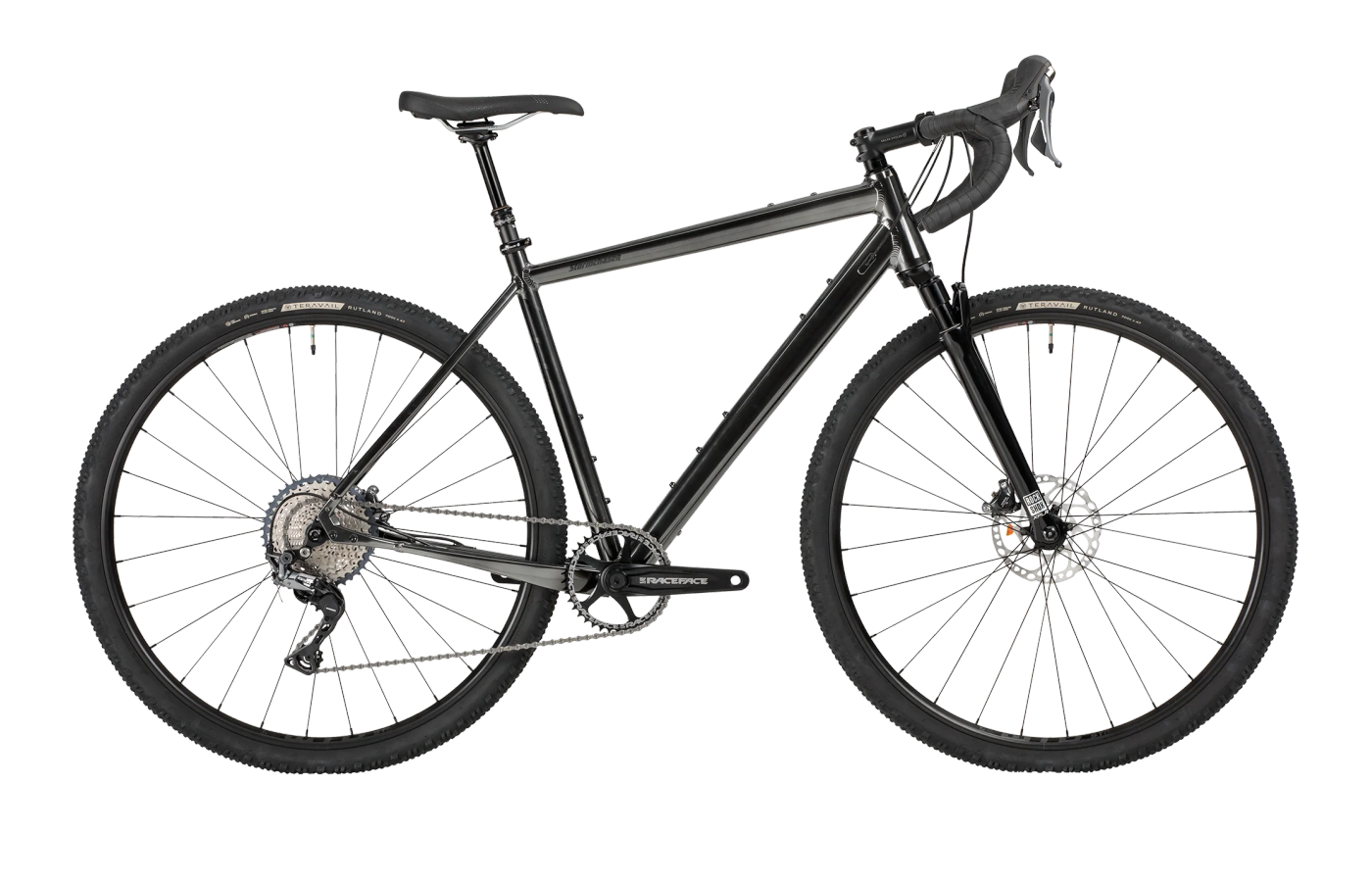
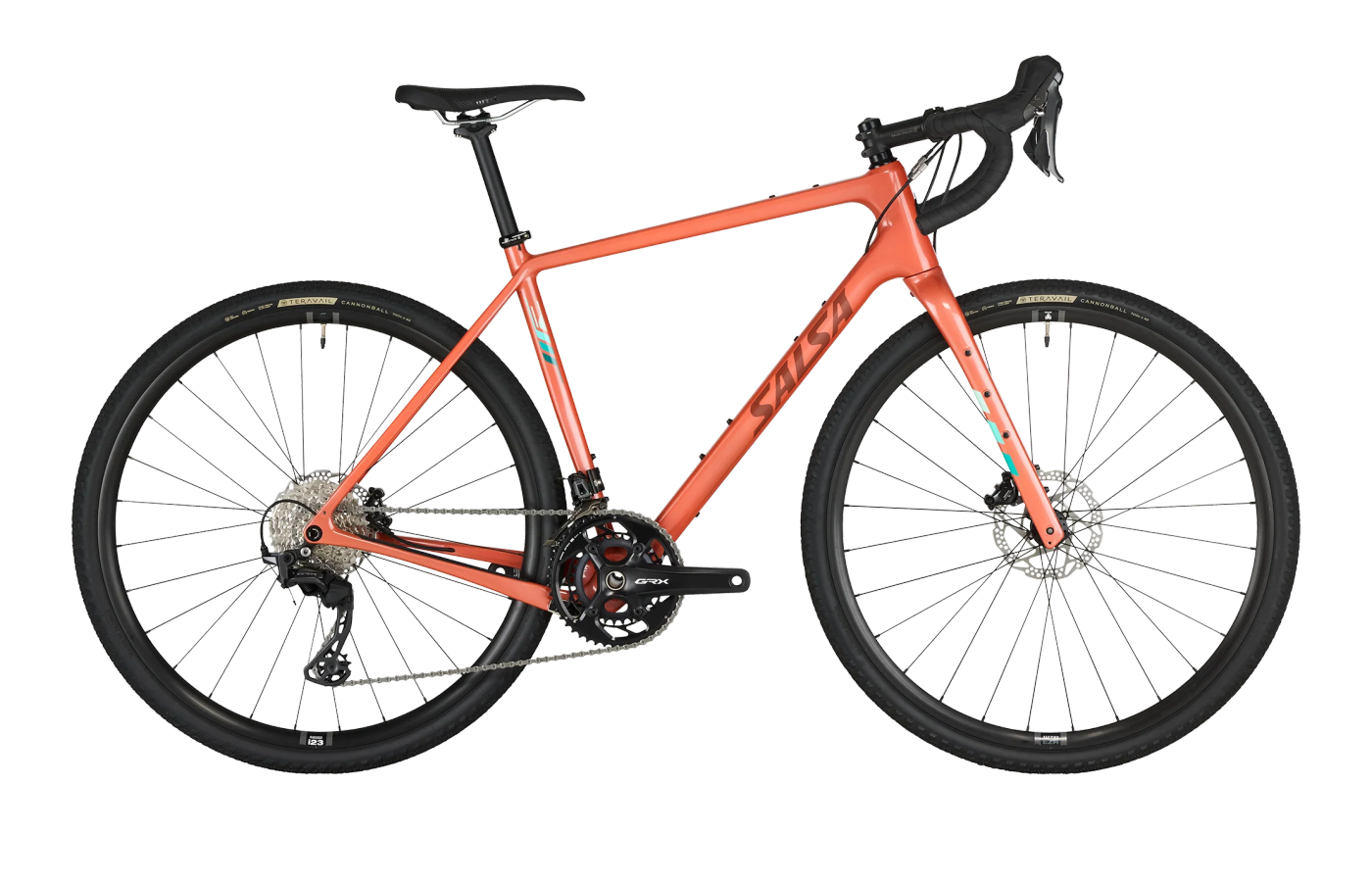
Same brand, opposite missions.
The Stormchaser is an aluminum filth-fighter built for the worst conditions. The Warbird is the carbon race bike that started the gravel-race category.
Stormchaser
- 50 mm tire clearance — more mudroom than the Warbird's 45 mm, with room for 700 x 50 mm or 650b 47 mm rubber.
- Single-speed convertible via Alternator dropouts — Bike Perfect noted they "never shifted or slipped" under hard load.
- Bombproof aluminum chassis — hydroformed 6066-T6 frame called "a seriously solid workout bench" by reviewers.
- Custom alloy-steerer carbon fork is famously rigid; expect hand fatigue on long, choppy days unless you go big on tire volume.
- Aggressive low-stack fit (slammed front end) won't work for riders who want an upright bikepacking posture.
Warbird
- Class 5 VRS rear triangle — bowed seat stays measurably damp gravel chatter without sapping power transfer.
- Race-tuned carbon — full builds run from 19 lb 1 oz (Force AXS, 56 cm) to 21 lb 13 oz; pavement manners reviewers call "fast, consistent and smooth."
- Seven build options from $2,799 GRX 600 1x to $6,999 Force AXS Wide — broadest spec range Salsa offers in gravel.
- Top builds get expensive fast; multiple reviewers flag in-house cockpits and lower-end hubs at the $6k+ tier.
- 45 mm tire ceiling and no suspension-fork build — this isn't the bike for true bog conditions.
Editor’s analysis
Two Salsas, one decision: do you want the bomber or the racer?
These bikes share a brand and a category, but almost nothing else. The Salsa Stormchaser is a hydroformed 6066-T6 aluminum frame with Alternator dropouts, 50 mm of tire room, and a stout alloy-steerer carbon fork that Ridinggravel called "possibly the stiffest fork I have ever ridden on a gravel bike." The Salsa Warbird is a high-modulus carbon platform with the Class 5 VRS rear triangle, 45 mm clearance, and seven geared builds spanning $2,799 to $6,999. They were drawn for different riders.
The Stormchaser is a tool. It started life as a single-speed gravel bike (still the cheapest spec at $1,799), and even the geared versions keep that single-cog DNA — wide-range 1x drivetrains, a stiff chassis, and Salsa's Alternator sliding dropouts that let you convert back to single-speed if you want. The geared GRX 810 1x SUS build adds a 40 mm RockShox Rudy XPLR suspension fork — no Warbird offers anything like it. If your riding includes mud, snow, sand, or routes where a derailleur is a liability, this is the obvious pick.
The Warbird is the racer. The 56 cm sits 1.55 degrees steeper at the head tube (70.75 vs 69.2), 19 mm shorter at the wheelbase (1038 vs 1058), and 5 mm shorter in the chainstays (430 vs 435). Cycling Weekly called the v4 "fast, consistent and smooth" on pavement; Bicycling found it "lively and quick" loaded with three bottles and two bags. The carbon frame and VRS rear end soak up gravel chatter without flexing under power — exactly what the original Dirty Kanza-bred concept was supposed to do.
Put another way: the Stormchaser is the bike you grab when conditions are bad. The Warbird is the bike you reach for when the clock is running.
Where the builds differ.
Comparing our editor's-pick builds side-by-side. Winners highlighted row-by-row — lower price and weight, and the better-spec component, each mark a point.
Build variants & pricing
Three Stormchaser builds ($1,799–$3,549), seven Warbird builds ($2,799–$6,999). The lineups overlap in a narrow $3,000–$3,500 window.
Prices are current US MSRP. The Stormchaser GRX 810 1x SUS ships with a 40 mm RockShox Rudy XPLR fork — the only suspension build in either platform. The Warbird is rigid carbon across the entire range.
How they fit, how they steer.
Both at size 56 — the fit-picked size for a 5'8" rider on each bike. The Stormchaser sits 2 mm taller in stack, 7 mm shorter in reach, with a 1.55-degree slacker head tube and a 19 mm longer wheelbase. The Warbird is the more responsive platform; the Stormchaser the more planted.
Which size should I buy?
Both bikes share Salsa's seven-size run from 49 cm to 61 cm with closely matched stack and reach across the range.
→These are starting points. Flexibility, riding style, and preferred position all shift the answer — if you’re between sizes, a professional fit beats a chart.
What the magazines said.
Published reviews from trusted cycling outlets. Click through for the full write-up.
Which one should you buy?
If you ride mud, sand, or single-speed by choice, get the Stormchaser. If you race or chase pace on long mixed-surface days, get the Warbird.
Stormchaser
If your gravel includes serious mud, sand, snow, or single-speed events, the Stormchaser's 50 mm clearance, Alternator dropouts, and bomber alloy chassis are purpose-built for it. The geared GRX 810 1x SUS adds a suspension fork no Warbird offers — useful when conditions get nasty enough that comfort matters more than weight.
Warbird
If you're entering events, chasing PRs on local gravel, or stringing together long mixed-surface days, the Warbird is the sharper tool. The carbon frame plus VRS combo keeps you fresh past hour four; the geometry tracks straight at speed without going dead in tight turns. Reviewers call it the original gravel race bike for a reason.
Questions buyers actually ask.
Short answers to the things we get emailed about most often.
01Which has more tire clearance?
The Stormchaser, by 5 mm. Salsa rates it for 700 x 50 mm or 650b x 47 mm tires, and Ridinggravel confirmed 700 x 50 mm Donnelly MSOs cleared the frame in dry conditions (though they noted the clearance gets tight when mud loads up).
The Warbird is rated for 700 x 45 mm or 650b x 2.0–2.1" rubber. Plenty for almost any gravel race but not the bike for genuine bog conditions.
02Does the Stormchaser have to be a single-speed?
No. Two of the three current builds ship geared from the factory — the Apex Eagle SUS ($3,199) with a SRAM Apex Eagle 1x12 drivetrain, and the GRX 810 1x SUS ($3,549) with Shimano GRX RX810. Both also ship with a 40 mm RockShox Rudy XPLR suspension fork.
The magic is in Salsa's Alternator dropouts: 15 mm of fore-aft adjustment lets you tension a chain for single-speed, and an optional derailleur hanger (sold separately) lets the frame run geared. You can switch back and forth on the same frame.
03Why is the Stormchaser fork so stiff?
It's the design choice that defines the bike. The Stormchaser uses a custom alloy-steerer carbon fork tuned for unyielding straight-line tracking in mud, sand, and slop — Bike Perfect described it as "relatively rigid on baked or frozen stutter bump surfaces," and Ridinggravel called it "possibly the stiffest fork I have ever ridden on a gravel bike."
Reviewers' workaround: run the maximum 700 x 50 mm tire at low pressure, or add a Redshift ShockStop suspension stem. The geared GRX 810 1x SUS build sidesteps the issue entirely with a RockShox Rudy XPLR fork stock.
04How much weight do you save on the Warbird?
Quite a bit. The carbon Warbird in the GRX 820 spec ($3,999, mid-tier) weighs 21 lb 2 oz on the 56 cm; the top C Force AXS Wide drops to 19 lb 1 oz.
The aluminum Stormchaser GRX 810 1x SUS comes in at 24 lb 13 oz on the 56 cm — roughly 3.5 lb heavier than the comparable Warbird build, partly due to the suspension fork. Even the Stormchaser Single Speed is heavier than any Warbird because of the alloy frame.
05Which has the more aggressive geometry?
Both are aggressive, but in opposite directions. The Warbird is the racier of the two on paper — 70.75-degree head angle, 381 mm reach in size 56, shorter 430 mm chainstays. It's tuned to feel quick.
The Stormchaser has a slacker 69.2-degree head angle and longer 1058 mm wheelbase, but its very low stack height (587 mm in size 56) puts the rider, in Ridinggravel's words, "nose down/butt in the air." Different mission: stable at high speed in bad conditions, not nimble in tight singletrack.
06Is the Class 5 VRS the same on both bikes?
Same name, very different effect. On the Warbird, the VRS works with the carbon layup — bowed seat stays plus flattened chainstays plus the steeply sloped top tube and exposed carbon seatpost — and reviewers consistently call out "incredible rear end compliance."
On the Stormchaser, the VRS is bolted to a stout alloy frame, and Bike Perfect was blunt: it felt "significantly stiffer than Salsa's Cutthroat gravel bike." The geometry trick is the same; the chassis around it isn't.
07Which is better for bikepacking?
Both are bikepacking-capable — three-pack mounts on the down tube, top-tube mount, fork-leg mounts, fender and rack provisions on both frames.
The Stormchaser is the more obvious choice for hard, remote routes: fewer moving parts, better mud clearance, and a chassis Bike Perfect called "more relaxing when you're loaded." The Warbird wins on long, fast credit-card tours and brevet-style rides where weight and pavement comfort matter more than mudroom.
08Why is the Stormchaser only sold as alloy and the Warbird only as carbon?
Salsa positioned them as complementary, not competing. The Stormchaser's mission — single-speed-ready, maximum mudroom, year-round abuse — is better served by aluminum's toughness, easier repair, and lower price floor ($1,799 vs $2,799).
The Warbird's mission — race speed, all-day compliance — is what carbon does well. The 3-year alloy frame warranty on the Stormchaser is shorter than the warranty on Salsa's carbon, steel, or titanium frames, which is worth noting if longevity is part of your decision.
Similar bikes
If your priorities don’t map cleanly onto either of these, one of these adjacent bikes probably fits better.
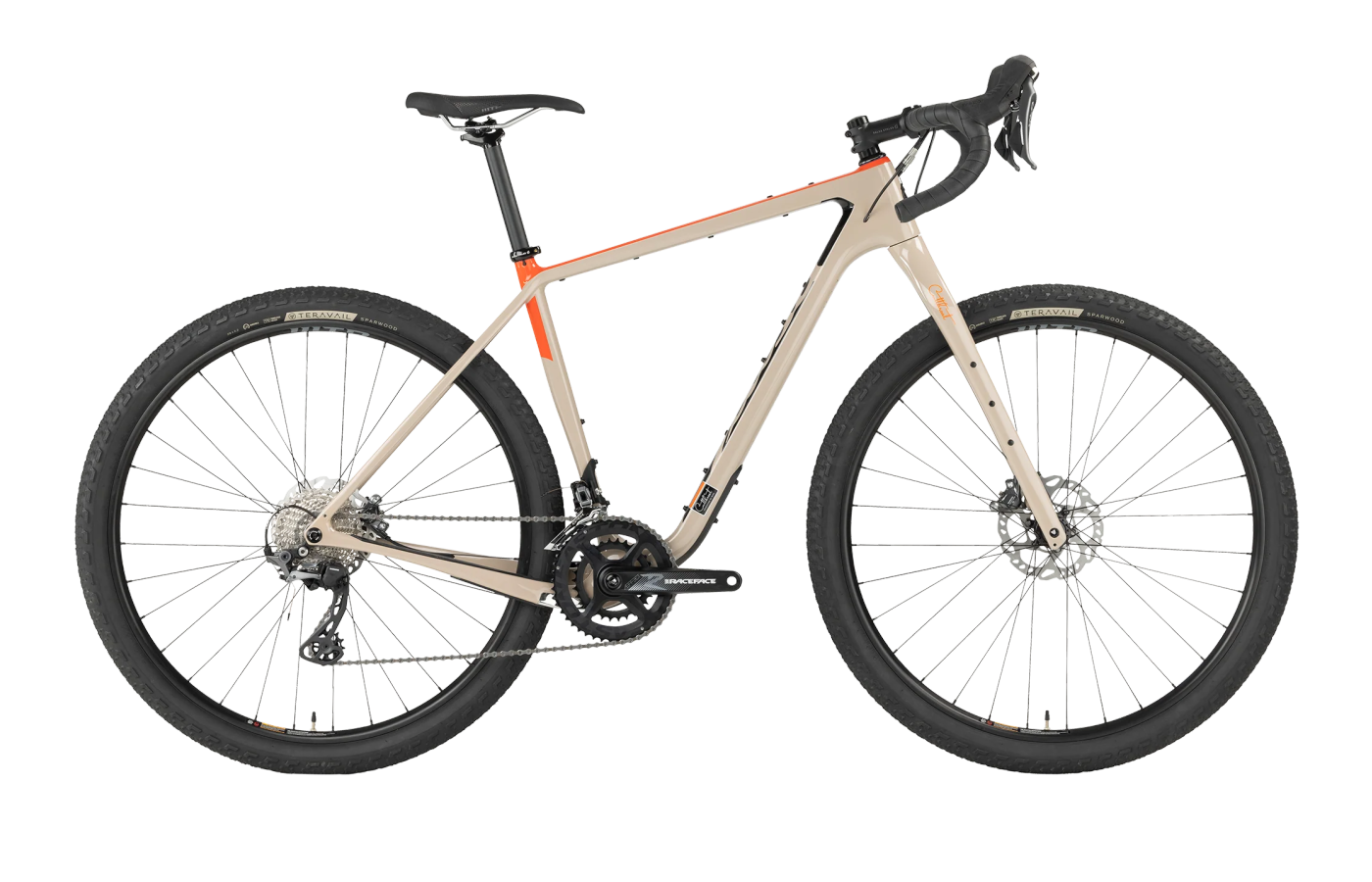
Cutthroat
Salsa's drop-bar 29er with even more mudroom than the Stormchaser and a longer-travel-friendly fork — the logical upgrade if your bikepacking starts looking more like cross-country MTB.
Compare →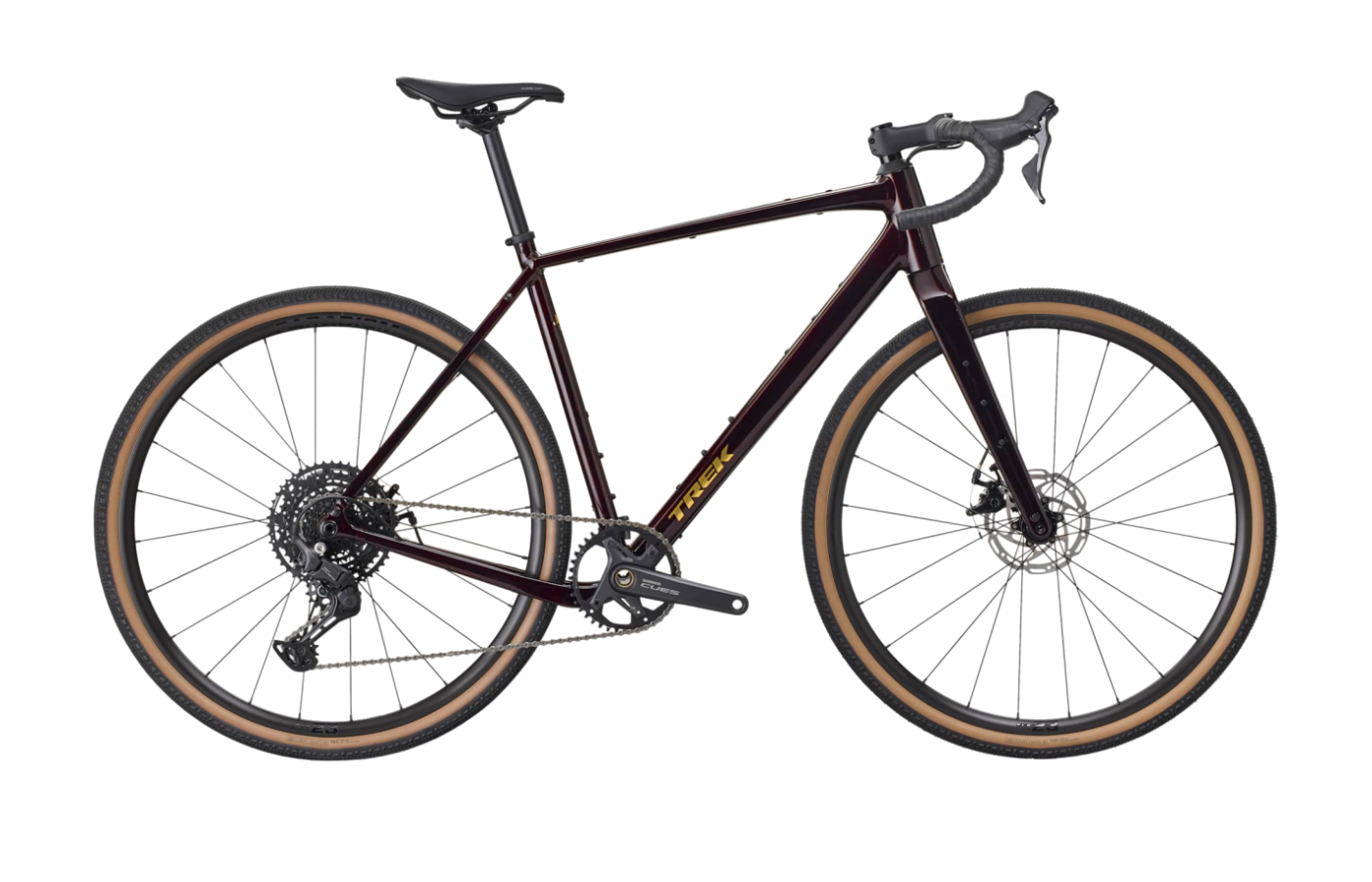
Checkpoint
Trek's carbon gravel-race platform aimed squarely at the Warbird, with similar geometry and IsoSpeed-equipped frames — often $1,000+ cheaper at matched specs.
Compare →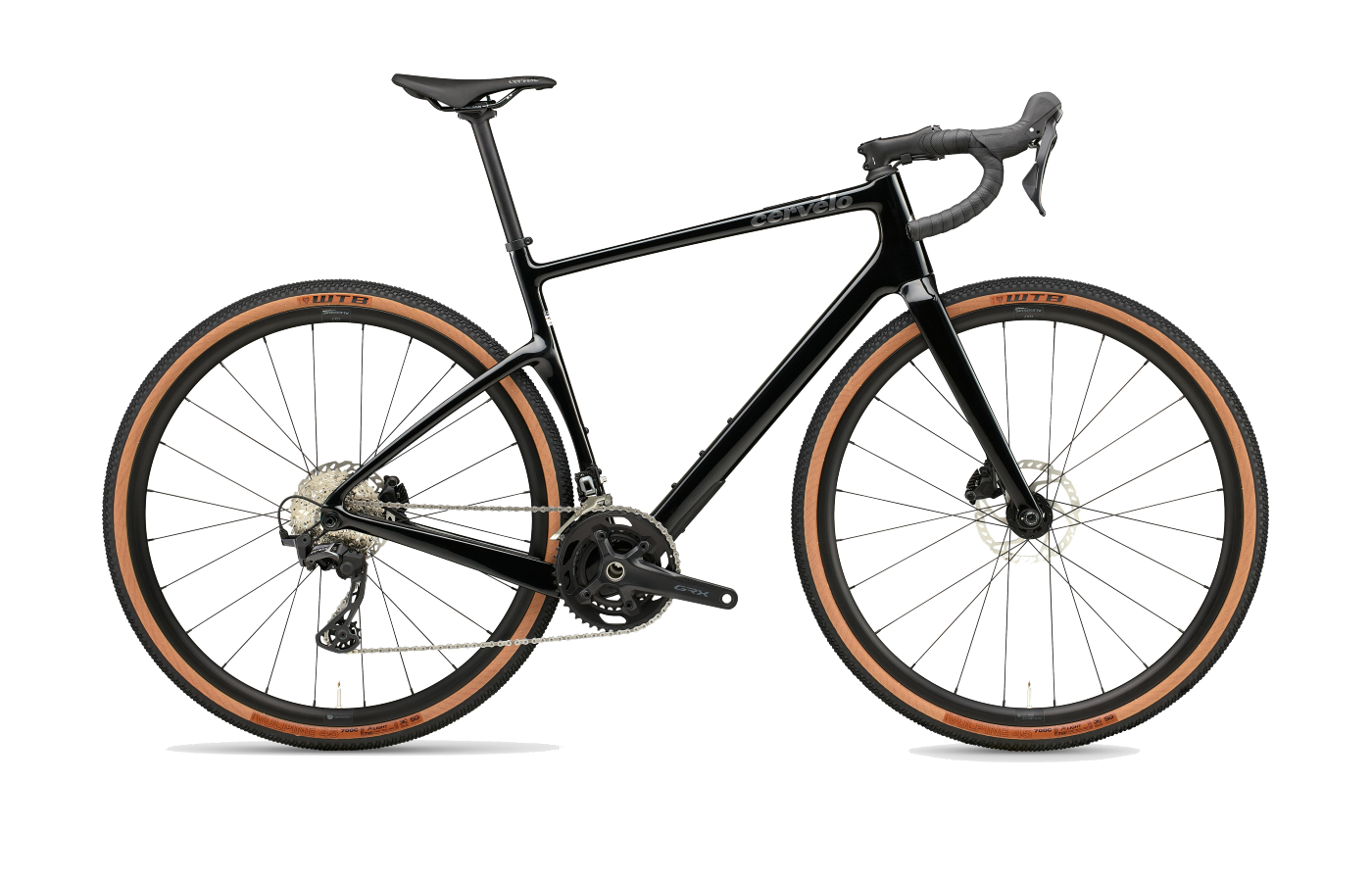
Aspero
Cervélo's stiff, fast carbon race bike — sharper road feel than the Warbird and a more aggressive position. The choice if outright speed matters more than long-day compliance.
Compare →