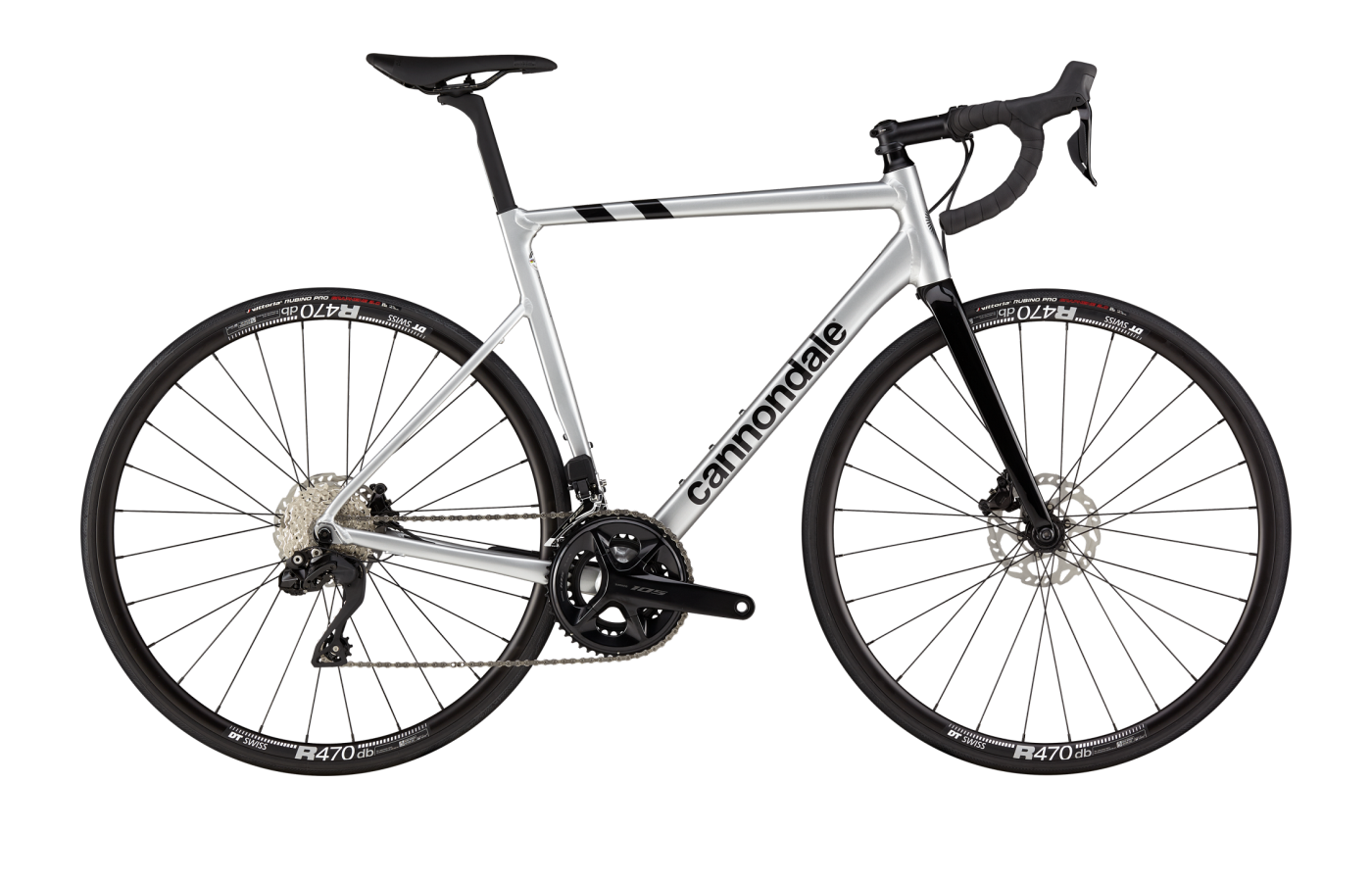
CAAD13
The Cannondale CAAD13 is a premium aluminum road bike designed for privateer racers and fast-paced enthusiasts. Moving away from the traditional round tubes of its predecessors, this generation adopts truncated airfoil shapes and dropped seatstays, aligning its silhouette closely with modern carbon race platforms. It balances aggressive intentions with practical touches, incorporating clearance for wider tires and hidden fender mounts for year-round utility. The CAAD13 appeals to riders who want the durability and crash resilience of alloy without sacrificing aerodynamic efficiency or ride quality. It serves as a highly capable criterium machine that easily transitions into a fast daily driver or winter training companion.
Geometry & fit.
8 sizes published.
The CAAD13 inherits its core geometry from Cannondale’s flagship SuperSix Evo, resulting in a race-oriented posture that remains accessible to a broad range of riders. Compared to previous CAAD iterations, this generation features a slightly taller stack and a marginally shorter reach. This subtle shift creates a slightly more upright front end, accommodating enthusiasts who prefer a less demanding position for extended rides, while still allowing racers to remove spacers for an aggressive, aerodynamic drop.
Handling is characterized by a balanced trail figure that keeps the steering light and direct across various speeds. To maintain consistent handling across the size run, Cannondale utilizes slacker head tube angles and increased fork offset on the smaller frames, which also helps mitigate toe overlap. A slightly lengthened wheelbase enhances high-speed stability, making the bike feel predictable and assured on fast descents or rougher road surfaces. The cockpit relies on a traditional two-piece bar and stem on most builds, offering straightforward adjustability for dialing in the perfect fit.
Where the handlebar sits relative to the bottom bracket — the single most important fit pair.
01Fit geometry6 values
03Handling geometry9 values
Which size should I buy?
Slide your height to see the recommended size. GearWise's fit algorithm works from the published stack, reach, and ETT — the brand's own recommendation may differ.
→Calculated from GearWise's own stack / reach / ETT algorithm — the brand's size chart may recommend a different size, and a proper bike fit beats any calculator.
The lineup.
2 builds, ranging $2,300 – $3,700.
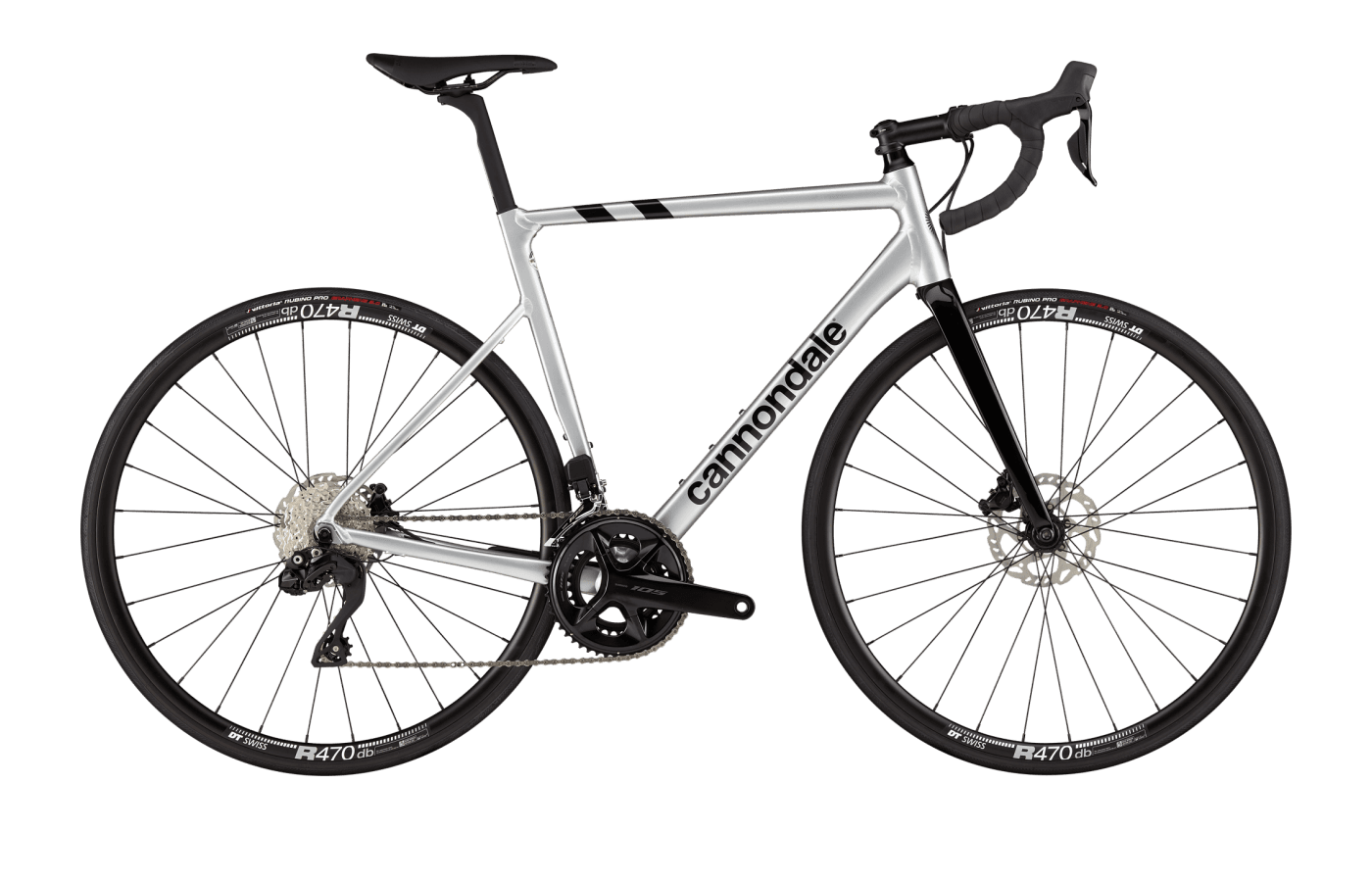
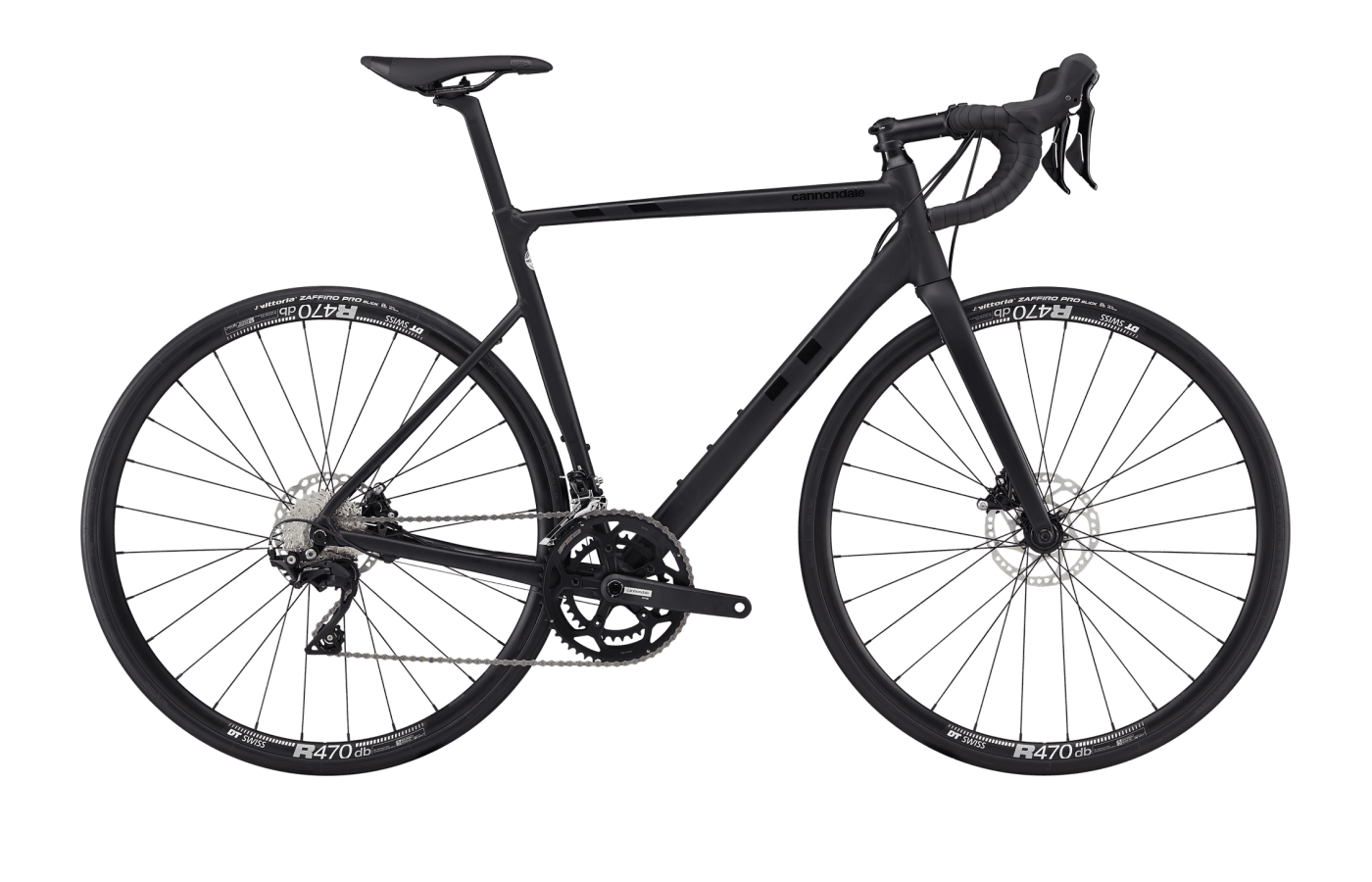
The CAAD13 lineup is anchored by two primary builds that pair the advanced alloy frame with Shimano 105 components. The entry point is the Disc 105 model, which utilizes an 11-speed mechanical drivetrain and hydraulic disc brakes. This build features Cannondale’s own crankset and rolls on DT Swiss R470 rims laced to Formula hubs, providing a reliable, if somewhat heavy, foundation. It also includes an alloy version of the D-shaped HollowGram 27 KNØT seatpost.
Stepping up to the 105 Di2 build introduces Shimano’s 12-speed electronic shifting for more precise and effortless gear changes. This model upgrades to a full Shimano 105 crankset, unifying the drivetrain, and swaps the alloy seatpost for a lighter carbon HollowGram 27 SL version, which further enhances seated comfort. Both builds feature 50/34 compact chainrings, though the Di2 model pairs them with a wider 11-34 cassette compared to the 11-30 cassette on the mechanical version, offering a slightly more forgiving climbing gear. While both options deliver excellent value through their high-quality frames, riders looking to maximize responsiveness often view the stock wheelsets as the first candidate for future upgrades.
From the press.
19 reviews from the cycling press.
Reviewers consistently praise the CAAD13 for defying the harsh stereotypes of aluminum frames, noting a highly refined ride quality that rivals carbon competitors. On rough pavement, the frame effectively mutes vibrations, delivering a "superbly smooth ride" (Road.cc) that reduces fatigue on longer excursions. When pushed hard into corners or down descents, the bike remains composed and predictable, with testers describing it as a "master of point-and-shoot dynamics" (BikeRadar).
However, the shift toward aerodynamics and comfort introduces a slight tradeoff in bottom bracket stiffness compared to older CAAD generations. While many riders still found the frame "lively with an almost springy quality under pedalling" (BikeRadar), some testers accustomed to the unyielding rigidity of its predecessors felt the new design was "less eager under power" (Velo) during out-of-the-saddle sprints.
Despite this nuanced shift in acceleration feel, the consensus points to a highly capable and versatile machine. The stock tires are frequently cited as a limiting factor, with multiple reviewers suggesting an early upgrade to more supple rubber to fully realize the frame's potential. Aesthetically, the prominent welds draw mixed reactions, but testers largely agree that the bike's on-road performance easily overshadows any visual compromises.

![Is the Best Aluminum Road Bike? [Cannondale CAAD13 105 Di2 Review]](https://paklmrfyhygqlkyhjcnf.supabase.co/storage/v1/object/public/storage/review-images/cannondale/caad13/2020-2026/review-02480a764b35.webp)
Is the Best Aluminum Road Bike? [Cannondale CAAD13 105 Di2 Review]
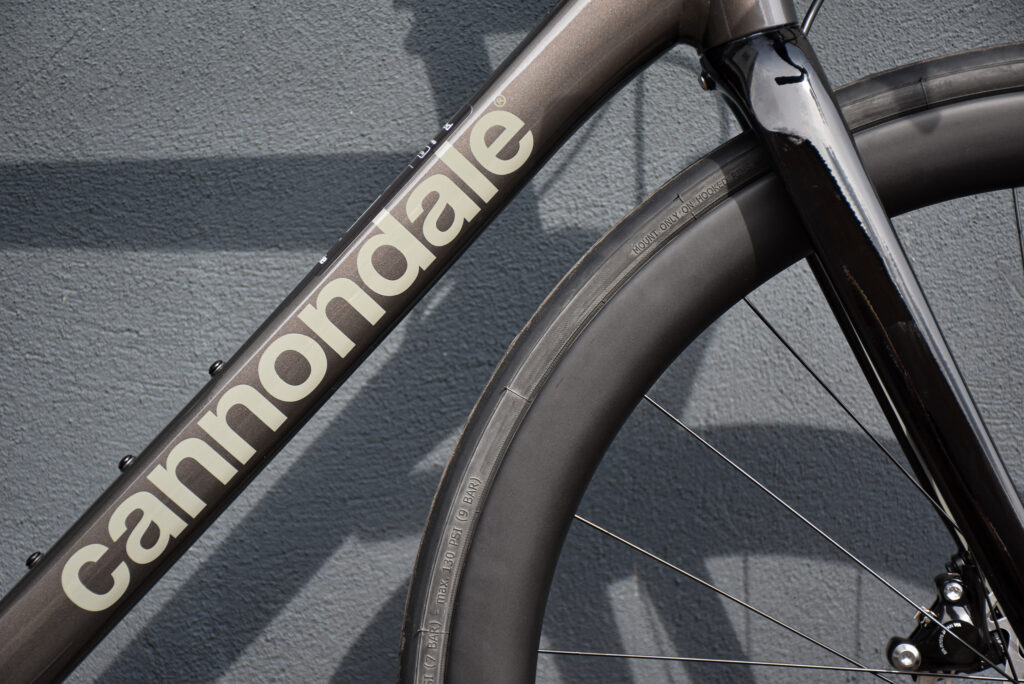
An Ode to the Cannondale CAAD 13

CANNONDALE CAAD13 BIKE TEST
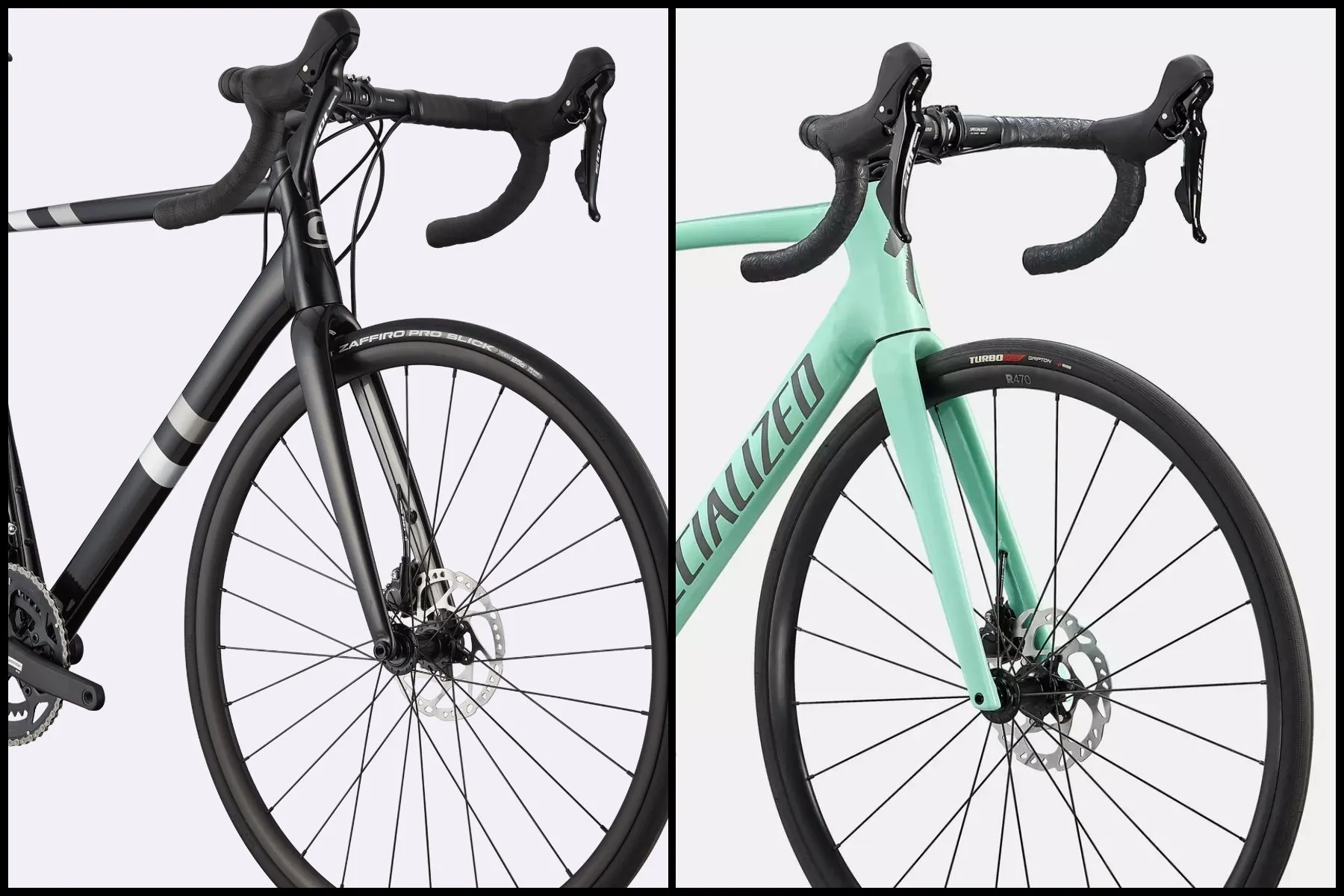
Specialized Allez Sprint vs. Cannondale CAAD13 Disc: Which is the best aluminium race bike?

Cannondale CAAD13 Disc 105 review
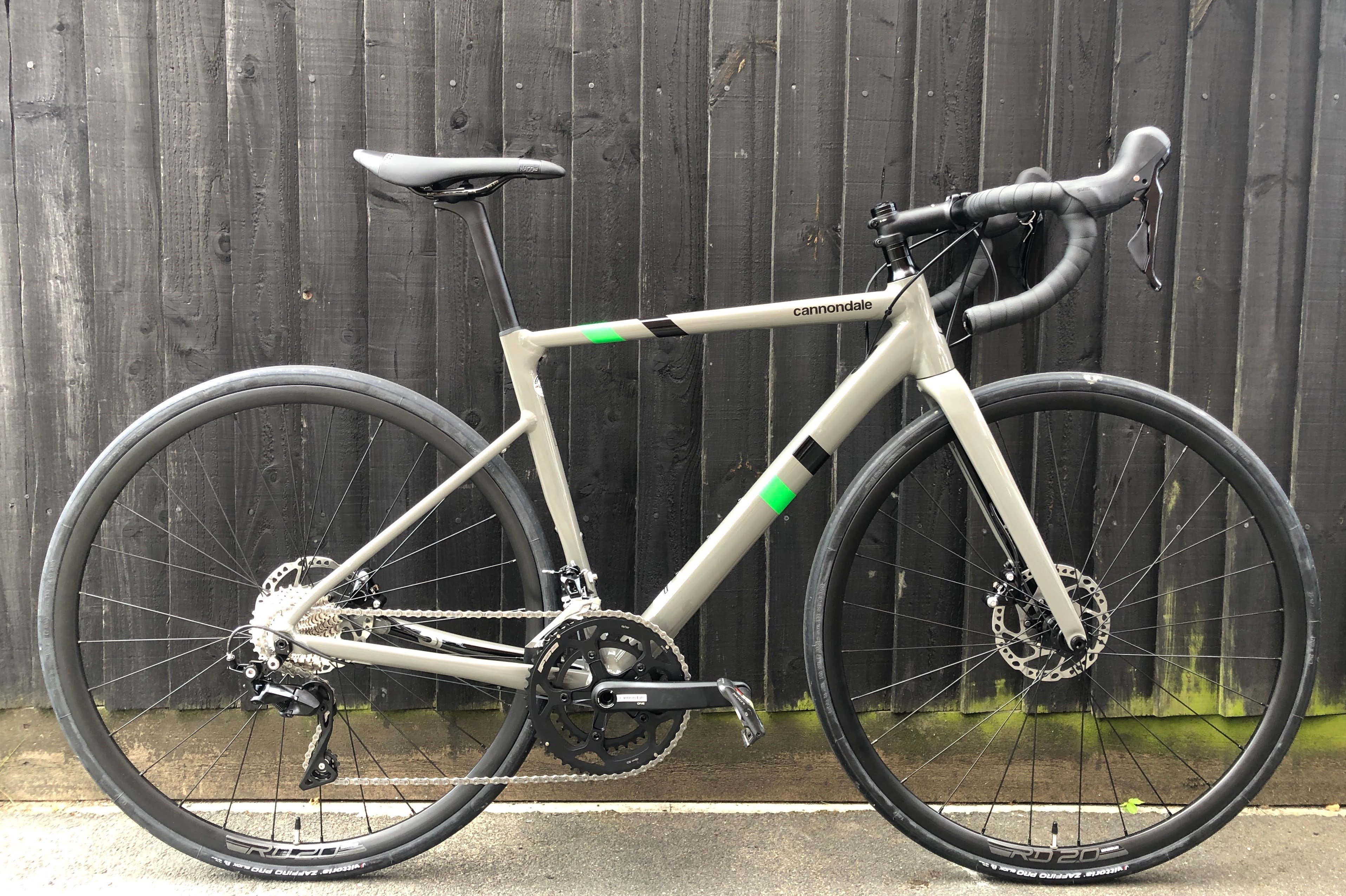
Cannondale CAAD13 105 Disc review

Cannondale Caad 13 2020 - Perfect winter road bike?

Review: Cannondale CAAD13 Disc 105 2020
Cannondale CAAD 13 Road Bike Test

Is the Cannondale CAAD13 Race-Ready? Here's What We Think
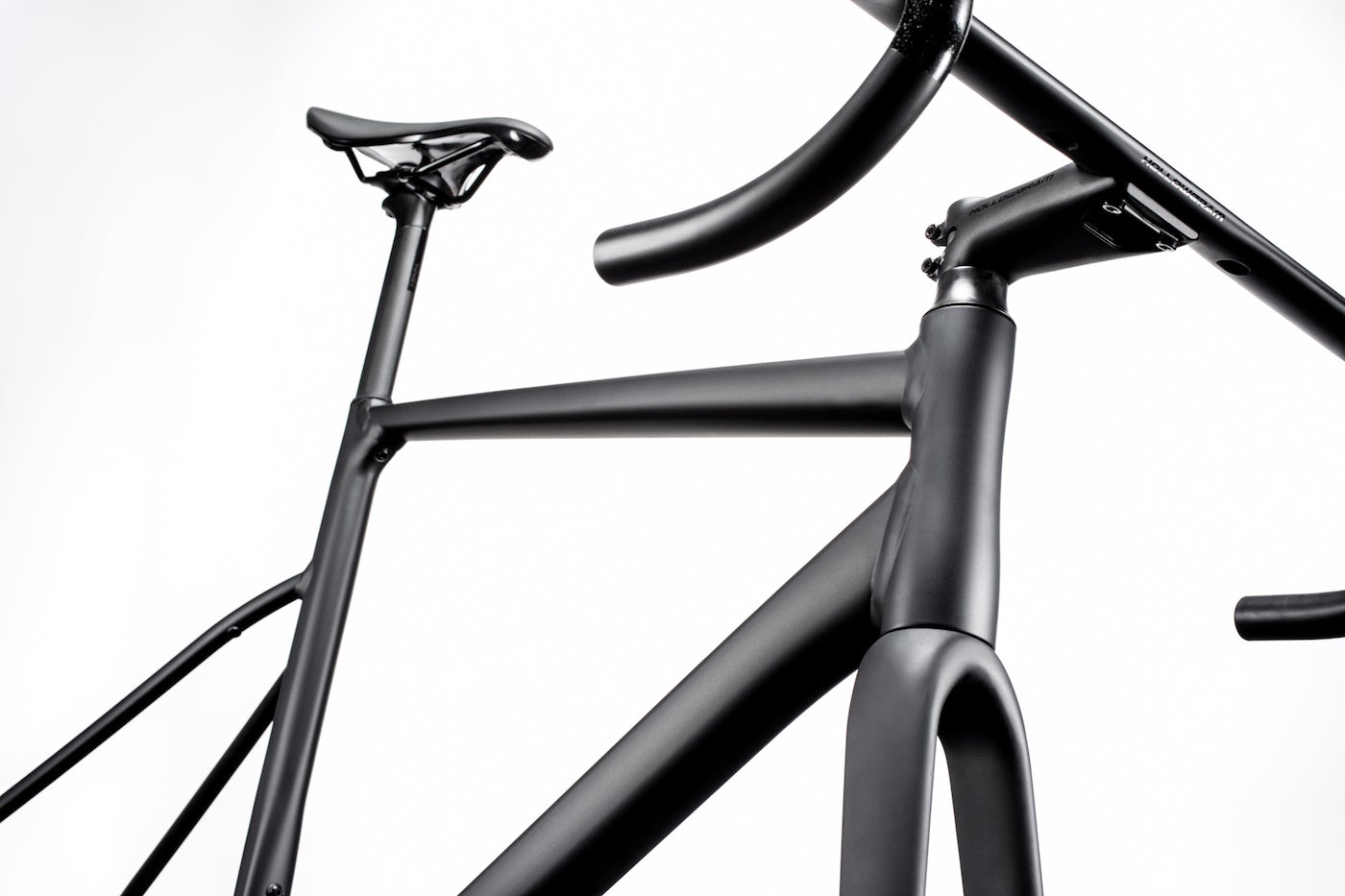
Cannondale CAAD13 review: more aero, but less stiff and distinctive

Cannondale CAAD13 Disc Force eTap AXS Review | Editor's Choice 2019 | Cycling Weekly

Cannondale CAAD13 Disc Force eTap AXS review
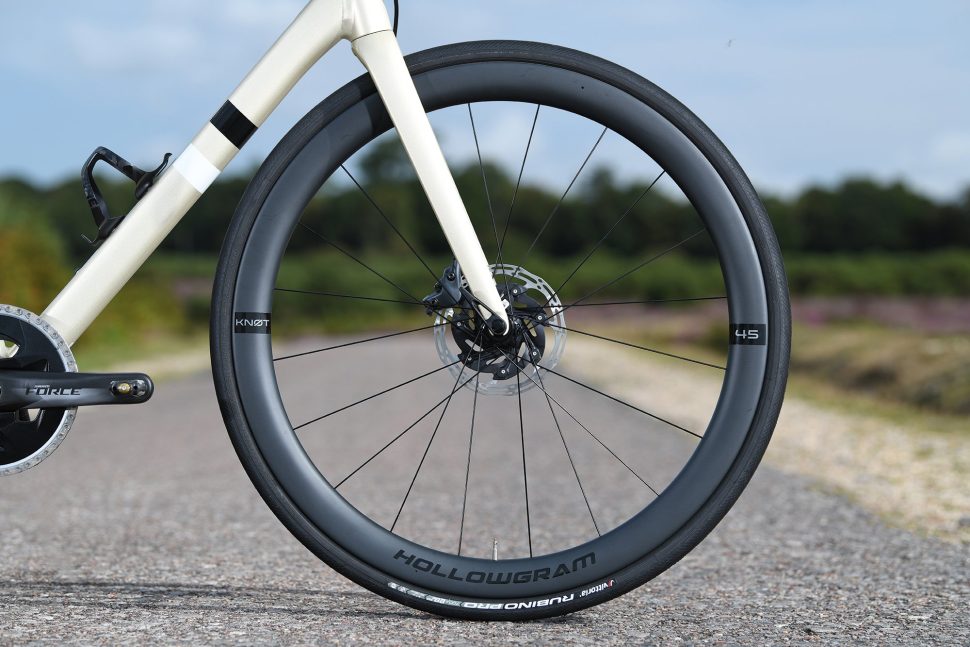
Cannondale CAAD13 Disc 2020 review
Early Review: The Cannondale CAAD13 105 Disc
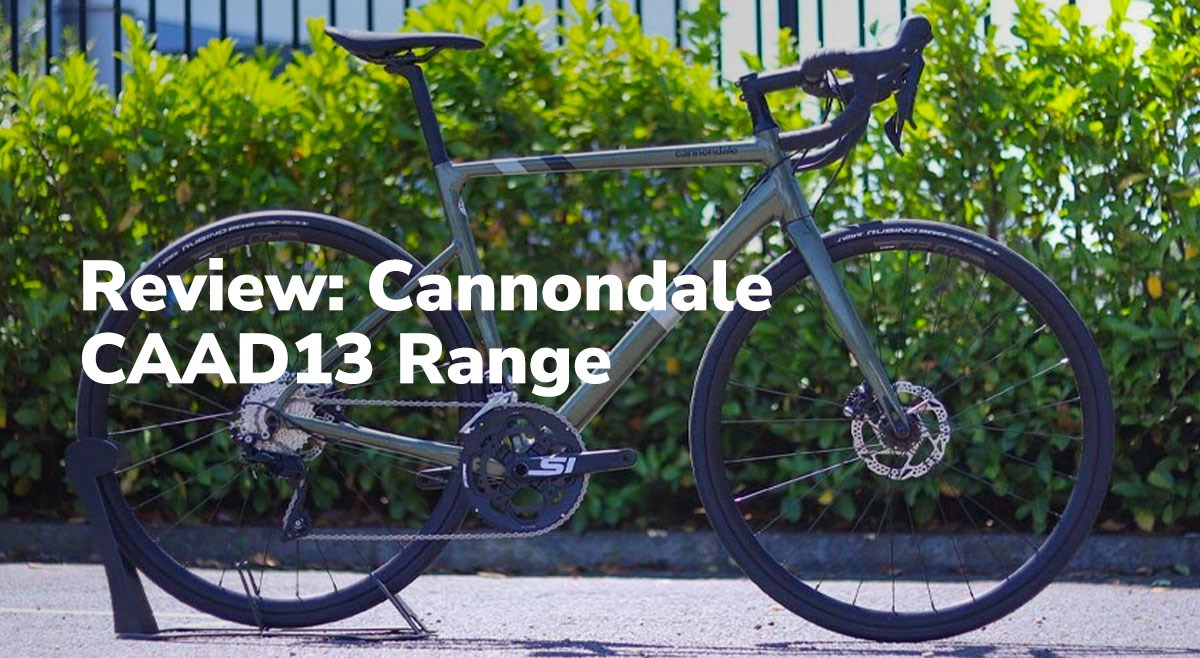
Cannondale CAAD13 Review

New Cannondale CAAD13 First Ride - Can aluminium still cut it?
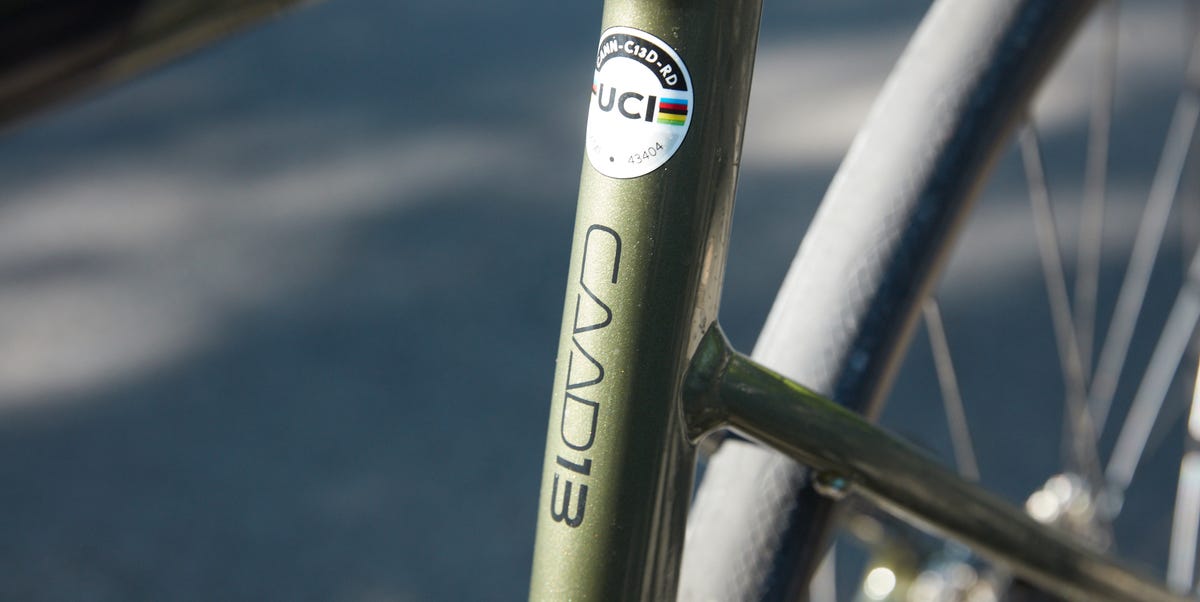
Cannondale’s New CAAD 13—a Kick-Ass Value That Kicks Ass
Compared to.
Most-viewed comparisons.
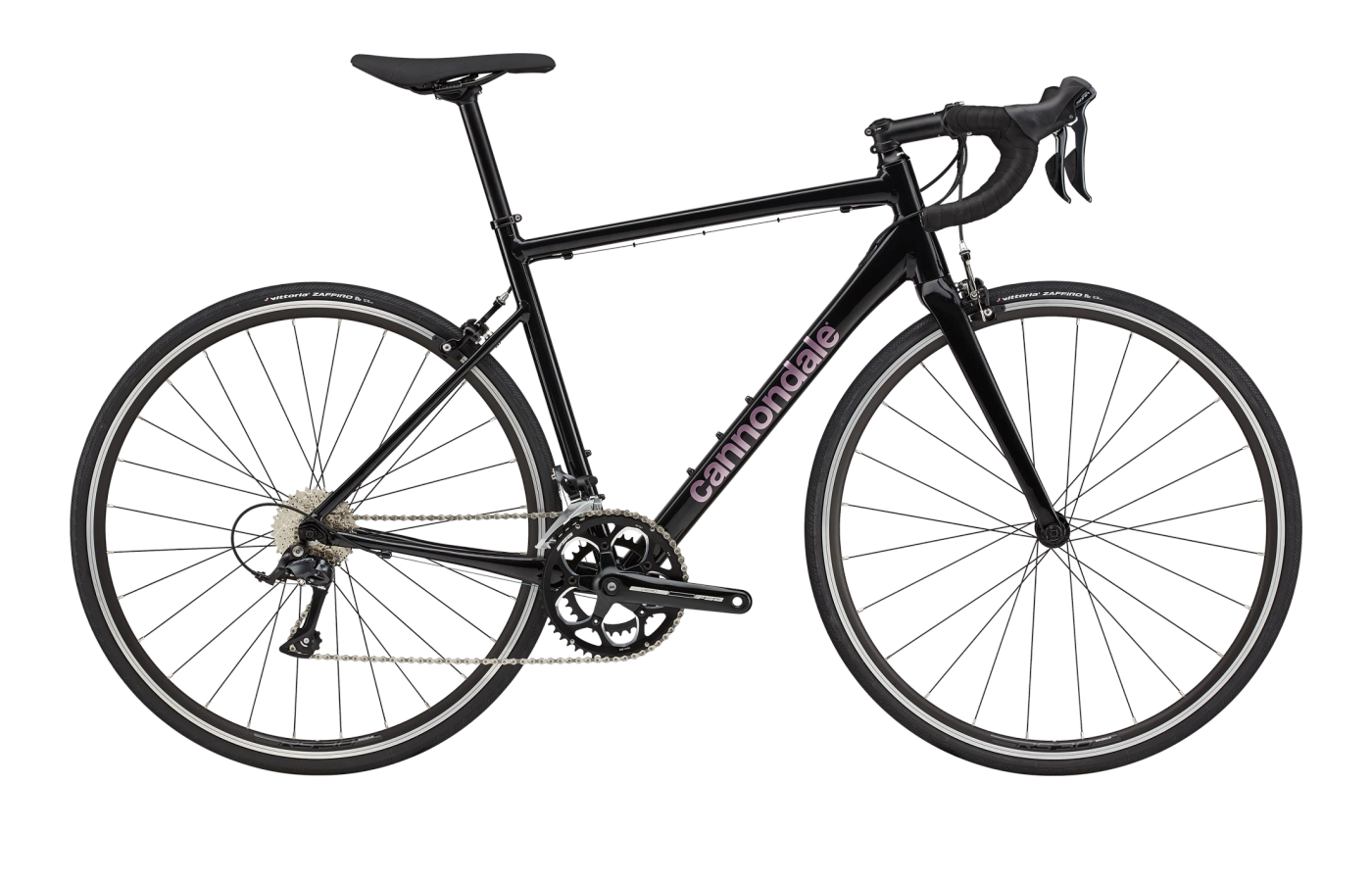
Cannondale CAAD Optimo vs CAAD13
Read comparison→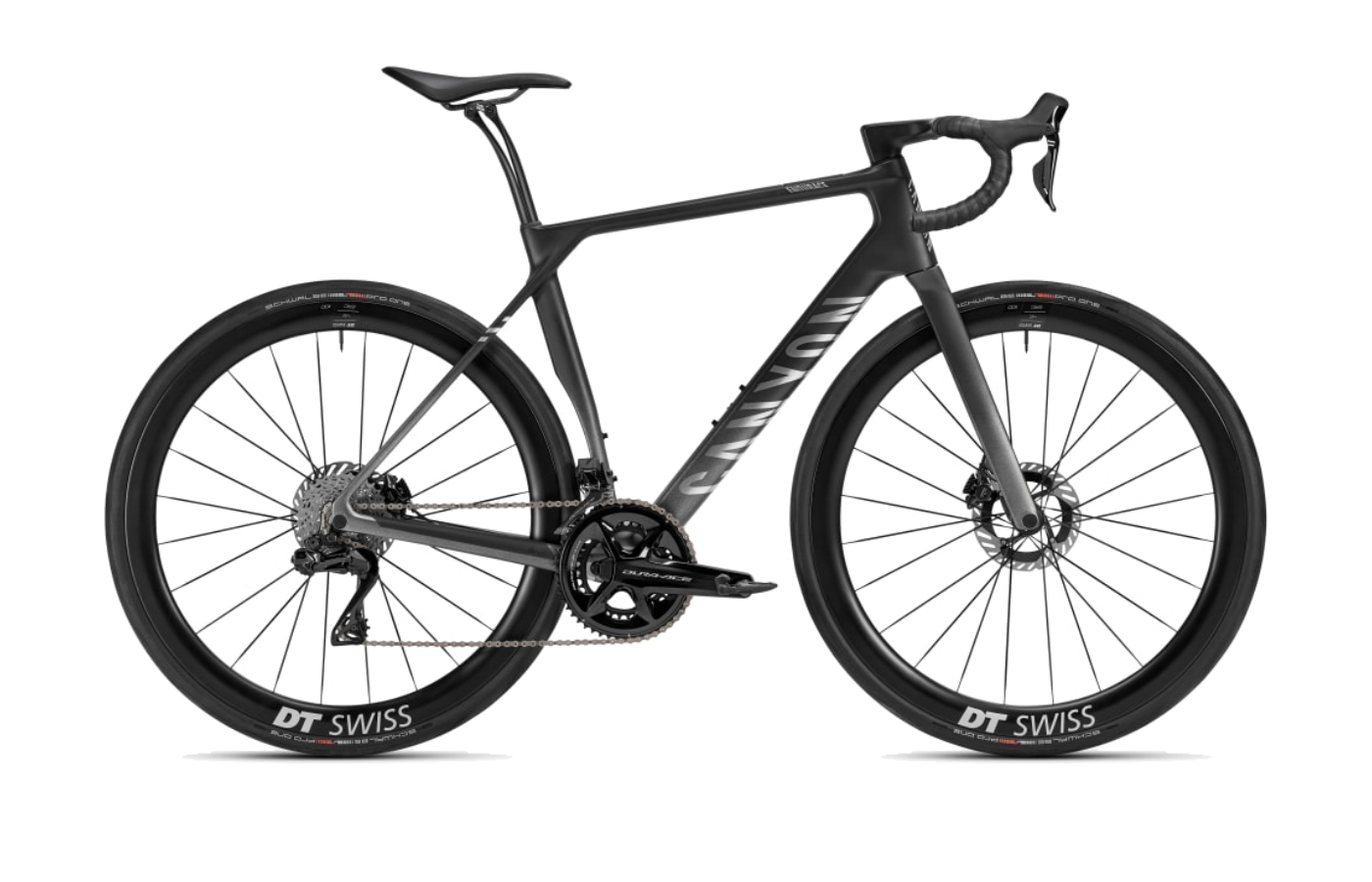
Cannondale CAAD13 vs Canyon Endurace
Read comparison→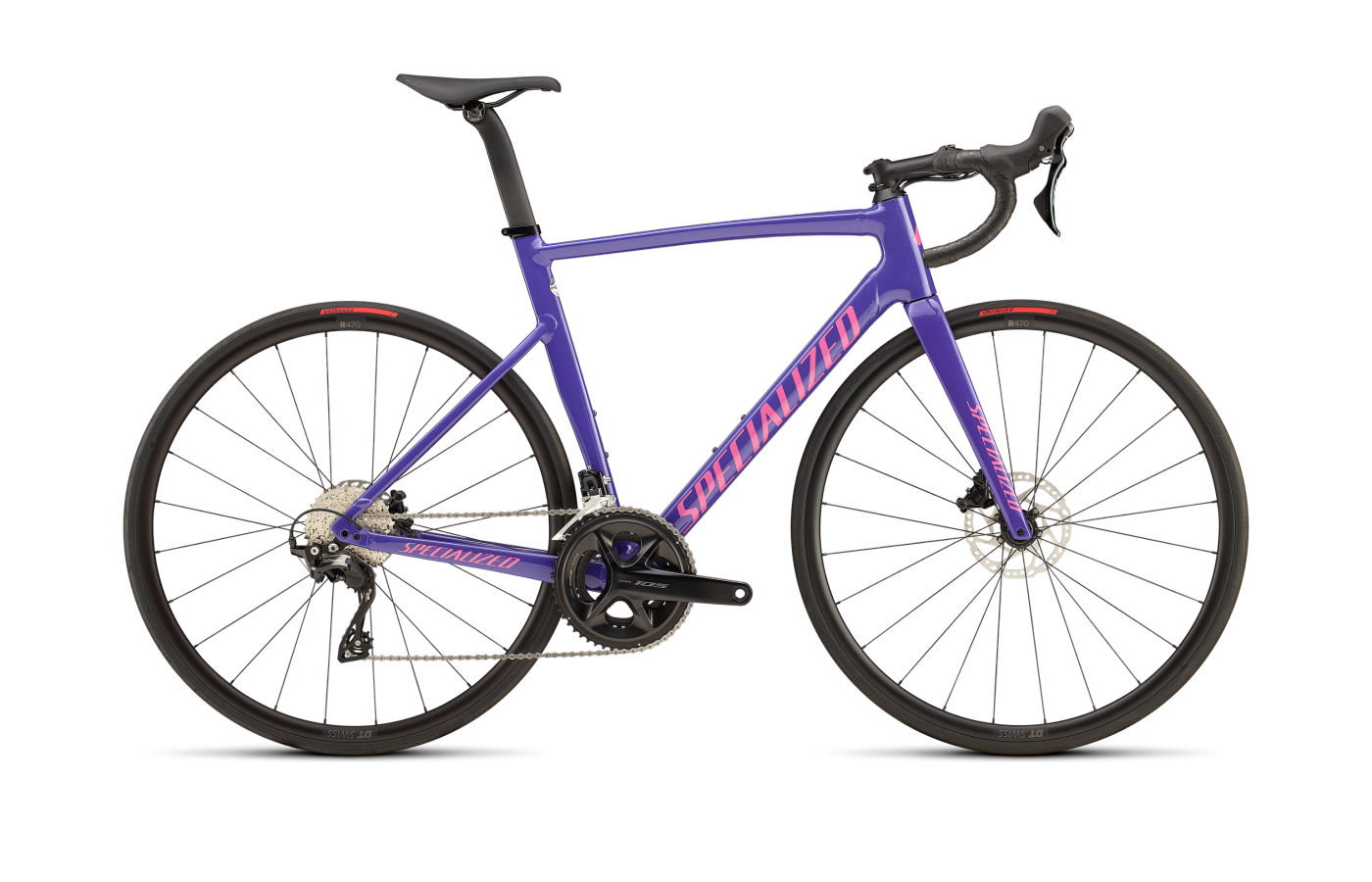
Cannondale CAAD13 vs Specialized Allez
Read comparison→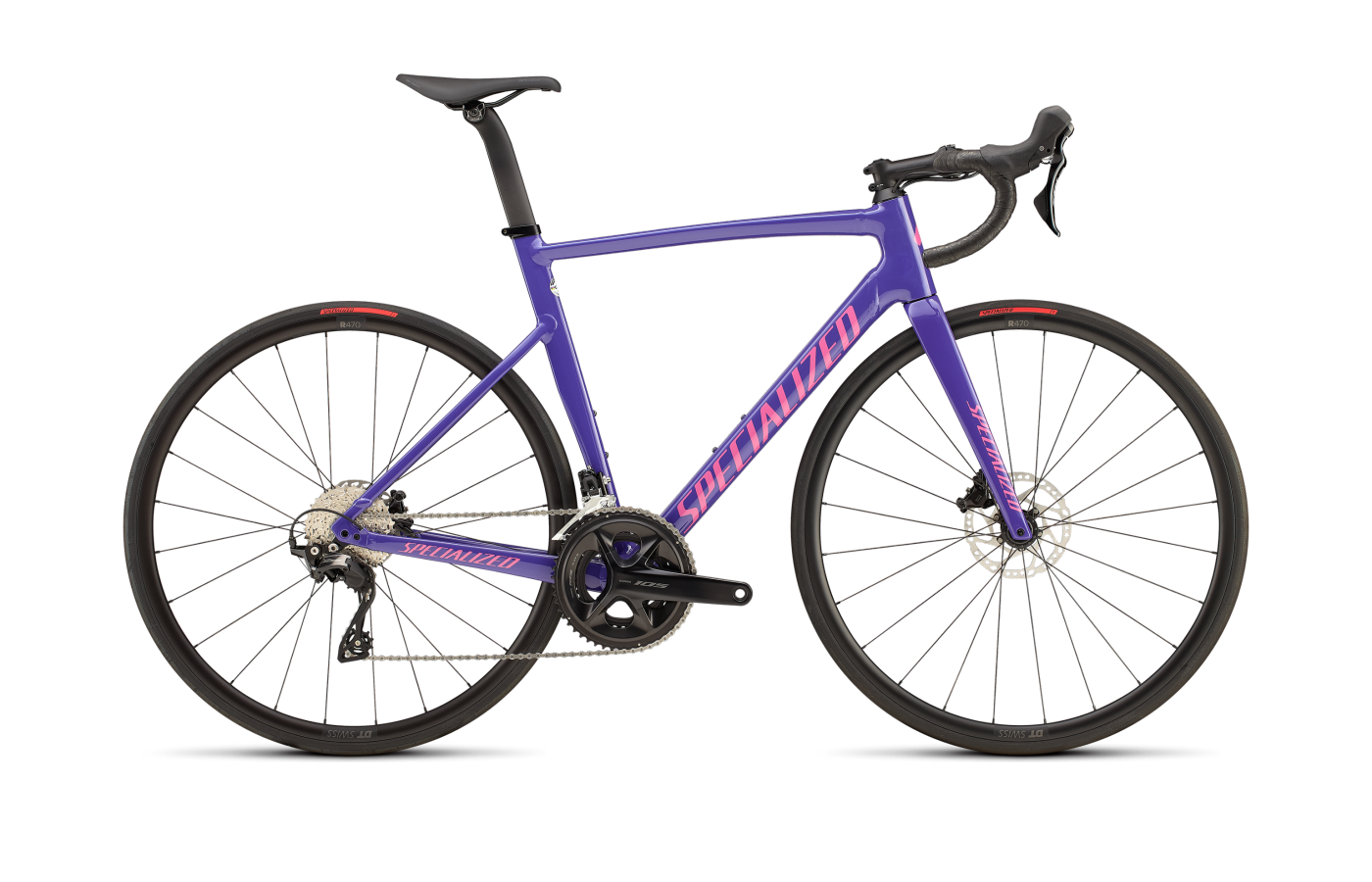
Cannondale CAAD13 vs Specialized Allez Sprint
Read comparison→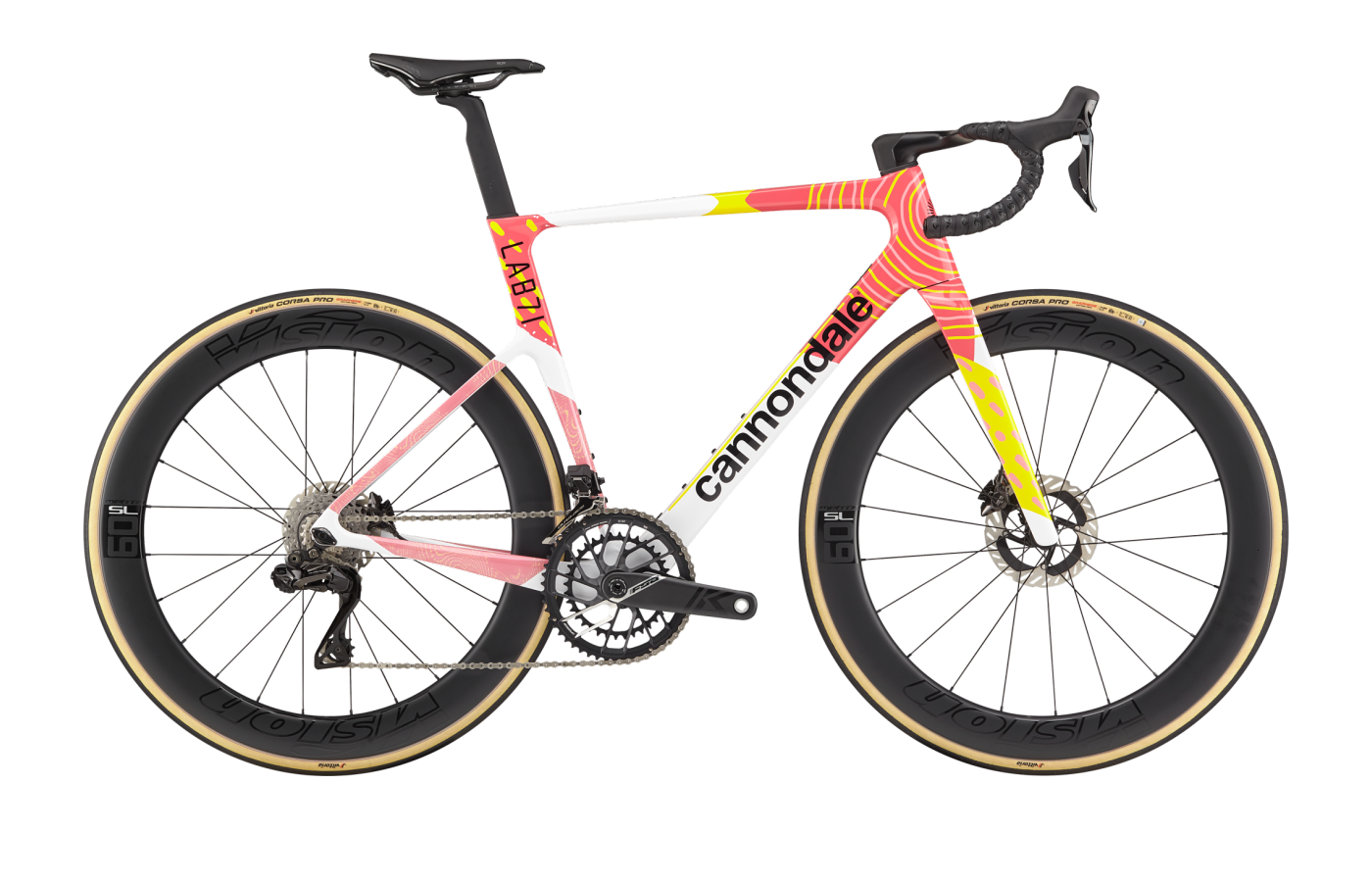
Cannondale CAAD13 vs SuperSix EVO
Read comparison→
Cannondale CAAD13 vs Synapse
Read comparison→