CAAD Optimo
vsCAAD13
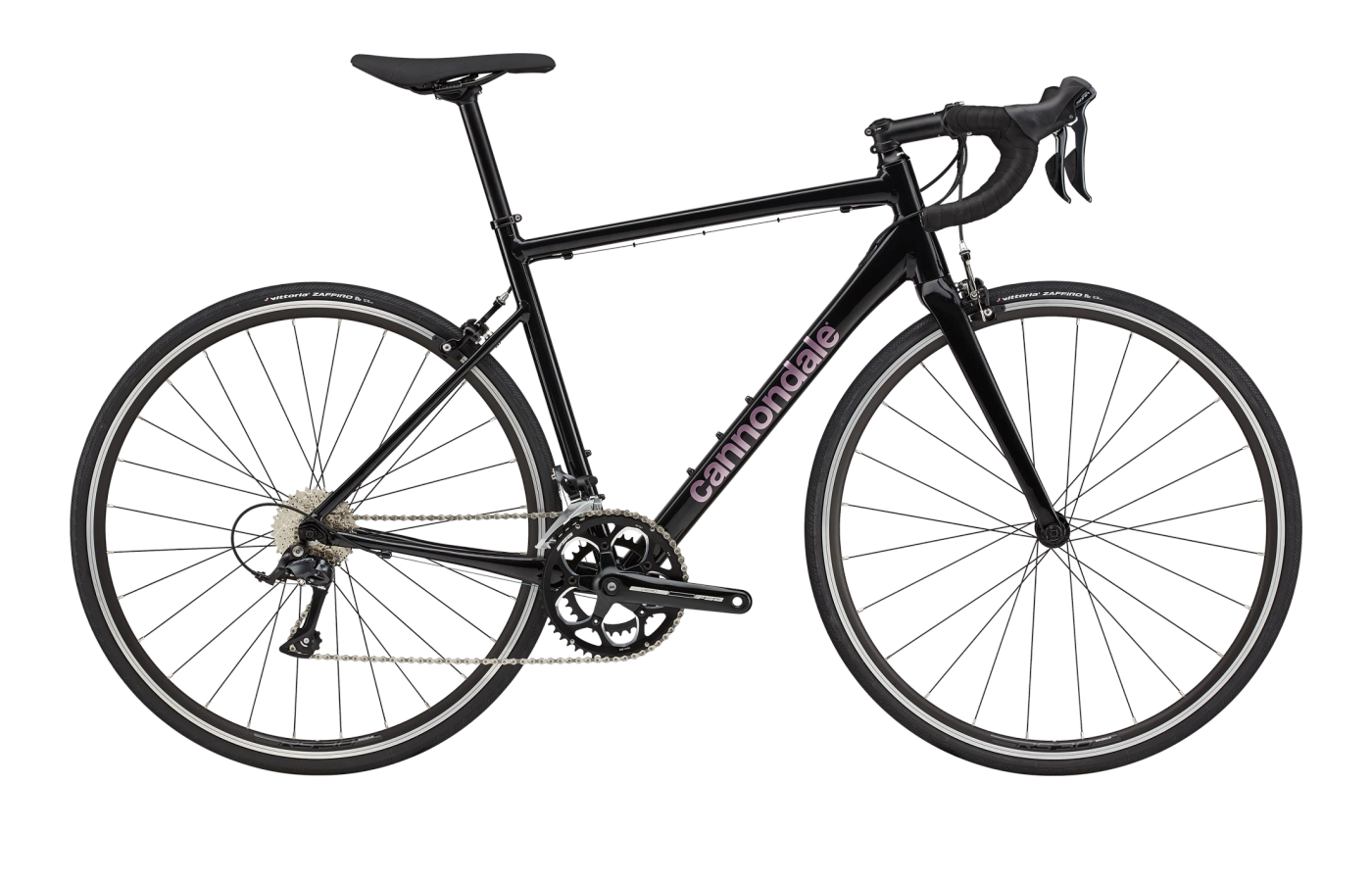
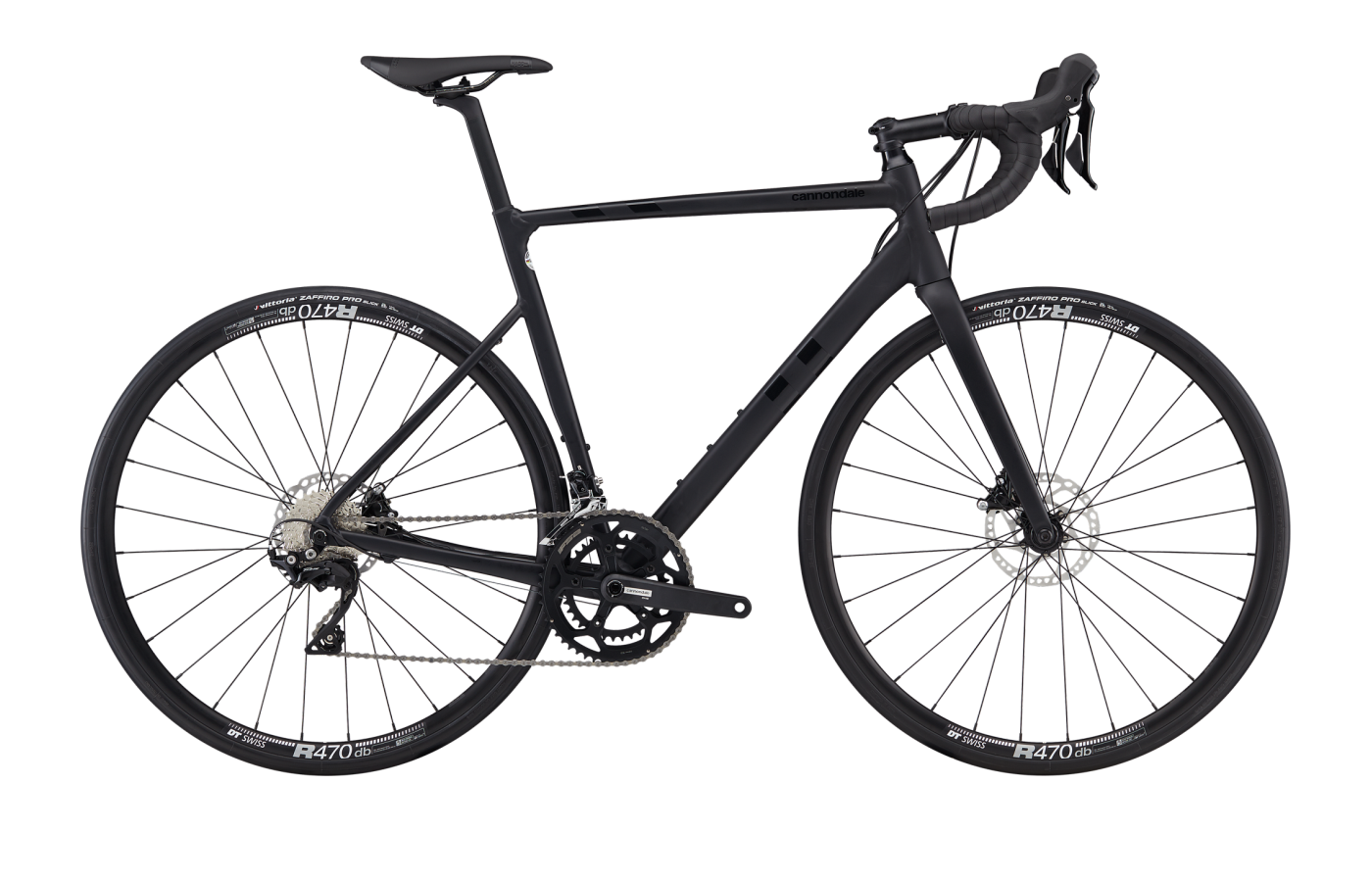
Same family name, two different bikes.
The CAAD Optimo is Cannondale's cheapest way into a drop-bar bike. The CAAD13 is its aluminum race flagship — the one that picks fights with carbon.
CAAD Optimo
- Cheapest way in at $1,300 — hard to find a full-carbon-fork, dropped-seatstay road bike for less.
- Racy CAAD geometry — 72.6-degree HTA and 57 mm trail carry over from the family, so handling is sharp out of the box.
- Built for upgrades — the frame comfortably outclasses the Sora groupset, wheels, and tires that ship with it.
- Rim brakes and Sora 9-speed are a generation behind — no disc, no 11-speed, no hydraulics.
- Stock wheels and Vittoria Zaffiro tires leave performance on the table; reviewers flag both as upgrade targets.
CAAD13
- Carbon-rivaling ride — C1 Premium alloy plus BallisTec fork and D-shaped seatpost take most of the sting out of the aluminum stereotype.
- SuperSix Evo geometry with 408 mm chainstays and a 1008 mm wheelbase at 54 — stable on descents, quick where it counts.
- Hydraulic disc, thru-axles, mudguard mounts — modern platform that works as a race bike on Sunday and a winter trainer the rest of the week.
- Nearly 2x the entry price — $2,300 floor vs Optimo's $1,300.
- BB30a press-fit bottom bracket has a track record for creaking; plan on eventual service.
Editor’s analysis
Both wear the CAAD badge — but only one is trying to be a race bike.
On paper the shared DNA is obvious. Both frames use Cannondale's SmartForm aluminum process, both run dropped seatstays and a SAVE micro-compliance layout in the rear triangle, both take 30 mm tires, both ship with a full carbon fork. At a size 54 they share identical stack (555 mm) and reach (384 mm) — the fit envelope is the same. That's where the similarities end.
The Cannondale CAAD Optimo is the gateway. One build, $1,300, Shimano Sora 9-speed, rim brakes, C2-grade alloy, 415 mm chainstays. It borrows CAAD-family geometry — 72.6-degree head angle, 57 mm trail — and pairs it with basic alloy wheels and Vittoria Zaffiro tires. BikeRadar named it 2023 Budget Road Bike of the Year. Every review points at the same conclusion: a genuinely racy frame throttled back by modest components, and wide-open upgrade headroom.
The Cannondale CAAD13 is a different animal. C1 Premium alloy, 12x142 thru-axles, flat-mount disc, BallisTec carbon fork, integrated cable routing, hidden mudguard mounts, truncated-airfoil tubing, and geometry lifted directly from the carbon SuperSix Evo. Builds start at $2,300 for mechanical 105 disc and climb to $3,700 for 105 Di2. The 408 mm chainstays are 7 mm shorter than Optimo; the wheelbase at size 54 is 14 mm longer (1008 vs 994 mm). Cannondale claims 30% less drag than CAAD12, and reviewers consistently say it rides close enough to carbon that most people can't tell.
Put another way: the CAAD Optimo is the bike you buy to find out whether you like road cycling. The CAAD13 is the bike you buy after you know the answer is yes.
Where the builds differ.
Comparing our editor's-pick builds side-by-side. Winners highlighted row-by-row — lower price and weight, and the better-spec component, each mark a point.
Build variants & pricing
The Optimo ships in a single $1,300 Sora spec. The CAAD13 spans mechanical 105 disc up to 105 Di2 — no cheaper entry point.
Prices are current US MSRP. The CAAD Optimo has no disc-brake or Di2 build in the lineup; the CAAD13 has no rim-brake or sub-$2k build. If your budget sits below $2k, the Optimo is the only Cannondale CAAD option.
How they fit, how they steer.
Both at size 54, the fit-picked size for a 5'8" rider on each bike. Stack and reach match exactly (555 / 384 mm). The CAAD13 runs a slacker 71.2-degree head angle paired with 55 mm fork offset, so trail lands at 58 mm — nearly identical to the Optimo's 57 mm — but chainstays are 7 mm shorter and the wheelbase is 14 mm longer.
Which size should I buy?
Size recommendations based on stack, reach, and effective top tube. Both ranges overlap closely through 54–58; the CAAD13 extends further at the tall end (up to a 62) where the Optimo tops out at 58.
→These are starting points. Flexibility, riding style, and preferred position all shift the answer — if you’re between sizes, a professional fit beats a chart.
What the magazines said.
Published reviews from trusted cycling outlets. Click through for the full write-up.
Which one should you buy?
If you want your first real road bike and a platform you can upgrade into, get the Optimo. If you want a race-ready frame you won't outgrow, get the CAAD13.
CAAD Optimo
If you're stepping into drop-bar cycling for the first time, commuting on tarmac, or building toward a fitness habit without spending carbon money, this is the frame. It's racy enough to enjoy and cheap enough to excuse the component list — and the fender mounts mean it works year-round.
CAAD13
If you're racing crits, hammering Saturday group rides, or simply want a bike that rides like carbon without the crash anxiety, the CAAD13 delivers. The SuperSix Evo geometry and integrated cable routing make it look and feel like a modern race bike — because, functionally, it is one.
Questions buyers actually ask.
Short answers to the things we get emailed about most often.
01Which is actually faster?
The CAAD13, meaningfully. Cannondale claims a roughly 30% reduction in aero drag over the CAAD12 that preceded it, thanks to truncated-airfoil down tube, seat tube, seatstays, and fork blades — shapes the CAAD Optimo doesn't use. On top of that, the 105 hydraulic disc build runs DT Swiss R470 wheels vs the Optimo's basic Formula/RS 3.0 alloy set, so the rolling equation also favors the CAAD13.
For a rider at typical group-ride paces, expect a noticeable difference both on flats and on repeated short climbs.
02Is the CAAD Optimo just a cheaper CAAD13?
No — they share family DNA but the framesets are different. The Optimo uses Cannondale's SmartForm C2 Alloy, the CAAD13 uses the higher-grade SmartForm C1 Premium Alloy with 6069 aluminum and aero-profiled tubing. The Optimo frame is rim-brake with a QR rear and a round seatpost; the CAAD13 is flat-mount disc with 12x142 thru-axles and a D-shaped HollowGram 27 KNØT seatpost.
Geometry is closer than the framesets — identical stack and reach at 54, similar trail — but chainstay length (415 vs 408 mm) and wheelbase (994 vs 1008 mm) diverge, and the CAAD13's ride quality is measurably more refined.
03What's the tire clearance on each?
Both are officially rated for 30 mm tires. Some CAAD13 reviewers report fitting 32 mm with a bit of margin, but Cannondale's published spec is 30 mm on both frames. Neither is a gravel bike — for dirt roads or mixed-surface days, look at Cannondale's Topstone.
04Does the Optimo have a disc-brake option?
No. The current CAAD Optimo lineup is rim-brake only, with the single build shipping Promax/Tektro dual-pivot calipers. If you want disc brakes on a Cannondale CAAD-family frame, the CAAD13 is the entry point — and its cheapest disc build is $2,300.
05Can I upgrade the Optimo to something close to a CAAD13?
Partially. You can upgrade the Optimo's wheels, tires, saddle, and seatpost and meaningfully improve ride quality and speed — reviewers repeatedly note the frame outclasses its stock components. What you can't upgrade: the rim brakes (no disc mounts), the QR rear (no thru-axle), or the alloy grade of the frame itself. For a full race-bike experience, starting on a CAAD13 is simpler than chasing the same result through upgrades.
06How bad is the BB30a bottom bracket on the CAAD13?
It's the single most common complaint across long-term reviews. The press-fit BB30a interface on the CAAD13 has a known track record for eventual creaking — most bikes stay quiet in short-term testing but reviewers and owners frequently report noise after several months. A good shop press, quality bearings, and a converter sleeve (Wheels Manufacturing, Enduro) solve it when it happens, but it's a recurring service item.
The CAAD Optimo, by contrast, uses an FSA Mega Exo threaded bottom bracket — easier to service at home and less prone to noise.
07Which is better for commuting and winter riding?
Both carry mudguard mounts, which is unusual and welcome at their respective price points. The Optimo goes further with a rear pannier rack mount, making it the more practical pure-commuter choice.
The CAAD13 wins the weather case on brakes — hydraulic discs shed water far better than the Optimo's rim calipers — so for hilly wet-weather riding, it's the safer bet.
08Which holds its value better used?
The CAAD13, typically. It has a stronger secondhand following among amateur racers, and the higher-tier builds (105 Di2, Force eTap AXS on older spec years) command real prices. The Optimo depreciates faster in absolute terms but also has less to lose — a used Optimo 1 at half retail is still a reasonable gateway bike.
Both benefit from Cannondale's lifetime frame warranty to the original owner, which transfers only through authorized channels.
Similar bikes
If your priorities don’t map cleanly onto either of these, one of these adjacent bikes probably fits better.

Allez Sprint
The direct rival to the CAAD13 — a truncated-aero, hydroformed aluminum race frame that Cyclist magazine ran head-to-head with the CAAD13. Sharper, stiffer, less compliant; the pick if you prioritize crit-course stiffness over long-ride smoothness.
Compare →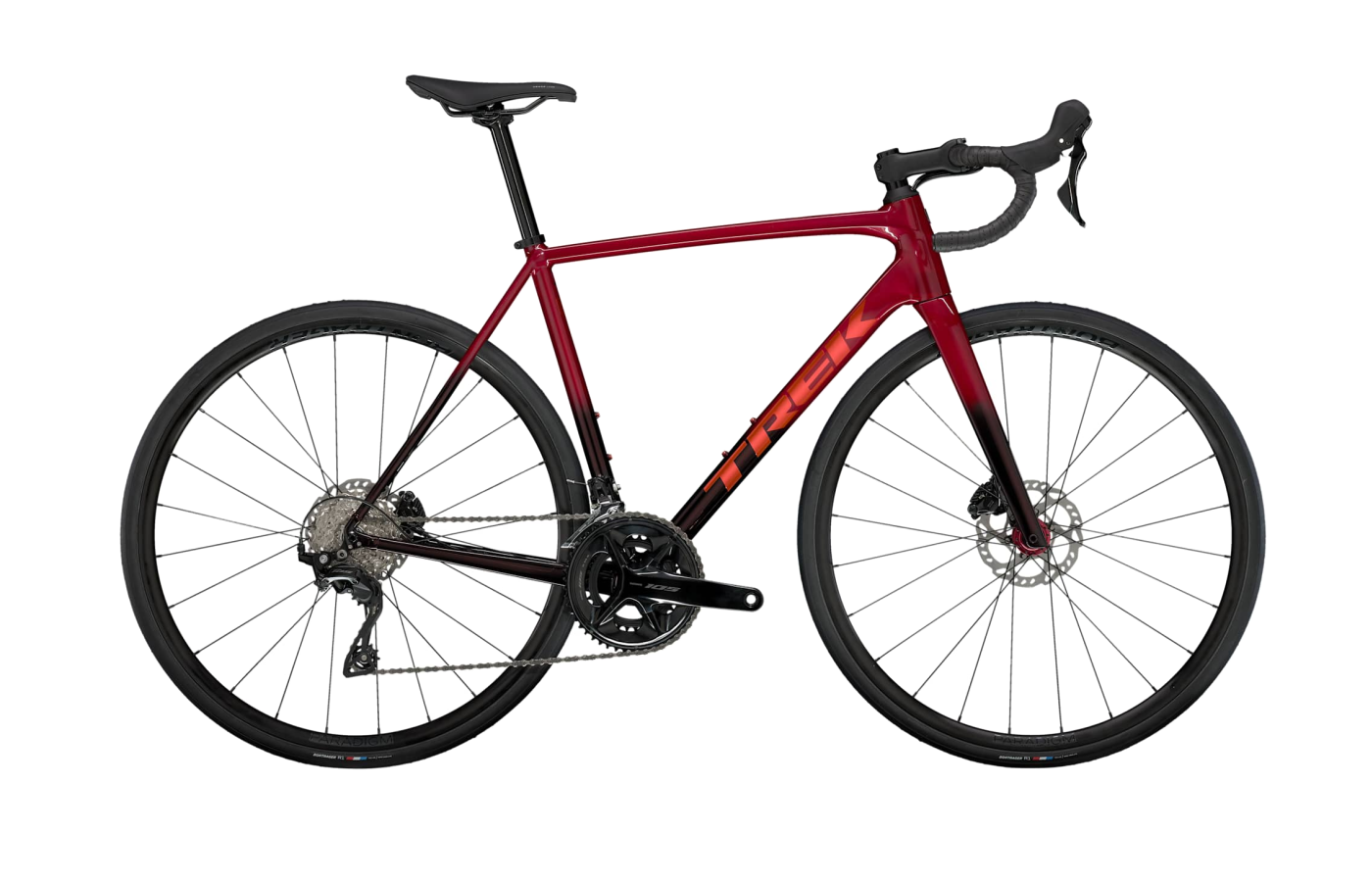
Emonda ALR
Trek's answer to the CAAD13 in Alpha Platinum aluminum — lighter-feeling up climbs, slightly more endurance-leaning than the CAAD13, same mid-tier 105-disc spec territory. A real alternative if Cannondale dealer coverage is thin where you live.
Compare →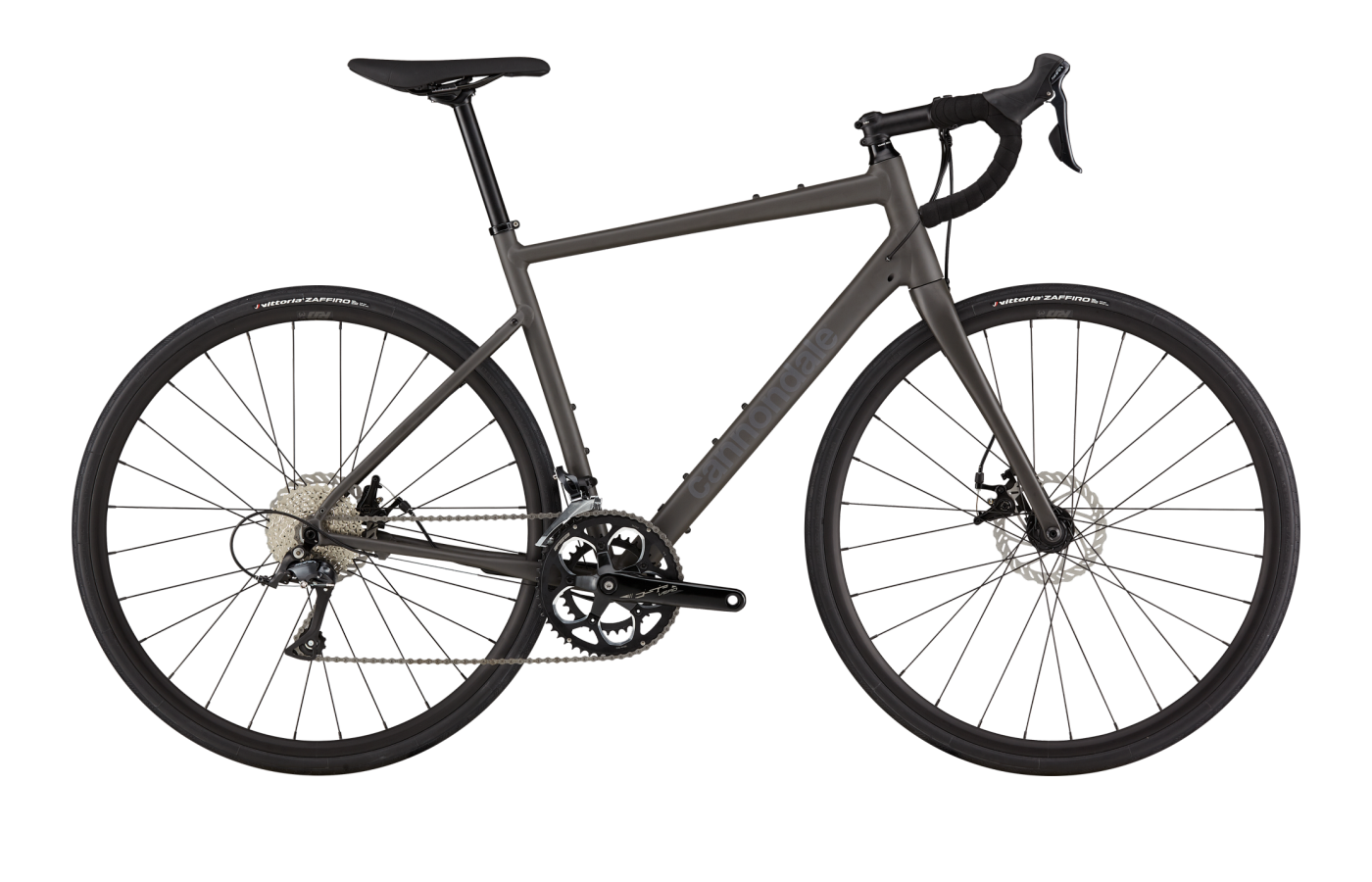
Synapse
Cannondale's own endurance platform — taller stack, longer wheelbase, wider tire clearance, and carbon options. If your riding leans toward long weekend days and rough pavement rather than racing, this is the in-brand step sideways from the CAAD13.
Compare →