CAAD13
vsAllez
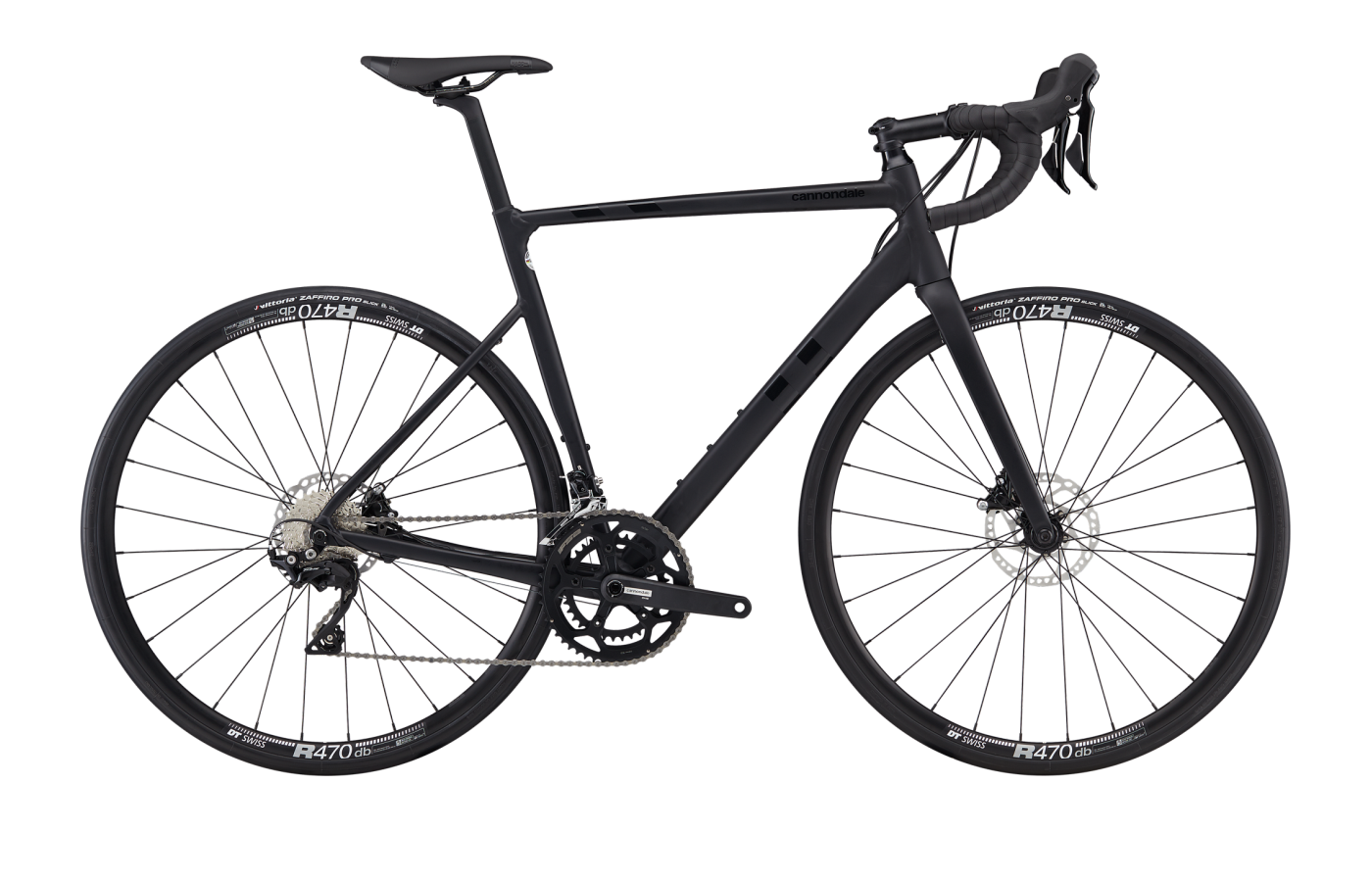
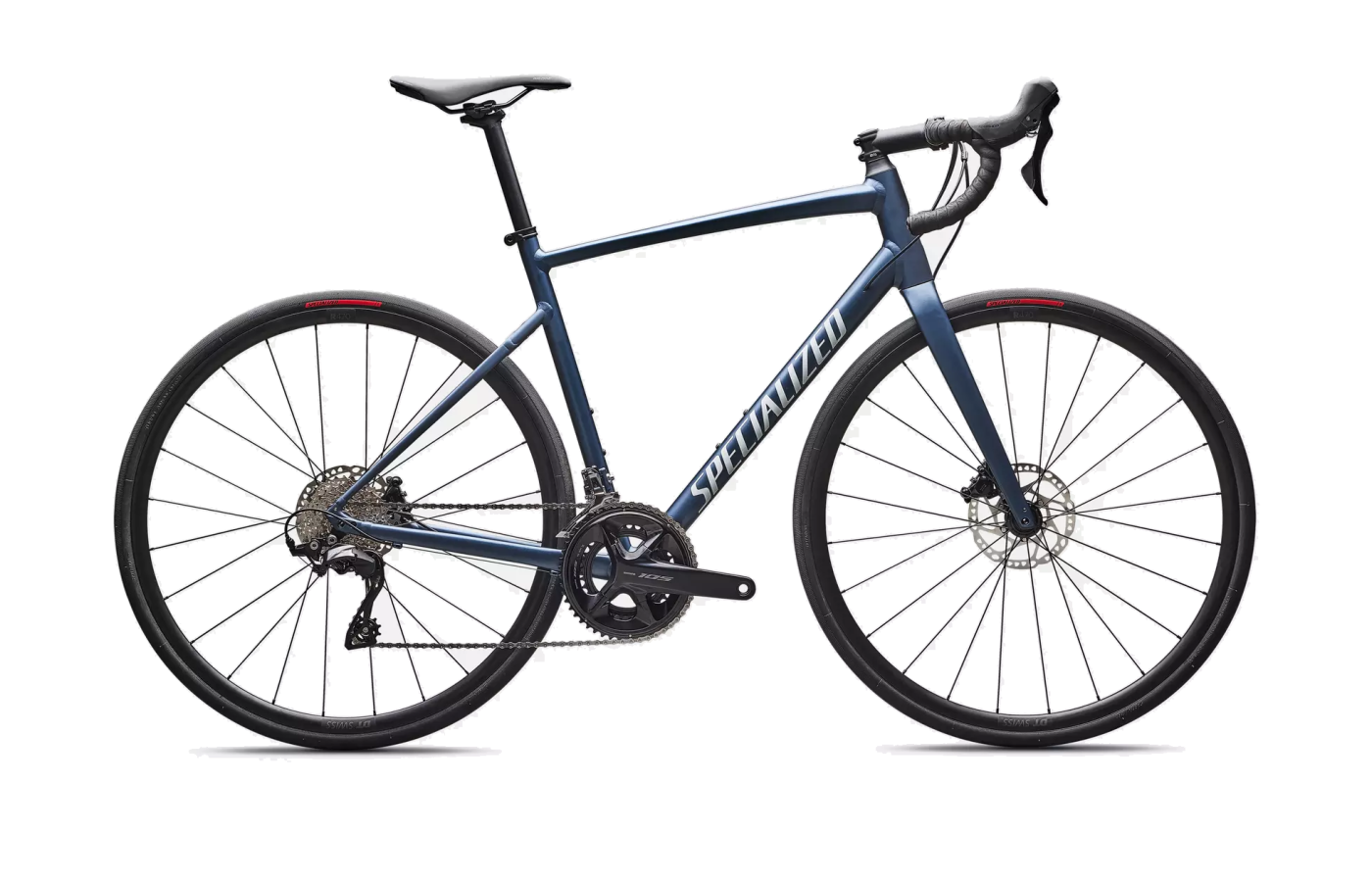
Two alloy bikes that no longer share a goal.
The CAAD13 chases a carbon race bike's ride. The Allez quietly became a do-everything commuter with drop bars.
CAAD13
- Race geometry without race-bike money — SuperSix Evo silhouette and 408 mm chainstays at $2,300 entry.
- Reviewers say it doesn't feel like alloy — compliance from dropped seatstays and the HollowGram seatpost has Cyclist's tester saying riders "wouldn't notice" the material blindfolded.
- Climbs to electronic shifting — 105 Di2 tops the lineup at $3,700, an option Specialized doesn't sell on the Allez.
- 30 mm tire ceiling and no rack mounts — this is a race bike, not a commuter.
- BB30a press-fit bottom bracket is a known long-term creak source; threaded shells are easier to live with.
Allez
- True one-bike versatility — 35 mm tire clearance, full-fender mounts, rear-rack mounts, threaded BSA bottom bracket.
- Cheapest entry in the segment — $1,199 Claris build is well below anything Cannondale offers on the CAAD13.
- Endurance fit suits non-racers — 552 mm stack at size 52 puts you upright without a stack of spacers.
- Not the bike for crit racing — slacker steering and 425 mm chainstays prioritize stability over snap.
- Stock Axis Sport wheels and Roadsport tires are bombproof but heavy; reviewers near-universally name them as the first upgrade.
Editor’s analysis
Same frame material, opposite missions — one is the cheapest way into a SuperSix Evo, the other is the cheapest way into a year-round road bike.
Both the CAAD13 and the Allez are E5- and SmartForm-grade aluminum frames with full-carbon forks, sold for under $4,000. That's where the similarity ends. Cannondale built the CAAD13 to imitate its carbon SuperSix Evo — truncated airfoil tubes, dropped seatstays, a 408 mm chainstay, race geometry inherited wholesale. Specialized went the other way: the latest Allez borrows from the Roubaix endurance side of the lineup, with longer chainstays, a taller stack, and the trademark threaded BSA bottom bracket Specialized customers keep asking for.
Read the geometry numbers and the divergence is loud. At their fit-picked sizes for a 5'8" rider — 54 on the Cannondale, 52 on the Allez — the Allez sits with a 552 mm stack and 364 mm reach against the CAAD13's 555 mm and 384 mm. That's a 20 mm-shorter reach on the Allez. Chainstays go 408 vs 425 mm. The Allez's wheelbase is 13 mm shorter at this size but the head angle is a full degree slacker, with 6 mm more trail. Translation: the CAAD13 wants to be flicked, the Allez wants to track.
Tire clearance hammers the point home. The CAAD13 stops at 30 mm officially. The Allez goes to 35 mm — wide enough for genuine light-gravel duty — and adds full-fender plus rear-rack mounts the CAAD13 simply does not have. If you've ever wanted a road bike you can also commute on, the Allez is built for that day; the CAAD13 isn't.
Spec lineups diverge too. Cannondale only sells the CAAD13 from $2,300 up and tops out with Shimano 105 Di2 at $3,700. Specialized starts the Allez at $1,199 (Claris 8-speed) and tops the standard Allez range at $2,099 with mechanical 105 — the Sprint Comp at $2,599 is a different frame entirely. So if your budget is $1,200, the Allez is your only option. If it's $3,500+ and you want electronic shifting on aluminum, the CAAD13 is your only option.
Where the builds differ.
Comparing our editor's-pick builds side-by-side. Winners highlighted row-by-row — lower price and weight, and the better-spec component, each mark a point.
Build variants & pricing
The CAAD13 sells in just two trims, both at the upper end. The Allez has six builds spanning $1,400 of range and starts at less than half the CAAD13's entry price.
Prices are current US MSRP. Cannondale offers no Allez-equivalent sub-$2,000 build on the CAAD13 — if that's your budget, the Allez is the only option here. Specialized's $2,599 Sprint Comp uses a different frame (Smartweld race geometry) and isn't a like-for-like upgrade within this comparison.
How they fit, how they steer.
Different sizes intentionally — the fit algorithm picks the 54 CAAD13 and the 52 Allez for a 5'8" rider, since the two brands' sizing conventions don't line up. The Allez sits 3 mm lower in the stack and 20 mm shorter in the reach; head tube is a degree slacker, with 6 mm more trail and 17 mm longer chainstays.
Which size should I buy?
Both ranges cover roughly the same rider heights, but at different size labels — sizing follows top-tube length, not nominal seat-tube measurement.
→These are starting points. Flexibility, riding style, and preferred position all shift the answer — if you’re between sizes, a professional fit beats a chart.
What the magazines said.
Published reviews from trusted cycling outlets. Click through for the full write-up.
Which one should you buy?
If you want to race or chase carbon-bike feel, get the CAAD13. If you want one bike for commuting, light gravel, and weekend miles, get the Allez.
CAAD13
If you race crits, want SuperSix Evo geometry on a budget, and don't need fender or rack mounts, the CAAD13 is the bike. The frame's compliance and electronic-shifting top spec are the closest aluminum has come to mimicking a $7k carbon racer.
Allez
If you want one road bike that handles wet rides, light gravel, panniered commutes, and Sunday club rides — the Allez is genuinely built for that. Threaded BB, 35 mm tires, full mounts, a frame that takes upgrades well over years.
Questions buyers actually ask.
Short answers to the things we get emailed about most often.
01Which one is faster on the road?
The CAAD13, by a meaningful margin. Cannondale claims a 30% drag reduction over the CAAD12 thanks to truncated airfoil tube shapes lifted from the SuperSix Evo, and the race geometry — 408 mm chainstays, lower stack — keeps you in a more aerodynamic position. The Allez has no aero pretensions; its tubes are round, the position is upright, and the stock Roadsport tires are widely described by reviewers as "dead" or "lifeless."
A fairer comparison: with both bikes upgraded to identical fast tires and wheels, the CAAD13 still wins on flat roads because of frame shape and rider position. The Allez closes a lot of that gap on rough roads or on rides where comfort starts to dictate sustainable power.
02Which has more tire clearance?
Allez: 35 mm officially, or 32 mm with full-length mudguards installed. It ships with 30 mm Roadsport tires.
CAAD13: 30 mm officially, with some reviewers reporting a 32 mm fits visually but Cannondale doesn't sanction it. Stock tires are 25 mm Vittoria Rubino Pros.
For anything beyond chip-seal or hardpack — actual gravel, rough rail trails — neither is a gravel bike. But the Allez at 35 mm with rack mounts is the more capable mixed-surface tool.
03Why is the editor's pick on the Allez side $2,099 mechanical 105 instead of the $2,599 Sprint Comp?
The Sprint Comp is a different bike. It uses Specialized's E5 Premium with the D'Aluisio Smartweld Sprint frame — a race geometry sibling to the Tarmac, not the endurance Allez we're comparing here. Putting it head-to-head with a CAAD13 mechanical 105 would muddle the comparison: same brand, same model name, very different intent.
The Allez Comp at $2,099 is the apples-to-apples match — mechanical Shimano 105 12-speed, Specialized's standard endurance Allez frame, and within $200 of the CAAD13 Disc 105's $2,300. That's the spec table the page renders side-by-side.
04How serviceable is each bike?
The Allez is unusually friendly for home and shop mechanics. Specialized routes cables externally before the bottom bracket and uses a threaded BSA shell, so a hose bleed or BB service is a routine job. The seatpost is a standard 27.2 mm round, the stem and bar are conventional clamp sizes — replacements come from anywhere.
The CAAD13 is also friendlier than most modern race bikes (cables enter the head tube area, but it's not fully internal cockpit routing), but the BB30a press-fit bottom bracket is a known long-term creak point. Multiple reviewers call out creaks appearing months into ownership; some swap to thread-together or BSA conversion bottom brackets to fix it.
05Can I commute on either of these?
The Allez was designed with this in mind — fender eyelets, rack mounts, and 35 mm tire clearance let you hang panniers and run wider rubber for potholed city streets. The full-carbon fork has fender eyelets too, which a lot of bikes at this price omit.
The CAAD13 has no rack mounts and no full-fender provisions. You can run clip-on fenders and a saddle bag, and Cannondale does mention hidden mudguard mounts on some lower-tier builds, but it's not equipped to be a daily commuter the way the Allez is.
06Which fits a wider range of riders?
The CAAD13 has eight sizes (44 to 62), the Allez has seven (44 to 61). The CAAD13 spans the slightly larger reach range at the top end (406 mm reach on the 62), while the Allez spans a slightly taller stack range at both ends (519 mm at size 44 to 643 mm at size 61).
For a default 5'8" rider, the fit algorithm picks size 54 on the CAAD13 (stack 555, reach 384) and size 52 on the Allez (stack 552, reach 364). Different size labels, but the fit-picked frames are within 3 mm of stack — the CAAD13 is just longer in reach because race geometry stretches you out.
07Are these bikes upgrade-friendly?
Yes — both are widely viewed as "frame is the asset, components are the budget lever." Reviewers near-universally recommend the same first upgrades on both bikes: lighter, more supple tires (latex tubes or tubeless), and a wheelset closer to 1,500 g. On the Allez, that single upgrade is described as making it "feel like a bike that should cost double its price." On the CAAD13, it unlocks the frame's race character that's already there.
The Allez's standard sizes (27.2 mm seatpost, threaded BSA, conventional bar/stem) make those upgrades cheaper to do over time. The CAAD13's BB30a is the one wrinkle — any BB-related upgrade has to work around press-fit.
08Which holds its resale value better?
Aluminum bikes broadly depreciate faster than carbon flagships in absolute dollar terms, but both of these have long-running model lineages — Cannondale has been making CAAD-series bikes since 1983, the Allez since the early 1980s — so used demand stays steady.
The CAAD13 generally holds resale better thanks to the cult-aluminum-racer reputation Cannondale has built around the line. The Allez depreciates more steeply because the entry price floor is so low; a one- or two-year-old used Allez Sport competes against a brand-new $1,599 Allez at the dealer down the road.
Similar bikes
If your priorities don’t map cleanly onto either of these, one of these adjacent bikes probably fits better.

Allez Sprint
Specialized's actual race-focused alloy bike — Tarmac-matching geometry on the Smartweld Sprint frame. If you want the Allez badge but the CAAD13's race fit, this is what you should be looking at instead.
Compare →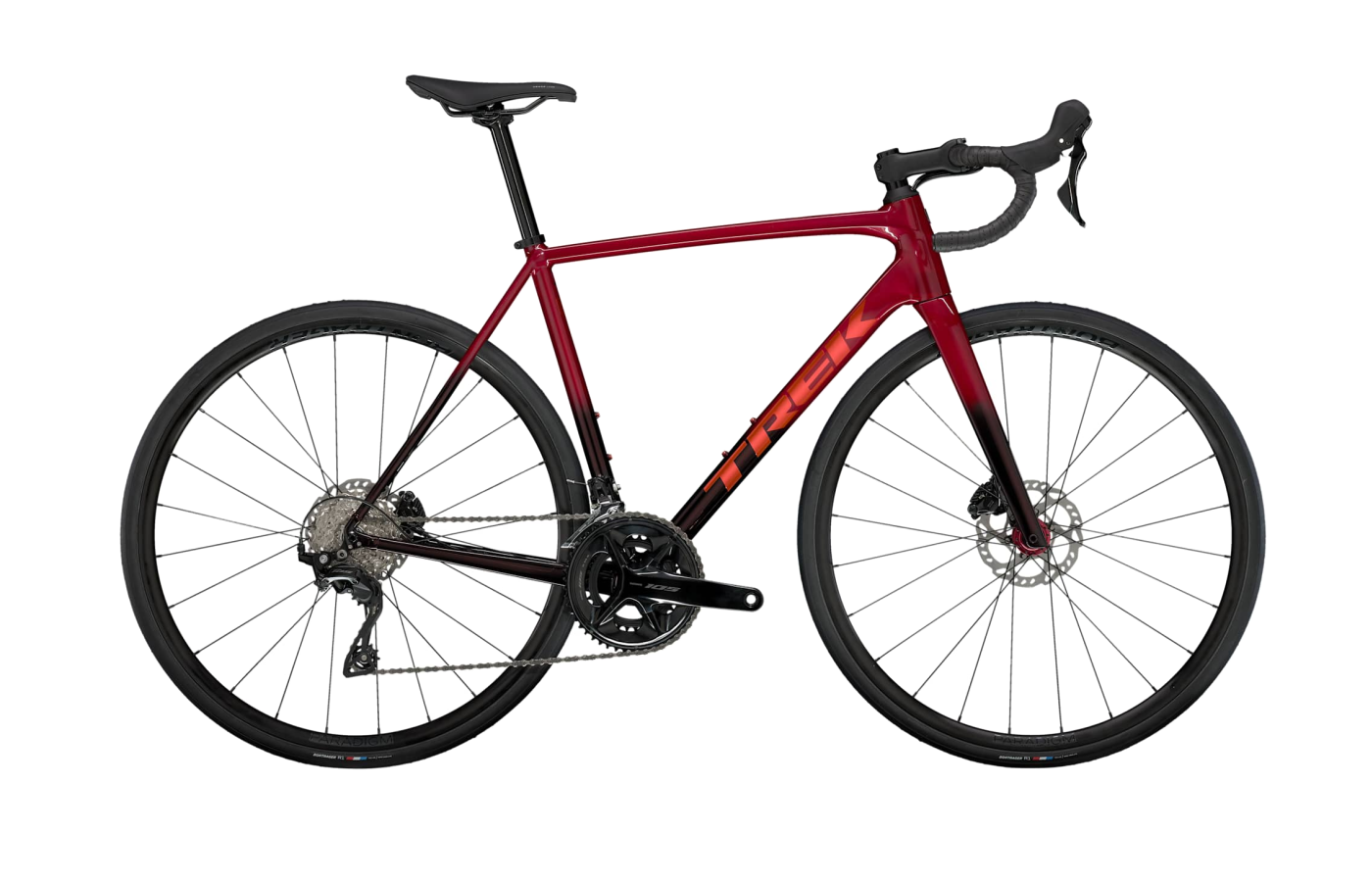
Emonda ALR
Trek's direct CAAD13 rival — light alloy with invisible welds and an aggressive race position. The cleanest-looking aluminum frame in the segment, and arguably the closest competitor to what Cannondale is doing.
Compare →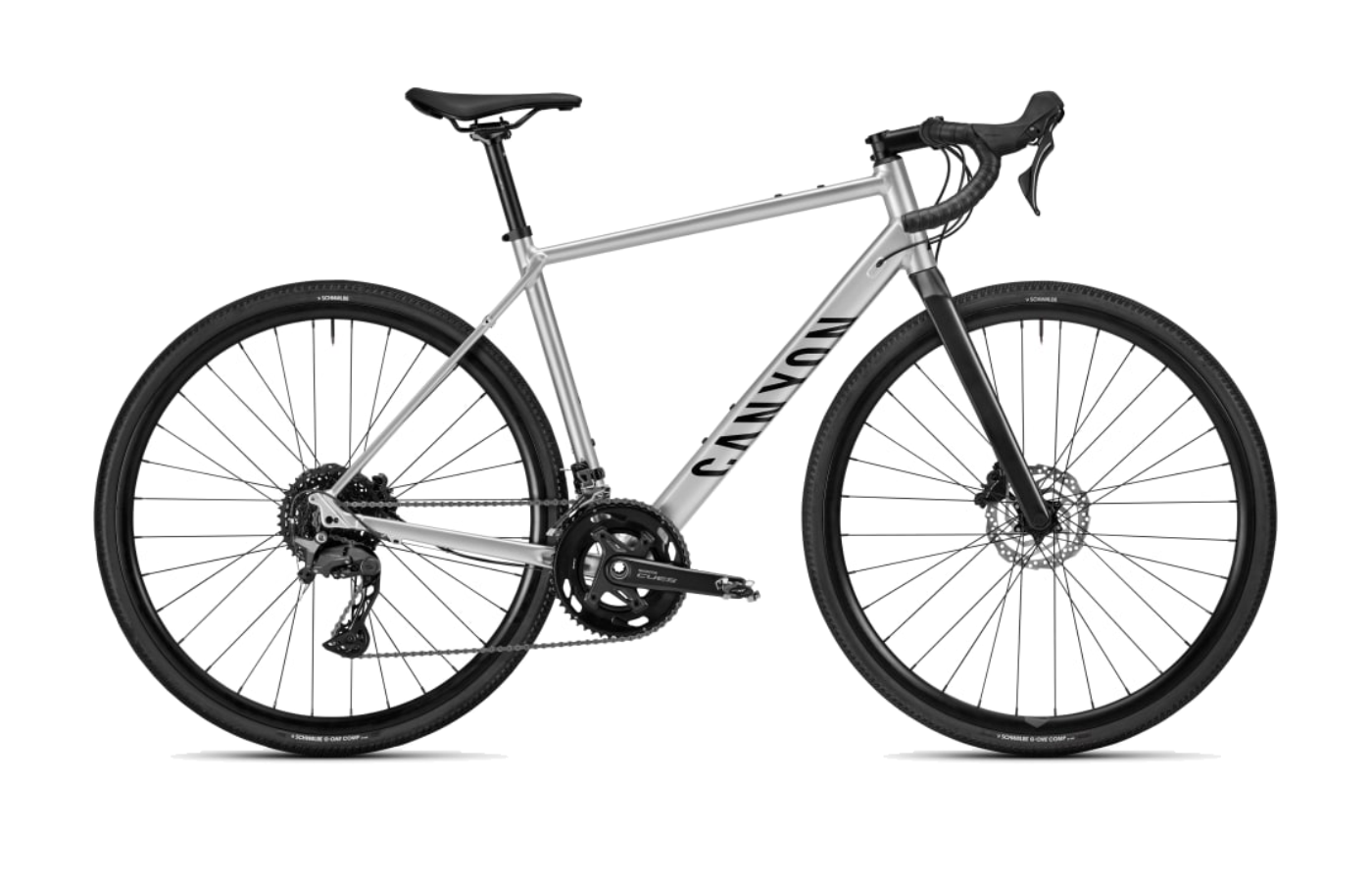
Endurace
Direct-to-consumer endurance alloy — typically a tier higher on groupset and wheels than either bike here for the same money. Catch is no local dealer, so you handle assembly and fit yourself.
Compare →