CAAD13
vsSuperSix EVO
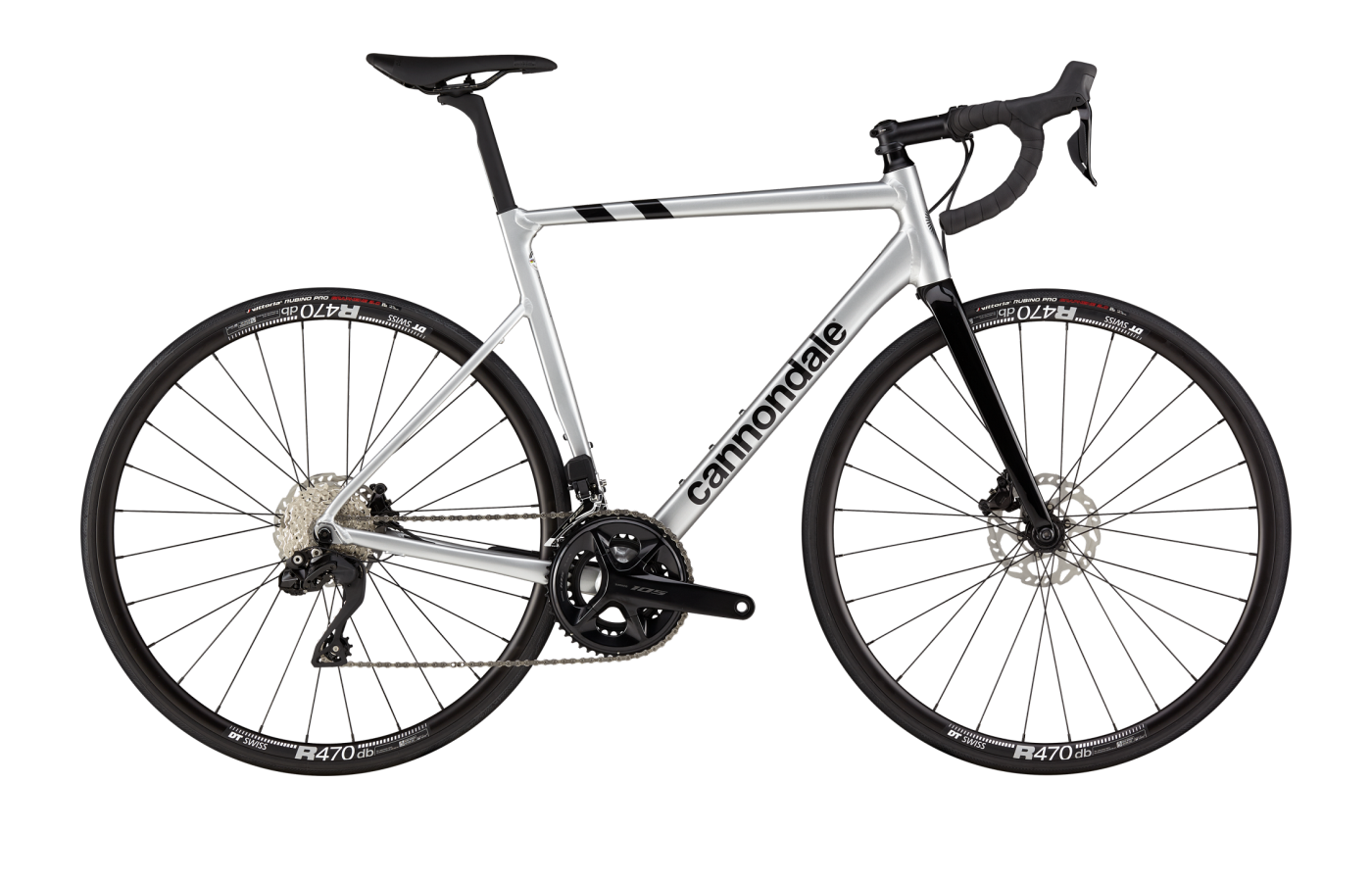
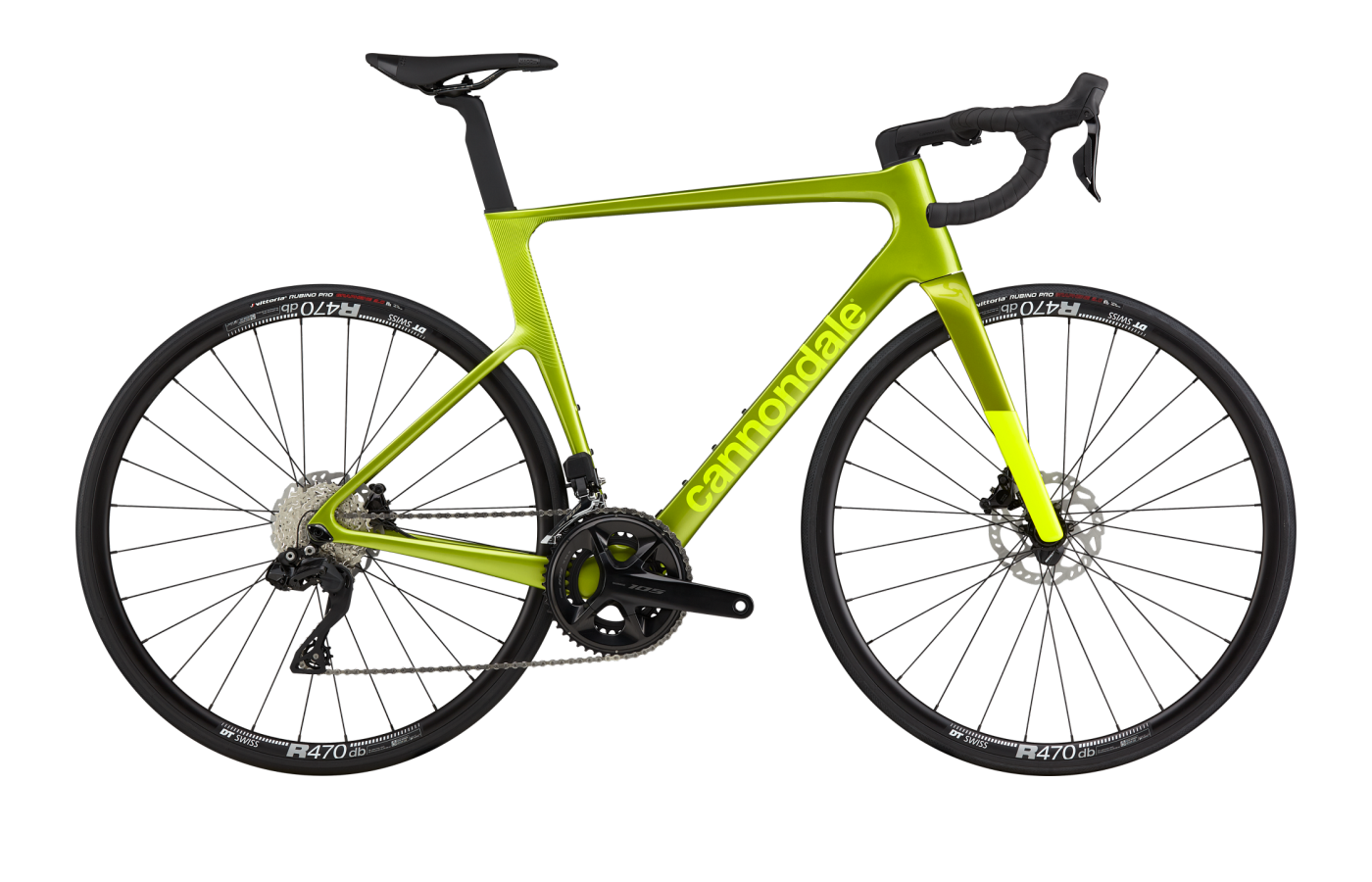
Same family, two materials, very different value math.
The CAAD13 is the alloy bike that mimics carbon. The SuperSix EVO is the carbon bike it's mimicking — and you pay for the privilege.
CAAD13
- Half the price of carbon — $2,300–$3,700 vs the EVO's $2,999–$14,999 ceiling, with comparable geometry.
- Crash-tolerant alloy frame — scrape-and-keep-riding resilience that crit racers and winter trainers actually use.
- Proven all-weather practicality — hidden mudguard mounts make it a legitimate year-round bike, not a fair-weather toy.
- Heavier frameset — ~8.2–8.6 kg as tested vs sub-7 kg for the EVO's flagship builds.
- Press-fit BB30a bottom bracket has a long, well-documented history of creaking that the EVO's threaded BSA cures.
SuperSix EVO
- 12-watt aero gain at 45 km/h vs the previous EVO, with HollowGram R-SL 50 carbon wheels available from mid-tier up.
- Threaded BSA bottom bracket — finally kills the press-fit creak issues that still haunt the CAAD13.
- Wider tire clearance — officially 32 mm and reviewers regularly fit 34 mm, opening up rougher roads and light gravel.
- Entry price is $2,999 — and to get the carbon wheelset that justifies the platform you need to step up to Hi-Mod money.
- Slightly harsher front-end than the previous EVO generation thanks to the deeper aero fork.
Editor’s analysis
Cannondale built one bike in two metals — and the real question isn't which rides better, it's whether the carbon premium buys you anything you'll actually feel.
The CAAD13 and SuperSix EVO Gen 4 share a silhouette, a geometry chart, and a soul. At size 54 they're identical on paper: same 555 mm stack, same 384 mm reach, same 71.2-degree head tube, same 58 mm trail. The CAAD13 borrowed its dropped seatstays, its truncated airfoil tubing, and its D-shaped seatpost from the SuperSix EVO playbook. The two bikes were designed to be training-and-racing siblings, not rivals.
Where they split is in what aluminum gives up — and what it gives back. The CAAD13 starts at $2,300 and tops out at $3,700, which is less than half of where the SuperSix EVO carbon range begins. Reviewers have spent the better part of five years saying the CAAD13 "shames many more expensive carbon bikes" — Cyclist put the figure at "as much as 90% of the performance" of carbon. Velo's data shows a slightly softer bottom bracket than the famously stiff CAAD10 (59.4 N/mm vs 62.6), but a frame so smooth most reviewers can't pick it as alloy blindfolded.
The SuperSix EVO Gen 4 buys you three things the CAAD13 can't match. First, aerodynamics — Cannondale claims 12 watts saved at 45 km/h over the previous EVO, and the integrated SystemBar R-One cockpit on higher trims hides every hose. Second, weight — the LAB71 Dura-Ace build hits the UCI 6.9 kg limit; the CAAD13 105 Di2 is closer to 8.6 kg. Third, the threaded BSA bottom bracket and Delta Steerer that finally fix the long-running BB30a creak and proprietary-headset complaints — fixes the CAAD13 still doesn't get.
Put another way: the CAAD13 is the bike you buy when you want a serious race platform that you can crash, train through winters with mudguards, and upgrade piecemeal — and you'd rather spend the carbon premium on wheels. The SuperSix EVO is the bike you buy when the watts, the grams, and the hidden cabling all matter to you, and you've already decided you want carbon.
Where the builds differ.
Comparing our editor's-pick builds side-by-side. Winners highlighted row-by-row — lower price and weight, and the better-spec component, each mark a point.
Build variants & pricing
The CAAD13 spans $2,300–$3,700 across two builds. The SuperSix EVO spans $2,999–$14,999 across nine — entry to LAB71.
Editor's picks are tier-matched at Shimano 105 Di2 with the same DT Swiss R470 alloy wheelset, so the spec table isolates the frame-and-cockpit differences. Note the price gap: at the same drivetrain tier, the carbon EVO costs roughly $3,300 more than the alloy CAAD13.
How they fit, how they steer.
Identical on the headline numbers — same 555 mm stack, 384 mm reach, 71.2-degree head angle, 58 mm trail. The SuperSix EVO is 2 mm longer in the chainstay (410 vs 408) and 2 mm longer in wheelbase, the only real geometry tell.
Which size should I buy?
Size recommendations from stack, reach, and effective top tube. The CAAD13 and SuperSix EVO size charts are nearly carbon copies — pick the same numerical size on either.
→These are starting points. Flexibility, riding style, and preferred position all shift the answer — if you’re between sizes, a professional fit beats a chart.
What the magazines said.
Published reviews from trusted cycling outlets. Click through for the full write-up.
Which one should you buy?
If the spec sheet matters more than the watts and the grams, get the CAAD13. If you want the carbon, the aero, and the integration, pay up for the SuperSix EVO.
CAAD13
If you want SuperSix-EVO geometry and ride character at half the price — and you'd rather put the carbon premium toward wheels, races, or a second bike — this is the obvious pick. Crit racers, winter trainers, and anyone whose bike sometimes hits the ground get the most out of it.
SuperSix EVO
If you've already decided on carbon and want one bike for big climbing days, fast group rides, and the occasional race, the EVO Gen 4 is one of the most balanced platforms on the market. The aero gains, the lower weight, and the threaded BB and Delta Steerer fixes earn the price.
Questions buyers actually ask.
Short answers to the things we get emailed about most often.
01How similar is the geometry, really?
Functionally identical at the sizes most riders buy. At size 54, both bikes share a 555 mm stack, 384 mm reach, 71.2-degree head tube angle, and 58 mm trail. The only differences are 2 mm in chainstay length (CAAD13 408 mm, SuperSix EVO 410 mm) and 2 mm in wheelbase (1008 vs 1010). Cannondale designed the CAAD13 to share the SuperSix EVO's geometry on purpose — the two were built to be training-and-racing siblings, not different fits.
Both use variable fork rake across the size range (55 mm offset on smaller frames, 45 mm on larger) to keep trail constant at 58 mm.
02Is the CAAD13 actually as good as carbon?
Close, with caveats. Reviewers consistently say the CAAD13 delivers "as much as 90% of the performance" of comparable carbon at a much lower price (Cyclist) and that blindfolded "few people would notice immediately that they were riding an aluminium bike" (Cyclist).
The two real gaps are weight and aero. The CAAD13 105 Di2 weighs around 8.2–8.6 kg vs roughly 7 kg or less for higher-trim SuperSix EVO carbon builds, and the EVO Gen 4 saves a claimed 12 watts at 45 km/h over its predecessor thanks to deeper aero tubing and an integrated cockpit. On flats and long climbs, you'll feel both.
03What about the bottom bracket — is the press-fit really a problem?
It's the single biggest long-term reliability difference between the two. The CAAD13 still uses BB30a press-fit, which has a well-documented history of creaks; multiple reviewers note that even when test bikes stay quiet during short reviews, longer-term ownership often brings issues.
The SuperSix EVO Gen 4 switched to threaded BSA, a change reviewers have called "monumental" for serviceability. If you're a home mechanic, prefer to do your own work, or just hate creaks, that's a real point in the EVO's column.
04What's the maximum tire clearance?
CAAD13: 30 mm officially, with some reviewers reporting 32 mm fits.
SuperSix EVO Gen 4: 32 mm officially, and reviewers have repeatedly fit 34 mm in practice.
Neither is a gravel bike. But the EVO's extra clearance makes it noticeably more capable on rough tarmac, light gravel, and broken pavement — useful if your typical roads aren't smooth.
05Both come with mudguard mounts — does either work better as a winter bike?
Both have hidden mudguard mounts, which is unusual at this performance tier. The CAAD13 has the edge for hard winter use because the frame is cheaper to replace if it cracks, more tolerant of road salt, and arguably less worth crying over after an icy crash.
Reviewers have logged 16,000+ km on a CAAD13 through British winters with no frame issues. The SuperSix EVO will mount guards just as well — but most owners won't put $7k+ of carbon through that life.
06If I already own a SuperSix EVO, is the CAAD13 a good winter or training bike?
Yes — and this is exactly the pairing Cannondale designed for. The geometry is shared, so your fit transfers without adjustment. You can move pedals, saddle, and bottle cages between the two and feel at home immediately.
Many riders use the CAAD13 as the bike that takes the salt, sees the trainer, and serves crit-race duty, while the EVO stays clean for fast group rides and Sunday efforts.
07Which should I upgrade first if I buy the entry-level CAAD13?
Wheels and tires, in that order. Multiple reviewers note the stock DT Swiss R470 alloy wheels and Vittoria Rubino Pro tires are the biggest performance ceiling. Velo's review specifically called out swapping the stock Rubinos for supple Vittoria Corsa Control tires with latex tubes as transformative.
A carbon wheelset upgrade ($1,000–$2,000 used) gets the CAAD13 to ride closer to a mid-tier carbon SuperSix EVO than the price gap would suggest. It's the path BikeRadar and Cycling Weekly both explicitly recommend.
08What's the best build to buy on each?
On the CAAD13, the 105 Di2 build at $3,700 is the value sweet spot — wireless electronic shifting, the same frame as the cheaper rim-brake, and the only build where the components do justice to the chassis.
On the SuperSix EVO, the spread is wider. The EVO 3 ($6,999, 105 Di2) is the apples-to-apples comparison to the CAAD13's top build — same drivetrain tier, same wheels. If you're buying for carbon wheels and the SystemBar R-One cockpit, you need the Hi-Mod 2 ($9,999) or up. The entry-level 6 ($2,999) is the cheapest way into the carbon frame, but it ships with basic Vittoria Zaffiro Pro slicks and no electronic shifting.
Similar bikes
If your priorities don’t map cleanly onto either of these, one of these adjacent bikes probably fits better.
Allez Sprint
The CAAD13's most direct alloy rival — stiffer, more aggressive, and built on Tarmac SL7 geometry. Picks up where the CAAD's compliance leaves off, but trades away the smooth ride for sharper edges.
Compare →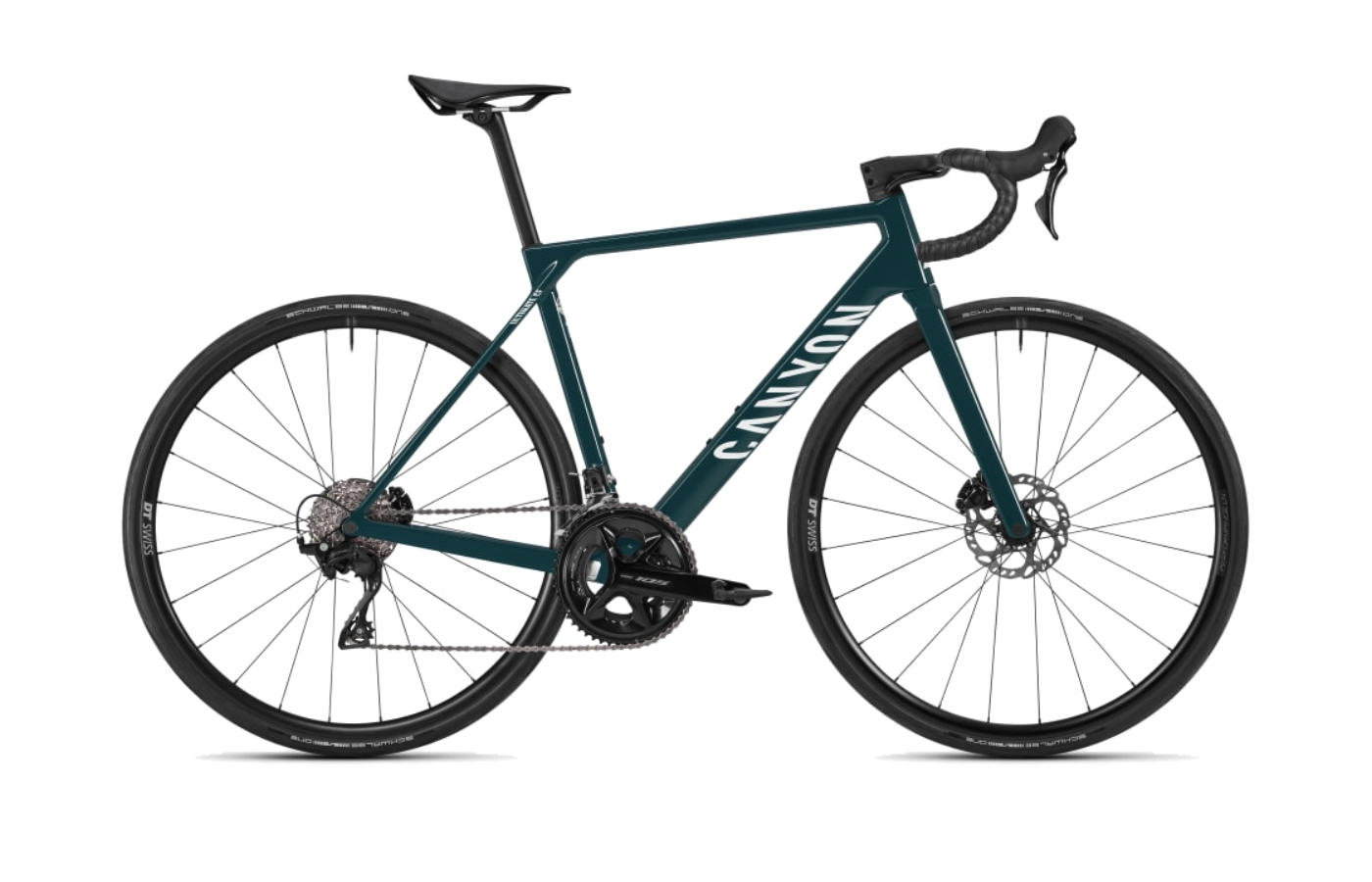
Ultimate
Direct-to-consumer carbon at SuperSix EVO geometry, often $1,500–$2,000 less for an equivalent build. The catch is no local dealer, no demos, and a longer wait on warranty service.
Compare →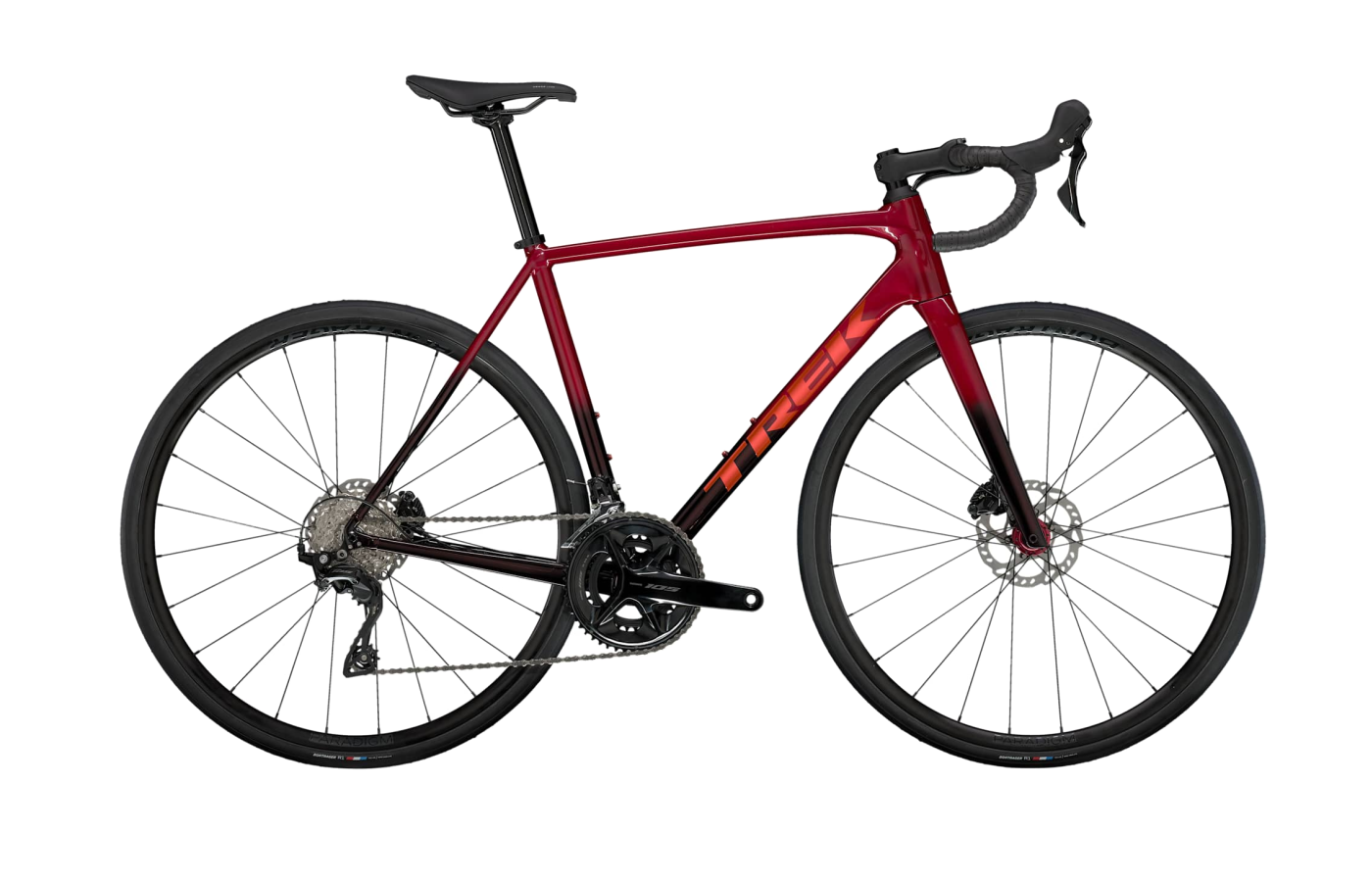
Emonda ALR
Trek's premium-alloy answer to the CAAD13 — famously smooth welds and a lighter frame. Priced and positioned almost identically, with a more conservative geometry that some find easier to live with.
Compare →