CAAD13
vsAllez Sprint
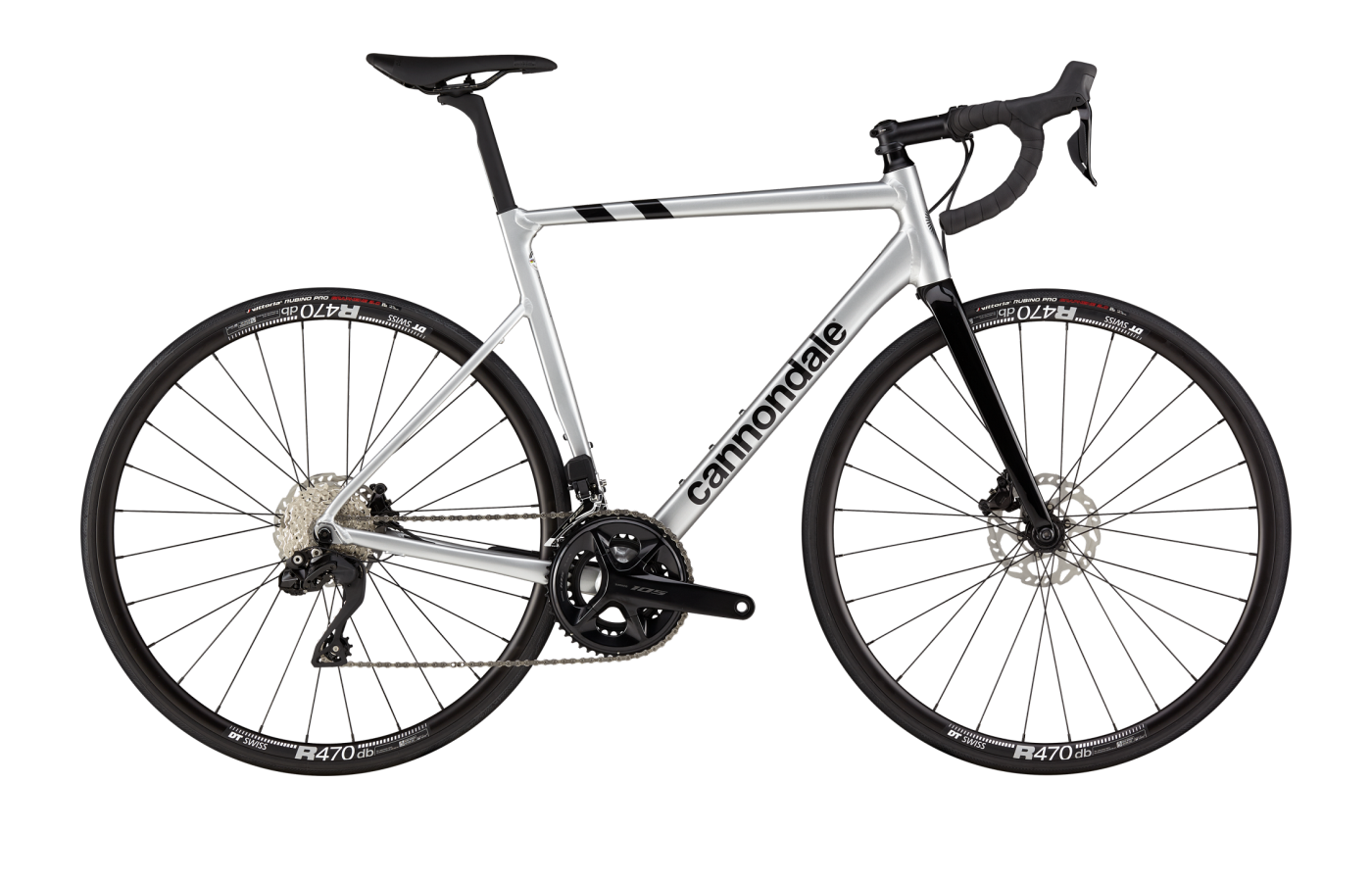
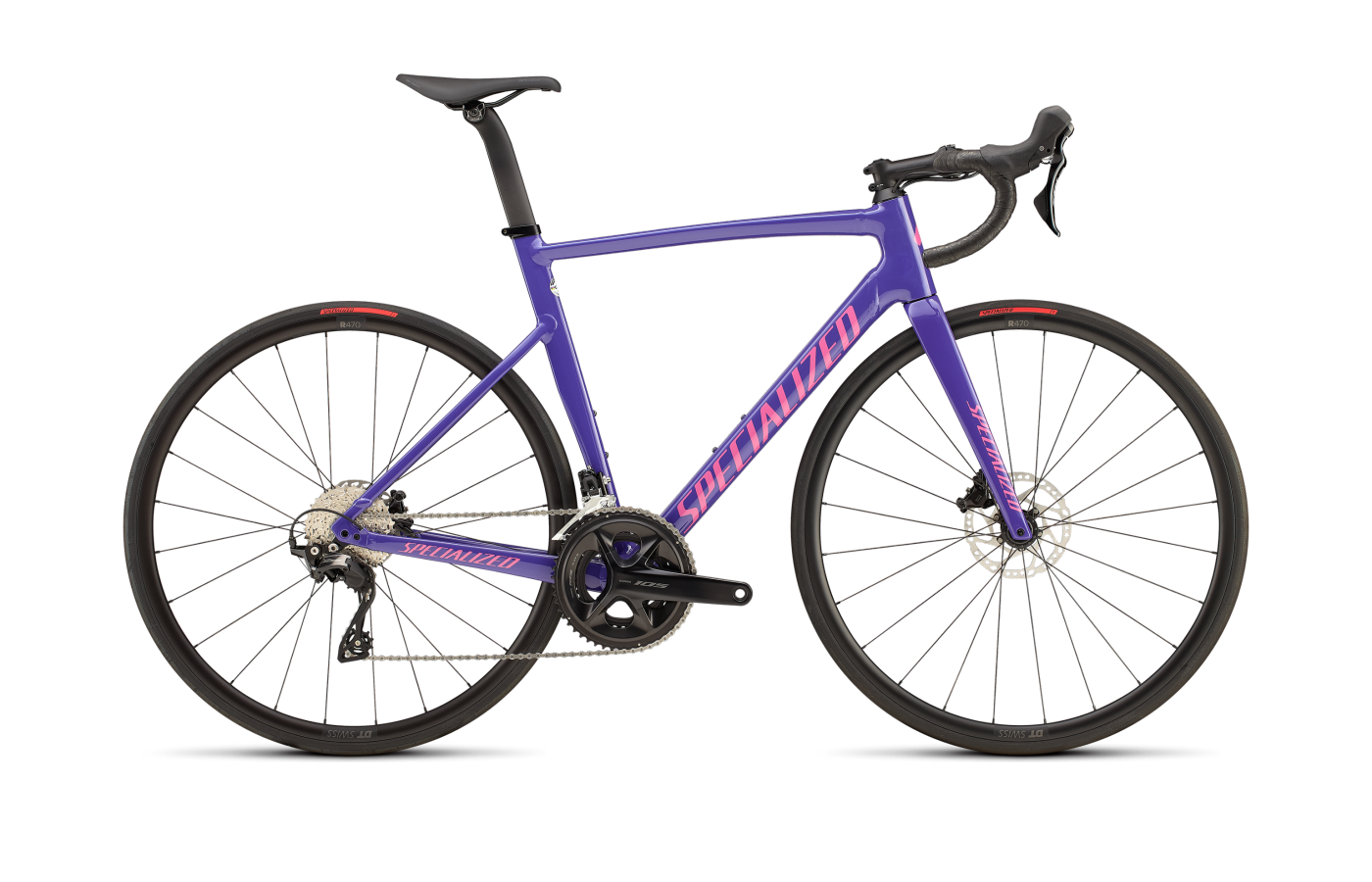
Two alloy race bikes, two opposite philosophies.
The CAAD13 is the refined all-rounder that hides its metal nature. The Allez Sprint is a Tarmac SL7 rendered in aluminum — gnarly welds, total focus on speed.
CAAD13
- Genuinely smooth alloy ride — dropped stays, D-shape seatpost, and SAVE damping mute road buzz reviewers normally blame on aluminum.
- Year-round versatility — hidden mudguard mounts and 30 mm tire clearance turn it into a winter trainer that still races on Sunday.
- Confident at speed — a 1,008 mm wheelbase at size 54 plus longer fork offset on smaller sizes makes descending and rough roads predictable.
- BB30a press-fit bottom bracket has a long-running reputation for creaking on higher-mileage bikes.
- Only two builds in the lineup, both 105 — no Ultegra or AXS option without going to a different model.
Allez Sprint
- Tarmac-grade handling — geometry copied wholesale from the SL7; reviewers called the cornering "jaw-dropping" and "sushi-knife" precise.
- Outrageously stiff power transfer — the SmartWeld one-piece BB and down tube returns every watt; testers noted the rear wheel lifting during sprints.
- Wider tire clearance (32 mm) than the CAAD13, plus a threaded BSA bottom bracket that home mechanics actually want.
- Communicative to the point of fatiguing — multi-hour rides on the stock 26 mm tires are taxing.
- No mudguard mounts and no electronic-shifting build — it's racing-focused, full stop.
Editor’s analysis
Both bikes prove alloy still belongs at the front of the race, but they pick very different fights — one wants to be your only bike, the other only wants to win the next sprint.
On paper these look like neighbors: Shimano 105, hydroformed alloy, carbon fork, disc-only, race geometry. Spend a ride on each and the philosophies split immediately. The Cannondale CAAD13 puts comfort and versatility first; the Specialized Allez Sprint puts power transfer first and dares you to keep up.
Cannondale leans on dropped seatstays, the D-shaped HollowGram 27 KNØT seatpost, and SAVE micro-suspension to take the buzz out of an aluminum frame. Reviewers describe the result as "superbly smooth" — Cyclist said most riders blindfolded wouldn't know the CAAD13 was alloy. The taller stack (555 mm at size 54) and longer wheelbase (1,008 mm) make it more confident on long descents and more livable across three-hour rides. Hidden mudguard mounts and 30 mm tire clearance turn it into a year-round bike.
The Specialized Allez Sprint goes the other direction. D'Aluisio SmartWeld construction hydroforms the bottom bracket and down tube as a single piece, the head tube uses a one-piece weldment, and the geometry is lifted wholesale from the carbon Tarmac SL7. Velo called it a "hardtail for the road." That stiffness makes it react to a sprint the way a track bike does — Cyclist Magazine noted the rear wheel can lift during a hard out-of-saddle effort. The 32 mm clearance and BSA-threaded bottom bracket are concessions to real-world living; almost everything else is in service of the next corner.
Put plainly: the Cannondale CAAD13 is the bike you buy for one alloy race bike that does everything. The Specialized Allez Sprint is the bike you buy when criteriums and town-sign sprints are most of your week — and you already own something gentler for the long days.
Where the builds differ.
Comparing our editor's-pick builds side-by-side. Winners highlighted row-by-row — lower price and weight, and the better-spec component, each mark a point.
Build variants & pricing
The CAAD13 ladder is short — two 105 builds, $2,300 to $3,700. The Allez Sprint runs from a $1,199 Claris bike up to the $2,599 Comp; the actual race-spec Sprint is the Comp.
Tier parity isn't perfect: Cannondale only offers electronic (105 Di2) at the top of the CAAD13 lineup, while Specialized only offers 105 mechanical at the top of the Allez Sprint lineup. The Cannondale carries an $1,100 premium for that wireless shifting. Prices are current US MSRP.
How they fit, how they steer.
The fit-picked sizes for a 5'8" rider — CAAD13 in 54, Allez Sprint in 52. Stack lands within 3 mm at 555 vs 552; reach is the bigger gap (384 vs 364), and the Specialized runs 17 mm longer chainstays and 6 mm more trail at this size.
Which size should I buy?
Size suggestions based on stack, reach, and effective top tube. Allez Sprint sizes run shorter in reach for the same stack, so move down a size when crossing platforms.
→These are starting points. Flexibility, riding style, and preferred position all shift the answer — if you’re between sizes, a professional fit beats a chart.
What the magazines said.
Published reviews from trusted cycling outlets. Click through for the full write-up.
Which one should you buy?
If you want one alloy bike that races, trains, commutes, and survives winter, get the CAAD13. If you live for the criterium and already have a comfortable bike for long days, get the Allez Sprint.
CAAD13
If you want a single race-capable bike that can train through winter, mount fenders, run a 30 mm tire, and still hold its own at the local club race — the CAAD13 is the most versatile alloy bike on the market. Lighter on the wallet than the Sprint, easier on the body over four hours.
Allez Sprint
If most of your serious riding is sub-90-minute and full-throttle — crits, town-sign sprints, hard chain-gangs — the Allez Sprint's Tarmac-grade handling and one-piece SmartWeld stiffness will reward every watt. Pair it with a comfier bike for the long days.
Questions buyers actually ask.
Short answers to the things we get emailed about most often.
01Which is faster on a flat criterium course?
The Specialized Allez Sprint, by most credible accounts. It uses the Tarmac SL7's aero tube profiles and integrated cable routing, and Specialized claims a 41-second improvement over 40 km versus the previous Allez Sprint. Reviewers consistently report it holds speed with carbon superbikes in fast group rides and feels glued to the road through high-speed corners.
The CAAD13 is no aero slouch — Cannondale claims a 30% drag reduction over the CAAD12 — but the Allez Sprint's Tarmac-derived shapes and stiffer chassis give it the edge when the pace stays above 35 km/h.
02Which is more comfortable for long rides?
The Cannondale CAAD13, clearly. The dropped seatstays, D-shaped HollowGram 27 KNØT seatpost, BallisTec carbon fork, and SAVE micro-suspension are all aimed at vibration damping. Reviewers reported comfortably riding three hours at a time without the fatigue that's typical of older aluminum bikes — Cyclist said most riders couldn't tell it was alloy in a blind test.
The Allez Sprint, by contrast, is famously stiff. Velo called it a "hardtail for the road," and several reviewers noted the firm ride becomes "energy-sapping" on multi-hour days, especially on the stock 26 mm tires.
03What's the maximum tire clearance?
Cannondale CAAD13: 30 mm officially. Some reviewers report squeezing in a 32 mm with care, but stock builds ship 25–28 mm.
Specialized Allez Sprint: 32 mm officially. The frame was specifically updated for the 2022 generation to take wider rubber, and reviewers strongly recommend running 28 mm or 30 mm tubeless instead of the stock 26 mm — the wider tires "transform" the ride and give the geometry room to shine.
04Which has the better bottom bracket for long-term ownership?
The Allez Sprint, comfortably. Specialized went back to a 68 mm English-threaded BSA bottom bracket — a move home mechanics and shops alike praised for ease of service and freedom from creaks.
The CAAD13 still uses Cannondale's BB30a press-fit shell. Multiple reviewers and long-term owners flagged this as a known source of creak headaches, with one calling Cannondale's track record on press-fit "less than stellar." It's serviceable, but not as friendly to shop or home maintenance as the Specialized.
05Can I mount fenders or a rear rack?
CAAD13: Yes. Hidden mudguard mounts are a deliberate feature across the range, and reviewers regularly cite the bike as a strong winter-training option. Combined with 30 mm tire clearance, it's a genuinely usable year-round bike.
Allez Sprint: No mudguard mounts on the current generation — Specialized leans into the racing focus. If a winter setup matters, this is a real differentiator.
06Does the CAAD13 come with electronic shifting?
Yes — the top build is the CAAD13 105 Di2 at $3,700, with Shimano's 12-speed wireless 105 Di2 group. The other build is the $2,300 Disc 105 with mechanical 11-speed shifting. There's no Ultegra or SRAM AXS option in this lineup.
The Allez Sprint, in contrast, is mechanical-only across its current builds. The top "Comp" trim runs Shimano 105 R7100 12-speed mechanical at $2,599 — if you want electronic shifting on the Specialized side, you're looking at the Tarmac instead.
07Are these really comparable to carbon race bikes?
For most riders, yes — but the case is different on each. The CAAD13 is positioned as offering "as much as 90% of the performance" of a carbon race bike at materially lower cost, with the added benefit of crash resilience that aluminum gives you over carbon. Several reviewers compared its road manners directly to the SuperSix Evo, the carbon model it shares geometry with.
The Allez Sprint goes further: its geometry, fork, and seatpost are taken directly from the carbon Tarmac SL7. Reviewers consistently report it keeps pace with carbon superbikes on fast group rides. The trade-off is roughly 1 kg of frame weight versus the equivalent Tarmac, which becomes most noticeable on long climbs.
08Which holds up better in a crash?
Both are aluminum, so both are more crash-tolerant than equivalent carbon frames — a meaningful consideration for criterium racers. Aluminum tends to dent or scrape rather than fail catastrophically, and a written-off alloy frame is a much cheaper replacement than a written-off carbon one.
The trade-off cuts the same way for both: aluminum doesn't take well to structural welding or repair after significant damage. A serious dent or crack on either frame is effectively terminal, but the up-front math still favors them over carbon for crash-prone use cases.
Similar bikes
If your priorities don’t map cleanly onto either of these, one of these adjacent bikes probably fits better.
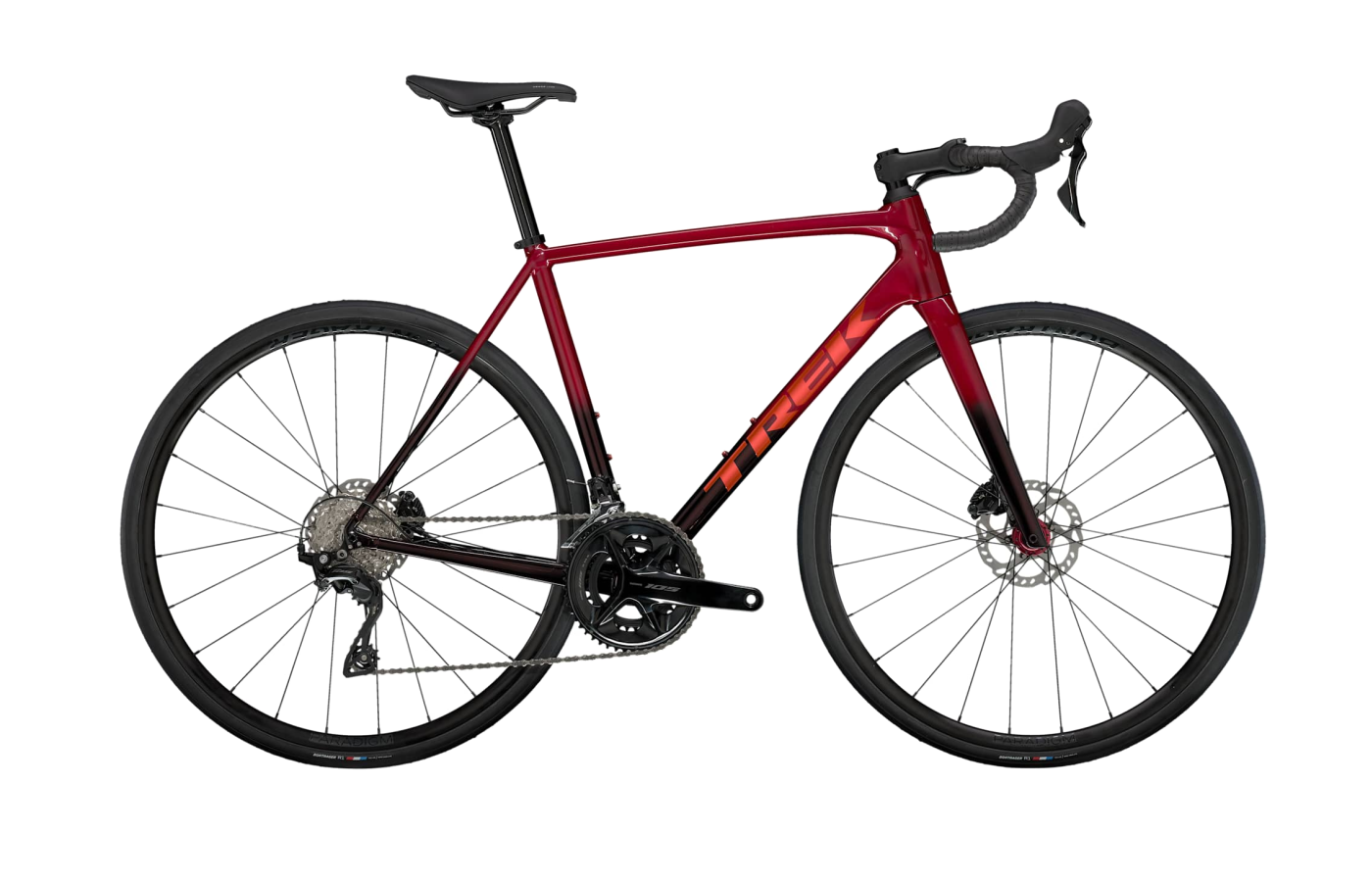
Emonda ALR
The smooth-weld alloy alternative — Trek's Emonda ALR is the alloy bike that visually passes for carbon, sitting between the CAAD13's comfort focus and the Allez Sprint's race-only stance. A sensible middle if neither extreme appeals.
Compare →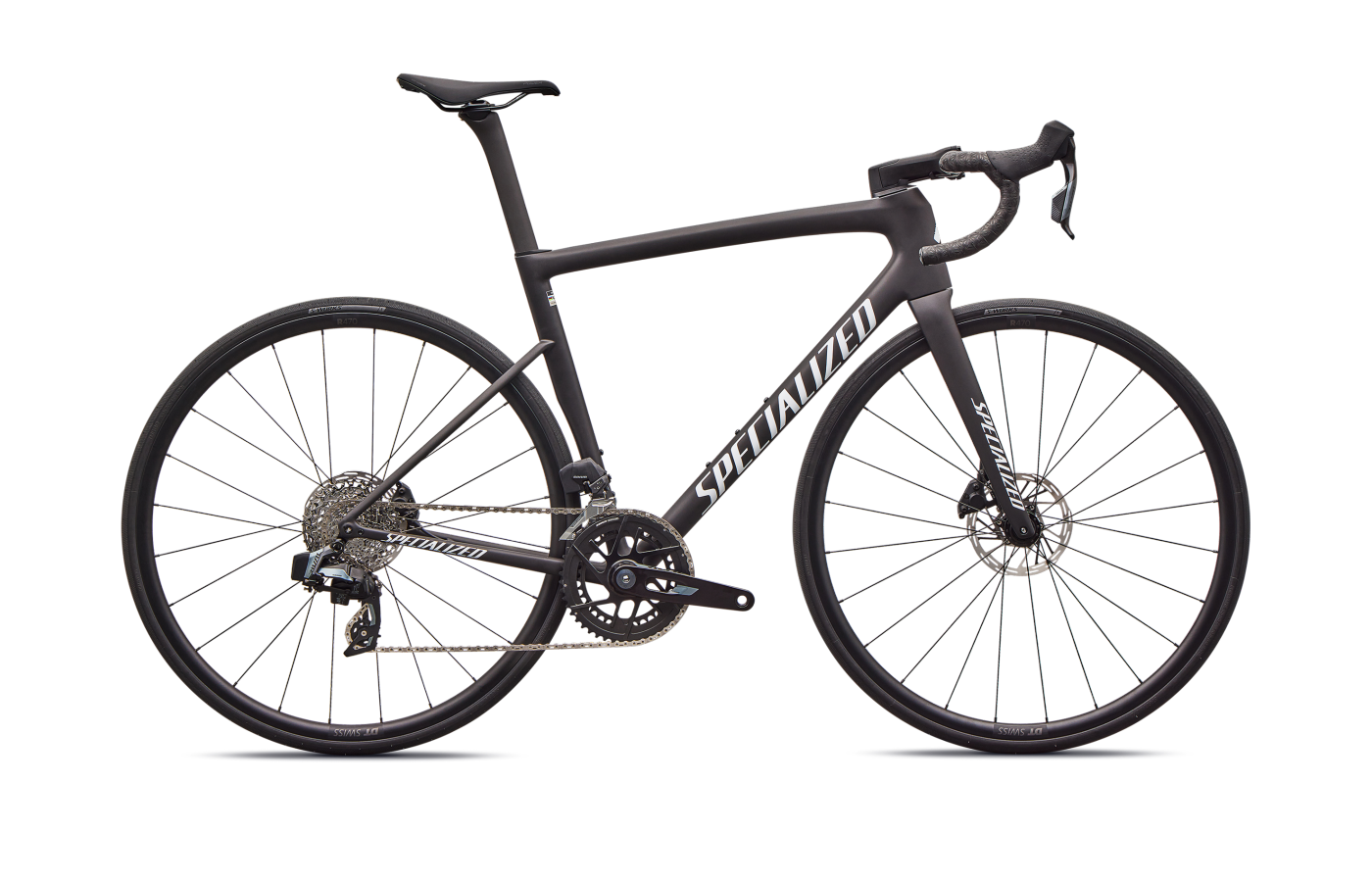
Tarmac
Same Tarmac handling that the Allez Sprint copies, in carbon — about 1 kg lighter, more compliant on long days, and built around the same geometry. The logical move when the Sprint's race fit clicks but you want fewer compromises.
Compare →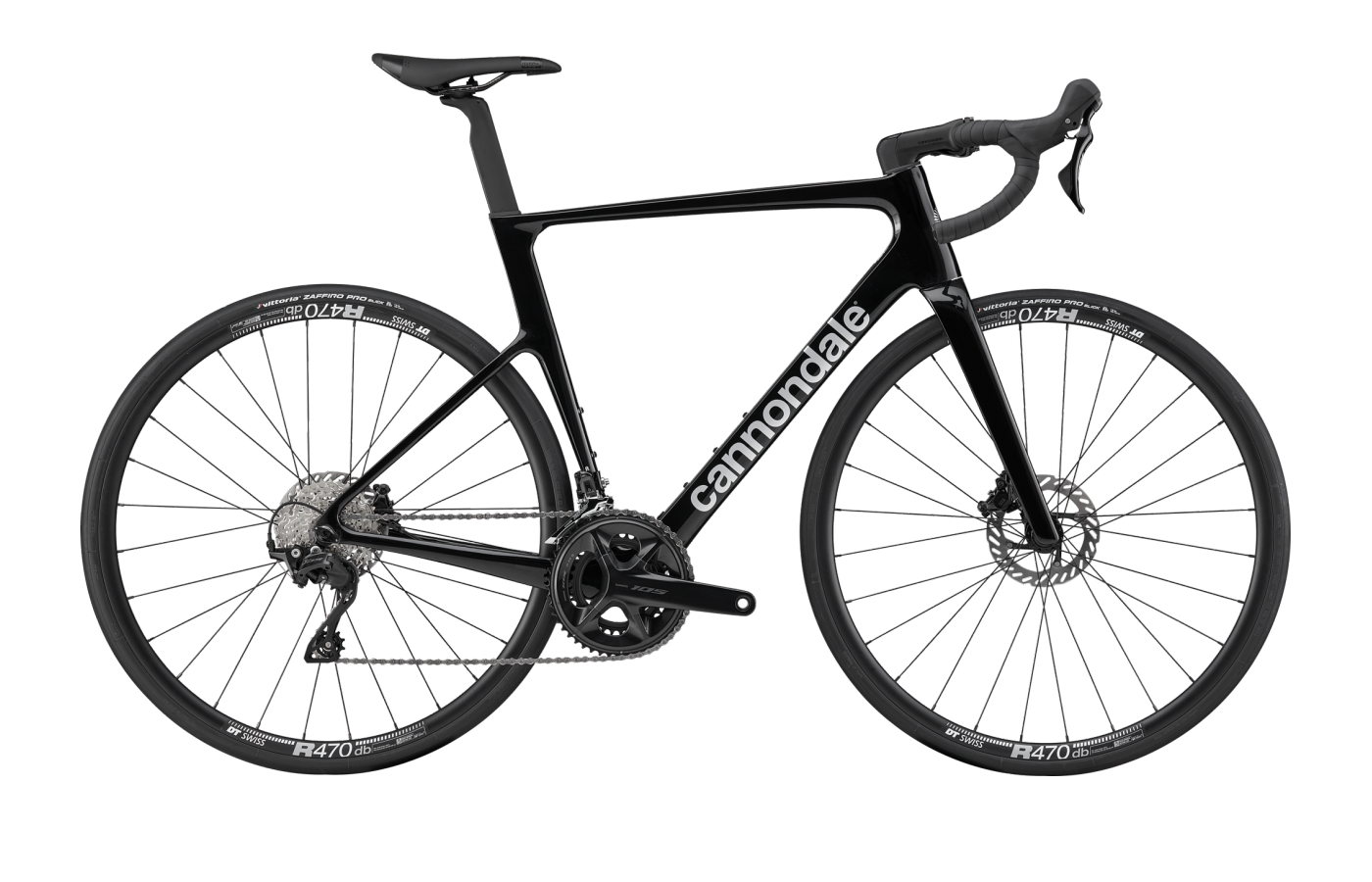
SuperSix EVO
The CAAD13's carbon sibling. Same SuperSix-family handling and integration the CAAD13 borrows, with a real weight drop and more high-end build options if your budget can clear $5k.
Compare →