Optic
vs5010
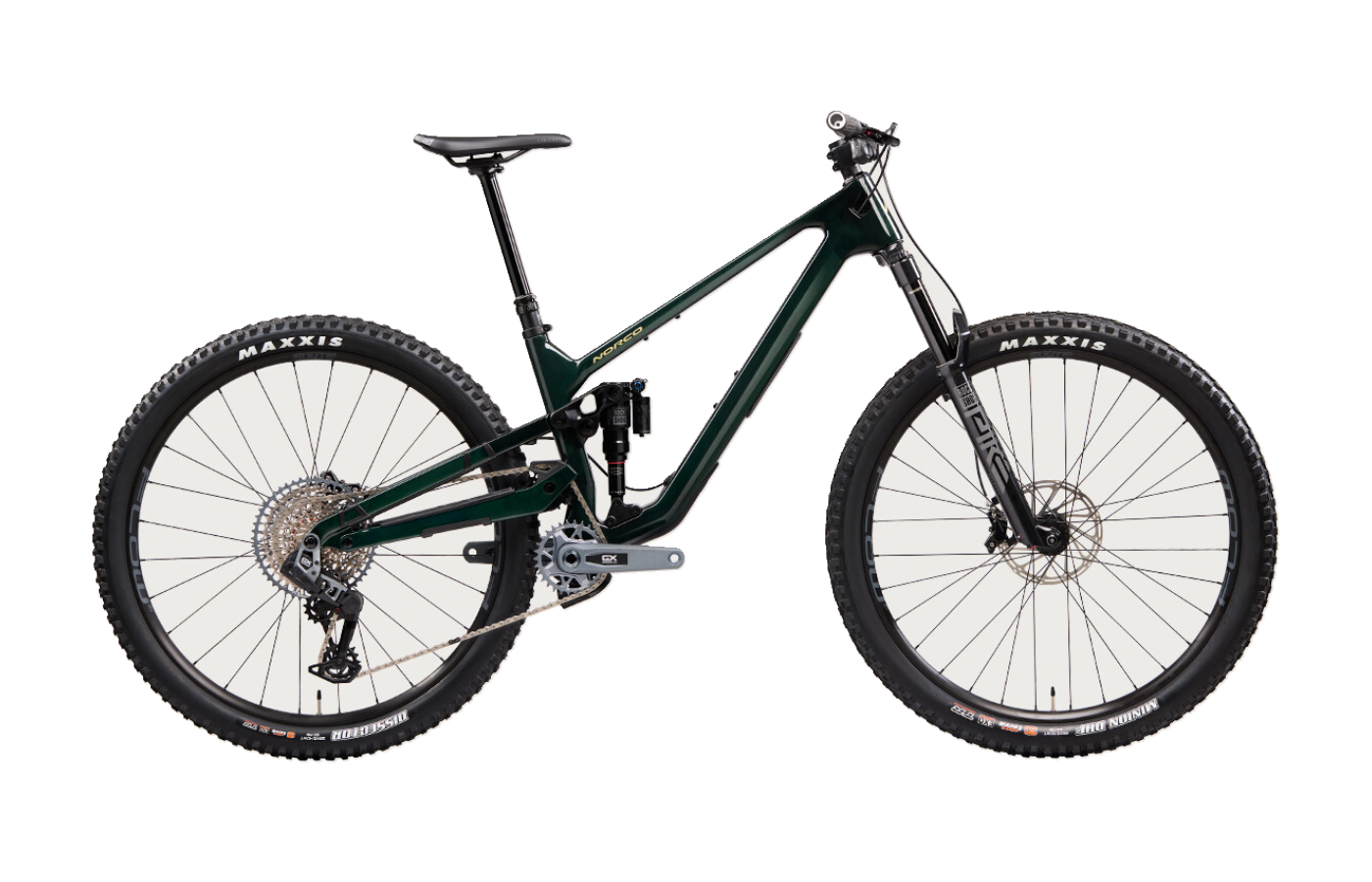
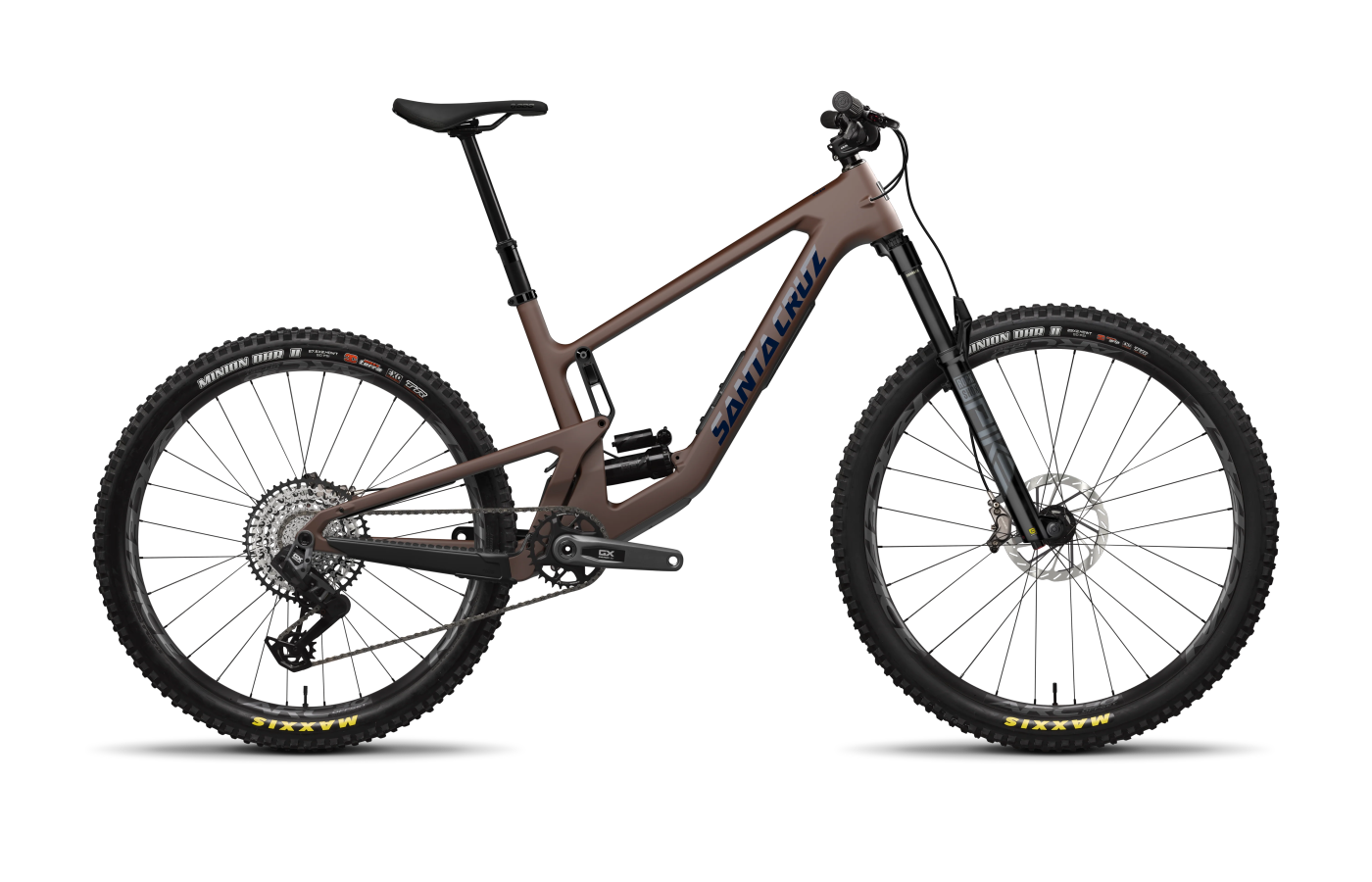
Two short-travel trail bikes, two very different ideas of fun.
The Norco Optic borrows DH suspension tech to outpunch its 125 mm of travel. The Santa Cruz 5010 mullets a 130 mm VPP platform into a corner-destroyer.
Optic
- Rides bigger than 125 mm — the high-pivot rear end devours square-edge hits at speed, with multiple reviewers reporting it feels like 30 mm more travel than spec.
- Excellent technical climber — rearward axle path keeps the rear wheel tracking through chunky, rooty climbs without losing momentum.
- Wide build range — complete bikes from $3,399 (A2 alloy) to $6,799 (C1 carbon), plus alloy and carbon framesets.
- Heavy for the category at 15 kg (33 lb) on the C2 — and the idler adds drag and noise if not kept meticulously clean.
- Long reach and lengthening rear-center can feel cumbersome in tight, low-speed switchbacks; OutdoorGearLab found the dynamic chainstay growth 'disconcerting' in G-outs.
5010
- Class-leading cornering — low 338 mm BB and 27.5" rear wheel make it the most willing turner in the segment; reviewers across the board call it a 'corner destroyer.'
- Lighter and snappier — 14.1 kg (31.2 lb) on the GX AXS build, with a smaller rear wheel that spins up faster out of corners.
- Pop and play — supportive VPP tune wants to leave the ground; Glovebox in-frame storage and lifetime bearing warranty add long-term polish.
- Clear performance ceiling on truly rough, high-speed terrain — the 140 mm Pike feels under-gunned compared to the Optic's composure at speed.
- Premium pricing — entry build starts at $4,799 and the editor's-pick GX AXS is $7,149, nearly $2k above the equivalent-tier Optic C2.
Editor’s analysis
Same category on paper, almost nothing in common in practice — one bike wants to swallow the trail, the other wants to play with it.
The Norco Optic and Santa Cruz 5010 sit on adjacent shelves at the bike shop: ~125–130 mm rear travel, 140 mm fork, mid-60s head angle, mid-$5k carbon entry. Ride them back-to-back and the similarity ends at the spec sheet. Norco took the high-pivot, idler-driven kinematics normally reserved for 165 mm enduro rigs and shrunk them onto a downcountry chassis. Santa Cruz did the opposite — kept the conventional VPP platform, mullet-ed the wheels, and tuned everything around pop and turn-in.
On descents, the Norco Optic feels like it's cheating its travel number. Reviewers across The Radavist, Bike Perfect, and Mountain Bike Action all describe a bike that 'punches above its weight,' with the rearward axle path slicing square-edge hits into something closer to half-strikes. It's calm at speed, encourages a forward, aggressive stance, and rewards being pushed harder than its 125 mm should allow. The trade is weight (15 kg / 33 lb on the C2 carbon) and a drivetrain that needs to be kept clean — the idler picks up noise and drag in dirty conditions.
The Santa Cruz 5010 is built for a different kind of fast. The 27.5" rear wheel and low 338 mm BB drop you into the bike, and the supportive VPP tune wants to be pumped, popped, and drifted rather than plowed. BikeRadar and The Loam Wolf both call it 'drift-happy' and 'corner destroyer.' It's lighter (14.1 kg / 31.2 lb on the GX AXS), snappier between turns, and noticeably more eager to leave the ground — but the same reviews note a clear ceiling: on truly chunky, high-speed terrain the 140 mm Pike and 130 mm rear feel under-gunned, and the chassis can read as harsh for lighter riders.
Geometry tells the same story. At our compared sizes the Norco Optic carries a 13.5 mm longer reach (472.5 vs 459 mm), a 14 mm longer wheelbase, and 4 mm shorter resting chainstays — a stretched-out, planted, point-and-shoot stance. The Santa Cruz 5010 sits 8 mm lower at the BB and 0.4° steeper at the seat, with a slightly more compact cockpit — exactly the recipe for a bike that wants to change direction every 15 feet. Two short-travel bikes; two completely different mountains.
Where the builds differ.
Comparing our editor's-pick builds side-by-side. Winners highlighted row-by-row — lower price and weight, and the better-spec component, each mark a point.
Build variants & pricing
The Norco Optic spans $3,399–$6,799 across alloy and carbon; the Santa Cruz 5010 starts at $4,799 (R, NX mech) and tops out at $9,349 (X0 AXS RSV with Reserve carbon wheels).
Prices are current US MSRP. Both editor's picks land on GX AXS Transmission with a RockShox Pike Select+/Super Deluxe Select+ damper package, but the Optic C2 comes in $1,950 cheaper than the 5010 GX AXS — Santa Cruz charges a meaningful premium for the Carbon C frame, in-frame Glovebox storage, and lifetime bearing/wheel warranty.
How they fit, how they steer.
The Norco Optic runs 13.5 mm longer reach (472.5 vs 459 mm), a 14 mm longer wheelbase, and a marginally slacker 65.0° head angle — a more planted, point-and-shoot stance. The Santa Cruz 5010 sits 8 mm lower at the BB (338 mm) and 0.4° steeper at the seat (77.4°), with 4 mm longer chainstays balanced by the smaller 27.5" rear wheel.
Which size should I buy?
Size recommendations based on stack, reach, and effective top tube length. Norco's S1–S5 numeric sizing maps loosely to XS–XL; both ranges cover the same rider-height window.
→These are starting points. Flexibility, riding style, and preferred position all shift the answer — if you’re between sizes, a professional fit beats a chart.
What the magazines said.
Published reviews from trusted cycling outlets. Click through for the full write-up.
Which one should you buy?
If you're hunting descents and like the idea of a short-travel bike that punches above its travel, get the Norco Optic. If you live for cornering, jumping, and creative line choice, get the Santa Cruz 5010.
Optic
If your home trails are steep, rough, and rewarding — and you want a short-travel bike that won't get overwhelmed when the chunder shows up — the Norco Optic is the more confident tool. The high-pivot trick is real on descents and on technical climbs alike. Be prepared to keep the idler clean.
5010
If you ride for the corners and the side hits more than the descents — and your trails reward agility over composure — the 5010 is the more rewarding bike. Light, snappy, drift-happy, and built around a chassis that wants to be popped off everything. Just don't expect it to plow.
Questions buyers actually ask.
Short answers to the things we get emailed about most often.
01Which is better on rough, fast descents?
The Norco Optic, by a clear margin. Its high-pivot VPSHP suspension produces a rearward axle path that lets the rear wheel get out of the way of square-edge hits — multiple reviewers (The Radavist, Bike Perfect, Mountain Bike Action) describe a 'feels like 30 mm more travel than advertised' sensation, with Bike Perfect specifically calling out 'up to 30 mm more rear wheel travel than advertised.'
The Santa Cruz 5010 is no slouch on descents — the 29" front wheel and 65.2° HTA give it real composure — but at 130 mm of conventional VPP travel and a 140 mm Pike, BikeRadar and NSMB both note a clear ceiling on extremely rough or 'consequential' terrain where it starts to feel under-gunned.
02Which is more playful in corners?
The Santa Cruz 5010. The mixed-wheel setup (29" front, 27.5" rear) plus a low 338 mm BB drop the rider into the bike, and the smaller rear wheel takes less effort to whip around tight berms. Reviewers across BikeRadar, The Loam Wolf, and Bebikes label it a 'corner destroyer' that 'wants to peel tires.'
The Norco Optic is no slouch — it's described as 'lively' and 'poppy' for a high-pivot — but the longer wheelbase (1,226 vs 1,212 mm at our compared sizes) and the dynamic chainstay growth from the high-pivot kinematics make it less immediately flickable. OutdoorGearLab specifically found the rear-center growth in G-outs 'disconcerting' in tight cornering.
03How does the high-pivot affect climbing?
It's a mixed bag — and reviewers split on it. On technical climbs, the Norco Optic is widely praised: the rearward axle path keeps the rear wheel tracking through rocks and roots, and most reviewers (The Radavist, Mountain Bike Action, MBR) report excellent traction and momentum preservation on chunky ascents.
On smooth fire roads, opinions diverge. The Radavist and MBR found the pedaling platform impressively efficient; OutdoorGearLab and Bike Perfect reported 'significantly more bob' and 'soggy' pedaling. Bike Perfect's reviewer was a heavier flat-pedal rider, suggesting style and weight matter. The idler also adds drag and noise that gets worse in dirty conditions.
The Santa Cruz 5010 climbs efficiently when seated thanks to the 77.4° effective seat tube angle, but its 16% reduction in peak anti-squat (vs the V4) makes it feel 'soggy' or 'lethargic' on smooth grades when standing — most reviewers reach for the climb switch.
04What's the weight difference?
Substantial. The Santa Cruz 5010 GX AXS comes in at 14.13 kg / 31.16 lb (Santa Cruz claimed). The Norco Optic C2 carbon is 15 kg / 33.1 lb at size S3 — roughly 870 g (1.9 lb) heavier at equivalent build tier. Most of the gap comes from the high-pivot hardware (idler, longer chain, additional pivot) which Mountain Bike Action and Blister both estimated adds ~300 g of structural weight on top of stiffer chassis layup.
For context, the flagship Optic C1 is 14.7 kg / 32.4 lb and the flagship 5010 X0 AXS RSV (with carbon Reserve wheels) drops to 13.87 kg / 30.58 lb — a ~830 g delta that holds at every tier.
05Mullet (MX) or full 29er?
The Santa Cruz 5010 is mullet-only — every build ships 29" front, 27.5" rear. There's no 29er option.
The Norco Optic is full 29er stock on most builds, but Norco offers a $179 'Missing Link' kit that swaps the lower link to convert to MX. The C2 MX build ships in mullet trim from the factory. Reviewers note the MX setup makes the Optic 'a little more nimble' and 'pop-and-play' but a few preferred the planted full-29er feel for high-speed work.
If you want mullet handling without compromise, the 5010 is purpose-built for it. If you want flexibility, the Optic gives you both for $179.
06What about tire clearance?
Norco Optic: 61 mm rear clearance — comfortable with the stock 29×2.4" Maxxis Dissector, with room for 29×2.5" if conditions call for it.
Santa Cruz 5010: stock setup runs 29×2.4" front and 27.5×2.4" rear (Maxxis Minion DHR II). Both ranges sit firmly in trail-bike territory; neither is designed for ultra-wide gravity rubber, and reviewers across both bikes universally recommend upgrading from EXO to EXO+ casing for aggressive riding to protect the (often expensive) rims.
07How serviceable are these long-term?
Both run threaded bottom brackets and tube-in-tube internal cable routing — both score well here.
The Norco Optic's main long-term consideration is the high-pivot drivetrain. The idler picks up drag and noise in dirty conditions (Bike Perfect: 'developed an annoying squeak,' Singletracks: 'audibly grumpy'), and OutdoorGearLab experienced repeated chain drops from the idler in rough terrain. Meticulous chain hygiene matters more than on a conventional bike.
The Santa Cruz 5010 has Santa Cruz's industry-leading lifetime warranty on both the frame and the pivot bearings — bearings are replaced free, for life. The Glovebox in-frame storage and 'sag window' (a peephole for setting up the rear shock) are thoughtful touches. The widely-reported weak point is the stock G2/Code Bronze brakes, which multiple reviewers found under-gunned for the bike's descending capability.
08Which build represents the best value?
On the Norco Optic, the C2 carbon at $5,199 (our editor's pick) is widely cited as the value sweet spot — it's the cheapest carbon build, comes with SRAM Code Silver Stealth 4-piston brakes (avoiding the underpowered SRAM Level brakes spec'd on the C1 and C3), and uses RockShox Pike Select+ / Super Deluxe Select+ suspension that several reviewers (Bike Perfect, The Loam Wolf) called 'more fit-for-purpose' than the flagship spec.
On the Santa Cruz 5010, the GX AXS at $7,149 (our editor's pick) hits a similar sweet spot — Carbon C frame, GX AXS Transmission, RockShox Pike Select+, Reserve 30|SL alloy wheels. Going up to the X0 AXS at $8,299 mostly buys you the X0 drivetrain and slightly nicer touchpoints; the X0 AXS RSV at $9,349 adds carbon Reserve wheels.
Similar bikes
If your priorities don’t map cleanly onto either of these, one of these adjacent bikes probably fits better.
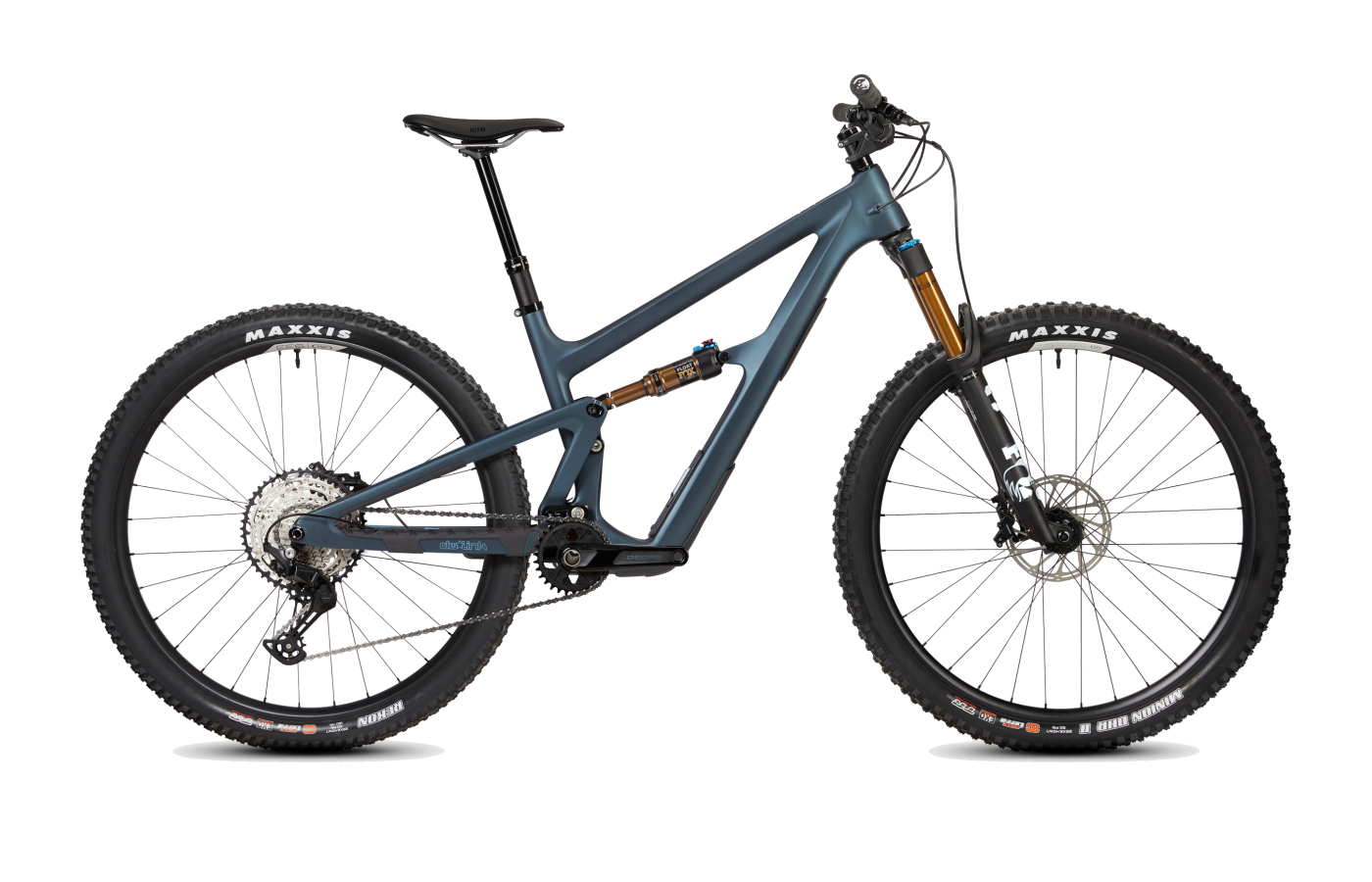
Ripley
The classical short-travel 29er answer — lighter and more pedal-efficient than either bike here, with no idler complexity and no mullet to think about. The choice if you want 'XC bike that descends well' over 'trail bike that climbs well.'
Compare →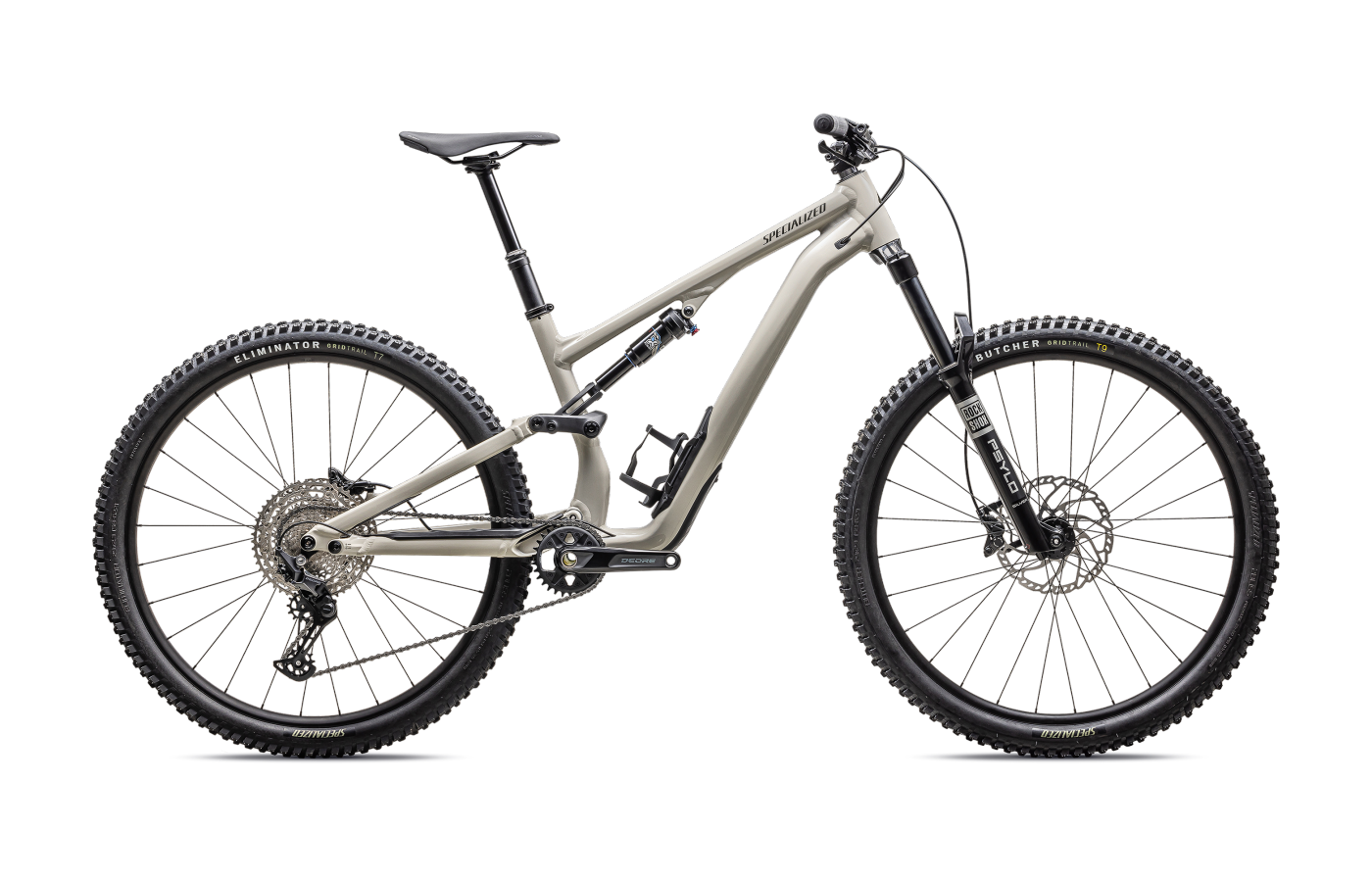
Stumpjumper
Specialized's middle-of-the-road benchmark — adjustable geometry, conventional FSR suspension, and a build range that goes lower and higher than either bike here. Less specialized in either direction; arguably the most versatile of the three.
Compare →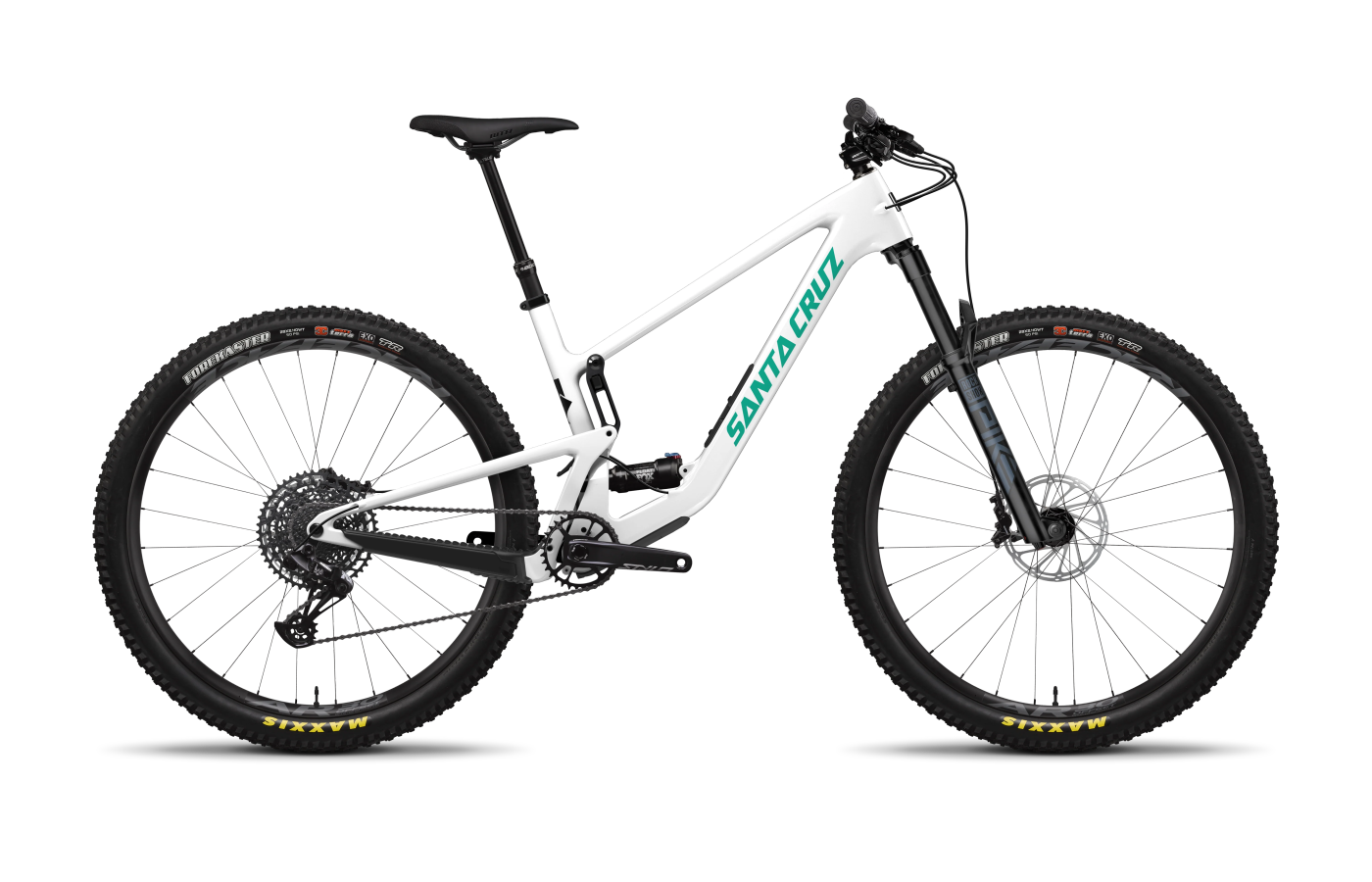
Tallboy
Same VPP-platform DNA as the 5010 but full 29" wheels and 120 mm rear travel — faster on smooth ground and more efficient under power, with less of the 5010's pop-and-play character. The Santa Cruz pick if you'd rather cover ground than corner-destroy.
Compare →