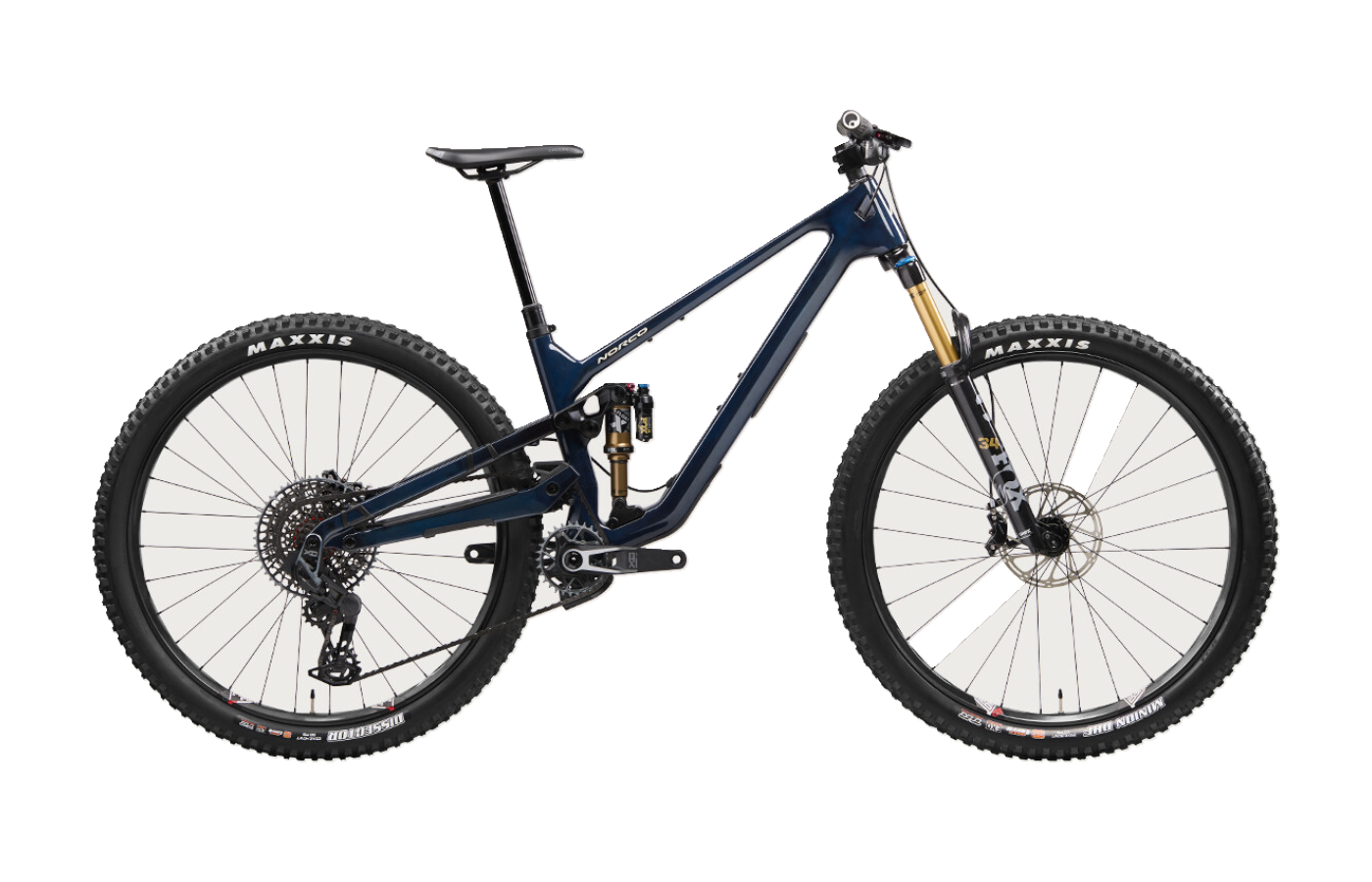
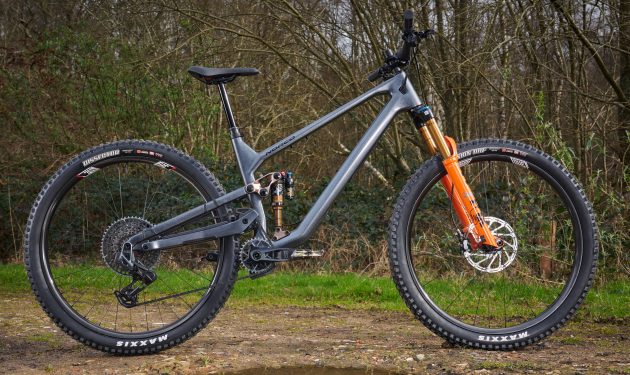
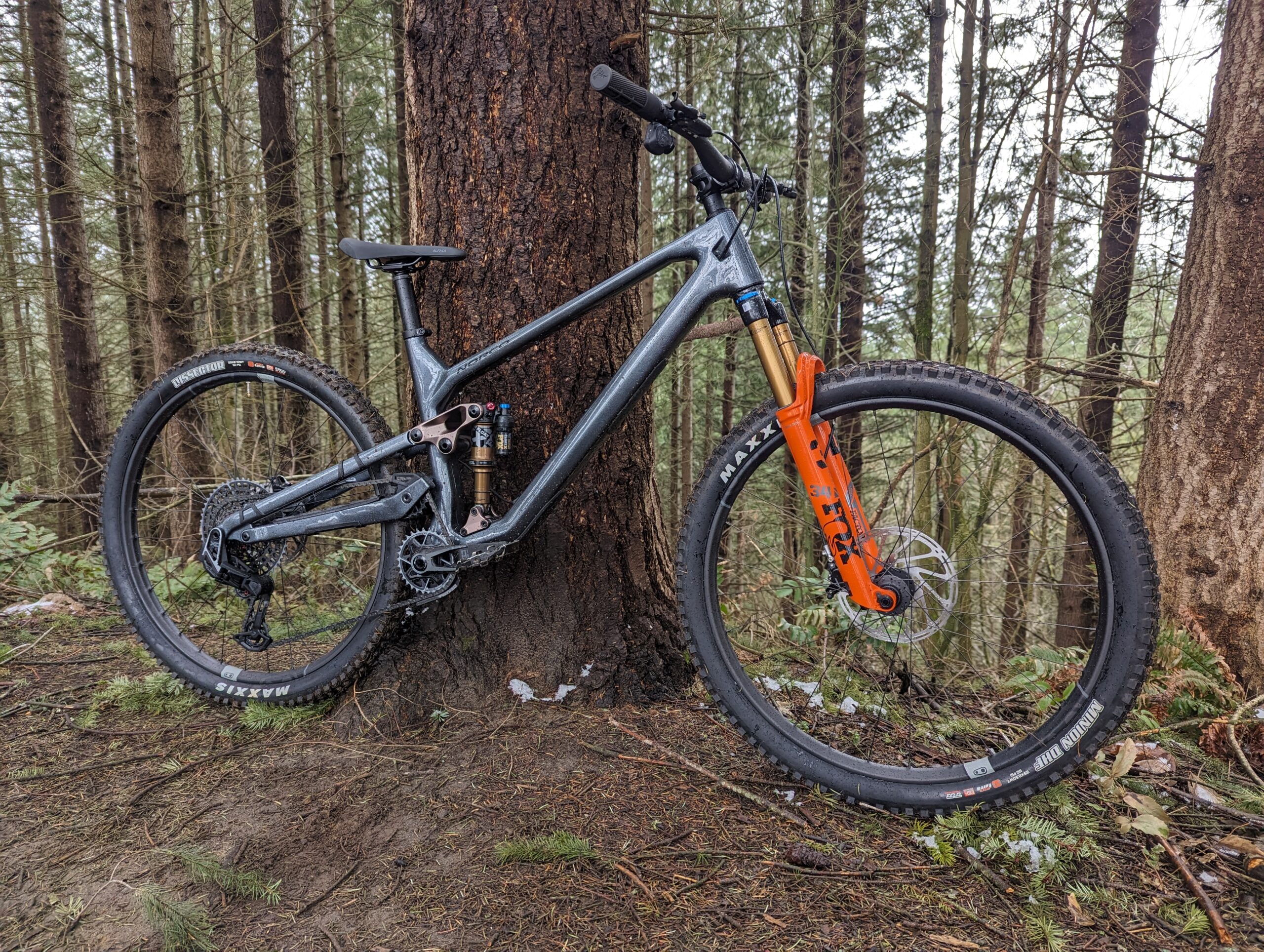
The Norco Optic VPSHP generation reimagines the short-travel trail bike by integrating a high-pivot suspension layout and an idler pulley into a 125mm rear, 140mm front travel platform. This redesign aims to maximize downhill capability and square-edge bump absorption without inflating the bike's travel numbers or entirely sacrificing its pedaling manners. It is built for aggressive riders who want the agility and immediate feedback of a shorter-travel frame, but frequently ride steep, technical terrain that typically demands an enduro bike. Moving away from traditional letter sizing, Norco shifted to a five-size numeric system and introduced the aftermarket Missing Link kit, allowing riders to swap between dual 29-inch and mixed-wheel setups while preserving the frame's geometry and kinematics. The result is a highly configurable, gravity-leaning trail bike that prioritizes descending composure over cross-country efficiency.
Where to get it.
No retailers stocking size S2 (29).
No retailers carrying size S2 (29) right now.
Spec sheet.
Every component shipped with this build.
Geometry & fit.
15 sizes published.
Norco’s Ride Aligned geometry philosophy shapes the Optic around a balanced, centered rider posture that adapts across its five numeric sizes. The frame pairs a slack 65-degree head tube angle with an effective seat tube angle that progressively steepens from 76.5 degrees on a Size 1 to 77.5 degrees on a Size 5. This keeps taller riders properly positioned over the bottom bracket during steep climbs.
Reach measurements are generous, stretching to 497.5mm on a Size 4, which creates a roomy seated cockpit and a long, stable wheelbase. To maintain handling consistency, Norco utilizes size-specific chainstays that grow incrementally with each frame size. It is worth noting that the high-pivot design causes the rear center to lengthen dynamically as the suspension compresses. This rearward axle path increases stability during deep impacts but requires riders to adapt to a shifting center of gravity, particularly in tight corners or heavy compressions. The short seat tubes across the size run allow for long-travel dropper posts, giving riders the flexibility to size up for high-speed stability or size down for a more agile, maneuverable feel.
Where the handlebar sits relative to the bottom bracket — the single most important fit pair.
01Fit geometry6 values
03Handling geometry7 values
Which size should I buy?
Slide your height to see the recommended size. GearWise's fit algorithm works from the published stack, reach, and ETT — the brand's own recommendation may differ.
→Calculated from GearWise's own stack / reach / ETT algorithm — the brand's size chart may recommend a different size, and a proper bike fit beats any calculator.
The lineup.
6 builds, ranging $3,399 – $6,799.
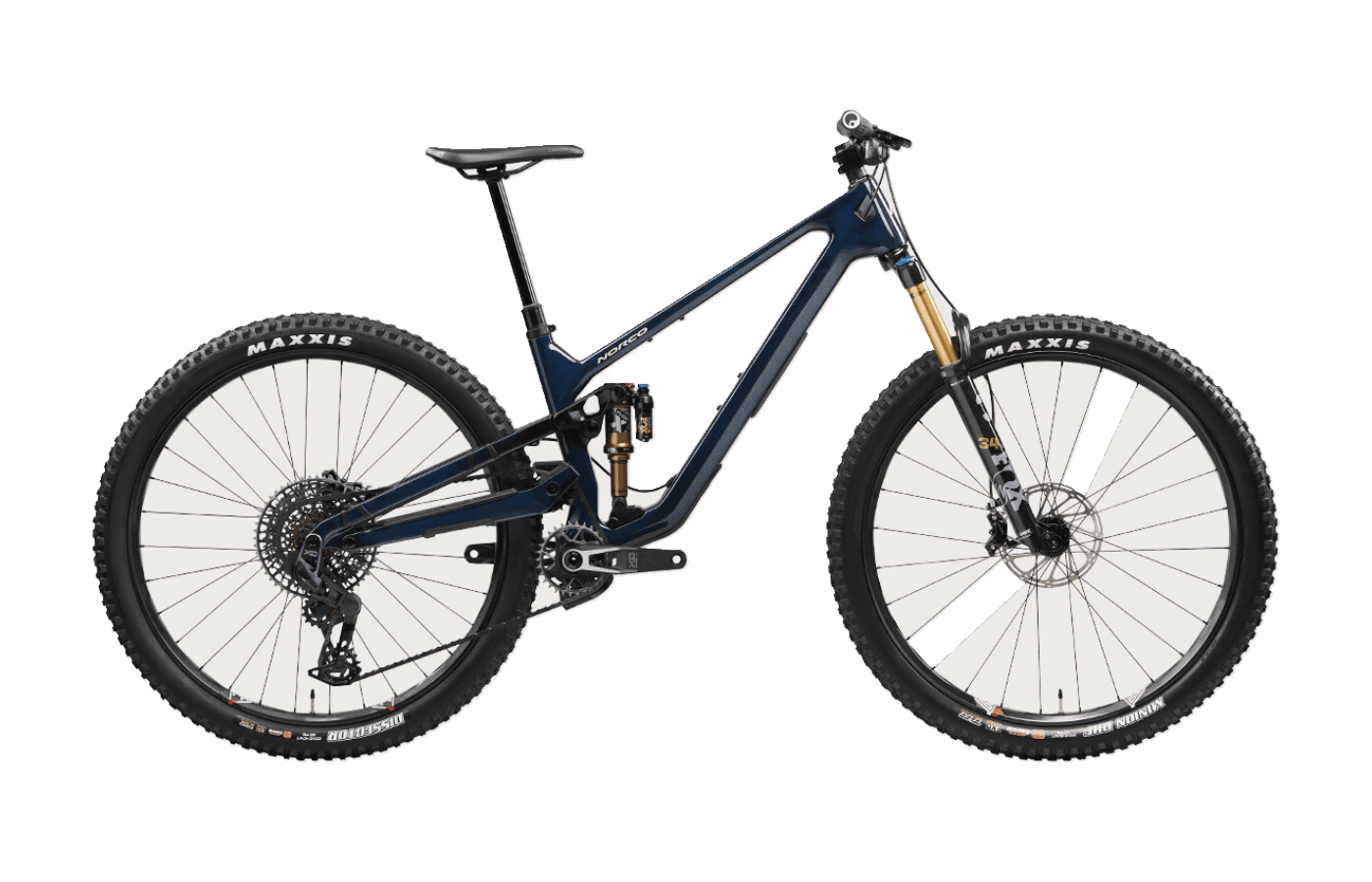
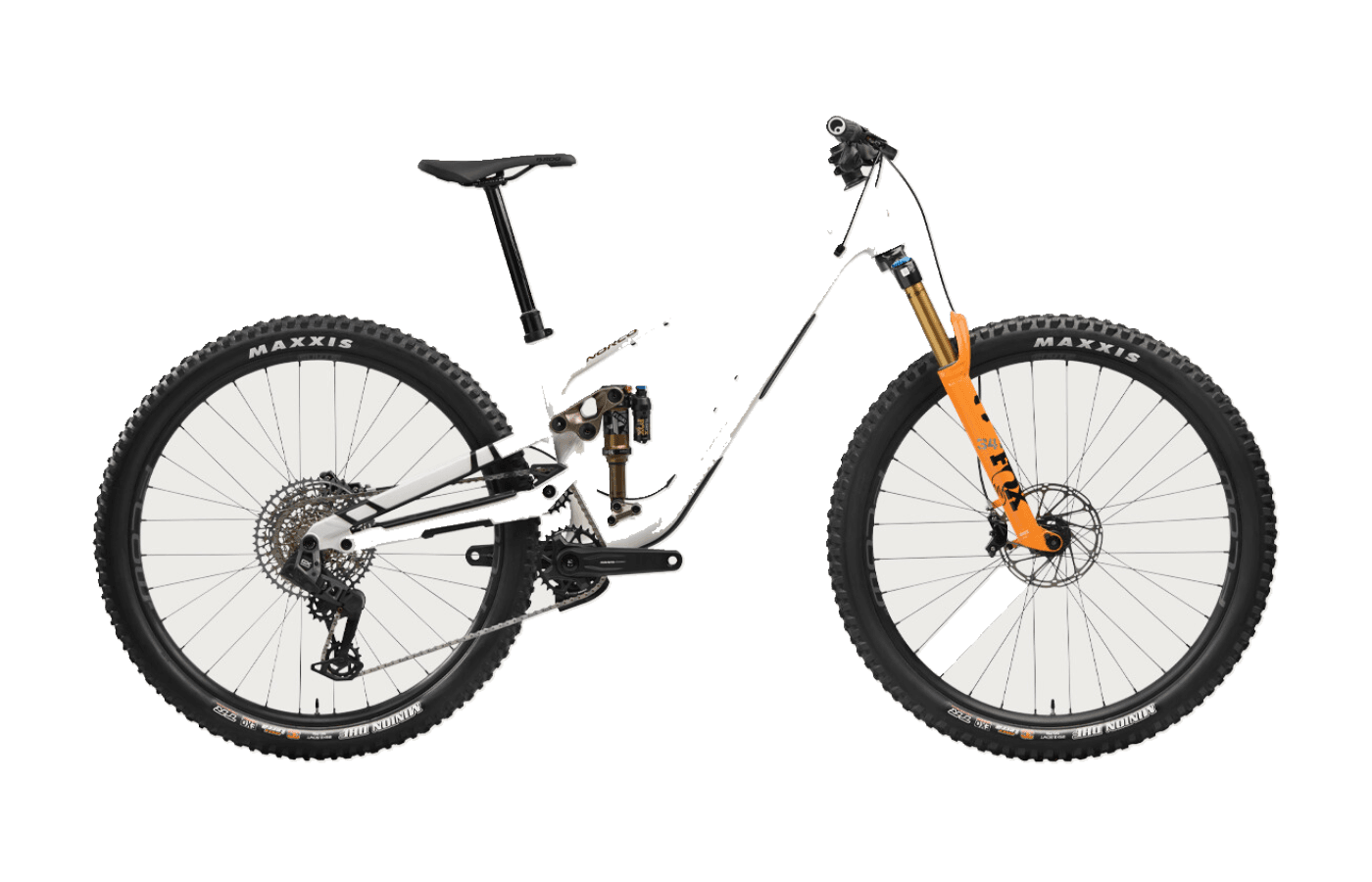
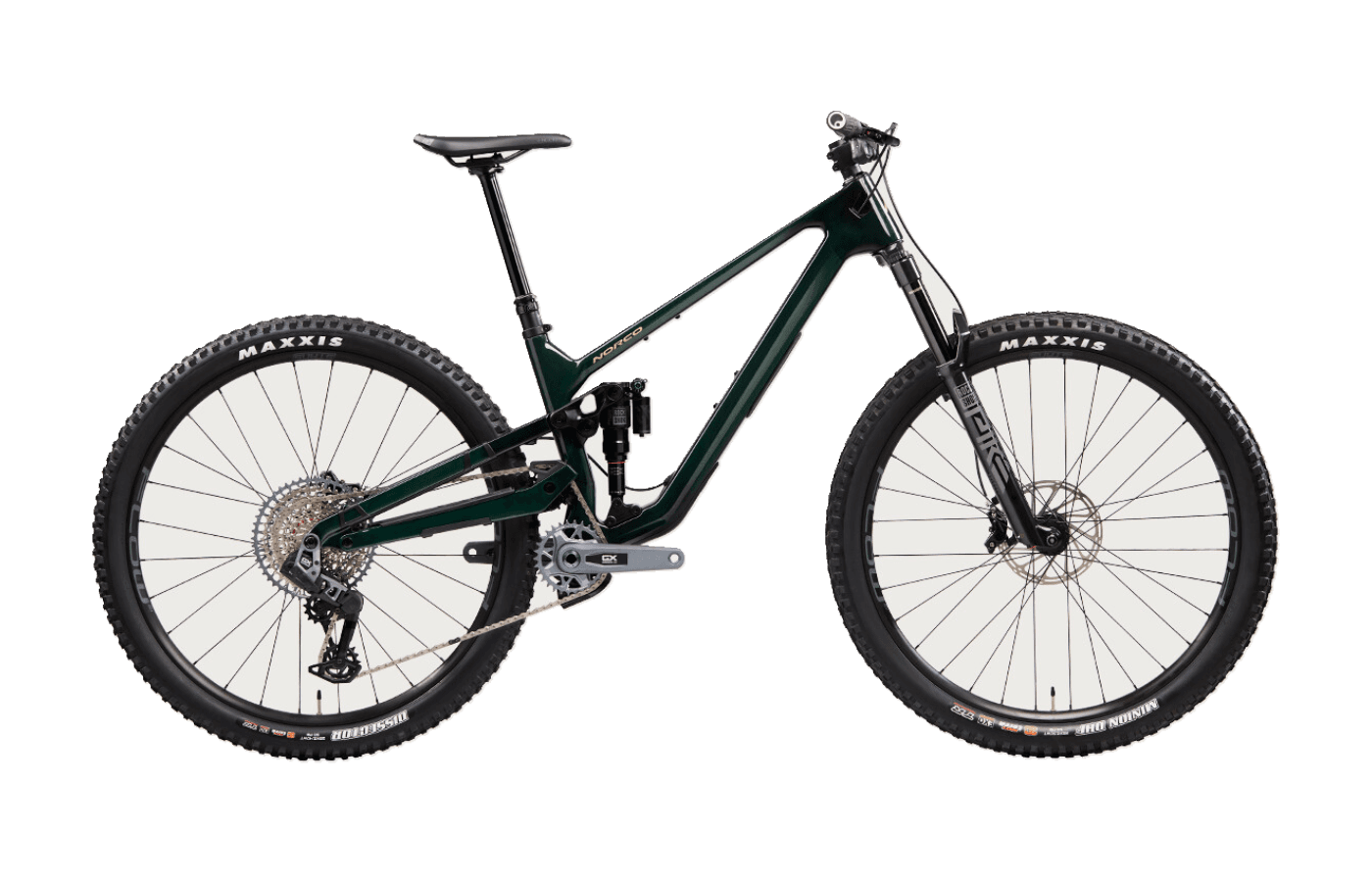
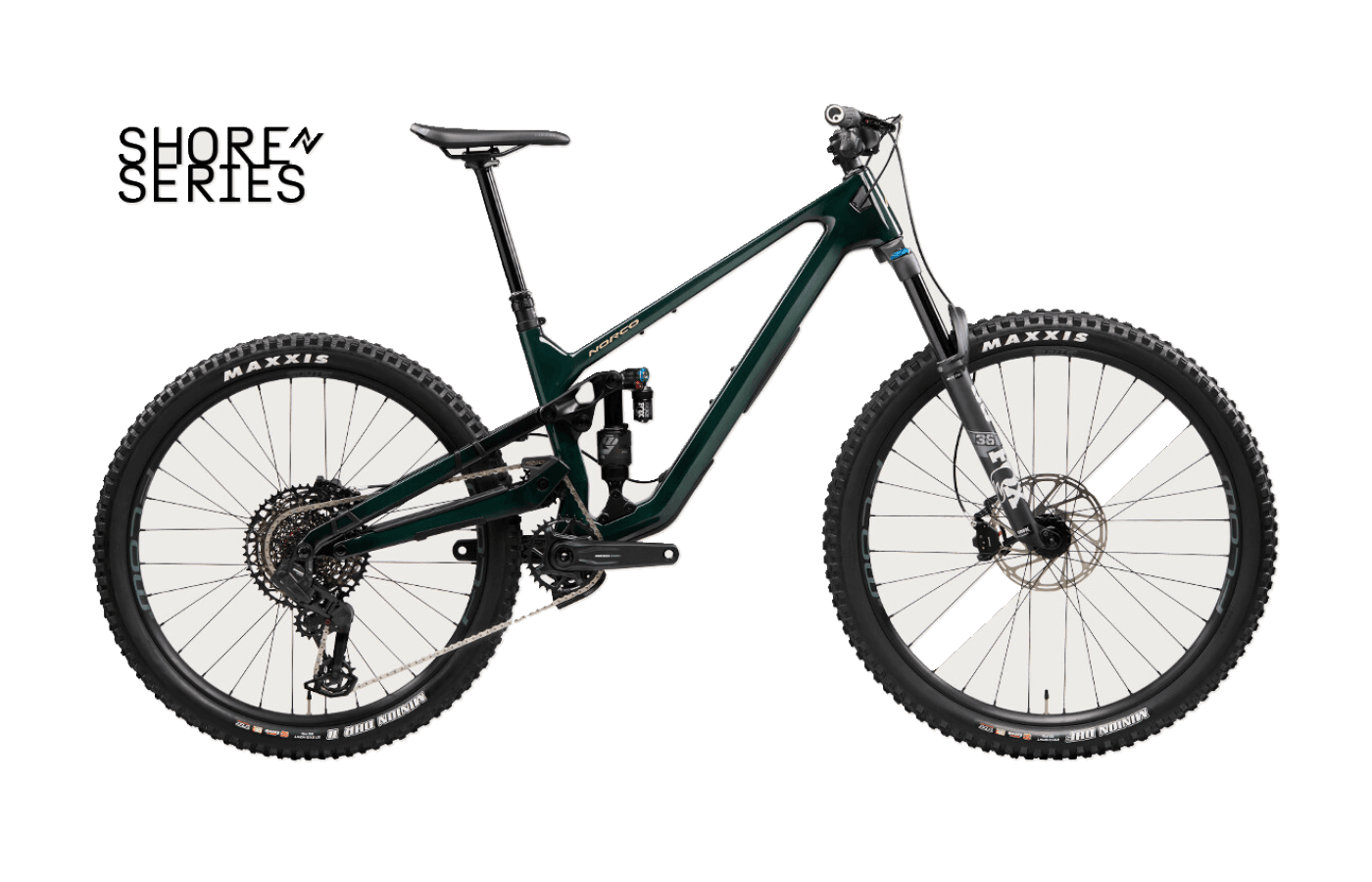
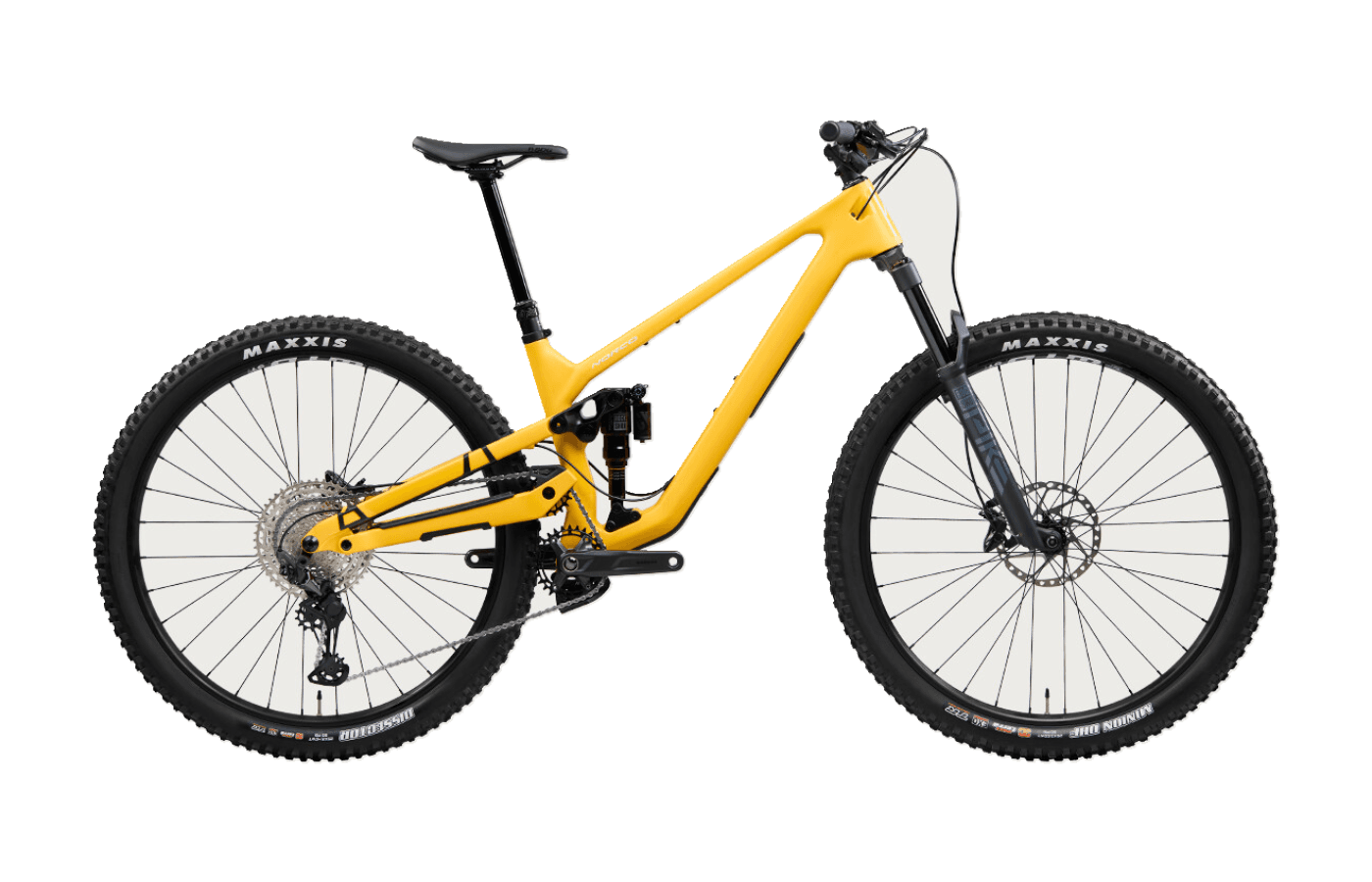
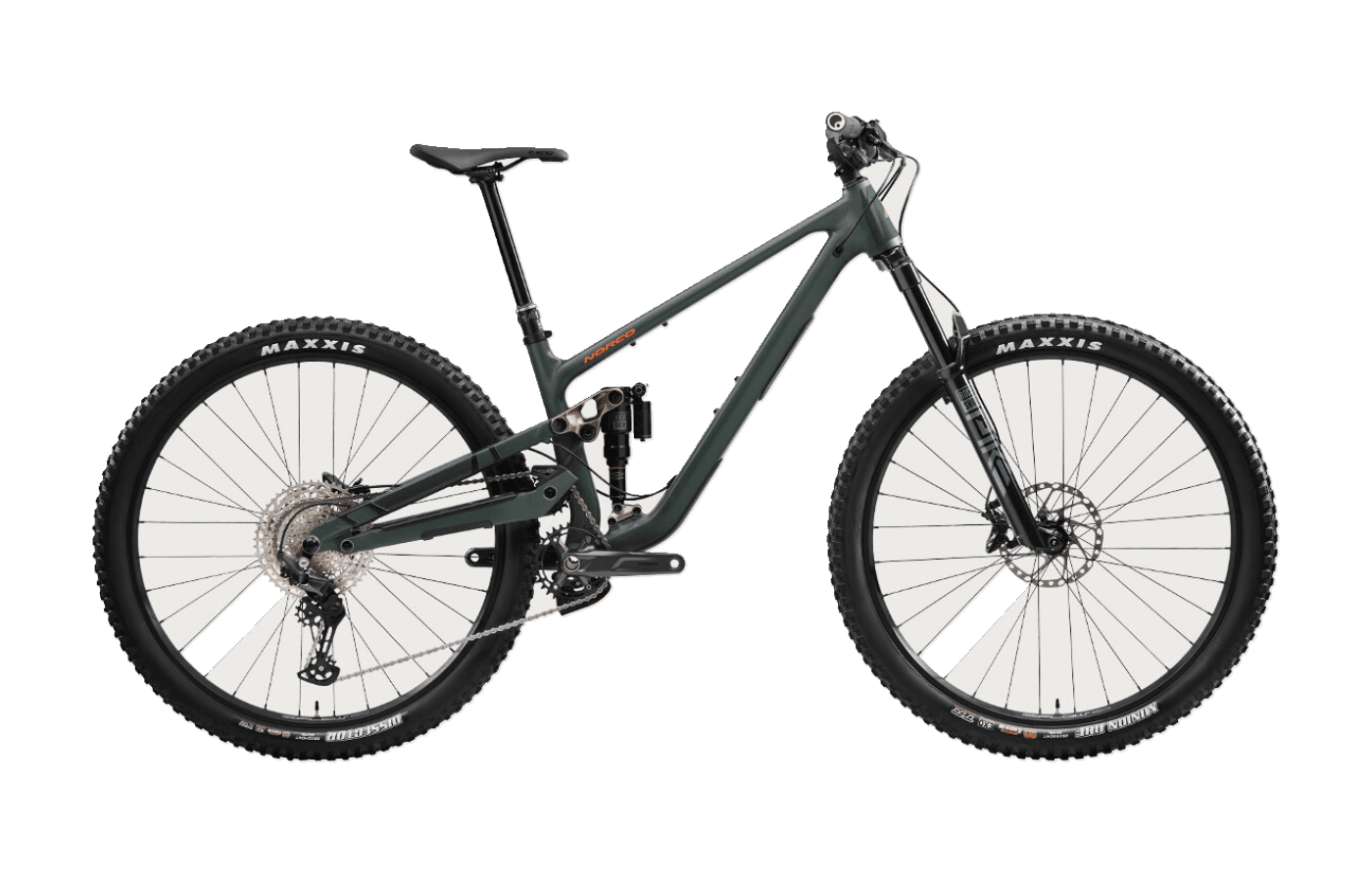
The Optic lineup spans six builds across carbon and aluminum frames, with suspension and drivetrain specifications scaling to match the price points. The flagship C1 build features Fox Factory suspension, a SRAM X0 Eagle Transmission, and We Are One carbon wheels laced to Industry Nine hubs. Moving down the carbon tier, the C2 and C2 MX models shift to RockShox Select+ or Fox Performance Elite suspension and SRAM GX Eagle Transmissions, offering a strong balance of performance and durability. The C2 MX specifically swaps to a mixed-wheel setup and equips heavy-duty SRAM Maven Silver brakes.
The C3 serves as the entry point for the carbon frame, utilizing a RockShox Pike Select fork, a Shimano Deore and XT mixed 12-speed drivetrain, and Shimano MT520 four-piston brakes. For riders preferring metal frames, the A1 and A2 builds mirror the aggressive intent of the carbon models. The A1 features Fox Factory suspension and a SRAM GX Eagle Transmission, while the A2 provides a more accessible entry with a RockShox Pike Base fork and a Shimano Deore drivetrain. Across the range, Norco specifies aggressive Maxxis Minion DHF and Dissector tires, ensuring the contact patch matches the frame's descending capabilities.
From the press.
12 reviews from the cycling press.
Reviewers agree that the high-pivot design fundamentally alters the Optic's descending character, allowing it to absorb impacts far better than a typical short-travel bike. The rearward axle path excels at smoothing square edges, having "sliced them down to a fraction of their size" (Theradavist), creating a ride that remains remarkably "calm and composed" (Theloamwolf) through fast, choppy sections. Despite this stability, the bike retains a lively demeanor, encouraging riders to "generate plenty of speed by pumping through rollers" (Enduro MTB).
On climbs, the steep seat tube angle and active suspension provide excellent traction on technical ascents. However, the idler pulley introduces a distinct tradeoff. While some testers found the drivetrain drag negligible, others noted a spongy feel under hard pedaling and experienced chain retention issues in rough terrain. The bike's lengthening rear center under compression also drew mixed reactions; it enhances high-speed stability but can feel slightly vague or cumbersome in tight, slow-speed corners.
A recurring critique across early test models centered on the stock braking power, with multiple reviewers finding the originally specified cross-country brakes inadequate for the bike's aggressive descending capabilities. Ultimately, the consensus points to a highly capable, gravity-focused trail bike that rewards precise, dynamic riding, provided the owner is willing to maintain the idler drivetrain.
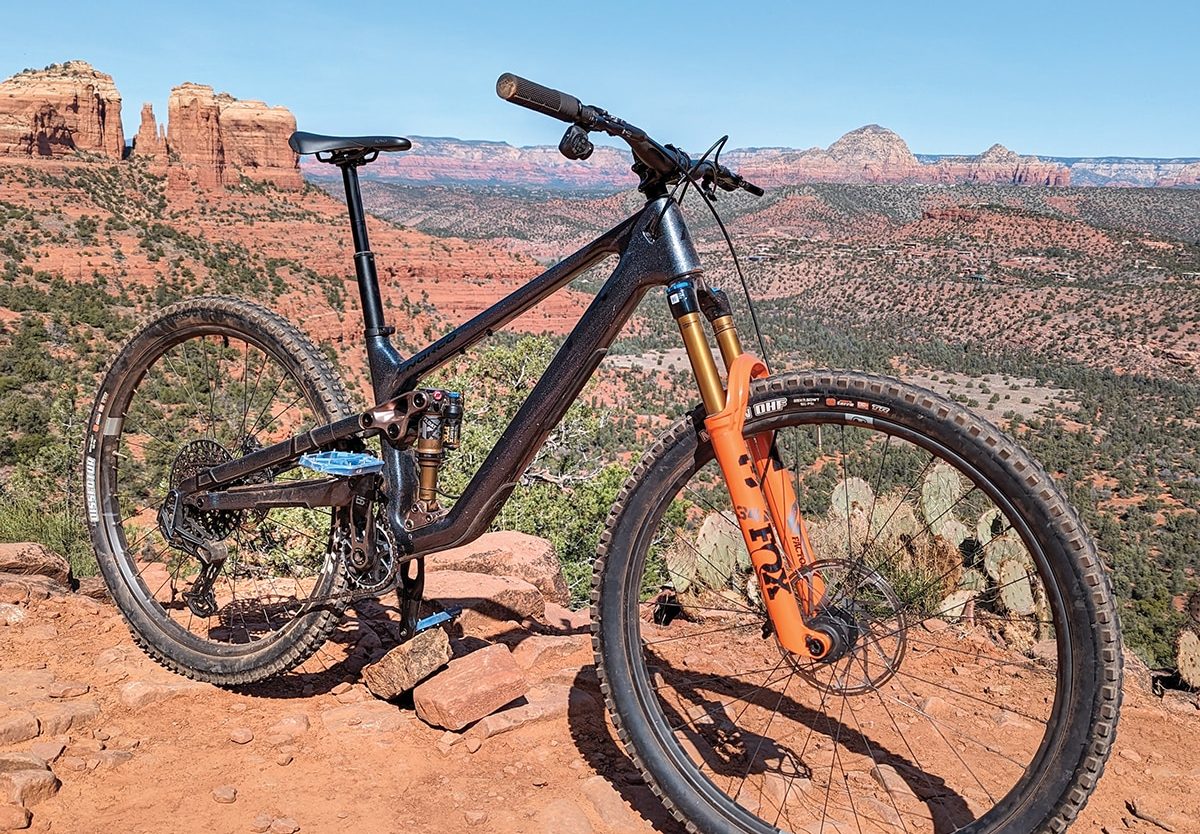
Norco Optic Long-Term Review – Short-Travel, High-Pivot ...

Review: BikePerfect - Norco Optic Bike
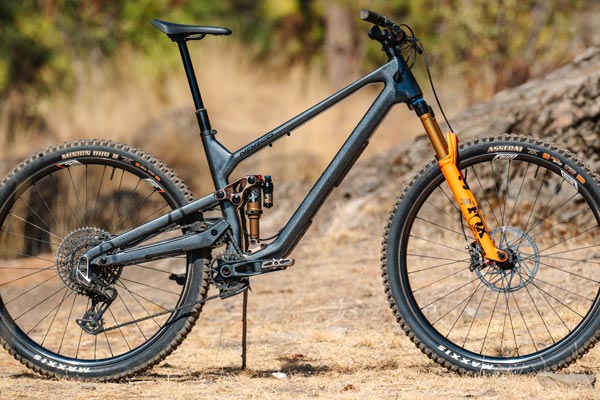
Review: Norco Optic C1
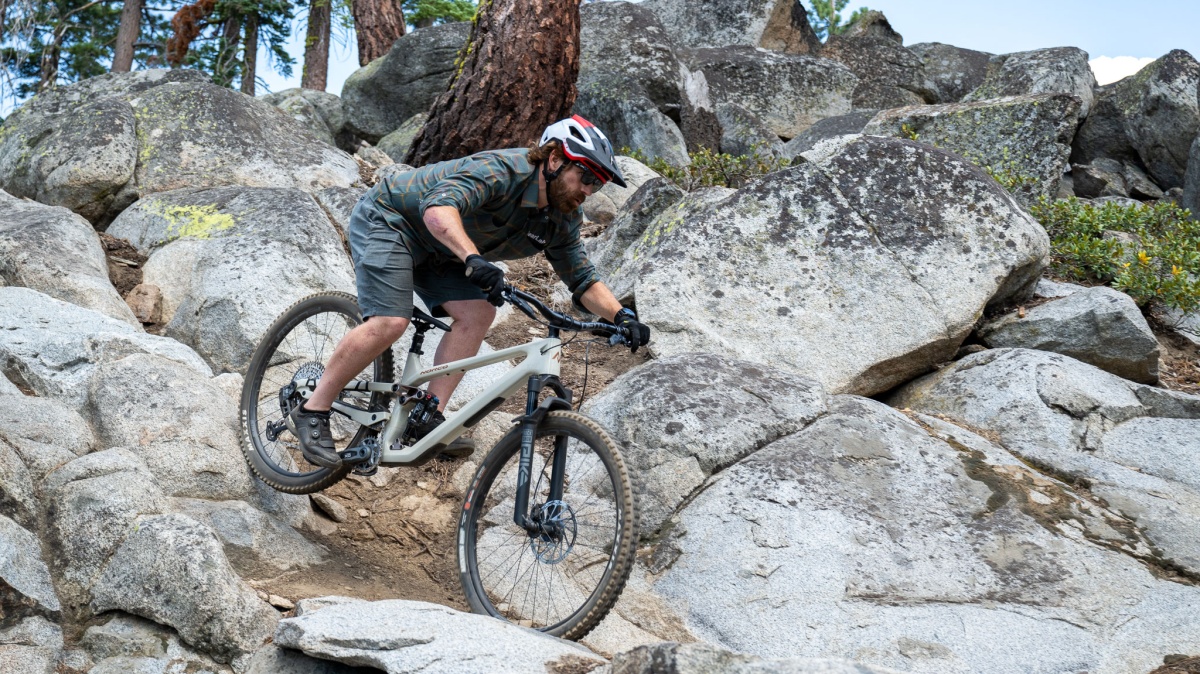
Norco Optic C2 Review | Tested & Rated
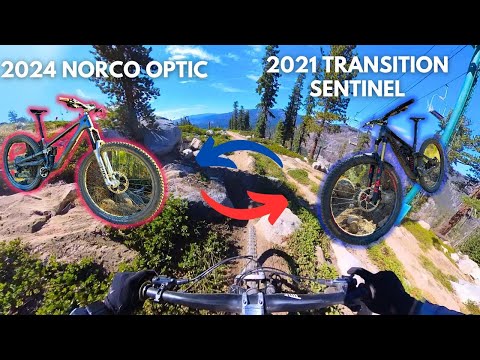
TEST RIDE: 2024 Norco Optic at the Bike Park | China Peak | Huntington, CA

2024 Norco Optic
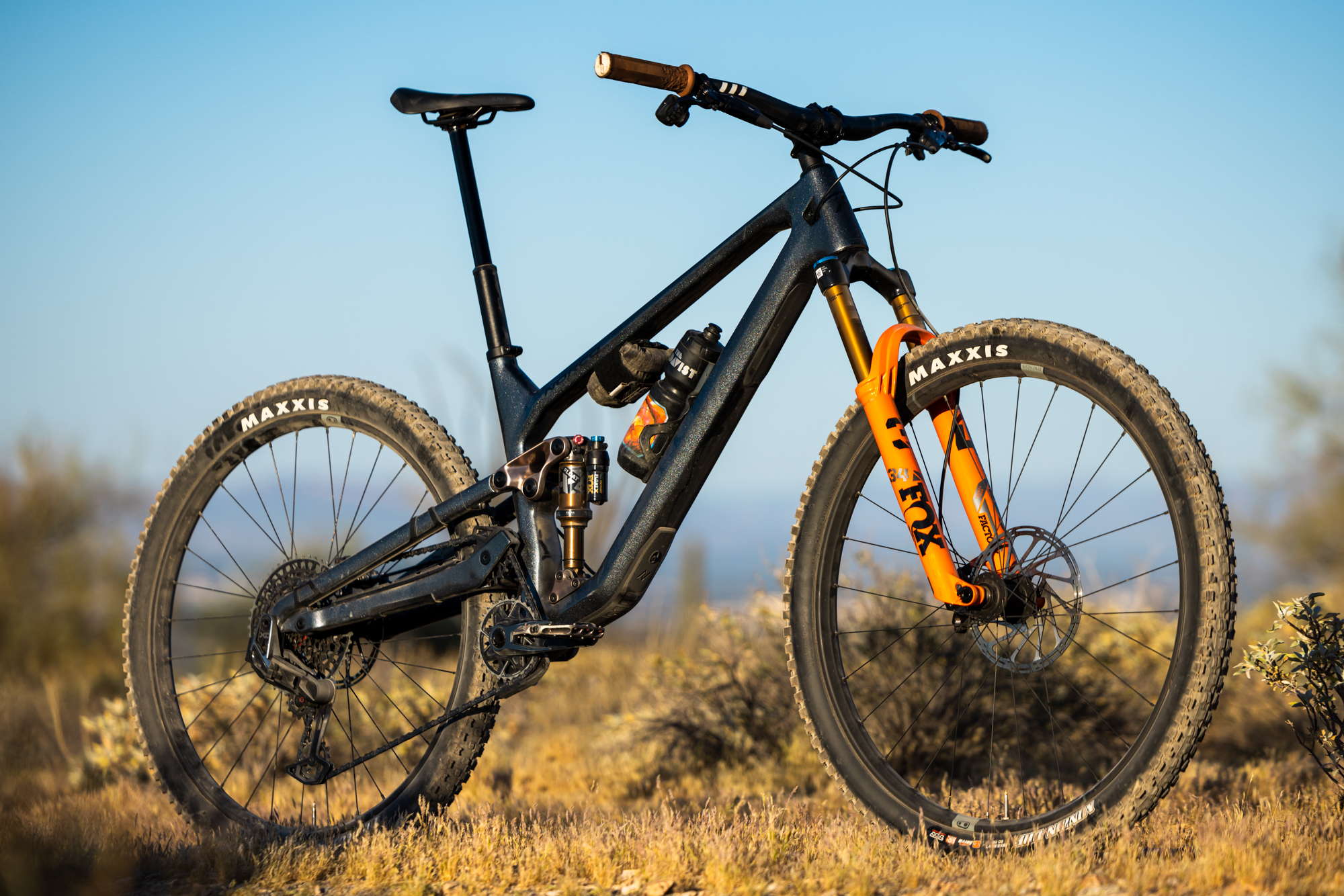
Norco Optic C1 Review: The Un-High Pivot – Travis Engel
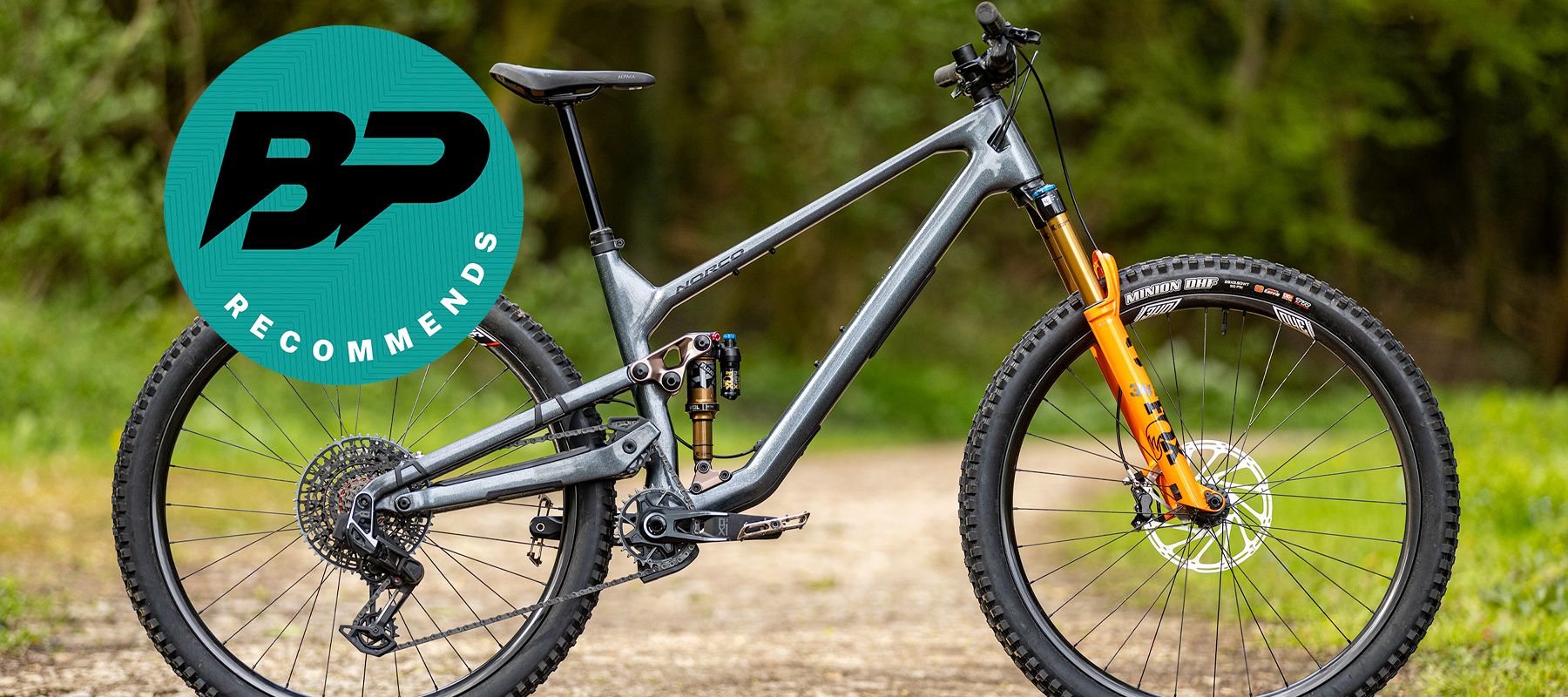
I tested Norco's all-new Optic with its trendy high pivot suspension DH tech in a short travel downcountry package
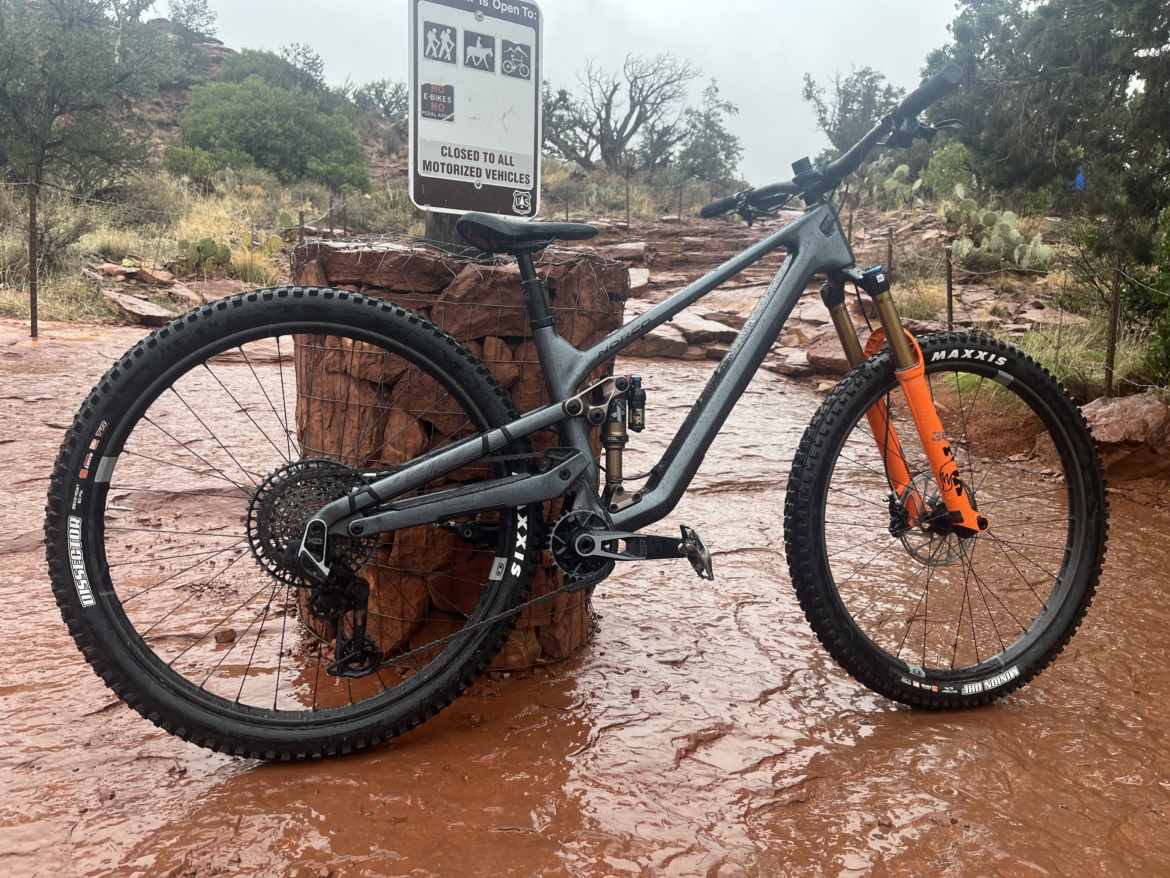
2024 Norco Optic C1 Review: Short-Travel with a High- ...
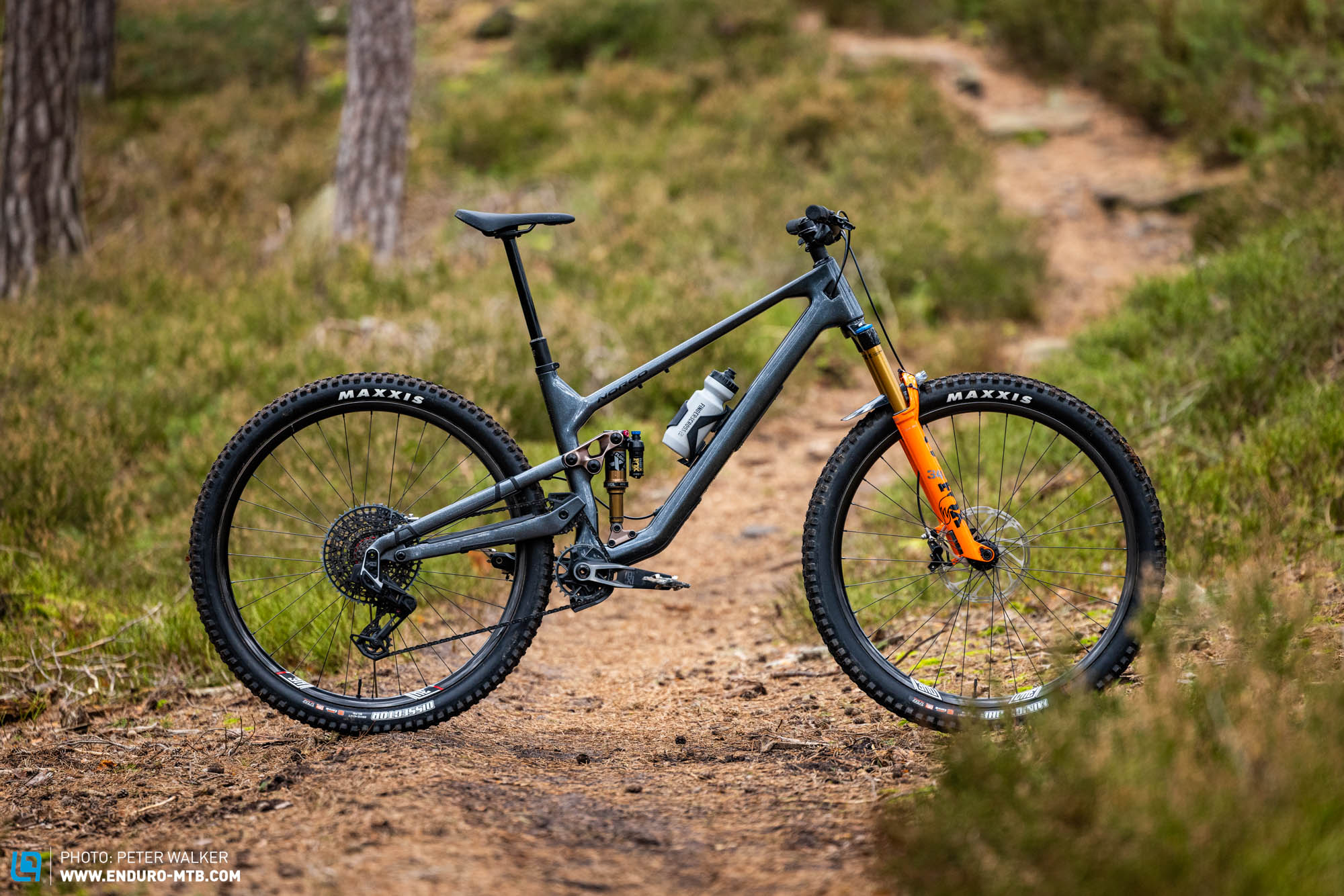
New 2024 Norco Optic on test – Does high pivot rear suspension make sense on a trail bike?
MBR
Flash Review — 2024 Norco Optic
Compared to.
Most-viewed comparisons.
Canyon Spectral 125 vs Norco Optic
Read comparison→
Ibis Ripley vs Norco Optic
Read comparison→Norco Fluid FS vs Optic
Read comparison→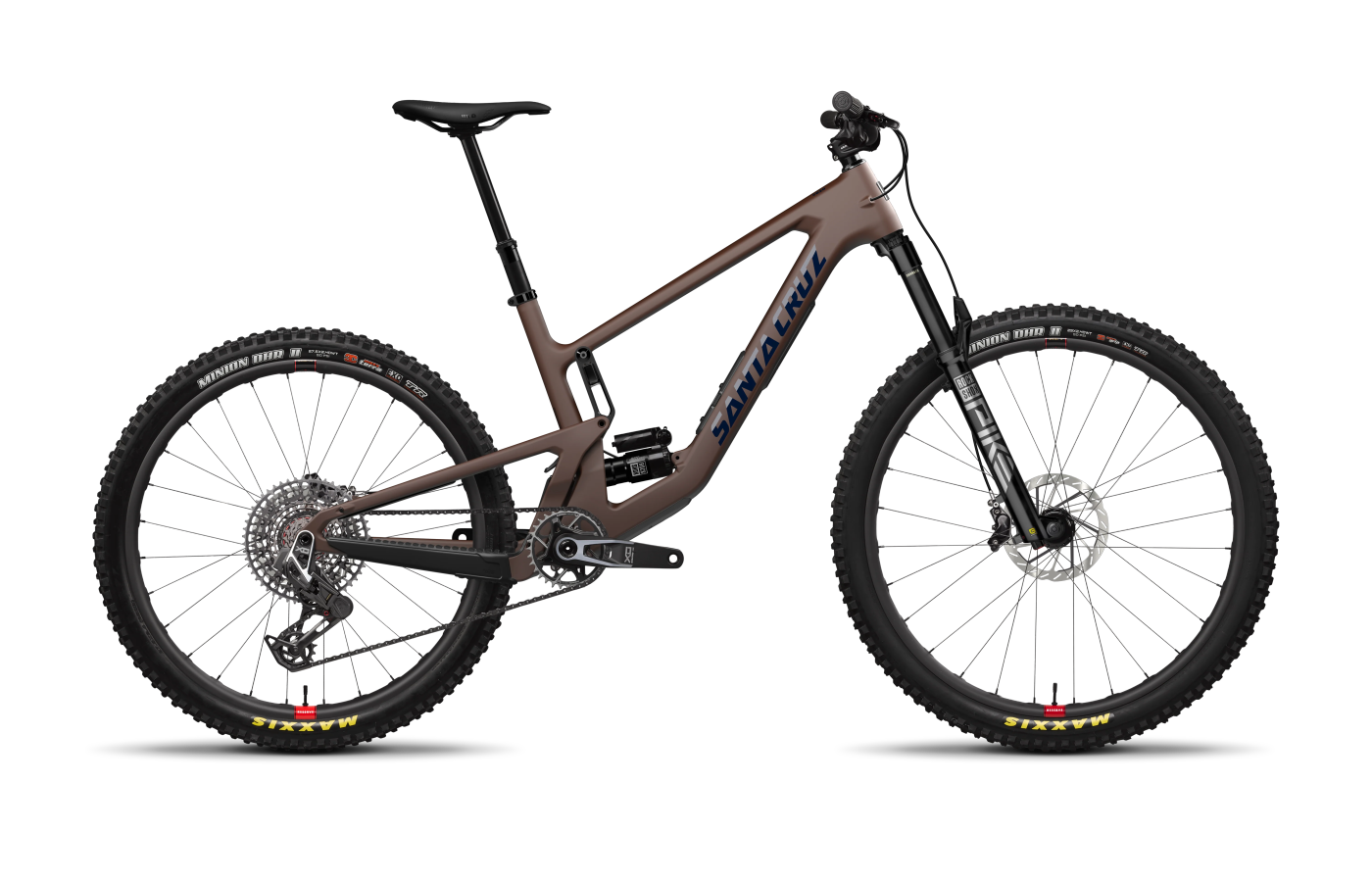
Norco Optic vs Santa Cruz 5010
Read comparison→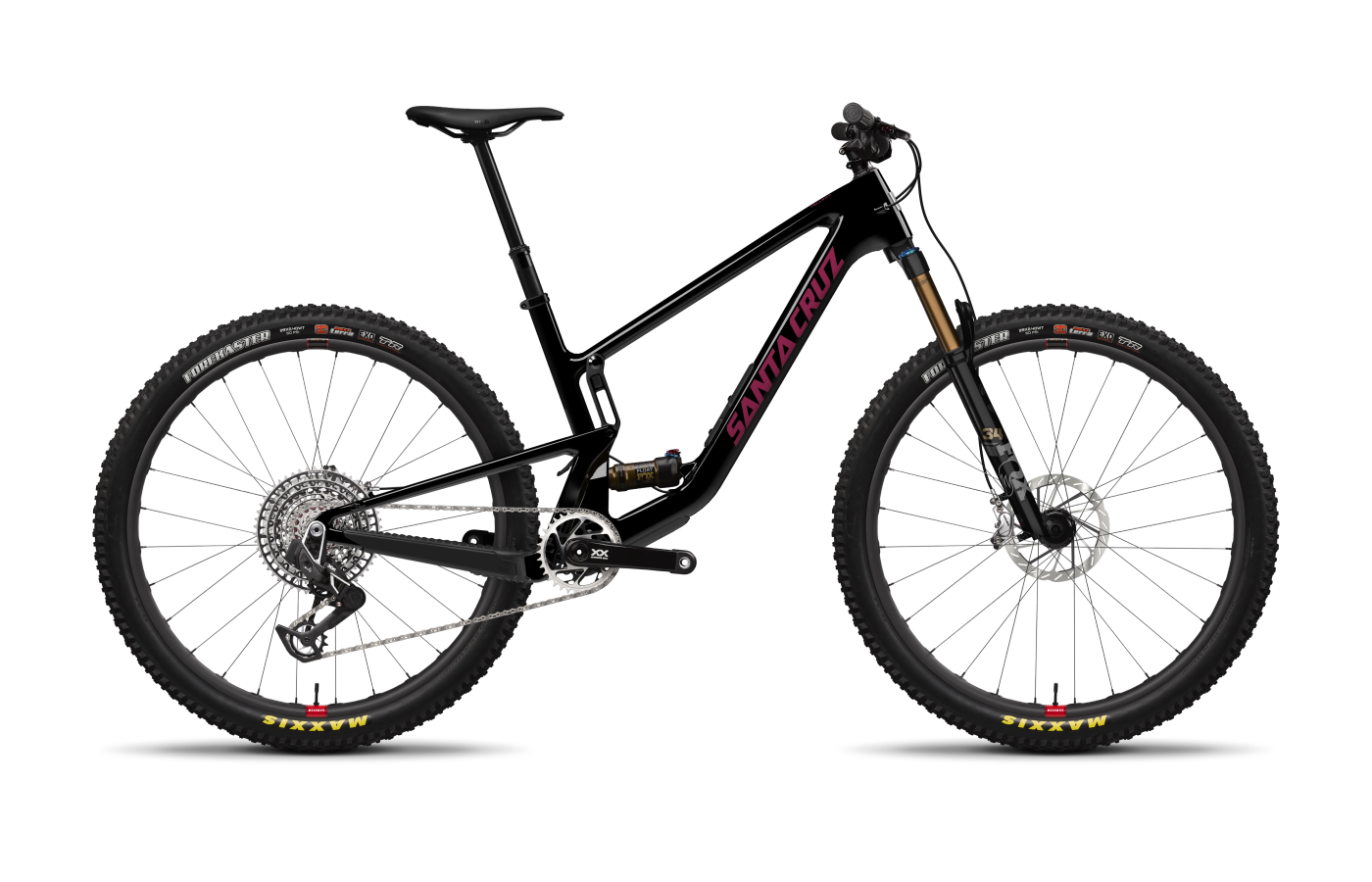
Norco Optic vs Santa Cruz Tallboy
Read comparison→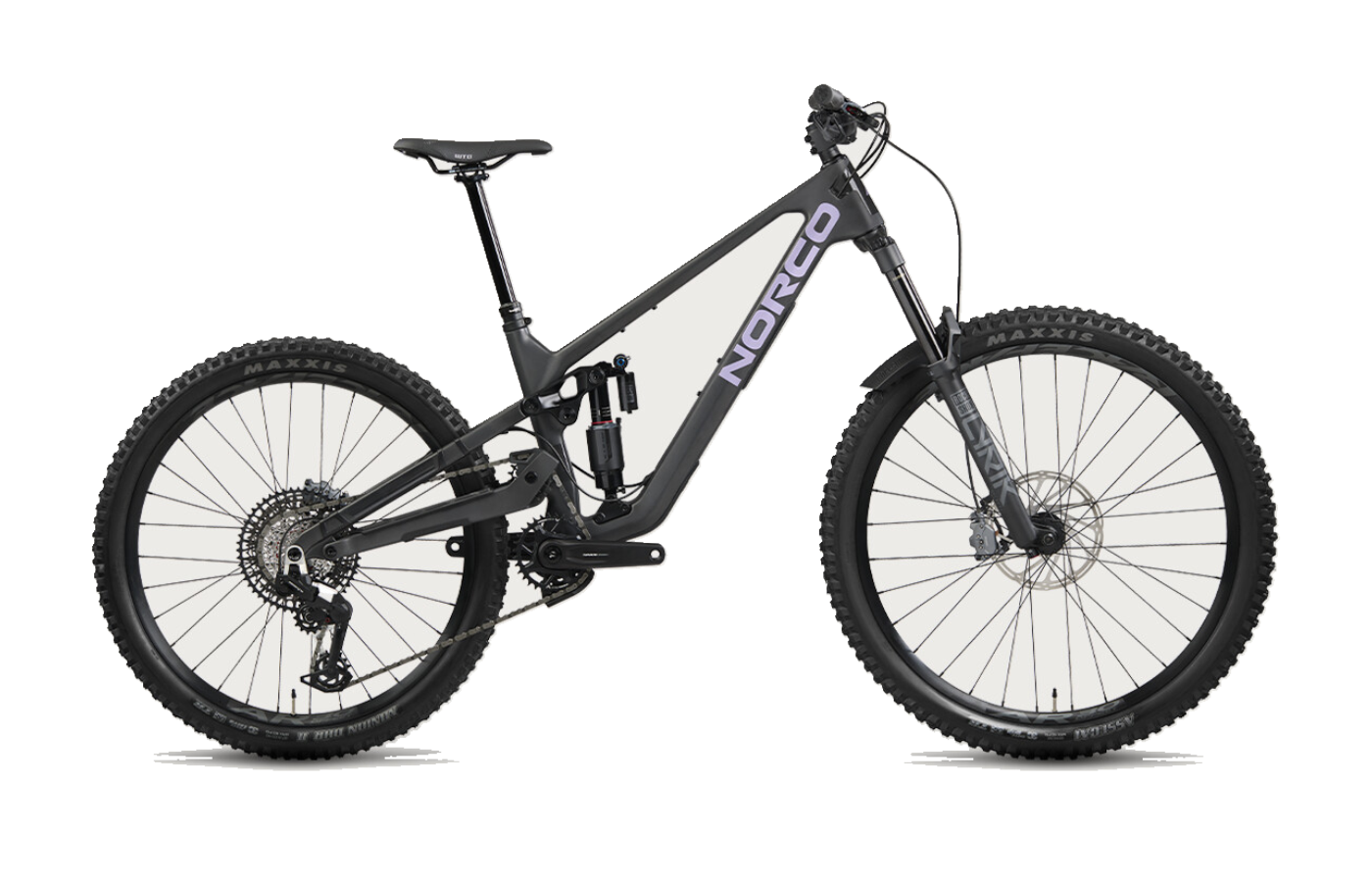
Norco Optic vs Sight
Read comparison→