Ripley
vsOptic
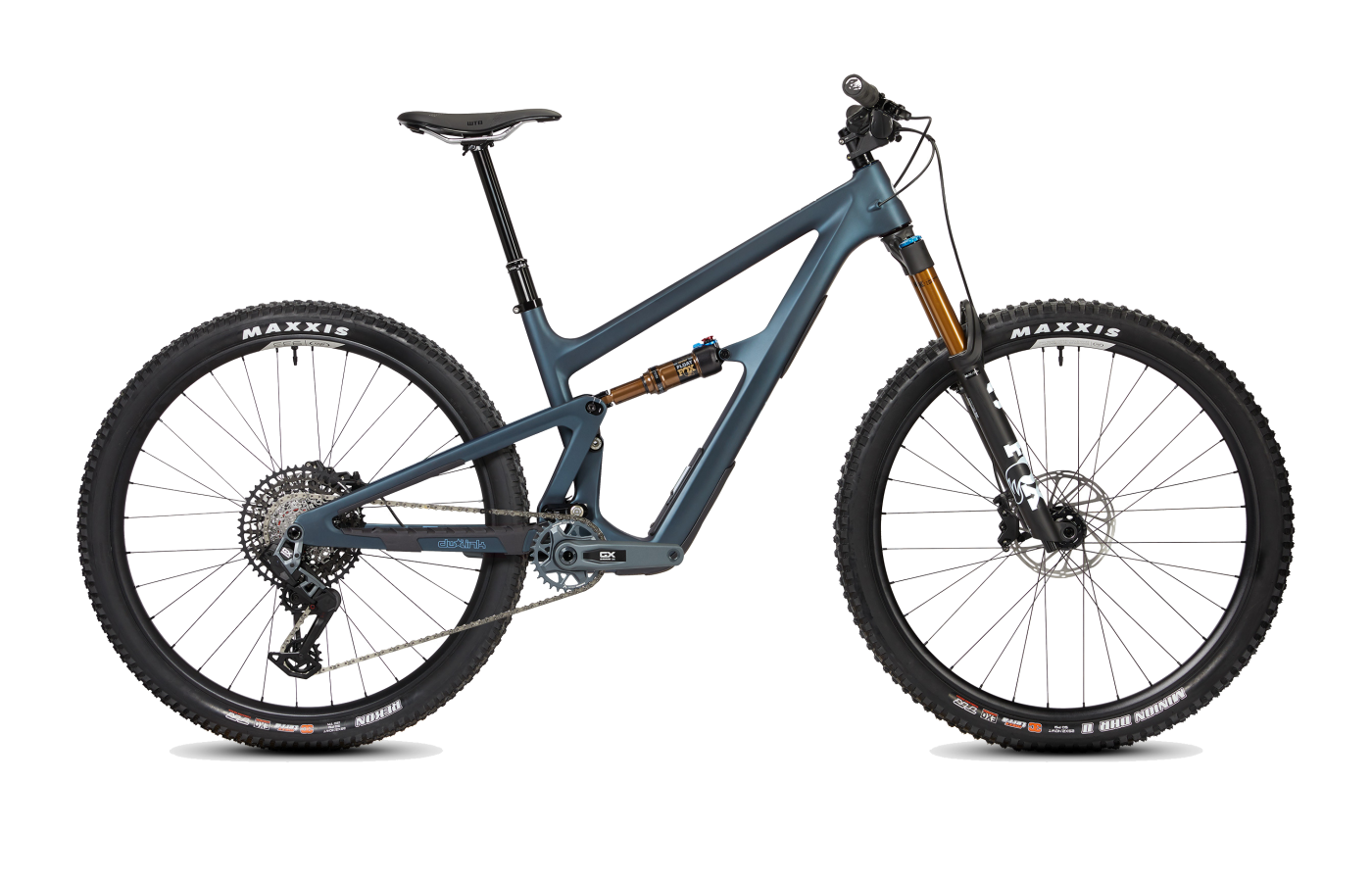
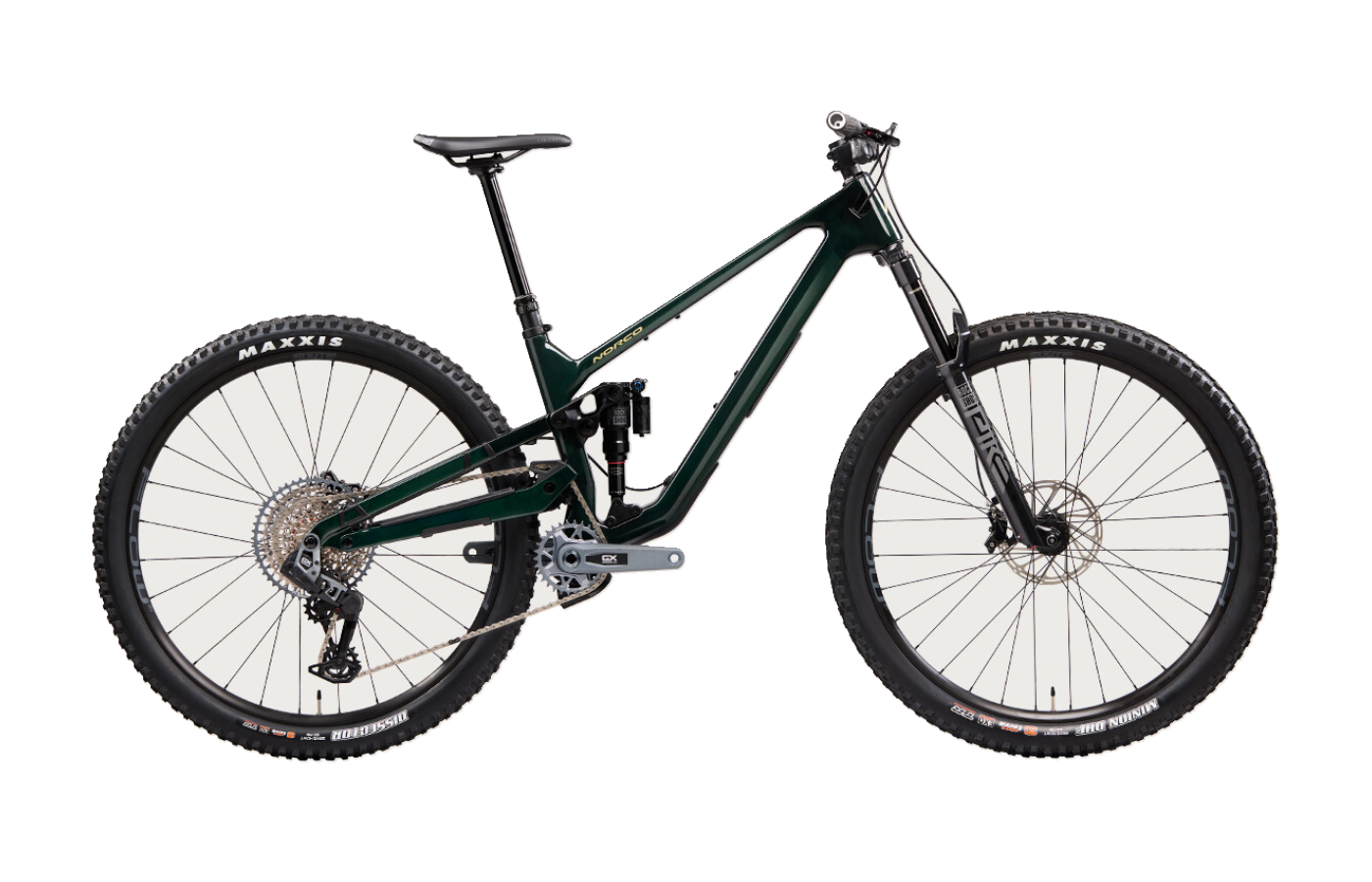
Two short-travel trail bikes, two suspension philosophies.
The Ibis Ripley V5 sharpens a proven DW-link platform into a do-everything trail bike. The Norco Optic bolts a high-pivot idler onto 125 mm of travel and dares it to ride bigger.
Ripley
- DW-link efficiency — firm, supportive pedaling platform that climbs without bobbing into the shock.
- Lighter and simpler — no idler, no chain-retention drama, no extra drivetrain drag.
- Shared chassis with Ripmo — same front triangle and swingarm; swap fork, shock, and link to convert into a 145 mm trail bike later.
- Less raw bump absorption than the Optic on fast, square-edged chunder.
- Fox 34 fork can flex on aggressive terrain — heavier riders may want a 36.
Optic
- High-pivot bump absorption — the rearward axle path makes 125 mm of travel feel substantially more on chunky descents.
- Ride Aligned setup — Norco's setup tool is consistently called out as one of the best in the industry for dialing the bike to your weight and style.
- Aluminum frameset option — sold separately at $2,099, a rare offering that lets you build it your way.
- Idler adds drag, noise, and maintenance — and chain-drop reports in chunky terrain are real.
- Heavier than the Ripley by 1-2 kg in equivalent builds; the high-pivot is its own ~300 g.
Editor’s analysis
Same category on paper — short-travel trail 29ers — but pick one and you're voting for what suspension is supposed to feel like.
On the spec sheet these two land in the same neighborhood: 140 mm forks, sub-130 mm of rear travel, 65-degree-ish head tubes, 76.5-77 STAs. But the Ibis Ripley V5 and the Norco Optic VPSHP read those numbers very differently. The Ripley refines what already worked — DW-link, no idler, 130 mm out back, and the same front triangle as the longer-travel Ripmo for shared-frame upgrade potential. The Optic ditches that conventional path entirely and runs a high-pivot rearward axle path with an idler pulley, the kind of layout you usually see on enduro bikes with twice the travel.
The Ripley is the bike you grab when you want one bike to do everything well. Reviewers consistently call it 'jibby' and 'playful' on top of its DW-link efficiency — the kind of trail bike that climbs like it's pedaling itself and still has enough composure to handle terrain it has no business on. The new geometry (64.9 HTA, 460 mm reach in MD, 76.9 STA) plus the share-with-Ripmo chassis means it's measurably stiffer and more stable than the V4 without losing the pop. It is, by a wide consensus, an excellent only-bike.
The Norco Optic picks a different fight. Its high-pivot rear end lets the wheel travel rearward over square hits, which reviewers from Theradavist to Mountain Bike Action describe as feeling like 30 mm more travel than the 125 mm spec. On rough, fast descents it is genuinely composed in a way the Ripley isn't. But that comes with real costs — extra weight (the C1 lands around 14.7 kg / 32.4 lb), a real idler that adds drag and noise unless meticulously maintained, and chainstays that grow under compression in a way some riders find disorienting in corners. Outdoor Gear Lab dropped chains repeatedly off the idler. Bike Perfect found it noisy and draggy. Mountain Bike Action found neither problem. Setup matters.
Put plainly: the Ripley is the safe, exceptional pick. The Optic is the bike for a rider who specifically wants high-pivot characteristics in a short-travel package — and who's willing to accept the maintenance and weight tax to get them.
Where the builds differ.
Comparing our editor's-pick builds side-by-side. Winners highlighted row-by-row — lower price and weight, and the better-spec component, each mark a point.
Build variants & pricing
The Ripley spans $5k-$10k across five builds, all carbon. The Optic runs $3.4k-$6.8k across six builds in carbon and aluminum.
Prices are current US MSRP. The Optic's lineup runs noticeably cheaper because it includes alloy frames; among carbon builds the gap closes. Note that several Optic builds spec the underpowered SRAM Level brakes — every reviewer flagged it as the first upgrade. The C2 we picked here ships with RockShox suspension instead of Fox, but matches the Ripley GX build's drivetrain tier exactly.
How they fit, how they steer.
MD Ripley vs S2 (29) Optic. The Ripley sits 12.5 mm longer in reach (460 vs 447.5), with an 11 mm longer rear-center (436 vs 425) and an 18 mm longer wheelbase. HTAs are within 0.1 degree. The Optic's chainstays grow under compression — meaningful in corners and G-outs.
Which size should I buy?
Both run modern, long reach with steep STAs (76.9 / 76.75). Several Optic reviewers chose to size down for a more compact cockpit — its sizing runs progressive.
→These are starting points. Flexibility, riding style, and preferred position all shift the answer — if you’re between sizes, a professional fit beats a chart.
What the magazines said.
Published reviews from trusted cycling outlets. Click through for the full write-up.
Which one should you buy?
If you want one trail bike that climbs efficiently and handles almost anything, get the Ripley. If you specifically want short-travel that descends like longer-travel, get the Optic.
Ripley
If you want the rare bike that climbs like it has 110 mm of travel and descends like it has 150 mm, this is still the benchmark. The DW-link suspension is supportive without being harsh, the geometry is dialed, and the share-with-Ripmo chassis means upgrade potential is built in.
Optic
If your riding is gravity-leaning and you specifically want the rearward axle path of a high-pivot — square-edge composure, calm at speed, more travel than the 125 mm spec suggests — the Optic delivers a genuinely distinctive ride. Just plan for the maintenance.
Questions buyers actually ask.
Short answers to the things we get emailed about most often.
01Which is the better climber?
The Ibis Ripley, fairly clearly. The DW-link suspension is firm and supportive under pedaling — Bike Rumor noted the firm shock setting was rarely needed even on rooty climbs, and 99 Spokes was 'outpacing buddies' on ascents. Ibis's tire spec (Maxxis Rekon rear) leans fast-rolling.
The Optic isn't bad on climbs — its high-pivot actually shines on technical, chunky ascents where the rearward axle path keeps the rear wheel moving over obstacles. But review opinion splits on smooth-trail efficiency: Theradavist and MBR praised it, while Outdoor Gear Lab and Bike Perfect found 'significantly more bob' and a soft pedaling feel. It's heavier, the idler adds drag, and you'll feel both of those on long fire-road grinds.
02Which descends better?
The Norco Optic, in the specific sense that its high-pivot rear end soaks up square-edge hits like a longer-travel bike. Theradavist describes the rearward axle path as 'slicing bumps down to a fraction of their size' at speed. Multiple reviewers say the 125 mm rear feels closer to 150-155 mm on rough chunder.
The Ripley is no slouch — the new geometry (64.9 HTA, longer wheelbase) and shared-with-Ripmo chassis give it genuine descending composure. But on a fast, rocky line, the Optic is measurably calmer.
03How much does the high-pivot idler actually matter day to day?
It depends on the rider and the conditions. Reviewers split sharply: Mountain Bike Action and Theradavist found the Optic's idler 'less significant than any other high-pivot' and 'noticeably smoother.' Bike Perfect described 'an annoying squeak' that needed constant lube and 'a sense of extra drag.' Outdoor Gear Lab had the chain repeatedly drop off the idler in dirty conditions.
If you ride dry, dusty, or muddy trails and aren't religious about drivetrain maintenance, expect noise and possible chain retention issues. If you keep it clean, most riders report it fading into the background.
04What's the suspension travel and fork on each?
Ripley V5: 130 mm rear / 140 mm front, Fox Float Factory shock with Fox 34 or 36 Float SL Factory fork depending on build. DW-link suspension, no idler.
Optic VPSHP: 125 mm rear / 140 mm front, with Fox Float X or RockShox Super Deluxe shock and a Fox 34 / 36 or RockShox Pike fork depending on build. High-pivot virtual pivot suspension with idler pulley.
05Can I run a mullet (mixed-wheel) setup on either?
Yes on both. The Ripley has a flip chip on the rocker link for 27.5 rear conversion — but accessing the inner bolts requires removing the shock, so it's a workshop project, not a trailside swap.
The Optic uses Norco's Missing Link Kit ($179) — a replacement linkage and shock mount that maintains the bike's geometry and kinematics for a 27.5 rear. More involved than a flip chip, but the engineering is more deliberate.
06Are the brakes on either bike good enough for hard riding?
On the Ripley, yes — the XT and XTR builds spec Shimano four-piston brakes that reviewers consistently praise as plenty powerful.
On the Optic, mostly no on the C1 and C3 builds, which spec SRAM Level Stealth four-piston brakes. Bike Perfect called them 'laughably weak' for the bike's descending capability; Singletracks, Enduro MTB, and Blister all flagged them as needing immediate upgrade. The A1 and our pick — the C2 — come with stronger SRAM Code-tier brakes; budget a brake upgrade if you go with the C1.
07Which has the better long-term ownership story?
The Ripley is the lower-maintenance bike. No idler, no chain retention quirks, threaded BB, full internal cable sleeving, and the new STOW downtube storage is one of the better-executed systems on the market. Ibis offers a lifetime frame warranty.
The Optic is more demanding — the high-pivot drivetrain needs attention to stay quiet, and the chain-drop reports from OutdoorGearLab can't be hand-waved away. The frame itself is praised as 'premium' with thoughtful protection, and Norco's Ride Aligned setup tool is genuinely useful. But you're signing up for an idler, and that's a lifetime relationship.
08Which is the better 'only bike'?
The Ripley. That's the consensus across roughly every review surveyed — Tweed Valley Bikes, MTB YumYum, Bebikes, and Mountain Bike Action all describe it as an excellent one-bike-for-everything choice. The shared-chassis-with-Ripmo upgrade path means you can even convert it into a 145 mm trail bike later by swapping fork, shock, and link.
The Optic is more of a specialist. If your only-bike priority is gravity-biased trail riding with occasional XC days, it works. For a true do-everything role, the Ripley is the more obvious pick.
Similar bikes
If your priorities don’t map cleanly onto either of these, one of these adjacent bikes probably fits better.
Tallboy
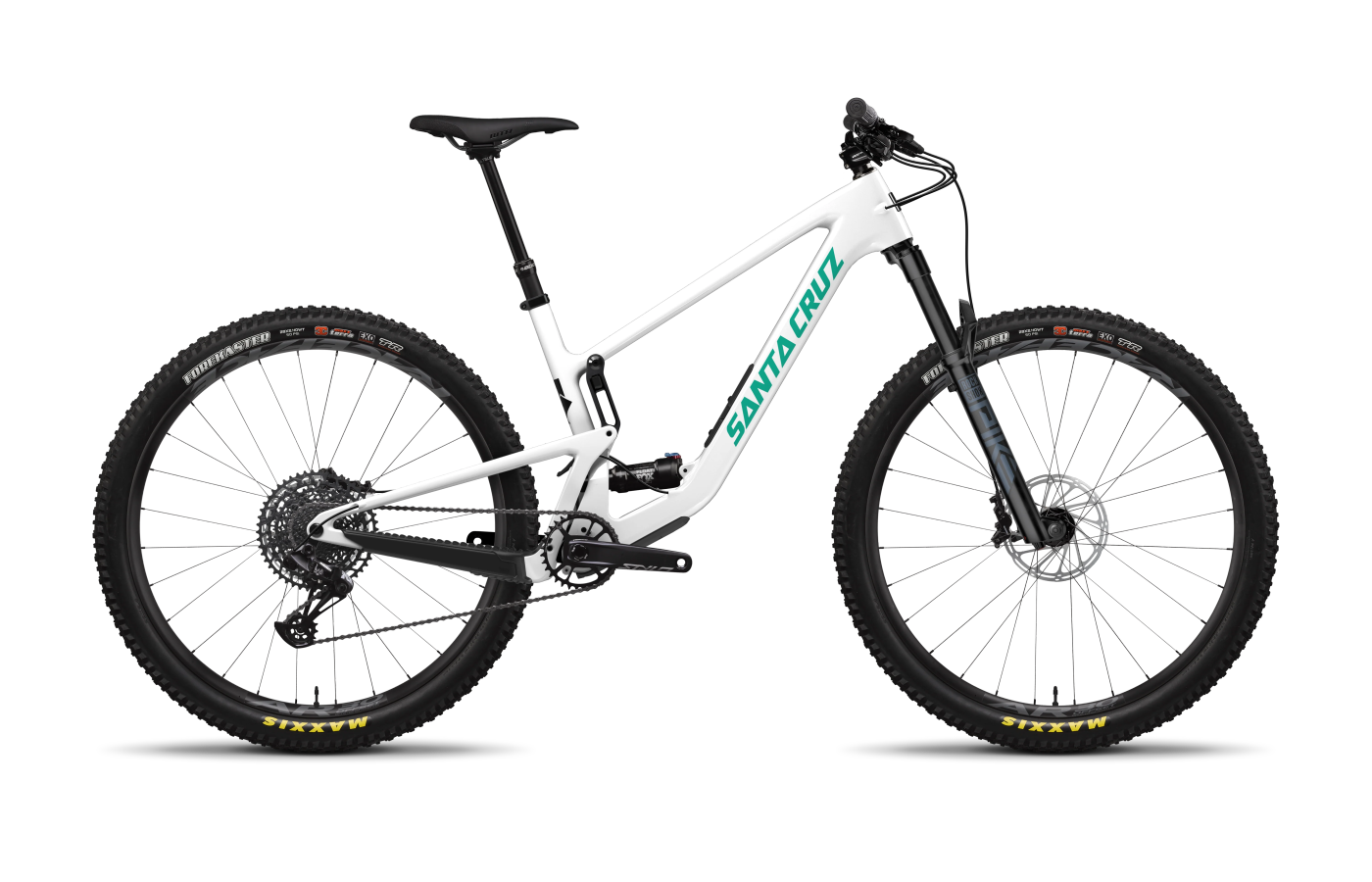
The Santa Cruz Tallboy is the classic Ripley cross-shop — 120 mm rear, VPP suspension, similarly versatile but slightly more planted than playful. A safer pick if 'fun' isn't your top word.
Compare →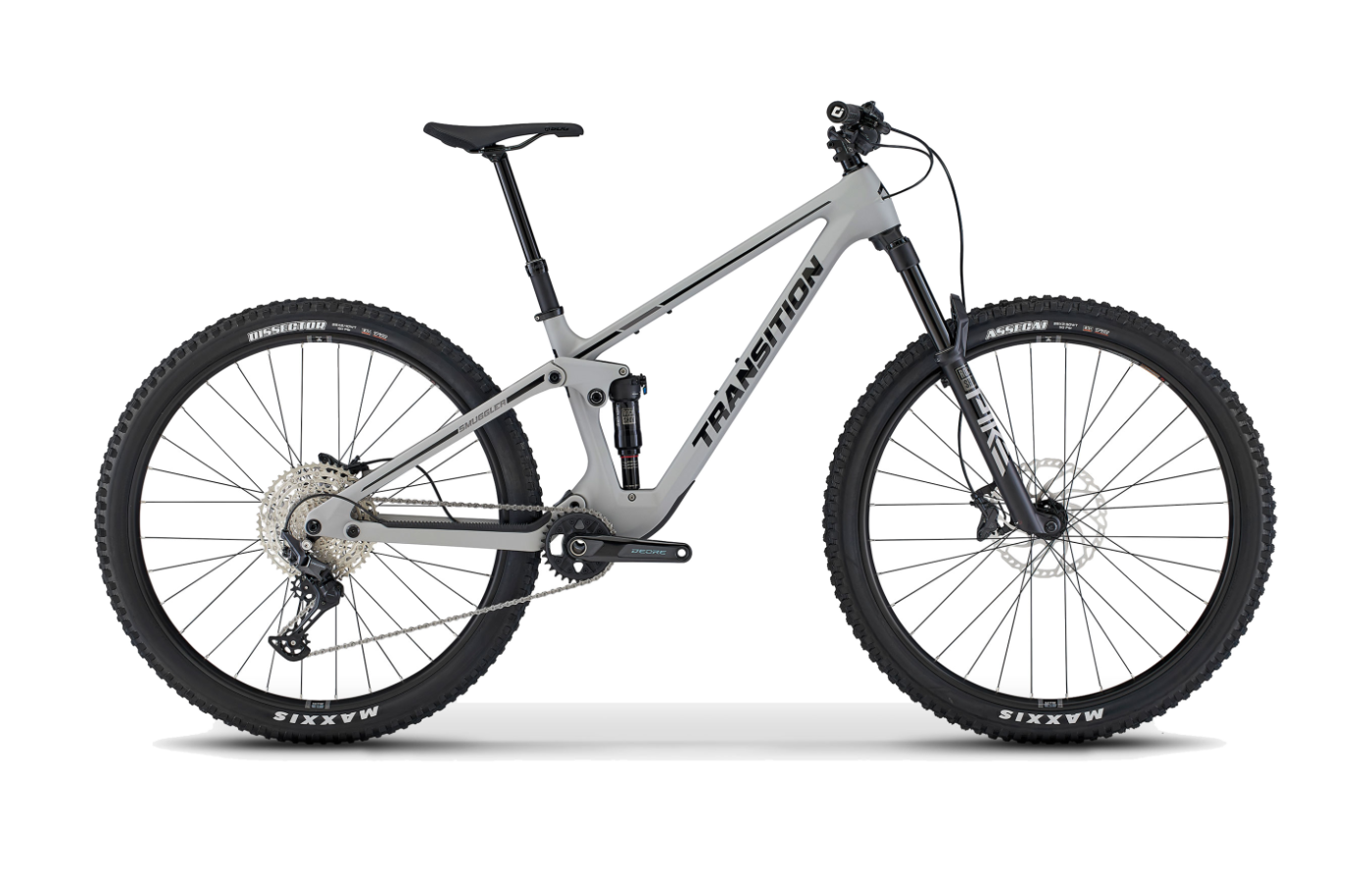
Smuggler
Transition Smuggler — 130 mm rear, more mini-enduro than mini-XC. Steeper, chunkier terrain than the Ripley wants, without the idler complexity of the Optic.
Compare →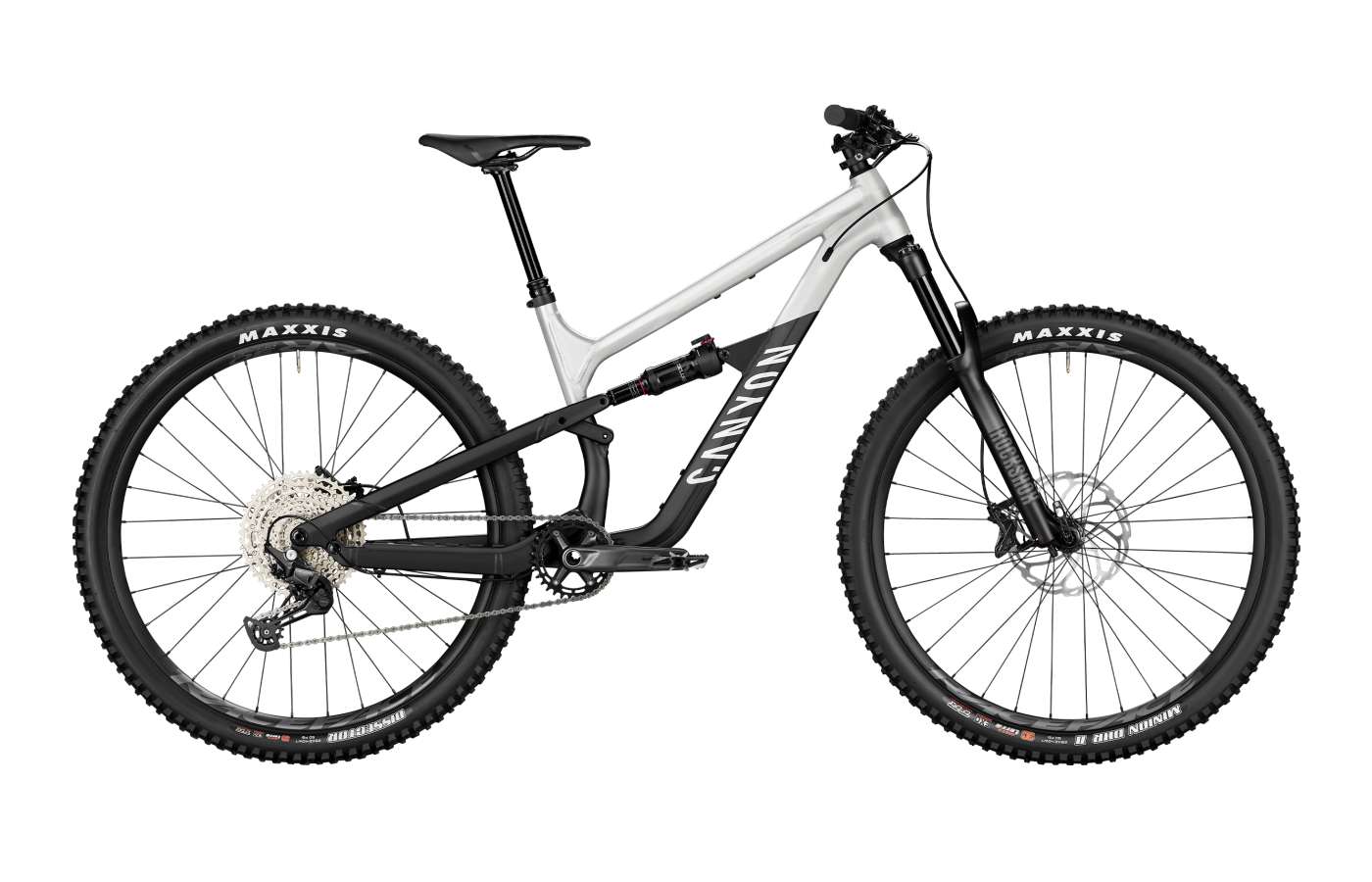
Spectral 125
Canyon Spectral 125 — same 125 mm rear travel as the Optic but with a conventional four-bar layout. Direct-to-consumer pricing, no idler, none of the high-pivot quirks. The pragmatic Optic alternative.
Compare →