Ripley
vsSmuggler
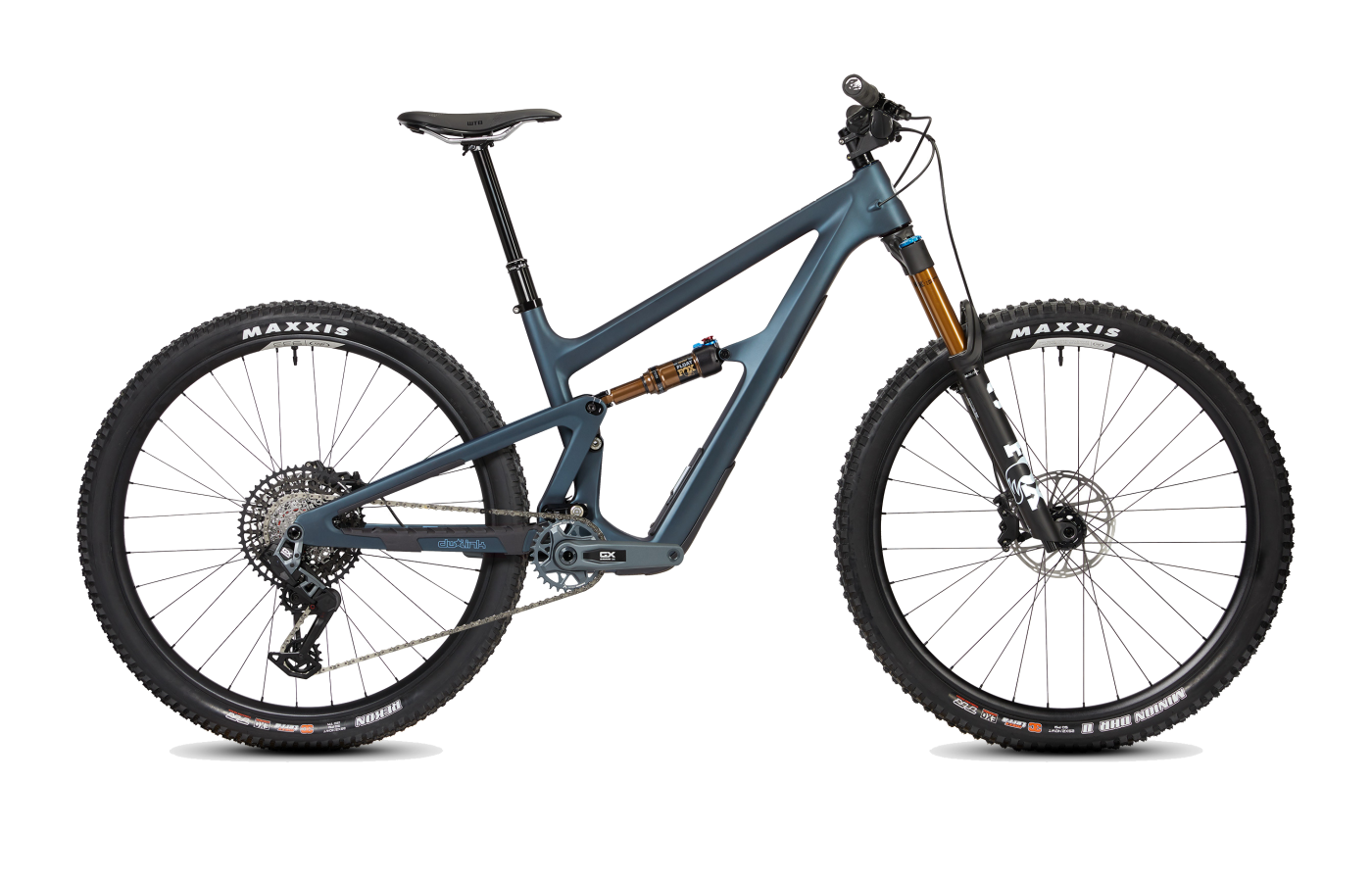
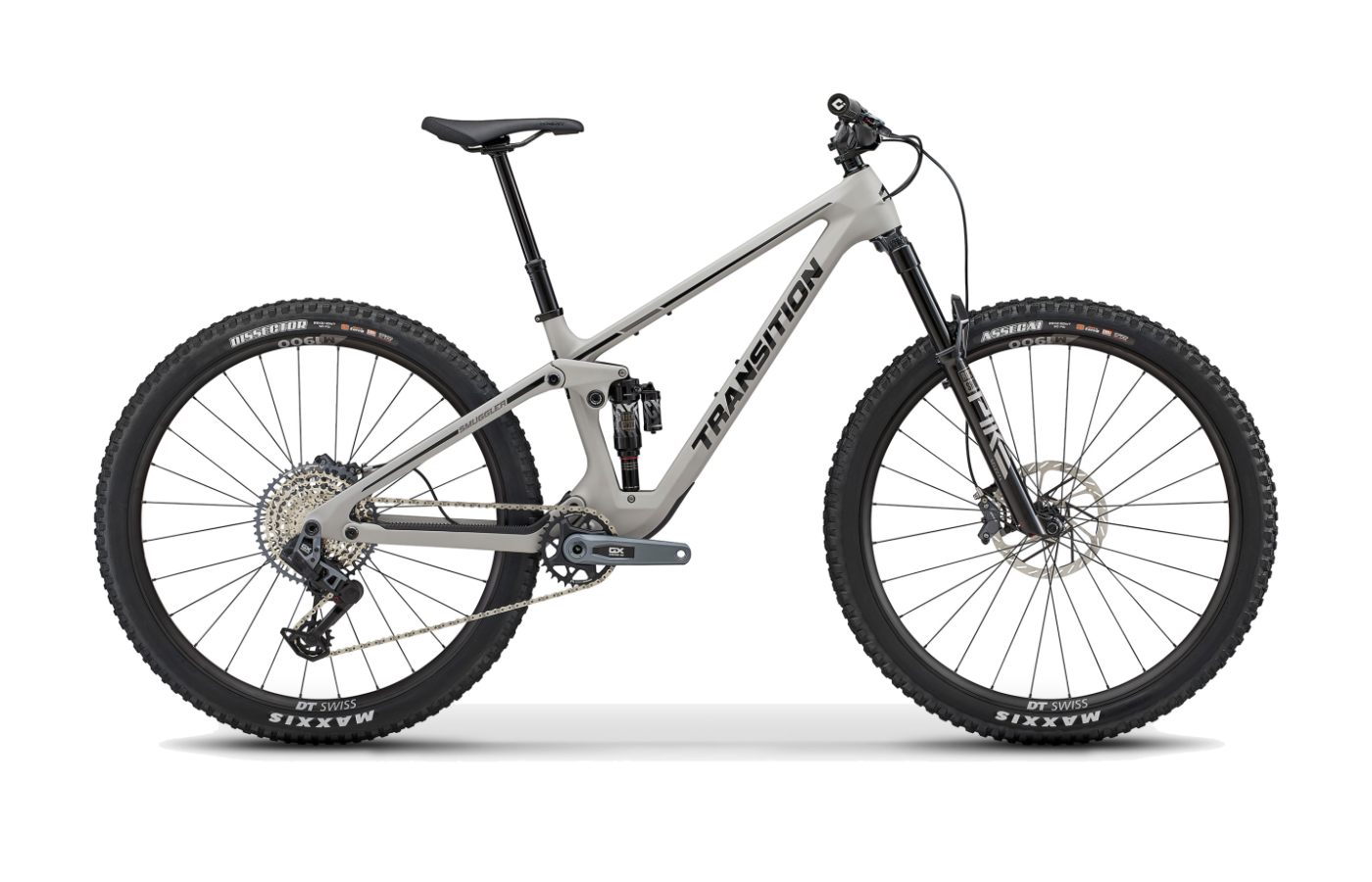
Same travel, different attitudes.
The Ripley is the climber's trail bike that learned to descend. The Smuggler is the descender's trail bike that learned to climb.
Ripley
- Class-leading climbing efficiency — DW-Link plus a steepening seat tube and fast-rolling tires make this the bike to spec for big-day epics.
- Better spec-per-dollar at every tier — full Fox Factory and Industry Nine hubs at the same price points where the Smuggler ships RockShox Select+ and DT 370s.
- STOW internal frame storage — rattle-free, glove-friendly, and a feature the Smuggler simply doesn't offer.
- Carbon-only — there's no alloy build to bring the entry price below $4,999.
- Lower 42 mm BB drop encourages pedal strikes if you run sag deeper than 28%.
Smuggler
- Aggressive descender at heart — Speed Balanced Geometry and the GiddyUp suspension make this ride well above its 130 mm of travel on rough terrain.
- Steeper 78.6-degree seat tube — positions the rider directly over the BB for technical climbing without hunching.
- Alloy build option at $3,499 — the only path into the Smuggler character below $5k.
- Mid-tier carbon builds run RockShox Select+ where the Ripley runs Fox Factory at the same price.
- No internal frame storage, and the "Loam Cupboard" cable opening at the BB is known to funnel mud into the bearings.
Editor’s analysis
On paper, these two are nearly identical — 130 mm rear, 140 mm front, ~65-degree head angles, both built around a sub-30-pound carbon chassis. On the trail, they ride like cousins from opposite sides of the family.
The Ibis Ripley V5 is the evolved climber. DW-Link suspension, the steepening seat tube (76.9 degrees on a medium), and Maxxis DHR II / Rekon tires combine to produce a bike that reviewers consistently call a "bat out of hell" on ascents. Internal STOW frame storage, threaded BB, and full sleeving for cable routing make it a bike you can actually live with for years. The catch — it's carbon-only, so the entry price is $4,999 and there's no alloy escape hatch.
The Transition Smuggler V3 picks the other side of the same line. Same travel numbers, but a Horst-link "GiddyUp" suspension with 27% progression that's tuned to pop and resist bottom-outs rather than soak chunder. The seat tube is steeper (78.6 degrees on a medium), the BB drop is shallower at 35 mm versus the Ripley's 42 mm — meaning fewer pedal strikes but a less "in the bike" descending feel. The Smuggler ships with burlier Maxxis Assegai / Dissector tires, signaling its intent: a mini-Sentinel that wants to be ridden hard.
Spec-for-spec, the Ripley wins the value fight. At the GX AXS Transmission tier, the Ripley costs $550 more than the Smuggler ($7,249 vs $6,699) but ships Fox Factory suspension front and rear, while the Smuggler matches it with RockShox Select+ — a notable damper-tier gap. Reviewers from BikeRadar and Vital MTB have explicitly called out the Smuggler's mid-tier builds as cutting corners on hubs and rims for the price. Add Ibis's STOW frame storage and the Ripley simply has more to show for the money.
Where the Smuggler claws back ground is character. It's the bike that rewards the active rider — the one pumping every transition, popping off every root, looking for sketchy side hits. The Ripley does plenty of that too, but it's a more measured machine: efficient first, playful second. Pick the Ripley if your idea of a great ride is a 4,000-foot climb and a long descent. Pick the Smuggler if your idea of a great ride is short laps and big air.
Where the builds differ.
Comparing our editor's-pick builds side-by-side. Winners highlighted row-by-row — lower price and weight, and the better-spec component, each mark a point.
Build variants & pricing
Both lines run from a Deore-tier entry point up through wireless-electronic flagships. The Ripley starts $1,500 higher because it's carbon-only; the Smuggler scales lower thanks to its alloy build.
Prices are current US MSRP. The editor's-pick comparison is a tier-matched SRAM GX AXS Transmission build on each side — the cleanest apples-to-apples view of what each platform delivers at the mid-carbon level.
How they fit, how they steer.
Both at MD — the fit-picked size for a 5'8" rider on each bike. Reach is identical at 460 mm and head tube angles match within 0.1 degrees, but the Smuggler runs a 1.7-degree steeper seat tube and a 7 mm shallower BB drop, putting the rider further forward and higher off the ground.
Which size should I buy?
Size recommendations based on stack, reach, and effective top tube. The Ripley has five sizes (SM through XL); the Smuggler offers an XXL on top, making it the better fit option for riders above 6'2".
→These are starting points. Flexibility, riding style, and preferred position all shift the answer — if you’re between sizes, a professional fit beats a chart.
What the magazines said.
Published reviews from trusted cycling outlets. Click through for the full write-up.
Which one should you buy?
If most of your day is spent going up, get the Ripley. If most of your day is spent going down, get the Smuggler.
Ripley
If you log long days on mixed terrain — sustained climbs, rolling singletrack, the occasional rowdy descent — the Ripley is the more efficient and better-equipped choice. The DW-Link suspension, lighter rear tire, and STOW storage make it the natural "only bike" for riders who treat their MTB as transportation as much as recreation.
Smuggler
If your idea of a perfect ride involves shuttling laps, hitting jumps, or finding lines on terrain meant for longer-travel bikes, the Smuggler delivers. Its progressive Horst-link suspension and aggressive Assegai/Dissector tire spec encourage the kind of riding that out-eats the Ripley's polished demeanor.
Questions buyers actually ask.
Short answers to the things we get emailed about most often.
01Do these really have the same travel?
Yes — 130 mm rear and 140 mm front on both, and both shocks are 210x52.5 mm air units (Fox Float Factory on the Ripley, RockShox Super Deluxe on the Smuggler). The travel numbers are identical.
Where they differ is suspension character. The Ripley uses Ibis's DW-Link with a moderately progressive curve and a soft initial stroke. The Smuggler uses a Horst-link with 27% progression — meaning it ramps up much more aggressively toward the end of the stroke, which is what lets it absorb big hits without bottoming out but also gives it that "poppy" character reviewers describe.
02Which one climbs better?
The Ibis Ripley, on most climbs. Two reasons:
First, the DW-Link is one of the most pedal-efficient platforms in mountain biking — reviewers from MTB Yum Yum and 99 Spokes both describe it as a "bat out of hell" climber that holds its travel under power. Second, the stock tire spec — Maxxis DHR II front, faster-rolling Maxxis Rekon rear — has measurably less rolling resistance than the Smuggler's Assegai / Dissector pairing.
The Smuggler's 78.6-degree seat tube is steeper than the Ripley's 76.9, so it pushes you further forward over the BB on technical climbs. But that's a body-position advantage, not a watts-saved one. On a long fire-road climb, the Ripley will be the faster bike for most riders.
03Which descends better?
Closer than you'd think — both have nearly identical 65-degree head angles and the same travel — but the Smuggler edges it on technical, high-speed terrain.
The Smuggler's progressive GiddyUp suspension actively resists bottom-outs, and reviewers consistently describe it as "riding above its travel" on rougher terrain. The stock Maxxis Assegai front / Dissector rear combo is also notably more aggressive than the Ripley's spec — better grip in loose conditions, more confidence in the wet.
The Ripley is no slouch — it shares its front triangle with the longer-travel Ripmo and is a much more capable descender than the V4 it replaces. But if your trails are genuinely rough, the Smuggler's setup is the better tool.
04Why is there no alloy Ripley?
There used to be — the Ripley AF was Ibis's aluminum trail bike — but it's not part of the V5 generation. The V5 is offered in carbon only, with the Deore build at $4,999 as the entry point.
If alloy matters to your budget, the Smuggler is the pick: the Alloy Deore build comes in at $3,499, $1,500 cheaper than the cheapest Ripley. Ibis's argument is that the carbon frame doesn't add weight versus aluminum (the V5 medium weighs ~29-30 lb), but it does add cost.
05Does the lack of internal storage on the Smuggler matter?
It's situational. The Ripley's STOW system has been universally praised by reviewers as the best-executed in the category — rattle-free thanks to included Cotopaxi bags, glove-friendly latch, and proper sealing. You can stash a tube, tool, jacket, and snacks without a bag.
The Smuggler doesn't have it. If you ride with a hip pack or hydration vest you'll never notice. If you're the rider who wants to leave the house with nothing but the bike, it's a real omission — and one of the harder limitations to engineer around without a frame redesign.
06How serviceable are these bikes long-term?
Ripley: Threaded BB, full cable sleeving, traditional press-in headset cups, and a 34.9 mm seatpost (which means more durable dropper options). Reviewers cite straightforward maintenance and Ibis's lifetime frame warranty as a major part of the value pitch.
Smuggler: Also threaded BSA bottom bracket, SRAM UDH derailleur hanger, and a lifetime warranty. But Pinkbike and BikeRadar both flagged the "Loam Cupboard" — a gap in the BB shell where cables enter the rear triangle — as a debris funnel that accelerates lower-pivot bearing wear. Pinkbike reported their first set of bearings lasted only 2-3 months. Plan on more frequent pivot service.
07Can I mullet either of these?
Ripley: Yes, via a flip chip in the rocker link that corrects geometry when you swap the rear wheel from 29 to 27.5. The catch — you have to remove the shock to access the flip-chip bolts, so it's a workshop job, not a trailhead conversion.
Smuggler: Officially 29-only. Transition does sell mullet-specific bikes (Sentinel, Patrol) but the Smuggler isn't engineered for it.
08Which has a better build at the editor's-pick price?
We picked the Ripley GX Transmission ($7,249) vs the Smuggler Carbon GX AXS ($6,699) — both running SRAM GX Eagle AXS Transmission, both at the mid-carbon tier where most serious trail riders end up.
The Ripley is $550 more expensive but ships Fox Factory suspension front and rear. The Smuggler at the same tier ships RockShox Select+ — a damper tier below. Wheelsets are roughly equivalent. The pricing gap reflects the spec gap; if you tier-match suspension by upgrading the Smuggler's shock and fork, the cost-to-equivalent-spec is closer than the sticker prices suggest.
Similar bikes
If your priorities don’t map cleanly onto either of these, one of these adjacent bikes probably fits better.
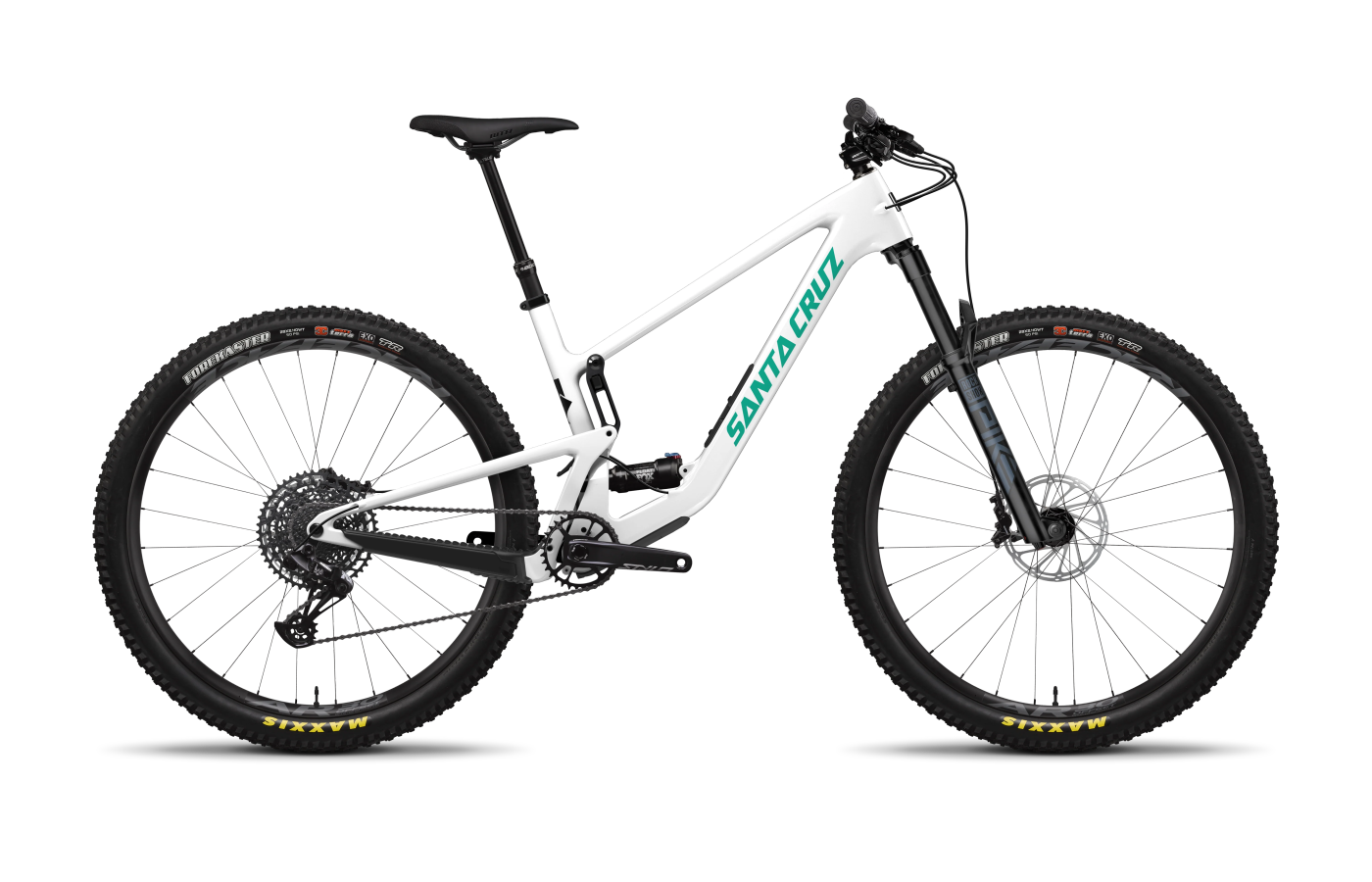
Tallboy
The most-cross-shopped alternative — a 130 mm trail bike with VPP suspension and Santa Cruz's signature refined ride feel. Splits the difference between the Ripley's polish and the Smuggler's aggression.
Compare →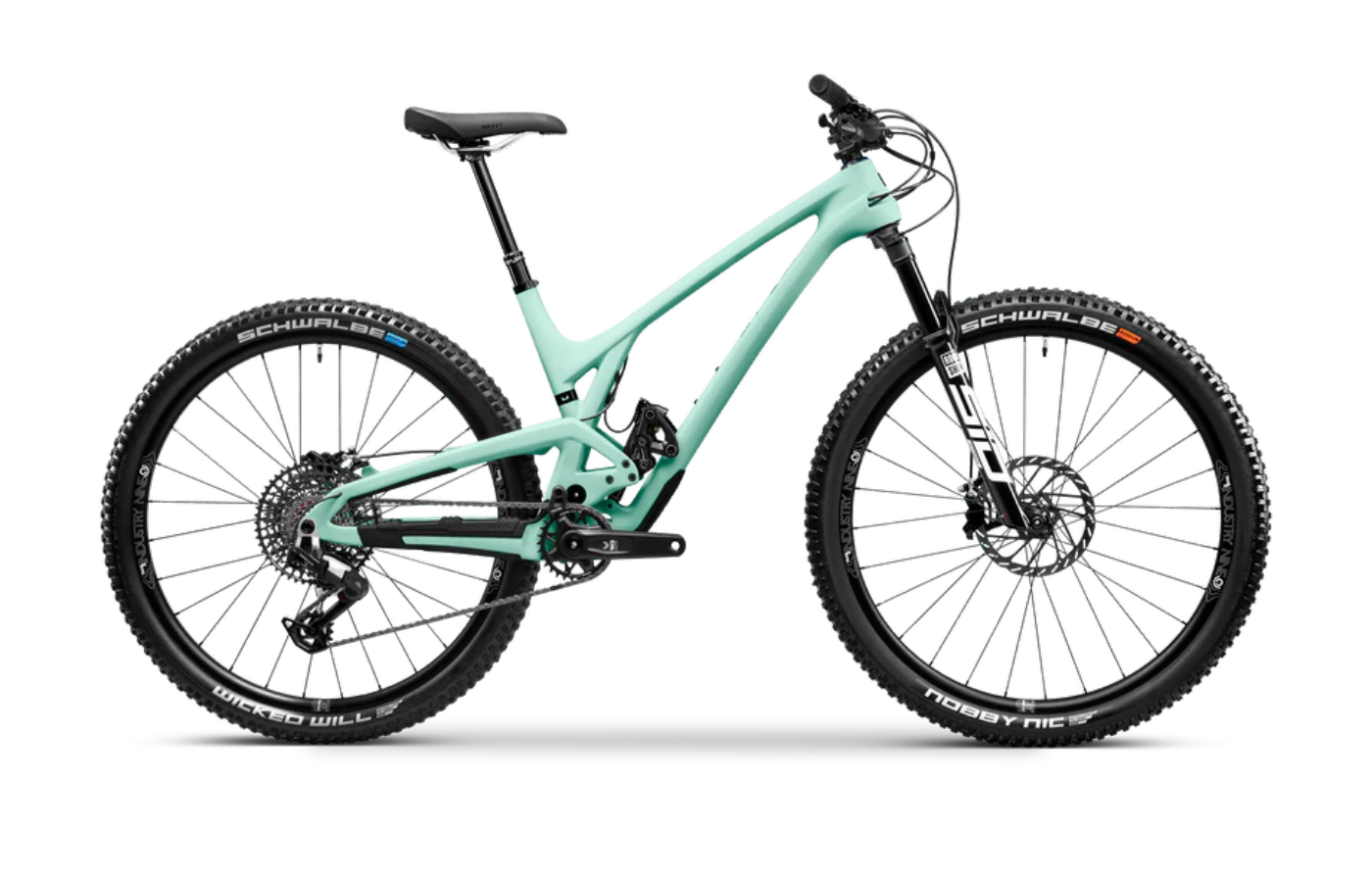
Following
The original "rides above its travel" trail bike. Evil's DELTA suspension is the wildcard pick for riders who like the Smuggler's aggressive bent but want sharper, more eccentric handling.
Compare →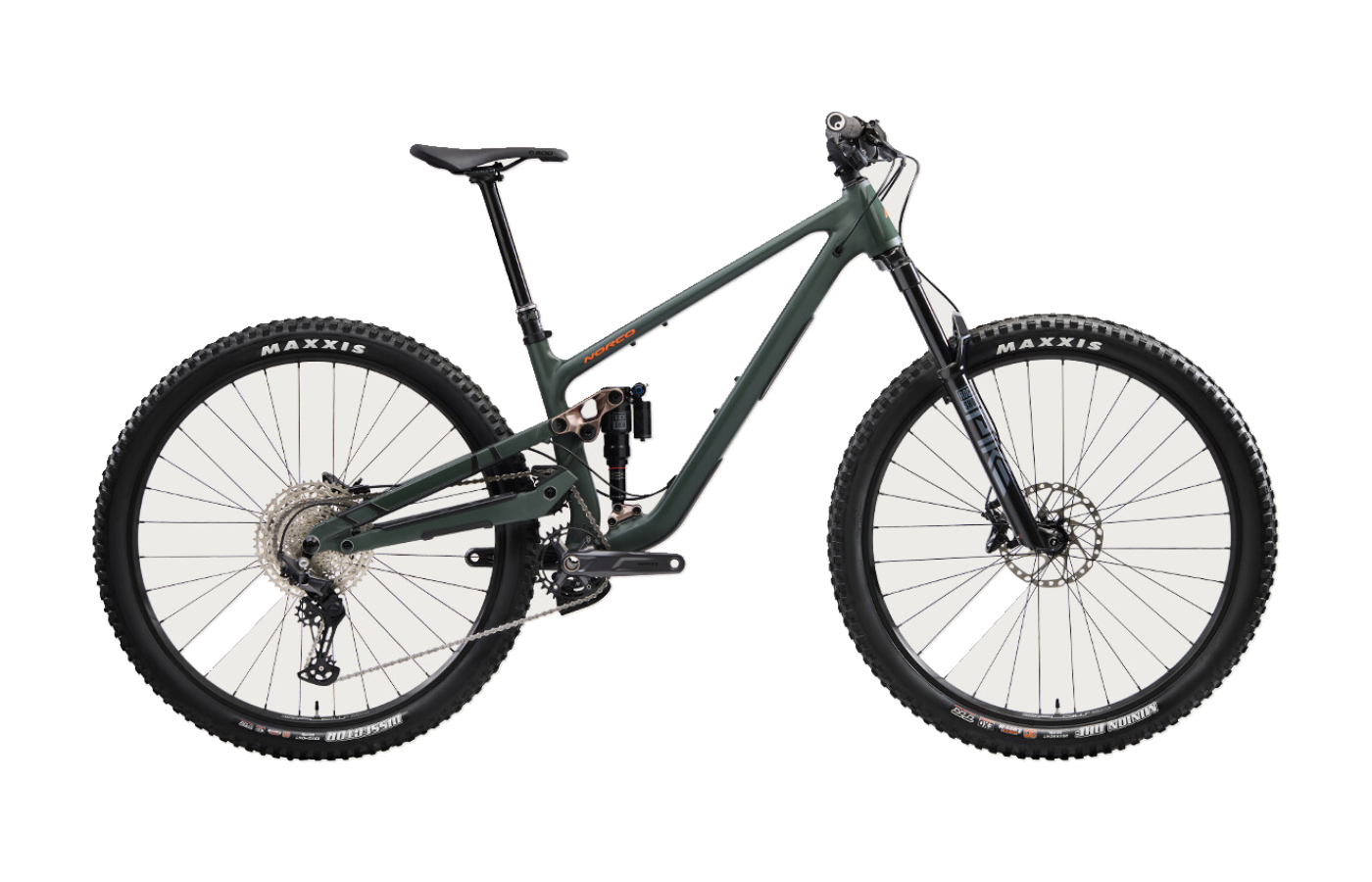
Optic
Norco's 125 mm short-travel bike, with Ride Aligned size-specific tuning and a planted, descent-focused character. The closer pick if the Smuggler's mini-enduro pitch resonates.
Compare →