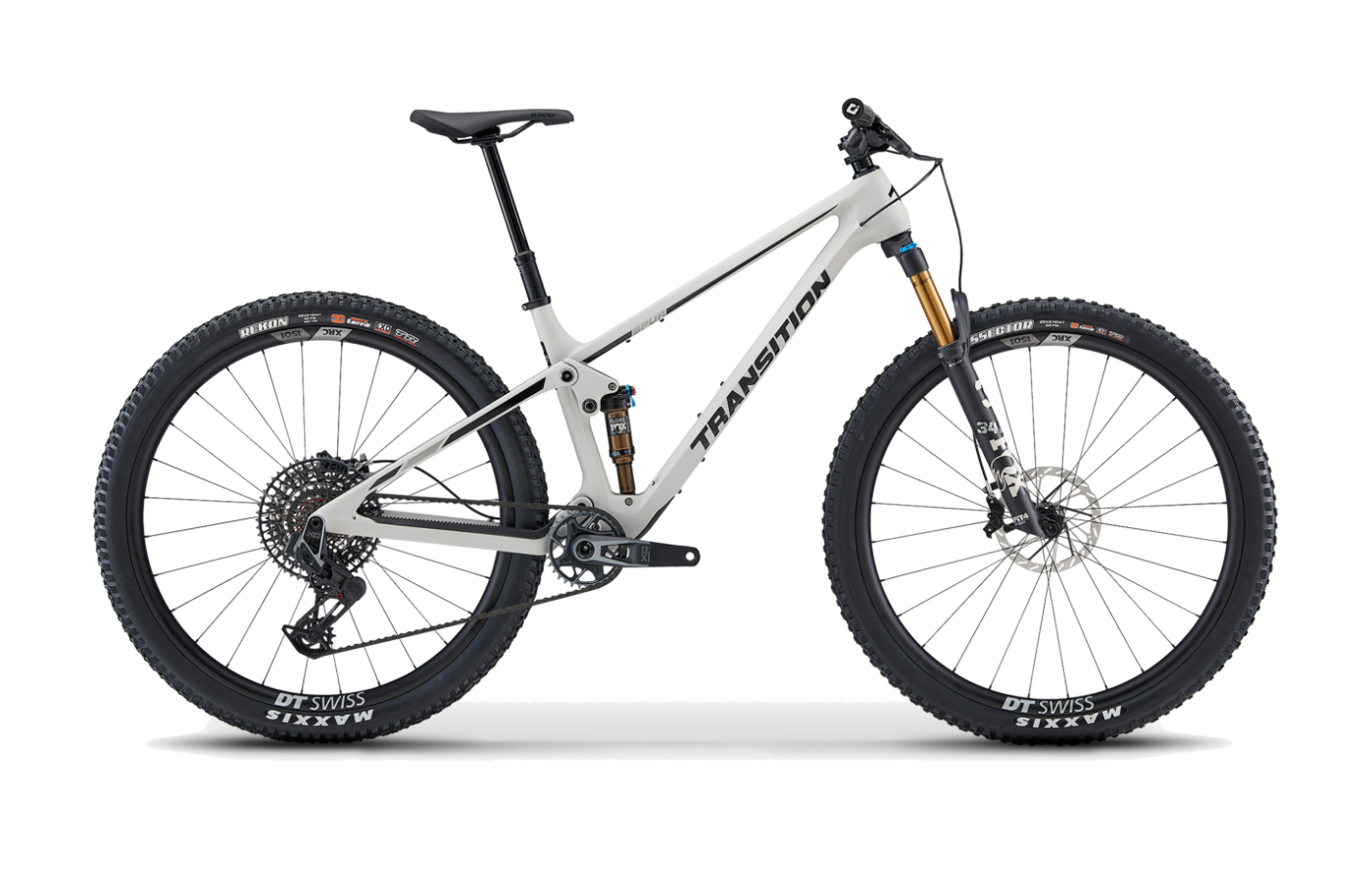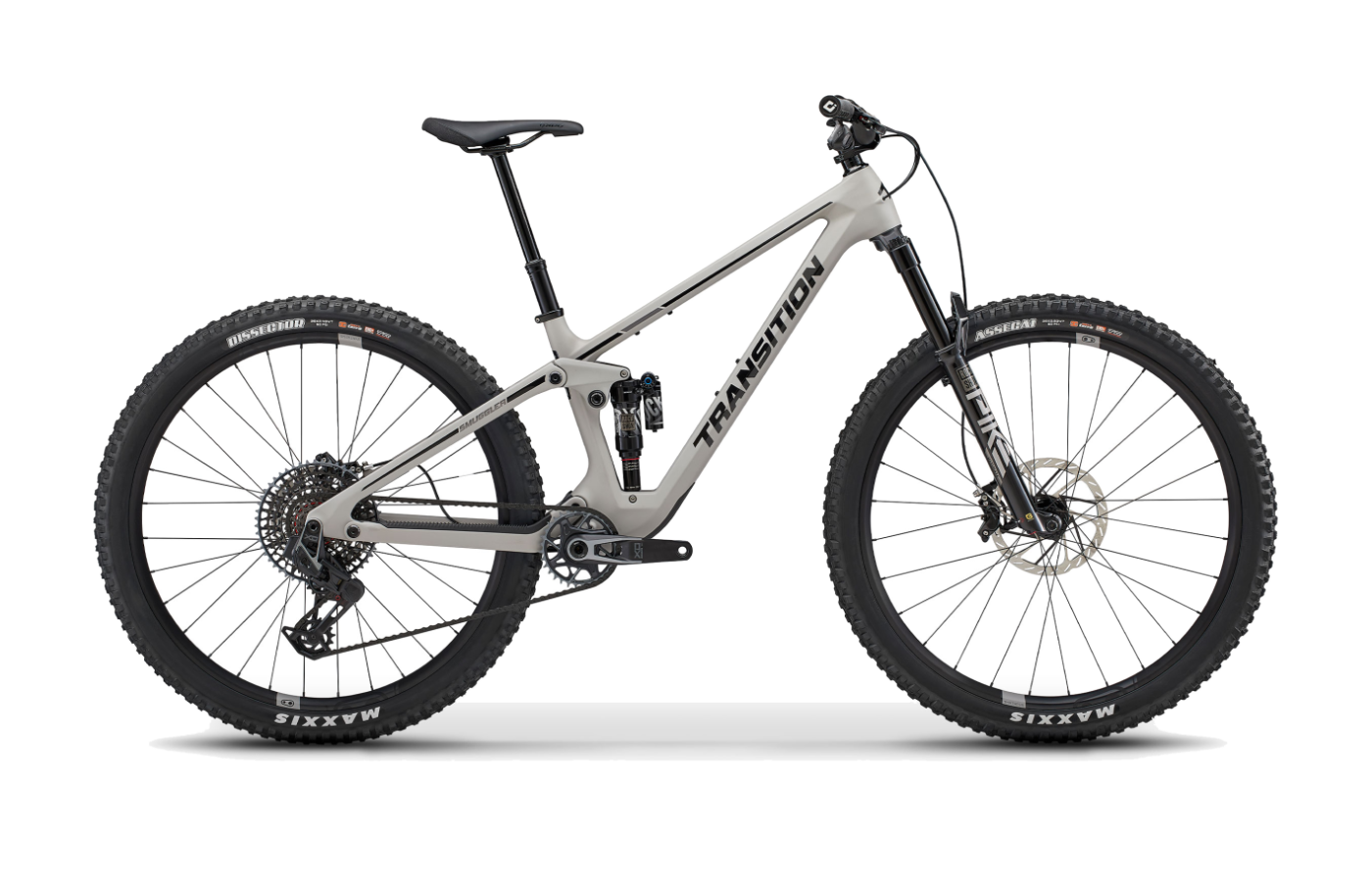
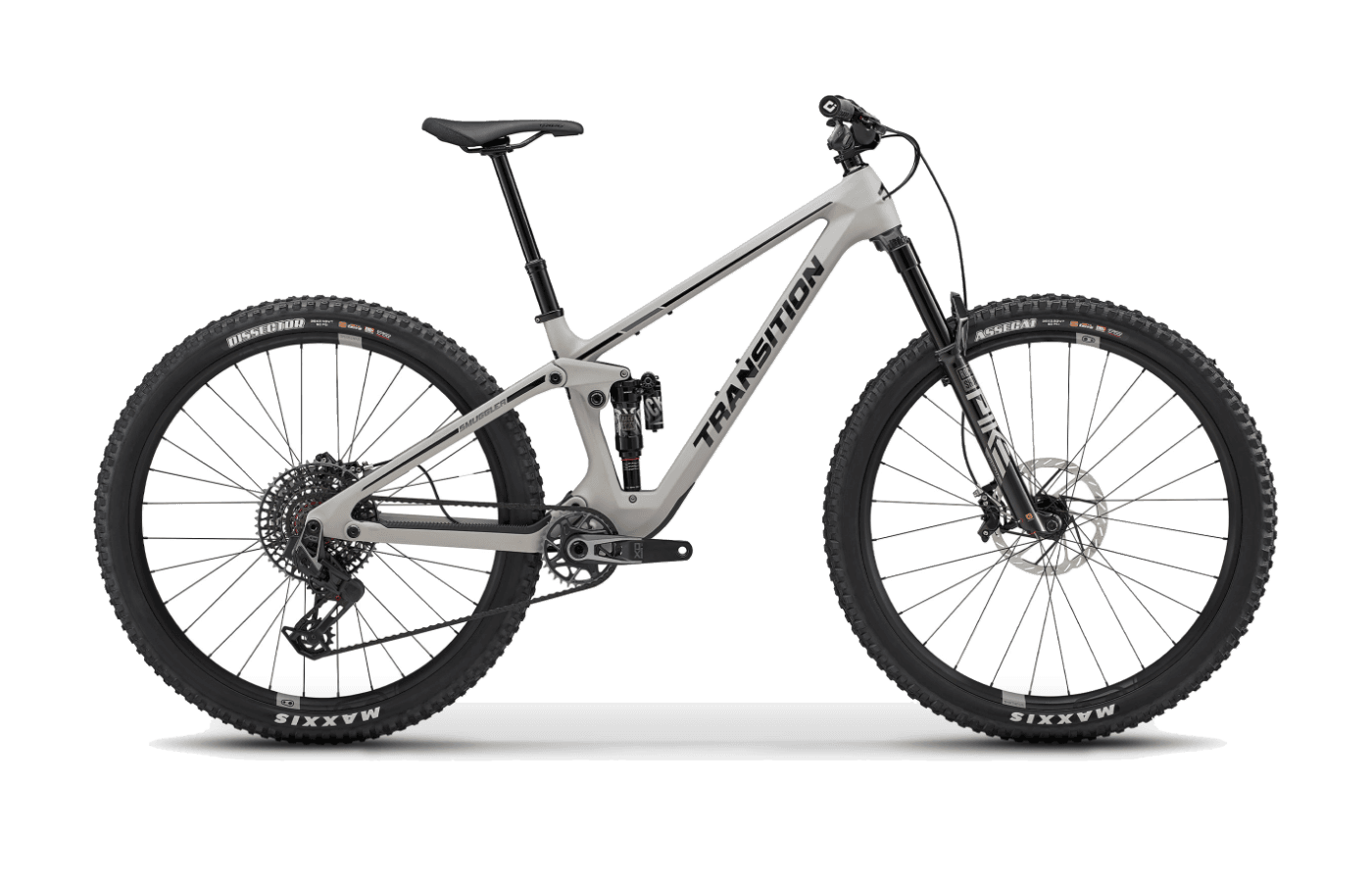
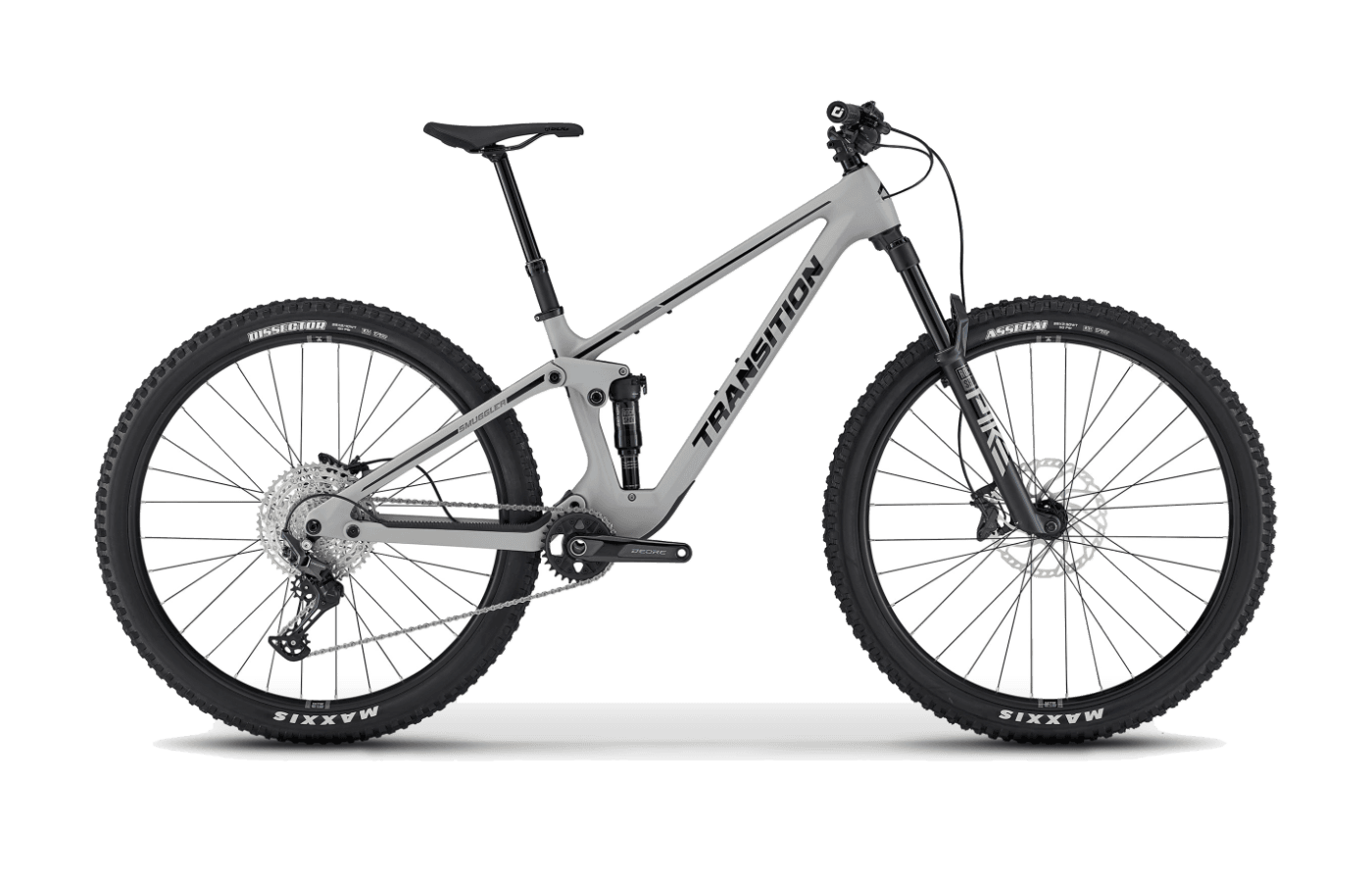
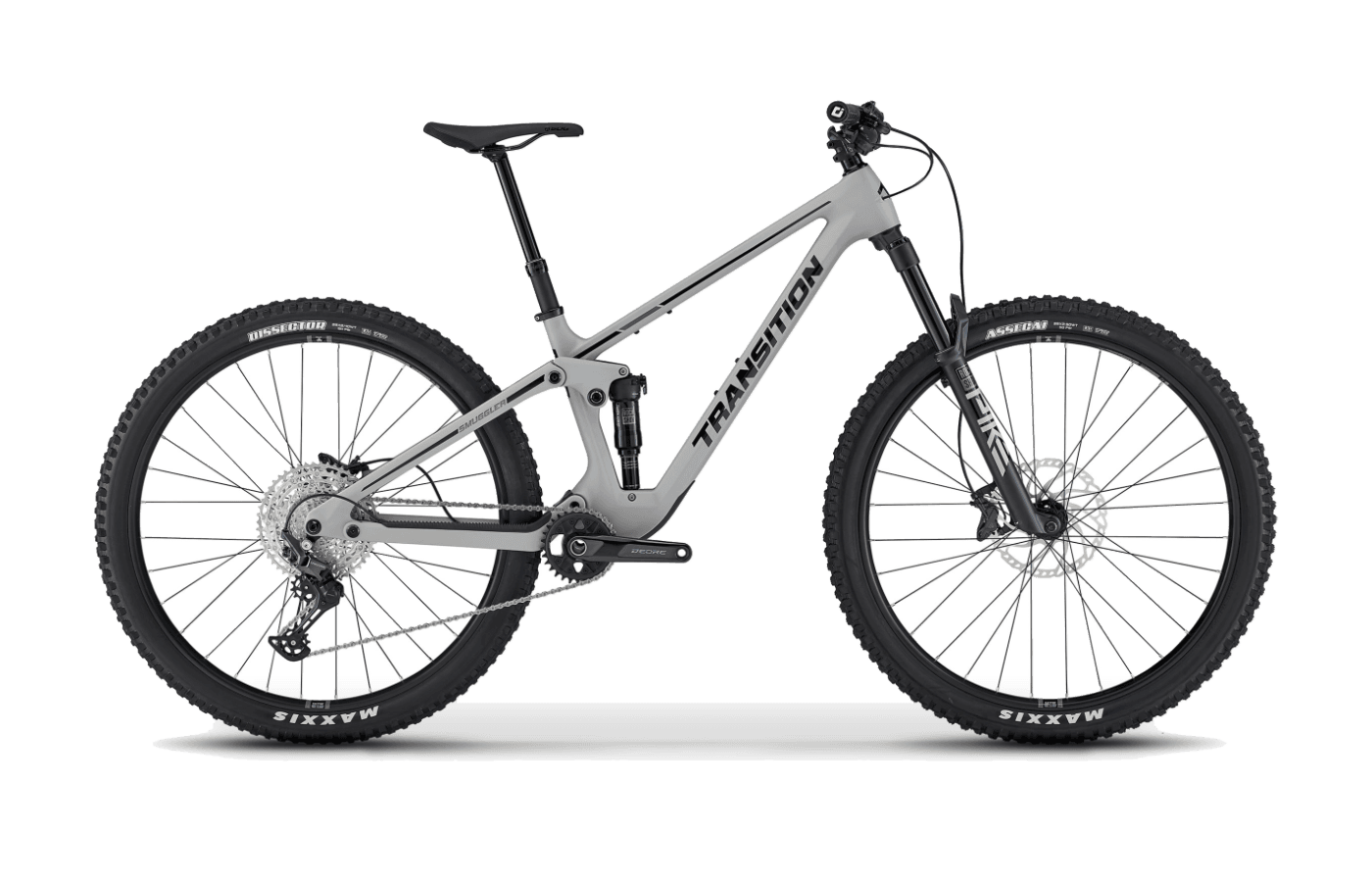
The Transition Smuggler returns for its third generation as a mid-travel 29er trail bike, slotting neatly between the brand's short-travel Spur and the enduro-focused Sentinel. Built around 130mm of rear travel and a 140mm fork, the V3 frame is offered in both carbon and aluminum. It utilizes Transition's familiar Horst-link suspension design, but with a highly progressive leverage curve designed to handle aggressive riding without requiring a massive shock. Transition modernized the frame packaging for this generation, moving to drop-in headset bearings and routing cables through the head tube. The bike is aimed squarely at riders who want a versatile, everyday platform that pedals efficiently enough for long backcountry loops but retains the structural composure to handle steep descents. For those looking to push the bike further, the frame easily accepts a 150mm fork and can be bumped to 140mm of rear travel by removing a shock spacer.
Where to get it.
No retailers stocking size MD.
No retailers carrying size MD right now.
Spec sheet.
Every component shipped with this build.
Geometry & fit.
5 sizes published.
The Smuggler’s geometry is built around a slack 65-degree head tube angle and a notably steep effective seat tube angle that hovers around 78 degrees, depending on the frame size. This combination creates a highly centered, upright seated position that naturally weights the front wheel on steep climbs without requiring the rider to aggressively shift their body forward. Because the seat tube is so steep, the seated cockpit can feel slightly shorter than the generous reach numbers might suggest.
To maintain consistent handling across the size run, Transition utilizes size-specific chainstays. The Small and Medium frames feature a 435mm rear center, while the Large, X-Large, and XX-Large frames move to 440mm. This approach helps keep the rider’s weight balanced between the wheels regardless of their height.
The frame features a low 35mm bottom bracket drop, which contributes heavily to the bike’s praised cornering stability and low center of gravity through sweeping turns. However, this low-slung chassis does demand precise ratcheting and crank awareness to avoid pedal strikes on technical, ledgy climbs. Short seat tubes across the board allow riders to run exceptionally long-travel dropper posts, maximizing clearance for descending.
Where the handlebar sits relative to the bottom bracket — the single most important fit pair.
01Fit geometry4 values
02Component geometry4 values
03Handling geometry4 values
Which size should I buy?
Slide your height to see the recommended size. GearWise's fit algorithm works from the published stack, reach, and ETT — the brand's own recommendation may differ.
→Calculated from GearWise's own stack / reach / ETT algorithm — the brand's size chart may recommend a different size, and a proper bike fit beats any calculator.
The lineup.
5 builds, ranging $3,499 – $7,799.
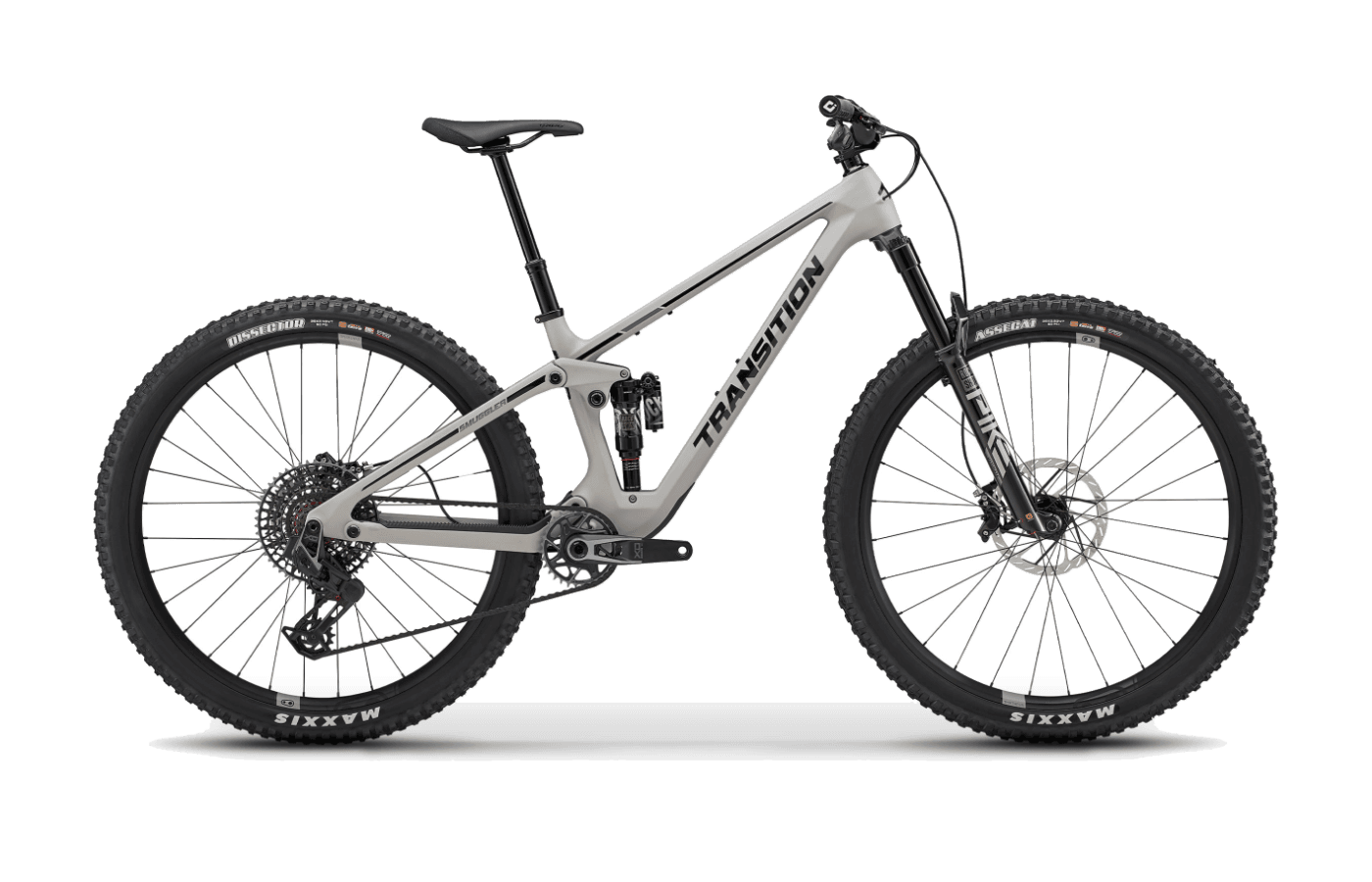
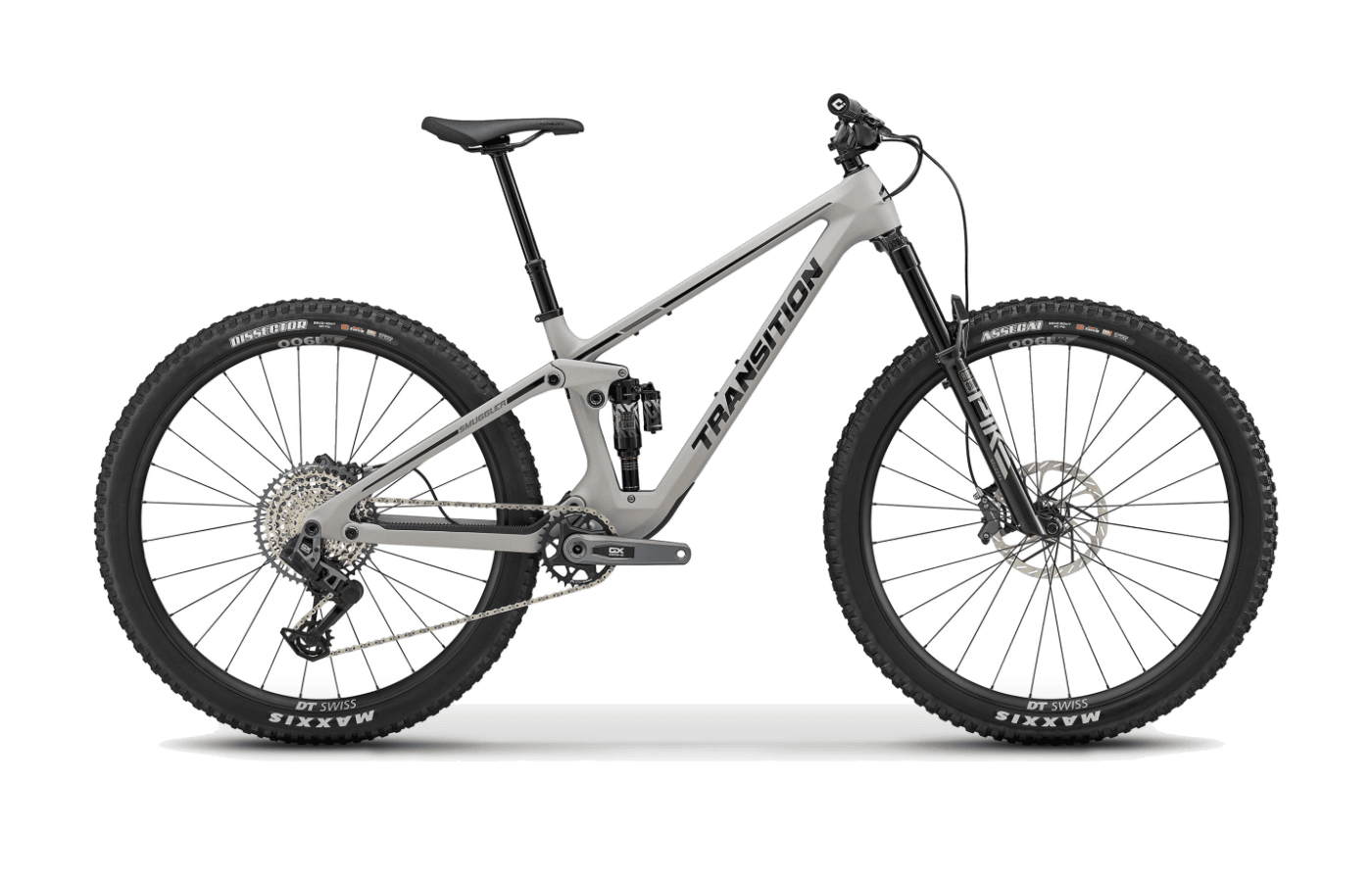
The Smuggler lineup spans five complete builds, starting with an aluminum frame option and scaling up to premium carbon configurations. The entry-level Alloy Deore build pairs a RockShox Psylo Gold RC fork with a Shimano Deore 12-speed drivetrain, offering a functional starting point for riders prioritizing the frame's geometry over high-end dampers.
Moving into the carbon frames, the Carbon Deore build upgrades the fork to a RockShox Pike Base while retaining the reliable Shimano Deore drivetrain and 4-piston brakes. The mid-tier Carbon Eagle 90 and Carbon GX AXS builds introduce wireless electronic shifting and step up to RockShox Select+ suspension. The GX AXS model specifically features SRAM's robust Transmission drivetrain and Code Bronze Stealth brakes, rolling on DT Swiss M 1900 wheels.
At the top of the range, the Carbon XO AXS build maximizes performance with RockShox Ultimate-level suspension, a SRAM XO Transmission, Code Silver Stealth brakes, and Crankbrothers Synthesis Enduro Alloy wheels. Across all builds, Transition specs aggressive Maxxis rubber and includes long-travel dropper posts. Reviewers frequently note that while the Smuggler carries a premium price tag, the lower-tier alloy and base carbon models often represent the most practical value for riders willing to upgrade components over time.
From the press.
15 reviews from the cycling press.
Reviewers consistently praise the Smuggler for its exceptional cornering and high-speed stability, noting that it often feels like a much larger bike on the descents. The progressive suspension provides excellent bottom-out resistance, allowing riders to push hard into compressions and jump faces. However, this high progression means the rear end can sometimes "deflect and pinball around in loose rocks" (NSMB) if the shock volume is not carefully tuned. While it lacks the absolute plushness of some competitors, testers found that it rewards an "active riding style" (PinkBike) where the rider pumps the terrain to generate speed.
On the climbs, the steep seat tube angle keeps rider weight centered, making the bike "nimble on technical climbs" (Mountain Bike Rider) and highly capable on steep, loose ascents. The active suspension design generates massive traction, though several reviewers noted it can feel slightly sluggish on smooth fire roads compared to firmer, cross-country-leaning trail bikes. Testers also emphasized that the low bottom bracket requires careful pedal timing in rocky terrain, especially if the rear shock is set with too much sag.
The most common critique across publications centers on frame details and maintenance. Multiple reviewers reported a distracting amount of cable rattle inside the frame. Additionally, the routing port above the bottom bracket acts as a funnel for trail debris, which testers linked to premature wear on the lower main pivot bearings.
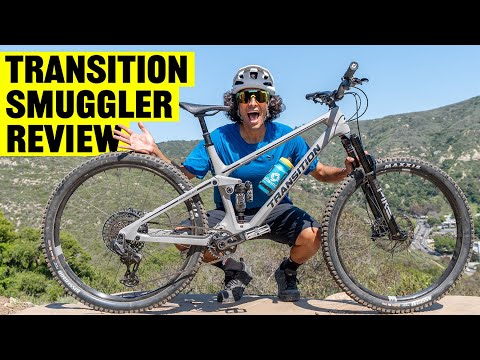
Transition Smuggler Review! (The Most Fun Bike I've Ridden?)

2024 Transition Smuggler Test Ride & Review - The Perfect ...

Transition Smuggler Carbon GX long-term review conclusion

2024 Transition Smuggler
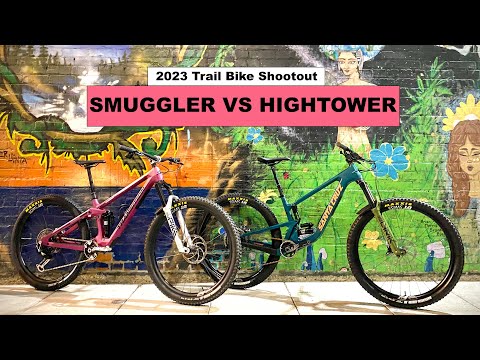
2023 Trail Bike Shootout | Transition Smuggler vs Santa Cruz ...
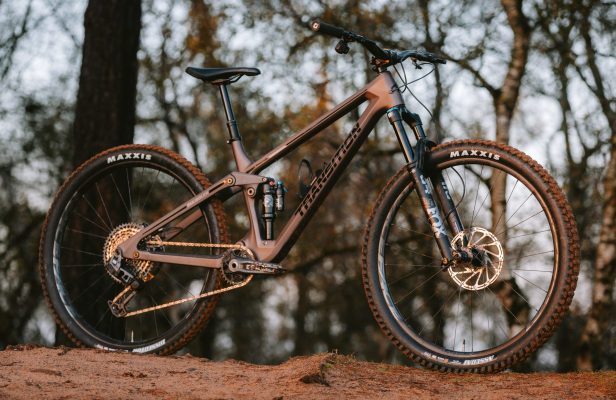
Transition's new Smuggler will steal your heart, but the ... - MBR
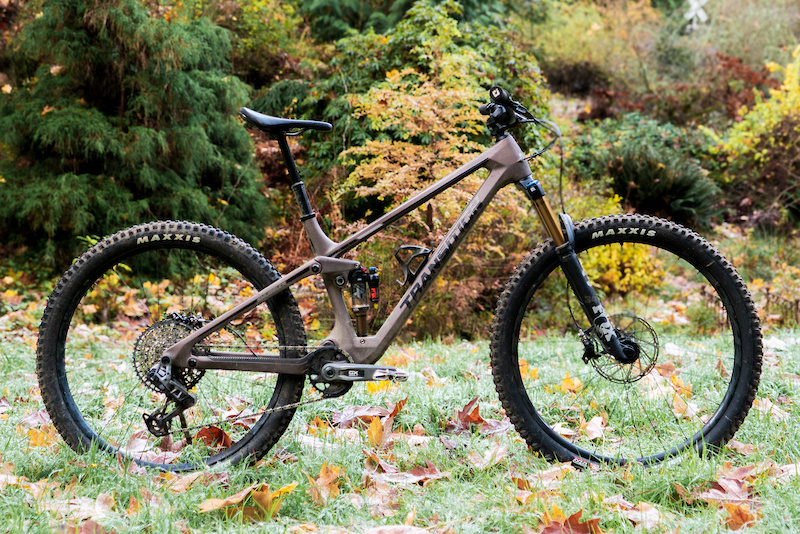
Review: 2023 Transition Smuggler - The Little Ripper
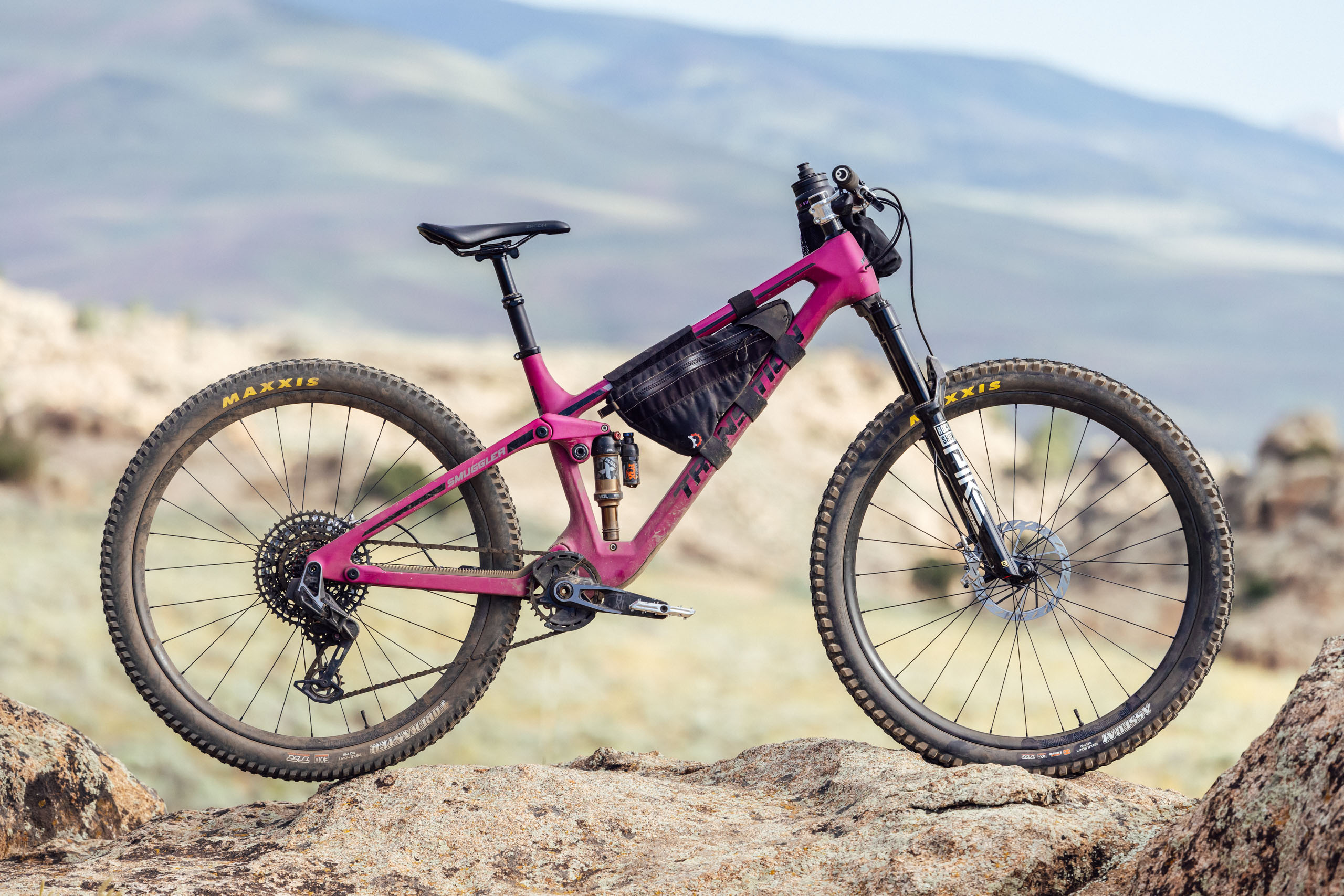
Transition Smuggler Review: Seven Revelations
2023 Transition Smuggler Carbon GX Bike (discontinued)
![Is Transition Smuggler Carbon GX AXS Splendid – [Transition Smuggler Carbon GX AXS Review]](https://paklmrfyhygqlkyhjcnf.supabase.co/storage/v1/object/public/storage/review-images/transition/smuggler/v3-2023/review-cdc6c8b5ea2d.jpg)
Is Transition Smuggler Carbon GX AXS Splendid – [Transition Smuggler Carbon GX AXS Review]
Tested: 2023 Transition Smuggler
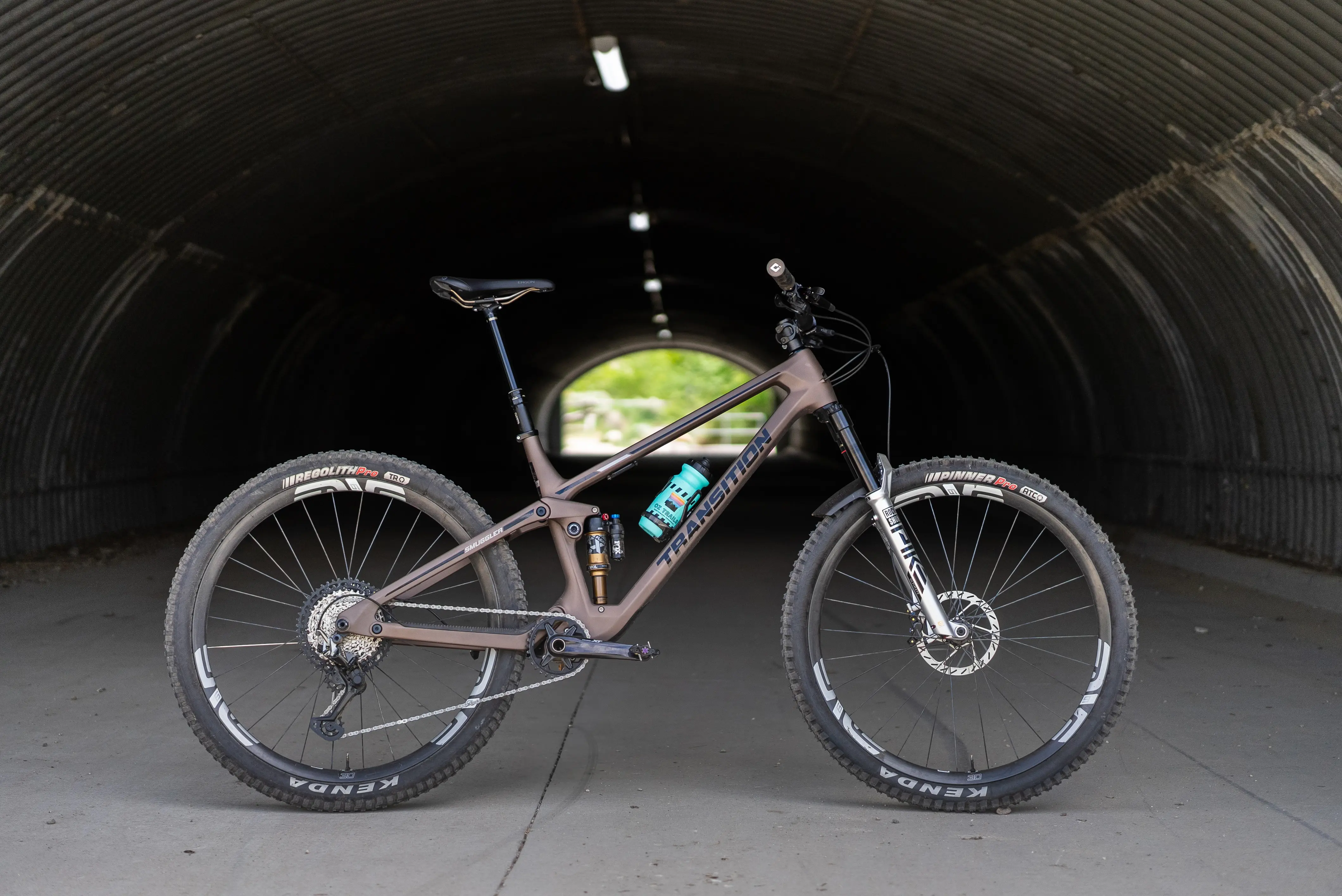
Transition Smuggler Review: The Perfect Compromise?
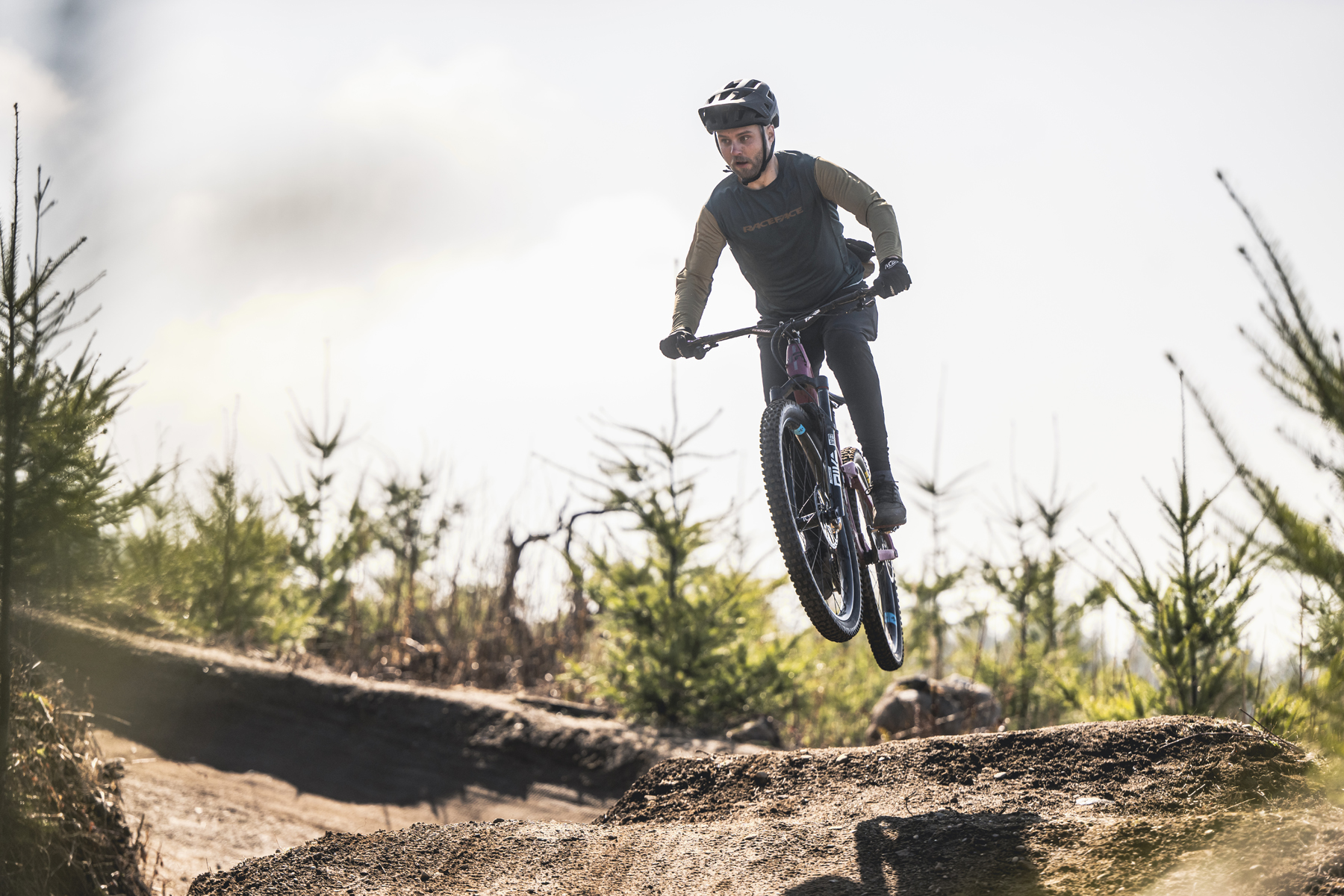
2023 Transition Smuggler - Blister Review
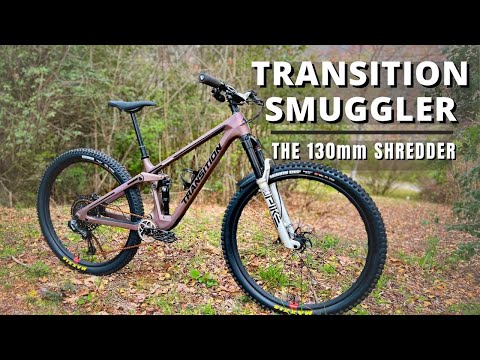
Transition Smuggler First Shred @ DuPont | I'M KEEPING THIS ONE
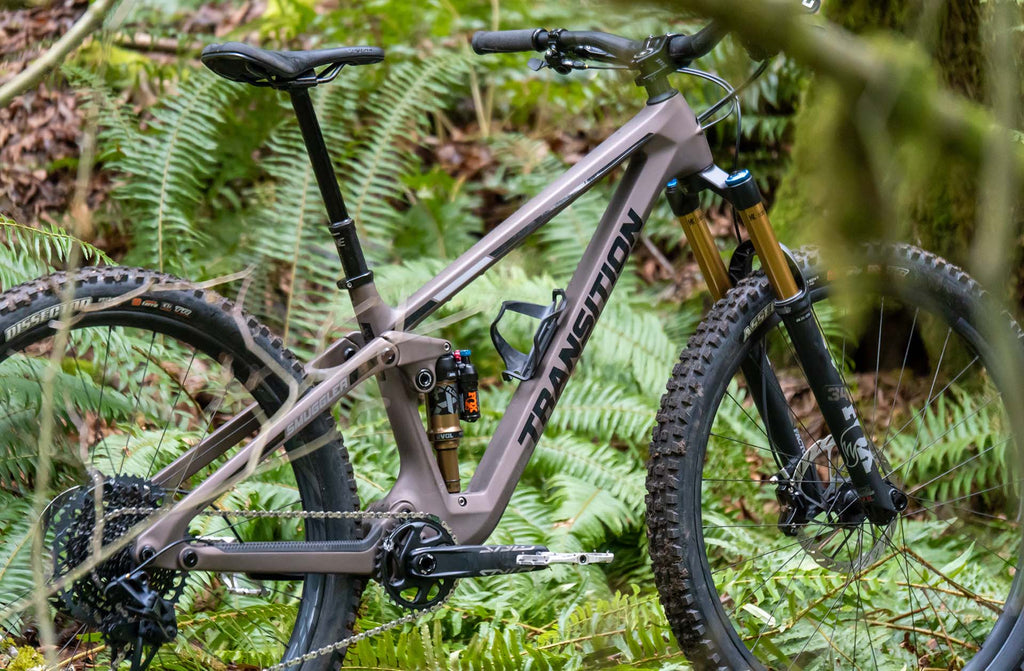
The 2023 Transition Smuggler | Ridden and Reviewed
Compared to.
Most-viewed comparisons.
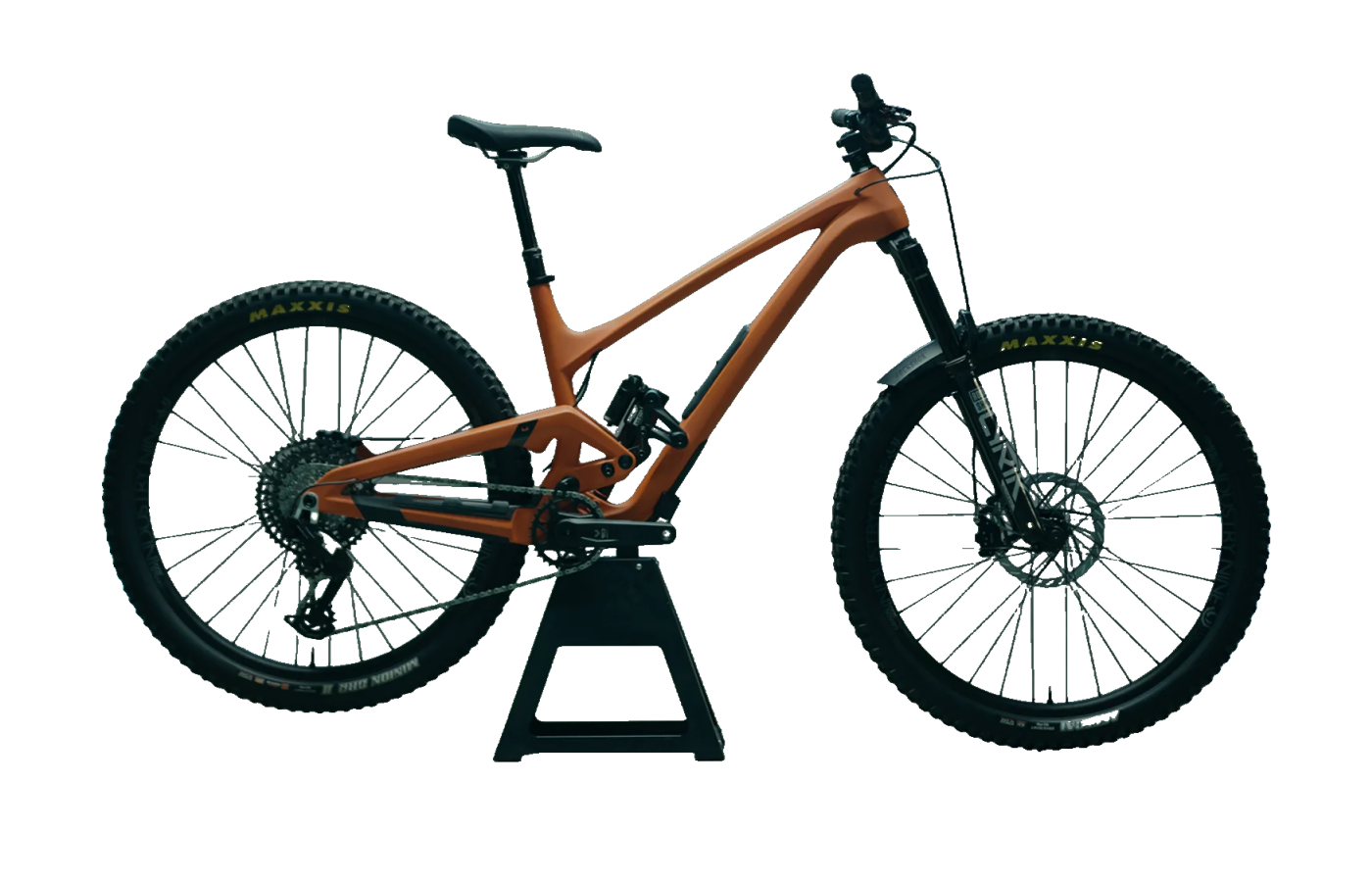
Evil Offering vs Transition Smuggler
Read comparison→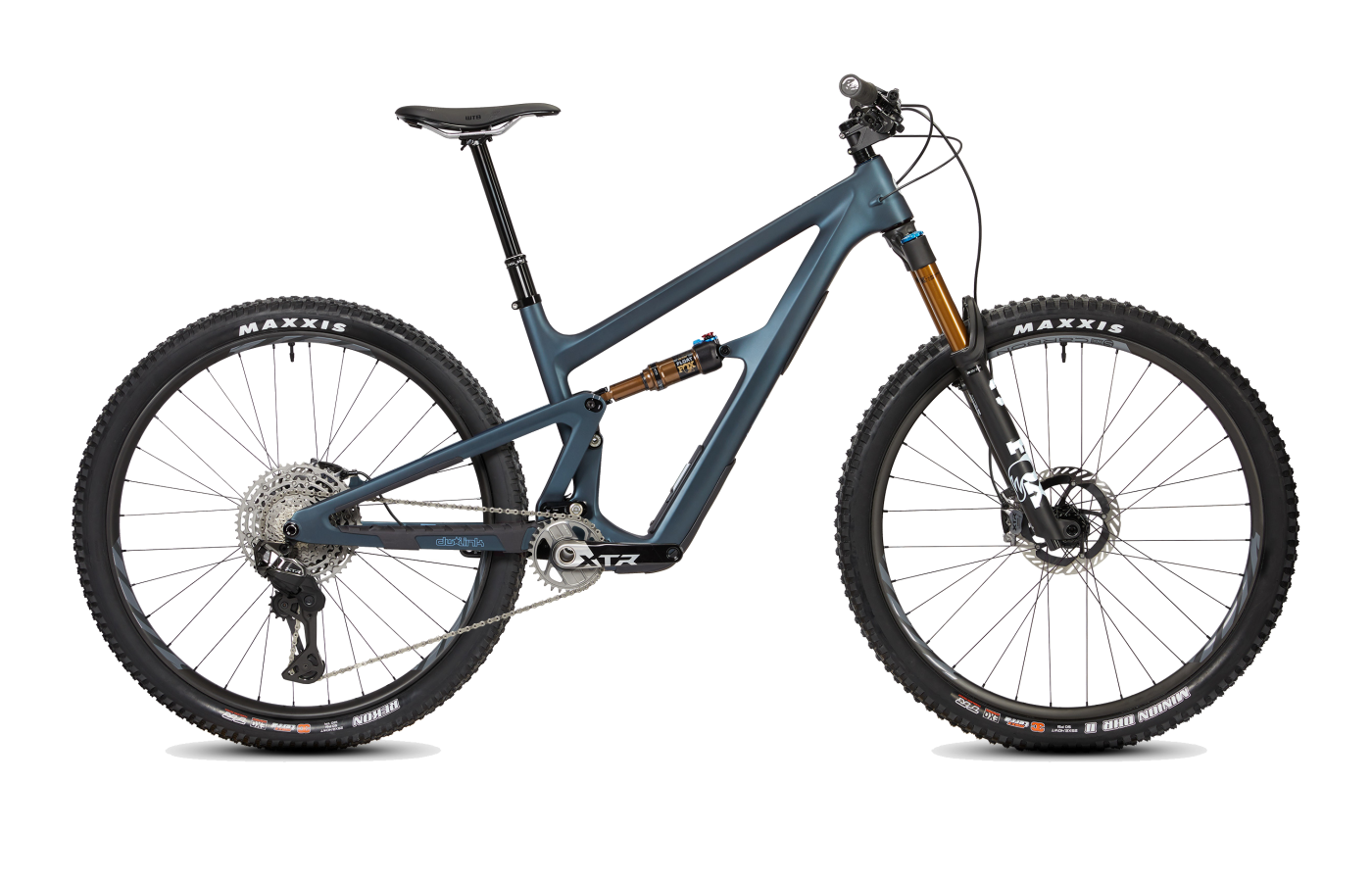
Ibis Ripley vs Transition Smuggler
Read comparison→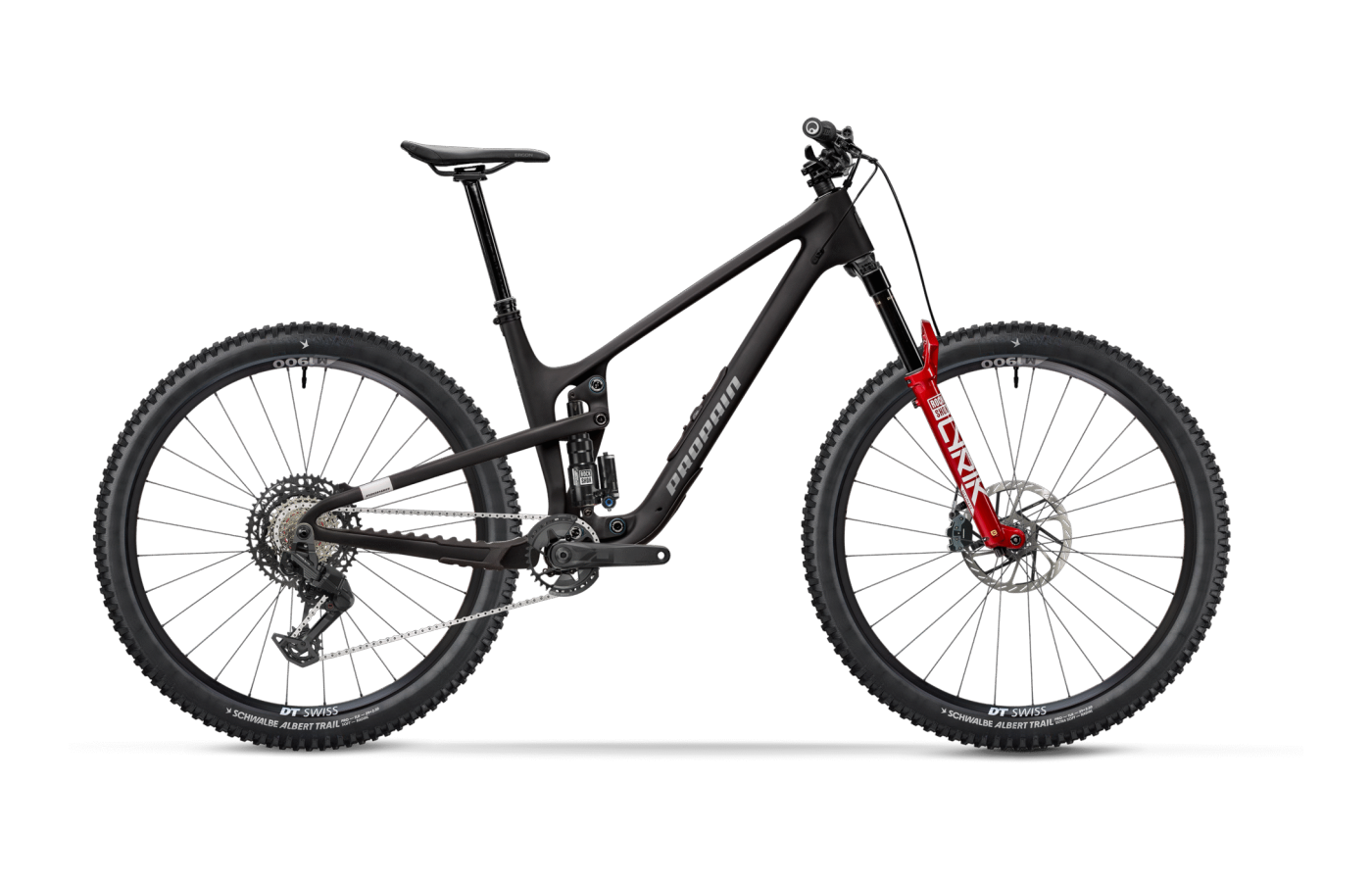
Propain Hugene vs Transition Smuggler
Read comparison→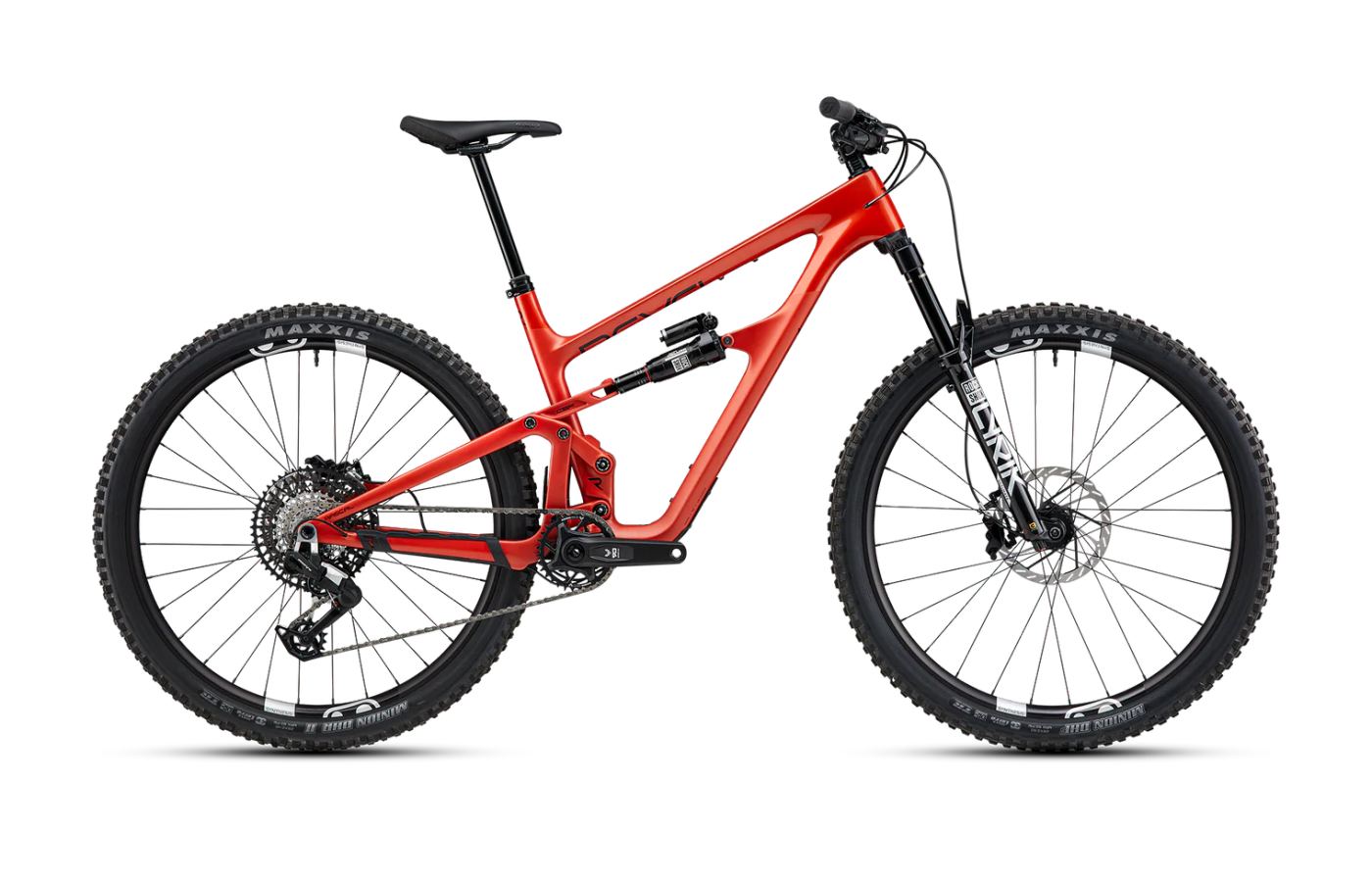
Revel Rascal vs Transition Smuggler
Read comparison→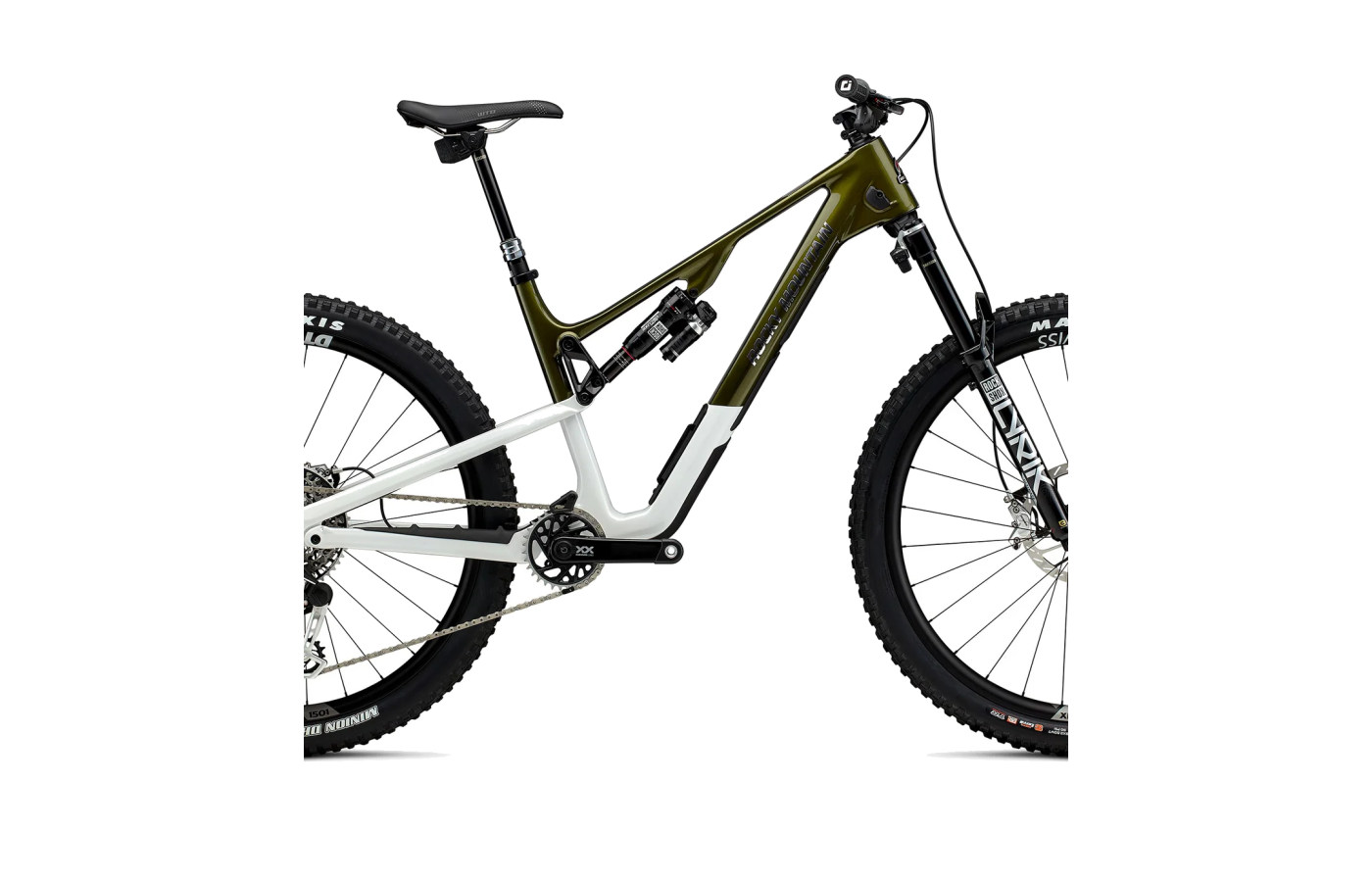
Rocky Mountain Instinct vs Transition Smuggler
Read comparison→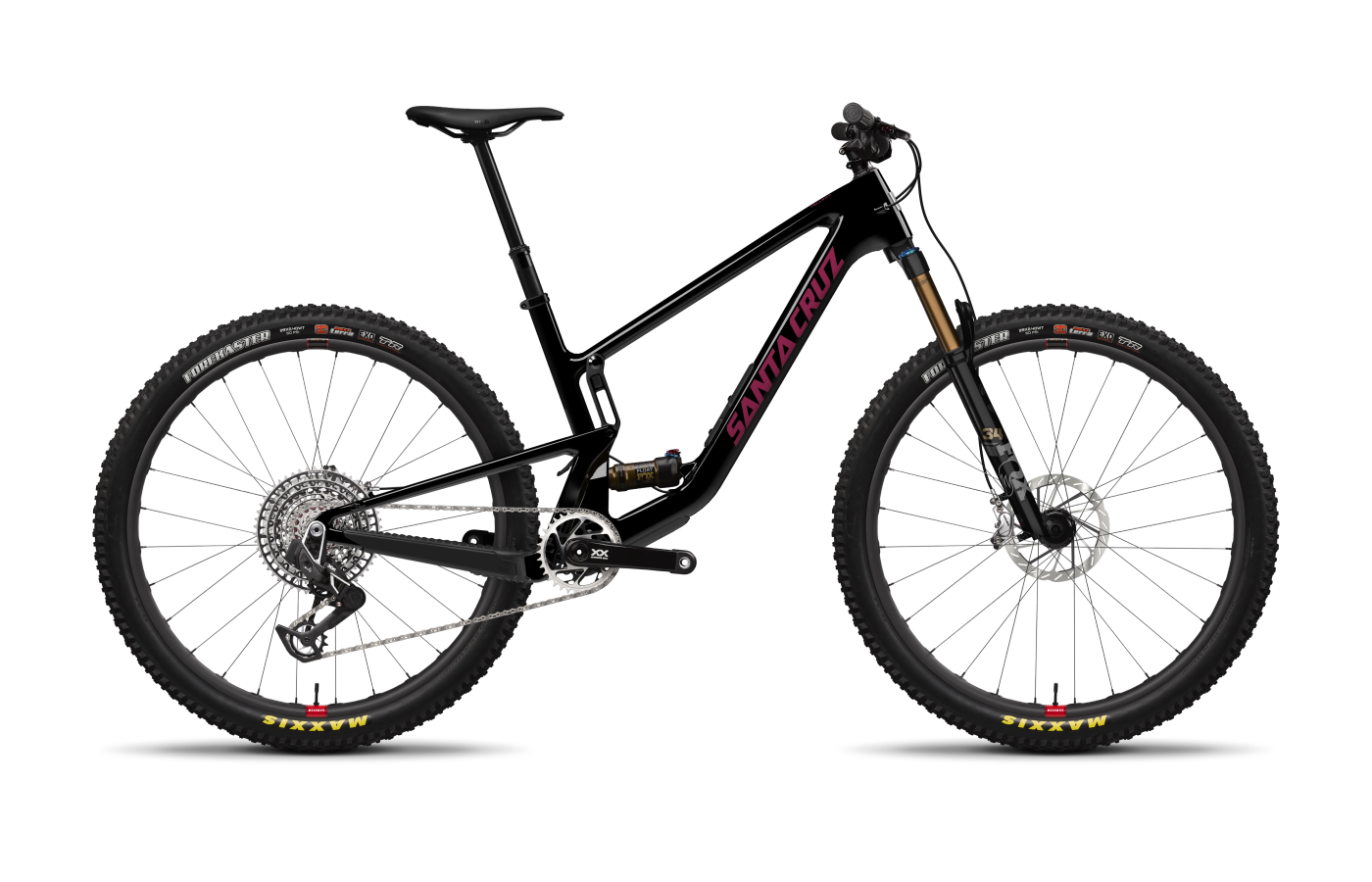
Santa Cruz Tallboy vs Transition Smuggler
Read comparison→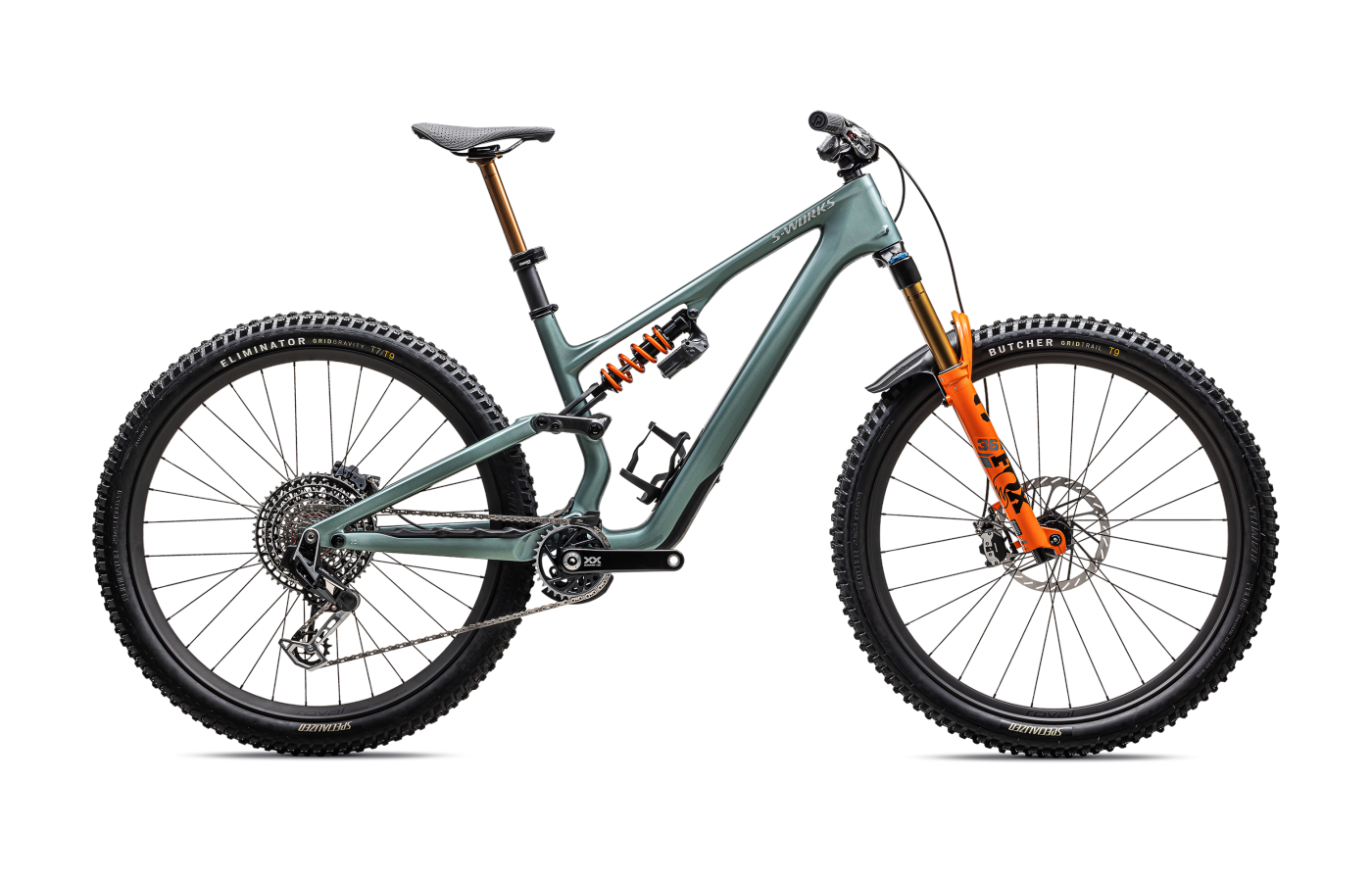
Specialized Stumpjumper vs Transition Smuggler
Read comparison→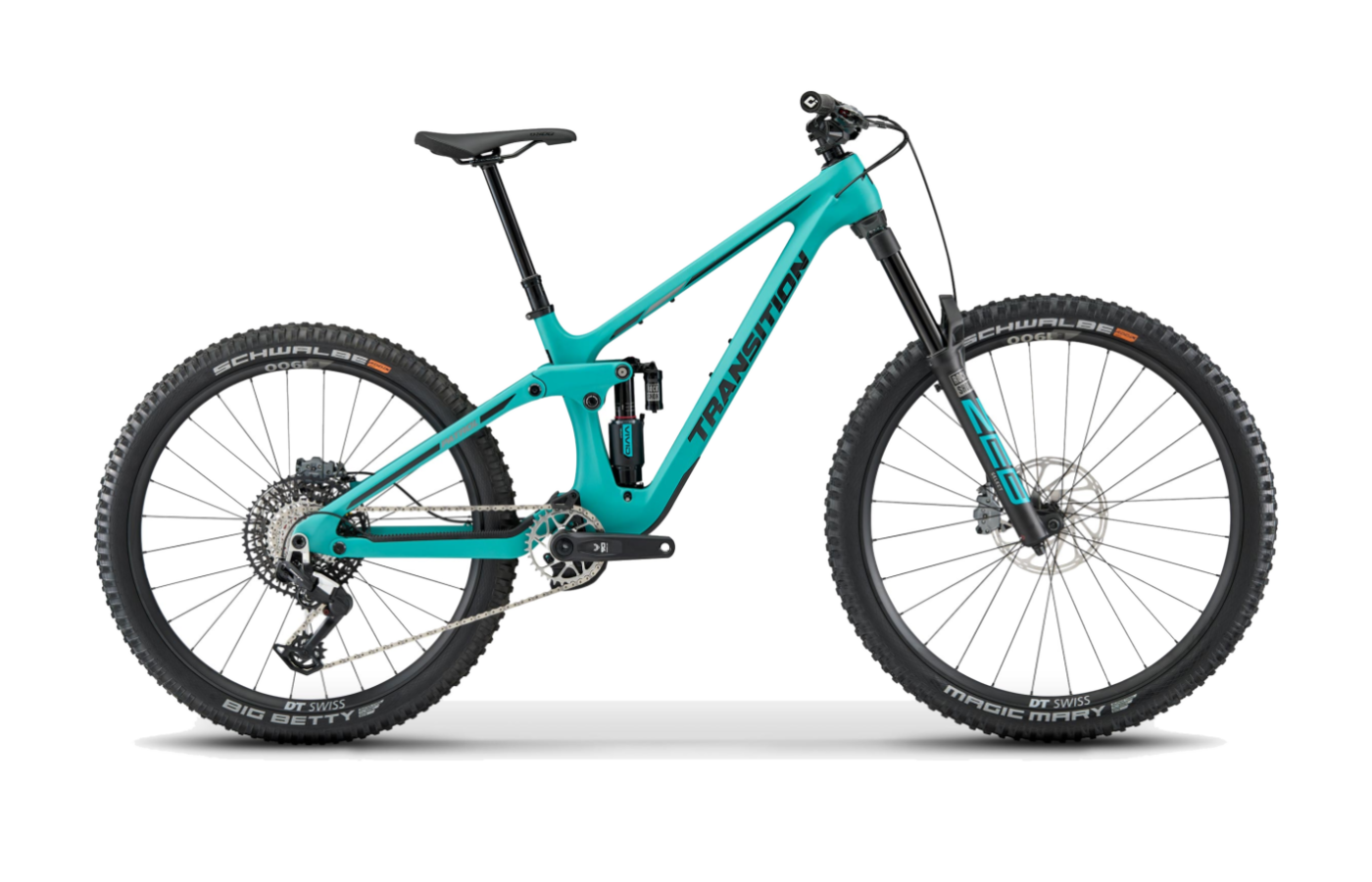
Transition Patrol vs Smuggler
Read comparison→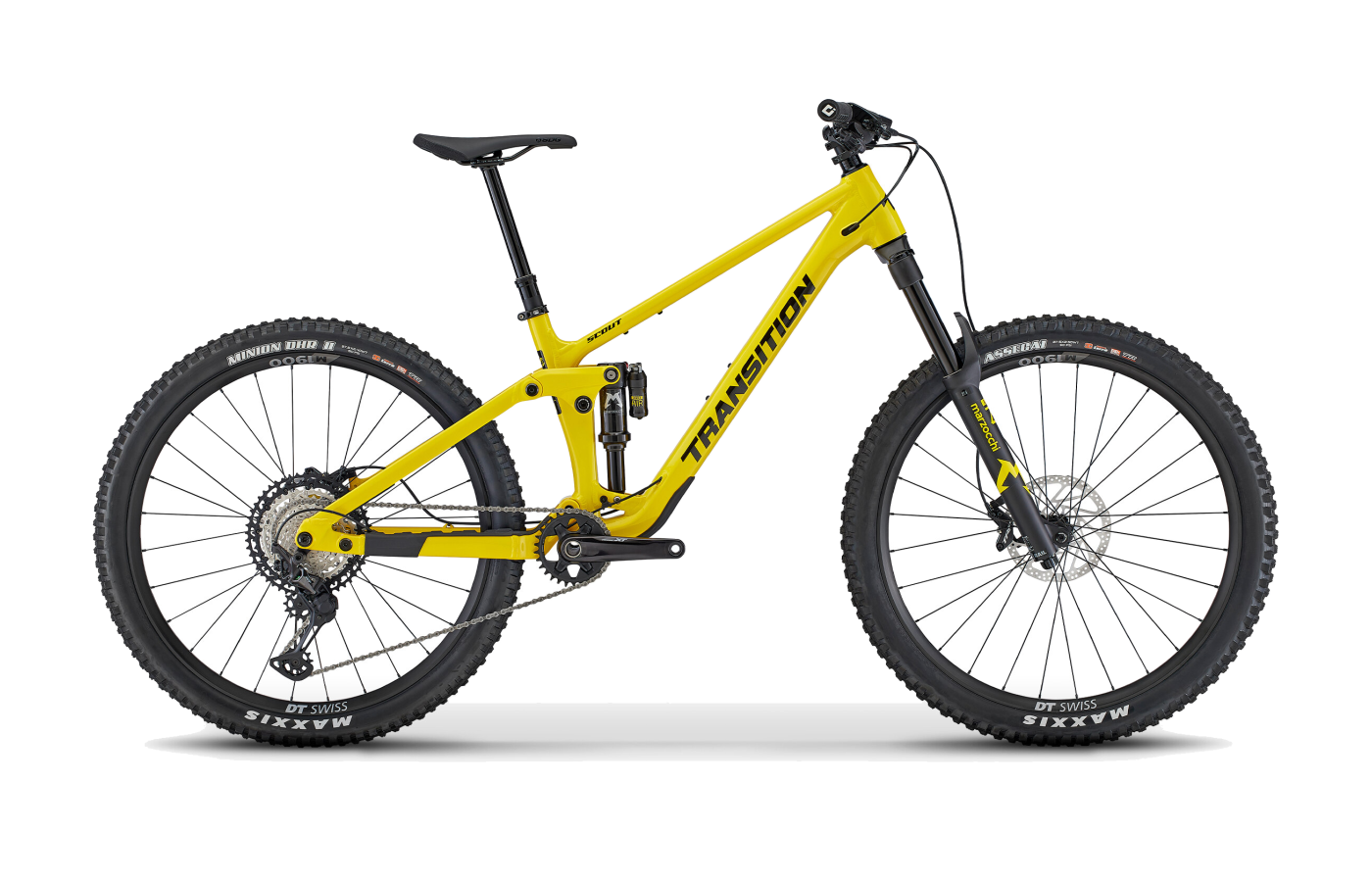
Transition Scout vs Smuggler
Read comparison→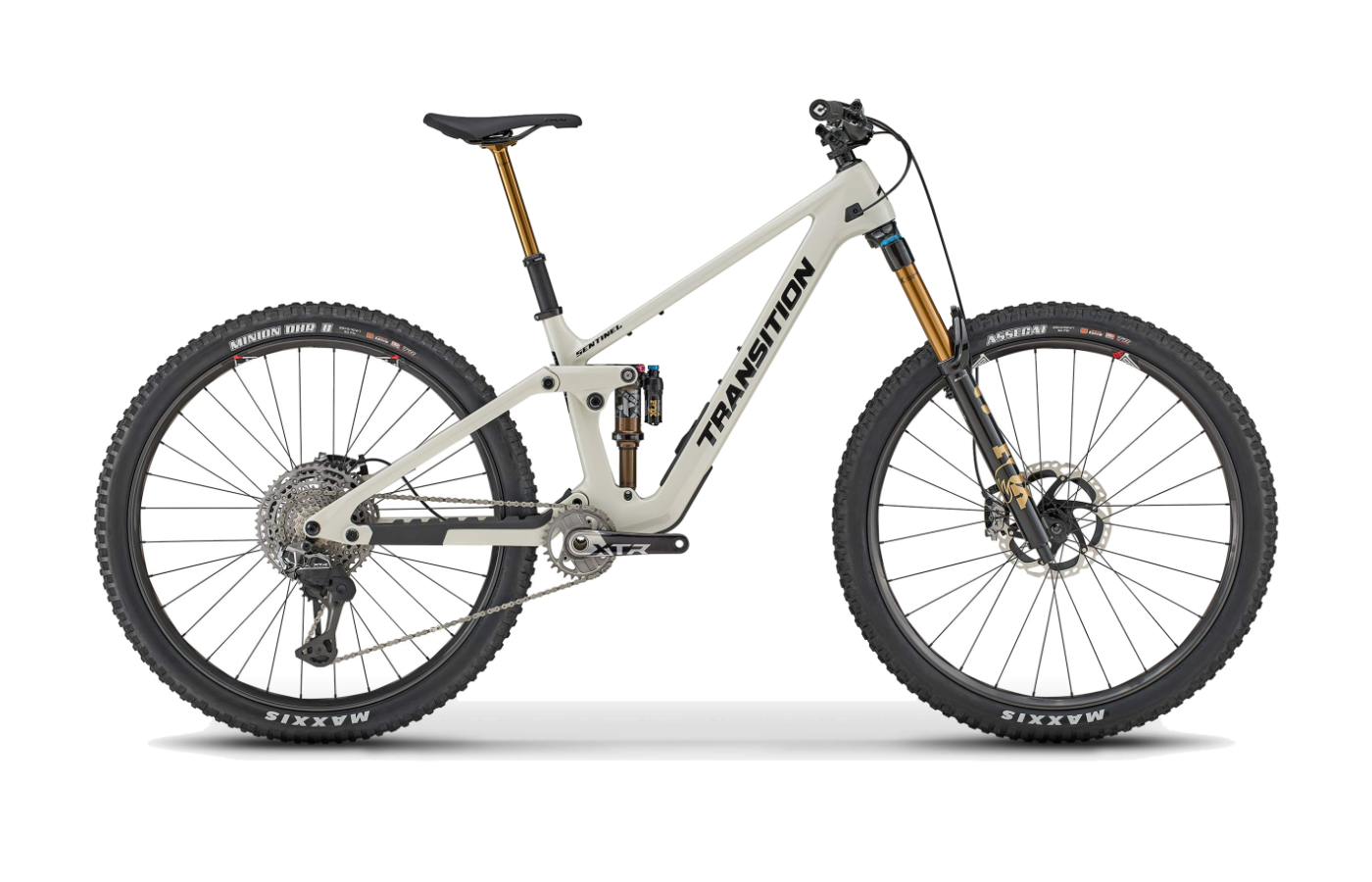
Transition Sentinel vs Smuggler
Read comparison→