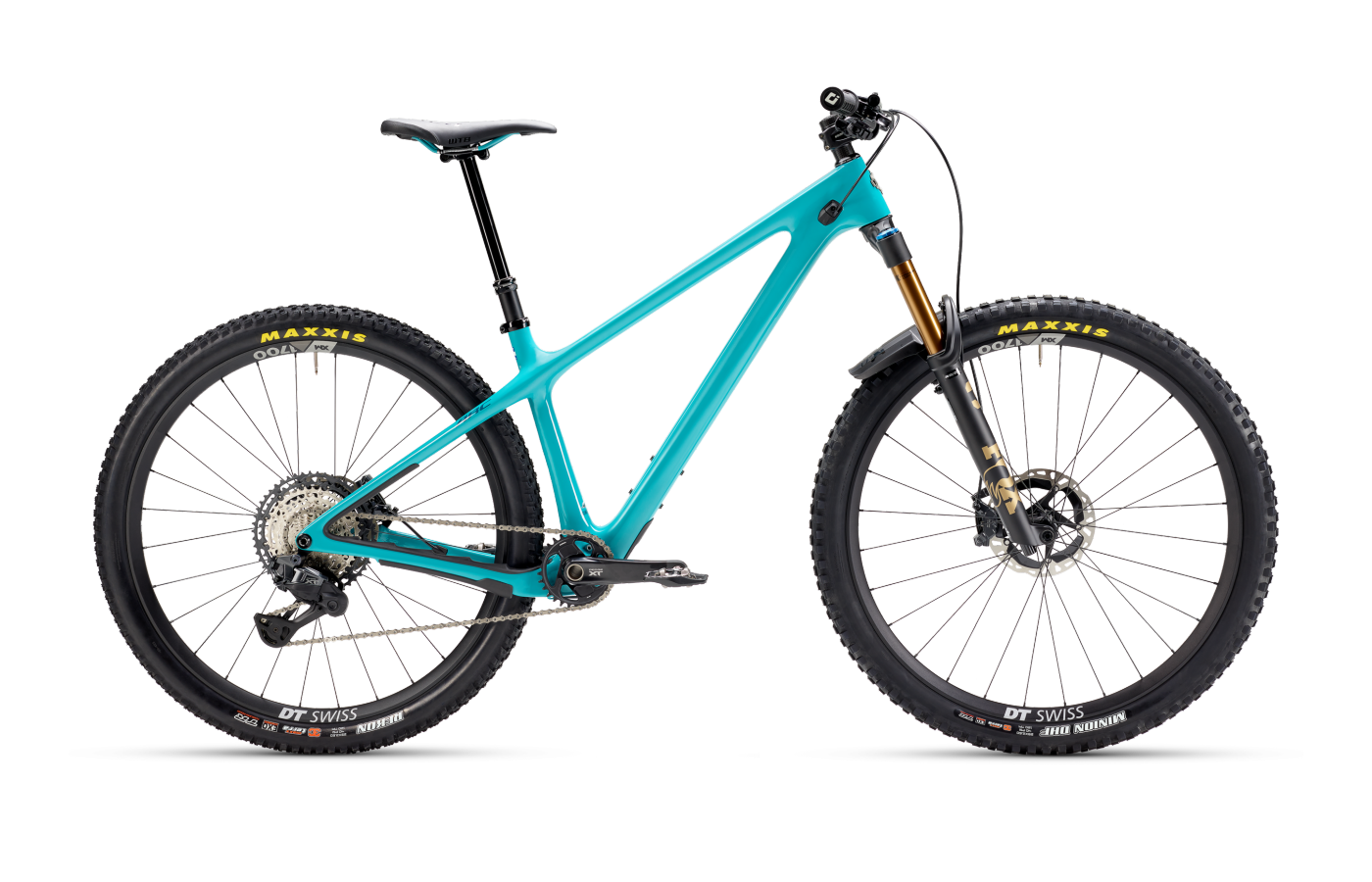
Highball
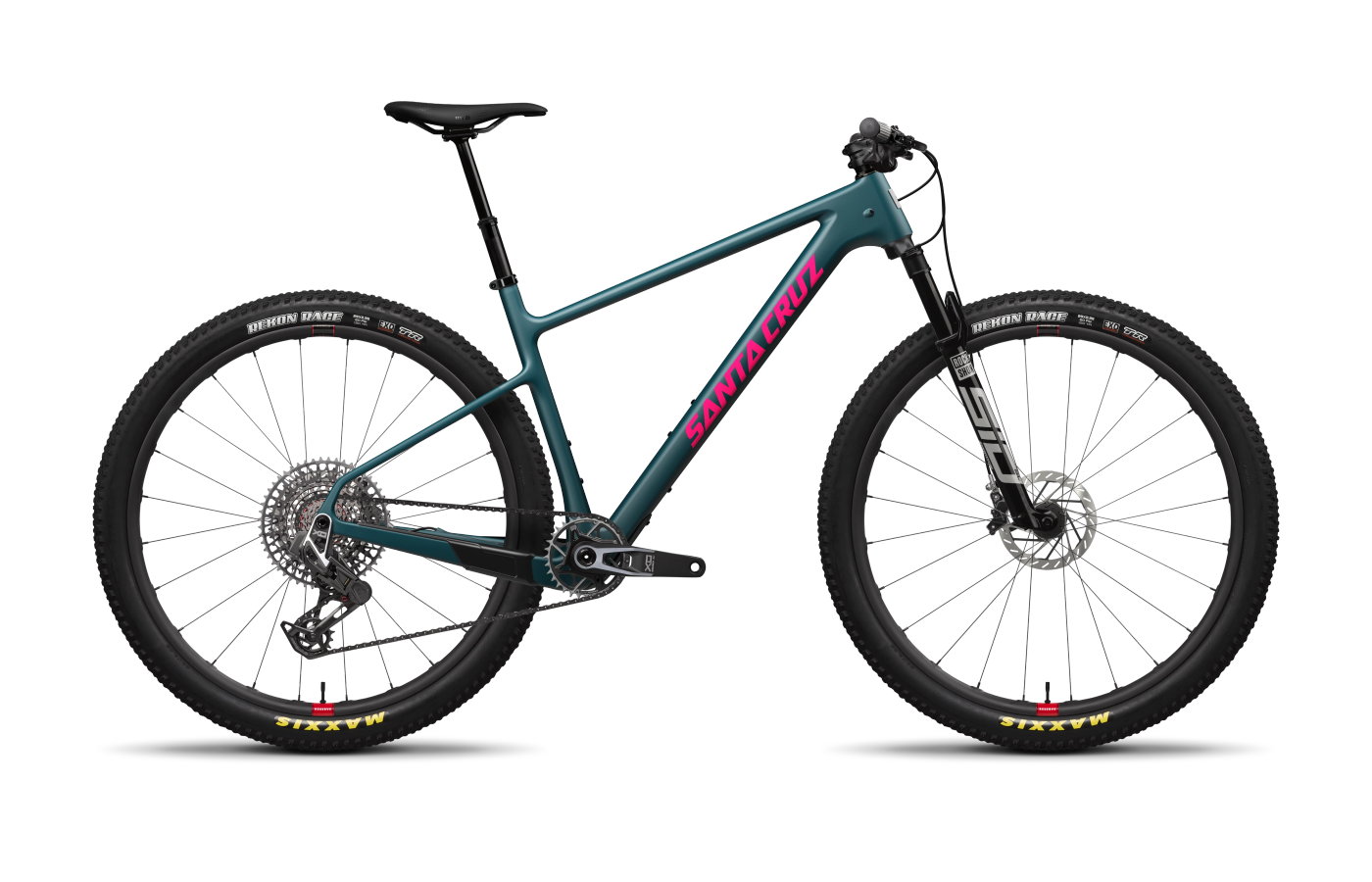
The Santa Cruz Highball is a dedicated carbon cross-country hardtail built for endurance racing and long-distance trail riding. Now in its current generation, the platform moves away from traditional steep-angled race geometry in favor of a more modern footprint, pairing a slacker front end with practical updates for self-supported riding. Santa Cruz designed the frame around a 100mm to 120mm fork, incorporating clearance for 2.4-inch tires and three bottle mounts for marathon events. The frame architecture focuses heavily on vibration damping, utilizing low-angle, bridgeless seatstays that join the seat tube well below the top tube to curb trail chatter. Despite the modern updates, the Highball retains sensible, mechanic-friendly standards, including a threaded 73mm bottom bracket, a standard 27.2mm seatpost, and a universal derailleur hanger. It is a specialized tool aimed at riders who prioritize pedaling efficiency and simplicity over the technical forgiveness of full suspension.
Geometry & fit.
4 sizes published.
The Highball’s geometry reflects a broader industry shift toward stability in cross-country design. Santa Cruz slackened the head tube angle to 67 degrees and steepened the seat tube angle to 73.5 degrees, creating a posture that centers the rider over the bottom bracket for efficient power transfer on steep climbs.
This generation also features a notably longer reach and wheelbase compared to older cross-country hardtails. A size large offers a 460mm reach, which provides a grounded, composed platform on fast descents and sweeping corners. While this longer footprint enhances high-speed stability, it does influence low-speed maneuverability and rider fit. Testers noted that the stretched-out cockpit is particularly well-suited for taller riders, but those with shorter torsos may find the reach demanding. A reviewer measuring 5-foot-6 reported needing several cockpit adjustments to find an optimal position. Riders between sizes or those who prefer a more compact, upright fit should pay close attention to the reach numbers and consider stem length adjustments to dial in their posture.
Where the handlebar sits relative to the bottom bracket — the single most important fit pair.
01Fit geometry6 values
03Handling geometry7 values
Which size should I buy?
Slide your height to see the recommended size. GearWise's fit algorithm works from the published stack, reach, and ETT — the brand's own recommendation may differ.
→Calculated from GearWise's own stack / reach / ETT algorithm — the brand's size chart may recommend a different size, and a proper bike fit beats any calculator.
The lineup.
5 builds, ranging $3,299 – $7,899.
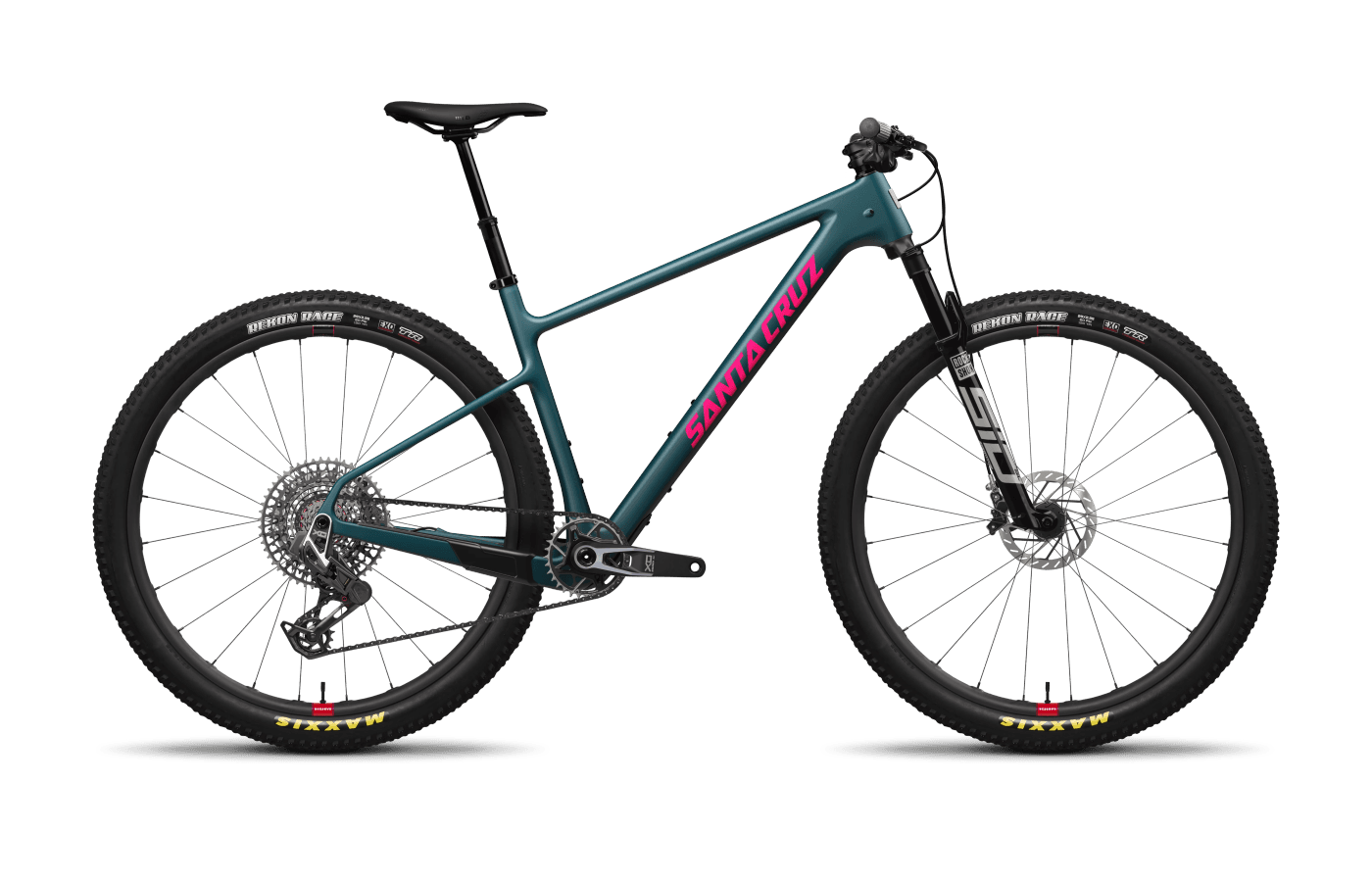
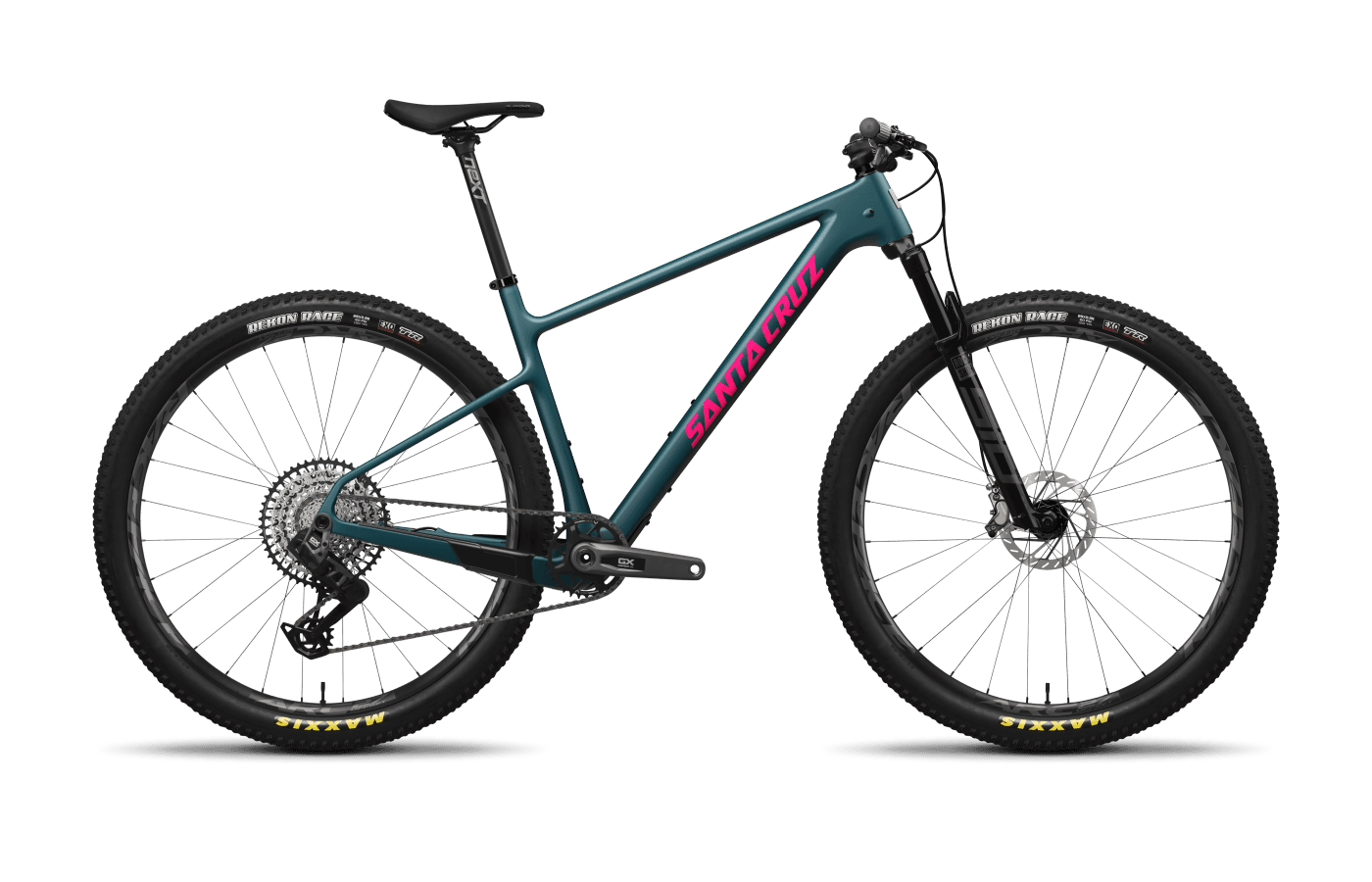
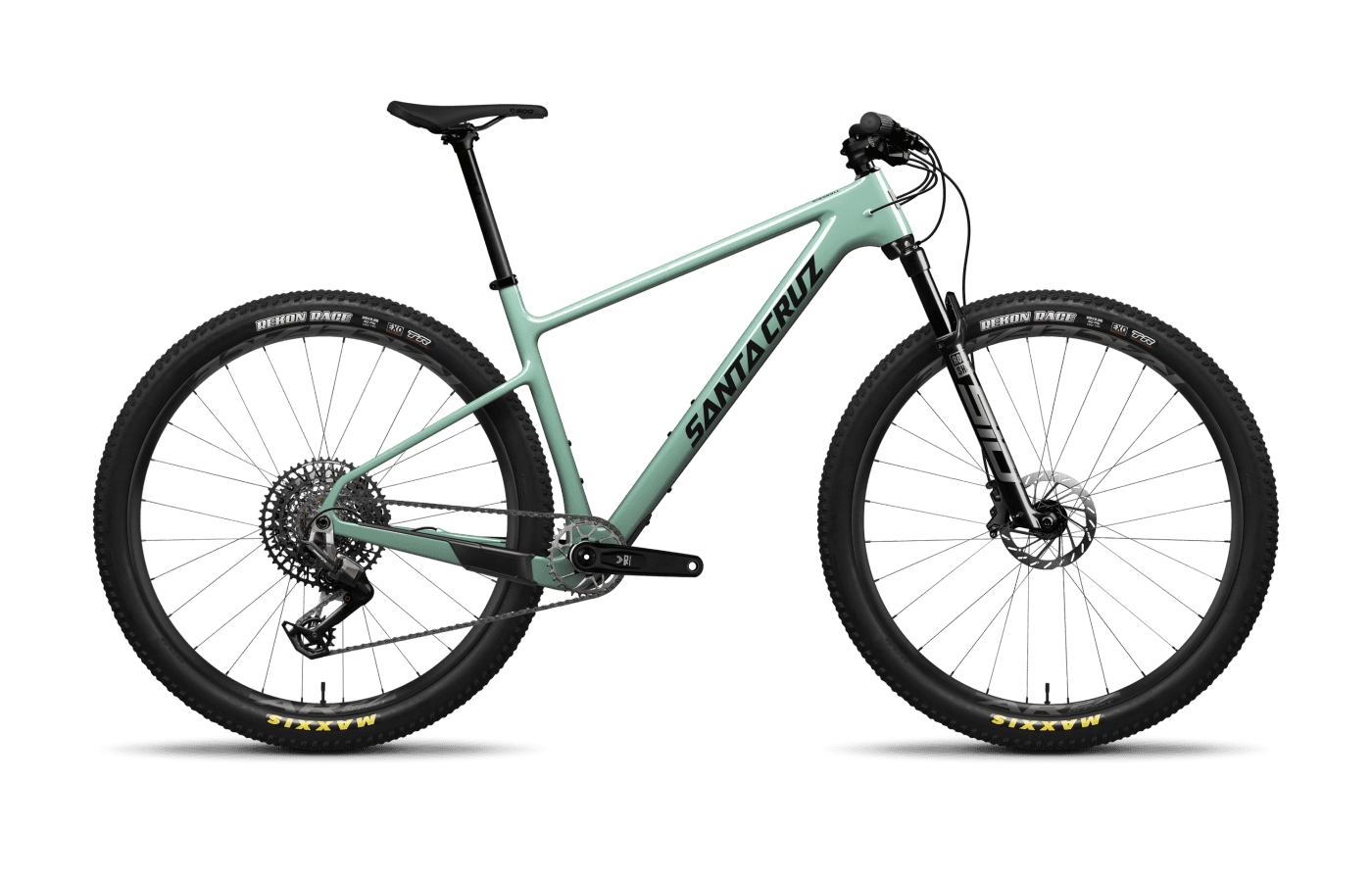
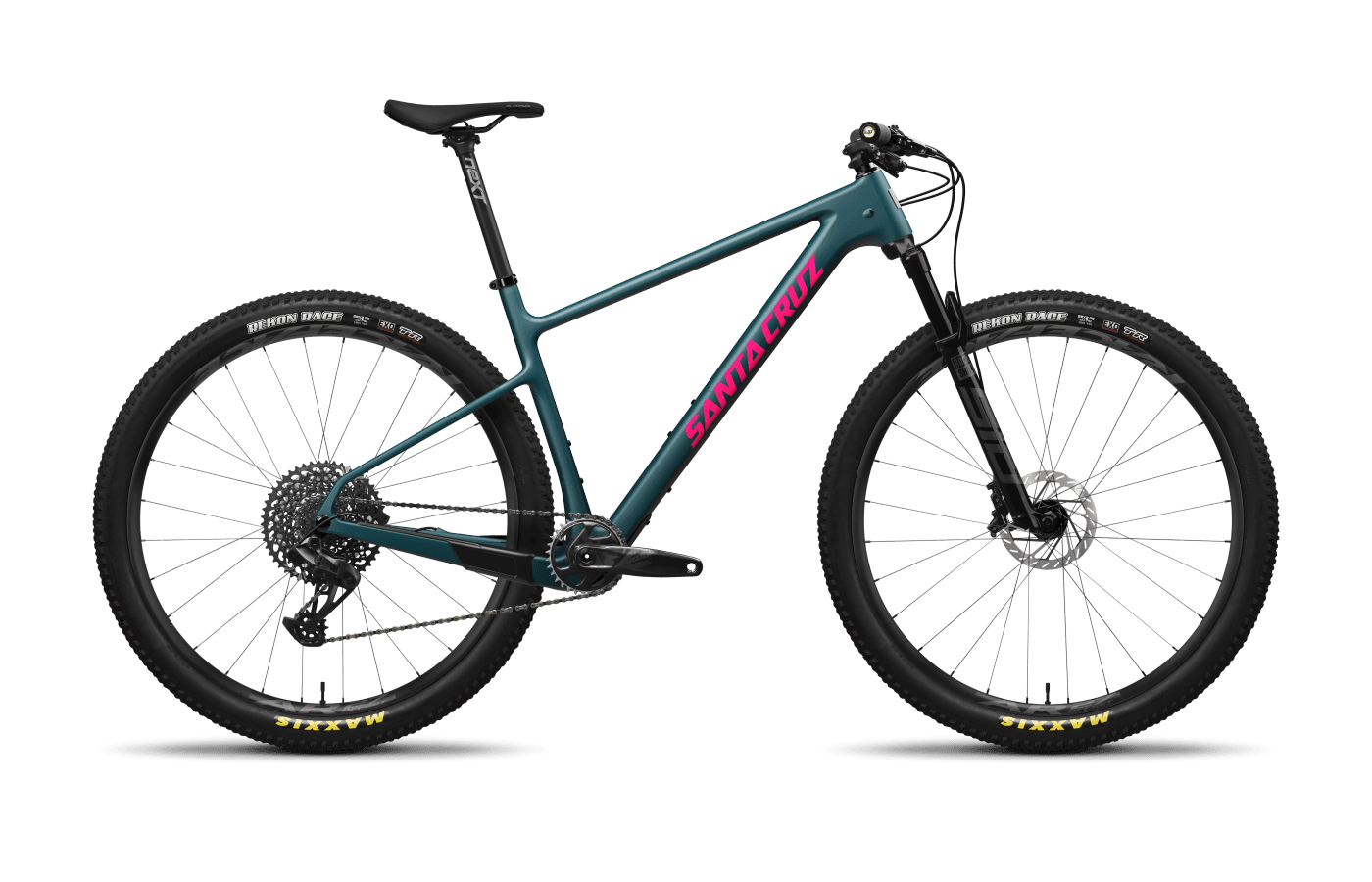
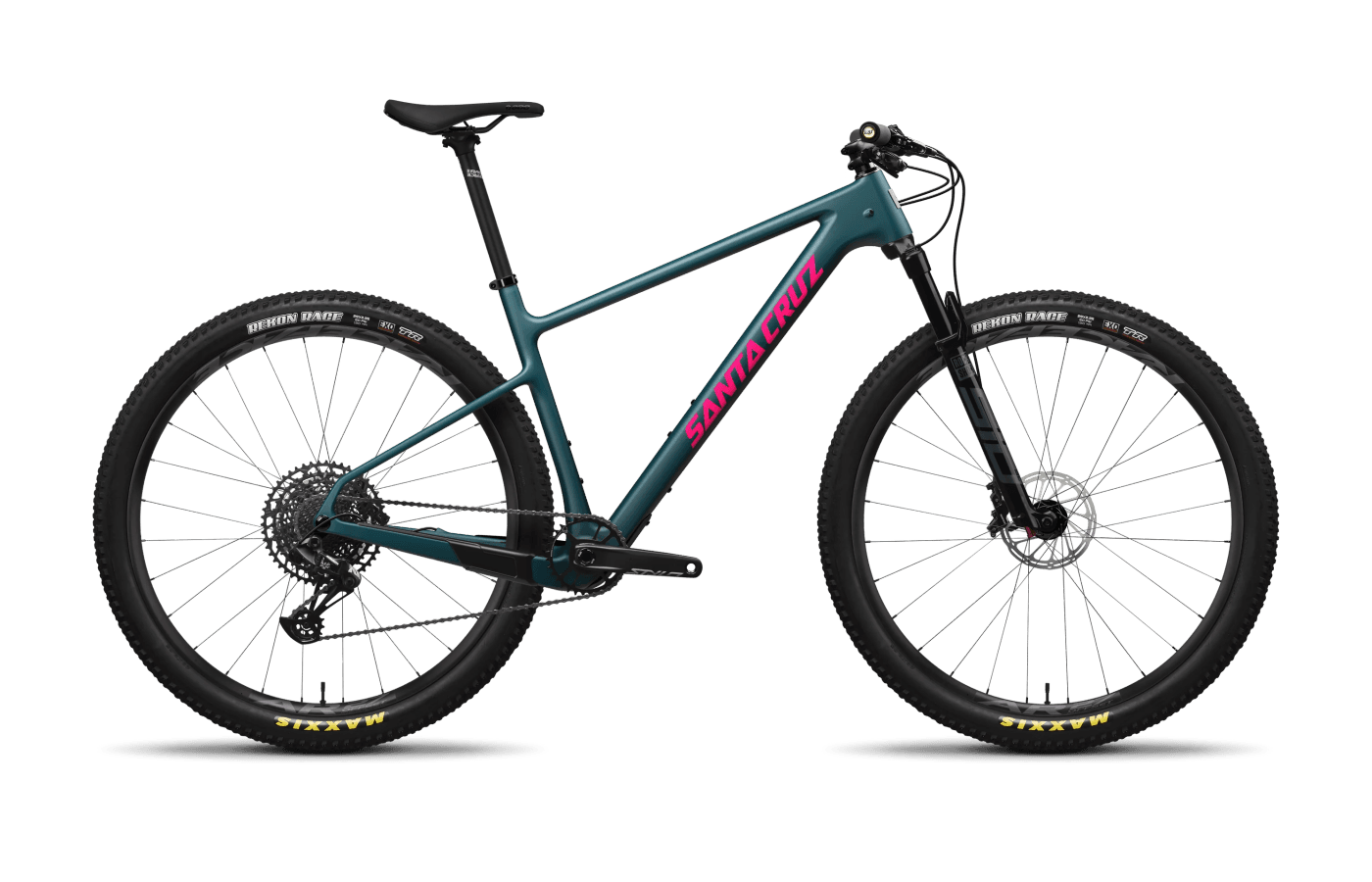
The Highball lineup spans five builds, ranging from entry-level mechanical setups to premium electronic configurations. The frame is offered in two carbon tiers: the standard Carbon C used on the first four builds, and the lighter Carbon CC reserved exclusively for the top-tier X0 AXS RSV model.
Every build in the range is equipped with a 100mm RockShox SID fork, though the damper quality scales with the price, moving from the SID SL Base on the entry-level R build to the SID SL Ultimate on the flagship model. Drivetrains are universally SRAM 12-speed. The ladder starts with the mechanical NX Eagle on the R build, moves through GX and the SRAM 90 mechanical groups, and tops out with GX AXS and X0 AXS T-Type wireless transmissions.
Value in the lineup is heavily concentrated in the mid-tier mechanical builds, which deliver the exact same frame compliance and geometry as the halo models. The top X0 AXS RSV build introduces significant material upgrades, including Reserve 28|XC carbon wheels and a carbon flat bar, drastically reducing rotational weight for dedicated racers willing to pay the premium.
From the press.
1 review from the cycling press.
Reviewers consistently highlight the Highball’s ability to mitigate the harshness typically associated with rigid frames. By dropping the seatstays, Santa Cruz engineered a degree of vertical compliance that translates clearly to the trail. One tester described the resulting ride quality as "fast, energetic, and compliant on the bumpy stuff" (Bouldergearlab), noting that it effectively dampens high-frequency vibrations on long dirt roads and mellow singletrack. The combination of the carbon layup and the RockShox SID fork creates a front end that feels "stiff, stable, responsive, and forgiving" (Bouldergearlab) when navigating technical climbs.
When pointed uphill, the bike's low weight and rigid power transfer make it a highly efficient "climbing machine" (Bouldergearlab). Testers found that it excels on steep, unrelenting grades and rolling terrain, often comparing its sustained speed to that of a flat-bar gravel bike. However, reviewers are careful to note the limits of this compliance. While the frame takes the edge off minor chatter, it remains a hardtail. In tight, rocky sections or over washboard surfaces, the rear end can still feel punishing if pushed beyond its intended cross-country scope. Ultimately, the consensus points to a highly capable endurance platform that rewards smooth line choices and sustained pedaling efforts.
Compared to.
Most-viewed comparisons.
Ibis DV9 vs Santa Cruz Highball
Read comparison→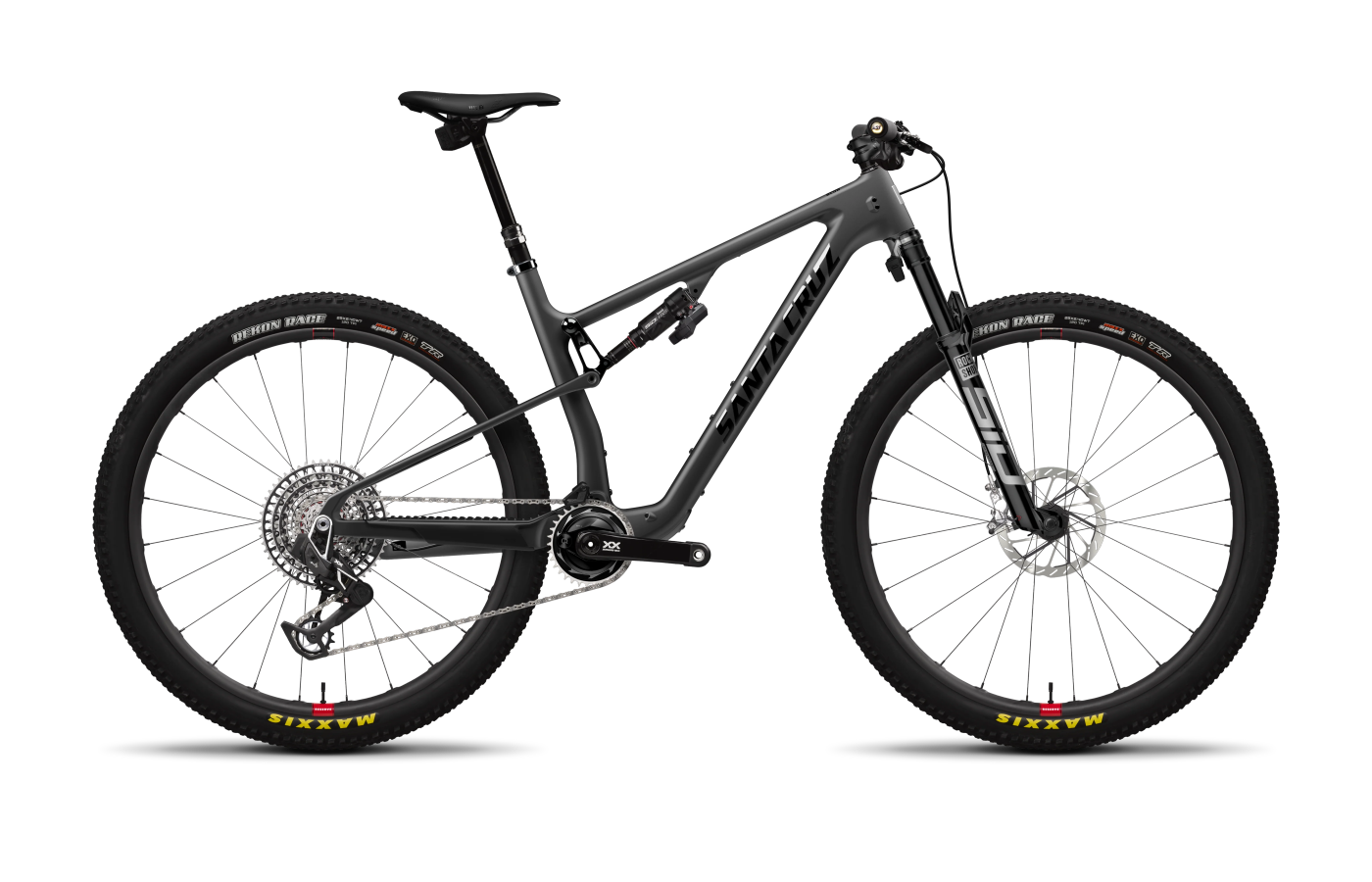
Santa Cruz Blur vs Highball
Read comparison→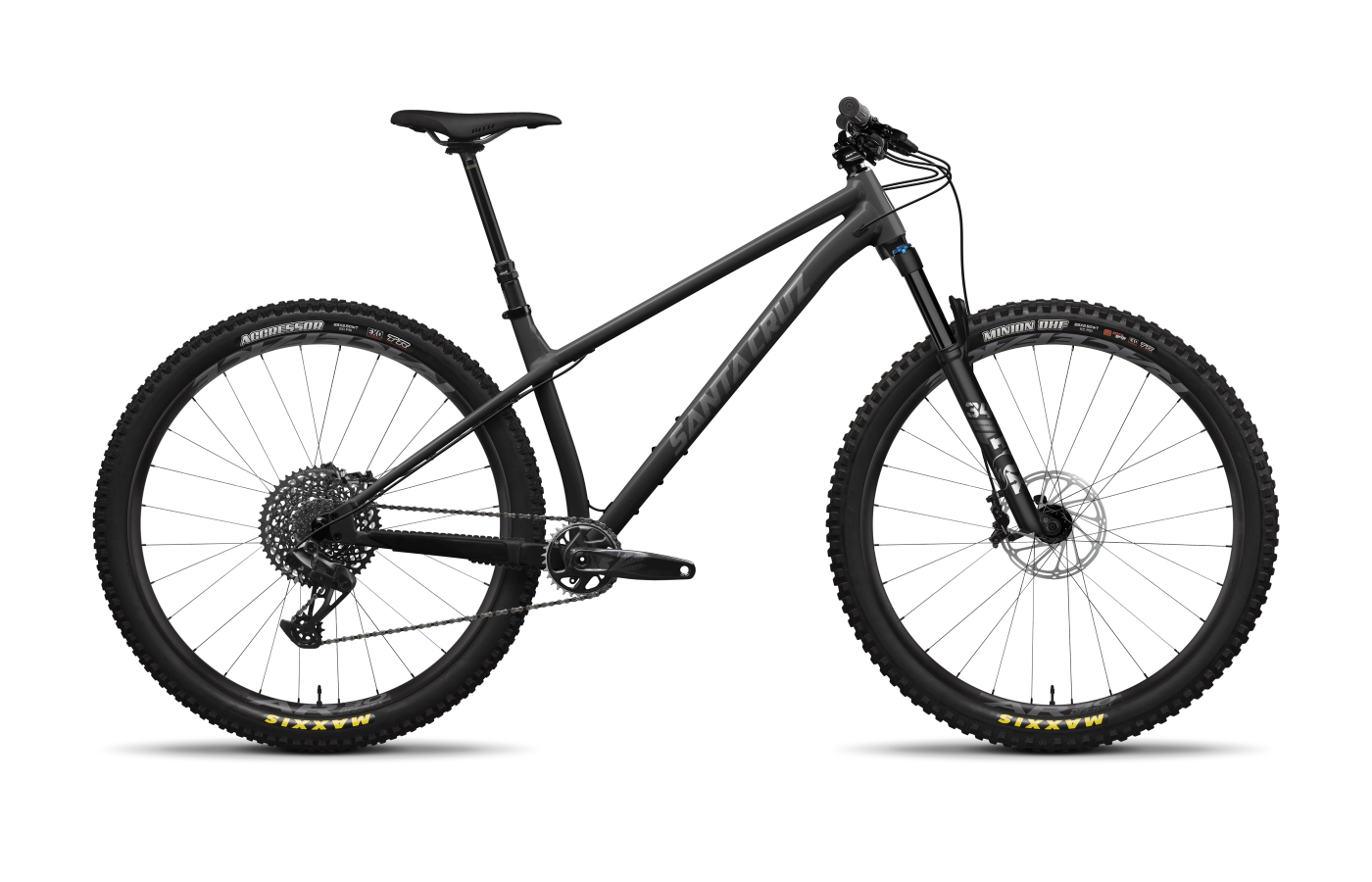
Santa Cruz Chameleon vs Highball
Read comparison→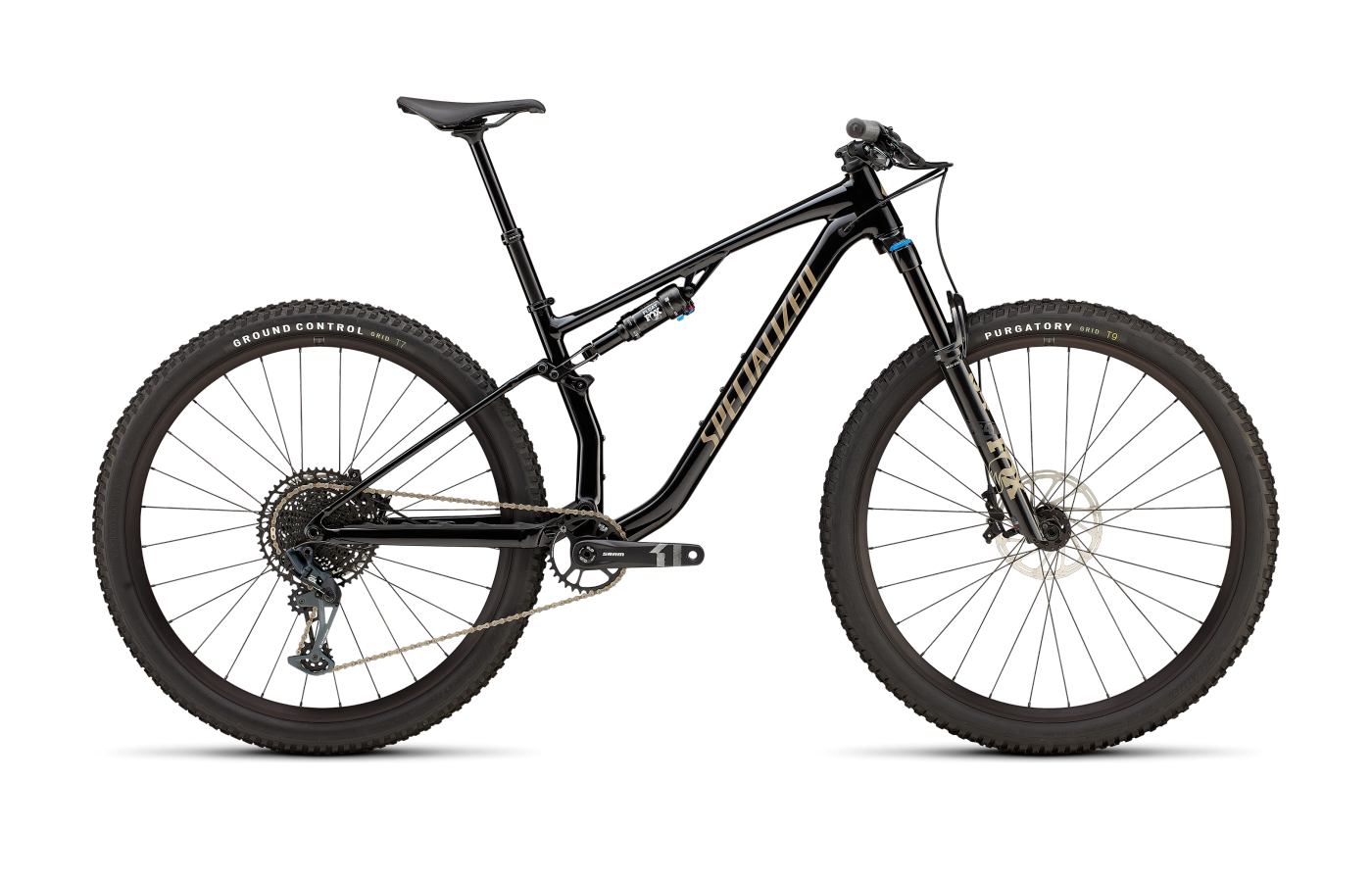
Santa Cruz Highball vs Specialized Chisel
Read comparison→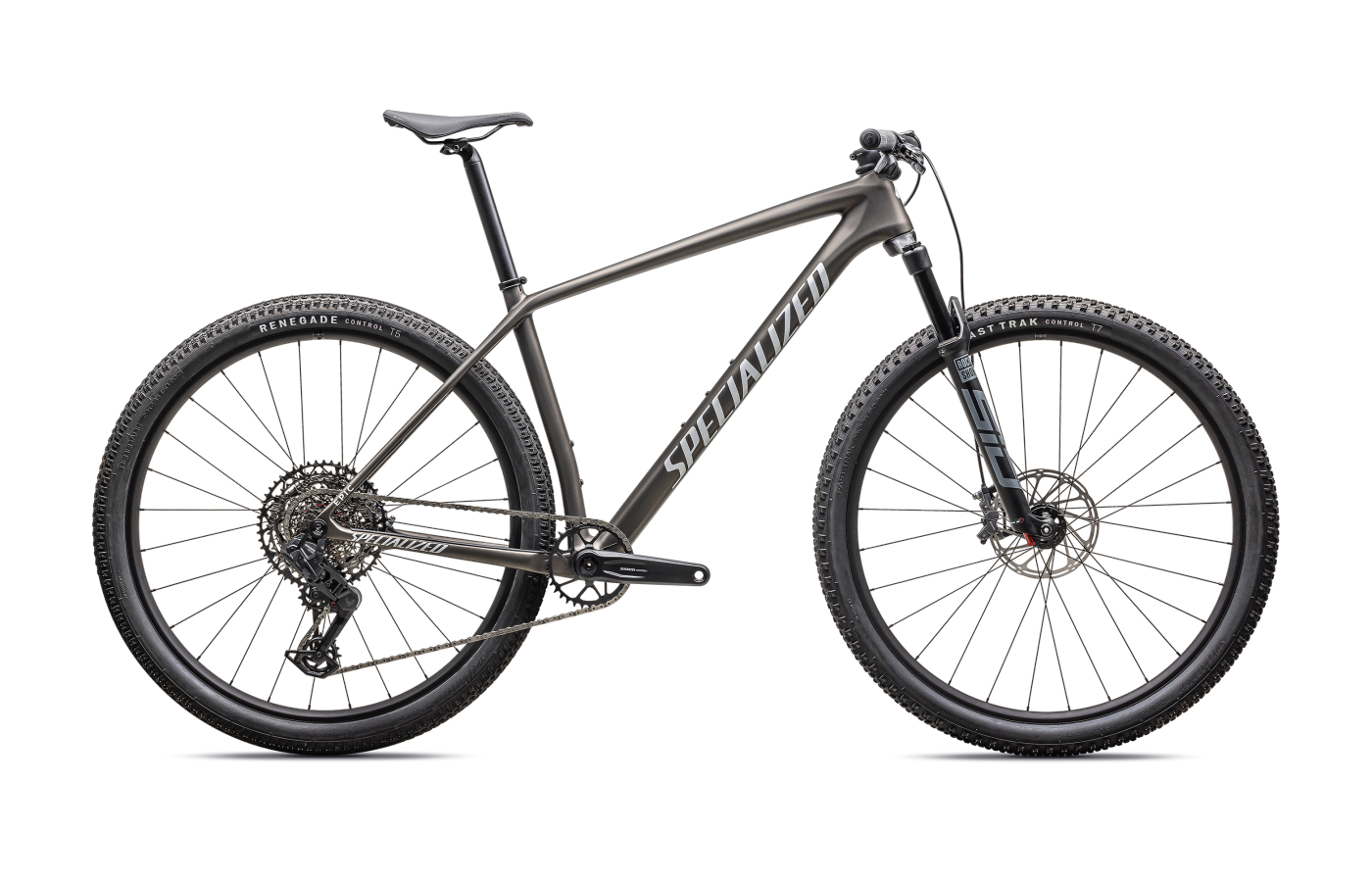
Santa Cruz Highball vs Specialized Epic Hardtail
Read comparison→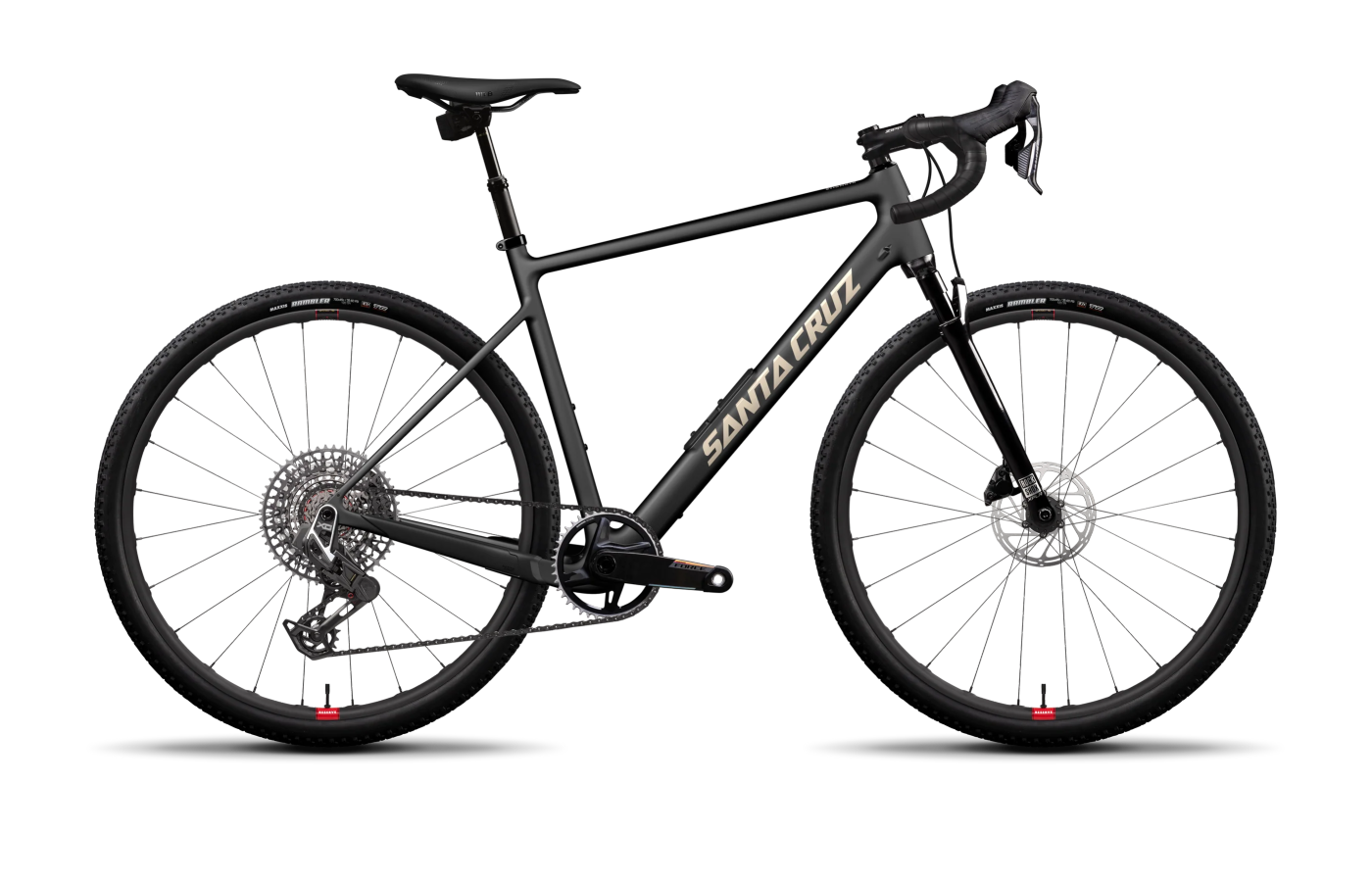
Santa Cruz Highball vs Stigmata
Read comparison→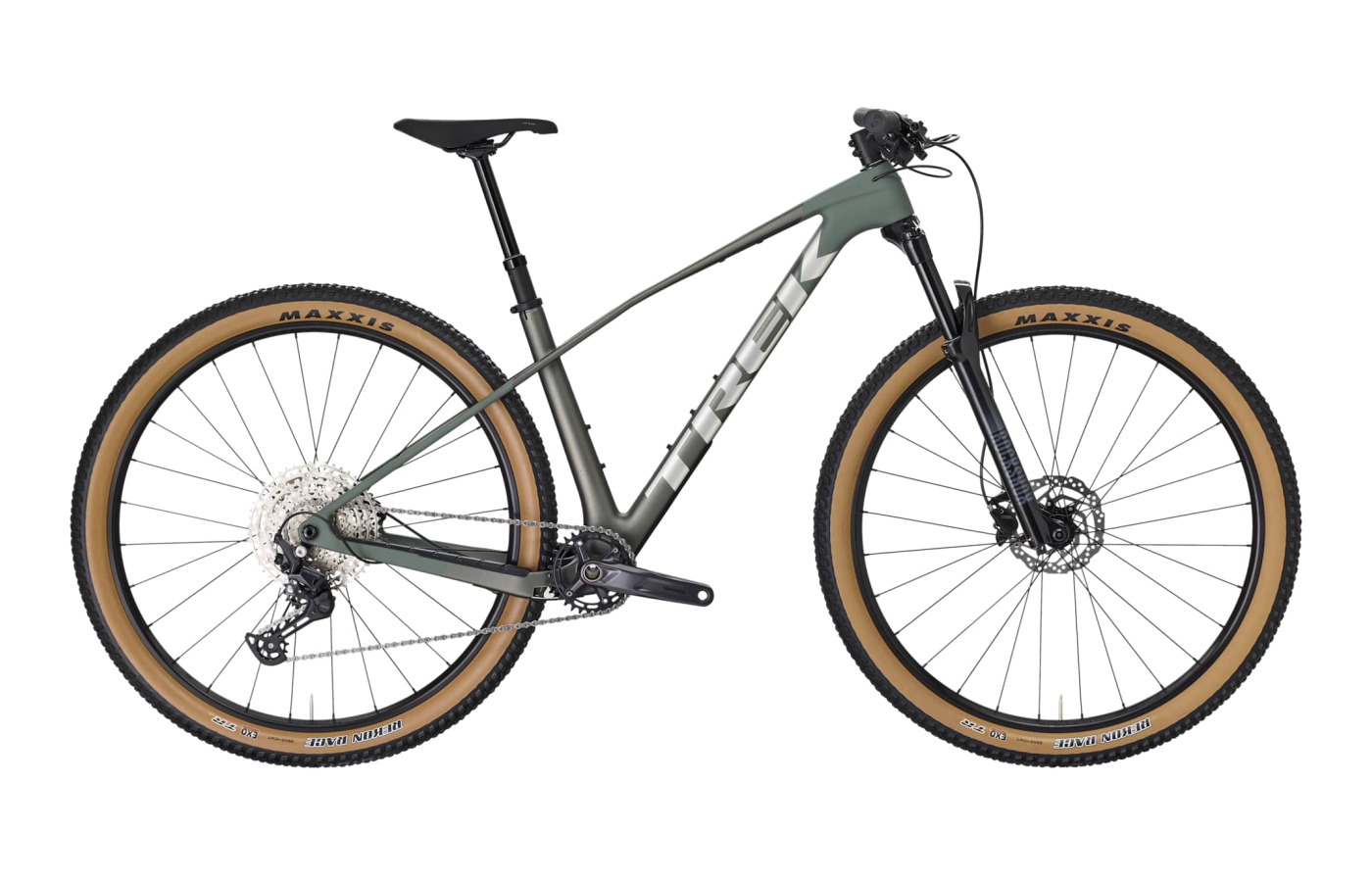
Santa Cruz Highball vs Trek Procaliber
Read comparison→