Blur
vsHighball
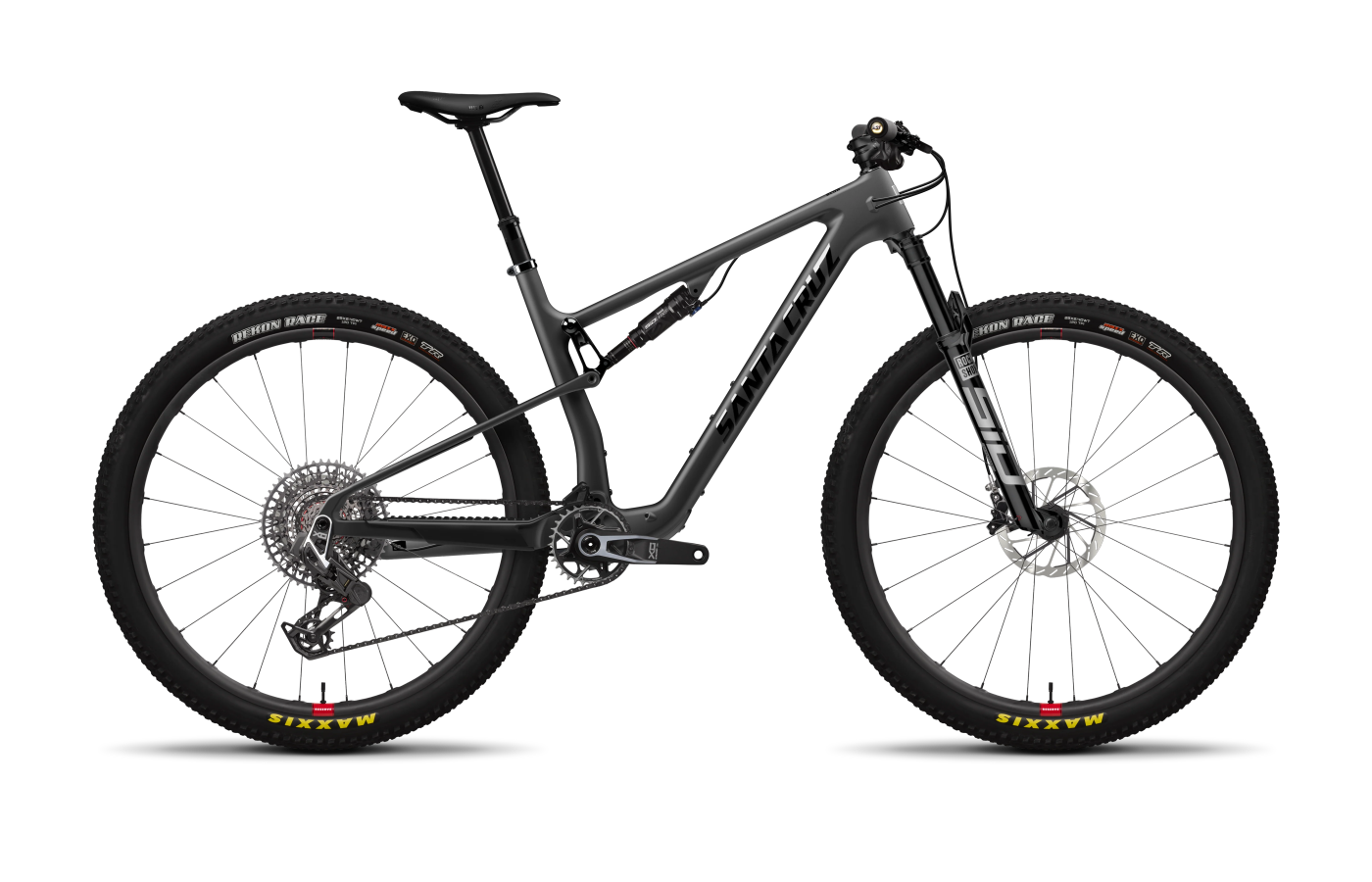
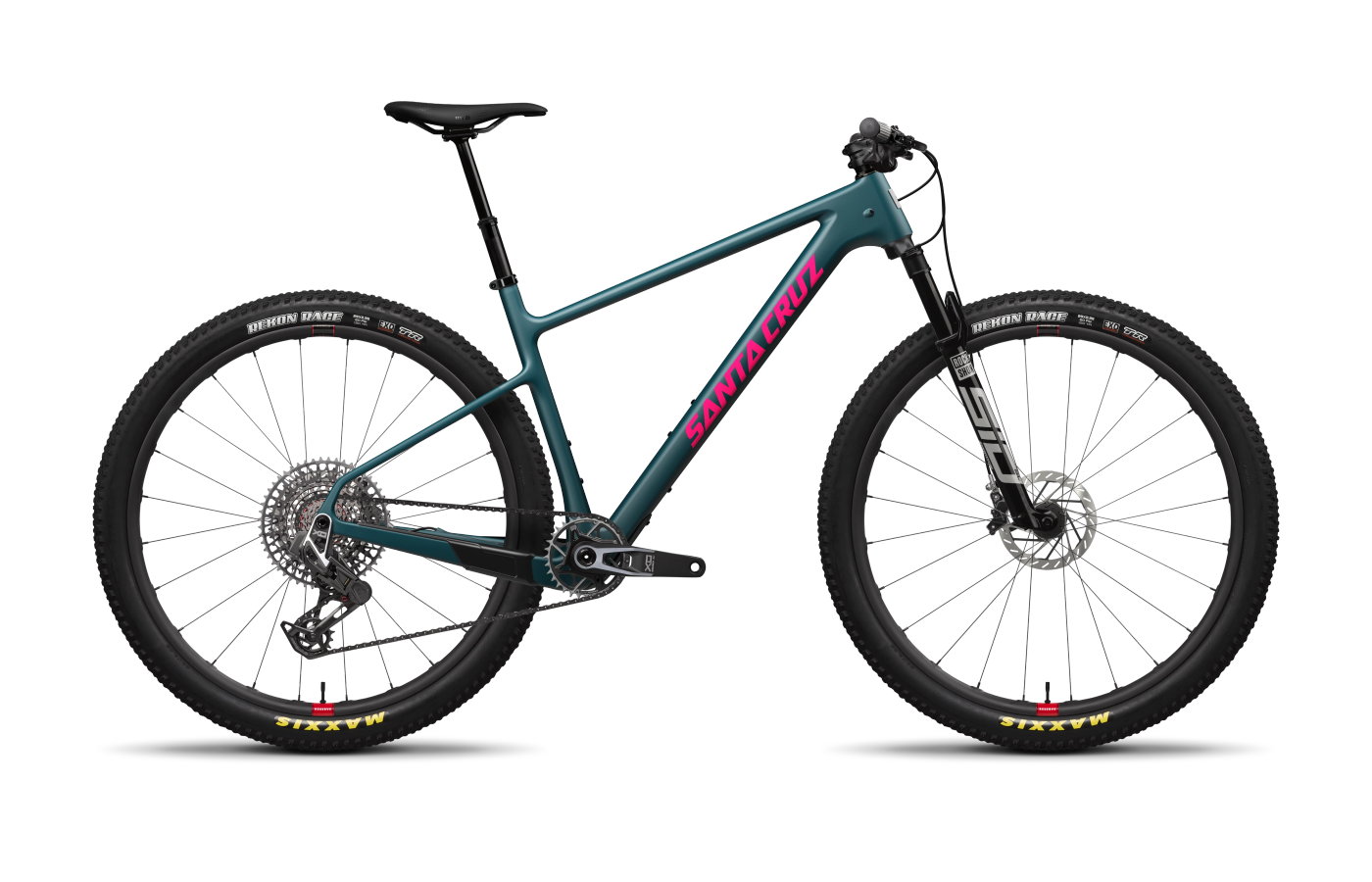
Same brand, same trails — full-suspension or hardtail?
Santa Cruz's two cross-country weapons share DNA but answer different questions. The Blur buys you traction; the Highball buys you watts.
Blur
- Traction-first suspension — lower anti-squat keeps the rear wheel glued on rooty, technical climbs where hardtails spin out.
- 120mm fork up front in the X0 AXS RSV — extra travel and a 67.1° HTA make rough descents far more forgiving.
- Marathon-comfort frame — the Superlight flex-stay layup damps trail chatter for hours-long efforts.
- 1.32 kg heavier than the Highball at the same X0 tier — more bike to drag uphill.
- Active suspension can feel bob-prone on smooth climbs without the lockout engaged.
Highball
- 10.15 kg climbing tool in the X0 AXS RSV trim — no rear shock means every gram and every watt goes to forward motion.
- Lower price floor — starts at ,299 for the R build, vs ,649 for the cheapest Blur.
- Hardtail simplicity — no rear pivots, no rear shock, no bearing service intervals to plan around.
- No rear suspension — washboard, square edges, and tight technical chop transmit directly to the rider.
- 100mm fork and steeper geometry give up confidence on rowdy descents the Blur takes in stride.
Editor’s analysis
This isn't a fight between platforms — it's the question every XC racer eventually asks: do you want the bike to absorb the trail, or do you want to feel every input you put into it?
On paper, the Santa Cruz Blur and Santa Cruz Highball are closer cousins than they used to be. The V4 Blur ditched VPP for a Superlight single-pivot flex-stay design — the same compliance-via-carbon trick the Highball pulls in its rear triangle. Both are 29ers, both run Reserve 28|XC carbon wheels in their RSV builds, both come with Santa Cruz's lifetime frame and bearing warranty. Same brand, same paint quality, same component philosophy.
But the spec sheets diverge in two numbers that decide everything. The Blur X0 AXS RSV weighs 11.47 kg with 107 mm of rear travel and a 120 mm fork; the Highball X0 AXS RSV weighs 10.15 kg with no rear shock and a 100 mm fork. That 1.32 kg gap is the cost of suspension — and the price gap (,899 vs ,349) is what suspension hardware costs at the X0 tier. You're not picking better-or-worse. You're picking what your trails actually demand.
The Blur's pitch is traction. Santa Cruz lowered anti-squat on this generation specifically so the rear wheel sucks itself to the ground — Pinkbike's Henry Quinney called it the fastest singletrack climber he tested, because the rear stays planted on rooty, stepped climbs where stiffer bikes spin out. That comes at a cost: the suspension is active enough that on smooth fire roads it can feel labored without the lockout, and reviewers have called it bob-prone in standing sprints.
The Highball flips the equation. It's a 25-pound climbing machine that reviewers consistently compare to a flat-bar gravel bike on rolling dirt. The dropped seat-stay junction adds enough vertical compliance to keep the rear wheel tracking, but it never replaces a rear shock — washboard and tight technical chop reminds you it's a hardtail. What you get back is raw efficiency: every watt goes forward, no platform to manage, no shock to service. For an XC racer whose courses are climbs and smooth singletrack, that's the faster bike.
Where the builds differ.
Comparing our editor's-pick builds side-by-side. Winners highlighted row-by-row — lower price and weight, and the better-spec component, each mark a point.
Build variants & pricing
Tier-matched at X0 AXS T-Type with Reserve 28|XC wheels — the cleanest apples-to-apples comparison Santa Cruz's catalog allows.
Both X0 AXS RSV builds use SRAM's wireless Transmission and Carbon CC frames. The ,450 price gap between them is the cost of the rear shock, linkage, and pivot bearings — that's what full-suspension structurally costs at this tier.
How they fit, how they steer.
At the fit-picked sizes (Medium on both), the Highball sits 8 mm taller and 2 mm longer in reach, with 7 mm shorter chainstays and a 1.5° slacker seat tube. The Blur's longer wheelbase (1157 vs 1145 mm) and steeper STA put you in a more planted, more pedal-forward position; the Highball is shorter and twitchier behind the bottom bracket.
Which size should I buy?
Both ranges run S/M/L/XL with very similar reach numbers — fit is unlikely to be the deciding factor between these two.
→These are starting points. Flexibility, riding style, and preferred position all shift the answer — if you’re between sizes, a professional fit beats a chart.
What the magazines said.
Published reviews from trusted cycling outlets. Click through for the full write-up.
Which one should you buy?
If your trails are technical and your rides are long, get the Blur. If your trails are climbs and your priority is raw efficiency, get the Highball.
Blur
If your local rides are stepped roots, loose rocks, and stages that go three hours-plus, the Blur's traction and Superlight flex-stay damping will save your back and keep the rear wheel hooked up where the Highball would skip. It's the bike that makes the worst trails on your loop the easiest.
Highball
If most of what you ride goes up — fire roads, smooth singletrack, sustained climbs where every gram matters — the Highball's 10.15 kg weight and zero-platform efficiency make it the faster tool. It's also the simpler bike to live with: no rear shock, no pivots, no service intervals beyond the fork.
Questions buyers actually ask.
Short answers to the things we get emailed about most often.
01How much weight do you save going hardtail?
At the X0 AXS RSV tier — the same drivetrain, wheels, and Carbon CC frame on both — the Highball comes in at 10.15 kg (22.37 lbs) and the Blur at 11.47 kg (25.29 lbs). That's a 1.32 kg (2.9 lb) gap, which is essentially the weight of the rear shock, linkage, pivots, and the longer-travel fork.
On a 30-minute sustained climb, that's worth roughly 15–20 seconds for an average rider — meaningful, but not decisive. The bigger difference is how the bike feels under acceleration.
02Which one descends better?
The Blur, by a clear margin. The X0 AXS RSV runs a 120 mm RockShox SID SL Ultimate up front and 107 mm of rear travel; the Highball is a 100 mm-fork hardtail. On rough descents, the Blur's rear suspension keeps the wheel tracking over square edges where the Highball will skip and lose grip.
That said, both are still XC bikes. Reviewers describe the Blur TR as 'flighty' at high speed compared to true downcountry bikes like the Transition Spur. If you want a bike that descends with real confidence, neither is the answer — look at a Tallboy or Stumpjumper instead.
03Is the Blur really faster on technical climbs?
According to Pinkbike's field testing, yes. Santa Cruz intentionally lowered anti-squat on the V4 Blur so the rear wheel stays active under pedaling load — the result is what reviewers call 'traction for days' on rooty, stepped climbs.
The Highball, being a hardtail, has no such advantage. On smooth climbs the two are roughly equal (the Highball's lower weight cancels out the Blur's traction), but the rougher and more technical the climb, the more the Blur pulls ahead.
04What's the price difference at the same component tier?
At the X0 AXS RSV tier, the Highball is ,899 and the Blur is ,349 — a ,450 gap. That's almost entirely the cost of the rear shock (RockShox SIDLuxe Ultimate), the linkage, and the pivot bearings.
At the entry tier the gap is smaller in absolute terms but proportionally similar: the Highball R is ,299, the cheapest Blur (70 Trail) is ,649.
05How is the Highball not just a worse bike?
Because suspension isn't free. A hardtail is lighter, simpler, and more efficient on smooth ground — there's no platform to manage, no shock to service, no bearings to replace. Reviewers consistently describe the Highball as feeling like a 'flat-bar gravel bike' on rolling dirt, which is exactly what you want for fire-road climbs and smooth singletrack.
If 80%+ of your riding is climbs and smooth XC trail, the Highball is genuinely the faster bike. The Blur only wins when the trail surface punishes a rigid rear end.
06Are the rear ends really compliant on both?
Yes, but in very different ways. The Blur uses a single-pivot flex-stay layout with a RockShox SIDLuxe shock providing 107–115 mm of actual rear travel. The Highball drops the seat-stay/seat-tube junction by about two inches below the top tube to allow the carbon to flex vertically — there's no shock, just frame compliance.
The Highball's compliance is real but small (a few mm of vertical give); the Blur's is an order of magnitude greater. Don't read 'compliant hardtail' as 'almost full suspension.'
07Do they share parts and service?
Substantially. Both X0 AXS RSV builds use the same SRAM X0 Eagle AXS T-Type drivetrain, the same Reserve 28|XC carbon wheels with DT Swiss 350 hubs, the same SRAM Atmos stem, and the same Santa Cruz carbon flat bar. The shop experience is essentially identical — same brand-level support, same lifetime warranty on frame, bearings, and Reserve wheels.
The only meaningful service difference is the Blur's rear pivot bearings and shock, which need periodic attention (Santa Cruz's bearing replacement program covers them for life).
08Which holds up better long-term?
Both benefit from Santa Cruz's lifetime frame, bearing, and Reserve-wheel warranties. The Highball is structurally simpler — no rear pivots to fail, no shock to rebuild — so it has fewer wear points by design.
Long-term Blur reviewers (notably 'TheAncientScholar' at 3,000+ miles) report eventual creaking from the rear pivot area requiring bearing service, and have flagged the gap between rear triangle and seat tube as a debris-trap worth monitoring with a Dirt Skirt accessory. Neither is a deal-breaker, but the Highball is the lower-maintenance bike if that matters to you.
Similar bikes
If your priorities don’t map cleanly onto either of these, one of these adjacent bikes probably fits better.
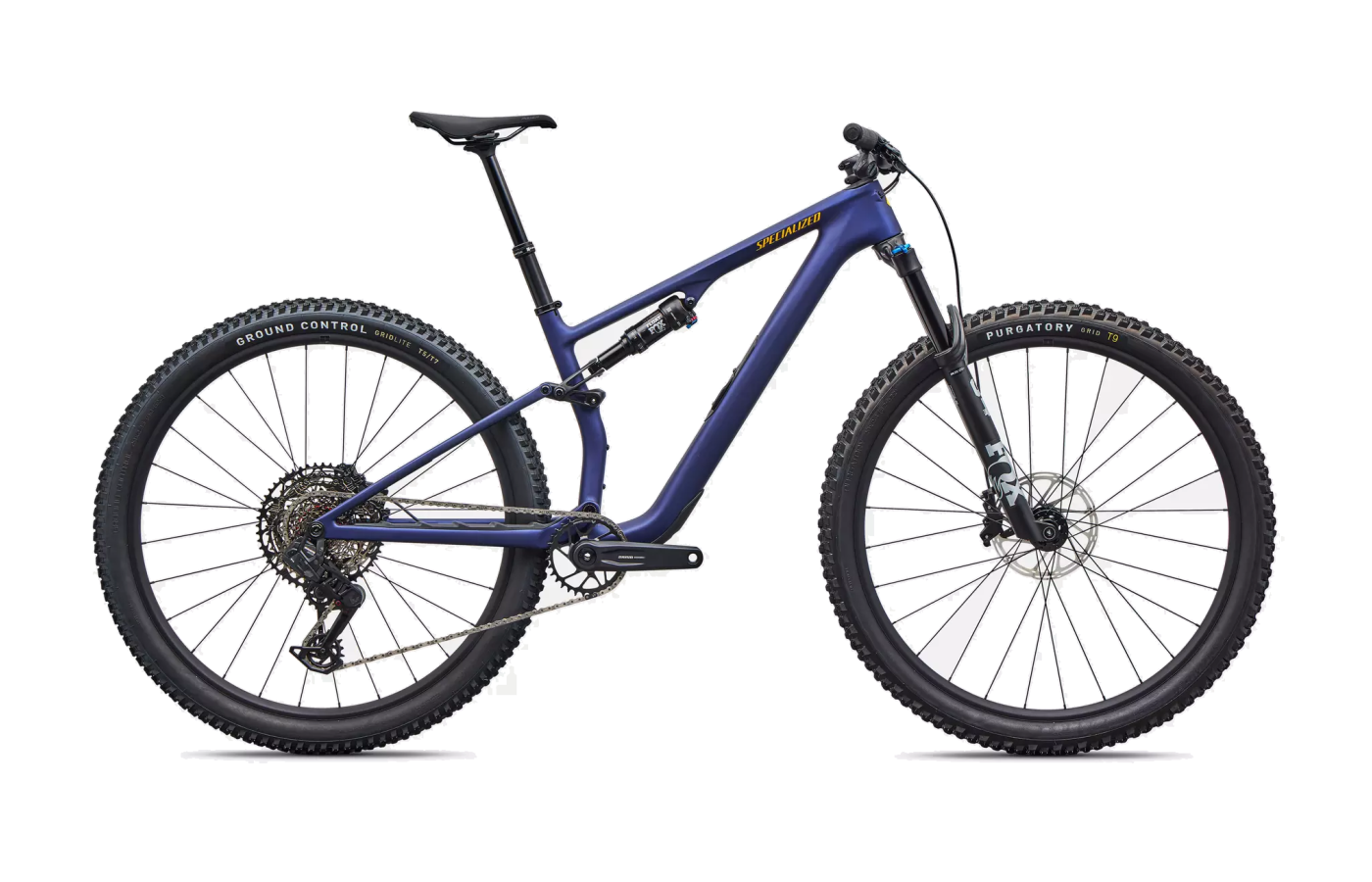
Epic Evo
Specialized's answer to the Blur — similarly lightweight full-suspension XC, but with slightly more progressive geometry that's more composed at speed on the descents. The closest direct competitor in the segment.
Compare →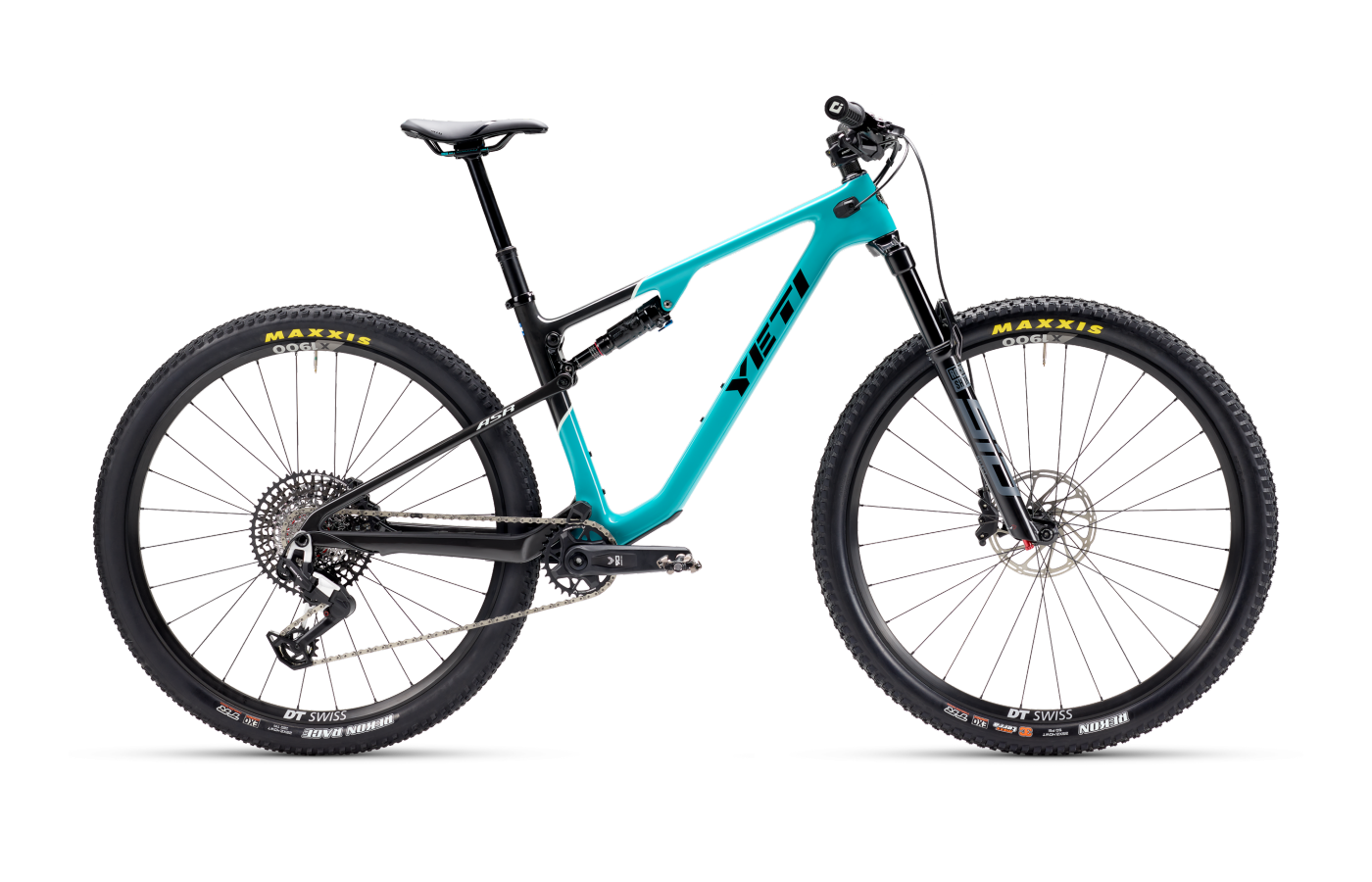
ASR
Yeti's lightweight flex-stay XC platform — the most direct philosophical competitor to the Blur. Different suspension feel, similar mission, distinct brand pedigree.
Compare →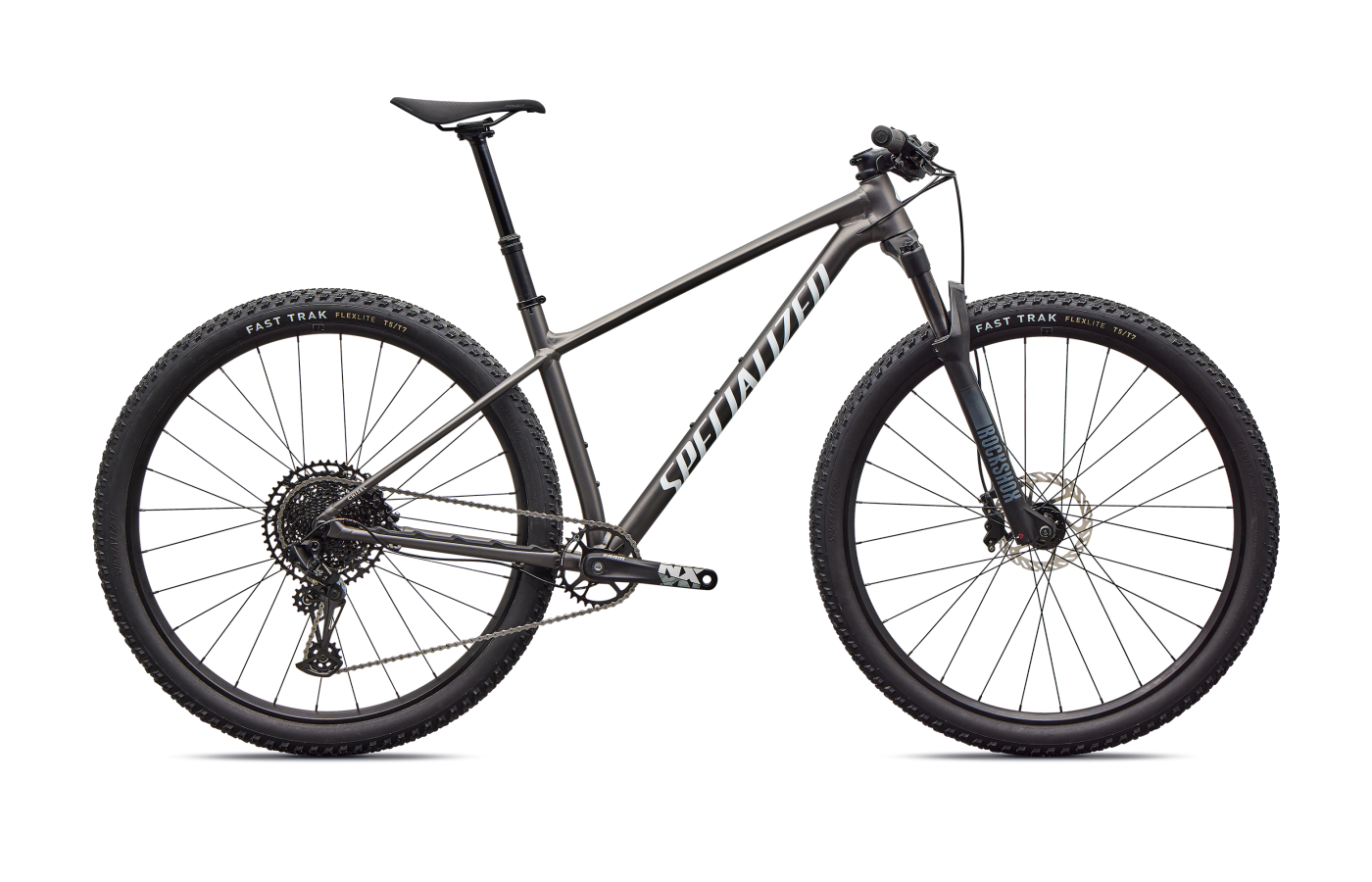
Chisel
If the Highball appeals but the price doesn't, the Specialized Chisel is the alloy answer — race-ready geometry and surprising frame compliance for a fraction of the carbon price.
Compare →