SB120
vsSB140
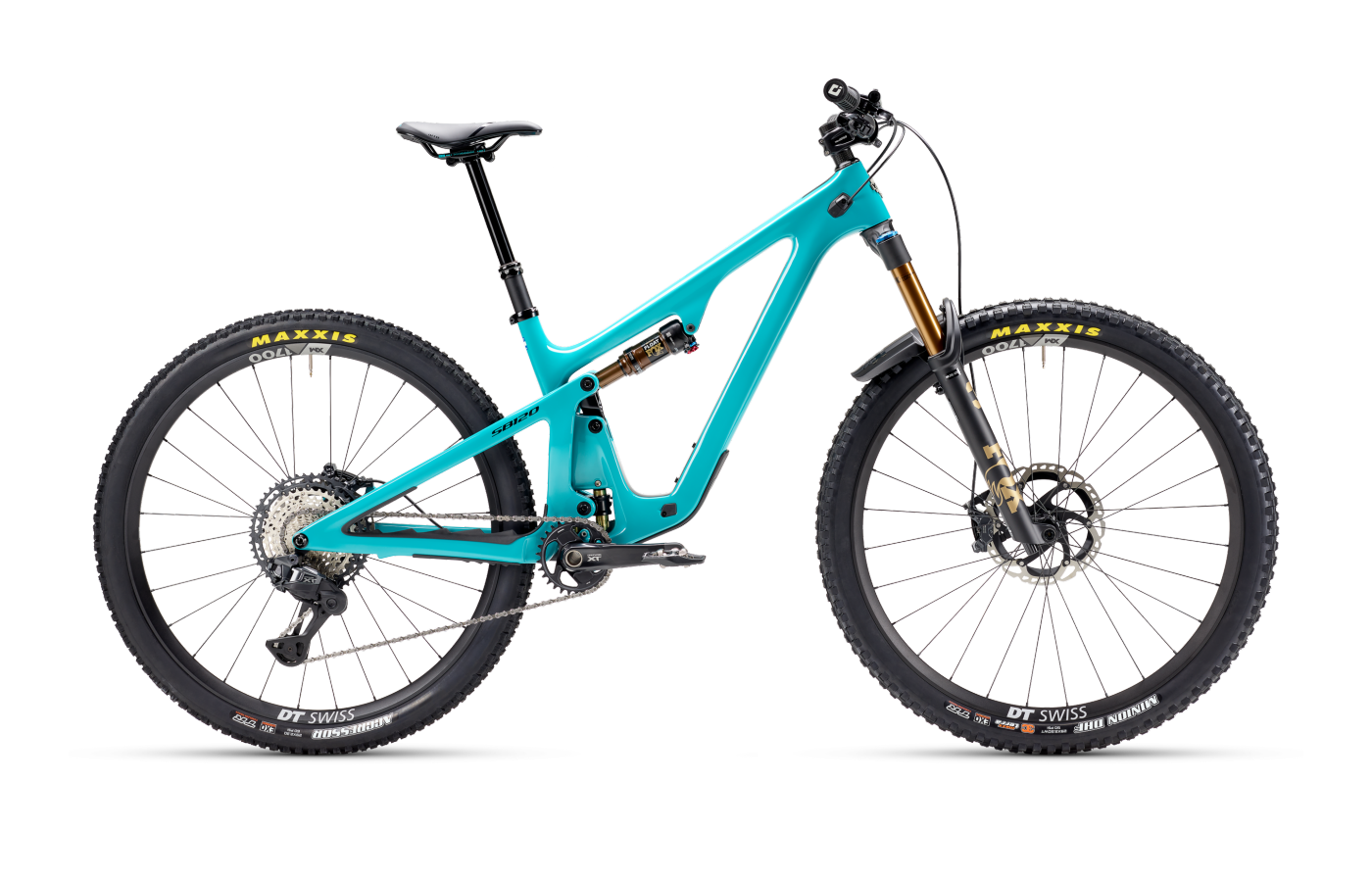
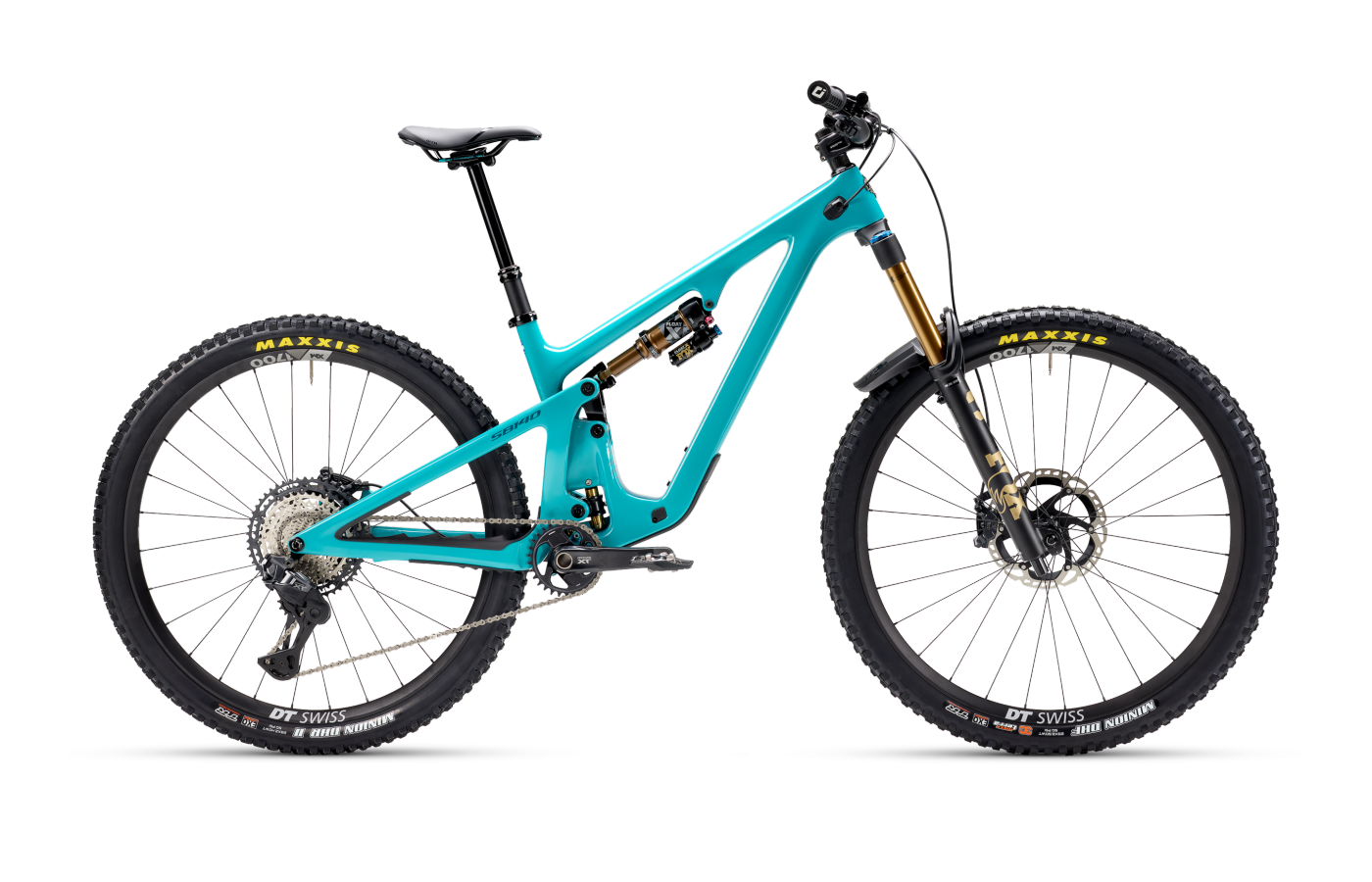
Same frame DNA, two different mountains.
The SB120 is Yeti's short-travel shredder — carvy, precise, earns its descents. The SB140 is the quiver-killer — longer, slacker, built for controlled chaos at speed.
SB120
- Sharper steering — the 66.2-degree HTA and tighter wheelbase make technical switchbacks and mid-corner adjustments feel instinctive.
- Lighter on the climbs — roughly 1.4 lb lighter than the SB140 at equivalent build tiers, which adds up on multi-hour pedaling days.
- Pedal-neutral efficiency — the revised Switch Infinity V2 layout is stable enough that most reviewers stopped reaching for the climb switch.
- 120 mm rear travel and a steeper HTA show their limits in enduro-grade chutes — it gets "pointy" when trails get properly steep and gnarly.
- Stock SRAM G2 brakes are nearly universally called underpowered for the chassis's real descending capability — budget for an upgrade.
SB140
- More travel, more composure — 140 mm rear and a 160 mm fork, with a 65-degree head angle that holds lines through chunk the SB120 has to feather around.
- Bottomless feel on big hits — the 14% progressive leverage curve means reviewers regularly clear 5-to-7-foot drops without harsh bottom-outs.
- Steeper 77-degree seat angle — keeps the rider planted on technical climbs despite the slacker, longer front end.
- Roughly 1.4 lb heavier than the SB120 at matching builds, and the low 620 mm stack (size M) has reviewers swapping to higher-rise bars for steep-terrain comfort.
- No internal frame storage and no geometry adjustment — competitors like the Stumpjumper 15 and Hightower now offer both.
Editor’s analysis
These aren't opposites — they're siblings built around the same Switch Infinity V2 platform, tuned for a 20 mm travel delta that ends up mattering a lot more than it looks on paper.
Both bikes share the same Turq carbon frame ethos, the same threaded BSA bottom bracket, the same tubed-in-tube internal routing, the same size-specific chainstays. The Yeti SB120 runs 120 mm rear and a 140 mm fork. The Yeti SB140 runs 140 mm rear and a 160 mm fork. That's a 20 mm rear-travel gap and a 20 mm fork-travel gap — modest on the spec sheet, character-defining on the trail.
The SB120 is the snappier, more precise tool. Its 66.2-degree head tube angle and tighter 1,194 mm wheelbase (size M) make it carvy on twisty singletrack and remarkably efficient on technical climbs — reviewers consistently call it a "mountain goat" that stays glued to the ground. The Switch Infinity rear end punches above its 120 mm, feeling closer to 130-140 mm when things get chunky, but the geometry is honest about where it lives: fast, flowy, technical trail riding, not enduro chutes.
The SB140 takes that same chassis ideology and tilts it downhill. A 65-degree head angle, a 1,222 mm wheelbase, and 20 mm more travel at each end mean it absorbs what the SB120 has to dance around. Reviewers describe it as a "surgical scalpel" rather than a plow — it generates speed out of corners (one tester compared it to a Tesla Model Plaid) but demands an active pilot with weight forward. The 77-degree effective seat tube angle keeps it honest on climbs; the tradeoff is roughly 1.4 lb more bike on equivalent builds.
Put another way: the SB120 is the bike for riders whose local trails reward precision and pedaling — short, punchy climbs followed by carvy descents. The SB140 is the bike for riders whose local trails reward composure and travel — steeper lines, bigger drops, faster descents where the extra 20 mm stops mattering like a rounding error and starts mattering like insurance.
Where the builds differ.
Comparing our editor's-pick builds side-by-side. Winners highlighted row-by-row — lower price and weight, and the better-spec component, each mark a point.
Build variants & pricing
Both lineups span six builds across Turq and C-series carbon. Turq T1 XT Di2 is the tier-matched pick on each side — electronic Shimano, same wheelset, same frame grade.
Prices are current US MSRP. The SB140 runs roughly $200-$400 more than the SB120 at every matched build tier — the same chassis platform, more suspension and beefier fork, priced accordingly.
How they fit, how they steer.
Both at size M — the fit-picked size for a 5'8" rider on each bike. The SB140 sits 1.2 degrees slacker (65 vs. 66.2), stretches 7.6 mm longer in reach, and adds ~28 mm of wheelbase. The SB120 sits snappier; the SB140 sits more planted.
Which size should I buy?
Size recommendations based on stack, reach, and effective top tube. The SB120 offers an extra XS at the bottom of the range; the SB140 adds an XXL at the top.
→These are starting points. Flexibility, riding style, and preferred position all shift the answer — if you’re between sizes, a professional fit beats a chart.
What the magazines said.
Published reviews from trusted cycling outlets. Click through for the full write-up.
Which one should you buy?
If your trails reward precision and pedaling, get the SB120. If they reward composure and travel, get the SB140.
SB120
If you ride long backcountry loops and punchy local trails where climbing efficiency and carvy descending matter more than outright travel, the SB120 is the sharper tool. You'll feel the 120 mm limit on the gnarliest stuff — but everywhere else, it's the more engaging bike.
SB140
If your weekend mixes bike-park laps with 3,000-foot climbing days, the SB140 handles the full range without feeling like too much bike on the way up or too little on the way down. The extra 20 mm of travel at each end is insurance you'll use.
Questions buyers actually ask.
Short answers to the things we get emailed about most often.
01How much actual travel difference is there?
Exactly 20 mm at each end. The Yeti SB120 runs 120 mm rear / 140 mm fork. The Yeti SB140 runs 140 mm rear / 160 mm fork (the standard build). On a spec sheet it sounds incremental; on the trail it's the difference between dancing around a rock garden and rolling through it.
Both bikes use the same revised Switch Infinity V2 suspension layout, so the character is consistent — the SB140 just has more of it.
02Which one climbs better?
The SB120, meaningfully. It's roughly 1.4 lb lighter at matched build tiers (29.80 lb for the T1 XT Di2 vs. 31.19 lb for the SB140 T1 XT Di2), and the steeper 66.2-degree head angle makes it more precise on technical, low-speed climbs.
The SB140 is no slouch — its 77-degree effective seat tube angle keeps you planted, and most reviewers never reach for the climb switch. But on a long fire-road grind or a technical switchback, the SB120's geometry and weight advantage are real.
03Which is more capable on steep, technical descents?
The SB140, unambiguously. With 20 mm more travel at each end, a 65-degree head angle (vs. 66.2 on the SB120), and a ~28 mm longer wheelbase at size M, it stays composed where the SB120 starts to feel "pointy."
Reviewers are consistent on this — the SB120 is an excellent short-travel shredder, but it has a capability ceiling on enduro-grade terrain. The SB140 doesn't. If you regularly ride chutes, big drops, or bike-park lines, the SB140 is the obvious pick.
04What's the deal with Switch Infinity V2?
It's Yeti's updated suspension hardware, shared across the SB120 and SB140 Turq-series frames. The V2 version adds improved bearings, better seals, and a grease injection port to extend service life — addressing the historical criticism that Switch Infinity needed too much attention.
It still needs more maintenance than a simple four-bar linkage: Yeti recommends greasing the Kashima-coated sliders every 40-75 hours of riding. In exchange, you get the "sentient" rear-wheel feel reviewers consistently describe. Both bikes benefit equally from the update on Turq builds.
05Are the Turq and C-series frames really different?
Same geometry, same kinematics — different carbon layup. The Turq frame uses higher-modulus carbon to save roughly 225 g, and Turq builds get the newer V2 Switch Infinity hardware. The C-series frames weigh slightly more and run the older V1 hardware.
For most riders the ride difference is subtle. The C-series (C2 and C3 builds) is the value play on both platforms — same frame shape and handling at a $2,000+ savings versus the comparable Turq build.
06Which size should a 5'8" rider get?
Size M on both. The fit algorithm picks size M for a 173 cm rider across the lineup, landing in the middle of the stack and reach range on each frame.
If you're right at the size break (5'9"-5'10"), the SB140's size L (480 mm reach) is noticeably longer than the SB120's size L (472 mm reach) — worth a test ride before committing.
07Can I run the SB120 with a 140 mm fork?
Yes — Yeti confirms the SB120 is compatible with a 140 mm fork (stock builds ship with 140 mm Fox 36). Pushing beyond that starts to eat into the SB120's identity as a precision-first short-travel bike.
If you're looking at the SB120 mainly so you can slowly make it into an SB140, buy the SB140. The frames are different — longer wheelbase, slacker head angle, more progressive kinematics — and bolting a bigger fork on the SB120 only approximates one piece of that equation.
08Do I really need to upgrade the brakes?
Probably yes on the SB120 and on the standard-build SB140. The SRAM G2 RSC brakes that ship on most builds are the single most common criticism across reviews — described as "underpowered" and "failing to live up to the potential" of the chassis.
The SB140 Lunch Ride (LR) builds upgrade to SRAM Codes or Mavens, which reviewers describe as appropriately matched. If you're buying a standard build and plan to ride aggressively, budget for 200 mm rotors or a four-piston caliper swap.
Similar bikes
If your priorities don’t map cleanly onto either of these, one of these adjacent bikes probably fits better.
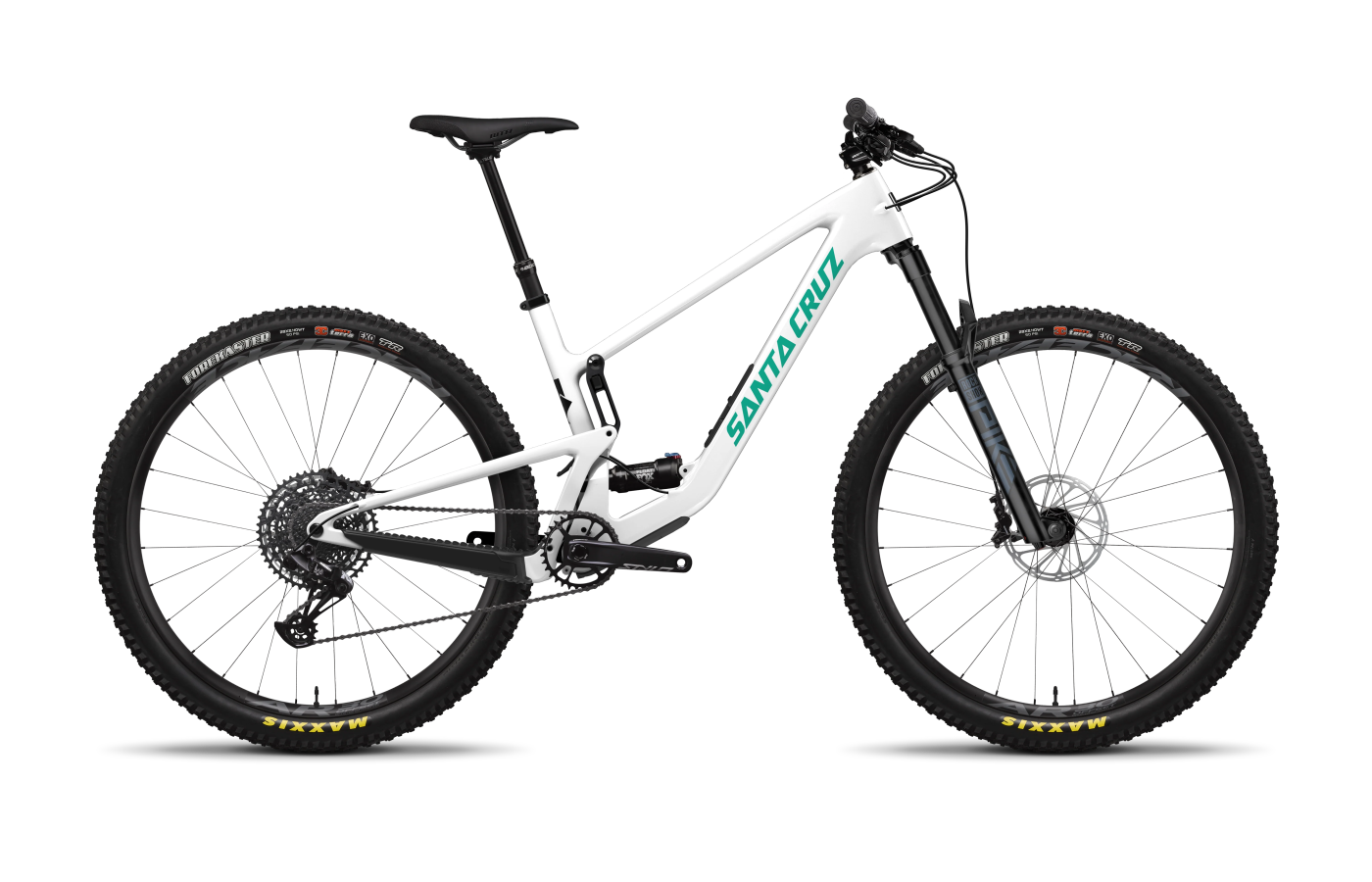
Tallboy
The primary SB120 alternative — a 65.5-degree head angle makes it feel more confident than the Yeti when trails get steep, at typically lower prices. Trade some of the SB120's climbing efficiency for descending composure.
Compare →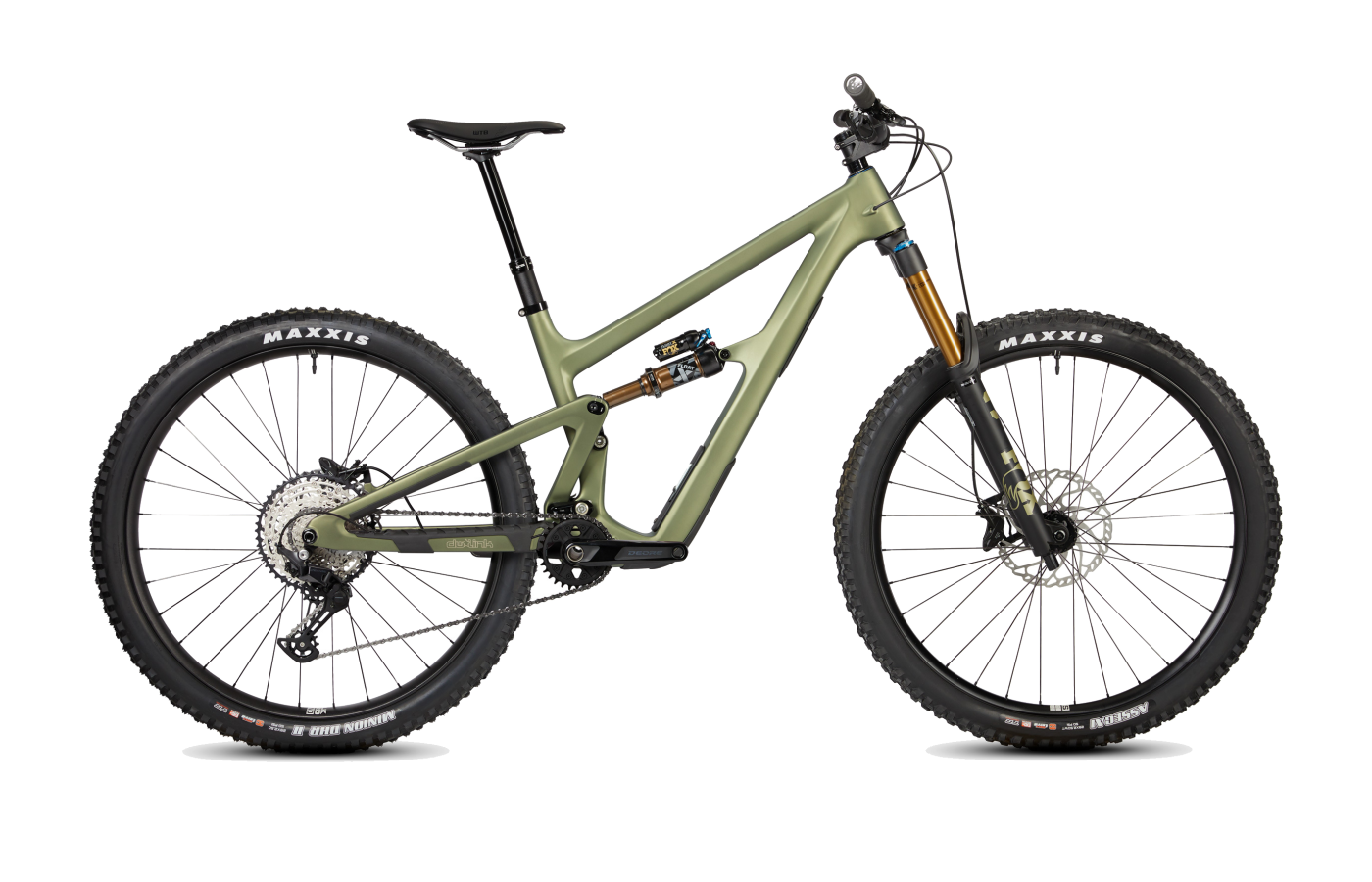
Ripmo
The mid-travel versatility benchmark, often found below Yeti pricing. Its DW-Link suspension feels less "mechanical" than Switch Infinity — plusher small-bump, less of that Yeti mid-stroke support.
Compare →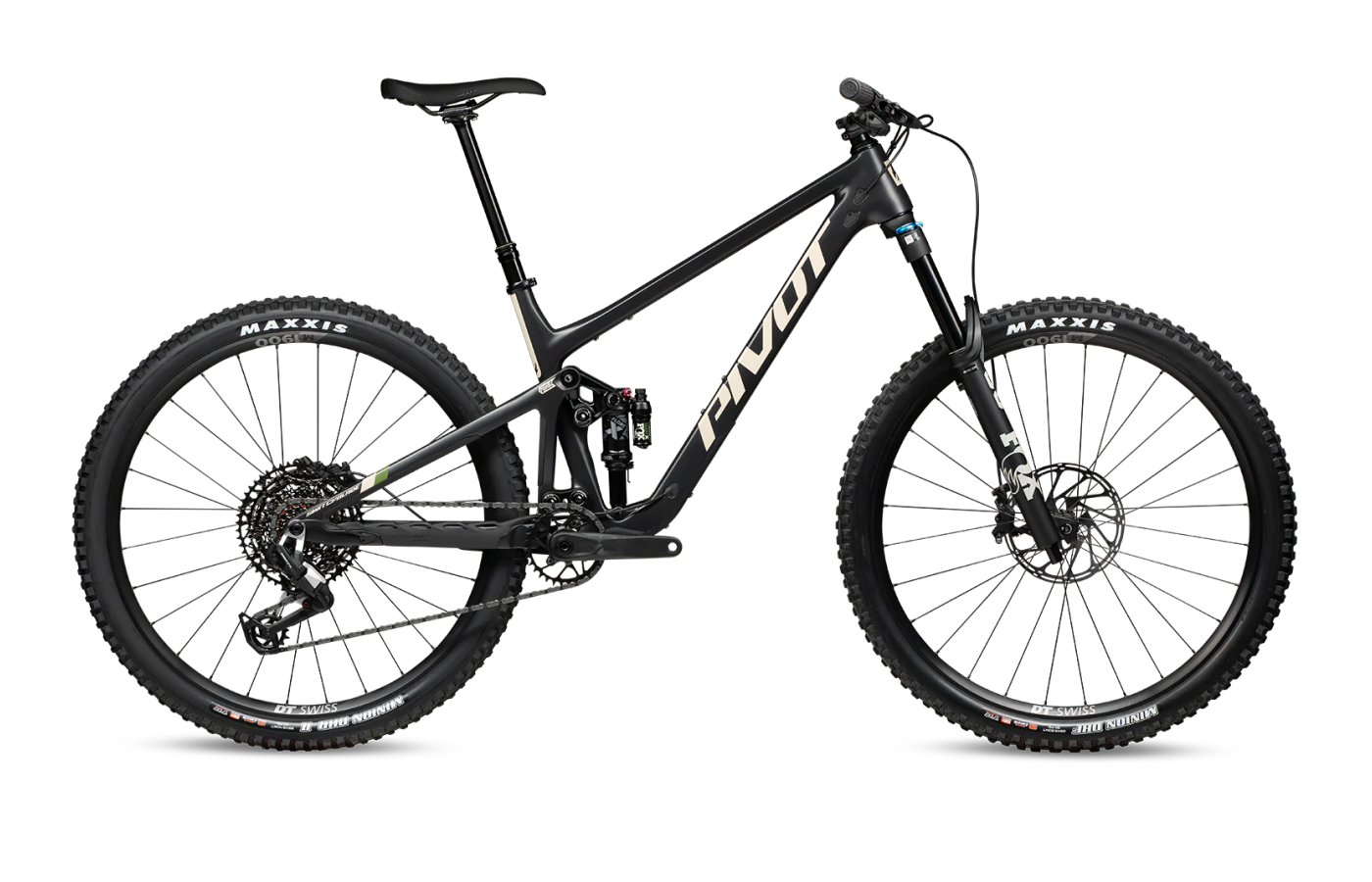
Switchblade
A high-performance SB140 alternative built around a stiffer, more technical-climb-focused chassis. Rewards precision riders the way the SB140 does, without the Switch Infinity service requirements.
Compare →