Patrol
vsSpire
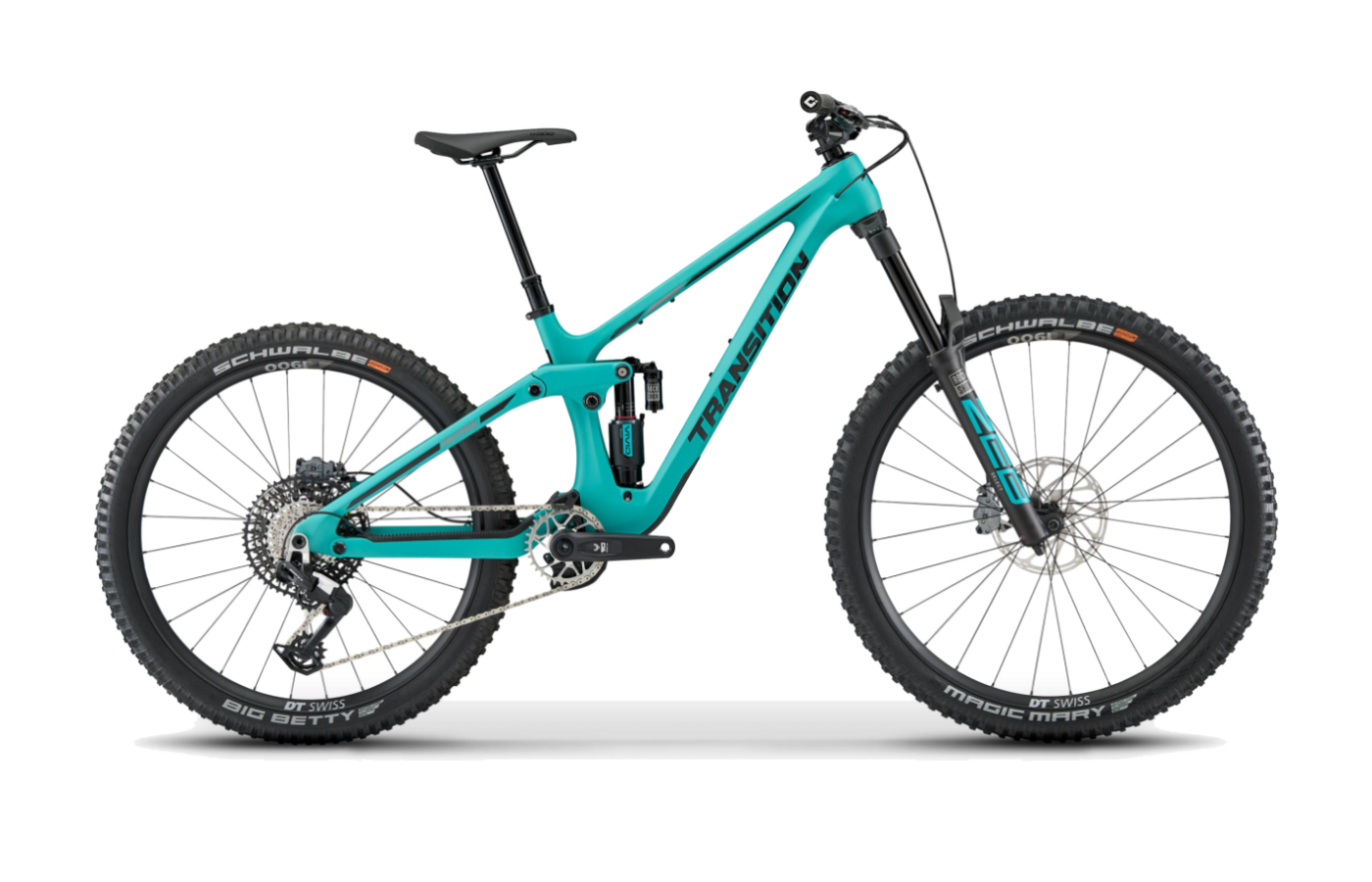
Two Transitions, two sizes of rowdy.
The Patrol is the 160 mm mullet that eggs you on. The Spire is the 170 mm full-29er that shrugs at terrain the Patrol gets outrun by.
Patrol
- Mullet agility — the 27.5 rear lets you rail tight, loose switchbacks full-29ers struggle with.
- Cheapest way into the Transition family — alloy Eagle 70 starts at $3,999.
- Freakishly poppy — 24% progression plus the small rear wheel begs you to leave the ground.
- Slack geometry can outrun 160 mm of travel in high-speed chunk — one field test clocked it the slowest bike in its group.
- Very low BB means frequent crank strikes even with the stock 165 mm cranks.
Spire
- Downhill-bike stability — 1257 mm MD wheelbase plus 63° HTA shrugs off terrain the Patrol gets busy in.
- 170 mm front and rear — 10 mm more than the Patrol, and the bigger rear wheel rolls through square-edged hits easier.
- Big-brake spec — 220 mm front rotors standard across the range to match the freight-train momentum.
- Long wheelbase and slack front end feel 'portly' and wandery on mellow trails.
- Alloy builds tip 35–37 lbs — this is not a climb-all-day trail bike.
Editor’s analysis
Same brand, same GiddyUp kinematics, same dual-crown-ready geometry — but how much bike you want is the whole conversation.
On paper these two look like neighbors: 63.5° vs 63° head angles, 78.1° effective seat angles, low bottom brackets, lifetime warranties, external brake routing, threaded BBs. Transition builds them from the same playbook. The split comes down to wheels and travel — and that's enough to pull the ride characters apart.
The Patrol is the 160 mm mullet. 29 up front for line-choice forgiveness, 27.5 out back for snap. A size MD gets you a 1231 mm wheelbase and 434 mm chainstays — short enough to steer with your hips in tight, awkward stuff. Reviewers near-unanimously call it a 'party machine' that rewards a pilot, not a passenger. The caveat they also near-unanimously raise: at true high speed, the slack front end can outrun the 160 mm of travel. One Pinkbike field test literally clocked it slower than the Spire despite feeling faster.
The Spire keeps the 29-inch rear and adds 10 mm of travel front and rear. MD wheelbase grows to 1257 mm, chainstays stretch to 446 mm, head angle slackens to 63° — and suddenly you have a bike reviewers keep comparing to a World Cup DH rig on the climb-ride-descend loop. It 'craves speed,' goes dead at low speed, and rewards the rider who looks at a rock garden and thinks straight through the middle.
Put it this way: the Patrol is the bike you buy because you ride a lot of tight, jibby, loamy trails and want to get sideways. The Spire is the bike you buy because your local rowdy line keeps eating shorter-travel bikes and you're tired of pulling punches. Both are too much bike for mellow weeknight loops — neither brand disagrees.
Where the builds differ.
Comparing our editor's-pick builds side-by-side. Winners highlighted row-by-row — lower price and weight, and the better-spec component, each mark a point.
Build variants & pricing
Three Spire builds, four Patrol builds — both platforms start in alloy and top out in carbon with the Eagle 90 mechanical Transmission.
Prices are current US MSRP. We've picked the Eagle 90 Carbon on each side for tier and frame-grade parity; the Spire runs ~$1,400 more at this tier, largely because its ZEB Ultimate / Vivid Ultimate suspension package outranks the Patrol Eagle 90 Carbon's ZEB Select / Vivid Select. The only wireless/AXS build in either lineup is the Patrol GX AXS Carbon at $6,999 — the Spire doesn't currently offer one.
How they fit, how they steer.
Both at size MD — the fit-picked size for a 5'8" rider. The Spire is 4 mm lower in stack and 5 mm longer in reach, with 12 mm more chainstay and a 26 mm longer wheelbase. The Patrol is the shorter, snappier footprint; the Spire is the longer, more planted one.
Which size should I buy?
Size recommendations based on stack, reach, and effective top tube. The Spire adds an XXL at the top; the Patrol stops at XL.
→These are starting points. Flexibility, riding style, and preferred position all shift the answer — if you’re between sizes, a professional fit beats a chart.
What the magazines said.
Published reviews from trusted cycling outlets. Click through for the full write-up.
Which one should you buy?
If your trails are tight, loamy, and jib-friendly, get the Patrol. If you're chasing speed through rough, wide-open chunk, get the Spire.
Patrol
If you live for tight switchbacks, steep loamy chutes, and getting sideways in bike park jump lines, the Patrol is the easier bike to work. The 27.5 rear makes it intuitive in low-speed tech; the 160 mm of travel and low BB keep it connected to the trail rather than floating over it.
Spire
If your local descents are rough, fast, and wide enough to let a 1257 mm wheelbase stretch its legs, the Spire's 170 mm of travel and 63° front end will let you ride lines the Patrol gets busy on. It's the 'pedalable downhill bike' side of the Transition lineup.
Questions buyers actually ask.
Short answers to the things we get emailed about most often.
01Which is faster on rough, high-speed descents?
The Spire, and the gap is measurable. In a Pinkbike field test that ran both bikes on the same stages, the Patrol posted slower lap times despite 'feeling' faster, with the reviewer noting the Patrol's slack geometry can outrun its 160 mm of travel in high-speed straightaways.
The Spire's longer wheelbase, 170 mm of travel, and full 29-inch rear wheel roll through square-edged hits the Patrol gets bounced around by. If your trails are fast and chunky, the Spire is the right tool.
02Which is better in tight, technical terrain?
The Patrol. The 27.5-inch rear wheel and 1231 mm MD wheelbase let you 'steer with your hips' through tight switchbacks in a way the Spire's 1257 mm footprint and full-29 rear don't match.
Reviewers consistently noted the Spire gets a chore-y feeling on tight, low-speed tech, while the Patrol hooks up in catch berms and snaps direction changes with minimal effort.
03Do both climb well despite the slack head angles?
Yes — both share a steep 78.1° effective seat tube angle that keeps the rider's weight centered over the BB and the front wheel planted on steep climbs. Reviewers called both 'surprisingly pedalable' for bikes with near-downhill head angles.
Caveats: the alloy builds of either bike are heavy (35–37 lbs for the Patrol alloy, similar for the Spire), so long climbs will feel like work. The carbon frames shed around 2.8 lbs and feel noticeably more sprightly.
04Can I run a dual-crown fork on either?
Yes on both. Both frames use a 1.5-inch straight head tube and are explicitly dual-crown certified by Transition — part of what reviewers call their 'freeride credentials.' You can also extend rear travel: the Patrol goes from 160 mm to 170 mm with a 65 mm stroke shock, and the Spire is already at 170 mm rear.
Practically, this means either bike can be pressed into service as a bike park or freeride rig with a fork swap.
05How bad are the pedal strikes?
Bad enough that both bikes ship with 165 mm cranks to mitigate it, and reviewers still report frequent strikes. The Patrol's very low BB — noted by multiple testers as possibly lower than the geo chart indicates — is the more commonly cited offender.
Both bikes have a flip chip; most reviewers recommended running the 'High' setting for daily riding to claw back a few millimeters of clearance, and saving the slacker 'Low' setting for lift-served or bike-park days.
06Which is the better value at the Eagle 90 Carbon tier?
Both picks sit on the same SRAM Eagle 90 Transmission drivetrain and carbon frame, so it's really a suspension-spec comparison. The Spire Carbon Eagle 90 ($7,699) runs ZEB Ultimate fork and Vivid Ultimate shock. The Patrol Eagle 90 Carbon ($6,299) drops to ZEB Select and Vivid Select.
The $1,400 delta is almost entirely that suspension-tier gap. If you want the Ultimate-level damping on the Patrol, either step up to the $6,999 GX AXS Carbon (which has it) or factor in an aftermarket swap.
07How's the long-term reliability?
Both platforms share the same long-term notes across reviewers. Positives: lifetime frame warranty, threaded BB, SRAM UDH, external rear brake routing that makes home service easier, and unusually deep small-parts availability on Transition's website.
Watch-outs: thin paint that chips easily (Transition sells touch-up paint direct), pivot bearings that don't use external seals and tend to need replacement more often in wet conditions, and some reports of soft alloy pivot bolts that strip if over-torqued. Budget an annual bearing service if you ride wet.
08Which size should I get if I'm between sizes?
Both bikes have fairly conservative reach numbers for modern enduro bikes. At 5'8" / 173 cm, the fit algorithm picks MD on both (455 mm reach Patrol, 460 mm reach Spire).
If you're between sizes and ride mostly aggressive descending, size up on the Spire — the long wheelbase is what it's built for. On the Patrol, size down if in doubt; its mullet character rewards the shorter, snappier footprint.
Similar bikes
If your priorities don’t map cleanly onto either of these, one of these adjacent bikes probably fits better.
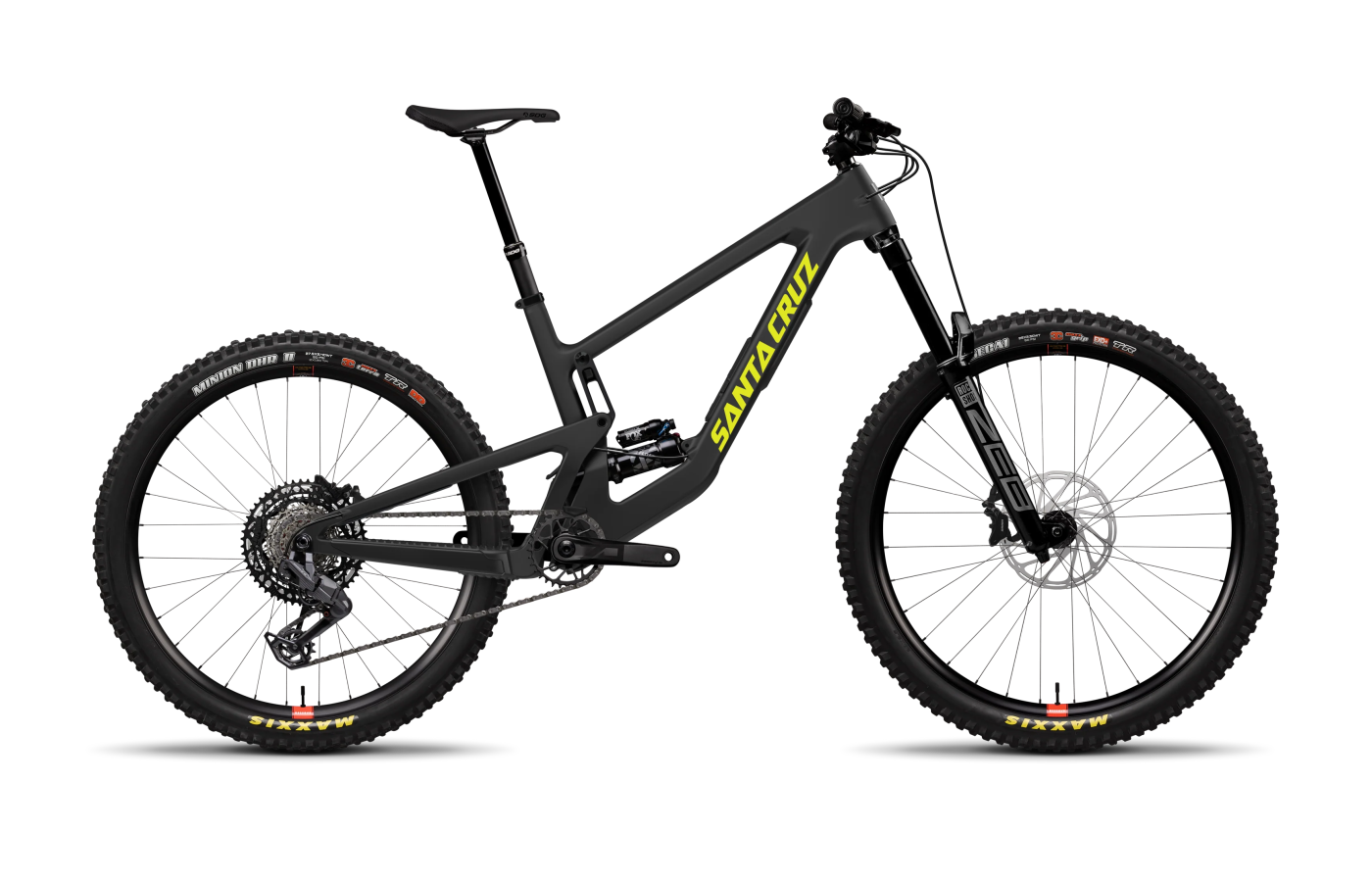
Nomad
A premium mullet rival to the Patrol with VPP suspension — Santa Cruz trades a touch of the Patrol's raw trail feedback for a more dampened, refined ride. The closer comparison for Patrol shoppers.
Compare →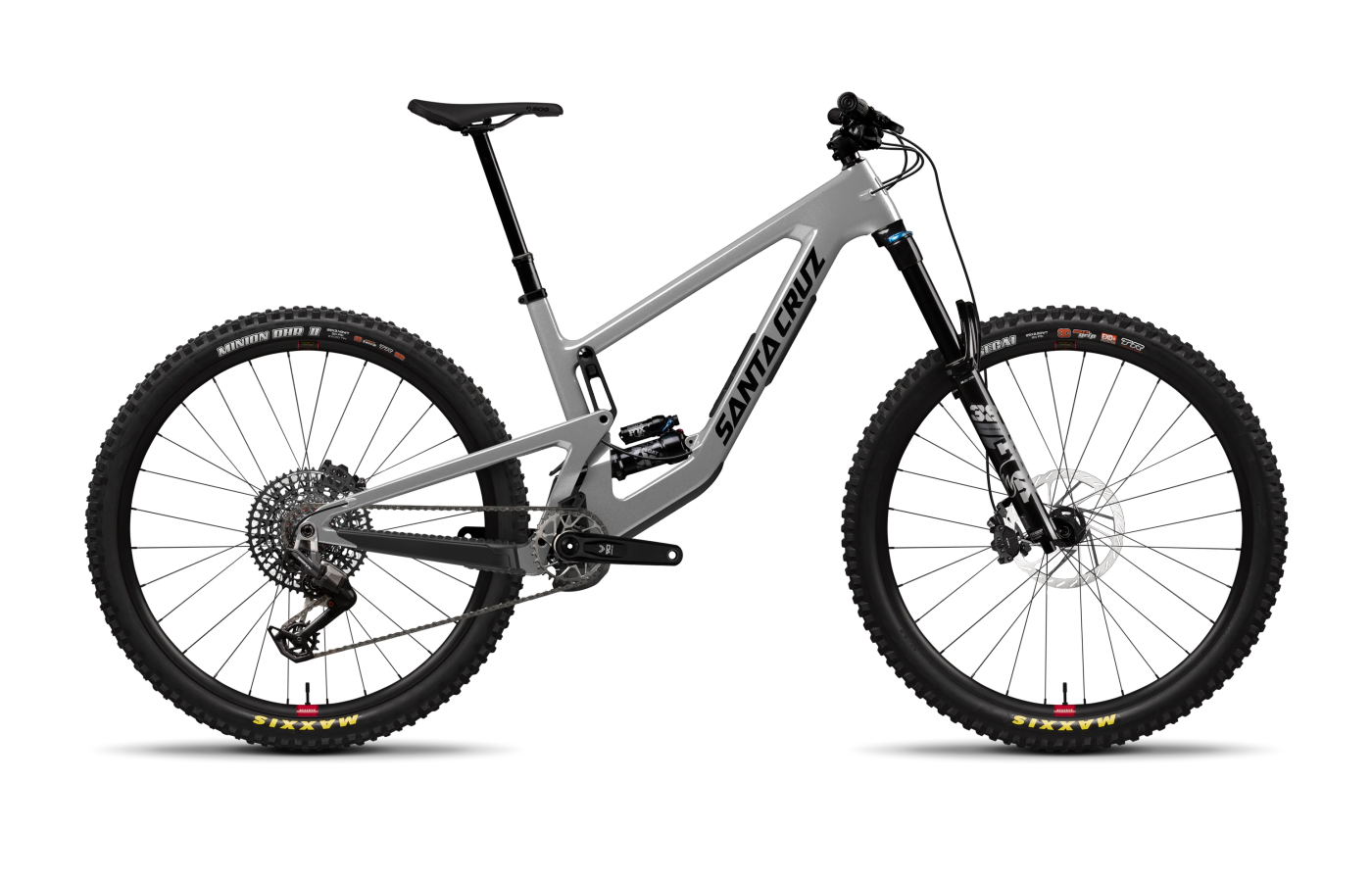
Megatower
The Spire's most-name-checked rival. A full-29 long-travel rig that feels a hair more composed on mellower trails while still going deep when the terrain turns nasty.
Compare →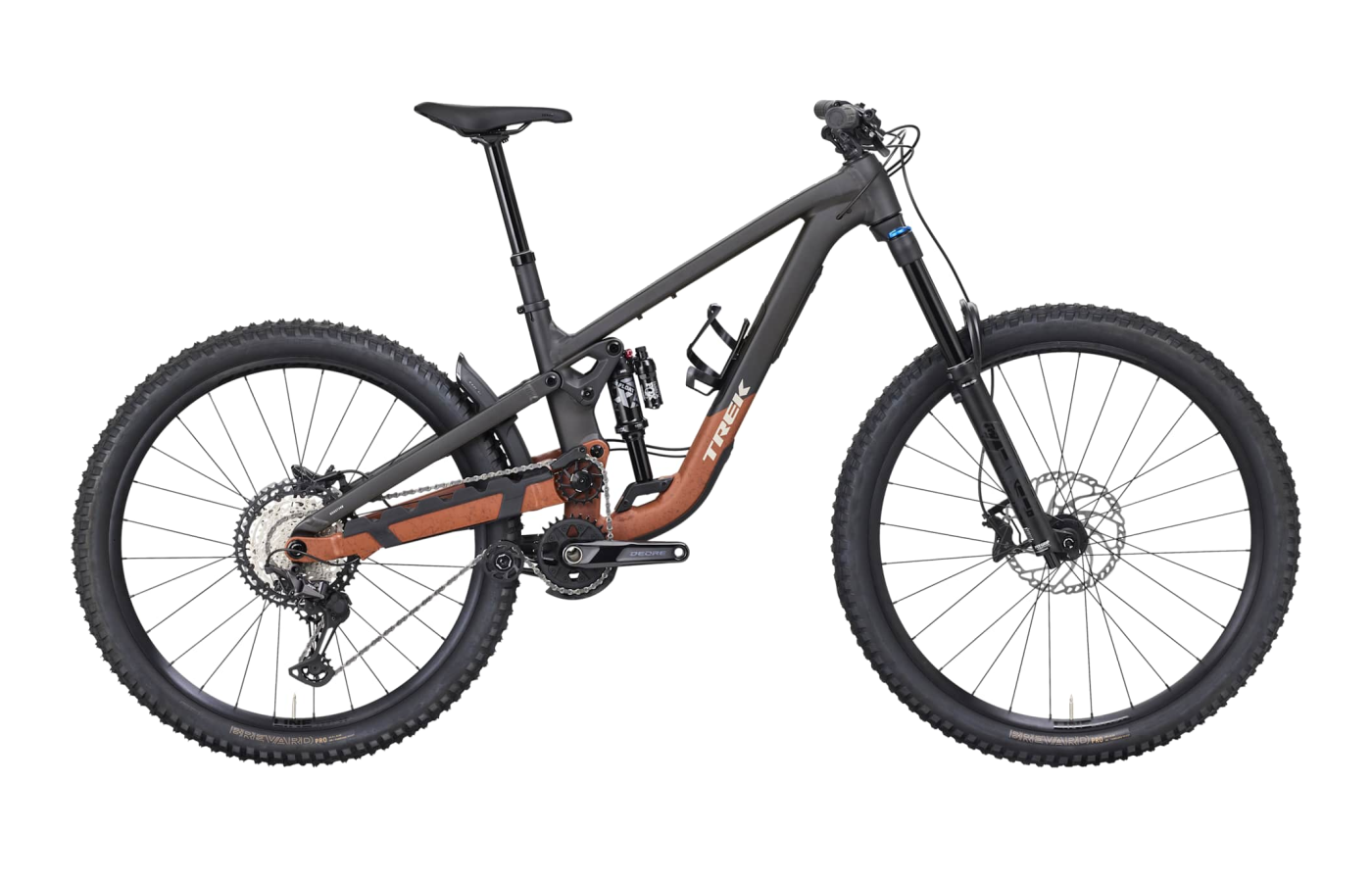
Slash
The high-pivot alternative to the Spire — the rearward axle path eats square-edged hits more quietly than any four-bar can. The trade is more maintenance complexity and an idler pulley to keep happy.
Compare →