Allez Sprint
vsTarmac
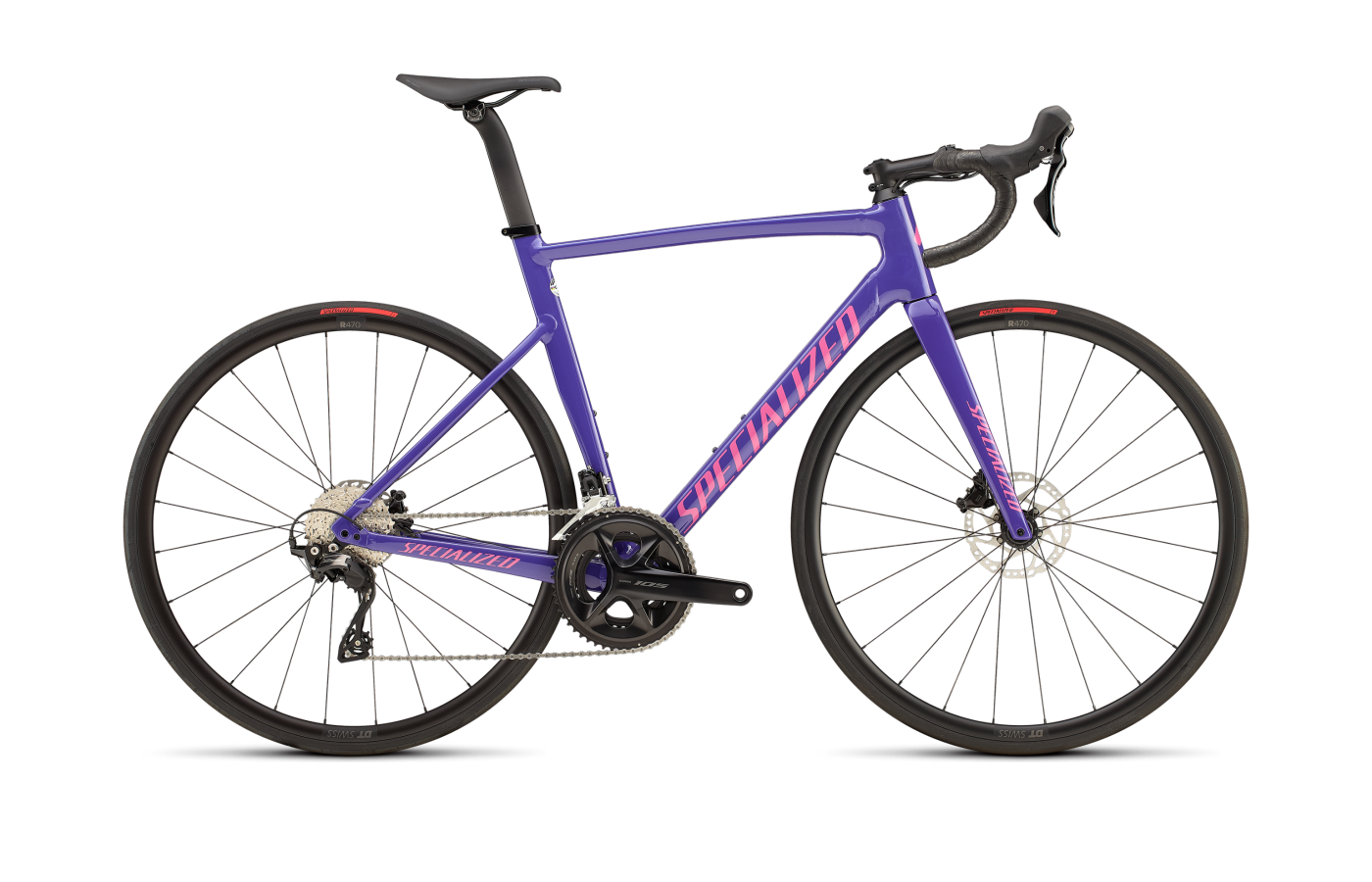
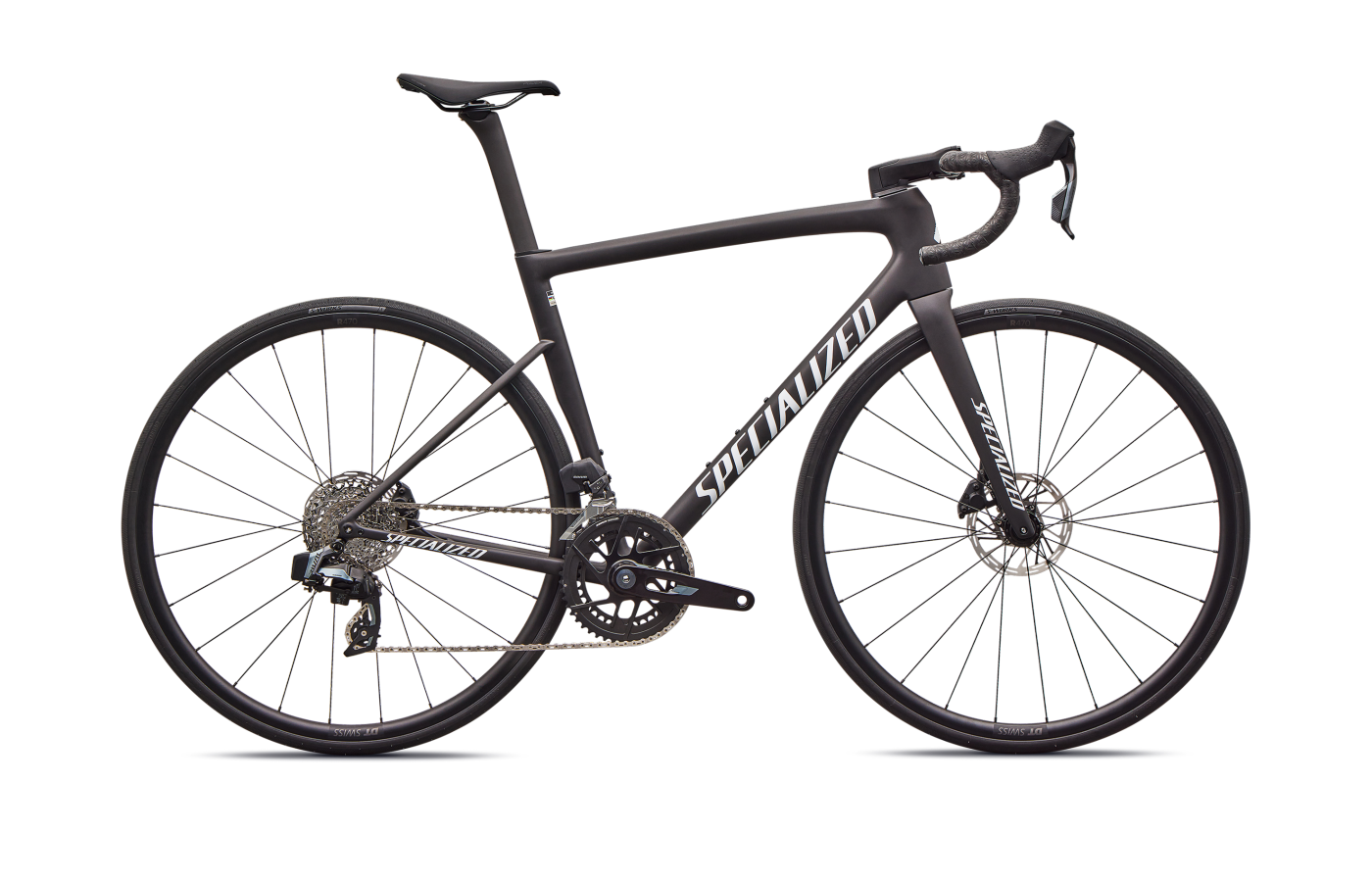
Same race DNA, two completely different price tags.
The Allez Sprint borrows the Tarmac's geometry and tube shapes in aluminum at a fraction of the cost. The Tarmac SL8 is the no-compromise carbon flagship.
Allez Sprint
- Tarmac SL7 geometry — identical head tube angle, fork offset, and wheelbase to the previous Tarmac flagship.
- Outrageous stiffness — SmartWeld bottom bracket and one-piece down tube deliver immediate, unfiltered power transfer.
- Crit-ready durability — aluminum shrugs off the parking-lot scrapes that scare carbon owners.
- About 1 kg heavier complete than the comparable Tarmac SL8 build — climbs feel it.
- Communicative ride borders on harsh on long days; tire upgrade from 26 mm to 30 mm is near-mandatory.
Tarmac
- Class-leading frame weight — 685 g claimed for the S-Works FACT 12r, 780 g for the Pro/Expert FACT 10r.
- Aero-bike-fast on flats — Specialized claims 16.6 seconds faster over 40 km than the SL7 at 45 km/h.
- Surprisingly compliant for a race bike — thinned seat tube and rounded rear-end tubes claim a 6% comfort gain over the SL7.
- Cheapest build is $4,699 — nearly double the priciest Allez Sprint.
- Stock 26 mm tires are the universal complaint; budget another $100–150 for 28–30 mm rubber on day one.
Editor’s analysis
This isn't carbon vs. aluminum — it's how much bike you actually need to be fast.
The Specialized Allez Sprint and Specialized Tarmac SL8 share more than a brand. The Allez Sprint borrows the previous-generation Tarmac SL7's geometry wholesale, lifts the same FACT carbon fork, and bolts on the same S-Works aero seatpost. Specialized has openly marketed it as 'the world's first alloy superbike' for a reason — the silhouette and the steering character are deliberately Tarmac-adjacent.
The chasm is in material, weight, and wallet. The Tarmac SL8 frame in S-Works trim hits a claimed 685 g; the Allez Sprint frameset weighs 1,511 g (52 cm, painted). That's most of a kilo before you bolt anything on. Complete bikes follow: a 7.25 kg SL8 Pro vs. an 8.68 kg Allez Sprint Comp. On long climbs and repeated efforts, you feel it.
But the Allez Sprint earns its cult status by being almost exactly as much fun in the corners. Reviewers consistently describe its handling as 'sushi knife' specific — ultra-reactive, planted in the apex, and almost identical to the SL7 in steering feel. The frame is also outrageously stiff: testers report being able to lift the rear wheel during full-gas sprints. For criteriums and town-sign sprints, that brutal directness is the whole point.
Put another way: the Tarmac SL8 is the bike you buy when you want one bike to do everything well — climbs, fast group rides, the occasional century — and you're willing to pay carbon money. The Allez Sprint is the bike you buy when you race crits, want a beater you don't have to baby, or simply can't justify $5k+ for the carbon equivalent.
Where the builds differ.
Comparing our editor's-pick builds side-by-side. Winners highlighted row-by-row — lower price and weight, and the better-spec component, each mark a point.
Build variants & pricing
The platforms barely overlap on price — the Allez Sprint tops out below where the Tarmac SL8 begins.
Editor's picks here are the entry build of each platform — Allez Sprint Comp ($2,599, 105 mechanical) vs. Tarmac SL8 Comp ($4,699, Rival AXS with power meter). The Allez Sprint platform offers no electronic-shifting builds at all, so a true tier-matched pairing isn't possible; this is the closest apples-to-apples view of what a value-conscious buyer gets on each side.
How they fit, how they steer.
Sizes are picked by the fit algorithm for a 5'8" rider (Allez Sprint runs a size smaller in label terms). The Tarmac sits 8 mm lower in stack, 20 mm longer in reach, and 2 degrees steeper at the head tube — a noticeably more aggressive race position.
Which size should I buy?
Both ranges run from 44 to 61. Allez Sprint sizing tends to fit one number larger than Tarmac for the same rider — check the picker, not the label.
→These are starting points. Flexibility, riding style, and preferred position all shift the answer — if you’re between sizes, a professional fit beats a chart.
What the magazines said.
Published reviews from trusted cycling outlets. Click through for the full write-up.
Which one should you buy?
If you race crits or want a do-everything bike that won't scare you on potholes, get the Allez Sprint. If you want one bike that climbs, sprints, and survives long days at speed, get the Tarmac SL8.
Allez Sprint
If most of your hard efforts happen in tight corners, sprints, and town-line attacks — and you'd rather upgrade wheels later than pay carbon prices today — the Allez Sprint is the smarter buy. It carries the Tarmac SL7's handling DNA in a frame you can crash without losing sleep.
Tarmac
If you want one bike for everything from Saturday climbs to Sunday centuries to the occasional race — and you're willing to spend carbon money for a lighter, smoother, faster all-rounder — the Tarmac SL8 is the genuine flagship. It climbs with the Aethos and runs flat-road watts close to a Cervélo S5.
Questions buyers actually ask.
Short answers to the things we get emailed about most often.
01Do they share the same geometry?
Almost — but not quite. The Allez Sprint borrows its geometry from the previous-generation Tarmac SL7, not the current SL8. Compared to the SL8 at the same numerical size, the Allez Sprint sits taller in stack and shorter in reach with a slacker head tube — a touch more upright, a touch slower-steering.
In-platform, both bikes feel like race bikes. Cross-shopping, the SL8 places you noticeably lower and more aggressive.
02How much heavier is the Allez Sprint?
The Allez Sprint Comp build weighs 8.68 kg (size 56) versus 7.77 kg for the Tarmac SL8 Comp at the same size — about a 900 g difference for the entry builds. Step up to a Tarmac SL8 Pro and the gap widens to roughly 1.4 kg.
On a 30-minute climb, that's worth somewhere around 15–25 seconds for a 70 kg rider. Noticeable, but not the whole story — the Allez Sprint's stiffness puts more of your wattage at the rear wheel.
03What's the maximum tire clearance?
Both frames clear 32 mm officially. The stock builds ship with 26 mm tires on both, which nearly every reviewer flags as the build's weak link.
For either bike, plan to fit 28–30 mm tubeless rubber on day one. On the Allez Sprint, that swap is closer to mandatory — it's the difference between 'jackhammer' and 'composed' on rough roads.
04Can I get electronic shifting on the Allez Sprint?
No. The current Allez Sprint generation is sold only with mechanical Shimano groupsets — Claris, Tiagra, or 105 R7100 12-speed at the top — across all six current builds.
If you want Di2 or AXS, you're either looking at the Tarmac SL8 (cheapest electronic build is the SL8 Comp at $4,699 with SRAM Rival AXS) or buying the Allez Sprint frameset and building it yourself.
05Why is the Allez Sprint so much cheaper?
Three reasons: aluminum frames are dramatically cheaper to manufacture than monocoque carbon; the Allez Sprint's component spec tops out at mechanical 105 instead of electronic Dura-Ace or Red AXS; and the Tarmac SL8's price covers Specialized's flagship R&D for sponsored WorldTour teams.
The Allez Sprint frameset alone retails around $1,700 — a fraction of what an S-Works SL8 frameset costs. You're paying for material, components, and a marketing tier all at once on the Tarmac.
06Which is better for criterium racing?
Honest answer: the Allez Sprint is the more rational choice for crit racing specifically. The handling DNA is nearly identical to the Tarmac, the bottom-bracket stiffness is on par with carbon flagships (testers report lifting the rear wheel during sprints), and you can crash it without insurance-claim anxiety.
The Tarmac SL8 will let you turn faster lap times by virtue of the weight and aero, but most weekend crits aren't decided by a kilo of bike weight — they're decided by who has the legs left in lap 20.
07How serviceable are these bikes?
Both use threaded BSA bottom brackets — a deliberate choice by Specialized that home mechanics and shop wrenches both prefer. No press-fit creak, easy to service.
The Allez Sprint's cabling is integrated through the headset but uses standard round stems and bars, so swapping cockpit components is straightforward. The Tarmac SL8 Pro and S-Works builds use a Roval one-piece integrated cockpit — adjusting bar width or stem length means buying a new $400+ unit. The SL8 Expert and Comp builds keep a 2-piece alloy cockpit, which is friendlier to fit changes.
08What's the warranty?
Both frames carry Specialized's lifetime frame warranty to the original owner against manufacturing defects. Specialized also offers crash-replacement pricing — typically 30–50% off a new frame for riders who damage their bike in a crash.
Similar bikes
If your priorities don’t map cleanly onto either of these, one of these adjacent bikes probably fits better.
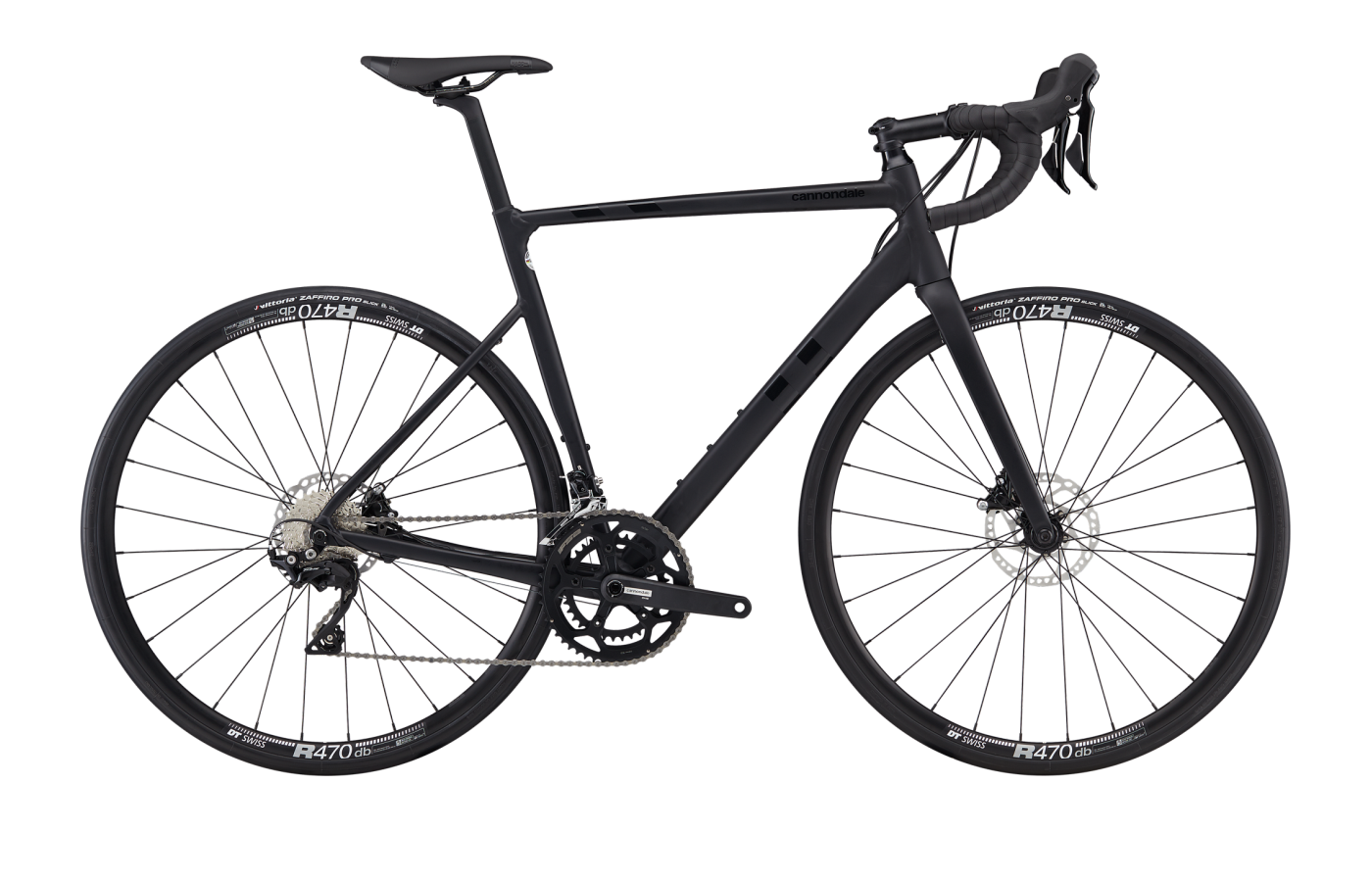
CAAD13
The Cannondale CAAD13 is the classic alloy alternative to the Allez Sprint — similar price, similar race intent, slightly more comfortable thanks to Cannondale's truncated-airfoil seatstays. Often sneaks in a few hundred dollars cheaper at the 105 build level.
Compare →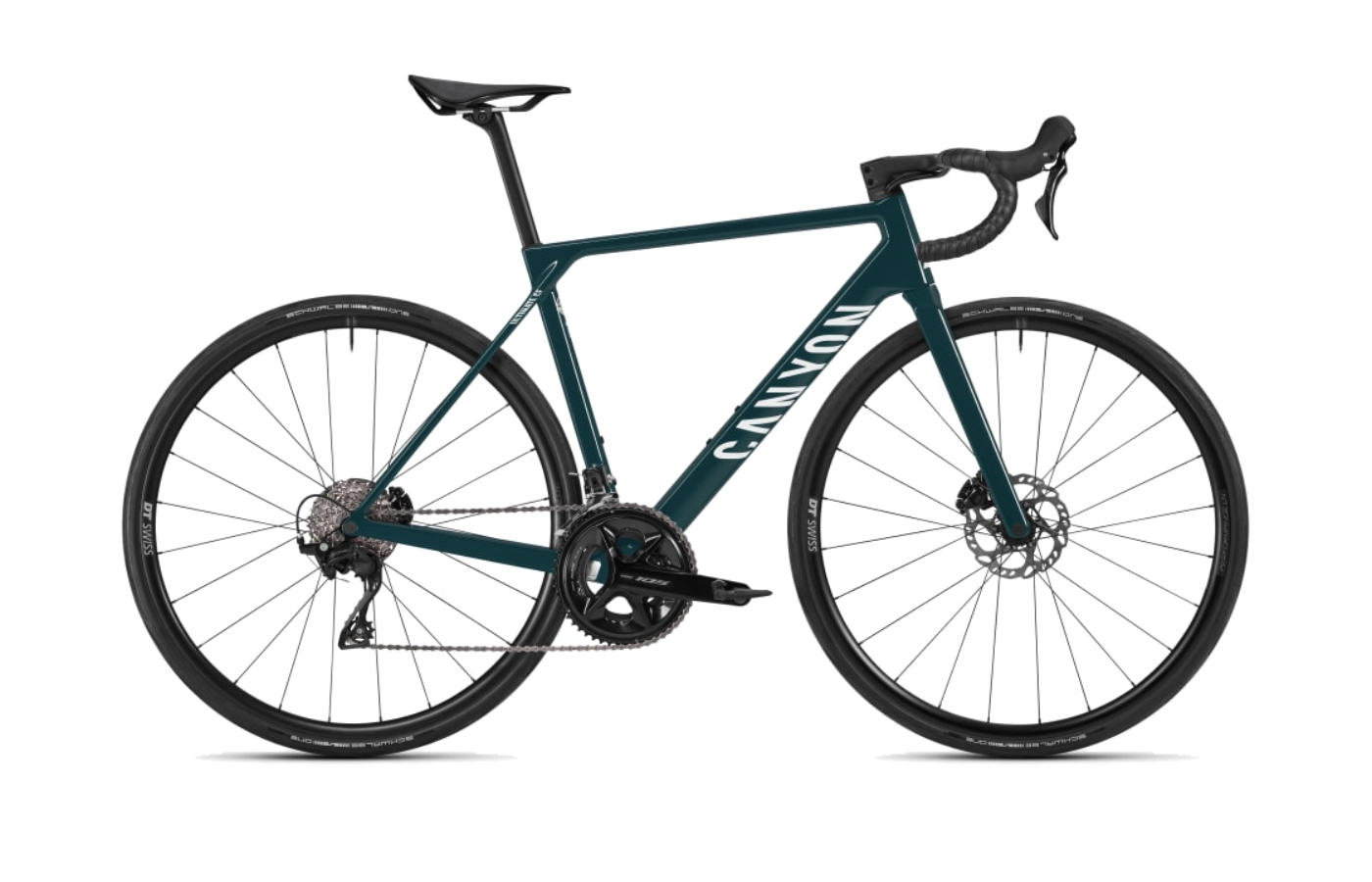
Ultimate
The Canyon Ultimate splits the difference — full carbon, all-rounder geometry close to the Tarmac, and direct-to-consumer pricing that lands well below Specialized retail. The catch is no local dealer for fit or warranty service.
Compare →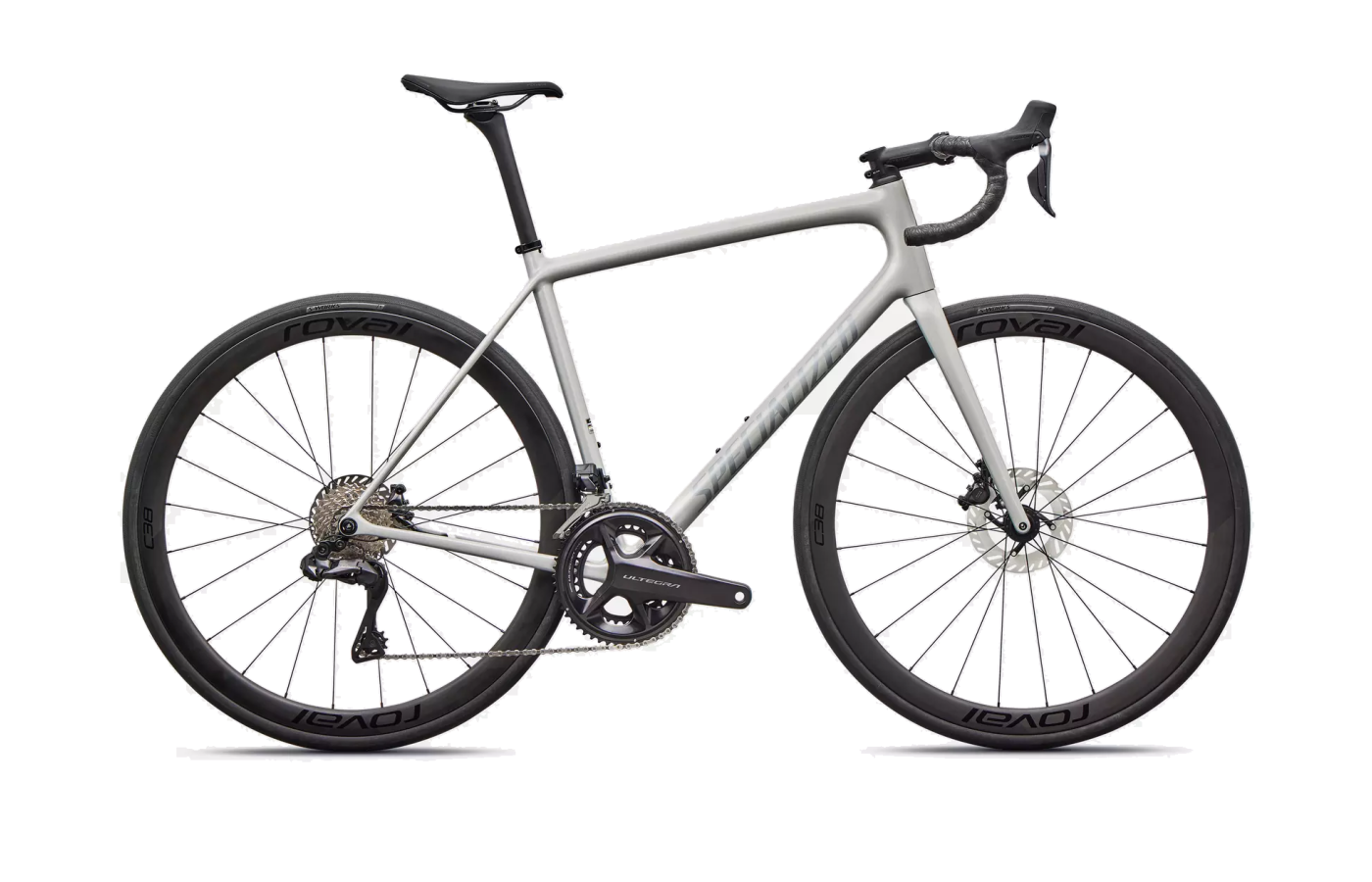
Aethos
The Specialized Aethos is the climber's anti-aero counterpoint to the Tarmac SL8 — round tubes, no integration, sub-6 kg builds available. If you ride mostly uphill and don't care about wind tunnel numbers, it's the more focused tool.
Compare →