Bronson
vsTallboy
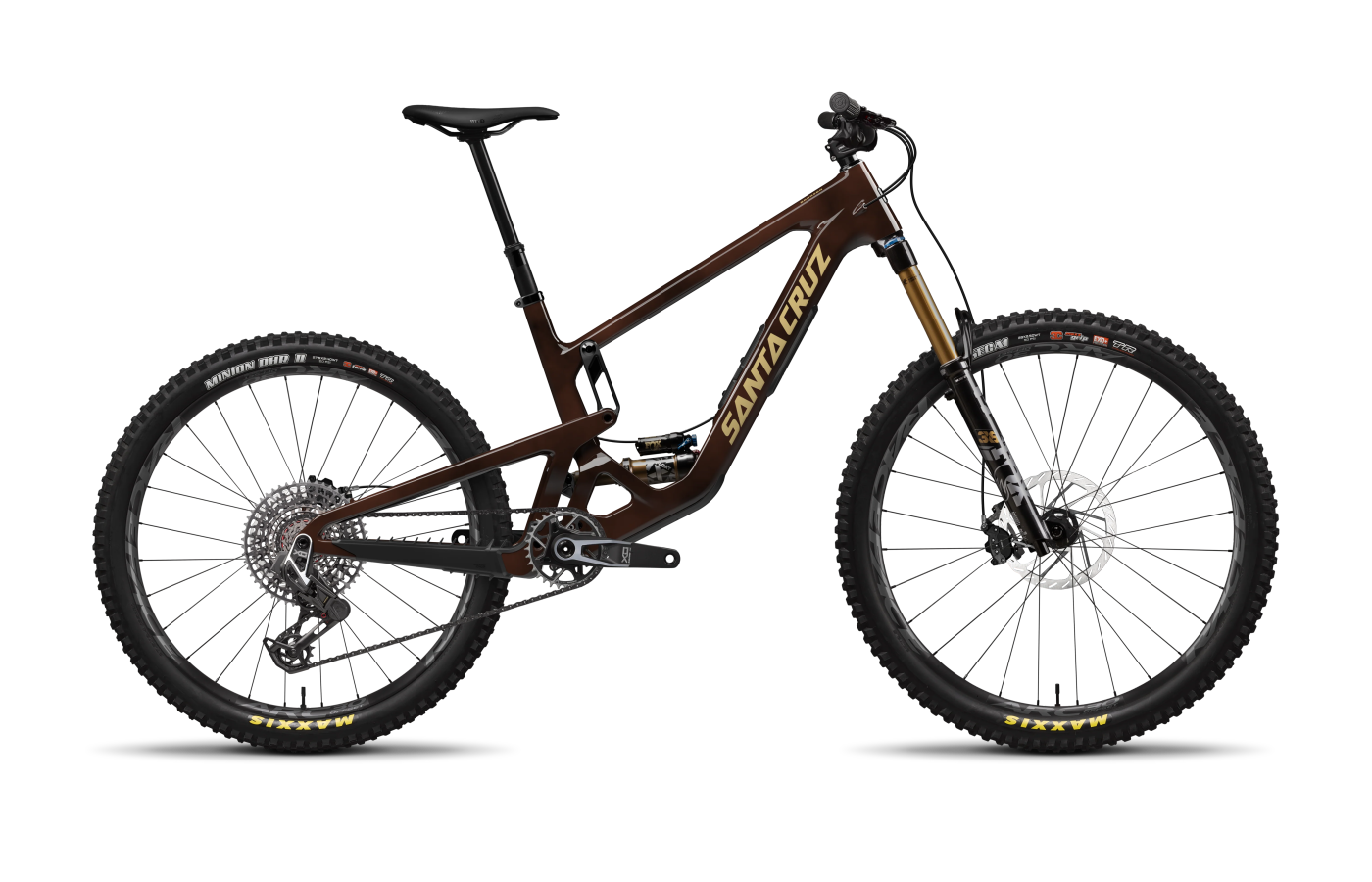
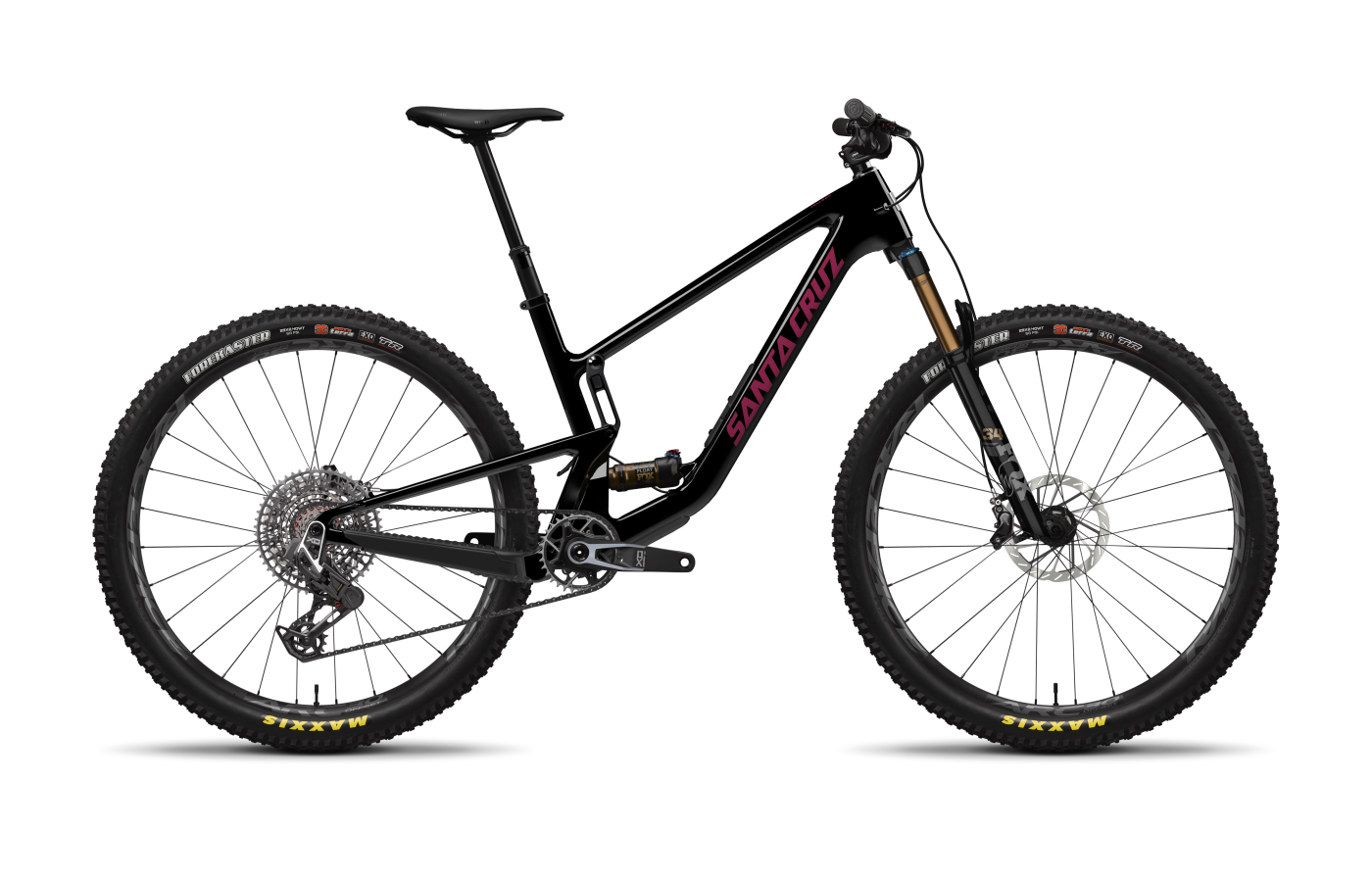
Same VPP, two very different missions.
The Bronson is a 150mm mullet hooligan built to jib and schralp. The Tallboy is a 120mm 29er that behaves like a short-travel enduro sled.
Bronson
- Playful mullet handling — the 27.5 rear wheel makes it exceptionally easy to manual, flick, and schralp tight corners.
- More descending headroom — 150 mm rear / 160 mm fork absorbs rough trail where the Tallboy would feel sketchy.
- Efficient climber for 150 mm — VPP anti-squat is firm enough that multiple reviewers called the climb switch decorative.
- Taller front end can feel "light" on steep technical climbs — most testers drop spacers to compensate.
- 27.5 rear wheel hangs up on square-edge hits that a dual 29er would roll through.
Tallboy
- Punches above 120 mm — aggressive geometry and a stout chassis make it feel like a 140 mm bike on descents.
- Fast everywhere — low leverage ratio plus 29-inch wheels hold speed on flat, pedally singletrack exceptionally well.
- Genuine climbing efficiency — 29.84 lb on our pick, a steep 76.7° seat tube angle, and an active VPP for technical traction.
- 120 mm ceiling shows up fast on truly rough double-black terrain.
- "Relentlessly rigid" chassis can feel tiring on long, chunky descents — this is not a compliance-first frame.
Editor’s analysis
Same badge, same suspension platform, same lifetime-bearing warranty — but this is a question of what kind of trouble you want to get into.
Both bikes share a carbon-only chassis, a lower-link VPP layout, and Santa Cruz's industry-leading support package. Past that, they diverge almost immediately. The Santa Cruz Bronson runs 150 mm of rear travel, a 160 mm fork, and a mixed-wheel (MX) setup — 29 up front, 27.5 out back. The Santa Cruz Tallboy sticks with dual 29ers, 120 mm rear, 130 mm fork. The numbers look close on paper. They don't ride close at all.
The Bronson is the hooligan. That 27.5-inch rear wheel is the whole point — Vital MTB called the bike a "bruiser" with a "hooligan nature," and The Loam Wolf said it "annihilated" tight tracks that would leave a full 29er feeling cumbersome. Size-specific chainstays (437–448 mm) keep the weight balance honest across the size range. The tradeoff is what Singletrack World called the rear wheel failing to "cash the cheques that the 29-inch front wheel writes" — square-edge hits hang up more than a dual 29er would. It's a playbike first.
The Tallboy is the opposite philosophy. Santa Cruz pitches it as "the downhiller's XC bike," and reviewers keep landing on words like "steroidally hench" and "relentlessly rigid." Only 120 mm of rear travel, but a 65.7° head angle (slack for the category) and size-specific chainstays from 430 to 443 mm. It climbs better than the Bronson — steeper seat tube angle, roughly 1.2 kg lighter on equivalent builds — and holds rolling speed on flat singletrack in a way a 150 mm bike simply can't. Reviewers agree it "punches above its travel class" until the terrain turns to double-black, at which point the 120 mm ceiling shows up fast.
One is the bike you pick when you want to show off in the corners. The other is the bike you pick when you want to earn your descents and still keep up with the enduro crowd on the way down. The Bronson covers more gnarly terrain with a bigger safety net. The Tallboy covers more miles per day and makes you work for it.
Where the builds differ.
Comparing our editor's-pick builds side-by-side. Winners highlighted row-by-row — lower price and weight, and the better-spec component, each mark a point.
Build variants & pricing
Both platforms are carbon-only, seven builds deep (Bronson) and six deep (Tallboy). Our editor's picks are the tier- and frame-matched X0 AXS builds — $8,299 (Bronson) vs $8,199 (Tallboy) — so the spec table below is apples-to-apples.
Prices are current US MSRP. Both frames come in two carbon grades — the lighter CC (roughly 200–300 g lighter) and the standard C — and pricing scales with both frame grade and drivetrain tier. Our picks are both Carbon CC. Santa Cruz's lifetime frame warranty and free lifetime bearing replacement apply to every build on either platform.
How they fit, how they steer.
Both size M. The Bronson's reach is 5 mm longer (460 vs 455), stack is 13 mm taller (632 vs 619), and the head angle is 1.5° slacker (64.2° vs 65.7°) — that's the 150 mm vs 120 mm divide showing up in the geometry. Chainstays are 6 mm longer on the Bronson; wheelbase is 41 mm longer.
Which size should I buy?
Santa Cruz uses the same S/M/L/XL labels across both platforms, but the Tallboy also offers an XS. Reach numbers track within 5 mm per size.
→These are starting points. Flexibility, riding style, and preferred position all shift the answer — if you’re between sizes, a professional fit beats a chart.
What the magazines said.
Published reviews from trusted cycling outlets. Click through for the full write-up.
Which one should you buy?
If you want to jib and schralp and need the descending safety net, get the Bronson. If you want to cover miles and keep up with the enduro crowd on the way down, get the Tallboy.
Bronson
If you view every root as a lip and every berm as a chance to carve a fresh line, the Bronson is the bike. The mullet setup rewards creative riding, the 150 mm of travel keeps the ceiling high, and the VPP platform still pedals cleanly enough for all-day rides.
Tallboy
If you want a short-travel bike that climbs like an XC rig but won't feel skittish when the descent gets real, the Tallboy is the one. Best for long technical days, marathon-style events, and riders who already own a big bike and want a lighter one for most of their riding.
Questions buyers actually ask.
Short answers to the things we get emailed about most often.
01Which one climbs better?
The Tallboy, and not by a small margin. Equivalent builds weigh noticeably less — our Tallboy X0 AXS pick is 29.84 lb vs 32.48 lb for the Bronson X0 AXS, about 1.2 kg — and the dual 29-inch wheels hold momentum on rolling terrain that a mullet bike just can't match.
On technical climbs, the picture flattens out. Both bikes use VPP with enough anti-squat that Vital MTB called the Bronson's climb switch essentially "decorative," and both seat tube angles are genuinely steep (76.7° Tallboy vs 77.9° Bronson, size M). But on any climb that's just pedaling, the Tallboy wins.
02Which one descends better?
The Bronson, clearly — it's the point of the bike. 150 mm rear, 160 mm fork, a 64.2° head angle, and a 27.5 rear wheel that makes the bike exceptionally easy to flick and manual. BikeRadar and The Loam Wolf both praised its composure in rough terrain.
The Tallboy will still handle terrain well beyond what its 120 mm suggests — multiple reviewers called it a "rocket ship" — but the ceiling is lower. On double-black, high-speed terrain, the Bronson has the safety net the Tallboy doesn't.
03Does the Bronson's 27.5 rear wheel actually matter?
Yes, in both directions. The smaller rear wheel is easier to turn over, making the bike snappier in tight corners and easier to manual — reviewers repeatedly described this as the Bronson's defining ride trait.
The downside is real too. Singletrack World and BikeRadar both noted that the 27.5 rear can "thud" or hang up on square-edge hits that the 29-inch front just rolled over. If most of your riding is fast, straight-line chunk, the Tallboy's dual-29 setup is smoother. If it's tight, techy, line-choice riding, the Bronson's mullet wins.
04What's the difference between Carbon C and CC frames?
Both frames are carbon-only — Santa Cruz no longer offers alloy on either the Bronson or the Tallboy. Within the carbon lineup, CC uses a higher-end layup that saves roughly 200–300 g over C at the same stiffness and strength. There's no ride-quality difference — reviewers have confirmed this explicitly — just weight and price.
Our editor's picks on both sides (the X0 AXS builds) use the CC frame, so the spec comparison is apples-to-apples.
05Are the brakes adequate on either bike?
Tallboy: not really. Stock SRAM Level brakes are a consistent gripe across every long-term review — The Loam Wolf, Bike Perfect, and MBR all flagged them as under-gunned for the descending speeds the frame encourages. Most owners upgrade to SRAM Codes or a four-piston alternative.
Bronson: better matched out of the box for a bike this capable, though reviewers did flag the stock 180 mm rear rotor as underpowered on longer descents. Budget for a 200 mm rotor upgrade either way.
06How's the long-term ownership experience?
Strong on both, and genuinely best-in-class. Santa Cruz offers a lifetime frame warranty and free lifetime bearing replacement across the lineup, plus Reserve wheels carry the same lifetime coverage. Reviewers from Vital MTB and MTB-Mag described this support as a major offset to the "Santa Cruz tax" — especially for riders planning to keep the bike 5–10 years.
The chassis on both bikes uses a threaded BSA bottom bracket, fully sleeved internal routing, and grease ports on the lower link. Maintenance is straightforward.
07Which one should I buy if I already own a big enduro bike?
The Tallboy, without much doubt. Its reason to exist is "short-travel bike that doesn't feel like a cross-country noodle" — which is exactly what you want as a second bike when you already have something with 160 mm+ for the rowdy days.
The Bronson is better positioned as a one-bike quiver. If it's your only mountain bike, the 150 mm of travel and MX setup covers more terrain than the Tallboy ever could.
08Is the price difference between them meaningful?
Not really, at equivalent tiers. Our editor's picks — both X0 AXS, both Carbon CC — are $8,299 (Bronson) and $8,199 (Tallboy). The Bronson's range runs $4,999 to $9,349; the Tallboy's runs $4,799 to $11,399. The Tallboy has a higher ceiling (the XX AXS RSV at $11,399) but the Bronson's top build tops out lower.
At the entry-level R build on either bike, both include SRAM NX Eagle and a RockShox base-tier fork — reviewers have consistently called this spec underwhelming for $5,000-ish. If budget is tight, the "S" or "90" builds (Bronson) and the "GX AXS" build (Tallboy) are widely cited as the sweet spots.
Similar bikes
If your priorities don’t map cleanly onto either of these, one of these adjacent bikes probably fits better.
Ripmo
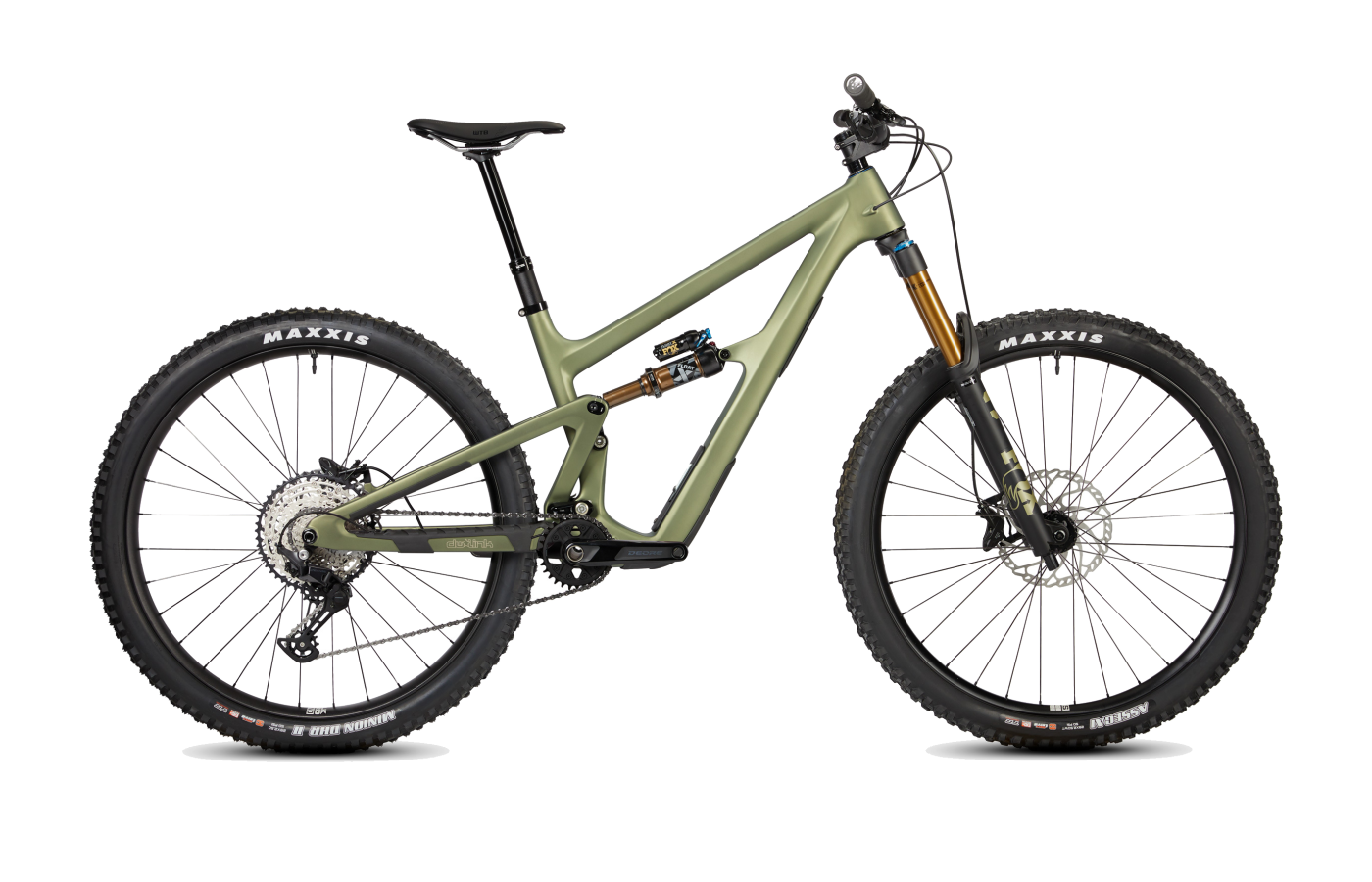
The Ibis Ripmo takes the Bronson's pedal-efficient DW-Link philosophy and adds the dual 29-inch rollover the Bronson gives up for flickability. Pick it if you want one bike that leans more enduro.
Compare →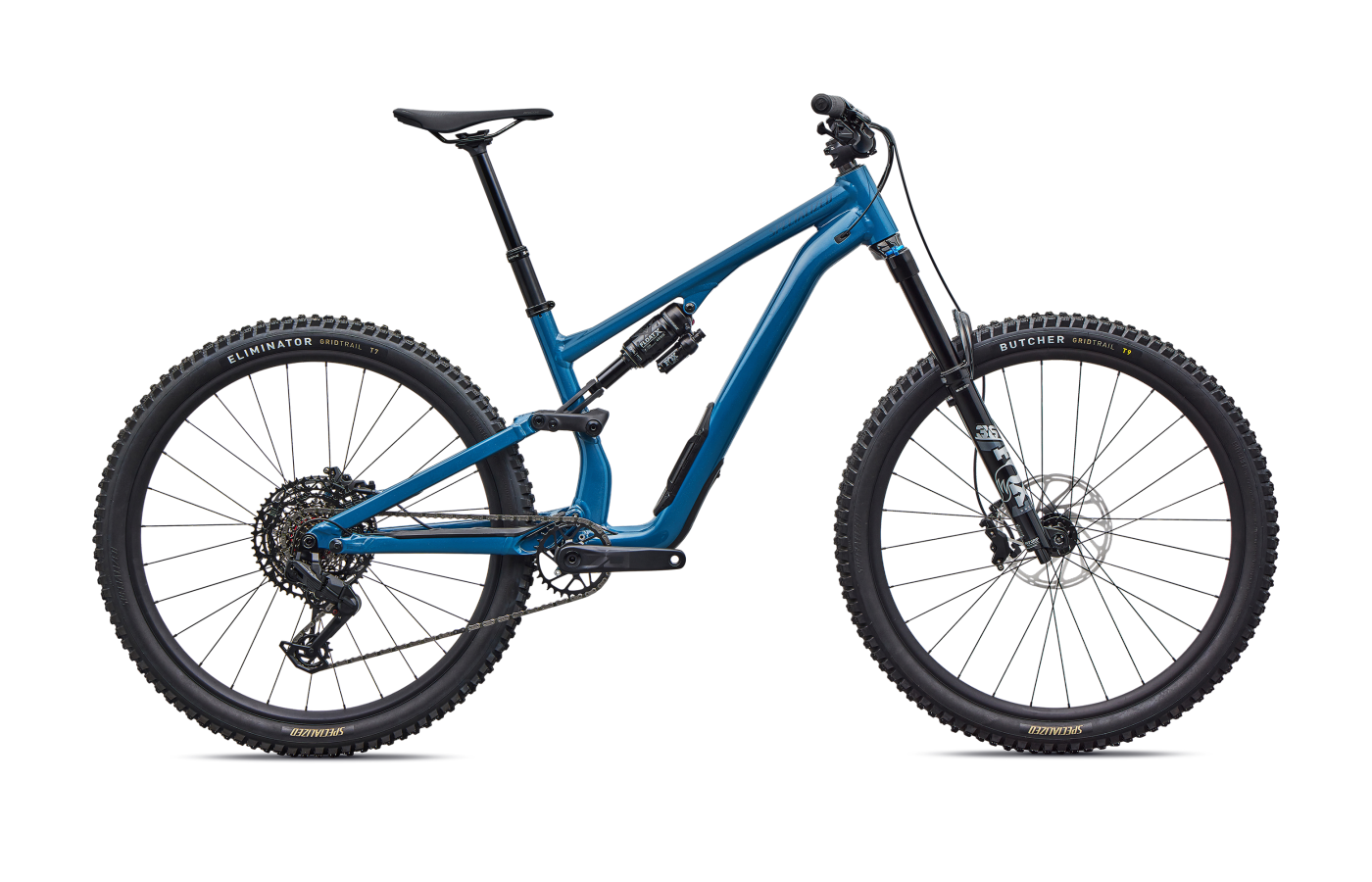
Stumpjumper Evo
The Specialized Stumpjumper Evo is the adjustable-geometry alternative — multiple head-angle and BB-height settings let you dial trail-bike or mini-enduro character without swapping bikes. Better frame storage than either Santa Cruz.
Compare →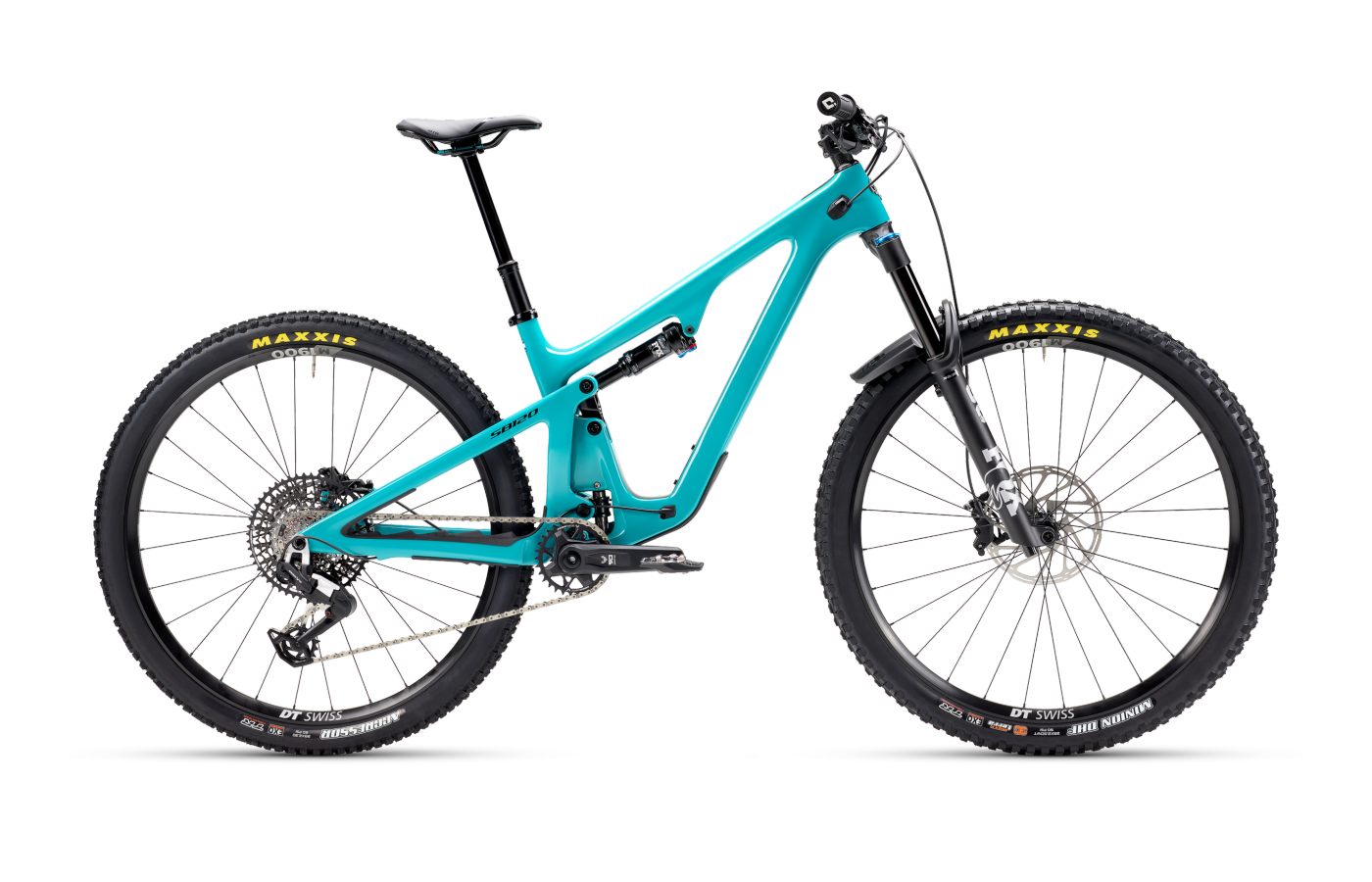
SB120
The Yeti SB120 is the refined-and-plush alternative to the Tallboy — similar travel and 29er geometry, but reviewers consistently describe it as less punishing on long, chunky days than the Tallboy's "hench" chassis.
Compare →