5010
vsBronson
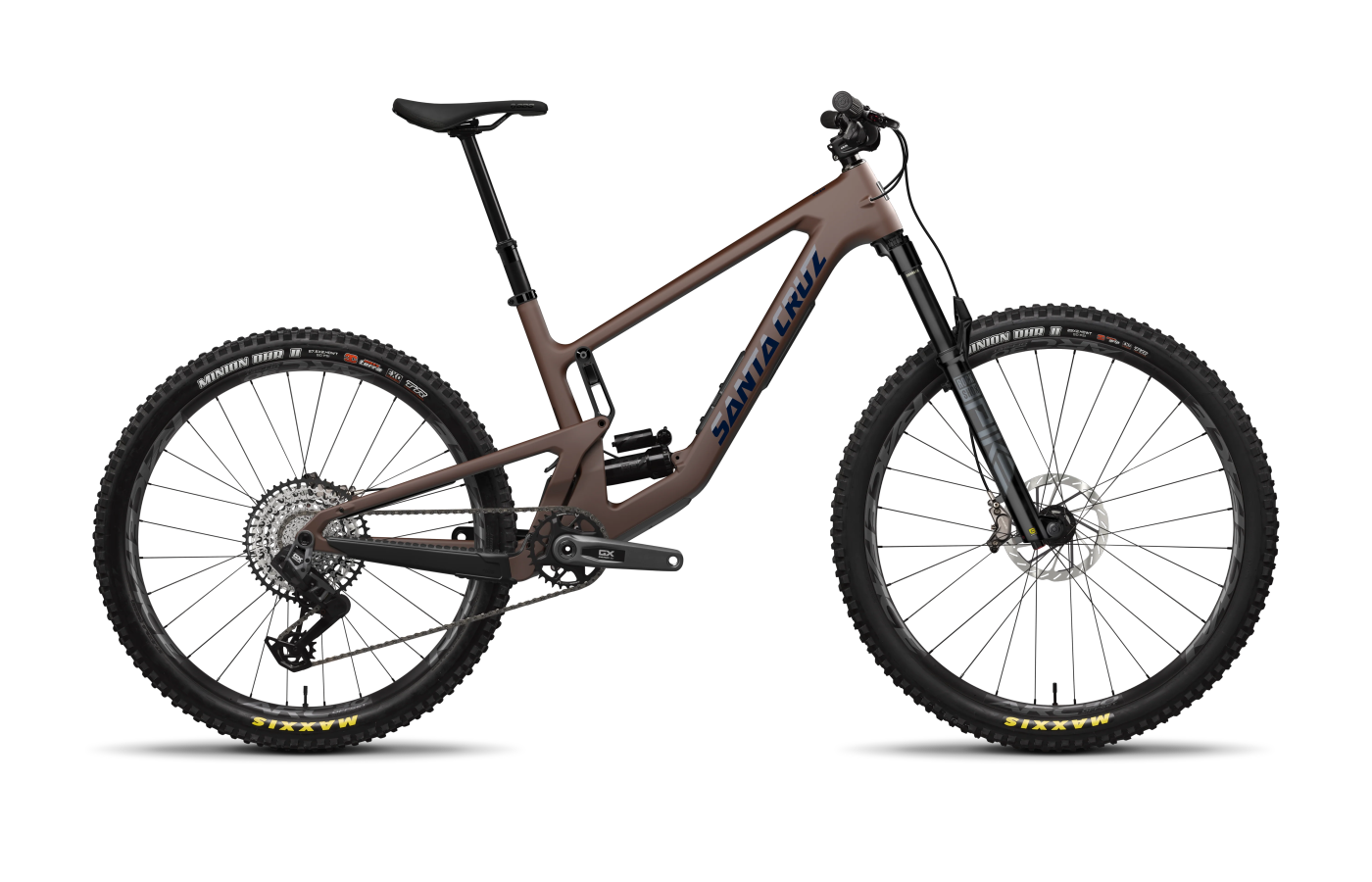
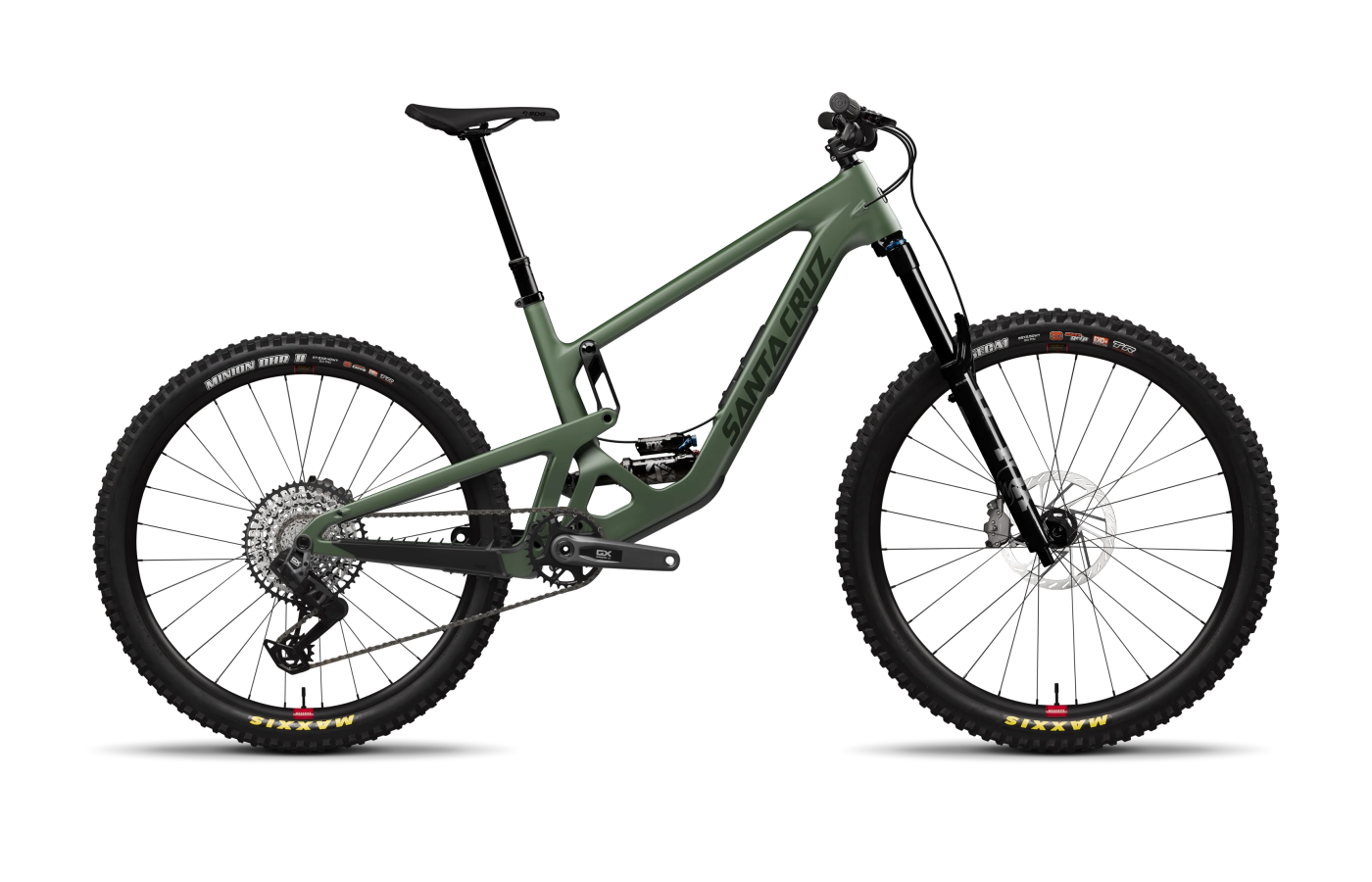
Two mullet trail bikes, 20 mm of travel apart.
The 5010 is the short-travel jib machine that learned to tackle real trails. The Bronson is the mid-travel bruiser that happens to be playful.
5010
- Sharpest-cornering mullet trail bike in its class — the 65.2 HTA and 433 mm chainstays (size m) reward active, weight-the-front riding.
- Lighter than the Bronson across the lineup — the GX AXS build lands at 14.13 kg vs 15.06 kg for the equivalent Bronson build.
- Size-specific chainstays and seat tube angles — Santa Cruz tailors the carbon layup and rear-center to each frame size.
- 140 mm Pike and 130 mm rear feel "under-gunned" on consequential, eroded trails.
- Reduced anti-squat leaves it "soggy" on smooth fire-road climbs compared to firmer trail bikes.
Bronson
- 20 mm more travel front and rear — 150 mm/160 mm and a Fox 36 make the Bronson meaningfully more composed on steep, chundery terrain.
- Slacker head angle and longer wheelbase — 64.2 degrees and 1,240 mm wheelbase (m) give it the stability edge on steep, on-the-brakes descents.
- Climbs efficiently despite the travel — reviewers repeatedly described the rear shock's climb switch as unnecessary on the VPP platform.
- Tall 632 mm stack paired with 35 mm rise bars can feel "towering" in flatter corners.
- Heavier across every build tier — roughly a full kilogram more than the equivalent 5010 build.
Editor’s analysis
Same silhouette, same MX wheels, same VPP lower link — but one is a scalpel for tamer trails and the other is a blunter tool for when things get messy.
From twenty paces the Santa Cruz 5010 and Santa Cruz Bronson look like twins: identical lower-link VPP layout, identical Glovebox downtube storage, identical 29"/27.5" mullet wheels. Even the price ceilings match at $9,349 for the X0 AXS RSV. The philosophies diverge the moment you spin the cranks.
The 5010 V5 is the more precise instrument. 130 mm of rear travel, a 140 mm Pike, a steeper 65.2 degree head angle, and the shortest chainstays in the pair (433 mm on a medium) make it the corner specialist — reviewers consistently call it a "corner destroyer" and a "vivacious little scamp." Santa Cruz dropped peak anti-squat about 16% versus the V4 5010, which makes the rear end unusually active on technical ascents and descents but noticeably soggy on smooth fire roads.
The Bronson V4 pushes everything harder. 150 mm rear / 160 mm Fox 36, a full degree slacker at 64.2 degrees, 6 mm more chainstay, and a taller front end. It climbs with the climb switch off — reviewers called the lockout lever "decorative" — and drops into steep, eroded terrain with a safety net the 5010 just doesn't have. The catch: that high 632 mm stack and 35 mm rise bars can make the front feel "towering" in flatter corners, and the 27.5" rear wheel sometimes hangs up on square edges the 29" front wheel erases.
Put another way: the 5010 is the bike you buy when your trails are flowy, pumpy, and reward precision line choice. The Bronson is the bike you buy when your weekend plans include a lift-accessed bike park and the climb back to the car.
Where the builds differ.
Comparing our editor's-pick builds side-by-side. Winners highlighted row-by-row — lower price and weight, and the better-spec component, each mark a point.
Build variants & pricing
Nearly identical price ladders — both platforms share frame tiers (Carbon C and Carbon CC) and hit the same $9,349 ceiling. The Bronson costs roughly $100–$300 more at each matched tier to cover the burlier fork and heavier spec.
Prices are current US MSRP. Neither bike is offered in an aluminum frame in this generation — if that's a dealbreaker, Santa Cruz's Heckler (e-MTB) and a handful of direct-to-consumer rivals are the only way in. Maxxis EXO tire casings on both bikes are widely flagged as undersized for the bikes' intentions; most reviewers recommend an EXO+ or DoubleDown upgrade.
How they fit, how they steer.
Both at size m — the fit-picked size for a 5'8" rider on each bike. The Bronson sits 10 mm taller in stack with near-identical reach (460 vs 459 mm), is a full degree slacker at the head tube (64.2 vs 65.2), and adds 6 mm of chainstay and 28 mm of wheelbase. It's the longer, slacker, taller of the two.
Which size should I buy?
Size recommendations based on stack, reach, and effective top tube. Both ranges cover XS–XXL, with size-specific chainstays on both platforms keeping the rider centered as frames grow.
→These are starting points. Flexibility, riding style, and preferred position all shift the answer — if you’re between sizes, a professional fit beats a chart.
What the magazines said.
Published reviews from trusted cycling outlets. Click through for the full write-up.
Which one should you buy?
If your trails are flowy and you love side hits, get the 5010. If your trails are steep, eroded, and occasionally bike-park, get the Bronson.
5010
If you ride local flow, pumpy singletrack, and the occasional jump line — and you'd rather generate speed by working the terrain than plowing through it — the 5010 V5 is still the benchmark playful trail bike. Sharper cornering, lighter build, and roughly a kilogram less mass per tier than the Bronson.
Bronson
If your trails include steep, eroded chunder and the occasional lift-accessed day, the Bronson's extra 20 mm of travel, slacker HTA, and burlier Fox 36 earn their keep. It still pops and jibs — just with a safety net the 5010 doesn't have.
Questions buyers actually ask.
Short answers to the things we get emailed about most often.
01Which bike has more travel?
The Bronson, by 20 mm at each end. The Bronson runs 150 mm of rear travel and a 160 mm fork (Fox 36 on most builds); the 5010 runs 130 mm rear and a 140 mm fork (RockShox Pike). That 20 mm gap is the single biggest driver of how the two bikes feel different on technical terrain.
Both bikes use the same Santa Cruz VPP lower-link layout and can run either coil or air shocks.
02Which climbs better?
The Bronson, slightly — which is the surprising answer. Despite carrying roughly a full kilogram more than the equivalent 5010 build (the GX AXS Bronson is 15.06 kg vs 14.13 kg for the GX AXS 5010), the Bronson's VPP tune sits higher in its travel under pedaling load. Reviewers from Vital MTB and The Loam Wolf repeatedly described the Bronson's climb switch as "decorative."
The 5010 V5 reduced peak anti-squat by about 16% versus the V4, which means better rear-wheel tracking on technical ascents but a "soggy" feel on smooth fire roads. If your climbs are paved or fire-road, the Bronson is actually the more efficient tool.
03Which is more stable at speed?
The Bronson, by a clear margin. It's a full degree slacker at the head tube (64.2 vs 65.2 degrees), has a 28 mm longer wheelbase at size m (1,240 vs 1,212 mm), and carries 20 mm more travel front and rear. Reviewers consistently describe it as composed on "enduro-level terrain" — though with a ceiling below a full 29er Megatower.
The 5010 is described as "riding a touch bigger than the numbers suggest," but multiple reviewers flagged that its 140 mm Pike can feel "under-gunned" on consequential, rocky descents.
04Which corners better?
The 5010, by most reviewers' accounting. BikeRadar called its handling "drift-happy," and The Radavist dubbed it a "Corner Destroyer." The steeper 65.2 degree head tube angle, shorter 433 mm chainstays (size m), and lower bottom bracket make initiating turns noticeably easier than on the Bronson.
The Bronson isn't slow through corners — its mixed wheels still reward a flick-and-schralp style — but its taller 632 mm stack and 35 mm rise bars can feel "rear-biased," and BikeRadar's tester reported the front wheel occasionally pushing wide in flatter turns. Many testers dropped stem spacers to fix this.
05Are the lineups priced the same?
Almost exactly. Both platforms top out at $9,349 for the X0 AXS RSV build and bottom at roughly $4,800–$5,000 for the entry-level R build. At matched tiers the Bronson costs about $100–$300 more than the 5010 to cover the heavier Fox 36 fork and burlier suspension spec.
Neither bike is offered in aluminum — Carbon C is the floor. If you want a sub-$5,000 Santa Cruz trail bike, these are the two cheapest entry points and they're neck-and-neck.
06What's the maximum tire clearance?
Both frames are specced for up to 2.5" tires at the front (Maxxis Assegai 29x2.5 ships on the Bronson; the 5010 ships a 2.4" DHR II). At the rear, both run a 27.5x2.4 Maxxis Minion DHR II as stock. Our DB has tire clearance logged at 63.5 mm (~2.5") for both, meaning real-world swaps between the two are trivial.
If you want wider than 2.5", look elsewhere — neither frame is designed around plus-sized rubber.
07Is the VPP suspension hard to set up?
Easier than it used to be. Both V4 Bronson and V5 5010 ship with Santa Cruz's "sag peephole" — a small window in the shock tunnel that lets you read sag without removing parts. It's one of the most-praised usability updates in this generation.
Beyond that, both platforms use a bearing (not a bushing) at the shock mount and a threaded 73 mm BSA bottom bracket. Tube-in-tube internal cable routing keeps cable swaps quick. Santa Cruz covers pivot bearings under a lifetime warranty on both frames.
08Should I pick the 5010 or Bronson if I ride mostly lift-accessed terrain?
The Bronson, without much hesitation. The 150 mm rear / 160 mm Fox 36 package and slacker geometry are built for repeatable, rough descents where the 5010's 130 mm rear and 140 mm Pike will start to feel "under-gunned" — a word several reviewers used unprompted.
The 5010 shines when you're earning every descent with a real climb in between, and when the trails reward creative line choice over plowing.
Similar bikes
If your priorities don’t map cleanly onto either of these, one of these adjacent bikes probably fits better.
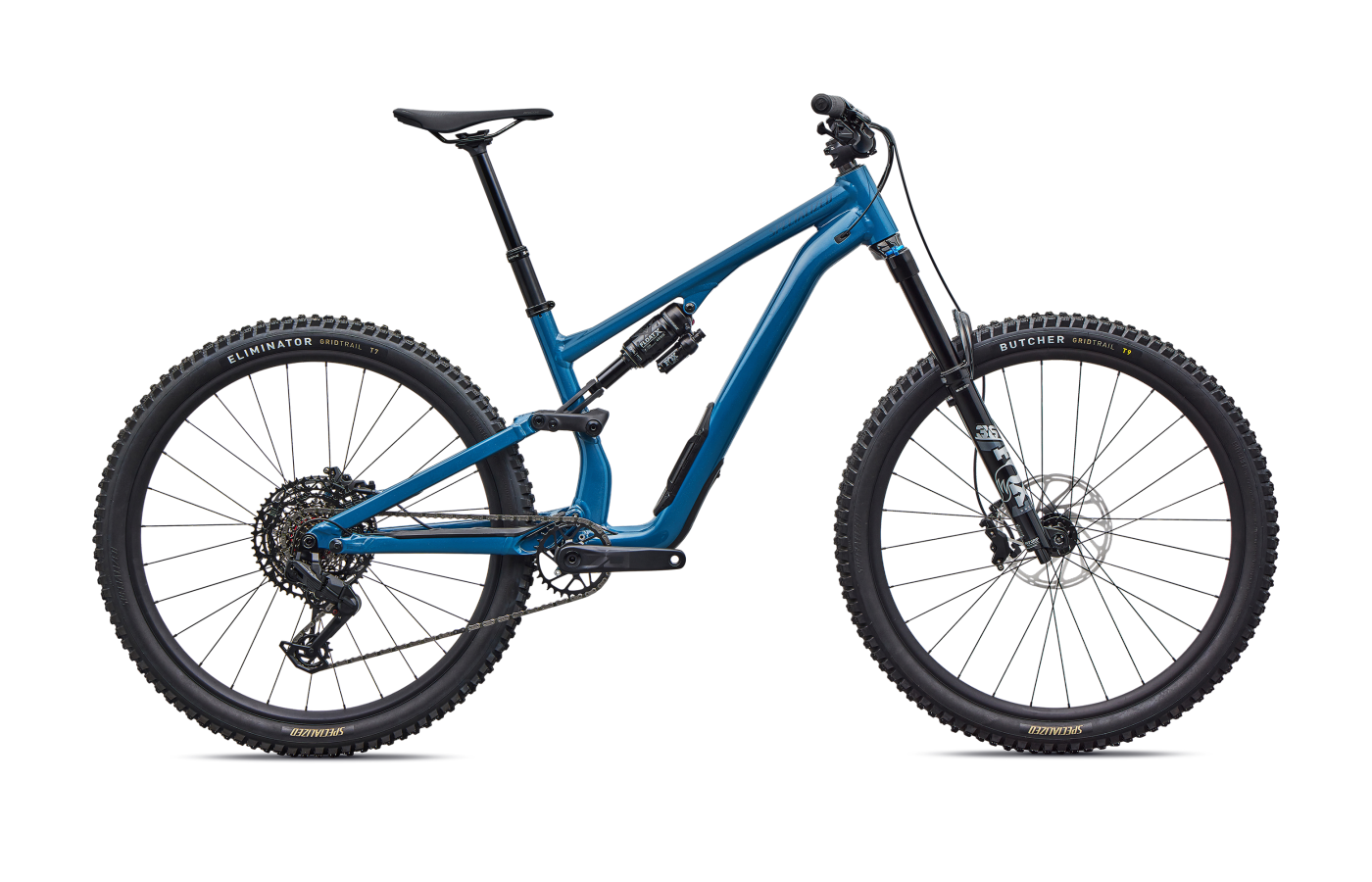
Stumpjumper Evo
The Bronson's most direct mixed-wheel rival — 150 mm rear, 160 mm fork, and a flip-chip geometry system with more adjustability than Santa Cruz offers. A sharper pick if you want to tune the bike between steep-terrain and flow-trail modes yourself.
Compare →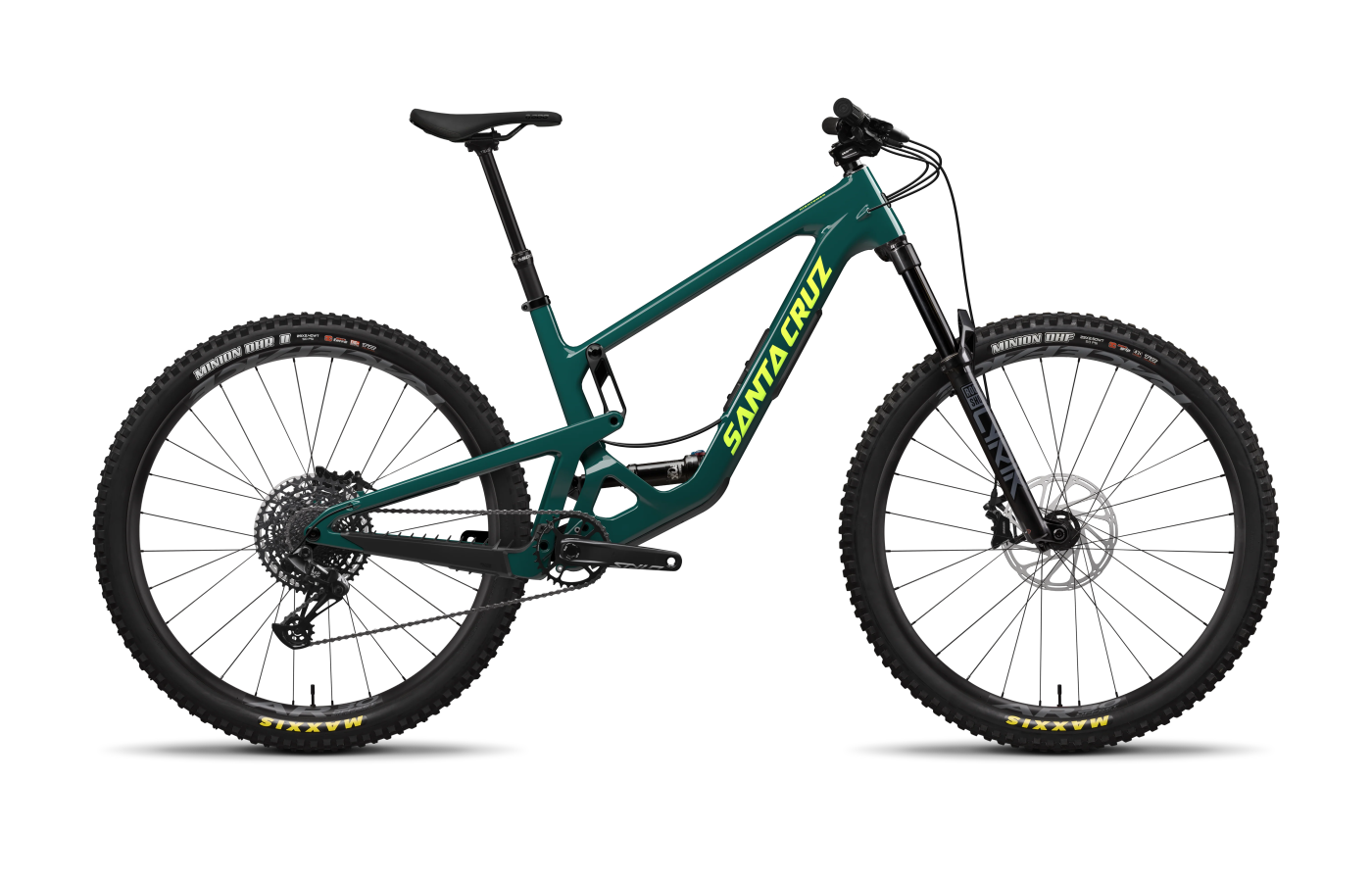
Hightower
Santa Cruz's own dual-29 trail bike on the same 130 mm rear travel as the 5010. If the 5010's mullet setup feels too rear-biased, the Hightower trades flickability for rollover and high-speed stability on rougher terrain.
Compare →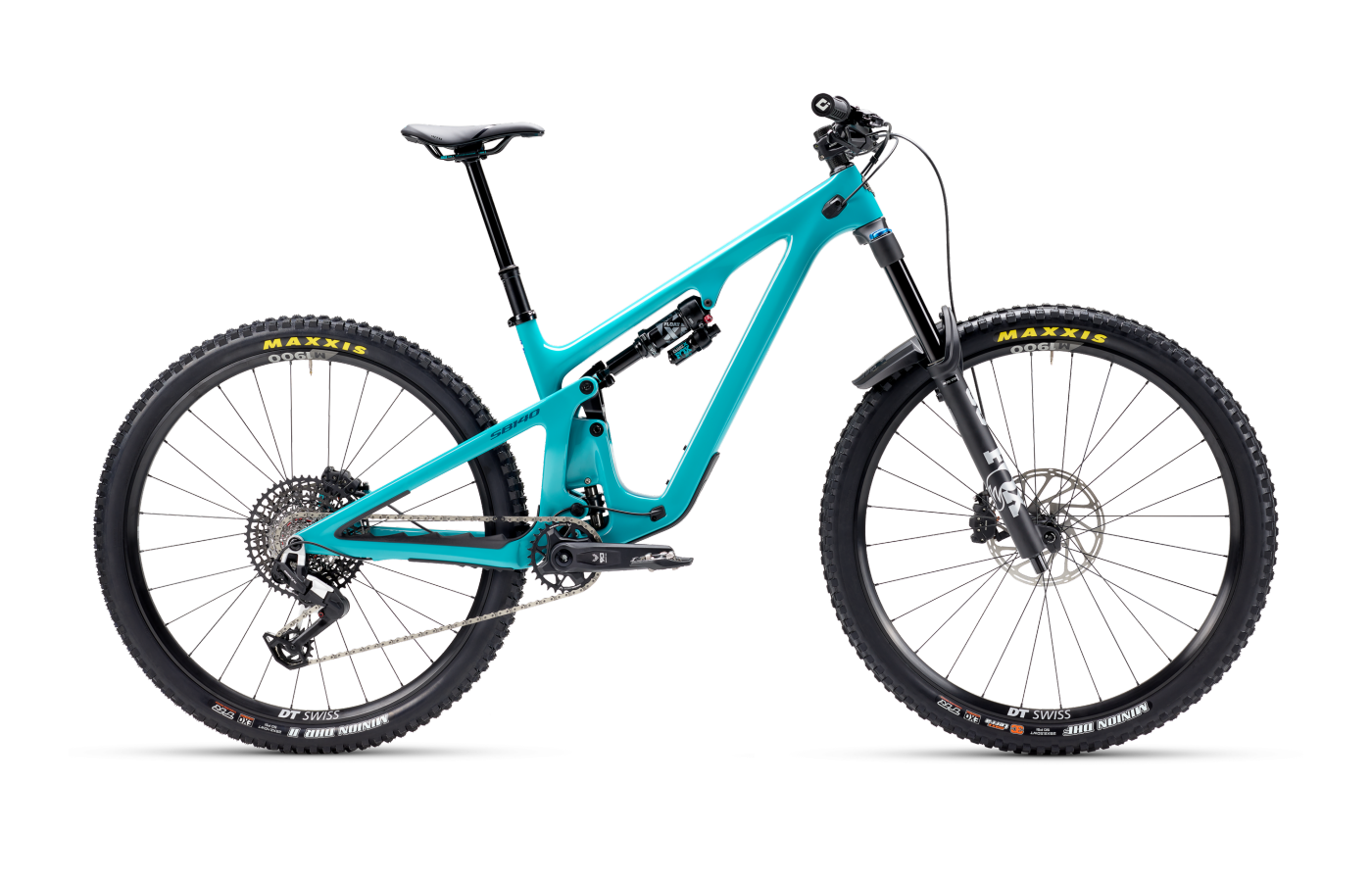
SB140
A dual-29 trail platform that splits the difference in travel between the 5010 and Bronson. Faster on sustained climbs and more composed on technical traverses than either mullet option — at the cost of the mixed-wheel playfulness.
Compare →