Slayer
vsSlash
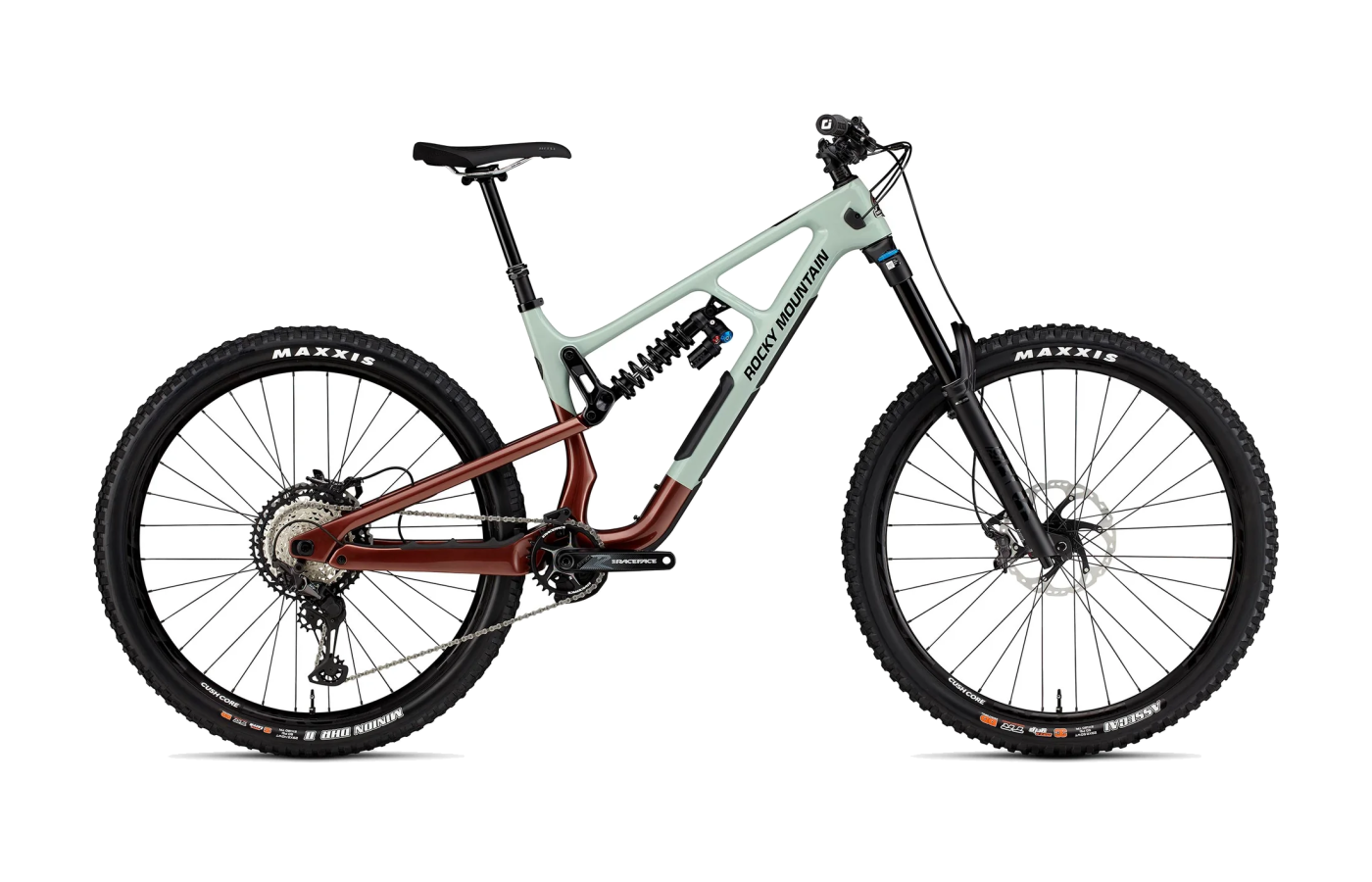
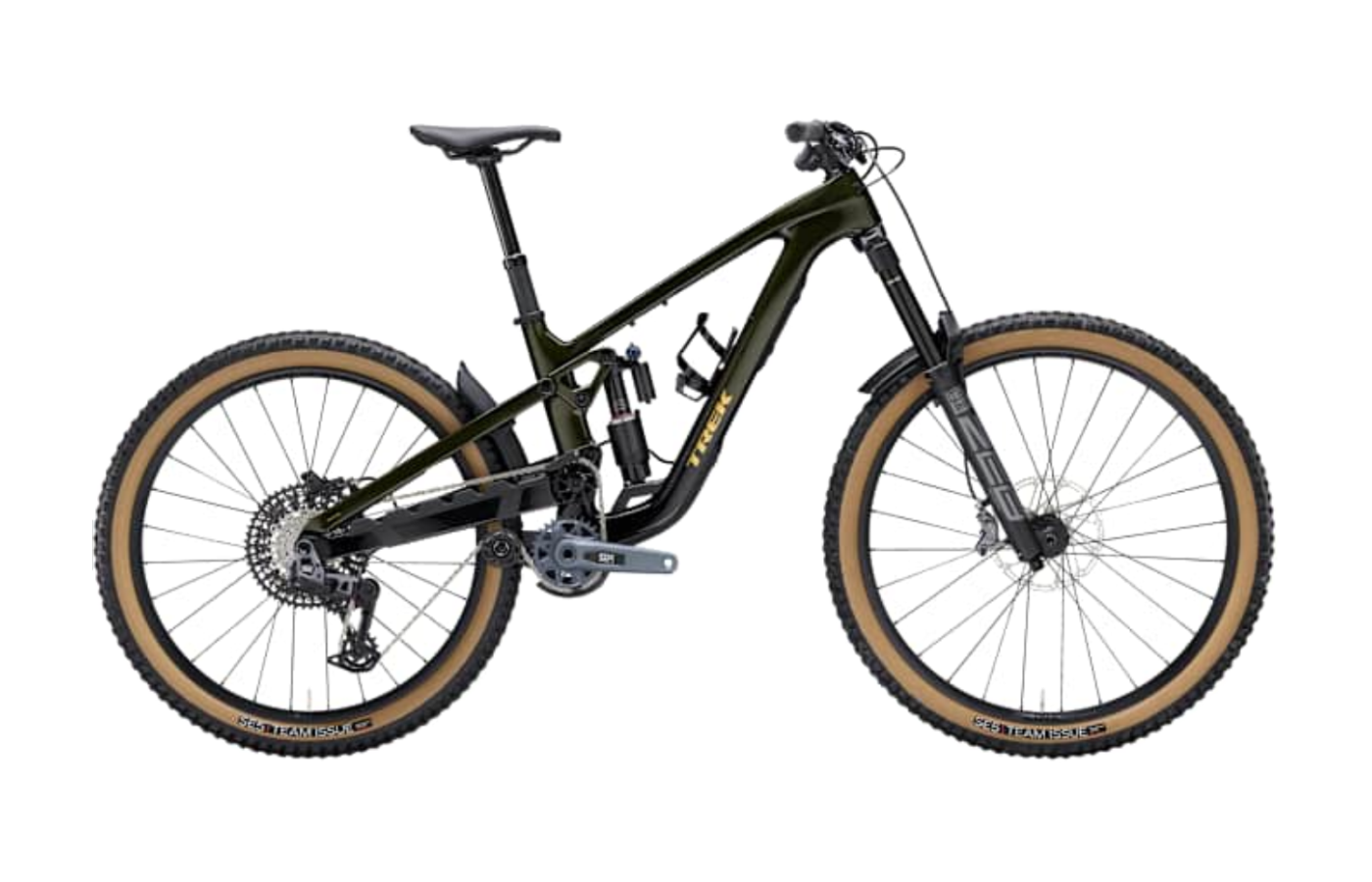
Two freeride bruisers, two suspension religions.
The Slayer goes deep — 180 mm of plush coil at both ends. The Slash goes high — 170 mm of high-pivot, idler-equipped momentum management.
Slayer
- 180 mm of bottomless coil — the back end disappears under brake bumps and big drops, with universally praised plushness on steep, loose terrain.
- Wide geometry adjustment range — RIDE-4 flip chip plus 10 mm chainstay flip chip cover everything from 62.5 degree freeride sled to 63.3 degree mid-trail.
- Stock tires and inserts done right — Maxxis Assegai/DHR II in DoubleDown casing with CushCore inserts on every carbon build, no immediate upgrades needed.
- Stock C50 coil tune runs soft on mid-stroke; multiple reviewers swapped to firmer springs or air shocks.
- WTB ST i30 alloy wheels on Carbon 50 and below are 'infamously soft' per MBA; carbon-wheel models start at the $7.8k Carbon 70.
Slash
- High-pivot momentum through chunder — the rearward axle path lets the rear wheel skip square-edged hits instead of absorbing them, which reviewers call a 'mini-downhill bike' feel.
- Surprisingly efficient on the climb — roughly 100 percent anti-squat throughout travel; multiple testers ignored the climb switch entirely on rolling terrain.
- Stock RockShox Vivid is a class standout — even on mid-tier builds, the Vivid Select+ delivers what reviewers describe as 'coil-like' suppleness with air-shock tunability.
- Stock Bontrager SE5/SE6 tires are 'too flimsy' for a 170 mm bike — plan on replacing them.
- Idler-pulley drivetrain demands meticulous cleaning; reviewers report ~10% efficiency loss when dirty plus a documented chain-drop service bulletin.
Editor’s analysis
Both bikes were built to terrify the climb and absolve the descent. The argument is how they absolve it — by absorbing everything, or by carrying the hit through.
On paper they look like cousins: long, slack, 16-plus kilos, sub-$10k flagships, both wearing the freeride hat. Spend ten minutes on the geometry and component sheets and the difference becomes structural. The Rocky Mountain Slayer is a classic four-bar with 180 mm front and rear, a stock coil shock, a 62.5 degree head angle, and a 1281 mm wheelbase in size LG. The Trek Slash Gen 6 throws all of that out — 170 mm high-pivot with an idler pulley, an air-sprung Vivid, 63.3 degrees, and a shorter 1253 mm wheelbase in ML.
The Slayer is the older idea, executed exceptionally well. Coil suspension, slack as it dares, eat-everything plushness — reviewers across Pinkbike, Enduro MTB, MBA, and NSMB describe the back end as 'bottomless,' 'gooey,' and 'glued' to the ground. The Smoothlink rear lives deep in its travel, which makes brake-bump chatter disappear and rock gardens feel like 'cakewalks.' The trade is mid-stroke support — multiple testers found the stock C50 tune 'soft and undefined' and recommended a firmer spring or air-shock swap. RIDE-4 flip chip plus a 10 mm chainstay flip chip give it a wide adjustment range, but the bike's natural state is a downhill plow that needs speed to wake up.
The Slash is the newer idea, executed at considerable engineering cost. The high-pivot rearward axle path — moving up to 18 mm rearward under compression — lets the rear wheel get out of the way of square-edged hits instead of absorbing them, which reviewers describe as 'mini-downhill bike' composure with the air-shock ability to still pop and pump. ABP keeps the suspension active under braking. The catch is mechanical complexity: a 19-tooth idler, a lower MRP guide that has to be spaced exactly right (Trek issued a service bulletin), and a drivetrain that goes audibly draggy when dirty. Bontrager's stock SE5/SE6 tires were panned by basically every reviewer as too flimsy for a 170 mm bike — budget $100-150 for replacements on day one.
Put another way: the Rocky Mountain Slayer is the bike for the rider who wants gravity-bike composure and accepts that climbing is the toll. The Trek Slash is the bike for the rider who wants something close to that composure but also wants the back wheel to keep moving forward when it hits things — and is willing to learn an idler-pulley maintenance routine.
Where the builds differ.
Comparing our editor's-pick builds side-by-side. Winners highlighted row-by-row — lower price and weight, and the better-spec component, each mark a point.
Build variants & pricing
Slayer carbon spans $6.3k-$10.3k with a $4.6k alloy floor; Slash spans $4.4k-$8.7k with two strong alloy options under $6k.
Prices are current US MSRP. The Slayer starts cheaper in alloy ($4.6k Park edition with a 200 mm dual crown) but its lowest carbon build with serviceable wheels is the $7.8k Carbon 70. The Slash 8 alloy at $4.4k delivers the high-pivot frame at roughly half the flagship's price.
How they fit, how they steer.
Compared at the fit-picked sizes for each platform. The Slayer LG is 28 mm longer in wheelbase, 0.8 degrees slacker at the head tube, and 6 mm longer in chainstays — a more committed straight-line plow. The Slash ML keeps reach within 6 mm despite the shorter wheelbase, so the rider position is close.
Which size should I buy?
Recommendations based on stack, reach, and effective top tube. Note the Slash offers an ML in-between size; the Slayer steps directly from MD to LG.
→These are starting points. Flexibility, riding style, and preferred position all shift the answer — if you’re between sizes, a professional fit beats a chart.
What the magazines said.
Published reviews from trusted cycling outlets. Click through for the full write-up.
Which one should you buy?
If you ride steep, fall-line trails and want bottomless coil plushness, get the Slayer. If you race enduro or want momentum through chunky hits with air-shock tunability, get the Slash.
Slayer
If your weekends are bike park laps, shuttle days, and committing to features that scare you, the Slayer's 180 mm coil and 62.5 degree front end are the most confidence-inspiring package here. The plushness has a price — climbs are a slog and the stock tune wants a firmer spring — but on the descents it's a benchmark.
Slash
If you race enduro or just want a bike that carries speed through square-edged hits without feeling like a wet sandbag on the climb, the Slash's high-pivot kinematics and Vivid air shock deliver mini-DH composure with surprising pedaling efficiency. Budget for tires and a maintenance routine the Slayer doesn't ask of you.
Questions buyers actually ask.
Short answers to the things we get emailed about most often.
01Which is more capable on the descents?
Both are exceptional, but they get there differently. The Slayer has 10 mm more travel front and rear (180 vs. 170 mm), a 0.8 degree slacker head angle (62.5 vs. 63.3), and a 28 mm longer wheelbase in the compared sizes — pure straight-line stability, with plush coil suspension that, in reviewers' words, turns rock gardens into 'cakewalks.'
The Slash trades raw travel for kinematic cleverness. The high-pivot rearward axle path (up to 18 mm of rearward movement under compression) lets the rear wheel keep moving when it hits something, which reviewers describe as a 'mini-downhill bike' feel. On smoother fall-line terrain the Slayer is plusher; on chunky, square-edged hits at speed, the Slash carries momentum better.
02Which is the better climber?
The Slash, by a meaningful margin. Trek tuned the suspension for roughly 100% anti-squat throughout the travel, and multiple reviewers (BikeRadar, Bike Perfect) noted the back end stays 'spookily still' under seated pedaling — most ignored the climb switch entirely on rolling terrain.
The Slayer's active coil bobs noticeably without the climb switch engaged. Even with the RIDE-4 flip chip in its steepest setting (77.8 degrees seat tube, 63.3 degrees head), MBA and Enduro MTB describe climbing as 'manageable' rather than enjoyable. Both bikes weigh more than 16 kg in their compared trims; the Slash hides the weight better.
03How does the high-pivot idler system actually affect riding?
Three things. Pedal kickback is essentially eliminated — the chain stays at constant tension because the idler routes it above the main pivot. Drag is real but small when clean; Trek claims ~3% loss from the 19-tooth idler, but The Loam Wolf estimated closer to 10% in real-world dirty conditions. Maintenance goes up: the chain is longer, there are extra wear points, and Trek issued a service bulletin about chain drops that requires verifying the lower MRP guide is spaced exactly 7 mm (one 5 mm and two 1 mm spacers).
If you ride wet and don't clean drivetrains, the Slayer's conventional layout is a quieter ownership experience.
04Which holds up better in a bike park?
Both are built for it, but the Slayer's Park edition (Alloy 30 Park, $4,599) is the most park-specific build in either lineup — 200 mm RockShox Boxxer dual-crown fork, SRAM GX DH drivetrain, and Race Face ARC HD 30 wheels. Vital MTB called it 'bulletproof' for park use.
The Slash doesn't offer a dedicated park build, but the high-pivot frame and 170 mm of travel are genuinely capable. The bigger durability question is the stock Bontrager SE5/SE6 tires, which Flow Mountain Bike reported seven punctures in one tire before a blowout — plan on replacing them with something burlier before any park day.
05What's the deal with the Slayer's coil shock and the Slash's air shock?
The Slayer ships with a Fox DHX2 coil from the C50 up — Performance Elite or Factory depending on tier. Coil delivers the plushest small-bump response and the most consistent feel as it heats up, but it's less tunable and reviewers consistently noted the stock springs run soft. MBA swapped a 400 lb spring for a 550 lb on their L; expect to do similar.
The Slash ships with a RockShox Vivid air shock — Select+ on mid-tier, Ultimate on flagship. Reviewers across the board called the Vivid 'coil-like' in feel while keeping air-shock tunability via volume spacers and pressure. For most riders, it's the easier shock to dial in correctly the first time.
06Is the mullet wheel setup standard on either bike?
Both ship as mullet (29 front / 27.5 rear) in smaller sizes by default. The Slayer is mullet on S and M, full 29er on L and XL — though Pinkbike and Freehub both noted swapping the rear to 27.5 on a larger frame adds welcome 'pep' to the handling.
The Slash is full 27.5 on size S and mullet on M/ML/L/XL out of the box. Trek offers an optional separate shock mount to convert to a 29er rear, which Blister reported expands the bike's 'sweet spot' and makes it more centered, though at the cost of agility.
07Which is more adjustable geometry-wise?
The Slayer wins on flip-chip range. The RIDE-4 flip chip moves the head angle 0.8 degrees (62.5 to 63.3), the seat tube 0.8 degrees (77.0 to 77.8), and changes BB height plus shock progression. A separate chainstay flip chip swaps between 439 and 449 mm. MBA called RIDE-4 'more dramatic than most other flip chip systems we've come across.'
The Slash uses Trek's angle-adjust headset (typically sold separately at ~$50) plus an adjustable leverage rate and the optional 29er rear conversion. It's modular rather than chip-based, and NSMB pointed out that on a $12k CAD build, the adjustment hardware costing extra feels stingy.
08What warranty do they come with?
Rocky Mountain offers a 5-year frame warranty on the Slayer, frequently cited by reviewers as a confidence signal given Pinkbike's report of a frame failure on the previous-generation Slayer (the new frame is reinforced at the suspension pivots).
Trek offers a lifetime frame warranty to the original owner plus a 2-year crash-replacement policy on Bontrager carbon wheels. Trek also has a track record of proactive part replacement — the chain-drop service bulletin shipped updated idlers to dealers at no cost to owners.
Similar bikes
If your priorities don’t map cleanly onto either of these, one of these adjacent bikes probably fits better.
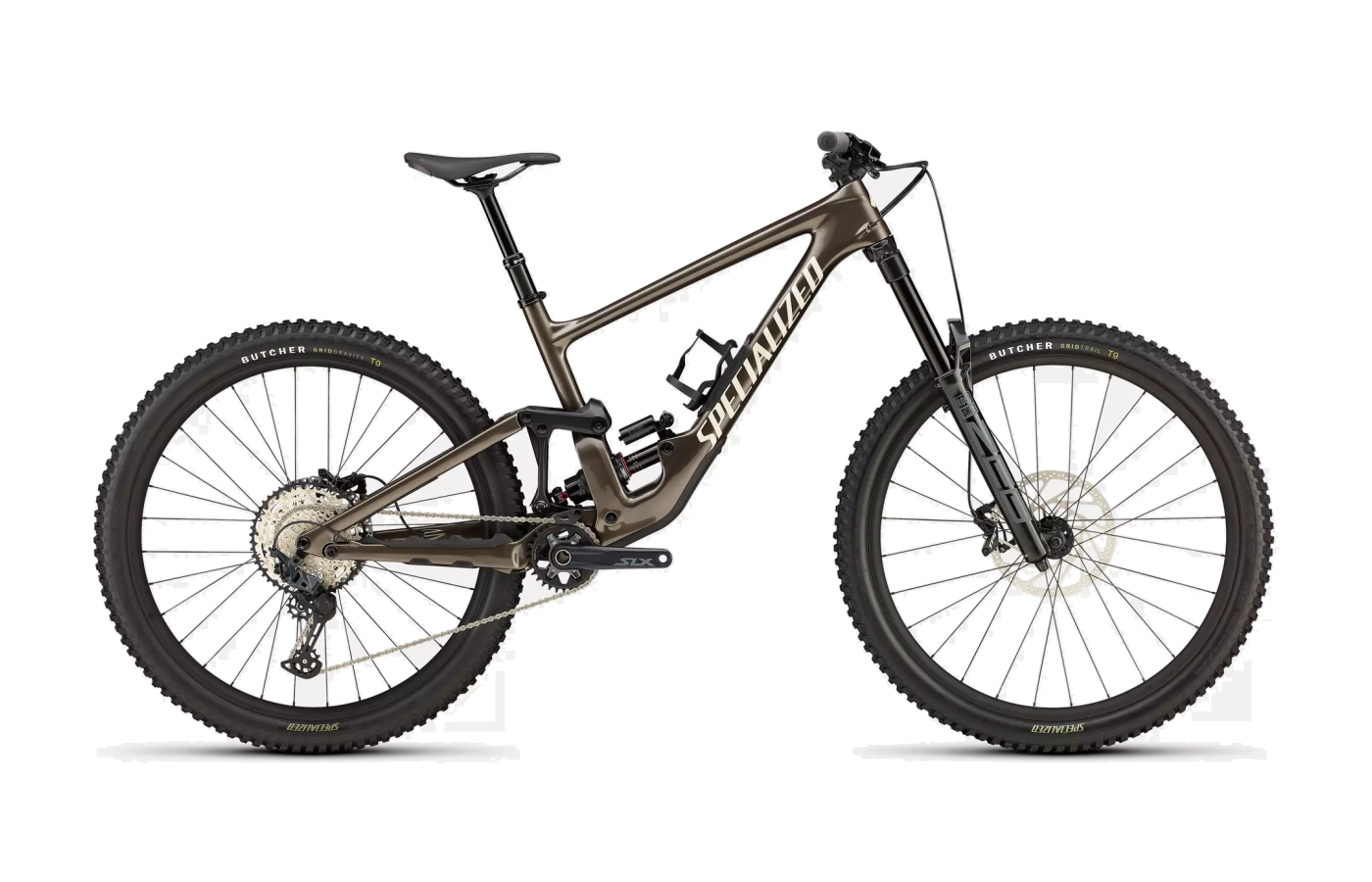
Enduro
The classic long-travel race-enduro pick — 170 mm of travel, FACT 11m carbon, and a more proven race pedigree than either bike here. If you want enduro-race intent without the high-pivot complexity of the Slash, this is the obvious other answer.
Compare →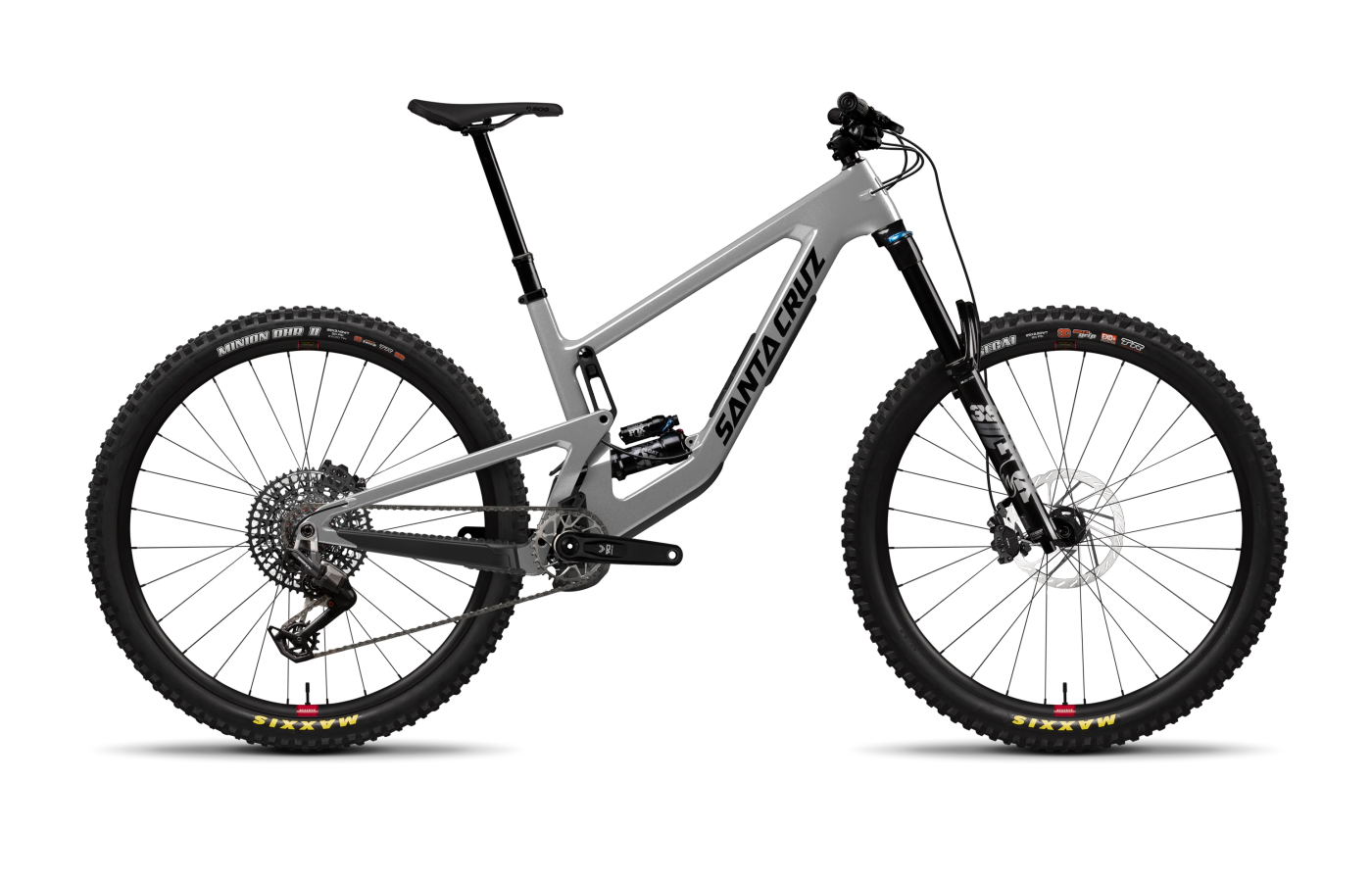
Megatower
Santa Cruz's full-29 enduro plow with VPP suspension. Less radical than the Slash kinematically but every bit as composed at speed, with a build-quality reputation that holds resale better than most.
Compare →Spire
Transition's super-enduro at 170 mm front and rear — slacker than the Slash, simpler than the Slayer, and a darling of the freeride-curious enduro crowd. The conventional-suspension pick if the Slash idler scares you off.
Compare →