Astr RS
vsKanzo Fast
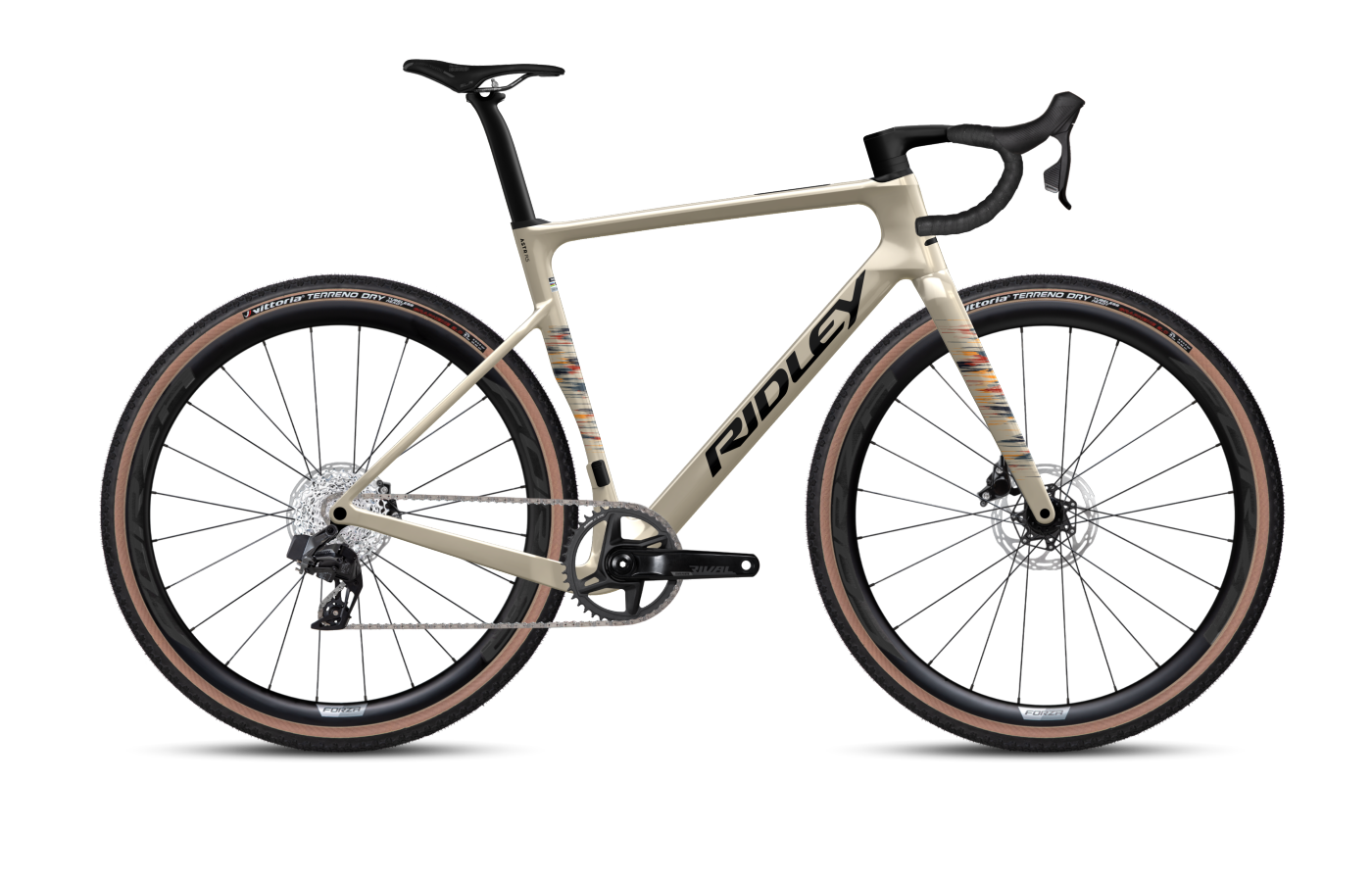
Same brand, four years apart, very different gravel.
The Kanzo Fast is the aero road bike that learned gravel. The Astr RS is what Ridley built once gravel races started looking like Unbound.
Astr RS
- 52 mm tire clearance (47 mm with a 2x drivetrain) — the widest in the segment, opens the door to true mixed-surface racing.
- Lighter system weight — 7.82 kg in size M at the test build, nearly a kilogram below a comparable Kanzo Fast.
- 2x drivetrain compatibility — wider gear range and tighter steps than 1x, with a front-derailleur mount that doubles as a 1x chainguide.
- Aggressive short head tube and 360 mm-at-the-hoods cockpit demand a committed race position — not a casual all-day bike.
- Premium tier only — there's no entry-level Astr RS build to soften the price.
Kanzo Fast
- Pure aero pedigree — Noah Fast tube shapes and integrated cockpit, the most road-honed aero gravel platform Ridley makes.
- Customizer + broader build range — Ridley's online configurator covers 1x mechanical Rival up to electronic Force AXS Classified, more entry points than the Astr RS.
- Mudguard mounts — the rare aero gravel bike with proper fender provisions, making it a legitimate winter trainer or commuter.
- Tire clearance capped at 42 mm — limiting for modern long-distance gravel races.
- Stiff frame plus narrow rim widths on older builds means moderate-to-large hits get passed straight to the rider.
Editor’s analysis
Both wear Ridley's race badge — but one was designed for fast Belgian farm roads, the other for the modern, rougher, wider-tire era of gravel racing.
The Ridley Kanzo Fast launched in 2021 as Ridley's answer to the speed-gravel boom: take the Noah Fast aero road platform, add tire clearance, keep the integrated cockpit and the truncated NACA tubes. The result was a 1x-only frame capped at 42 mm of rubber, riding on a long wheelbase and a stretched road-bike position. It was the fastest gravel bike on hardpack — and reviewers were equally clear it ran out of road as soon as the trail got rooty.
The Ridley Astr RS is the 2025 sequel that absorbed the lessons. Tire clearance jumps to 52 mm with a 1x setup, 47 mm with a 2x — a category leap. The frame loses ~700 g of system weight at the test build (7.82 kg vs 8.76 kg for a comparable Kanzo Fast in size M, per Granfondo), the cockpit goes narrower at the hoods (360 mm) for aero, and crucially the frame now supports a 2x drivetrain and a wider gear range. The chainstays stay short at 425 mm thanks to a seat-tube cutout — Ridley refused to trade snap for clearance.
Geometry tells the same story. At size S, the Astr RS sits 13 mm lower and 12 mm longer in reach than the Kanzo Fast (550/392 vs 563/380). The head tube on the Astr RS shrinks substantially across sizes — Ridley moved the rider further down and forward. Wheelbase grows slightly to add high-speed stability, but the short stays preserve the snap. It's a more aggressive, more committed race position than the Kanzo Fast's road-bike-with-bigger-tires posture.
Bottom line: the Kanzo Fast is the right bike if your gravel still looks a lot like fast roads with the occasional dirt section. The Astr RS is the right bike if your race day looks like Unbound — long, wide tires, mixed surfaces, where the difference between 42 mm and 50 mm of clearance decides whether you finish.
Where the builds differ.
Comparing our editor's-pick builds side-by-side. Winners highlighted row-by-row — lower price and weight, and the better-spec component, each mark a point.
Build variants & pricing
Ridley sells both bikes through their online configurator, so build options span from mid-tier to flagship on each side.
The editor's-pick comparison pits Shimano GRX Di2 2x on the Astr RS against the Kanzo Fast's flagship Classified Force AXS — a deliberate apples-to-oranges. The Astr RS is electronically shifted 2x; the Kanzo Fast is 1x with Classified's geared rear hub for a 2x-equivalent range. Both philosophies, side by side, show how Ridley's drivetrain thinking has evolved between platforms.
How they fit, how they steer.
Both at size S — the fit-picked size for a 5'8" rider on each bike. The Astr RS sits 13 mm lower in stack and 12 mm longer in reach, with an identical 71° head angle and matching 425 mm chainstays. It's a more aggressive, more racy position on the same wheelbase footprint.
Which size should I buy?
Size recommendations based on stack, reach, and effective top tube. Both ranges cover XS through XL; the Astr RS runs longer in reach at every size.
→These are starting points. Flexibility, riding style, and preferred position all shift the answer — if you’re between sizes, a professional fit beats a chart.
What the magazines said.
Published reviews from trusted cycling outlets. Click through for the full write-up.
Which one should you buy?
If your gravel races have gotten longer, rougher, and wider-tired, get the Astr RS. If you mostly ride fast hardpack and tarmac mix, the Kanzo Fast is still the cheaper way into Ridley's aero gravel platform.
Astr RS
If your event calendar includes Unbound-style long-distance racing where 47–52 mm tires are the norm and the course mixes tarmac, hardpack, and genuinely rough sections — this is the bike. The 2x drivetrain compatibility, the lighter system weight, and the 52 mm clearance address every limit reviewers flagged on the Kanzo Fast.
Kanzo Fast
If you're a road cyclist who mostly rides fast Belgian-style gravel — fire roads, hardpack, mixed-surface group rides — and want an aero bike that feels familiar in geometry and position, the Kanzo Fast still delivers. Mudguard mounts make it a legitimate year-round bike, and the build range goes lower than the Astr RS.
Questions buyers actually ask.
Short answers to the things we get emailed about most often.
01What's the tire clearance on each?
Ridley Astr RS: 52 mm with a 1x drivetrain, 47 mm with a 2x — a major leap over the previous generation, made possible by a seat-tube cutout that preserves the short 425 mm chainstays.
Ridley Kanzo Fast: 42 mm, max. Ridley's own reviewers have called this out as the platform's main limitation in the modern long-distance gravel context. If your races involve true rough terrain or you want to run a 700x47c or larger, the Kanzo Fast can't accommodate it.
02Is the Ridley Astr RS lighter than the Kanzo Fast?
Yes, meaningfully. Granfondo's test of the Astr RS in size M came in at 7.82 kg as a SRAM Red AXS XPLR build. Their comparable Kanzo Fast tests have ranged from 8.24 kg to 8.76 kg depending on the build year and components — so roughly 400 g to nearly 1 kg lighter on the Astr RS. That weight gap matters most on sustained climbs and at the start of long races.
031x or 2x — which platform supports what?
The Kanzo Fast is 1x-only by frame design — Ridley's bet on simplicity and aero. Some builds add a Classified rear hub to mimic 2x range without a front derailleur.
The Astr RS supports both. Its frame includes a front-derailleur mount that doubles as a 1x chainguide point. With a 2x drivetrain (like the editor's-pick GRX Di2 build), tire clearance drops from 52 mm to 47 mm — still the widest in the segment.
04Which has the more aggressive riding position?
The Astr RS, clearly. Granfondo notes Ridley shrank the head tube by roughly 18 mm relative to the Kanzo Fast, putting the rider further down and forward. At size S, the Astr RS is 13 mm lower in stack (550 vs 563 mm) and 12 mm longer in reach (392 vs 380 mm) than the Kanzo Fast.
The Forza Nimbus Pro cockpit on the Astr RS is also narrower at the hoods (360 mm) than the Kanzo Fast's Forza Cirrus Pro (400 mm at the hoods) — another aero choice that demands a committed body position.
05Can either take fenders or bikepacking gear?
The Kanzo Fast has proper mudguard mounts front and rear — Ridley designed fenders specifically for it. Multiple reviewers call out its viability as a high-speed commuter or winter training bike.
The Astr RS is more race-focused and instead emphasizes integration with an Apidura-developed aero bag system, plus mounts for up to three bottle cages. It's optimized for long-distance racing storage, not all-weather utility.
06Why is the Astr RS so much more expensive?
It's a newer, more specialized platform sold primarily in higher-tier configurations. Ridley's online configurator does allow you to spec down — but the Kanzo Fast has been on the market since 2021 and accumulated a wider build range, including budget-friendlier SRAM Rival and Shimano GRX mechanical options.
If budget matters more than the wider tire clearance, the Kanzo Fast remains the lower entry point into Ridley's aero gravel platform.
07How does the cockpit width affect handling?
The Astr RS's 360 mm at the hoods is genuinely narrow — aero gold on flat sections, but reviewers explicitly recommend moving your hands to the wider 400 mm drops on technical descents because the narrow top section doesn't offer enough control.
The Kanzo Fast's 400 mm at the hoods, flaring to 465 mm at the drops, is a more conventional gravel cockpit — less aero advantage at speed, but more leverage and confidence at the hoods on rough terrain.
08Which is more comfortable on long, rough rides?
Neither bike is built around frame compliance — both prioritize stiffness for power transfer. Comfort comes from tire volume, contact points, and (on the Kanzo Fast) the lowered seat stays plus D-shaped seatpost.
In practice, the Astr RS is more comfortable on rough gravel because you can run a 47–52 mm tire that does the work the frame can't. The Kanzo Fast is comfortable enough on hardpack and smooth gravel, but multiple reviewers say it reaches its limits as soon as the surface gets genuinely rough — that's where a 42 mm cap really hurts.
Similar bikes
If your priorities don’t map cleanly onto either of these, one of these adjacent bikes probably fits better.
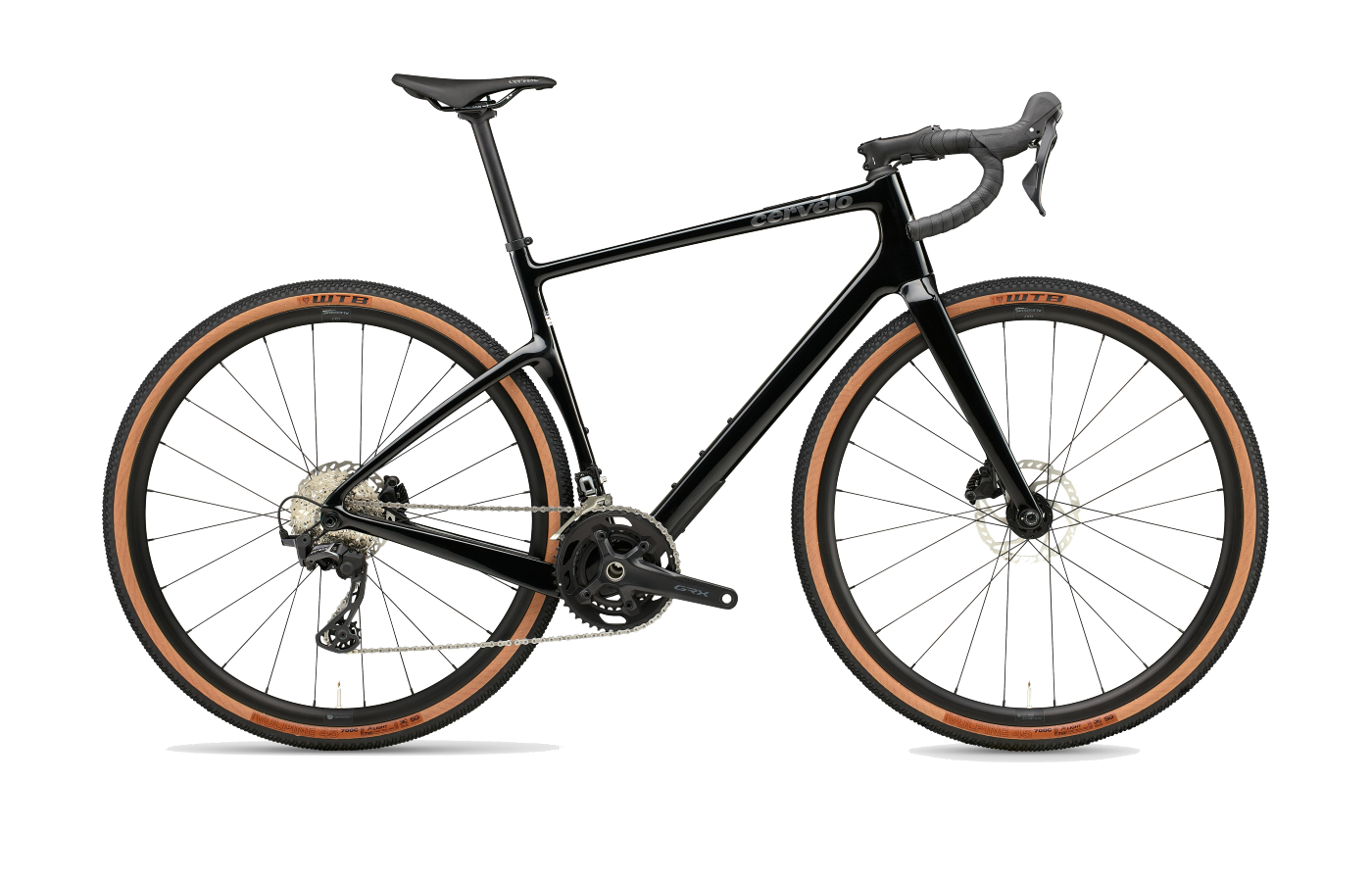
Aspero
The closest direct competitor in the aero gravel race category — Cervélo's take on speed-gravel with similarly aggressive geometry and competitive race pedigree. If you want the Astr RS philosophy from a different brand.
Compare →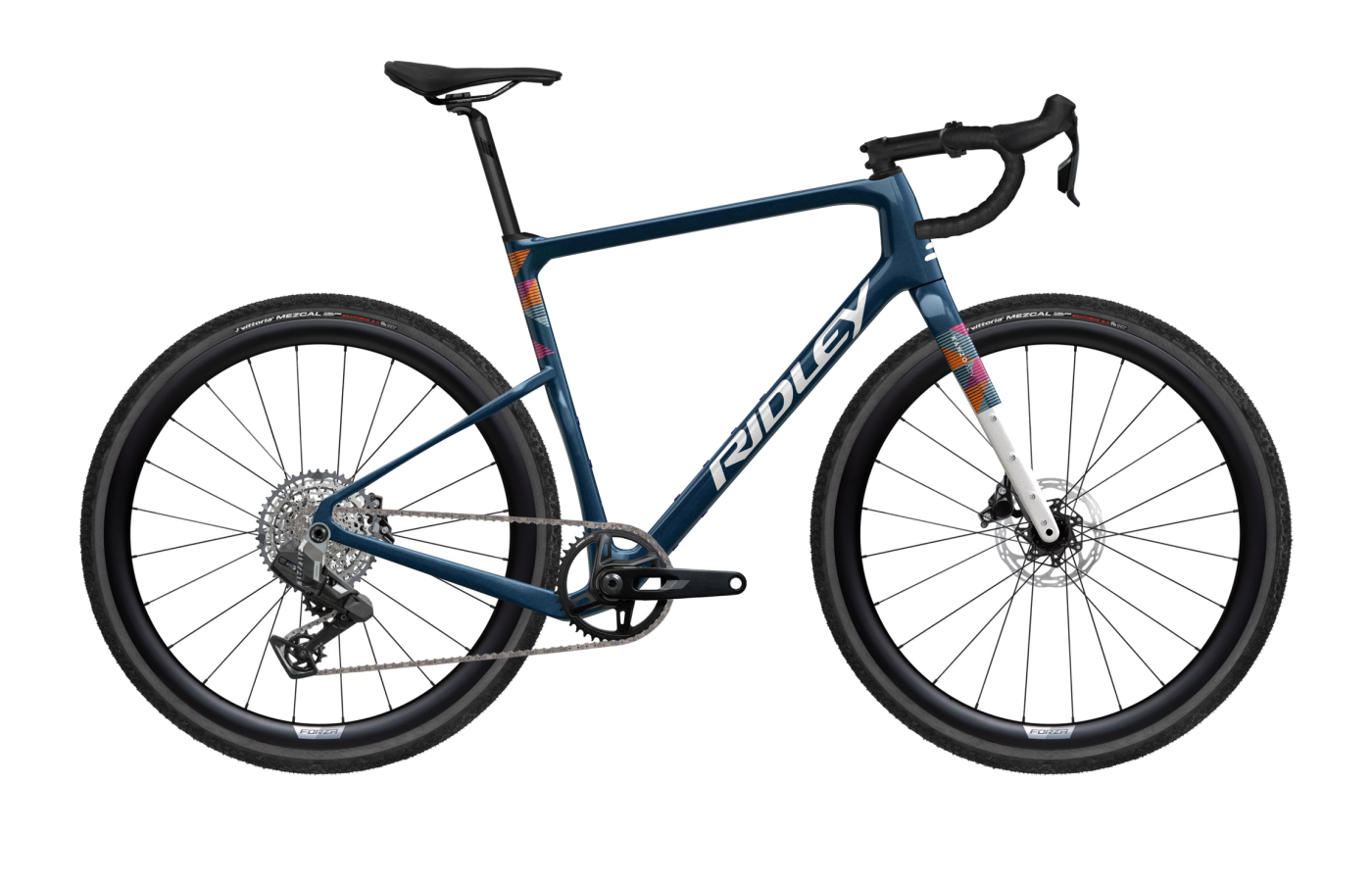
Kanzo Adventure
Ridley's adventure-oriented sister bike. More relaxed geometry, even more clearance, and proper bikepacking mounts — the right call if either of these race bikes feels too pointy for the riding you actually do.
Compare →
Grail
Canyon's aero gravel entry, pitched at speed-focused riders with a unique cockpit design. Direct-to-consumer pricing makes it sharper on value than either Ridley — the catch is no local dealer for fit support.
Compare →