795 Blade RS
vsMadone
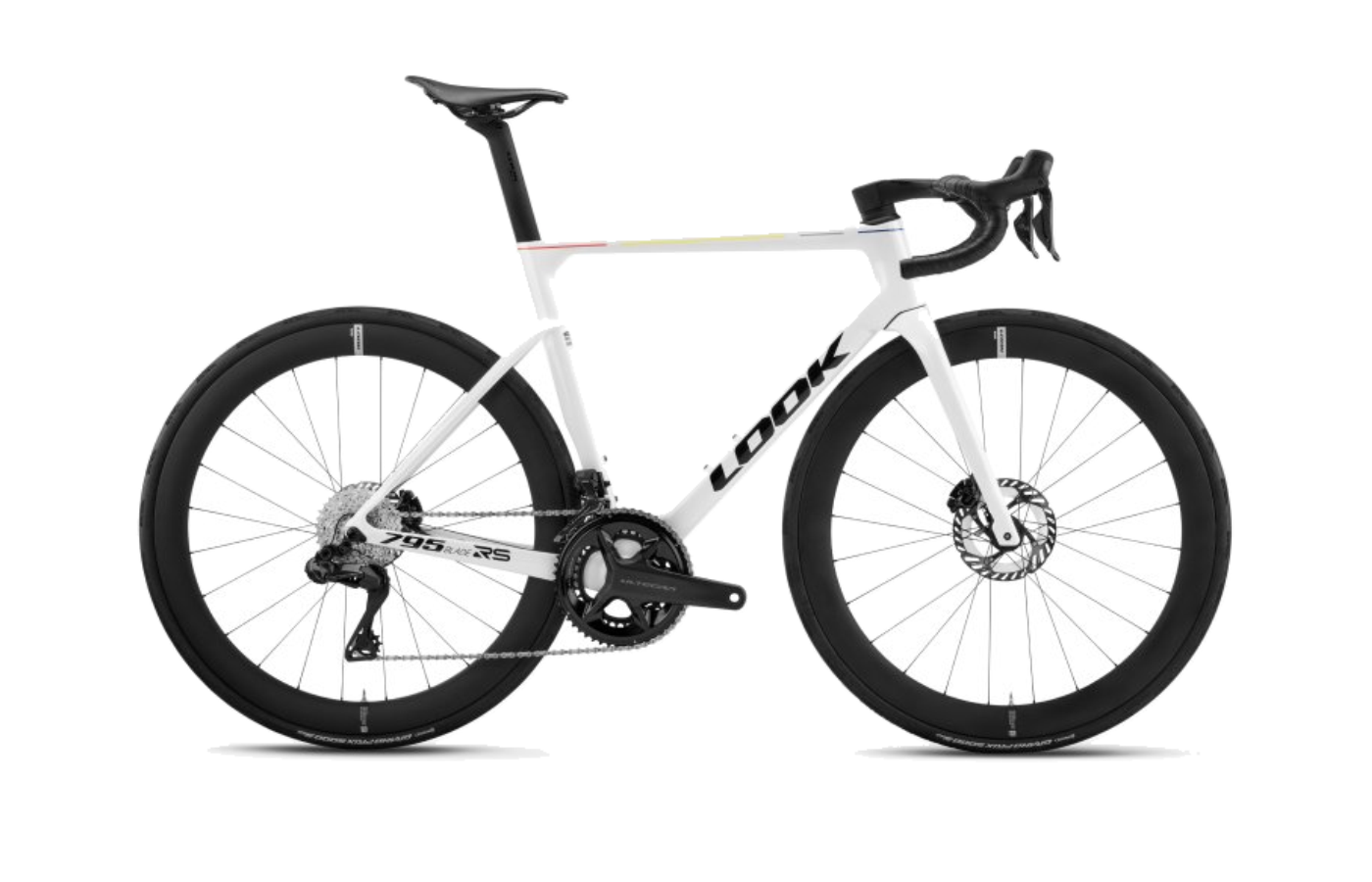
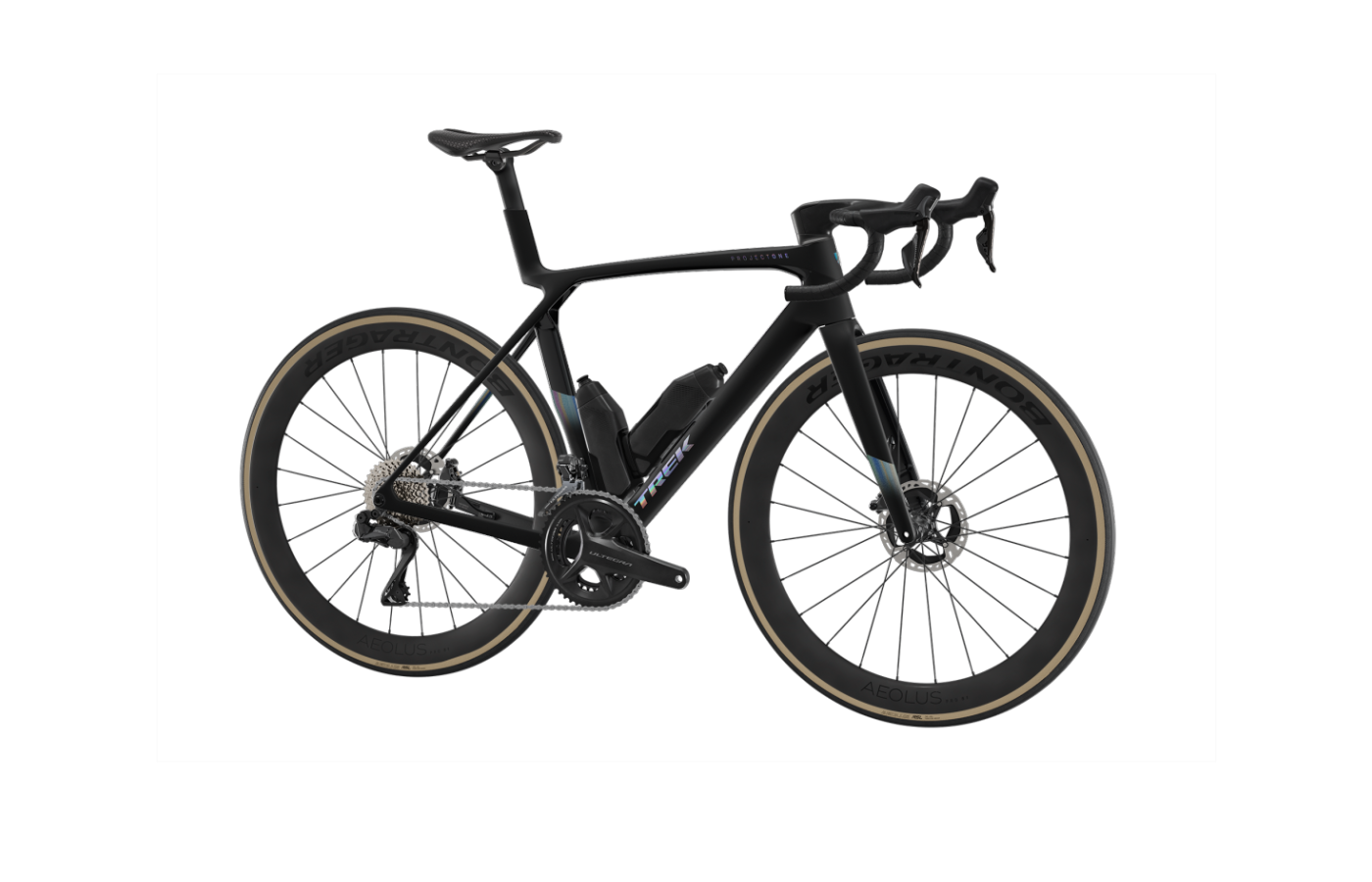
Two race bikes, two answers to the same question.
The Look 795 Blade RS is an unapologetic stiffness-first racer. The Trek Madone Gen 8 is a one-bike-does-everything aero-and-climbing merger.
795 Blade RS
- Race-bred stiffness — a 7% boost in bottom-bracket rigidity over the prior gen makes sprints feel "instantaneous."
- Two-piece integrated cockpit — bar and stem swap independently, a real fit advantage over the Madone's one-piece RSL.
- Track-bred handling — reviewers consistently praise the precise, planted feel at speed, especially on smooth descents.
- Harsh on broken pavement — BikeRadar's tester reported neck and shoulder fatigue on long rides.
- Premium-only lineup — the cheapest Look 795 Blade RS is $10,700, so there's no entry point under five figures.
Madone
- All-rounder by design — IsoFlow delivers a claimed 80% compliance gain, so the Madone handles long days and broken roads better than any prior aero bike from Trek.
- Wider tire clearance (32 mm official, with reports of 35 mm fitting) opens up the bike to mixed-surface routes the Look can't touch.
- Deep build range — from the $3,499 SL 5 to the $13,499 SLR 9, Trek covers nearly four times the price band the Look does.
- Front end stays "stiff as a brick" — reviewers report hand numbness on rides over 80 miles.
- Proprietary Aero RSL cockpit and bottles cost more to swap or replace, and the bottles drew widespread complaints for fit and rattle.
Editor’s analysis
Both bikes wear WorldTour colors. They reach that finish line by very different routes — one optimizes for the rider, the other for the road.
On paper the Look 795 Blade RS and Trek Madone sit in the same flagship aero-road bracket, both run on the WorldTour, both use threaded T47 bottom brackets and integrated cockpits. Spend any time inside the spec sheets and the philosophies split fast.
The Look 795 Blade RS is the purer race tool. Its frame leans on Look's 25% Ultra-High Modulus carbon for what reviewers consistently call a "rock-solid bottom bracket and head tube" — Cycling Weekly cites a 7% bottom-bracket stiffness gain over the prior bike. The reward is whip-crack acceleration; the cost is a ride that BikeRadar calls "unforgivingly rigid" once the tarmac turns rough. Tire clearance tops out at 30 mm. There is no entry-level Look — the Ultegra Di2 build at $10,700 is the cheapest way in.
The Trek Madone Gen 8 is the more flexible animal — literally. Trek folded the climbing-focused Emonda into this generation, and the IsoFlow seat-tube cutout delivers a claimed 80% jump in vertical compliance over Gen 7. Reviewers describe it as "supple but stiff," capable of 100-mile days without the harshness aero bikes are known for. Tire clearance is 32 mm officially, with reports of 35 mm fitting. The lineup also runs deep — the SL 5 starts at $3,499, less than a third of the Look's entry price.
Put differently: the Look is the bike you buy when your local roads are smooth and your races are short. The Madone is the bike you buy when your one bike has to do crits, fondos, and hilly centuries with the same composure.
Where the builds differ.
Comparing our editor's-pick builds side-by-side. Winners highlighted row-by-row — lower price and weight, and the better-spec component, each mark a point.
Build variants & pricing
The Look starts at the price the Madone hits its mid-tier — both editor's picks here run Ultegra Di2 to keep the comparison apples-to-apples.
Prices are current US MSRP. The Madone lineup spans nearly $10,000 from the SL 5 entry build to the SLR 9 flagship; the Look 795 Blade RS lineup sits entirely above $10,700. Neither Ultegra Di2 build ships with a power meter — both Trek and Look reserve that for their SRAM AXS specs.
How they fit, how they steer.
Both at size M. The Look sits 3 mm taller in stack, 7 mm longer in reach, and 1.3 mm more trail — a longer, more stretched, more stable front end. The Madone is more compact and a touch quicker-steering at 0.1 degree slacker HTA.
Which size should I buy?
Size recommendations based on stack, reach, and effective top tube. Both ranges overlap closely in the middle; the Madone extends one size smaller via XS.
→These are starting points. Flexibility, riding style, and preferred position all shift the answer — if you’re between sizes, a professional fit beats a chart.
What the magazines said.
Published reviews from trusted cycling outlets. Click through for the full write-up.
Which one should you buy?
If you race on smooth roads and want raw race-bike feedback, get the Look. If you want one bike that does fast, far, and hilly, get the Madone.
795 Blade RS
If you live on well-paved European-style asphalt, race short and hard, and value direct power transfer above plush comfort, the 795 Blade RS rewards you every pedal stroke. Its two-piece cockpit also makes it the friendlier integrated bike to dial in for fit.
Madone
If you want one race bike for crits, climbs, fondos, and the occasional rough chip-seal stretch, the Madone is the most versatile aero bike on the market. It scales from a $3,499 entry build to a $13,499 flagship, so the platform fits almost any budget.
Questions buyers actually ask.
Short answers to the things we get emailed about most often.
01Which is more comfortable on long rides?
The Trek Madone, by a wide margin. The IsoFlow seat-tube cutout is engineered for a claimed 80% increase in vertical compliance over the previous Madone, and reviewers report 100-mile and even 15-hour days feeling "less beaten up" than expected.
The Look 795 Blade RS goes the other direction — BikeRadar called it "unforgivingly rigid" on broken tarmac, and an 80 kg-plus tester reported "greater fatigue at the end of longer rides." If your roads aren't smooth, the Madone is the safer call.
02Which climbs better?
The Madone Gen 8 SLR, on the numbers. Trek's 900 Series OCLV frame hits roughly 765 g, and the bike is reportedly within 40 g of the discontinued Emonda climber. Most builds come in between 6.4 and 7.2 kg.
The Look 795 Blade RS is heavier — frame weight is around 945 g for a size M, and complete builds run 7.2 to 7.5 kg. That said, multiple reviewers note its stiffness "hides its weight" on standing efforts; Cycling News calls it "a climbing bike" despite the scale.
If you race up real mountains, the Madone gives you a meaningful weight advantage. If you're climbing punchy walls, the Look's stiffness helps.
03What's the maximum tire clearance?
Look 795 Blade RS: 30 mm. The bike ships on 28 mm rubber across the lineup and the frame is built around the assumption.
Trek Madone Gen 8: 32 mm officially, with reviewers reporting 35 mm and even 38 mm tires physically fitting (though that voids Trek's spec).
Neither is a gravel bike — for that, look at the Domane or a Checkpoint.
04Do either ship with a power meter?
Only on SRAM AXS builds. The Madone SLR 9 AXS and SLR 7 AXS include a SRAM dual-sided meter as stock; the Look's Red AXS builds do too.
Neither Ultegra Di2 build — the editor's picks shown here — includes a power meter. Reviewers have flagged this as a real cost-of-entry point on the Look's high-end Dura-Ace builds in particular. Aftermarket options (4iiii, Stages, Quarq) all bolt on without issue.
05How serviceable are the cockpits?
The Look uses a two-piece integrated cockpit — the bar and stem are separate units that share aero shaping and internal routing. Bar width or stem length swaps are possible without replacing the whole assembly, which is unusual at this tier and a real fit advantage.
The Madone's Aero RSL cockpit is one-piece. Adjusting bar width or stem length means buying a new ~$700 unit. Cyclefit flagged a "mistake potential" of up to £1,488 in incorrectly sized cockpit and seat-mast components on Trek's superbike — get the fit right at purchase.
06Are both compatible with mechanical shifting?
No on the Madone SLR — the 900 Series frame is electronic-only routing. The 500 Series Madone SL frame supports mechanical or electronic.
The Look 795 Blade RS is wireless/electronic-focused across the lineup; all stock builds are Di2 or AXS. If you want cable-shift, you're outside both platforms.
07Which has a more aggressive fit?
The Look, slightly. At size M it runs 7 mm more reach (391 mm vs 384 mm) and 3 mm more stack (549 mm vs 546 mm) than the Madone — longer and a hair taller. Combined with a steep 74.5-degree seat tube angle (vs 73.6 on the Madone), the Look puts you further forward over the cranks in classic "on-the-rivet" race posture.
The Madone's geometry is more compact and a touch quicker-steering (58 mm trail vs 59.3 mm), but reviewers describe it as planted rather than nervous. Both are race fits, not endurance fits.
08What warranty do they come with?
Both frames carry lifetime warranties to the original owner against manufacturing defects. Trek's lifetime guarantee is widely cited as "best in the business" — Cyclefit documented a cracked Gen 6 Madone being replaced with a brand-new Gen 8 SLR frame under warranty. Look offers similar coverage but through a smaller dealer network.
Similar bikes
If your priorities don’t map cleanly onto either of these, one of these adjacent bikes probably fits better.
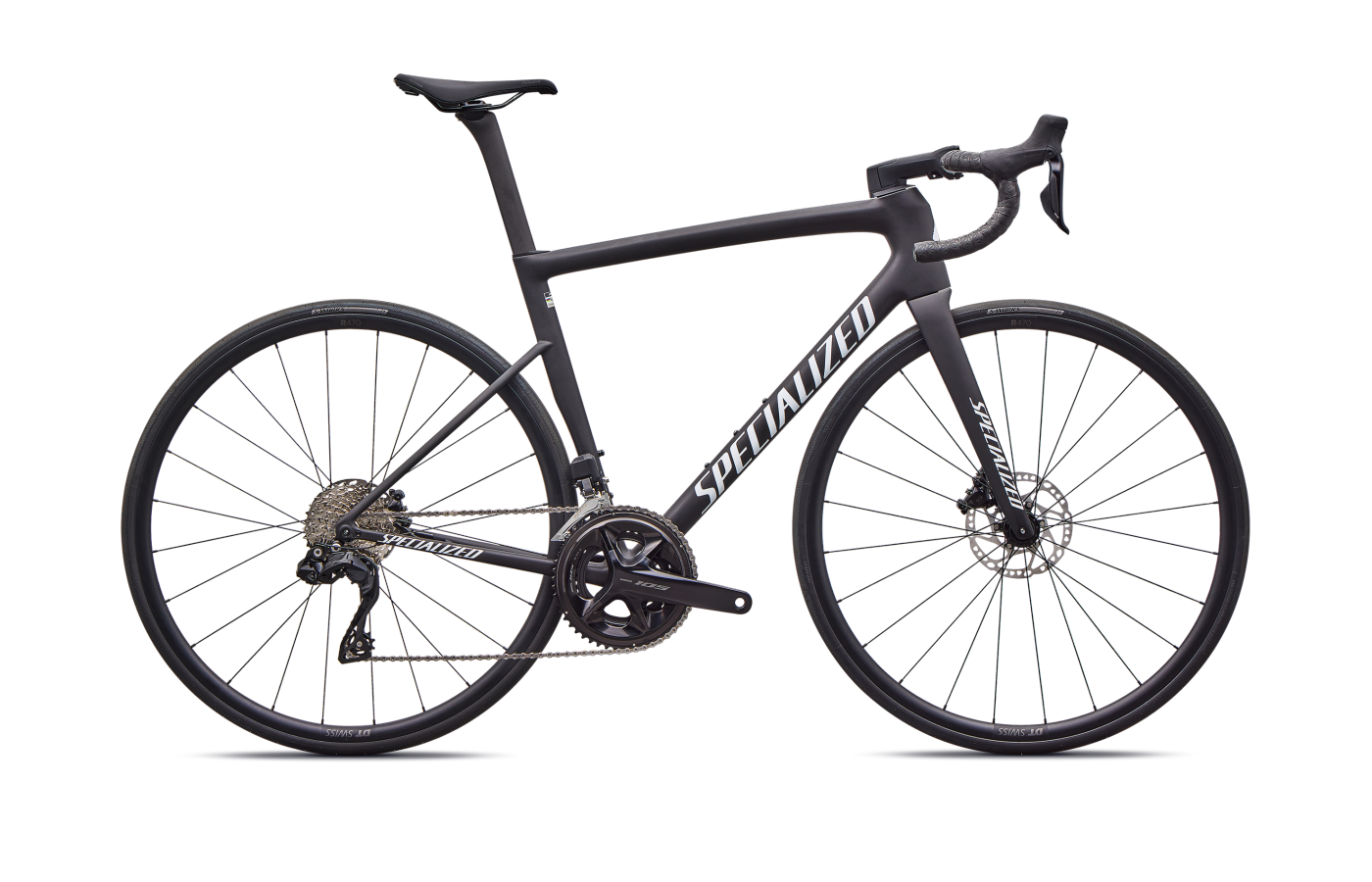
Tarmac
Specialized's all-rounder answer to both bikes — light enough to climb with the Madone, aero enough to hang with the Look on flats. The benchmark in the do-everything race bike category, with the deepest build range of any major brand.
Compare →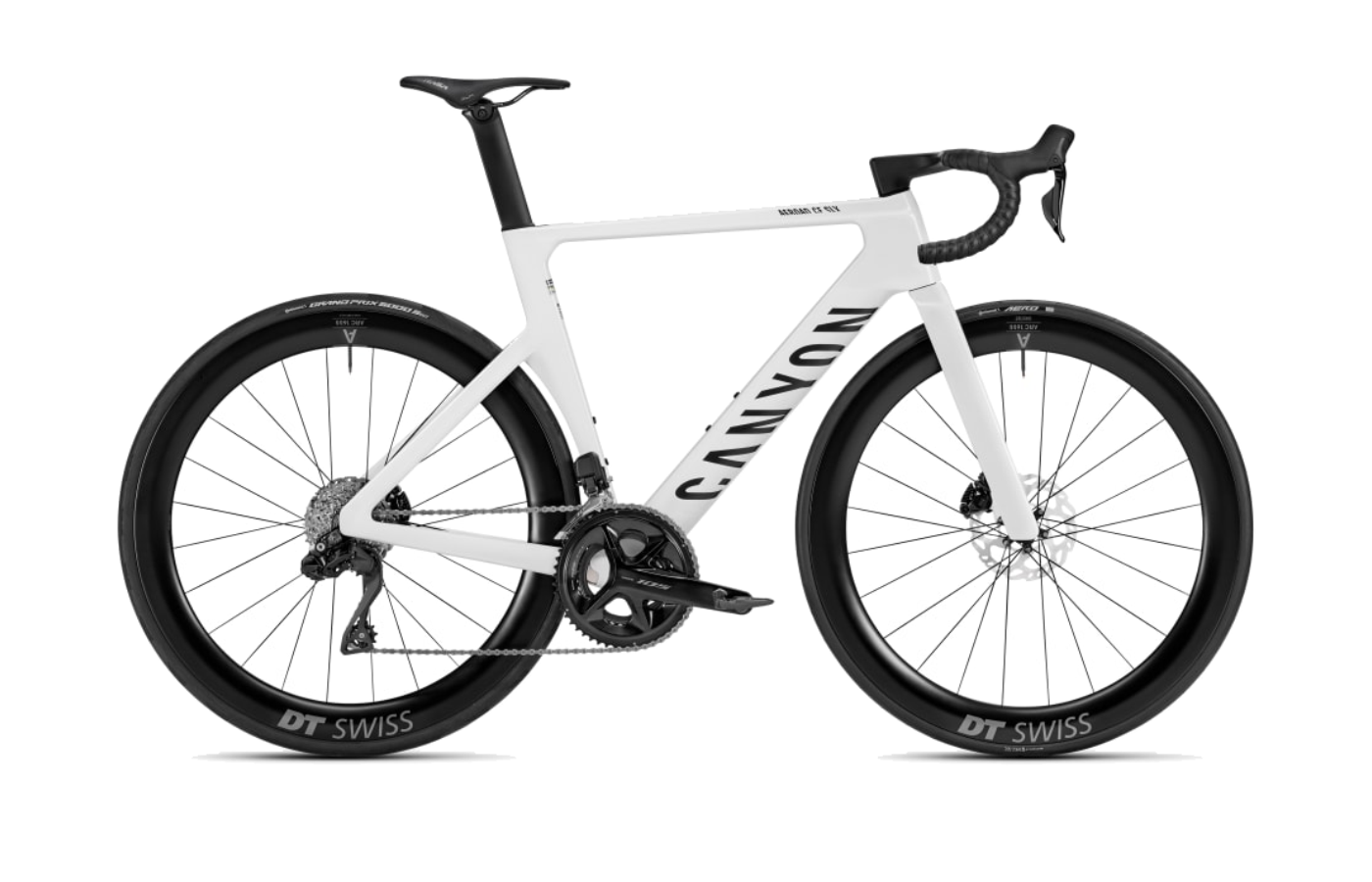
Aeroad
Same aero-flagship philosophy as the Look at roughly 30% less money — Canyon's direct-to-consumer model is the catch. Best if you know your fit and don't need a local dealer.
Compare →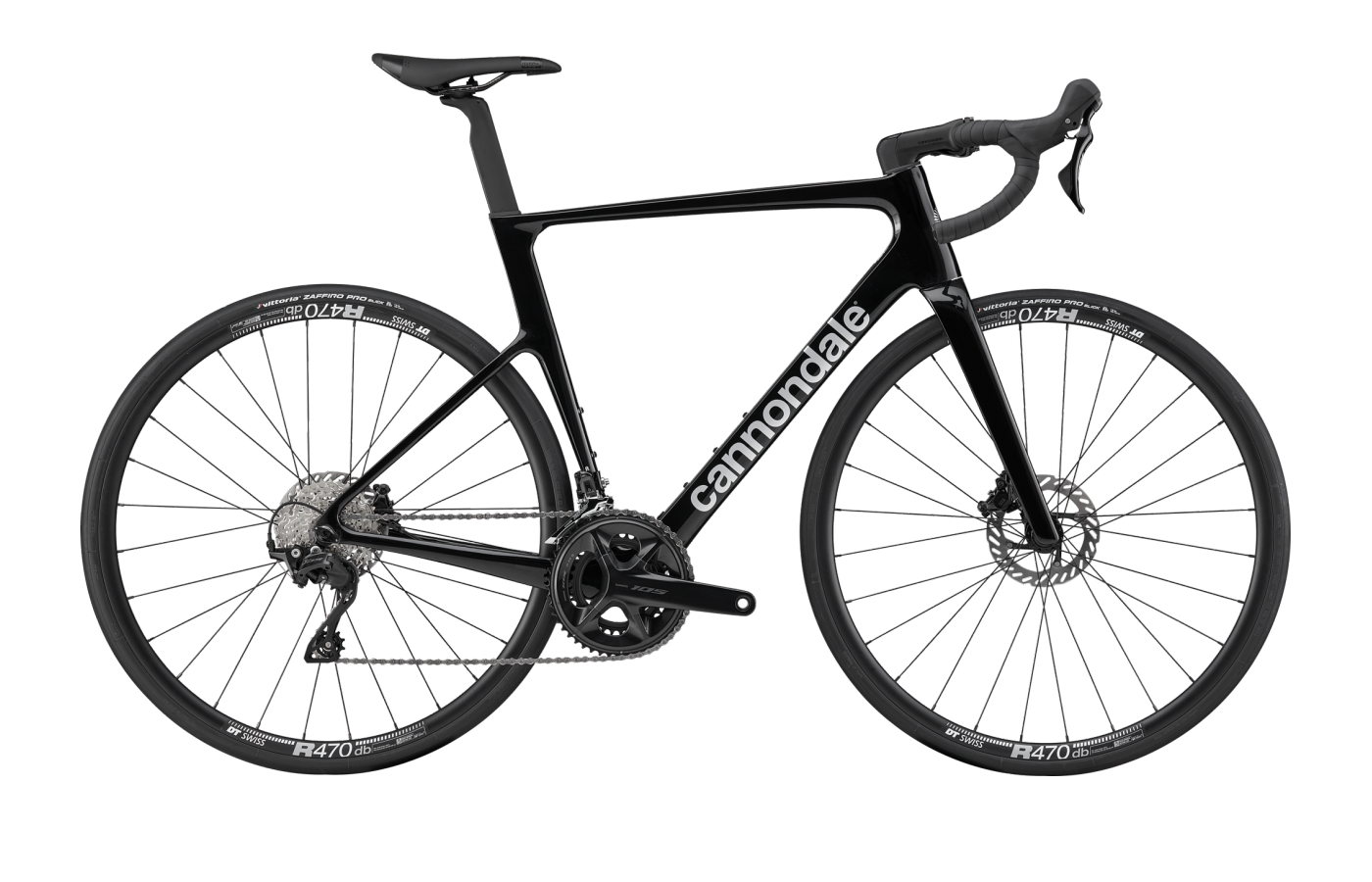
SuperSix EVO
Cannondale's one-bike-does-everything take, much like the Madone. The SuperSix Evo blends aero shaping with a lighter frame and a notably comfortable rear end — a strong cross-shop if the Madone's cockpit feels too proprietary.
Compare →