Honzo
vsUnit
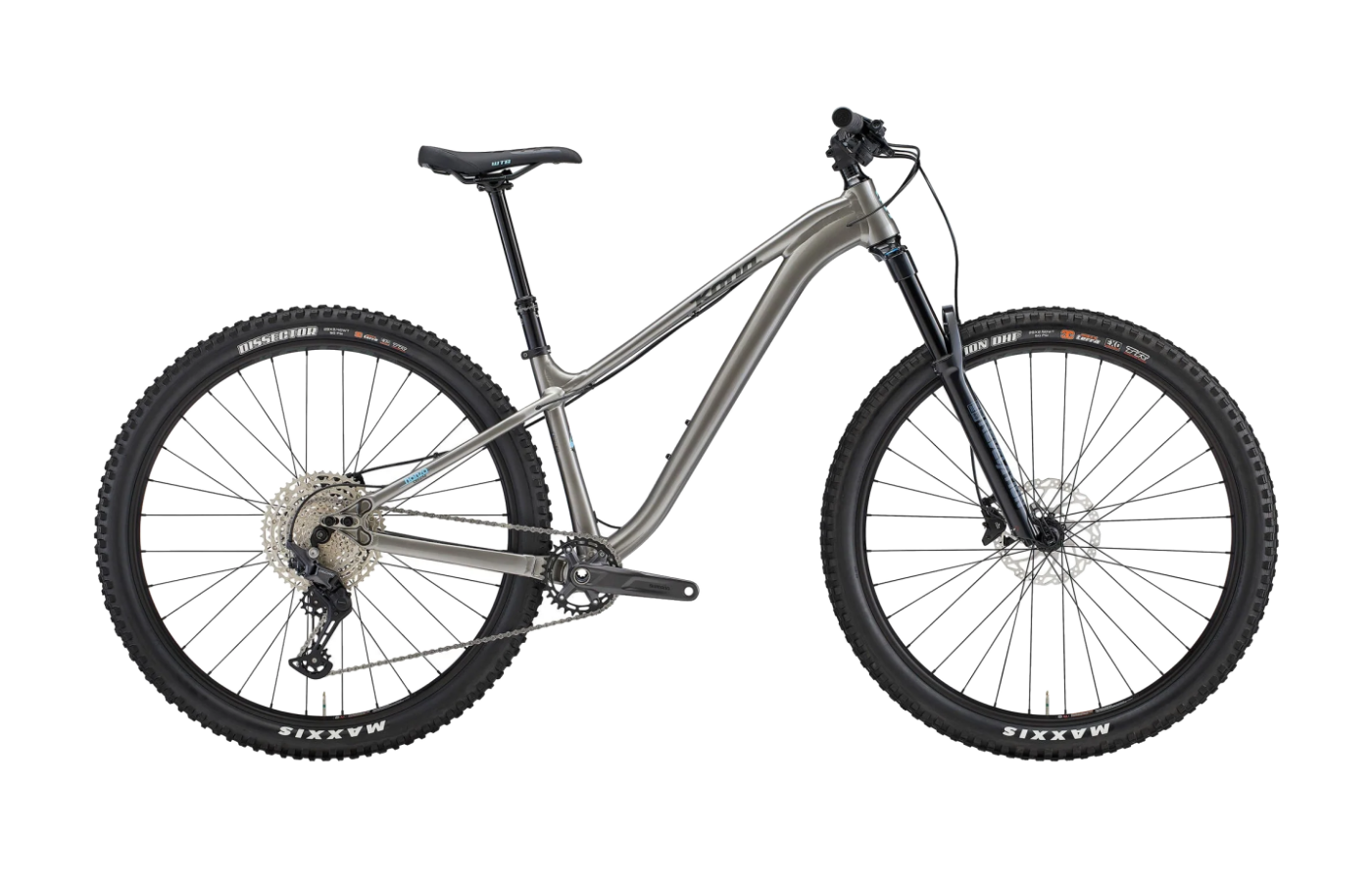
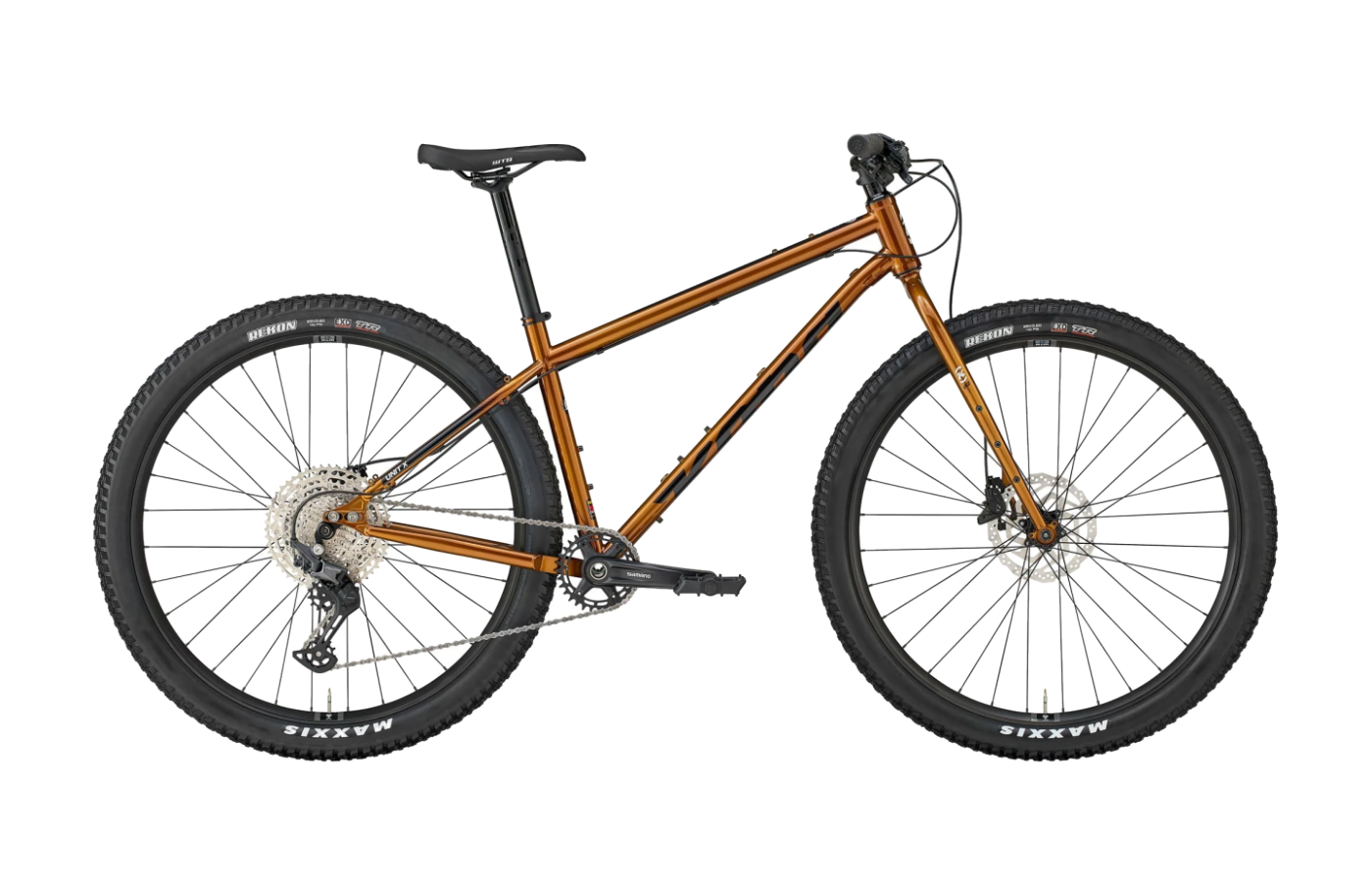
Two Konas, two ways to be a hardtail.
The Honzo is the playful aluminum trail bike with a suspension fork. The Unit is rigid steel — built for adventure, singlespeed, and the long haul.
Honzo
- Suspension fork standard — 130–150 mm of travel up front means you can charge actual descents without rethinking every line.
- Slack, modern trail geometry — a 66.5-degree head tube angle and 425 mm chainstays make it playful and confident on steep terrain.
- Wide build range — $1,299 entry to $2,399 ESD, so you can buy in cheap or step up to a 150 mm Marzocchi build.
- Aluminum frame goes harsh on long rides — lighter riders especially feel it on chunky terrain.
- No rack or cargo mounts; not built for loaded bikepacking.
Unit
- Reynolds 520 steel frame — suppler ride feel than aluminum and a 25-year frame warranty backing it up.
- Built for adventure — extensive braze-ons for cargo cages, racks, and three bottles, plus singlespeed-ready dropouts on the base build.
- High-volume 2.6" tires stock — the rigid front end feels less brutal than the spec sheet suggests; reviewers call it "almost like running suspension."
- Rigid fork limits how rowdy you can ride — line choices matter on real trail.
- Only two builds, both with Shimano Deore-tier components — no high-end option.
Editor’s analysis
Same brand, same wheels, same 75-degree seat tube — but everything that matters to the ride is different.
The Kona Honzo and Kona Unit live on opposite sides of the hardtail family. The Honzo is the modern aggressive trail bike — a 6061 aluminum frame, a 130–150 mm suspension fork depending on build, a slack 66.5-degree head tube angle, and 425 mm chainstays that beg you to manual. The Unit is the rigid steel adventure bike — Reynolds 520 chromoly tubing, a steel Kona Plus rigid fork, a more moderate 68-degree head tube, and 430 mm chainstays. They cost about the same. They share almost nothing else.
On a singletrack descent, the Honzo is the obvious tool. The Recon RL or Revelation up front soaks the chunder the Unit can only let through. Reviewers consistently call the Honzo "zippy," "snappy," and surprisingly composed at speed for a hardtail — "battleship calm composure" is one phrase that stuck. Push the Unit into the same terrain and the rigid fork makes every line choice a serious one. It's not bad — the high-volume 29x2.6" Rekons soak more than you'd think — but you ride at the rocks' pace, not the bike's.
Roll the camera back to a fire road with bags strapped to the bars and the picture flips. The Unit's steel frame has the supple, vibration-damping ride quality that aluminum just doesn't deliver, and the long list of braze-ons (cargo cages, racks, three bottles) is built for it. Kona ships it with a 25-year frame warranty. The Honzo has none of that — no rack mounts, an aluminum frame that goes harsh on long days, and a suspension fork to maintain. For an overnighter on dirt roads, the Unit is the right answer.
The cleanest way to think about it: the Honzo is a trail bike that occasionally tours. The Unit is a tour bike that occasionally trails. Pick the one that matches the 80% of your riding, not the 20%.
Where the builds differ.
Comparing our editor's-pick builds side-by-side. Winners highlighted row-by-row — lower price and weight, and the better-spec component, each mark a point.
Build variants & pricing
The Honzo spans $1,299–$2,399 across four builds. The Unit only comes in two — a $1,299 singlespeed and the $1,799 geared X.
Prices are current US MSRP. The editor's-pick comparison sets the Honzo DL ($1,599, RockShox Revelation 140 mm, Deore 12-speed) against the Unit X ($1,799, rigid Kona Plus fork, Deore 12-speed) — same drivetrain tier, with the Unit's price premium going to the steel frame and bigger tires rather than suspension.
How they fit, how they steer.
Both compared at size M. The Honzo M has a 49 mm taller stack (646 vs 597 mm), a 5 mm longer reach (455 vs 450 mm), and a 1.5-degree slacker head tube (66.5° vs 68°) — the trail bike vs adventure-bike split shows up clearly in the numbers.
Which size should I buy?
Both run S–XL with closely matched effective top tube lengths; the Unit's stack sits roughly 50 mm lower across all sizes, so expect a more stretched, cockpit-forward fit.
→These are starting points. Flexibility, riding style, and preferred position all shift the answer — if you’re between sizes, a professional fit beats a chart.
What the magazines said.
Published reviews from trusted cycling outlets. Click through for the full write-up.
Which one should you buy?
If you're riding actual singletrack with descents that matter, get the Honzo. If you're loading bags and pointing at the horizon, get the Unit.
Honzo
If your weekend is descents, jumps, and technical singletrack — and you want a hardtail because you like the feedback, not because you want a touring bike — this is the right Kona. The suspension fork and slack geometry let you ride harder than the Unit ever will.
Unit
If you want one bike for overnighters, gravel adventures, and the occasional mellow trail — and you value steel's ride feel and Kona's 25-year warranty — the Unit is the more honest match. Bonus: the singlespeed Standard build is one of the cheapest ways into a real adventure rig.
Questions buyers actually ask.
Short answers to the things we get emailed about most often.
01Which one is better for actual mountain bike trails?
The Honzo, by a wide margin. The 130 mm RockShox Recon RL on the base build (or the 140 mm Revelation on the DL, or the 150 mm Marzocchi Bomber Z1 on the ESD models) actively absorbs hits the Unit's rigid steel fork can only deflect.
The Honzo's slacker 66.5-degree head tube angle also positions the front wheel further out, which makes steep descents feel more secure. The Unit can ride mellow singletrack happily — its 2.6" tires take more sting out than you'd expect — but it's not the right tool for technical or steep terrain.
02Can I bikepack on the Honzo?
Not really. The Honzo's aluminum frame doesn't have rack mounts or cargo cage bosses, so you're limited to bar bags, frame bags, and a seat pack. That works for an overnighter, but it's not a long-haul setup.
The Unit is the one designed for it — extensive braze-ons across the frame and fork for cages and racks, a longer effective top tube, a higher front end (per the 2020 redesign for "long days in the saddle"), and a steel frame that takes loaded weight without complaint.
03Is the Unit really comfortable without a suspension fork?
More than the spec sheet suggests, yes. The Reynolds 520 chromoly frame is genuinely supple — reviewers consistently describe it as "playful supple" and a noticeable step up in compliance from aluminum.
The stock 29x2.6" Maxxis Rekon or WTB Ranger tires are doing a lot of work too. Run tubeless at lower pressures (high teens, low 20s psi), and one reviewer noted "it almost feels like I'm running suspension." That said — it's still a rigid bike. On rocks and roots, you'll feel them.
04Can I put a suspension fork on the Unit later?
Yes, and Kona designed it with that in mind. The Unit's frame is built for a suspension corrected fork up to 110 mm, and reviewers report success running up to 120 mm. A fork swap would push the head tube angle slacker and the front end higher, turning the Unit into something closer to a Honzo-lite.
It's a popular upgrade path. Just budget $400–$700 for a decent 100–120 mm fork (RockShox Recon or SID, Manitou Markhor) on top of the bike.
05Which has better climbing efficiency?
Both are hardtails with no rear suspension to bob, so both transfer power efficiently. Both use a steep 75-degree seat tube angle that puts you over the cranks for climbing.
The Unit has the slight edge on long, smooth climbs — its steel frame is more compliant under sustained effort and the high-volume tires hold traction on loose surfaces. The Honzo is faster-feeling on shorter, punchier climbs thanks to its lighter aluminum frame and shorter chainstays. The Unit's rigid fork also won't lose any travel to bob, where the Honzo's fork (even with a lockout) gives up a watt or two.
06What's the maximum tire clearance on each?
Honzo: 61 mm (2.4") rear officially, with stock builds running 29x2.4–2.5" Maxxis tires.
Unit: 66 mm (2.6") rear, with stock 29x2.6" Rekon or Ranger tires that some reviewers say measure closer to 2.7" on-bike. The Unit also accepts 27.5x3.0" plus tires with a wheel swap.
Neither is a full plus or fat bike, but the Unit's clearance gives you more room to play with bigger volume for comfort or floatation.
07Is the singlespeed Unit actually rideable as a daily bike?
For the right rider in the right terrain, yes. The 32:18 stock gearing handles rolling and mildly hilly terrain — one reviewer reported clearing "95% of the local topography" before swapping to a 20-tooth cog for steeper stuff.
If you live somewhere flat-ish, like the singlespeed simplicity (no derailleurs to maintain or adjust), and don't mind walking the occasional pitch, it works. If your local rides involve sustained or steep climbing, get the geared Unit X or convert the Standard build later — the frame already has a derailleur hanger and full cable routing.
08Why does the Unit have a 25-year warranty and the Honzo doesn't?
Steel frames last longer than aluminum ones. Cromoly steel can be repaired, doesn't fatigue the same way aluminum does under repeated stress cycles, and Kona is confident enough in the Reynolds 520 tubing to back it for a quarter century.
The Honzo's 6061 aluminum frame is plenty durable for trail use — reviewers report no failures over hundreds of miles of hard riding — but aluminum has a finite fatigue life by nature, so it gets a shorter standard frame warranty (typically lifetime to original owner against defects, but not the 25-year structural promise).
Similar bikes
If your priorities don’t map cleanly onto either of these, one of these adjacent bikes probably fits better.
Chameleon
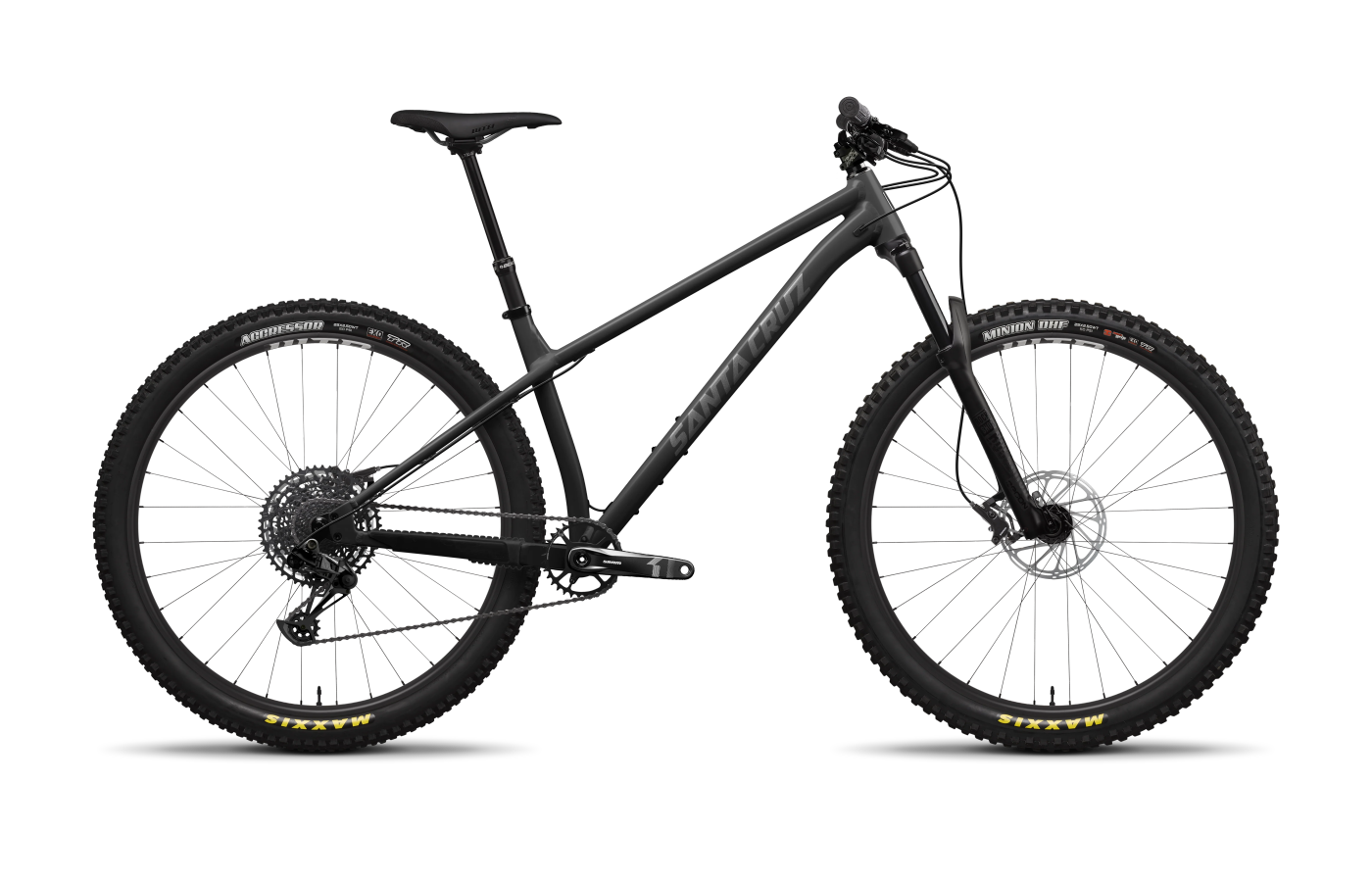
Santa Cruz's take on the do-it-all aggressive hardtail — sliding dropouts let you run it singlespeed or geared, and the geometry splits the difference between the Honzo's playfulness and the Unit's stability.
Compare →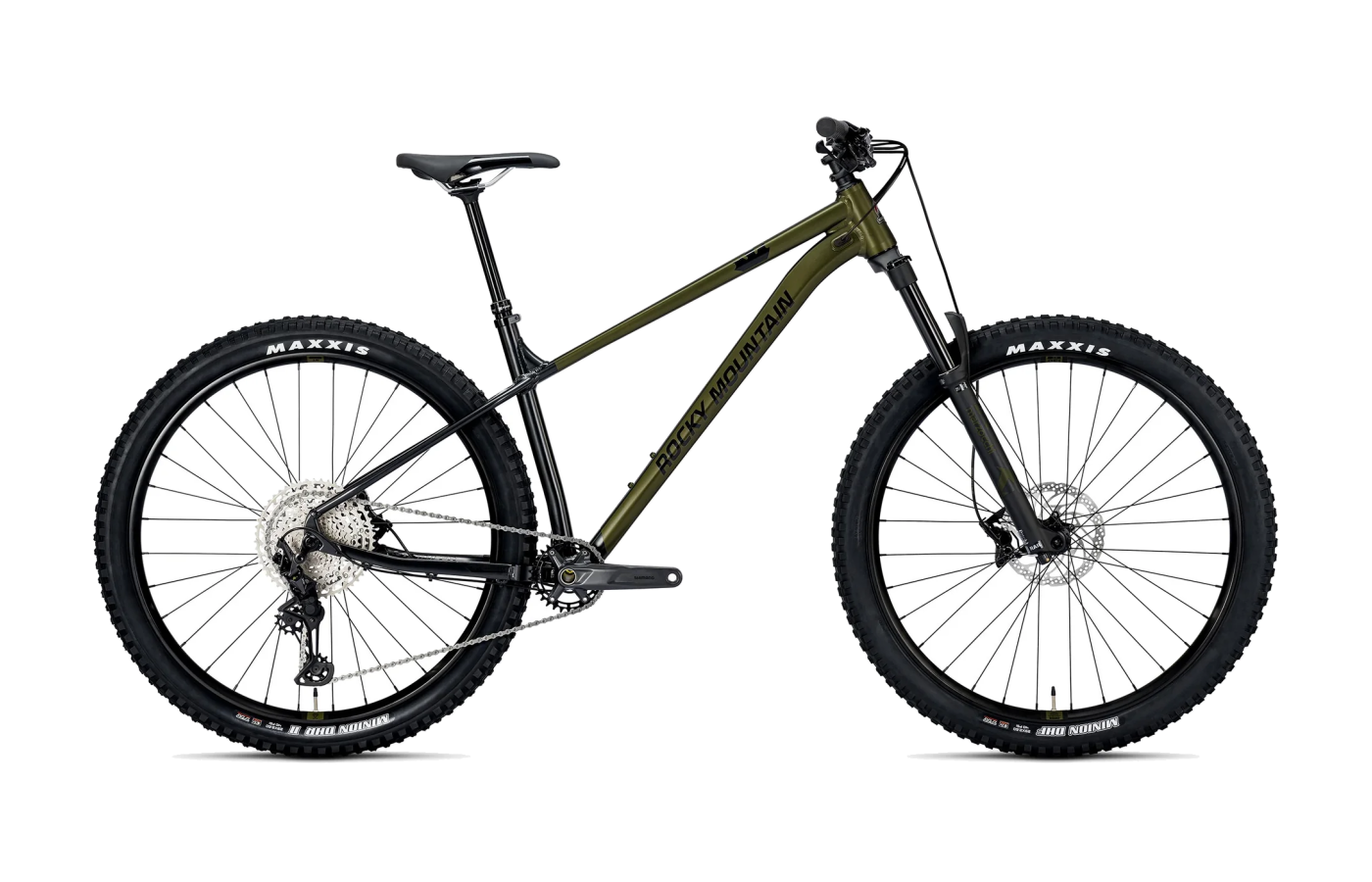
Growler
Aggressive aluminum hardtail with a 140 mm fork and slack geometry, frequently cross-shopped against the Honzo at a slightly lower price. Strong value if you want the Honzo's mission without the Kona badge.
Compare →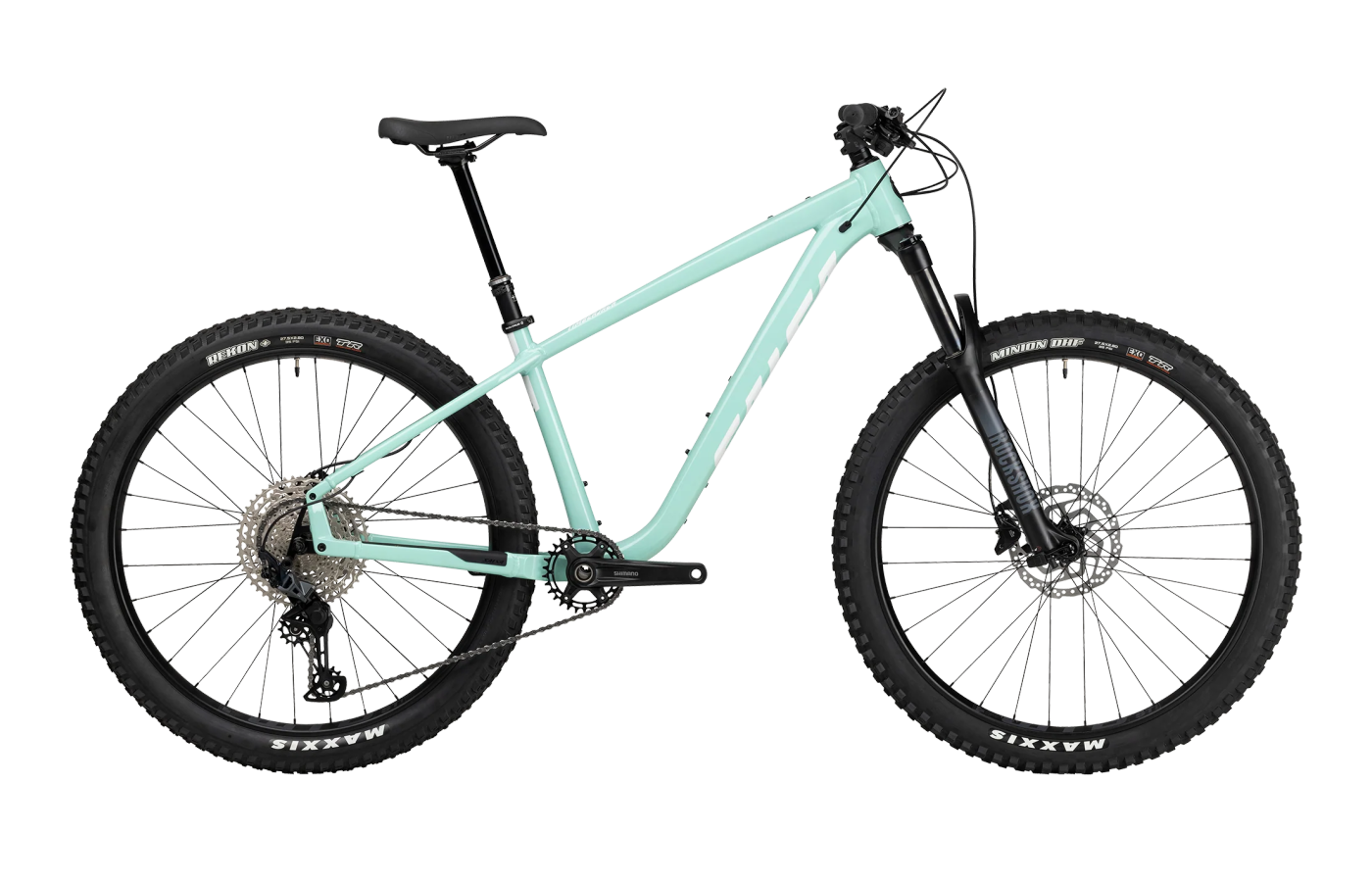
Timberjack
Salsa's versatile aluminum hardtail — singlespeed-friendly dropouts, plus-tire compatibility, and a fork that flexes between trail and bikepacking. The closest direct alternative to the Unit's adventure brief.
Compare →