Kona
HonzoBase
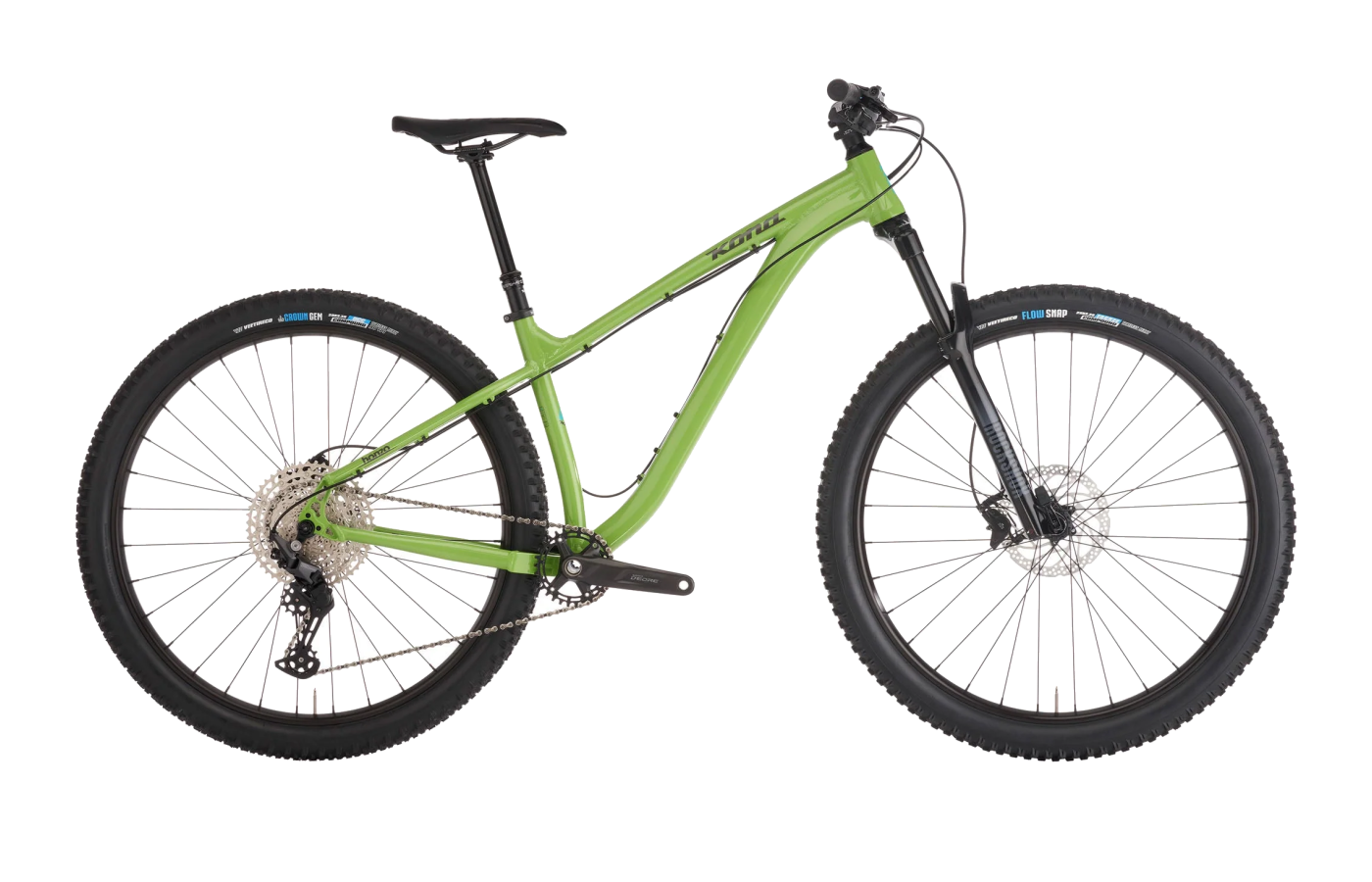
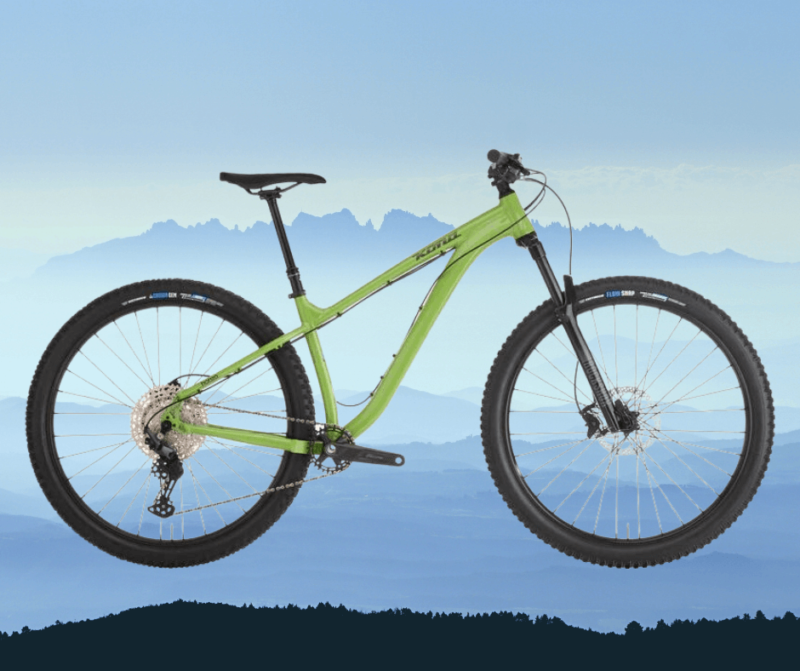
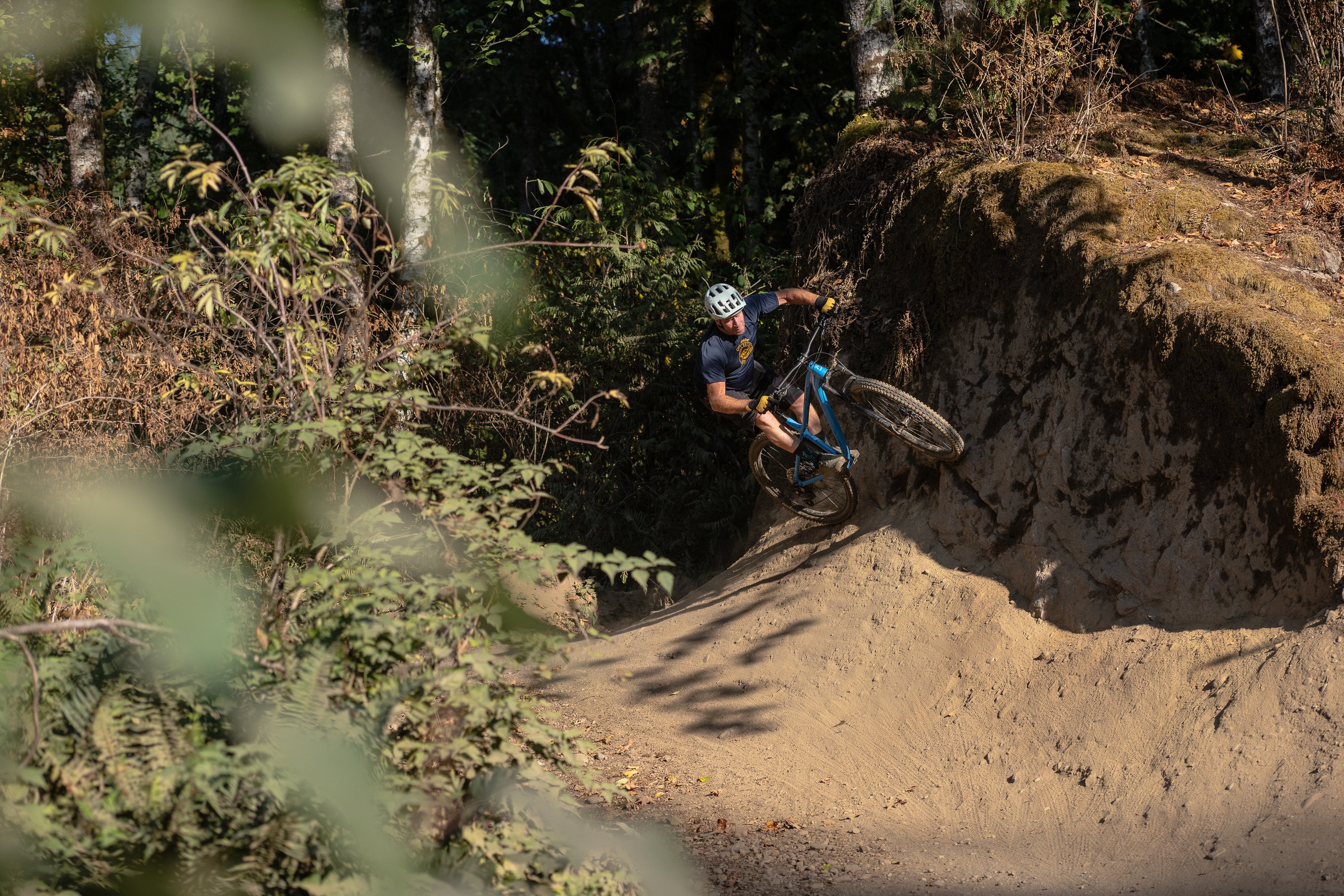
The Kona Honzo is a quintessential modern trail hardtail, designed for riders who prioritize an active, engaging connection to the dirt. Moving away from the steeper angles of its predecessors, this generation adopts a contemporary shape that balances high-speed stability with a distinctly playful character. It is built to be pumped through rollers, snapped around tight corners, and pedaled assertively, rewarding physical input rather than isolating the rider from the trail.
While it has grown longer and slacker to handle steeper descents, the Honzo retains a simple, do-it-all ethos. It suits aggressive hardtail enthusiasts and newer riders looking for a capable platform that excels on flow trails and moderate singletrack. It is not a passive, long-travel plow bike; instead, it offers an honest, direct ride that requires careful line choice and active body English when the terrain turns exceptionally rough.
Spec sheet.
Every component shipped with this build.
Geometry & fit.
4 sizes published.
The Honzo’s geometry is defined by a roomy front center paired with an exceptionally short rear end. A size large features a 480mm reach and a 66.5-degree head tube angle, pushing the front wheel far enough forward to provide a secure, stable feel on steep descents. This long front end is balanced by chainstays that measure just 425mm, which keeps the bike eager to manual and easy to muscle through tight switchbacks.
A steep 75-degree seat tube angle places the rider in an upright, forward-biased pedaling position. This setup prevents the front wheel from wandering on punchy climbs and ensures efficient power transfer directly to the pedals. Kona also utilizes a heavily sloped top tube across the size run, resulting in a very low standover height. This low-slung chassis gives riders plenty of room to move the bike around underneath them and accommodates long-travel dropper posts, making it easy to size up if a rider prefers an even longer reach.
Where the handlebar sits relative to the bottom bracket — the single most important fit pair.
01Fit geometry6 values
03Handling geometry8 values
Which size should I buy?
Slide your height to see the recommended size. GearWise's fit algorithm works from the published stack, reach, and ETT — the brand's own recommendation may differ.
→Calculated from GearWise's own stack / reach / ETT algorithm — the brand's size chart may recommend a different size, and a proper bike fit beats any calculator.
The lineup.
4 builds, ranging $1,299 – $2,399.
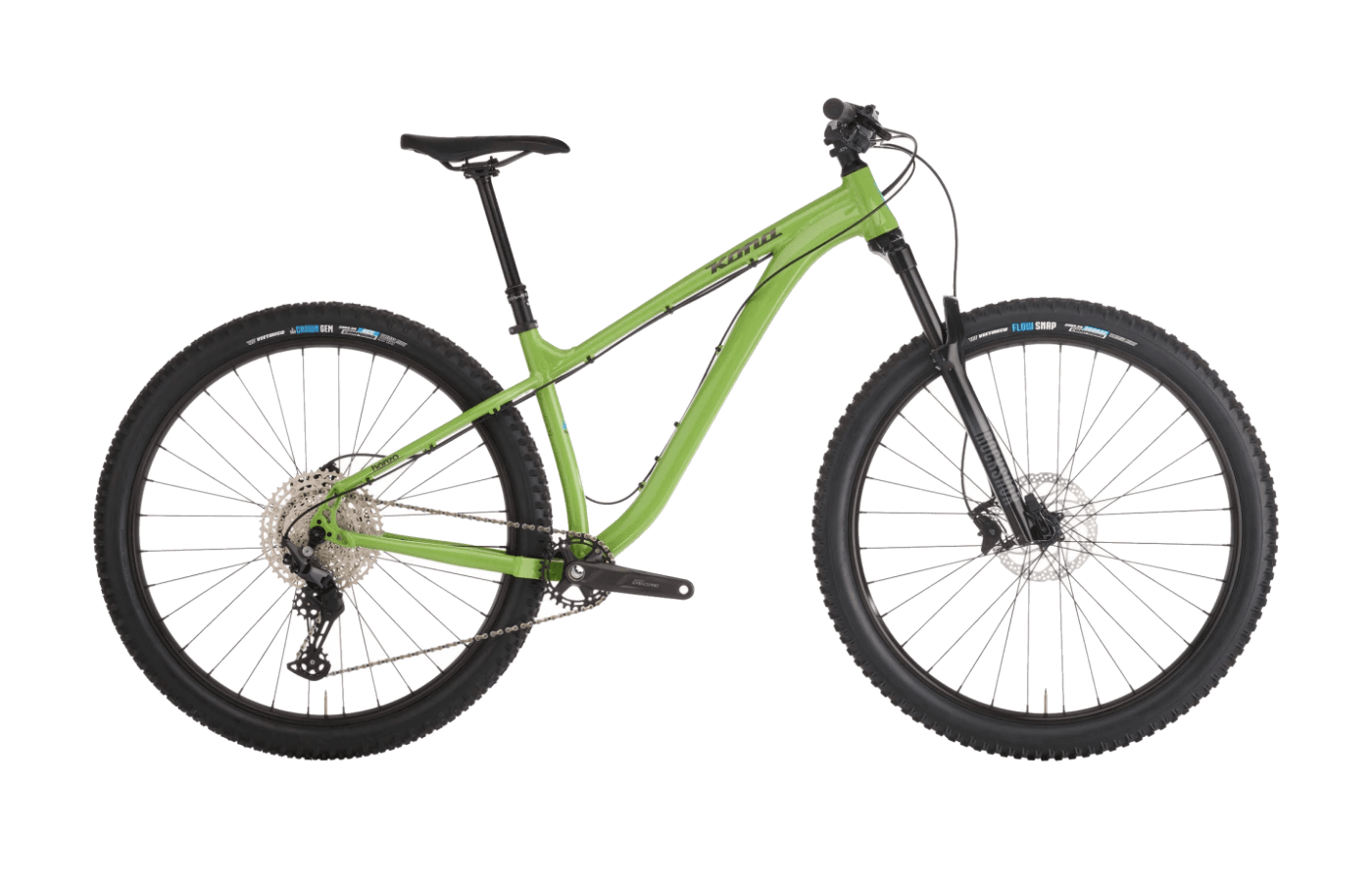
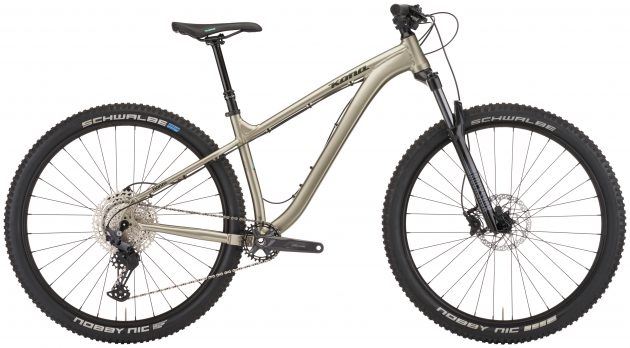
The Honzo lineup splits distinctly between aluminum and steel frames, catering to different budgets and riding styles. The Base ($1299) and DL ($1599) models utilize 6061 butted aluminum frames. The Base build offers a reliable entry point with a 130mm RockShox Recon RL fork and an 11-speed Shimano Deore drivetrain. Stepping up to the DL brings a 140mm RockShox Revelation fork and a 12-speed Deore setup, noticeably improving front-end compliance and gear range. A common critique of these aluminum builds is the Shimano MT410 brakes; they use resin-only rotors, meaning riders cannot simply swap to metallic pads for better stopping power without also replacing the rotors.
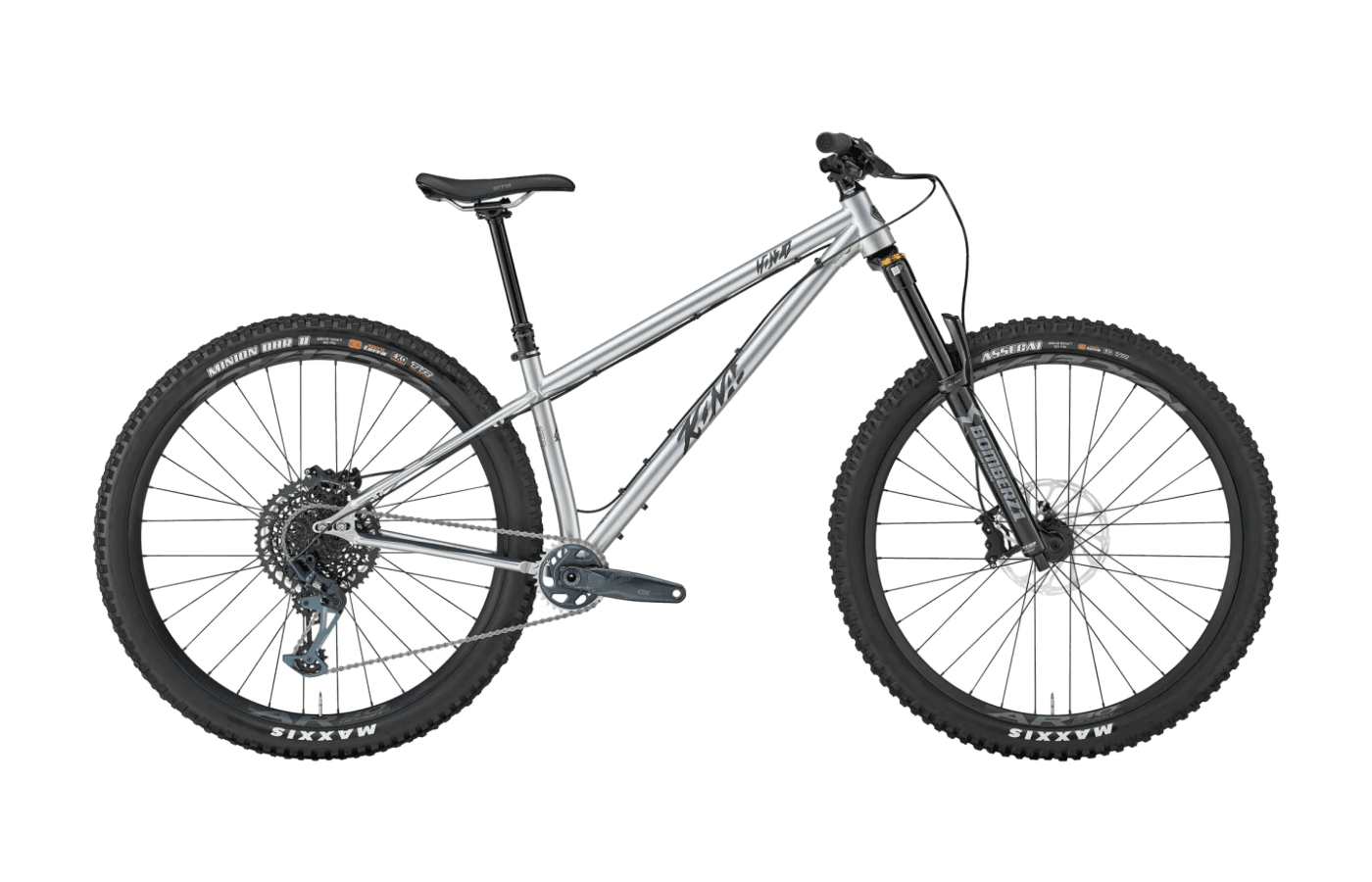
At the higher end, the ESD and ESD 36SR builds ($2299 and $2399) shift to chromoly steel frames and bump the fork travel to 150mm with Marzocchi Bomber Z1s. These steel variants are built for more aggressive descending, featuring heavier-duty Maxxis Assegai and Minion DHR II tires, compared to the lighter Schwalbe or Vee Tire rubber found on the base models. The ESD builds also upgrade to SRAM DB8 or Shimano Deore brakes, addressing the stopping power limitations of the lower-tier options.


From the press.
4 reviews from the cycling press.
Reviewers consistently praise the Honzo for its energetic handling, noting that the bike feels eager to accelerate and pop off trail features. On smooth or moderately technical singletrack, the chassis is highly responsive, allowing riders to "zip around corners with ease" (Theapexadventurer). When pushed up to speed, the modern geometry provides a surprising amount of stability for a hardtail, delivering a "battleship calm composure" (NSMB) that helps keep the bike tracking straight through rough patches.
However, the ride quality of the aluminum models comes with a distinct tradeoff in comfort. Multiple testers highlight the frame's rigidity, describing a "typical aluminum frame feel" that can be "a little rigid" and bouncy when traction is limited (YouTube). While heavier riders often appreciate this stout, unyielding platform, lighter riders may find it fatiguing on extended rides over chunky terrain.
To get the most out of the Honzo, reviewers agree that it demands an assertive approach. Ridden passively, it can feel sluggish, but when the rider actively weights the front end and pedals through sections, the bike comes alive. It is a highly capable descender within the limits of its category, though testers caution that prolonged rocky descents will inevitably pass a lot of feedback directly to the rider.
Compared to.
Most-viewed comparisons.
Kona Big Honzo vs Honzo
Read comparison→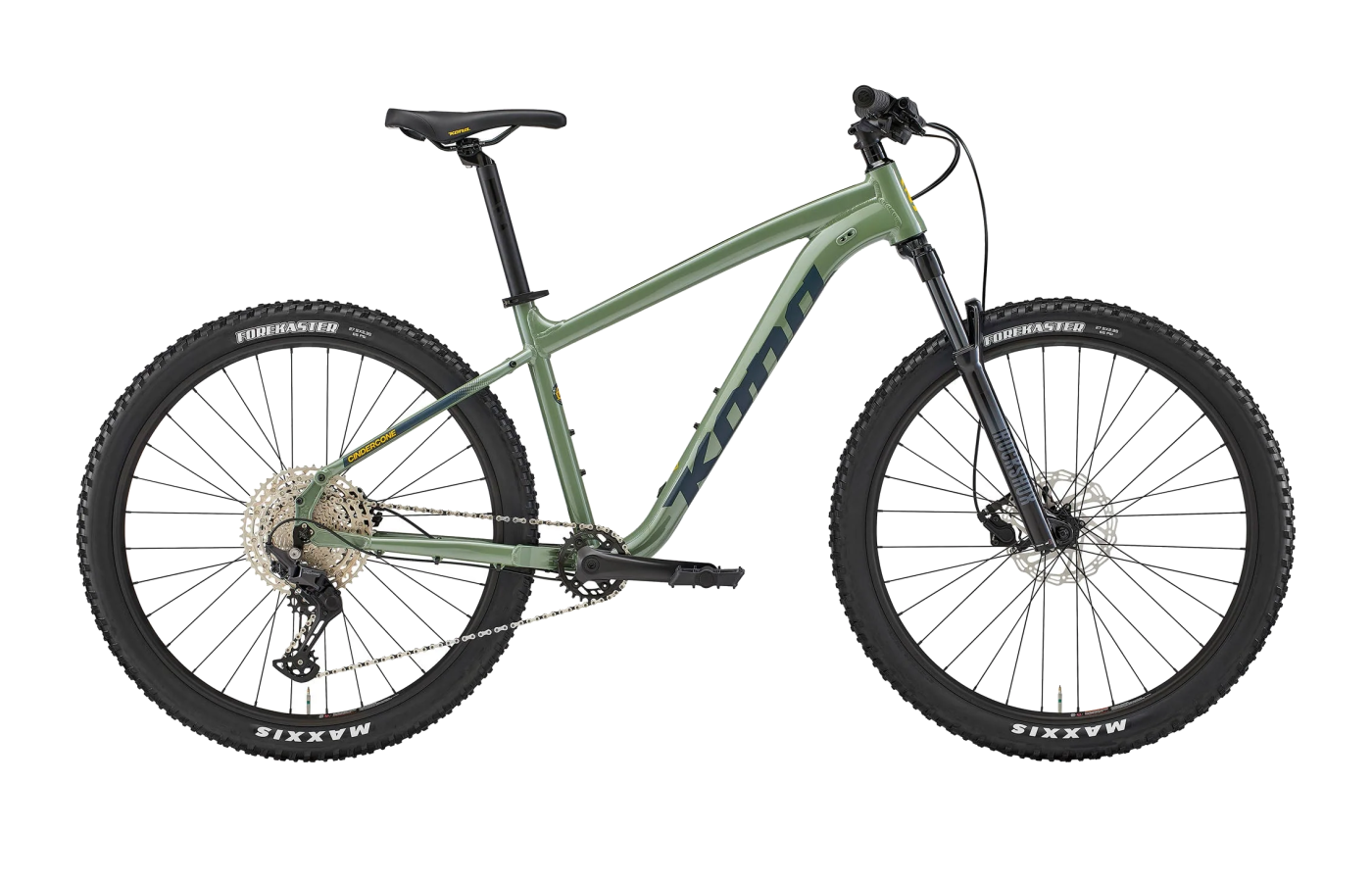
Kona Cinder Cone vs Honzo
Read comparison→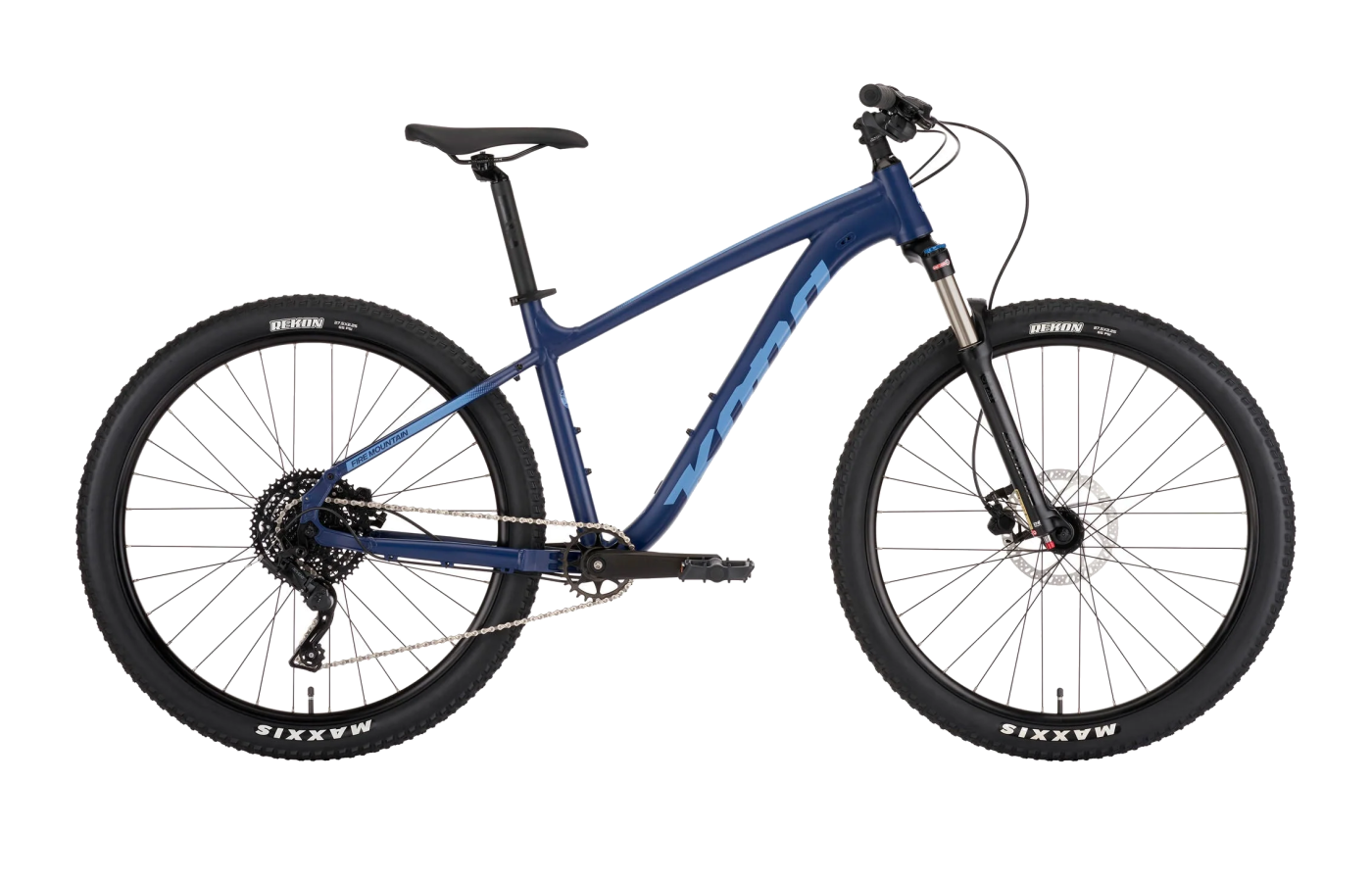
Kona Fire Mountain vs Honzo
Read comparison→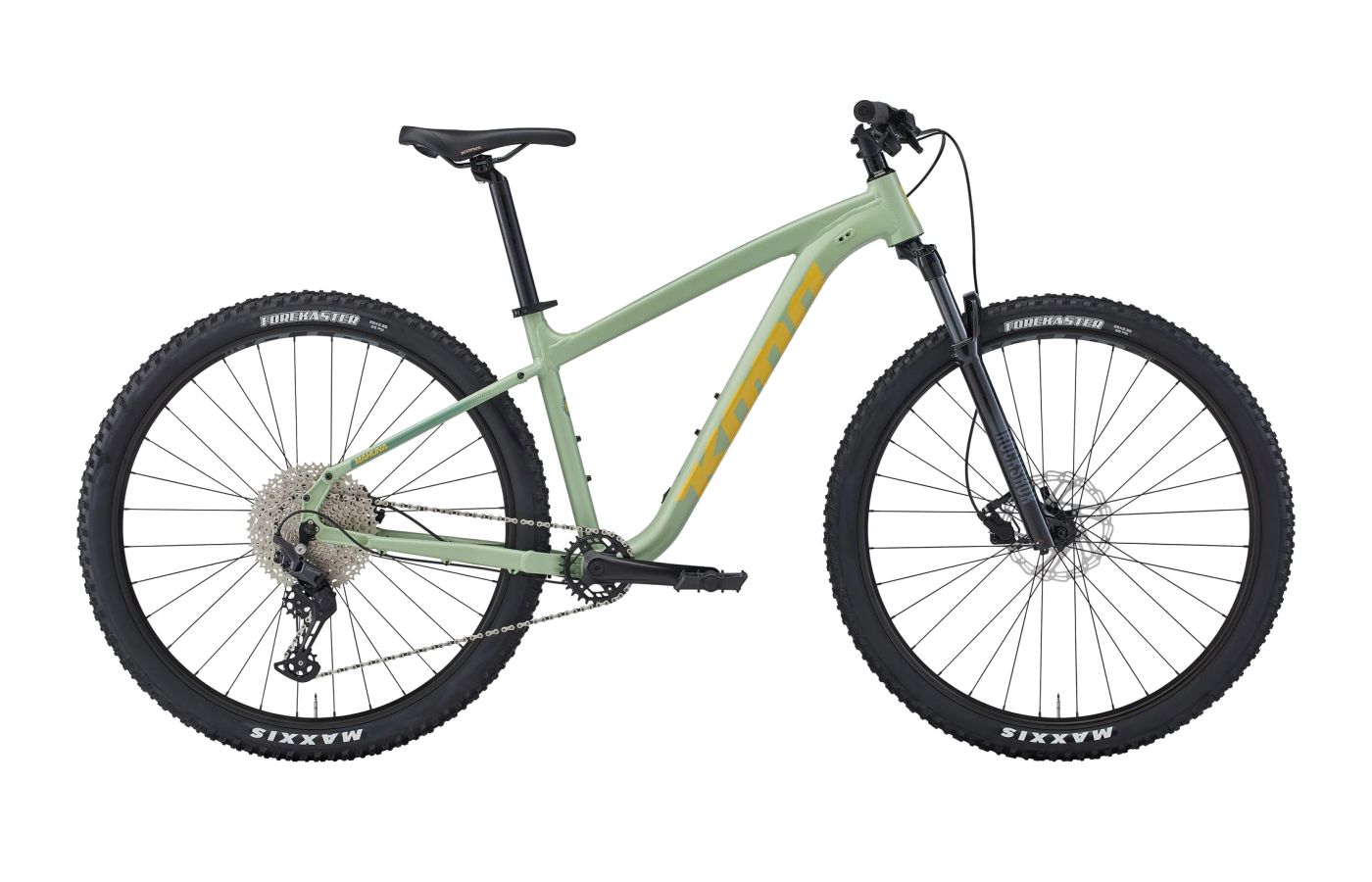
Kona Honzo vs Mahuna
Read comparison→
Kona Honzo vs Norco Torrent
Read comparison→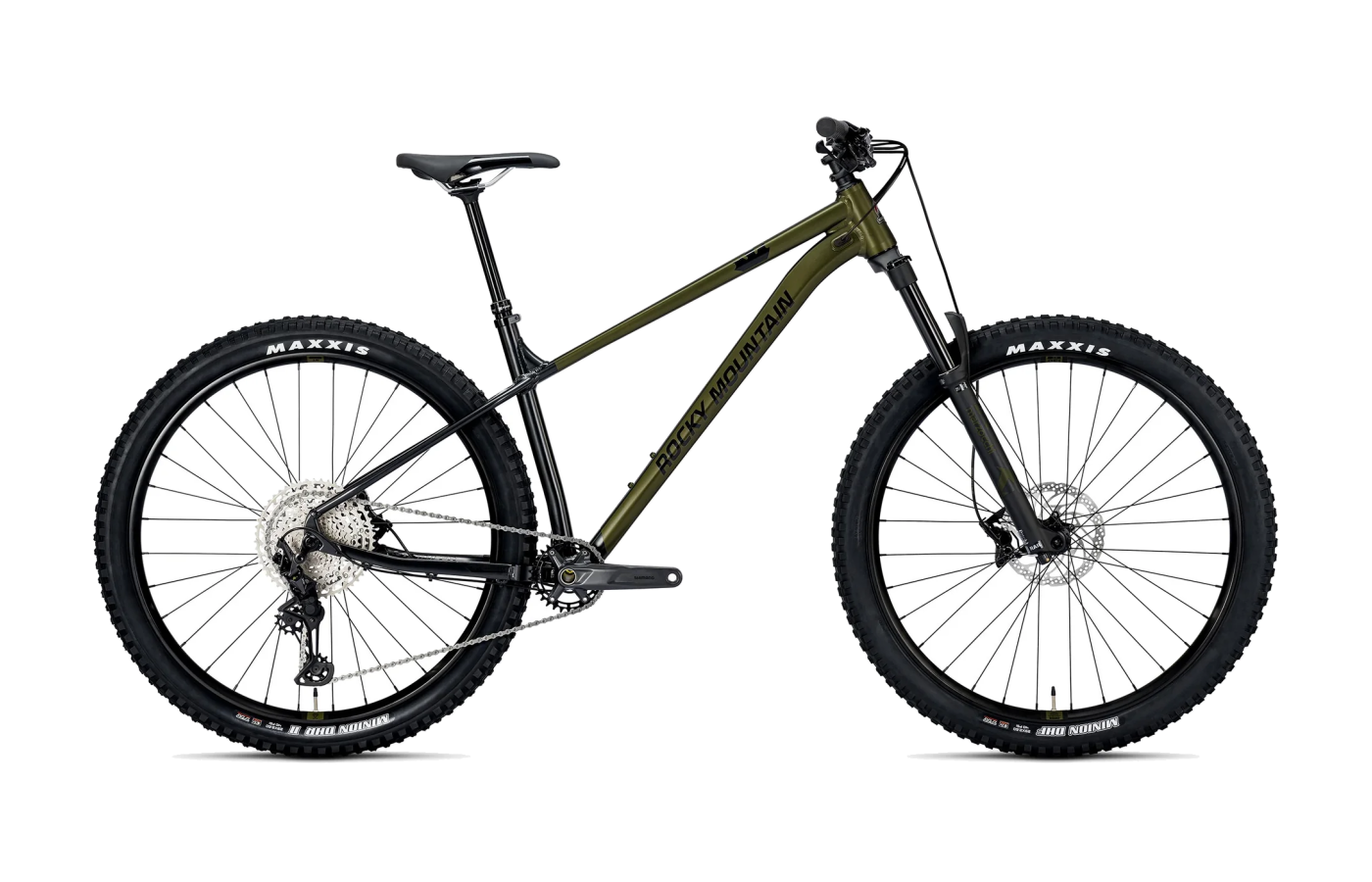
Kona Honzo vs Rocky Mountain Growler
Read comparison→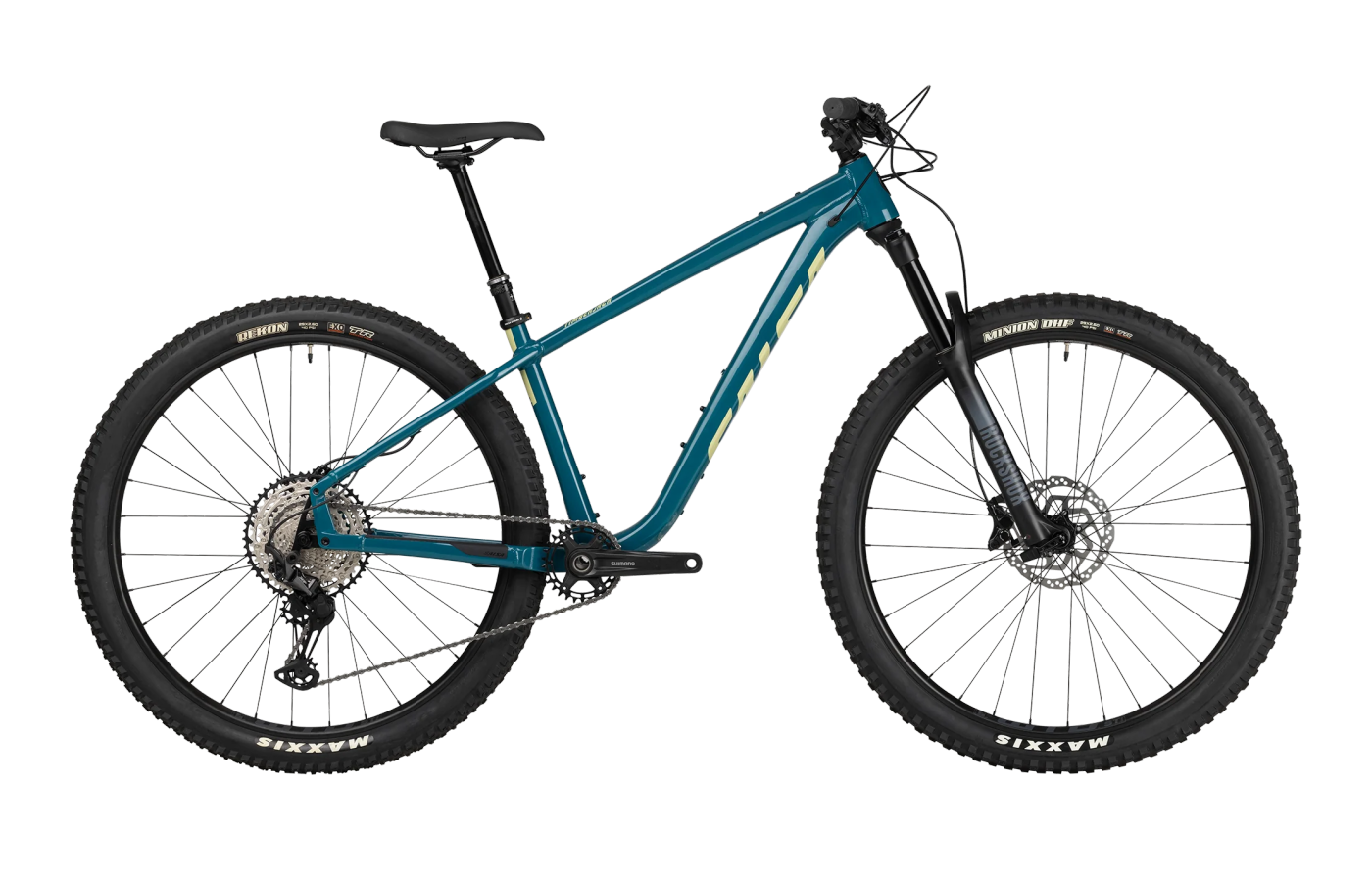
Kona Honzo vs Salsa Timberjack
Read comparison→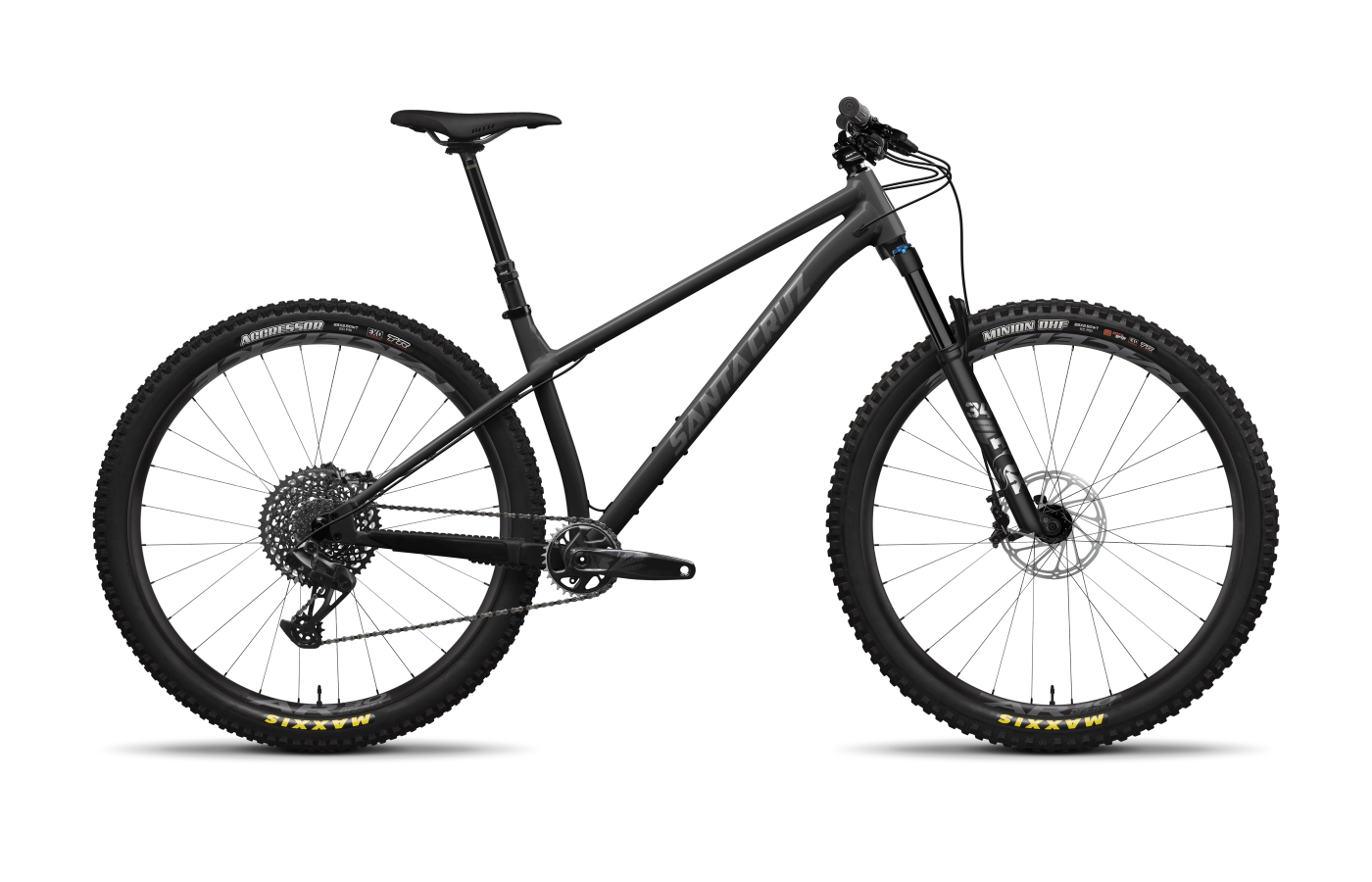
Kona Honzo vs Santa Cruz Chameleon
Read comparison→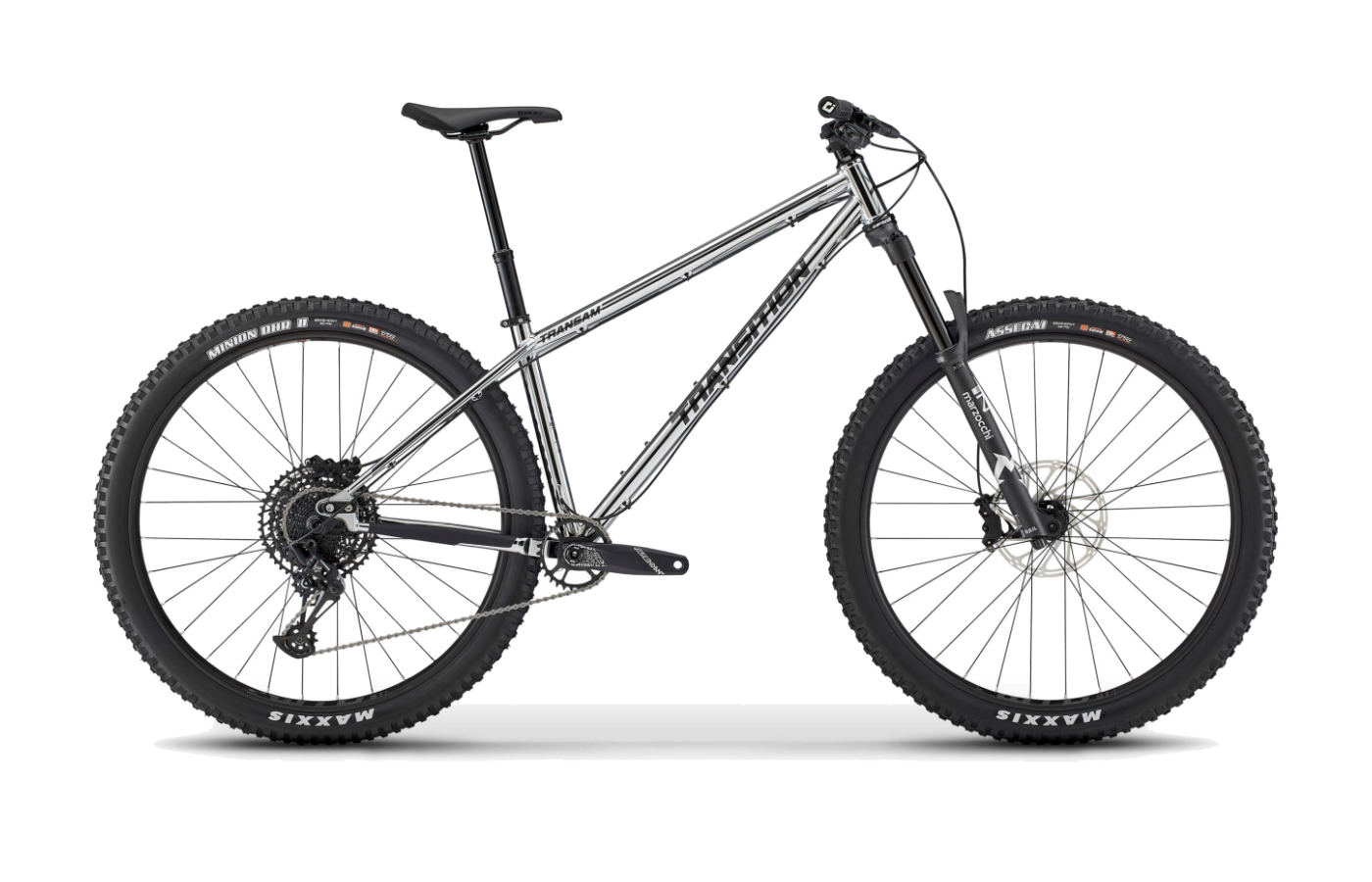
Kona Honzo vs Transition TransAM
Read comparison→Kona Honzo vs Trek Roscoe
Read comparison→