Unit
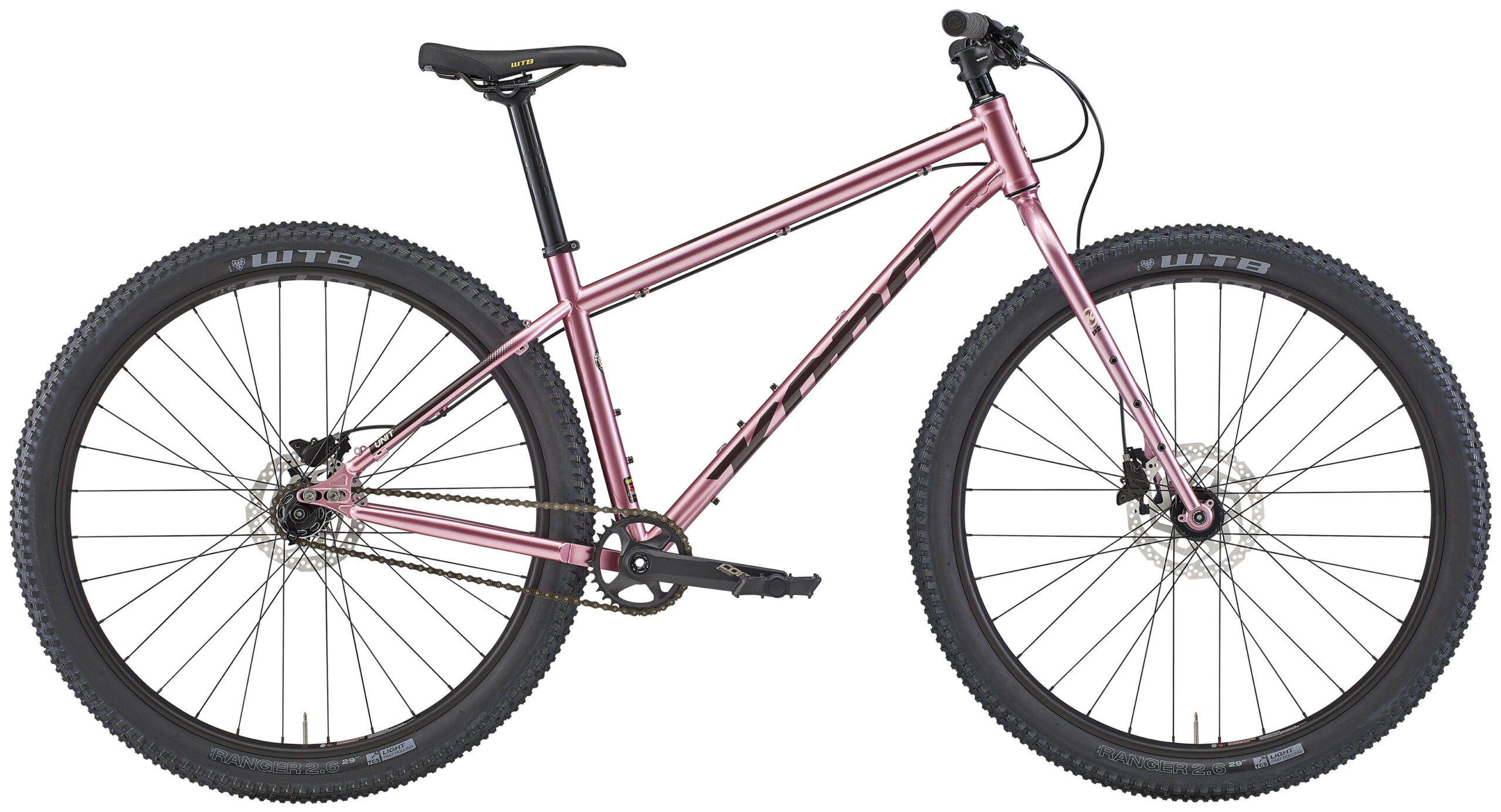
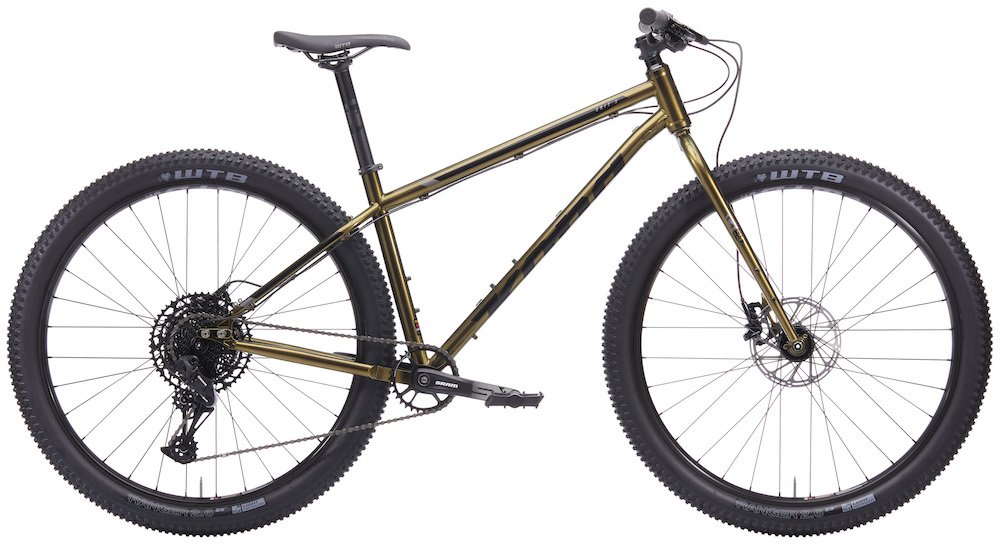
The Kona Unit is a fully rigid, Reynolds 520 chromoly steel trail and adventure bike. Redesigned for the 2020 model year, this generation modernized the long-standing platform by moving to 29-inch wheels, Boost thru-axles, and contemporary trail geometry. It occupies a distinct niche for riders who prioritize durability, simplicity, and versatility over suspension and lightweight race performance.
Kona offers the platform in two distinct configurations: a dedicated singlespeed for purists and a geared version aimed at bikepacking and rugged touring. Both share the same highly configurable frame, which features extensive cargo mounts and sliding dropouts that allow riders to easily swap between geared and singlespeed setups. The Unit is built to be a reliable, low-maintenance workhorse that handles everything from local flow trails to loaded backcountry excursions.
Geometry & fit.
4 sizes published.
The current Unit frame features a modernized trail geometry that blends a moderate 68-degree head tube angle with a steep 75-degree seat tube angle. This combination places the rider in an efficient, forward-leaning pedaling position while maintaining enough front-end stability for fast descents. Short 430mm chainstays keep the rear end tucked in, making it easy to lift the front wheel over obstacles and navigate tight switchbacks.
To accommodate long days in the saddle, Kona increased the stack height for this generation, resulting in a slightly taller front end that reduces strain on the rider's back and neck during extended bikepacking trips. The cockpit utilizes wide riser handlebars that provide excellent steering leverage, which is especially useful for controlling the bike when the fork is loaded with cargo. Riders should note that the frame sizing runs large, so those between sizes or looking for a more compact fit may want to size down.
Where the handlebar sits relative to the bottom bracket — the single most important fit pair.
01Fit geometry6 values
03Handling geometry8 values
Which size should I buy?
Slide your height to see the recommended size. GearWise's fit algorithm works from the published stack, reach, and ETT — the brand's own recommendation may differ.
→Calculated from GearWise's own stack / reach / ETT algorithm — the brand's size chart may recommend a different size, and a proper bike fit beats any calculator.
The lineup.
2 builds, ranging $1,299 – $1,799.
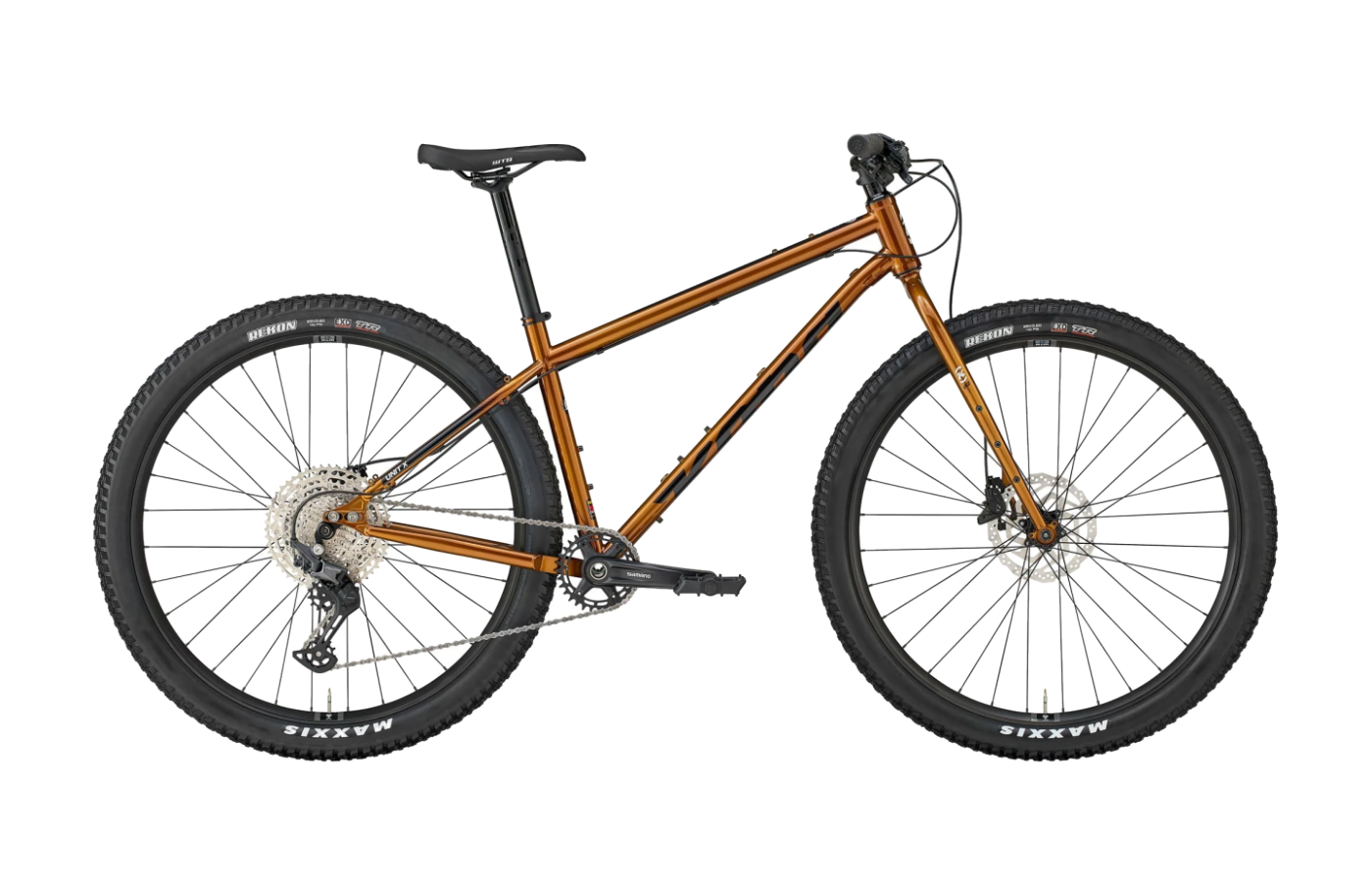
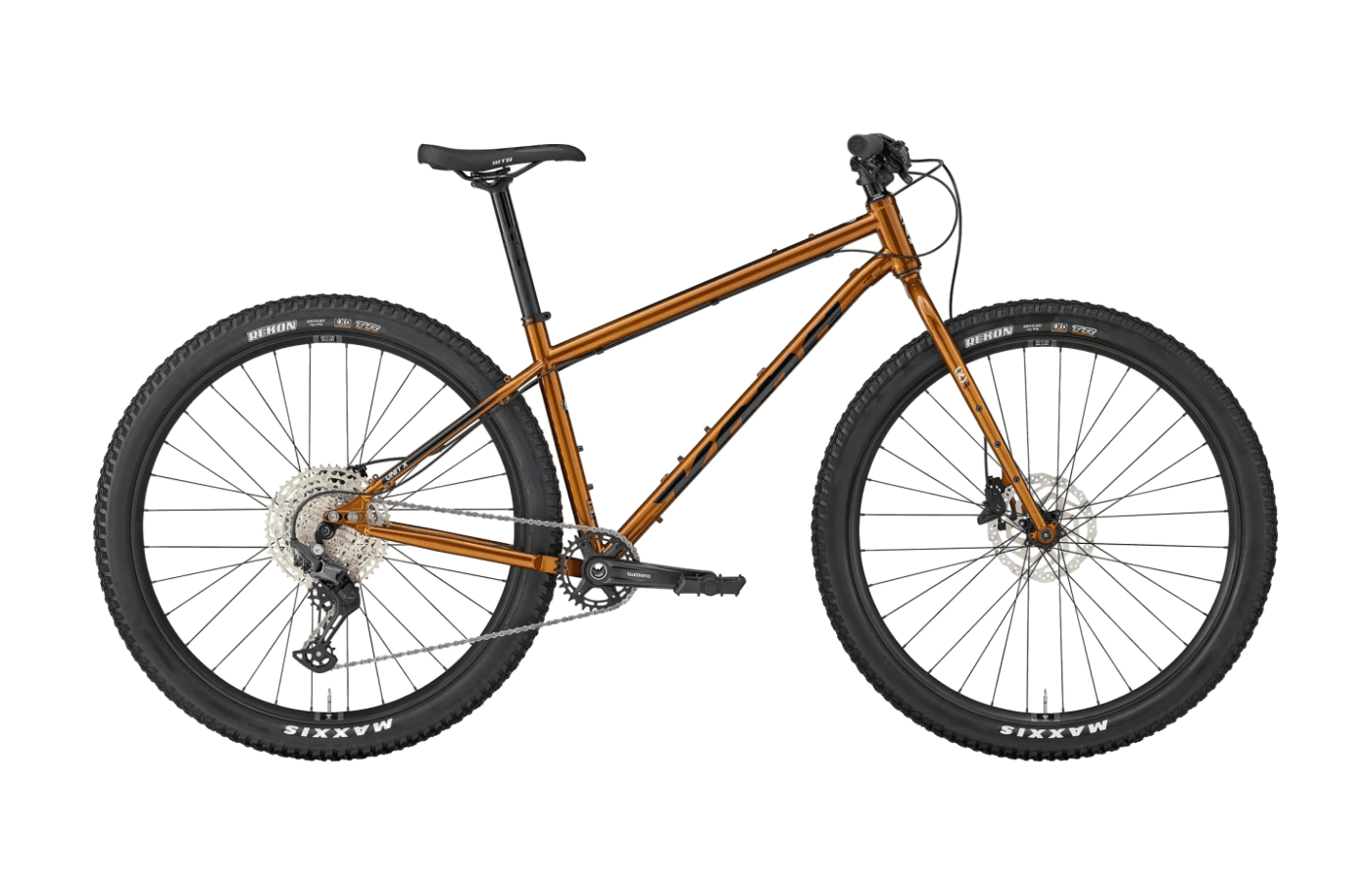
The Kona Unit lineup is split into two distinct builds: the standard Unit and the Unit X. Both models utilize the same chromoly frame, rigid Kona Plus fork, and 29-inch WTB rims wrapped in wide 2.6-inch tires.
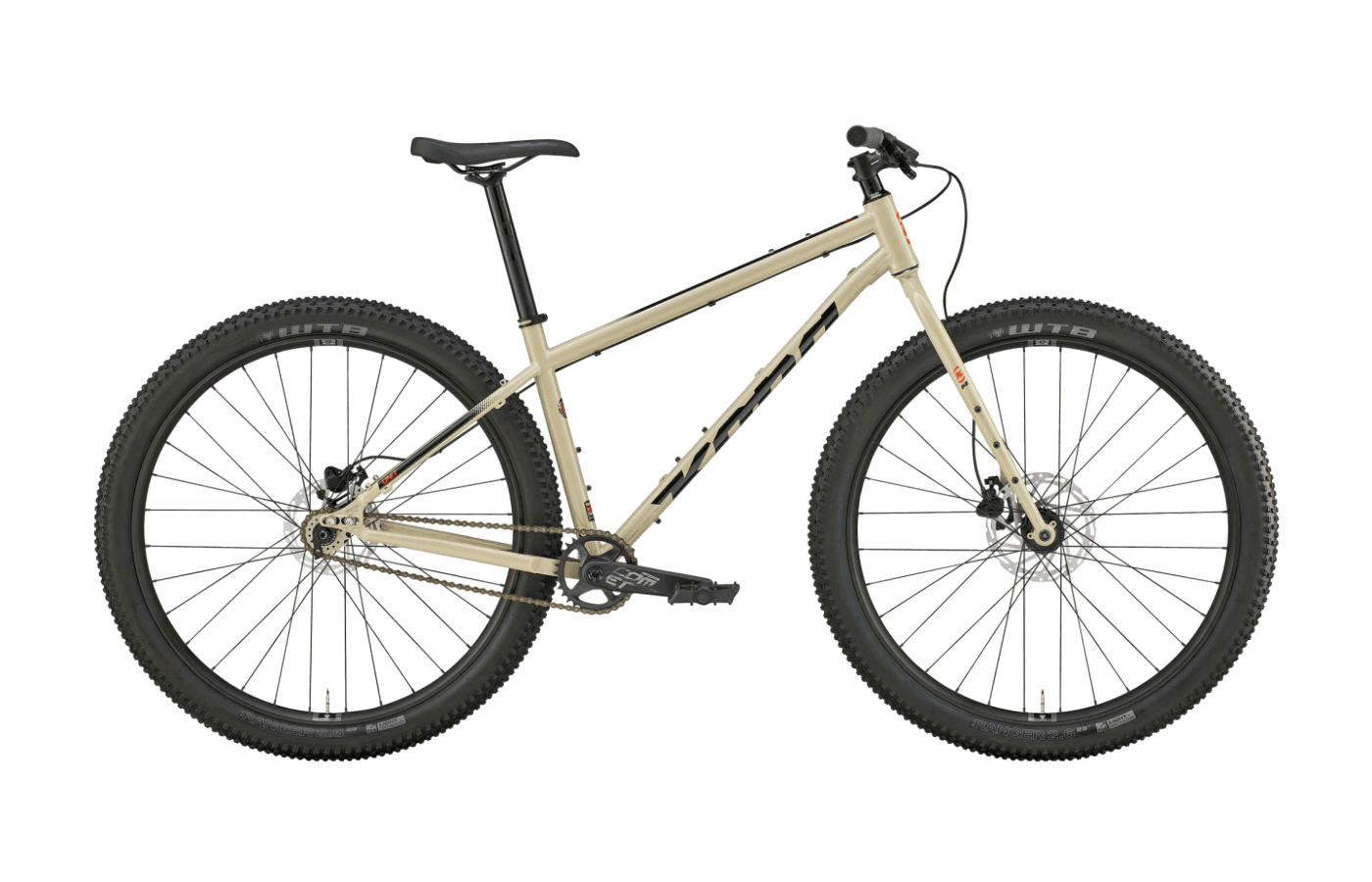
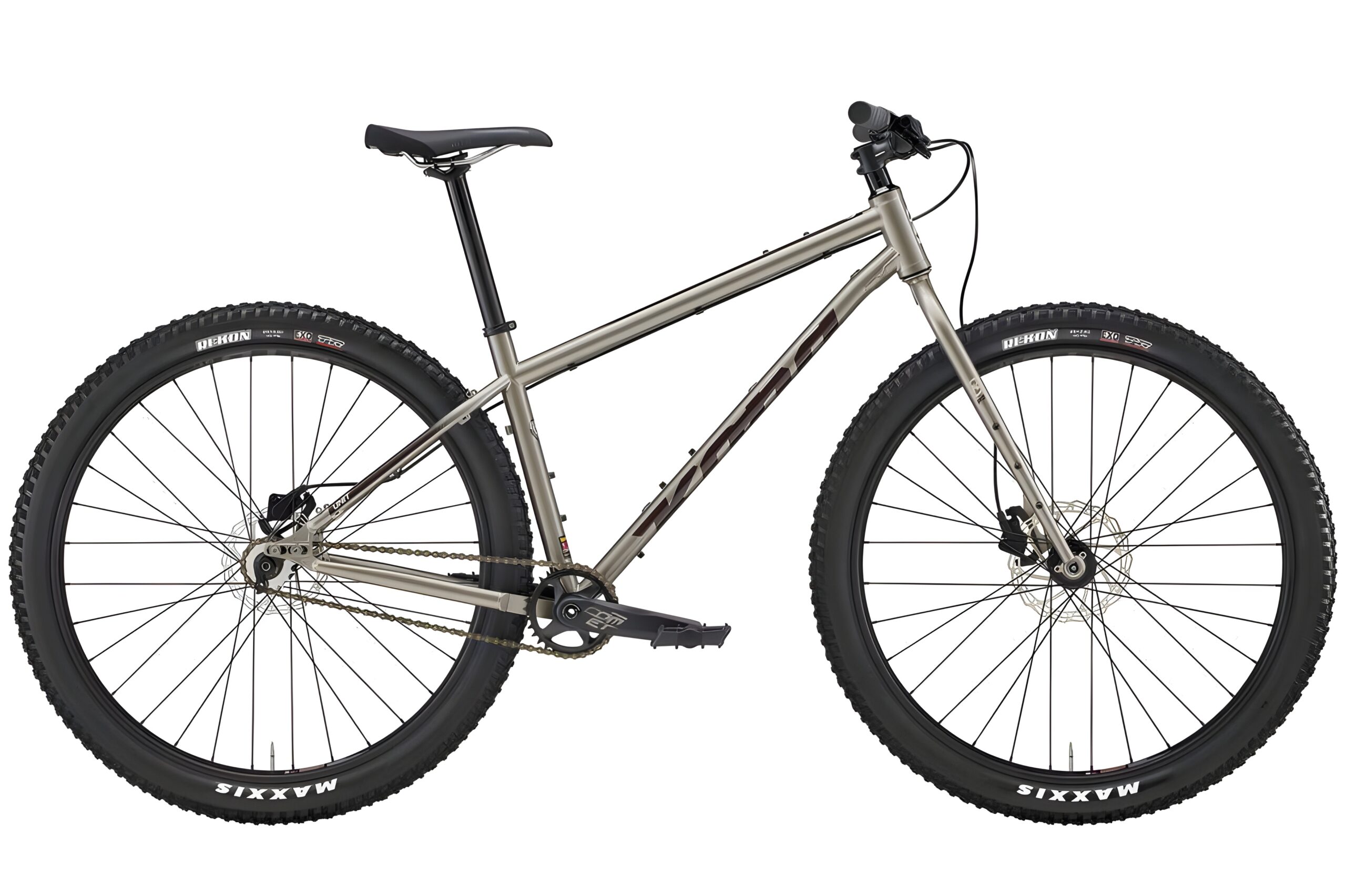
The standard Unit is a dedicated singlespeed priced at the entry level. It features a simple 32x18-tooth gearing setup paired with an FSA Comet crankset and basic Tektro hydraulic disc brakes. This build maximizes reliability and minimizes maintenance, though the single gear ratio demands strong legs for steep terrain.
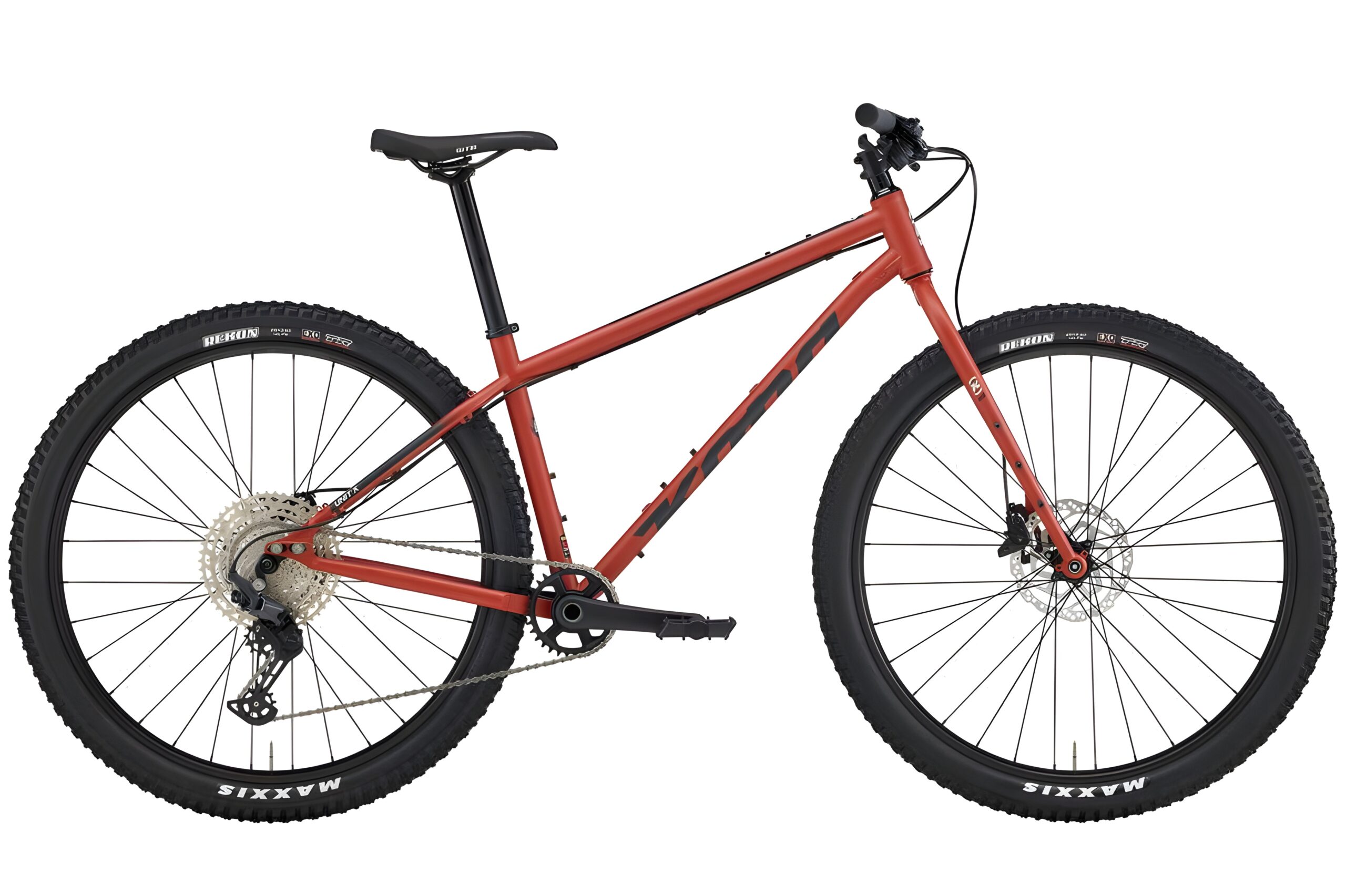
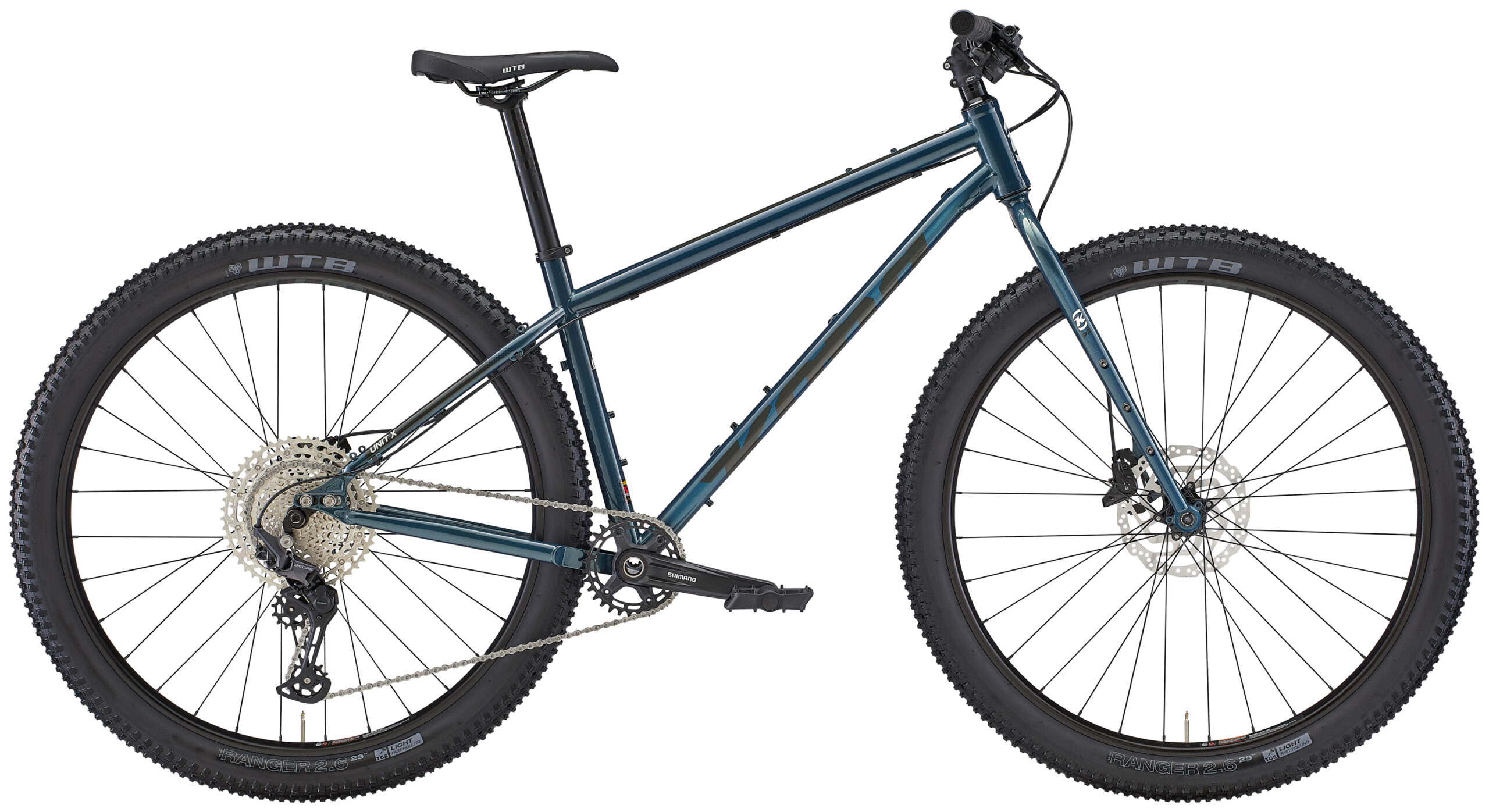
The Unit X steps up in price and adds a 12-speed Shimano Deore drivetrain with a wide-range 10-51T cassette, making it the clear choice for loaded bikepacking and varied topography. The X build also upgrades to Shimano hydraulic brakes. While the Unit X offers much greater versatility out of the box, the standard Unit includes a derailleur hanger, allowing riders to easily convert it to a geared setup later if their riding needs evolve.
From the press.
7 reviews from the cycling press.
Reviewers consistently praise the Kona Unit for its engaging ride quality, noting that the steel frame and high-volume tires effectively mute trail chatter despite the lack of suspension. The rigid platform is frequently described as a "playful supple steel shredder" (Fat-bike), offering a responsive feel that rewards active riding. While the bike excels on smooth singletrack and flowing descents, the heavy overall weight means it requires significant physical effort on technical climbs, particularly in the singlespeed configuration where riders occasionally face the "walk of shame" (Fat-bike) on steep pitches.
The handling strikes a careful balance between agility and loaded stability. The updated geometry slows steering just enough to help the bike "ride more capably at higher speeds" (Cyclingabout), yet it remains highly maneuverable in tight corners. Riders running the stock wide tires at low pressures report excellent traction and compliance, with one noting the setup is "very cushy... it almost feels like I'm running suspension" (YouTube).
The primary criticism centers on the component value of the geared models. While the frame itself is universally lauded as a high-quality foundation backed by a generous warranty, critics point out that the drivetrain specifications on the geared builds lag behind similarly priced aluminum hardtails. However, the frame's immense versatility and long-term durability generally outweigh these spec compromises for the bike's target audience.
Kona UNIT X 2024 Review
Kona Unit X 2023 Review
Kona UNIT 2024 Review
Kona Unit 2023 Review

2023 Kona Unit Field Test

Kona Unit Unboxing & Review!! ☝️
The New 2020 Kona Unit X Bikepacking Bike
Compared to.
Most-viewed comparisons.