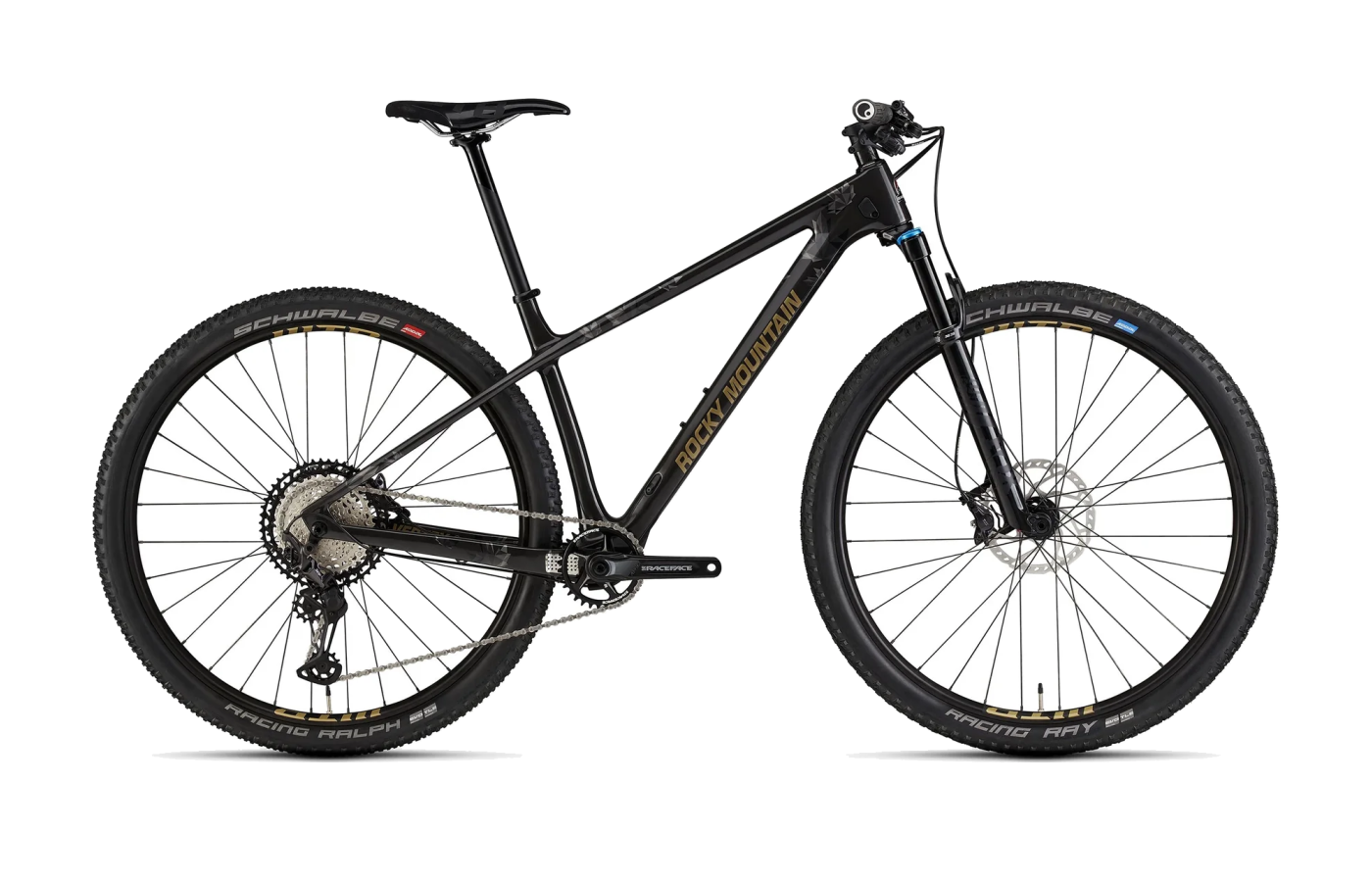
Growler
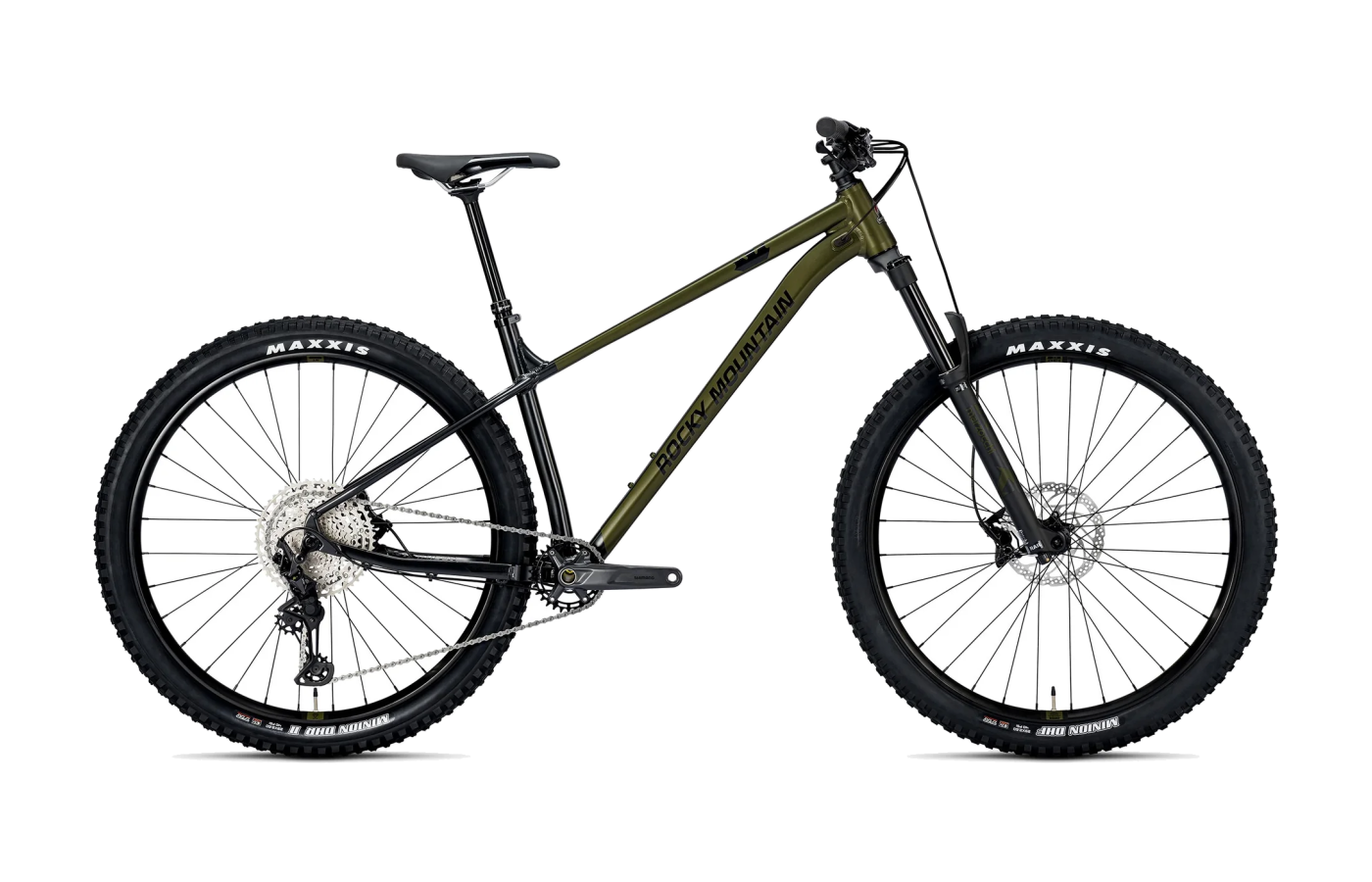
The 2021 and newer Rocky Mountain Growler is an aggressive aluminum trail hardtail designed for riders who prioritize descending capability over cross-country efficiency. Built around 29-inch wheels and high-volume 2.6-inch tires, it applies the long, slack design philosophy typically reserved for long-travel full-suspension bikes to a rigid frame.
Rather than serving as a lightweight climbing specialist, the Growler is positioned as a burly, durable platform meant to be pushed hard on steep, rough terrain. It suits budget-conscious riders looking for a highly capable primary mountain bike, or experienced riders wanting a modern, low-maintenance hardtail that does not force them to drastically alter their line choices on challenging descents. The frame utilizes proven, easily serviceable standards like a threaded bottom bracket and external headset cups, underscoring its utilitarian intent.
Geometry & fit.
4 sizes published.
The Growler’s handling is defined by a starkly progressive geometry chart, highlighted by a 64-degree static head tube angle and a long wheelbase that stretches past 1,230mm on the size large. Because a hardtail only sags at the front fork, this exceptionally slack static head angle steepens slightly under rider weight, settling into a balanced but still aggressive posture on the trail.
To maintain climbing traction and pedaling efficiency, Rocky Mountain pairs the slack front end with a steep 75-degree seat tube angle. This places the rider squarely over the bottom bracket, preventing the front wheel from wandering on steep ascents despite the long reach. The cockpit setup reinforces the bike’s downhill bias, utilizing wide 780mm handlebars and short 40mm stems across all sizes to maintain responsive steering leverage. Combined with short 435mm chainstays, the rider is positioned centrally between the wheels, encouraging a forward, attacking stance that maximizes front-wheel grip through fast corners.
Where the handlebar sits relative to the bottom bracket — the single most important fit pair.
01Fit geometry6 values
03Handling geometry5 values
Which size should I buy?
Slide your height to see the recommended size. GearWise's fit algorithm works from the published stack, reach, and ETT — the brand's own recommendation may differ.
→Calculated from GearWise's own stack / reach / ETT algorithm — the brand's size chart may recommend a different size, and a proper bike fit beats any calculator.
The lineup.
1 build, ranging $1,999.
The Growler lineup is structured to offer accessible entry points while maintaining the same 6061 alloy frame across all models. The frame features internal cable routing, Boost 148mm rear spacing, and dropper post compatibility.
Lower-tier builds like the 20 and 40 utilize Suntour forks and basic two-piston Shimano brakes, keeping costs down while delivering wide-range gearing suitable for steep climbs. The flagship Growler 50 steps up to a 140mm or 150mm fork—such as a Marzocchi Z2 or RockShox 35 Gold, depending on the model year—and upgrades to a 12-speed Shimano Deore/XT or mixed SRAM drivetrain. The 50 also introduces four-piston front brakes for better heat management on long descents.
Across all builds, the specification relies heavily on 2.6-inch tires from Maxxis or WTB mounted to 30mm internal width rims. These high-volume tires are critical to the bike's ride quality, allowing riders to run lower pressures for necessary damping. While the stock components are generally praised for their durability, multiple reviewers suggest that aggressive riders will quickly benefit from upgrading the stock resin brake pads and rotors to metallic versions for stronger initial bite.

From the press.
6 reviews from the cycling press.
Reviewers consistently highlight the Growler’s exceptional stability at speed, noting that its progressive shape allows it to tackle terrain normally reserved for longer-travel bikes. Testing the Growler 40, Mike Levy noted it was the only hardtail in his test group that he "rode like a full-suspension bike" (PinkBike), taking the same lines and carrying similar speed. The stiff aluminum frame transfers power directly, but testers emphasize that the high-volume tires are essential for muting trail chatter and preventing fatigue on long descents.
While the bike excels when pointed downhill, its length and slack front end introduce distinct handling tradeoffs at lower speeds. Reviewers found the bike requires deliberate input on flat terrain and can feel "sluggish in tight spaces" (Bigbluetire) or awkward on slow, technical climbs.
Despite the demanding low-speed handling, the consensus points to a highly capable descender that rewards an active riding style. The geometry provides a wide margin for error on steep trails, making it "possible to charge through chunk more recklessly" (Bike Magazine) than on traditional hardtails. Ultimately, testers view the Growler as a specialized tool that trades low-speed agility for unflappable composure when the trail gets rough and fast.
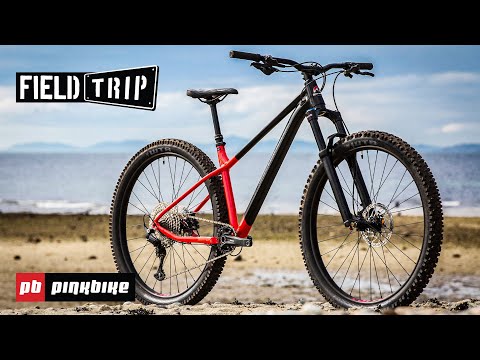
Rocky Mountain's $1669 Growler Review: Downhill Focused ...
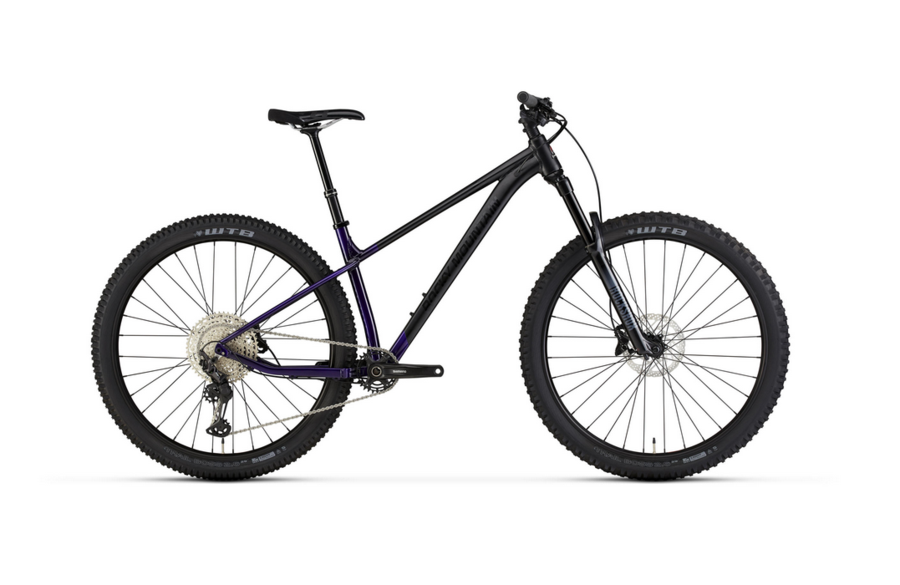
Rocky Mountain Growler 50
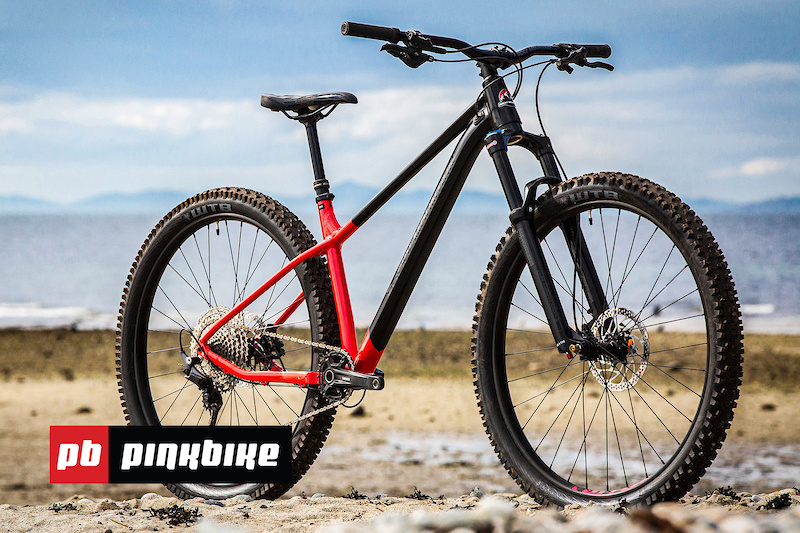
Field Trip: Rocky Mountain's $1669 Growler Doesn't Hold ...
2021 Rocky Mountain Growler 20 Review! | Project Bike Ep. 2
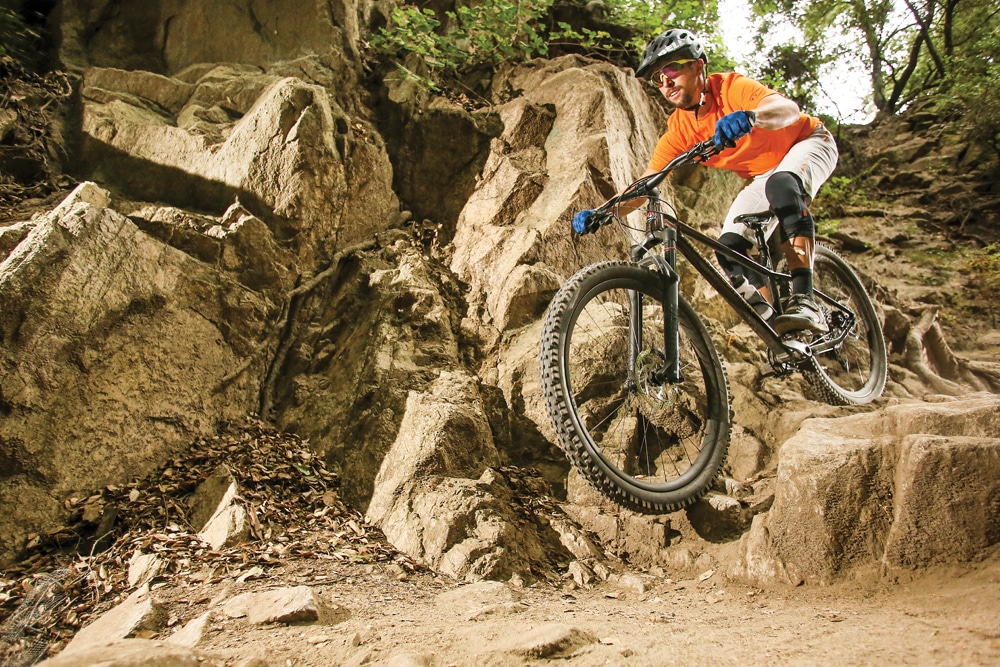
Mountain Bike Action Bike Test: Rocky Mountain Growler 50 Trail Bike
Tested: Rocky Mountain Growler 50 | $1,900
Compared to.
Most-viewed comparisons.

Devinci Kobain vs Rocky Mountain Growler
Read comparison→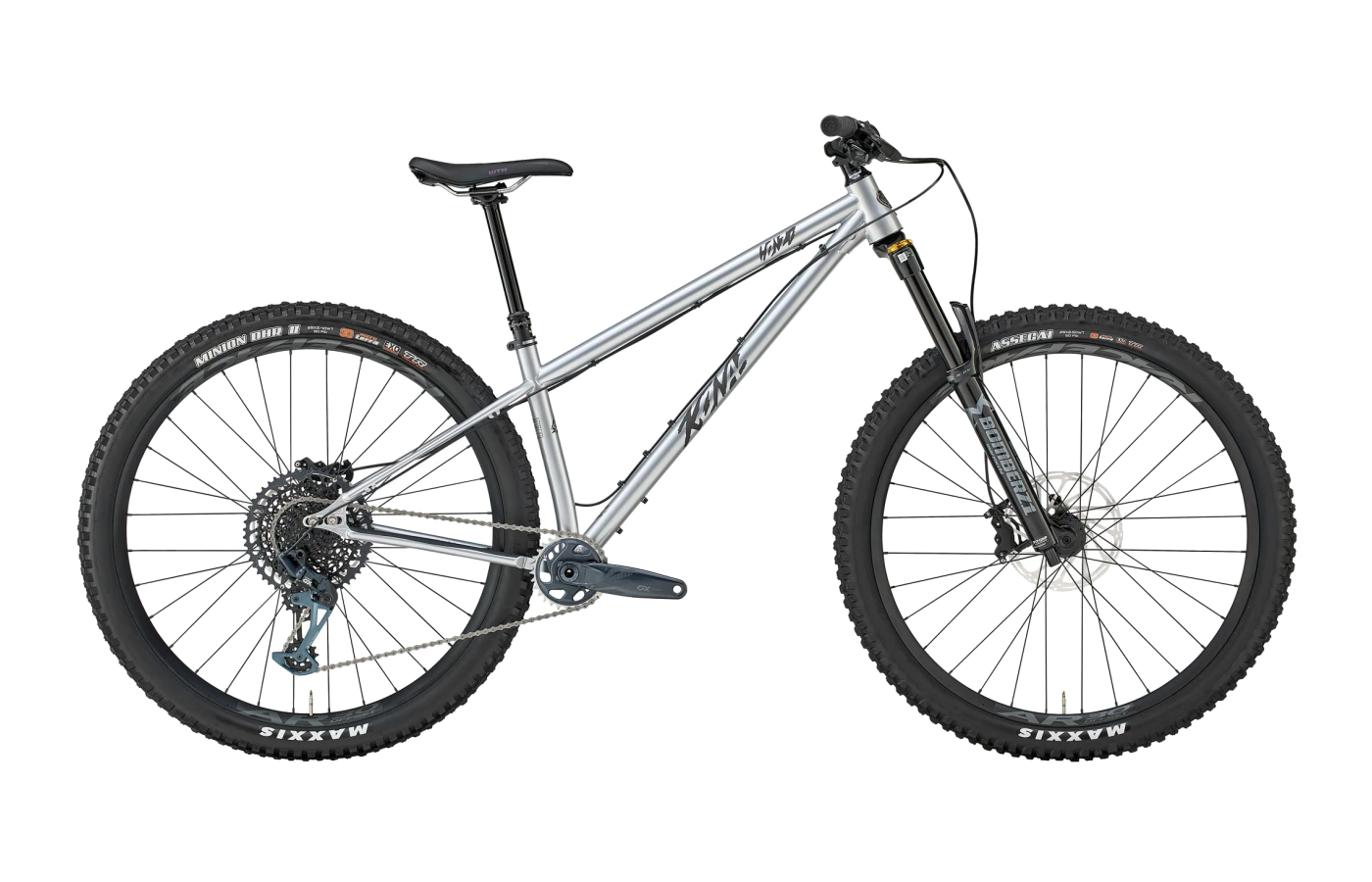
Kona Honzo vs Rocky Mountain Growler
Read comparison→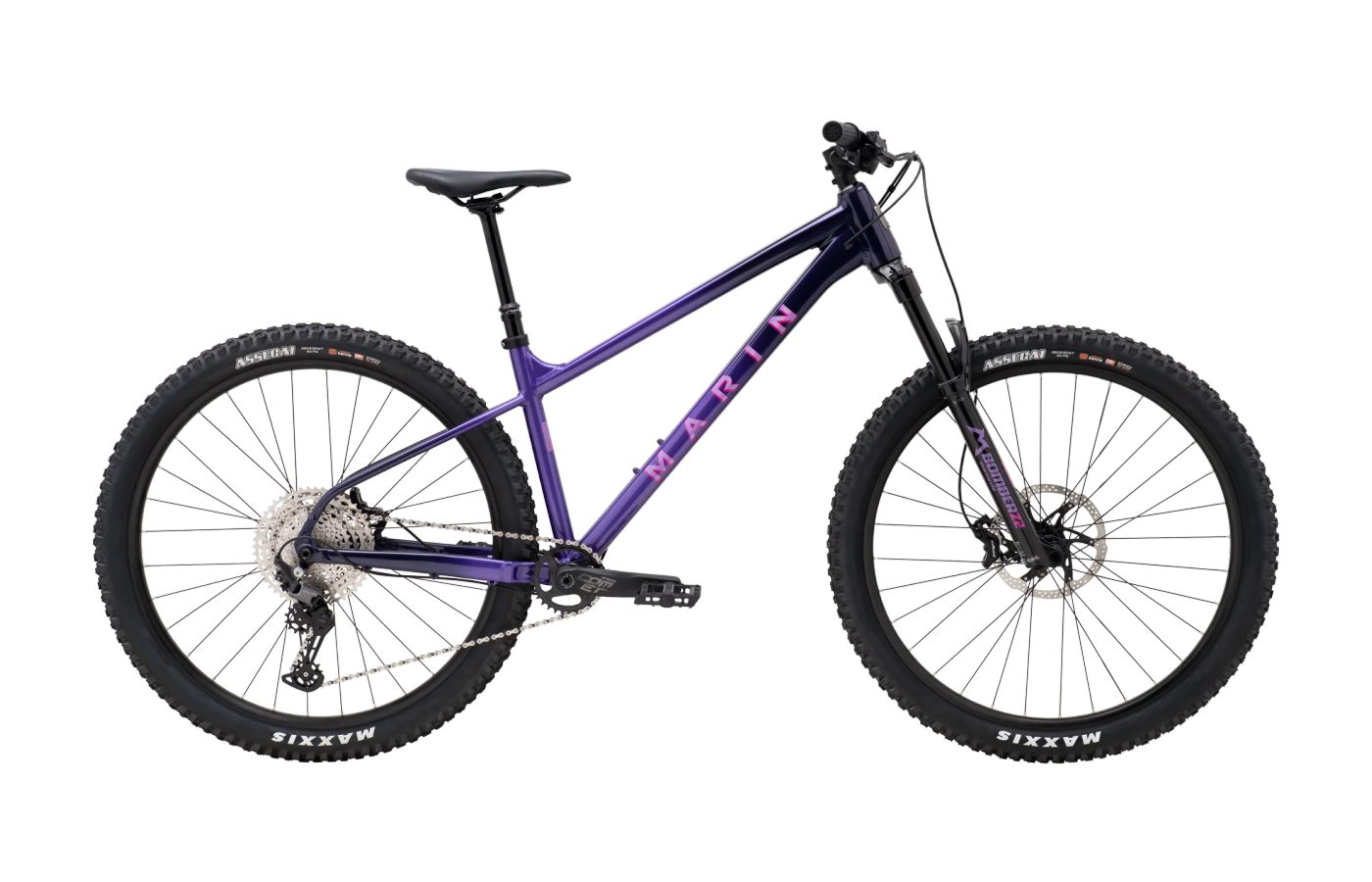
Marin San Quentin vs Rocky Mountain Growler
Read comparison→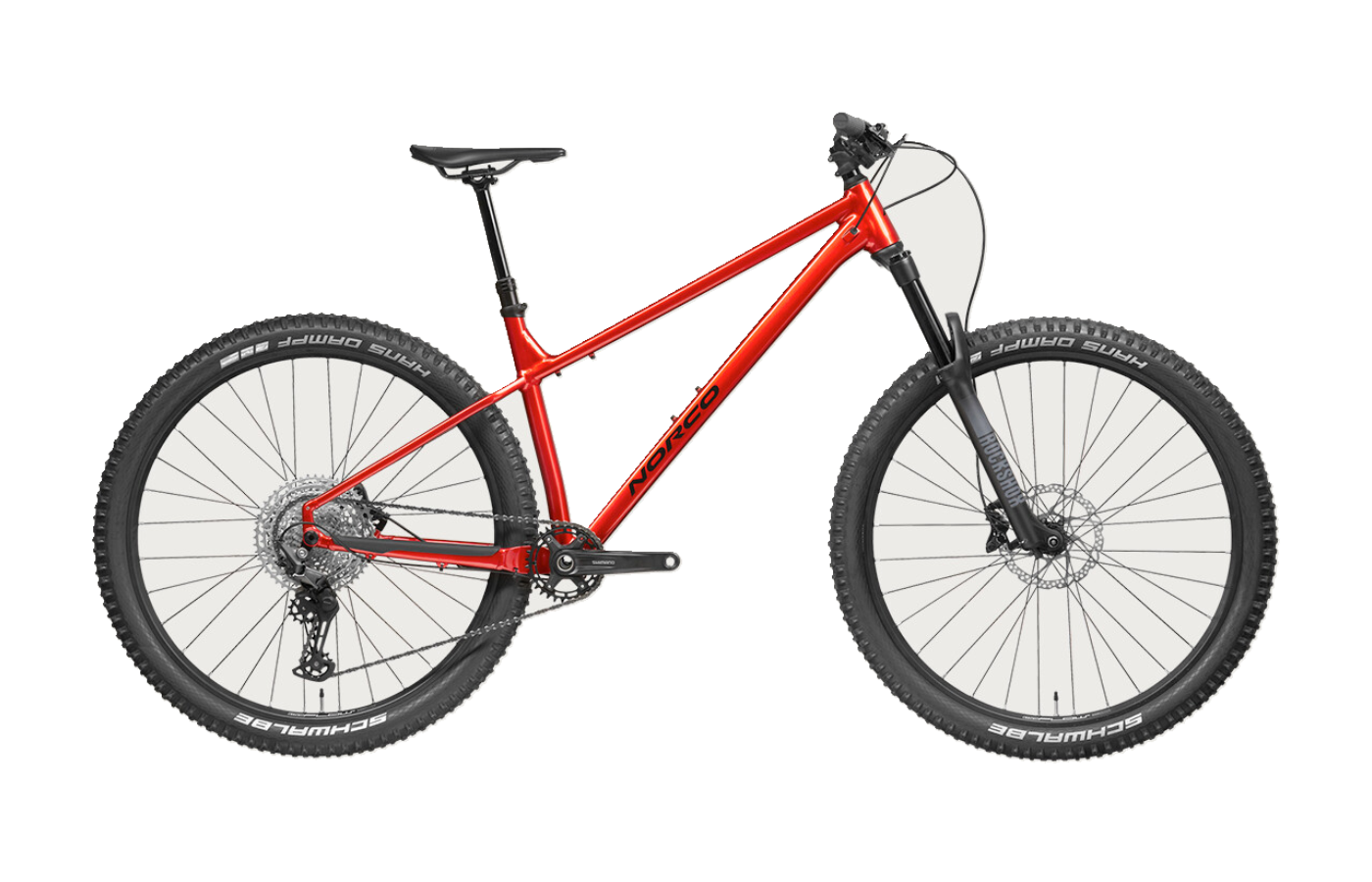
Norco Torrent vs Rocky Mountain Growler
Read comparison→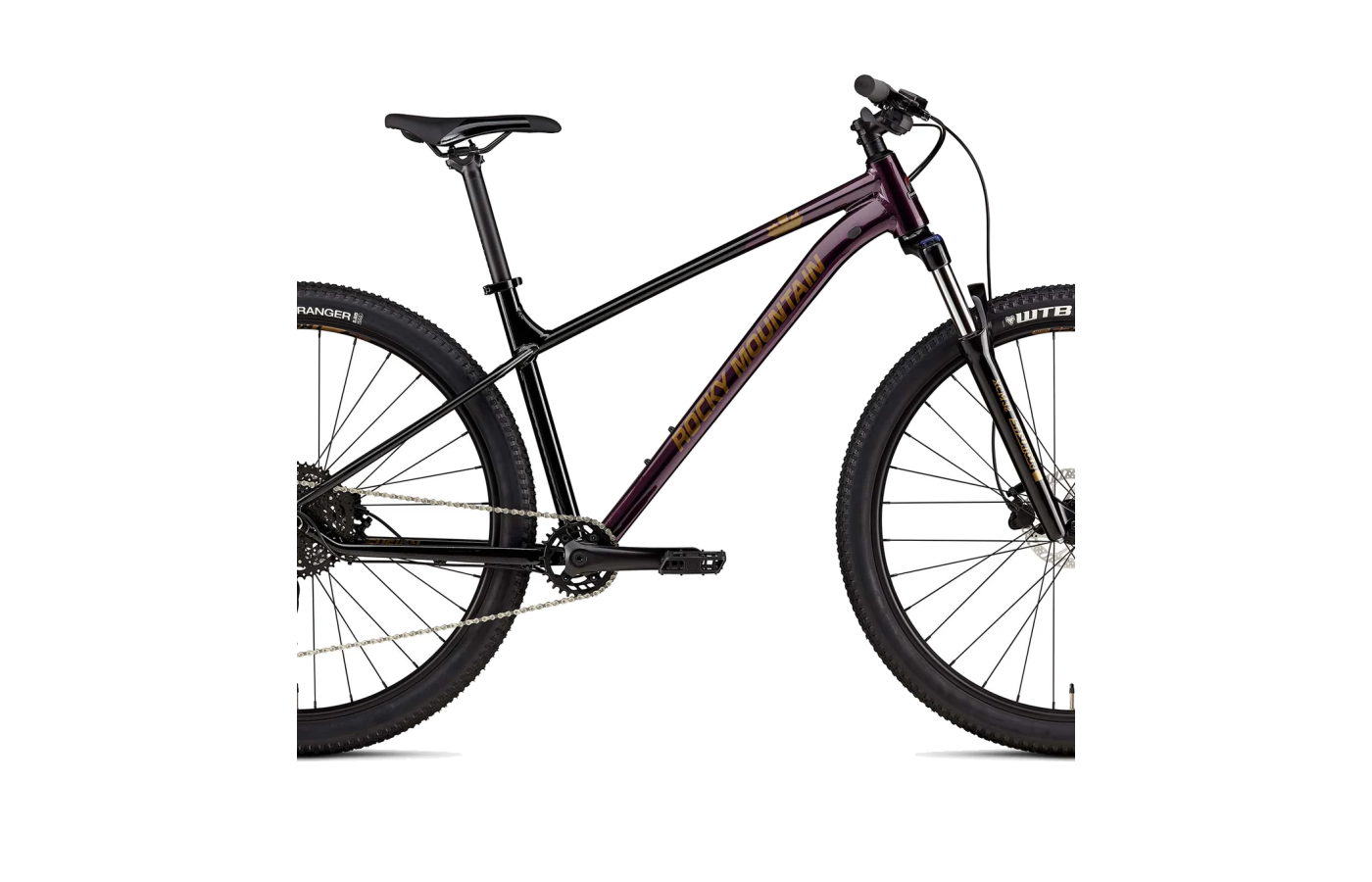
Rocky Mountain Fusion vs Growler
Read comparison→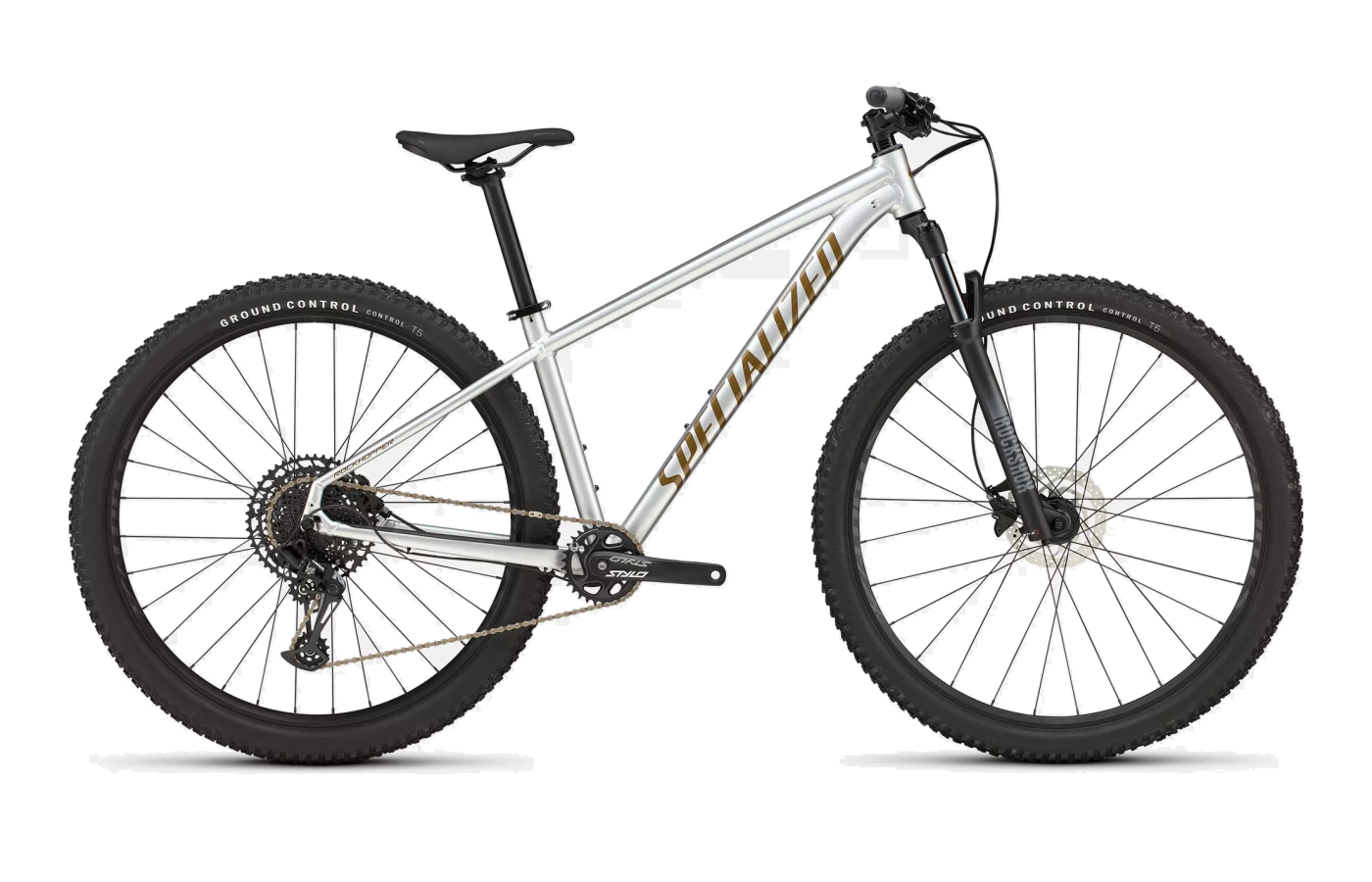
Rocky Mountain Growler vs Specialized Rockhopper
Read comparison→Rocky Mountain Growler vs Trek Roscoe
Read comparison→