DV9
vsARC
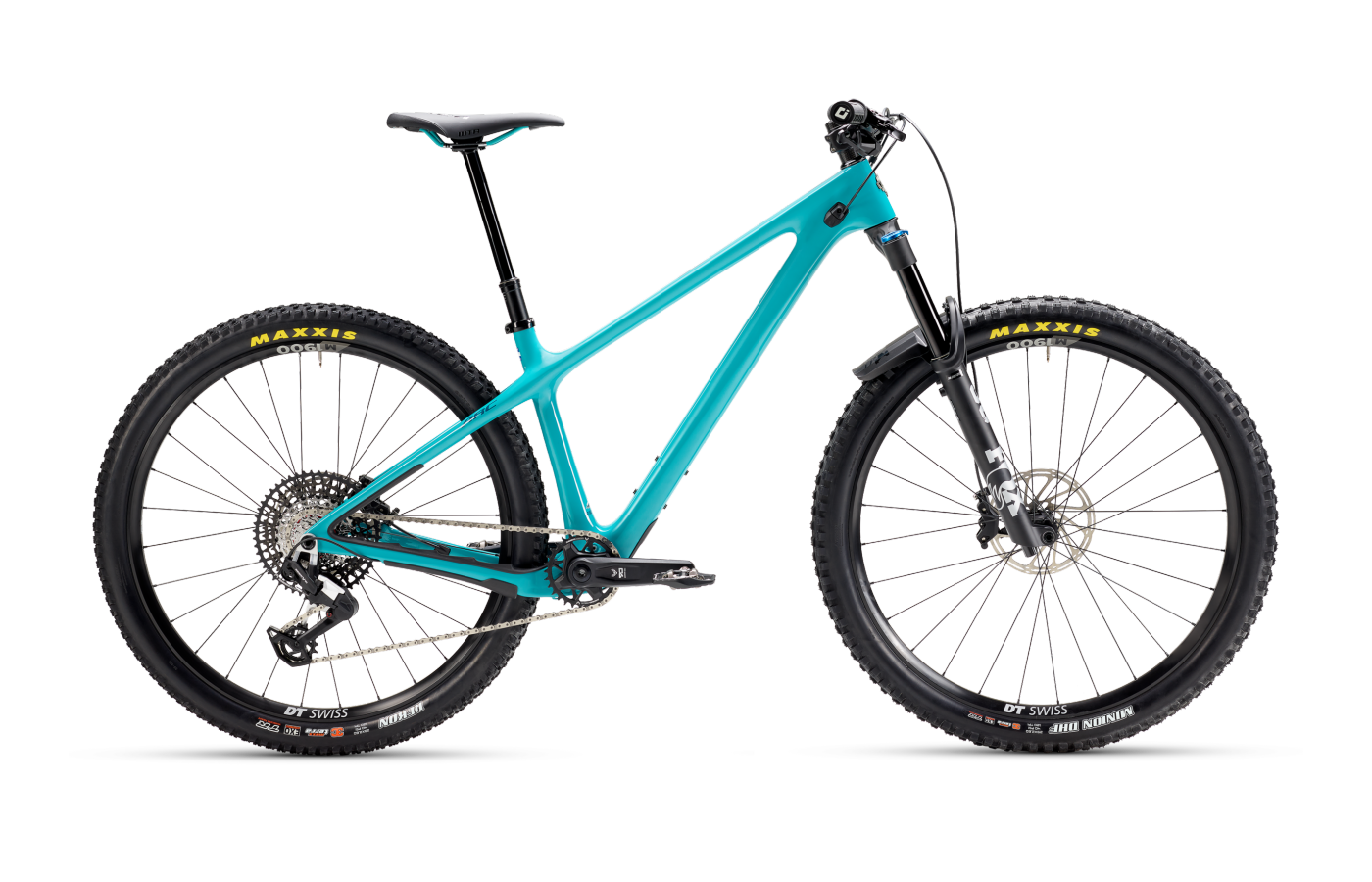
Two carbon downcountry hardtails, two budgets.
The Ibis DV9 is the value-leaning 120 mm whippet at $2,999. The Yeti ARC is the boutique 130 mm trail hardtail starting $1,500 higher.
DV9
- Half the price of the cheapest Yeti — $2,999 complete with a Fox Float 34 SC fork that reviewers call the right pairing for the frame.
- Snappiest rear end in the segment — 425 mm chainstays make it the easiest of the two to wheelie, pop, and flick through tight switchbacks.
- Lifetime frame warranty and threaded BB — Ibis brought back the threaded shell in V2, which reviewers consistently flag as a long-term reliability win.
- 120 mm fork and Maxxis Recon Race tires hit their ceiling on technical descents — most reviewers immediately swap to grippier rubber.
- One build, period. No drivetrain or component upgrade path from the factory.
ARC
- Most refined carbon hardtail going — TURQ frame at 2.82 lb with tube-in-tube internal routing that reviewers call "singlespeed level of quiet."
- More descent-capable — 130 mm fork, lower 310 mm BB, and stock 2.6" Maxxis Minion DHF/Rekon combo move the line further into trail territory.
- Three builds with Transmission stock — from C2 ($4,500) up to T1 XT Di2 ($6,400), with SRAM Eagle 90 Transmission or Shimano XT Di2.
- Entry price is $4,500 — 50% more than the DV9 — and reviewers (BikeRadar, MBR) flag the C2's brakes and tire casings as undergunned for the price.
- Press-fit BB92 — Yeti held the line while much of the industry went back to threaded, and reviewers noted it as a long-term service concern.
Editor’s analysis
Same category, very different rooms — one is the price-disruptor carbon hardtail, the other is the premium object carbon hardtail.
On paper these two land in the same downcountry-hardtail bucket: high-modulus carbon, modern geometry, 29ers, sub-26 lb, designed to climb like an XC bike and descend like something with more travel than they have. Both reviewers consistently call out the same character notes — light, snappy, playful, willing to be pushed harder than a hardtail has any right to be.
The Ibis DV9 is the leaner, more XC-leaning of the two. It's a 120 mm fork on a 66.5° head angle with 425 mm chainstays — the shortest in this segment — and ships in exactly one build at $2,999. That single-build strategy keeps the price low (the carbon frame sells for $1,499 alone), and it's how Ibis intended the DV9 to read: as the cheap way into a real carbon downcountry hardtail.
The Yeti ARC plays a different game. 130 mm fork, 67° head angle, 431.8 mm chainstays, lower bottom bracket, three builds from $4,500 to $6,400, and Yeti's TURQ carbon — a 2.82 lb frame that reviewers across MBR, BikeMag, and the Radavist describe as the most polished carbon hardtail on the market. The internal cable routing is tube-in-tube — "singlespeed level of quiet," per BikeMag. The frame alone is $1,900. You're paying for the engineering and the badge.
Put another way: the Ibis DV9 is what you buy when you want a carbon downcountry hardtail and the price has to make sense. The Yeti ARC is what you buy when the price doesn't have to make sense and you want the best-built carbon hardtail in the segment.
Where the builds differ.
Comparing our editor's-pick builds side-by-side. Winners highlighted row-by-row — lower price and weight, and the better-spec component, each mark a point.
Build variants & pricing
The DV9 ships in one build at $2,999. The ARC starts at $4,500 and tops out at $6,400 — there is no overlap in MSRP between the two lineups.
Editor's picks are the only DV9 build (Deore, $2,999) versus the entry-tier Yeti ARC C2 90 Transmission ($4,500) — these are the closest-priced apples-to-apples builds, but the platforms don't actually overlap on price. The C2 spec is a step up in drivetrain (SRAM Transmission vs. Deore mechanical) and matches the DV9's fork tier (Performance), so the comparison is informative but not perfectly even.
How they fit, how they steer.
DV9 MD vs. ARC M. The ARC is a longer, taller bike: +9.5 mm reach, +18 mm stack, +6.8 mm chainstay, +25.9 mm wheelbase, and 0.5° steeper head angle. The DV9 is the more compact, more nimble platform; the ARC is the more planted, descent-leaning one.
Which size should I buy?
Both lineups span four sizes (S/M/L/XL on the ARC, SM/MD/LG/XL on the DV9). Use the stack-and-reach picker to confirm — the size labels don't translate one-to-one across brands.
→These are starting points. Flexibility, riding style, and preferred position all shift the answer — if you’re between sizes, a professional fit beats a chart.
What the magazines said.
Published reviews from trusted cycling outlets. Click through for the full write-up.
Which one should you buy?
If $2,999 is the cap and the rear suspension shop will have to wait, get the DV9. If the budget bends to $4,500+ and you want the best-built carbon hardtail going, get the ARC.
DV9
If you want a real carbon downcountry hardtail at a price the rest of the segment can't touch — and you're happy to swap tires and a dropper lever yourself — the DV9 is the easiest recommendation in the category. Lighter, snappier, cheaper.
ARC
If you want the most polished carbon hardtail you can buy — quietest cable routing, most refined layup, three-build lineup with Transmission stock — and the Yeti badge belongs on your wall, the ARC justifies the spend. It's the trail-leaning of the two and the more descent-capable platform.
Questions buyers actually ask.
Short answers to the things we get emailed about most often.
01Which is the better value?
The Ibis DV9, by a wide margin on paper. At $2,999 complete with a Fox Float 34 SC, it undercuts the cheapest Yeti ARC (C2 90 Transmission, $4,500) by $1,500 — and the DV9 frame alone is $1,499 versus $1,900 for the ARC frameset.
That said, reviewers note the DV9 will probably want a tire upgrade and a better dropper lever out of the box, which can claw back $200–$400 of the savings if you swap them on day one.
02Which descends better?
The Yeti ARC, on most trails. It has 10 mm more fork travel (130 mm vs. 120 mm), a slightly steeper but more balanced head angle (67° vs. 66.5°), a lower 310 mm bottom bracket, and ships with bigger 2.6" Maxxis Minion DHF/Rekon tires versus the DV9's 2.4" Recon Race semi-slicks.
The DV9 can be pushed surprisingly hard — reviewers like Troy on Trails described it descending "like your top-of-the-line trail bike" — but the stock tire spec is the gating factor. Swap the Recon Races for something grippier and the gap narrows considerably.
03Which climbs better?
Close, with a slight edge to the Ibis DV9. The DV9 is lighter on paper (Ibis doesn't publish a weight, but reviewers measured an SLX-equipped large at 24.7 lb without pedals), has a steeper effective seat tube on most sizes, and the shorter 425 mm chainstays keep the front wheel planted on technical climbs.
The ARC is no slouch — its 76° seat tube angle (vs. 74.5° on the DV9 medium) is one of the steepest in the segment and reviewers consistently call it a "mountain goat." If your climbs are smooth and steady, the ARC's geometry is arguably better. On twisty technical climbs, the DV9's compactness wins.
04What about tire clearance?
The DV9 frame officially clears 2.6" out back, but its stock Fox 34 Step-Cast fork only clears 2.4" — reviewers flag that as the limiting factor on the front end.
The ARC ships with 2.6" tires front and rear stock — the frame and fork are both built around that volume. If you want maximum tire volume out of the box, the ARC is the easier path.
05Threaded vs. press-fit bottom bracket — does it matter?
It can, depending on how you maintain your bike. The DV9 V2 uses a threaded BSA bottom bracket — Ibis specifically returned to threaded for V2 and reviewers (Adventure Cyclist, Troy on Trails) called it out as a long-term reliability win.
The ARC uses a press-fit BB92. MBR was openly disappointed Yeti held the line while much of the industry moved back to threaded; press-fit can develop creak over time, especially in wet climates, though Yeti's tube-in-tube routing keeps everything else dead silent.
06What's the story with build options?
The DV9 ships in exactly one complete build — Shimano Deore 12-speed at $2,999, with the Fox Float 34 Performance Series Step-Cast fork and Ibis 933 alloy wheels. Frame-only is $1,499.
The ARC has three: C2 90 Transmission at $4,500, T2 X0/90 Transmission at $5,900, and T1 XT Di2 at $6,400. The T-series builds get the higher-end TURQ carbon callout, Fox Factory 36 forks, and DT Swiss XM1700 wheels. Frame-only is $1,900.
07Is the Yeti ARC worth the extra spend?
It depends on what you weight. The frame is genuinely a step up in finish and engineering — tube-in-tube internal routing, more sophisticated carbon layup, and a frame weight of about 2.82 lb that reviewers consistently rank at the top of the carbon hardtail class.
But a lot of riders won't feel that on the trail in a way that justifies $1,500–$3,400 over the DV9. MBR specifically noted that for the price of a mid-tier T2, you could buy a capable full-suspension trail bike. If carbon hardtails aren't a deeply-held preference, that's worth thinking about.
08What warranty do they come with?
Both come with a lifetime frame warranty to the original owner against manufacturing defects. Yeti and Ibis both offer crash-replacement programs at reduced pricing for damage outside the warranty terms.
Similar bikes
If your priorities don’t map cleanly onto either of these, one of these adjacent bikes probably fits better.
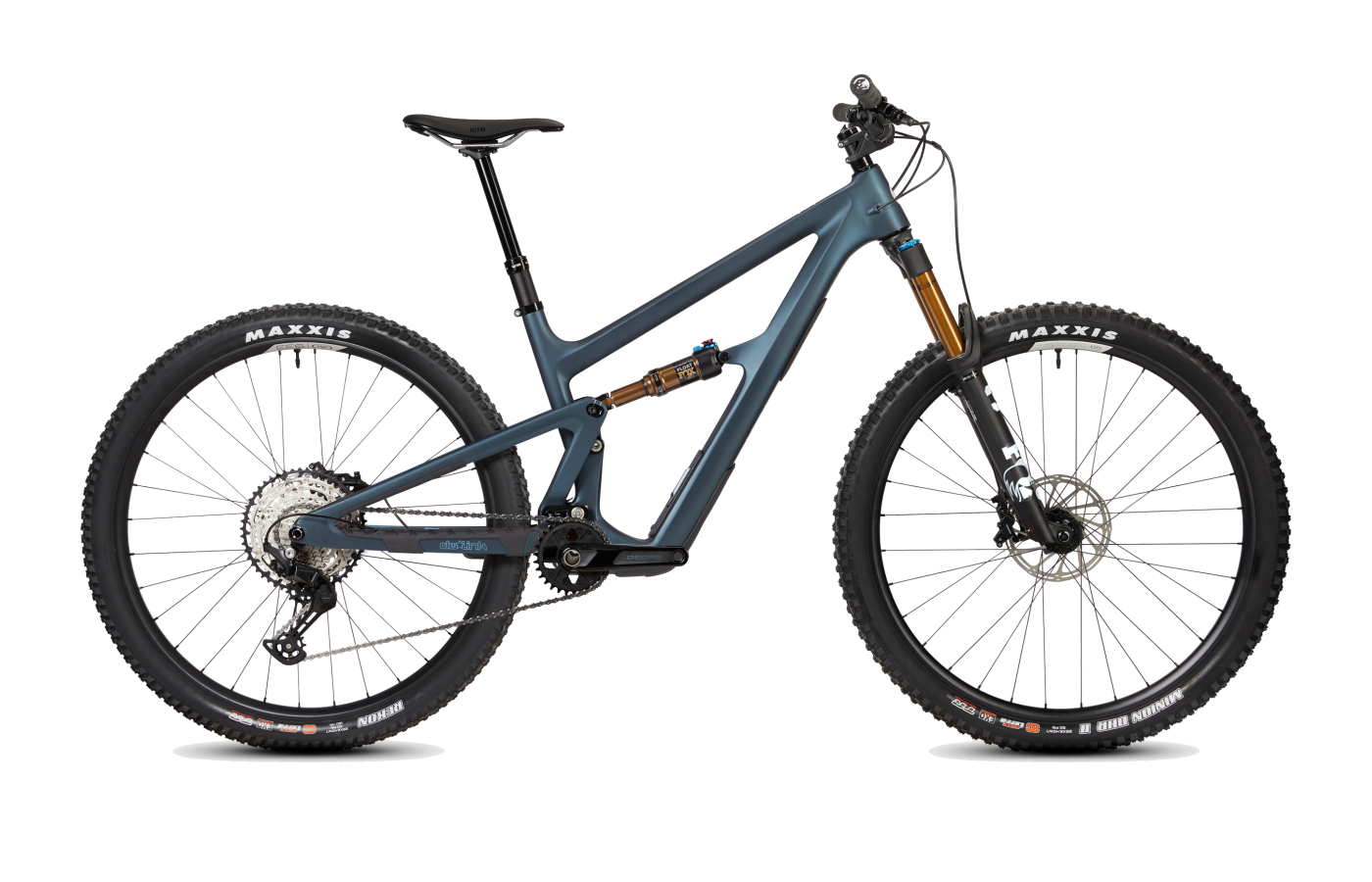
Ripley
Ibis's own answer if you decide rear suspension matters more than the hardtail tax-break — same price as a mid-tier ARC, real 120/120 trail capability, and reviewers note the SLX-equipped Ripley AF lands at almost the same MSRP as the DV9 complete.
Compare →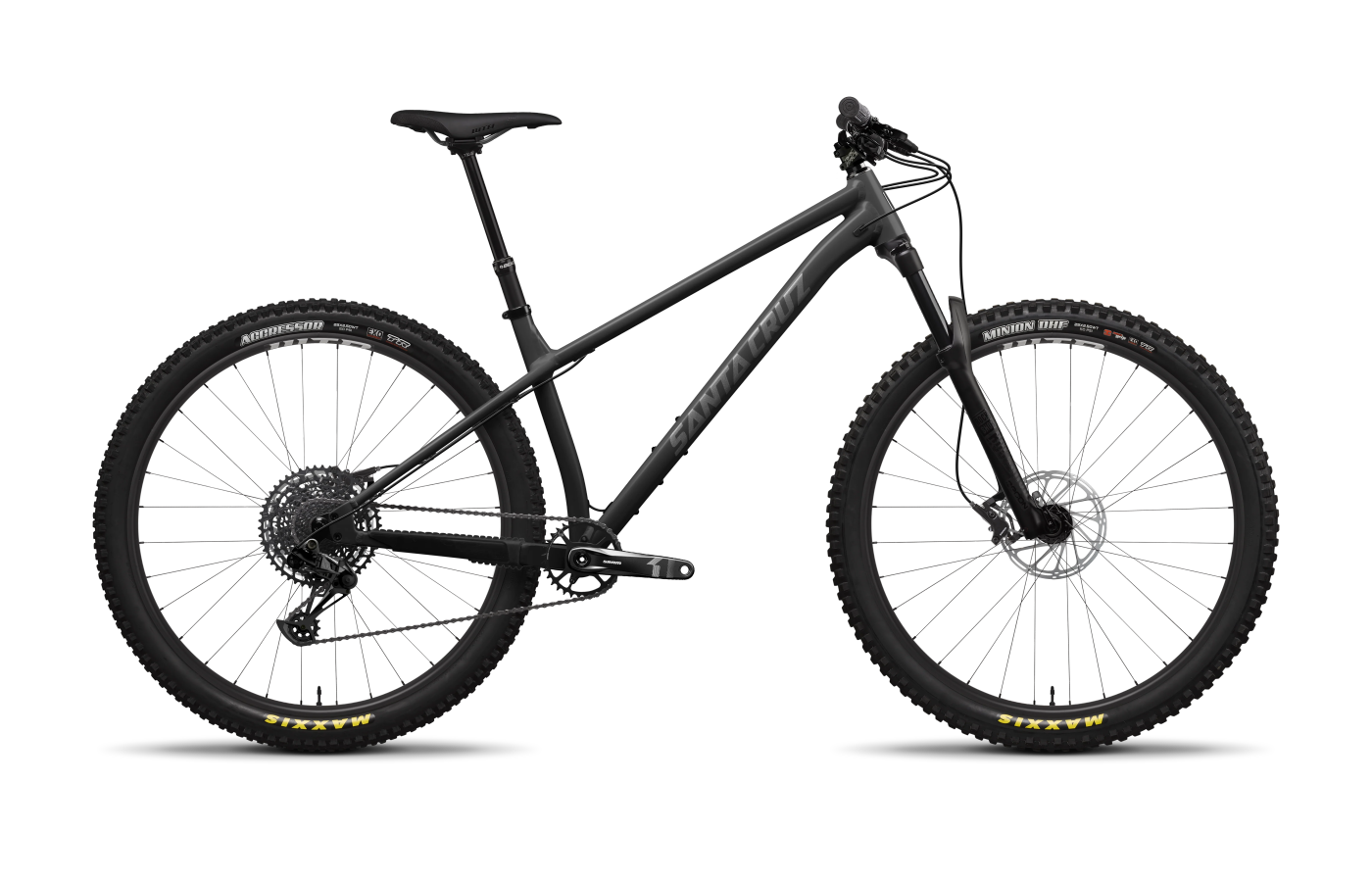
Chameleon
The aluminum trail-hardtail counterpoint to the ARC — same playful intent, dramatically lower entry price, and a frame designed to take a beating from the factory rather than reward delicate riders.
Compare →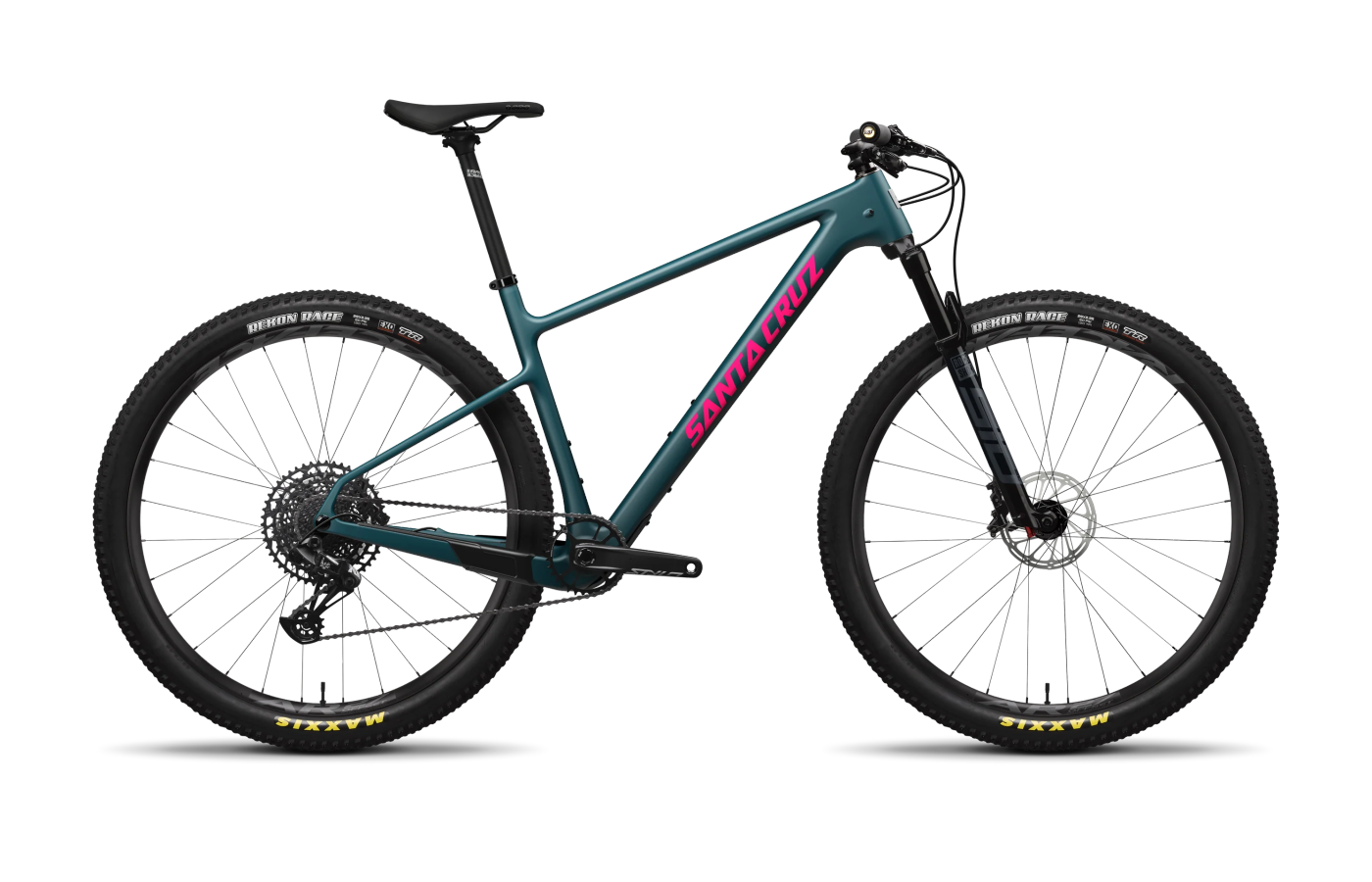
Highball
If the DV9's XC-lean is what attracted you, the Highball pushes further in that direction — purer race geometry, lighter, and a more focused tool for actually pinning a number on.
Compare →