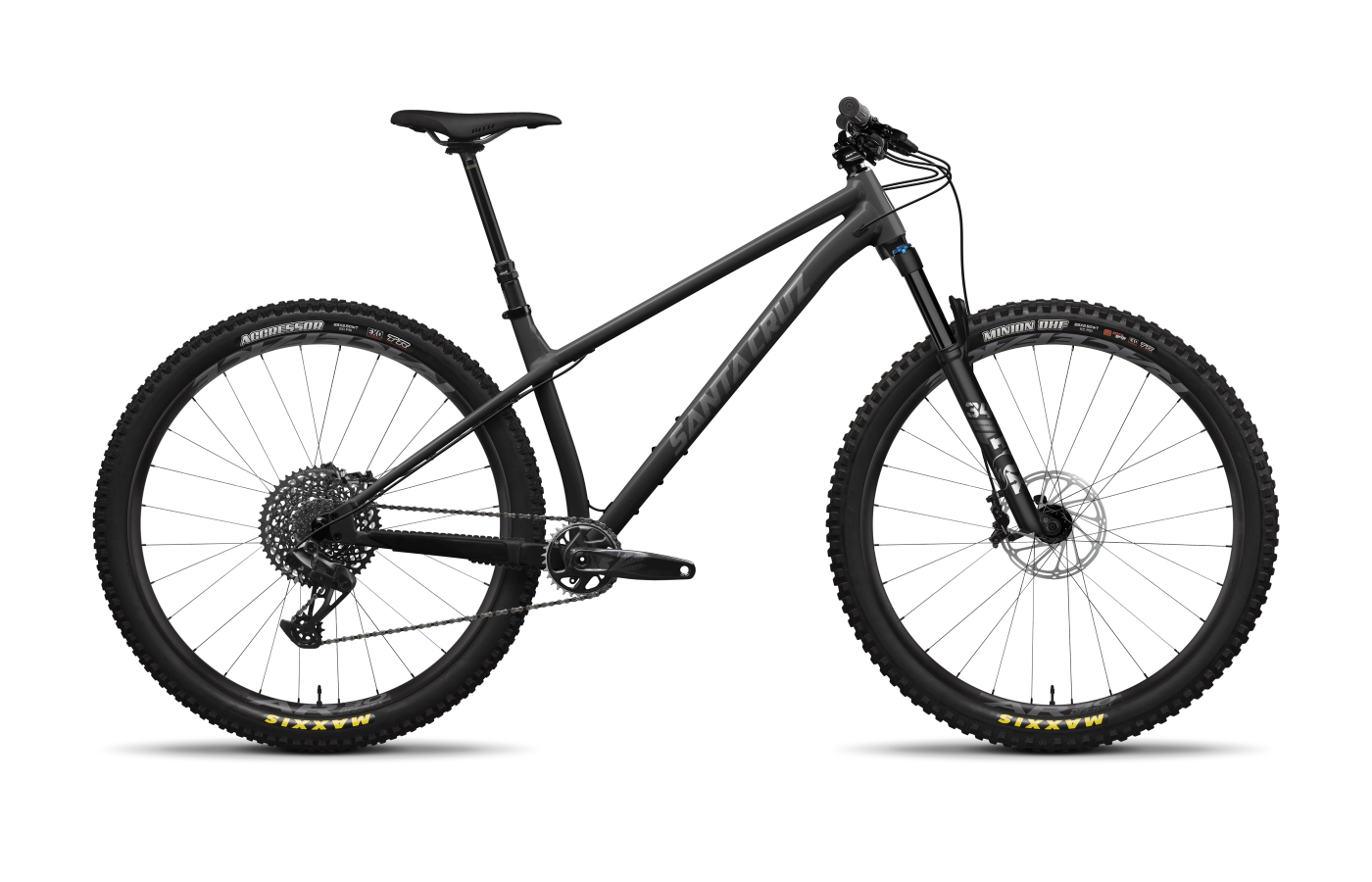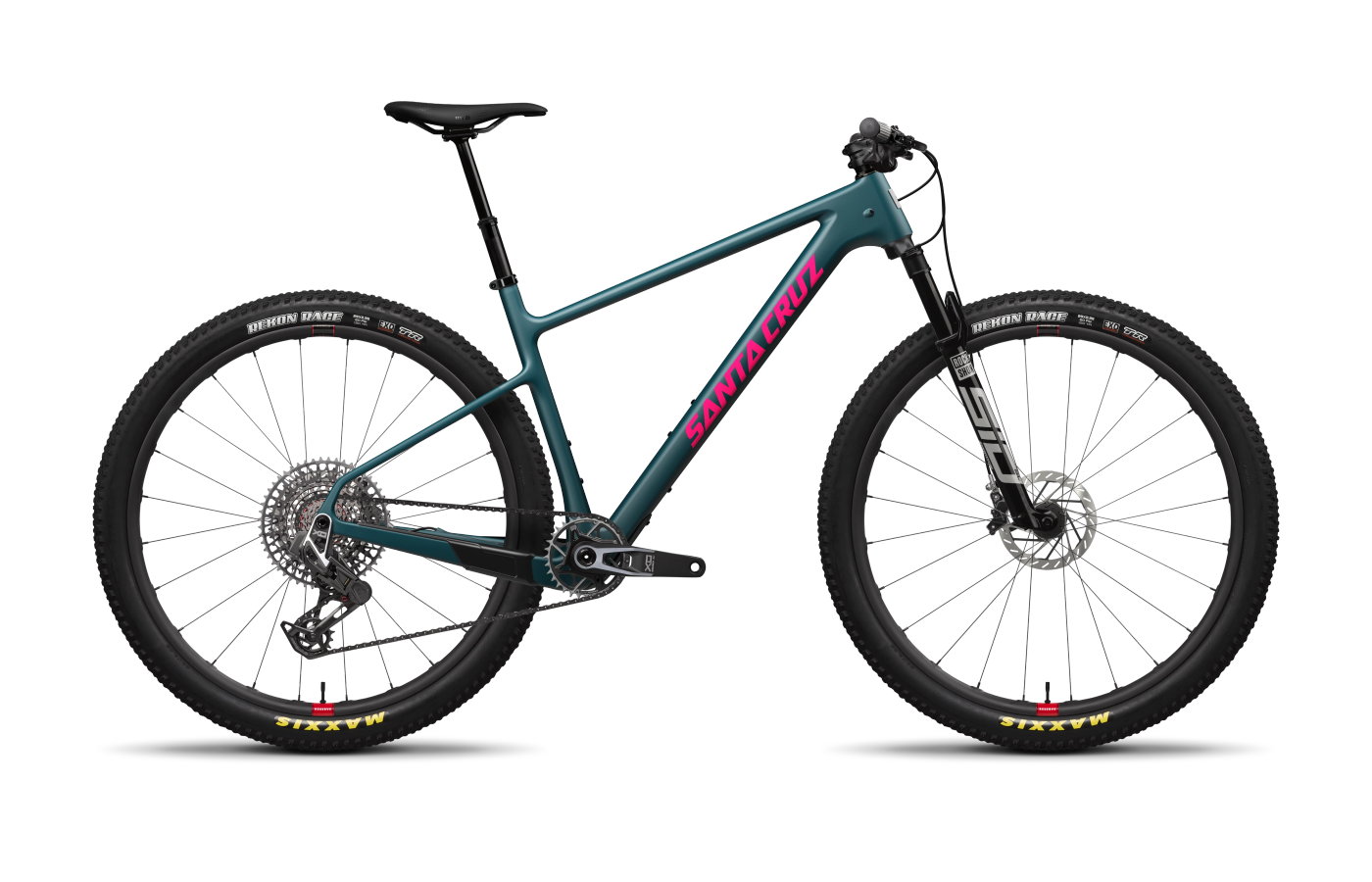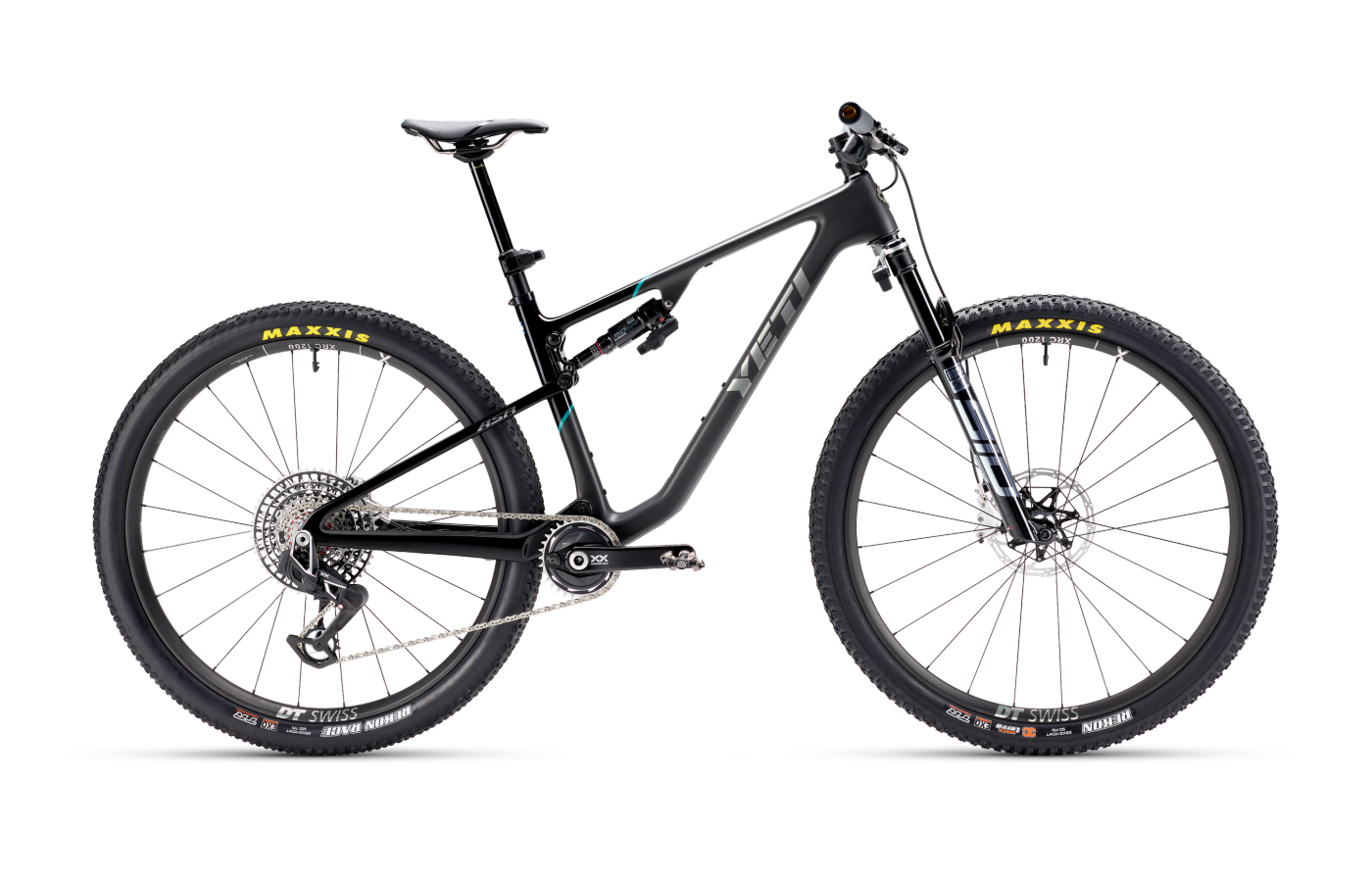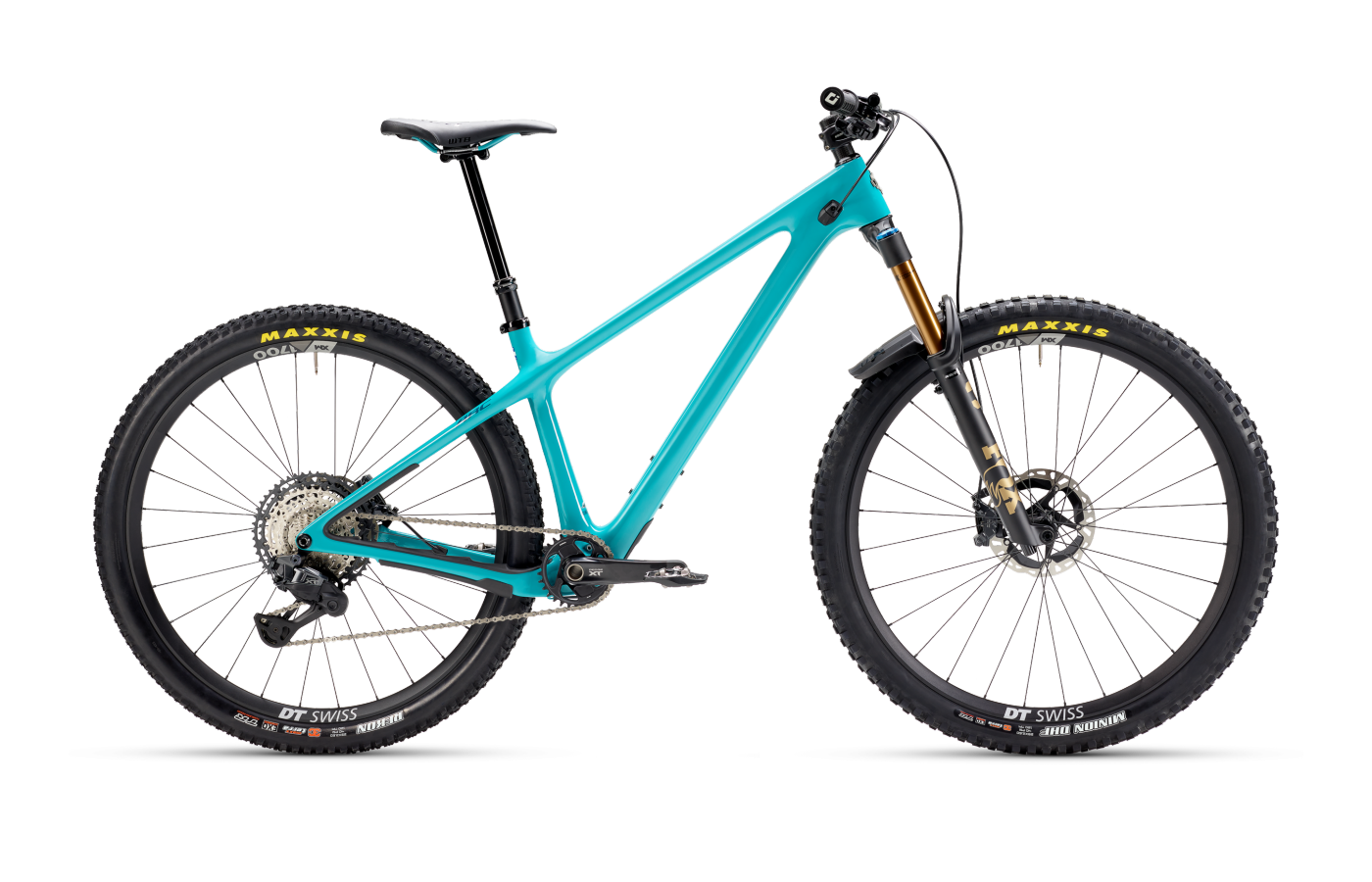
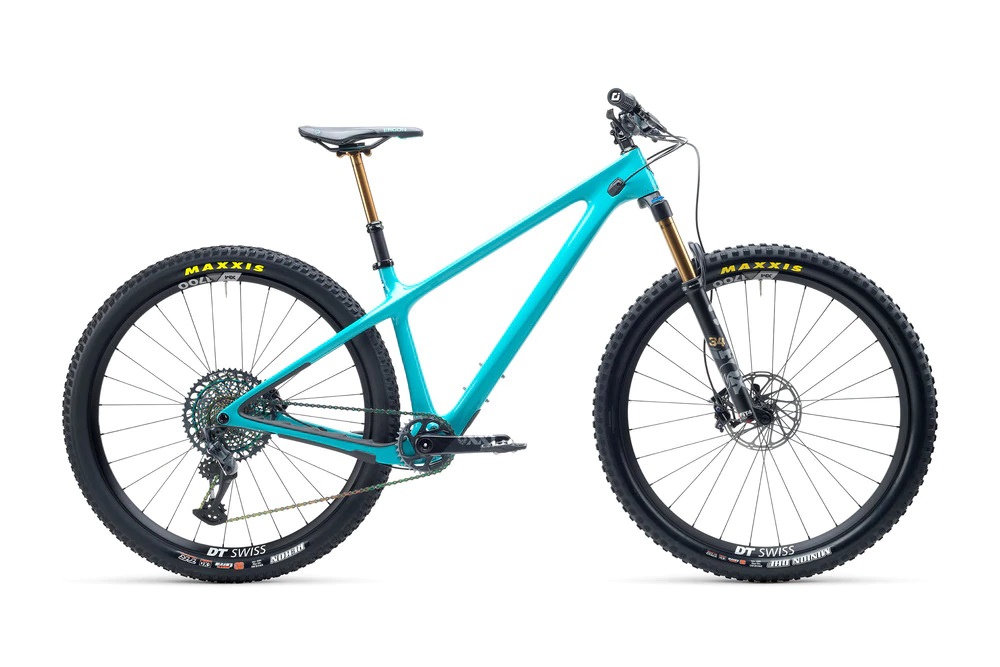
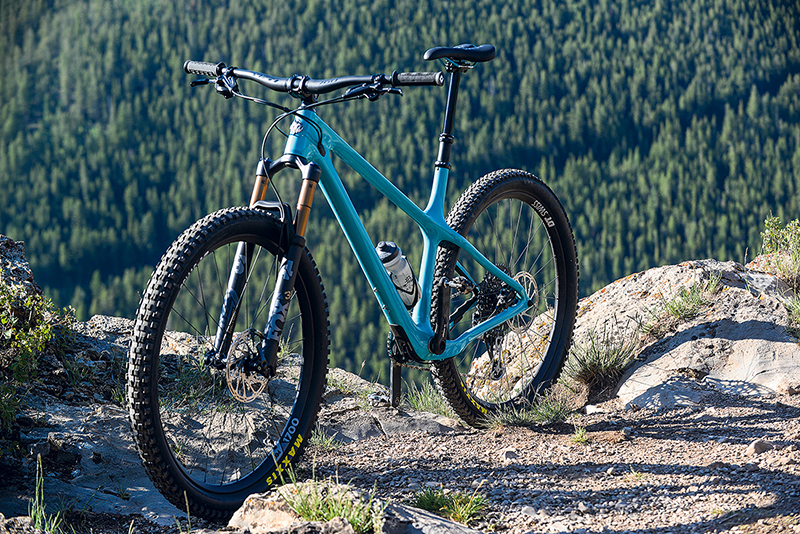
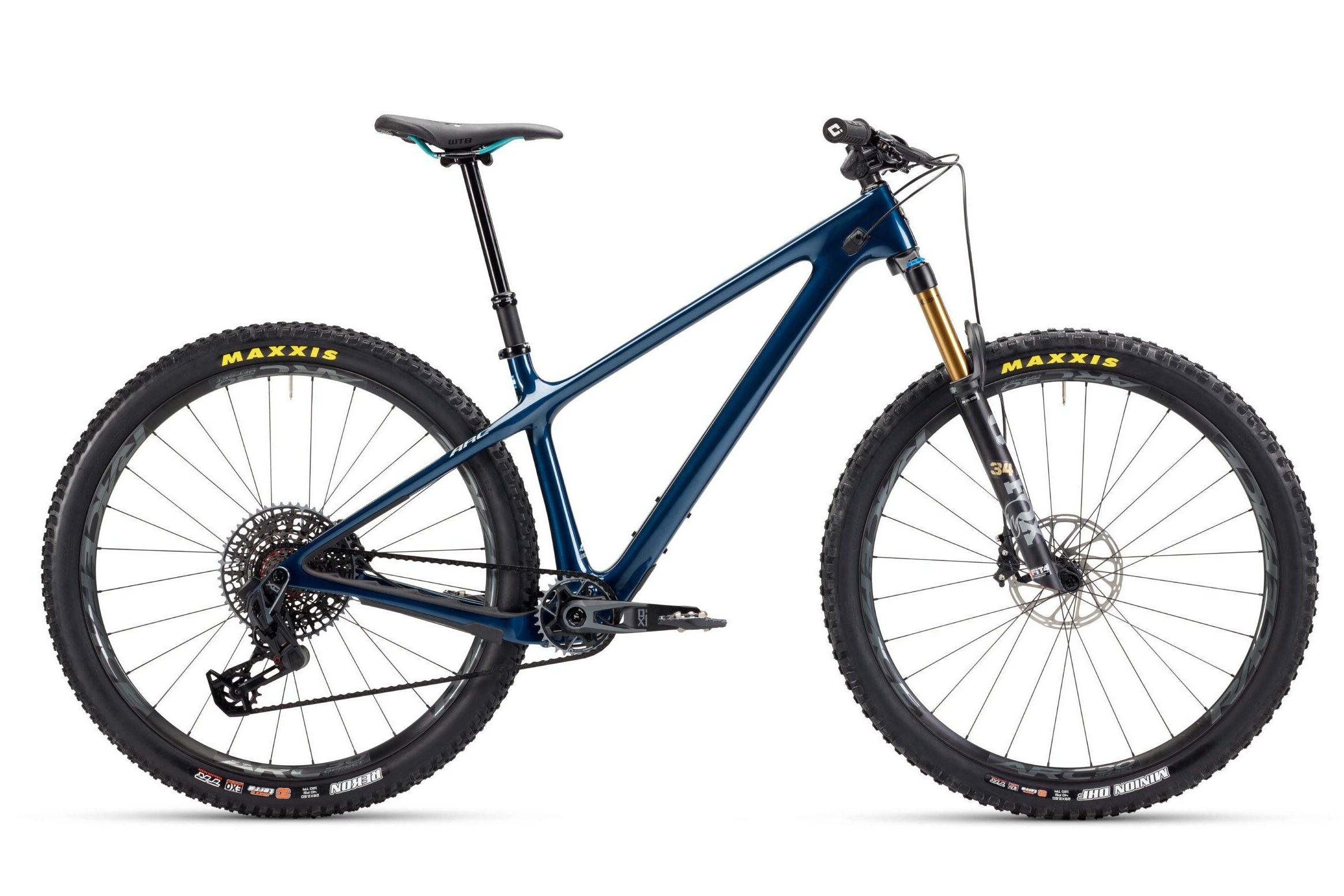
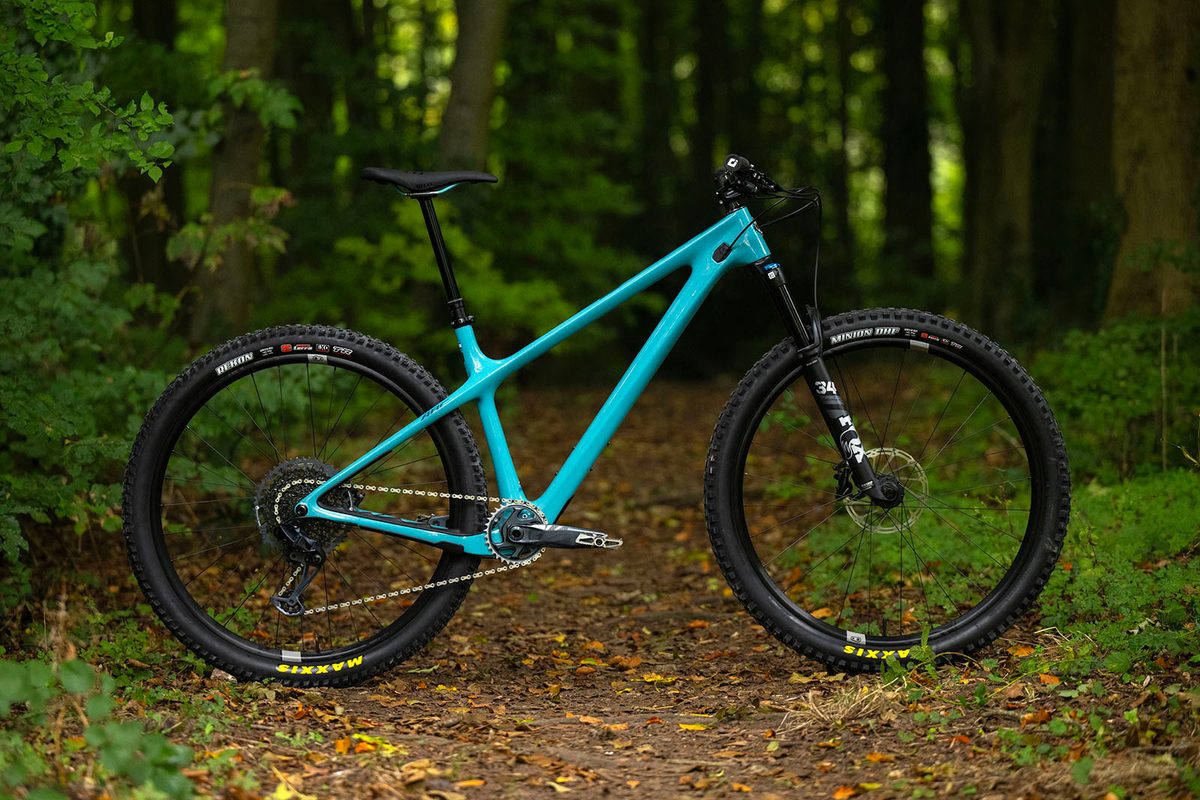
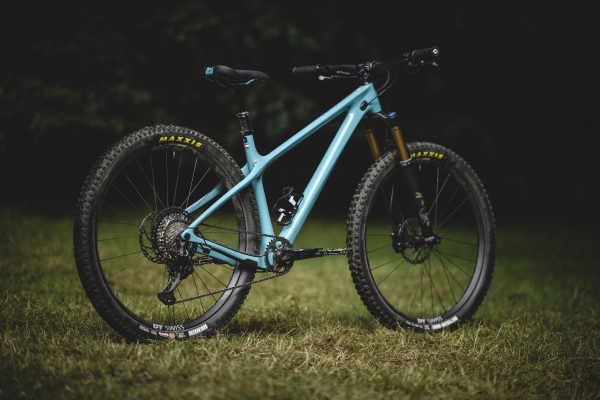
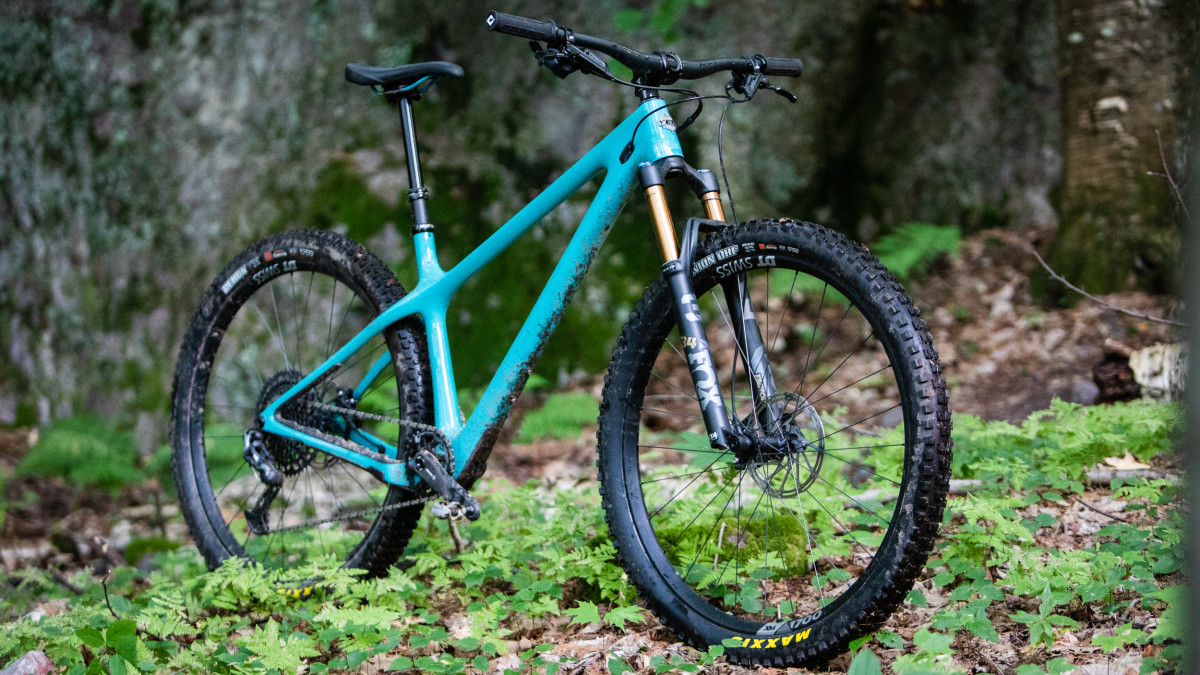
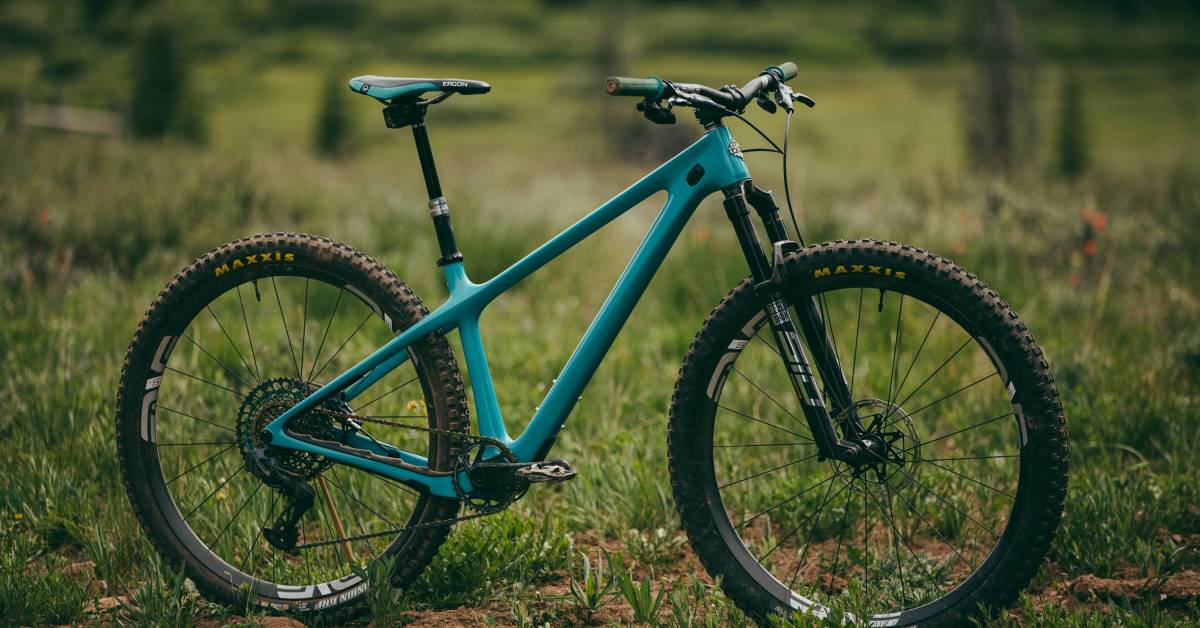
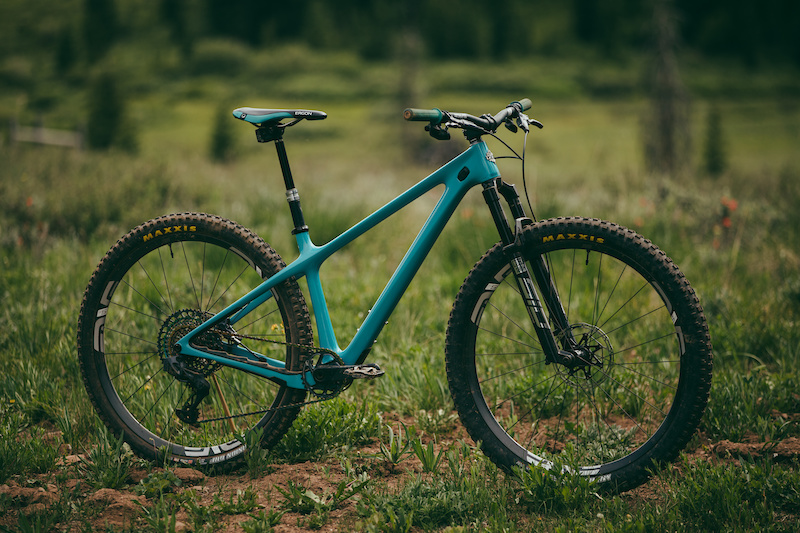
Yeti resurrected the ARC nameplate for the 2021 model year, transforming it from a pure cross-country race machine into a modern trail hardtail. Built exclusively around 29-inch wheels and a 130mm fork, this generation abandons the steep angles of its predecessors in favor of a highly capable, downcountry-leaning chassis. The carbon frame features current standards like Boost hub spacing, a universal derailleur hanger, and a dedicated single-ring drivetrain layout.
Yeti positioned the ARC for riders who want the simplicity and direct power transfer of a hardtail without sacrificing the geometry needed to navigate technical singletrack. It serves equally well as a primary bike for smooth, undulating terrain or a high-end secondary option for riders looking to make familiar trails feel engaging again.
Where to get it.
5 retailers · size M.
Spec sheet.
Every component shipped with this build.
Geometry & fit.
7 sizes published.
The ARC utilizes a modernized geometry that balances climbing efficiency with descending stability. A steep 76-degree seat tube angle places the rider in a neutral, centered position directly over the bottom bracket. Because a hardtail does not experience rear suspension sag, this angle remains static on steep pitches, keeping the front wheel firmly planted and preventing the steering from wandering during seated climbs.
Up front, the 67-degree head tube angle pairs with a 130mm fork to provide predictable handling. It avoids the extreme slackness of hardcore enduro hardtails, ensuring the steering remains responsive at lower speeds and on tight switchbacks. The frame features a notably low bottom bracket and short chainstays, which together create a low center of gravity that encourages aggressive cornering. A compact frame design with a sloping top tube offers generous standover clearance, allowing riders to easily shift their weight and maneuver the bike through technical sections. This layout also accommodates long-travel dropper posts across the size range.
Where the handlebar sits relative to the bottom bracket — the single most important fit pair.
01Fit geometry6 values
03Handling geometry7 values
Which size should I buy?
Slide your height to see the recommended size. GearWise's fit algorithm works from the published stack, reach, and ETT — the brand's own recommendation may differ.
→Calculated from GearWise's own stack / reach / ETT algorithm — the brand's size chart may recommend a different size, and a proper bike fit beats any calculator.
The lineup.
3 builds, ranging $4,500 – $6,400.
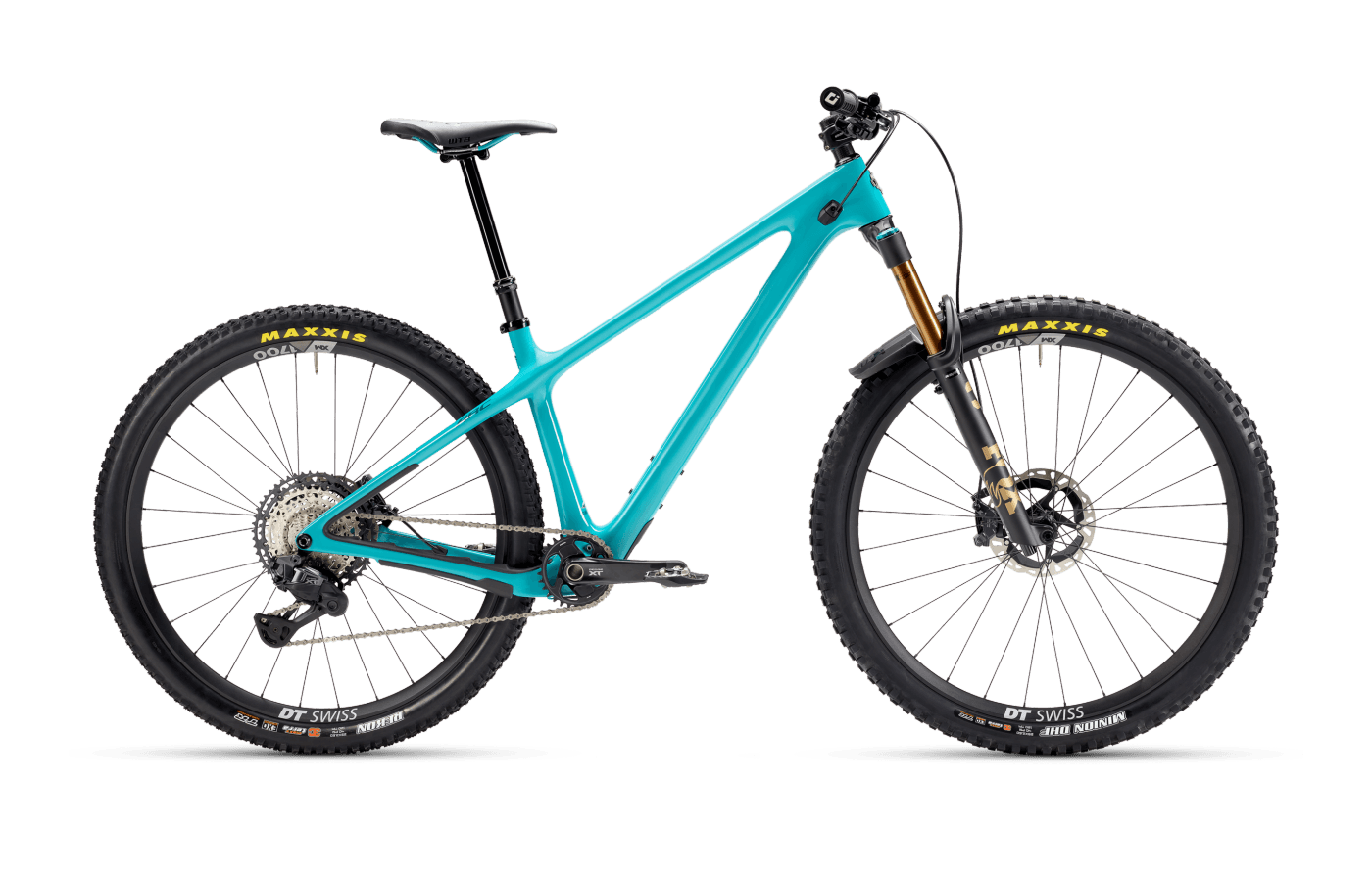
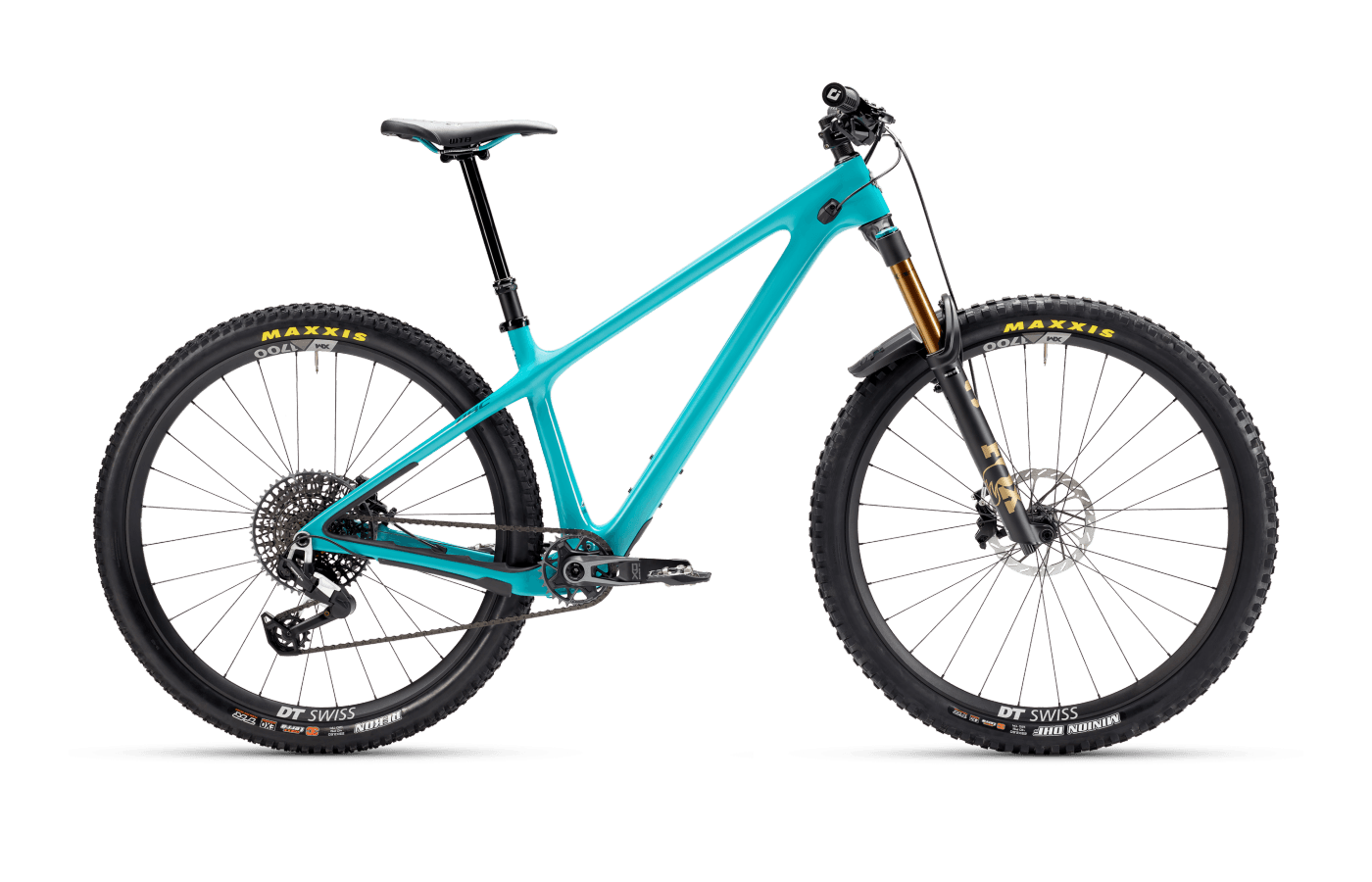
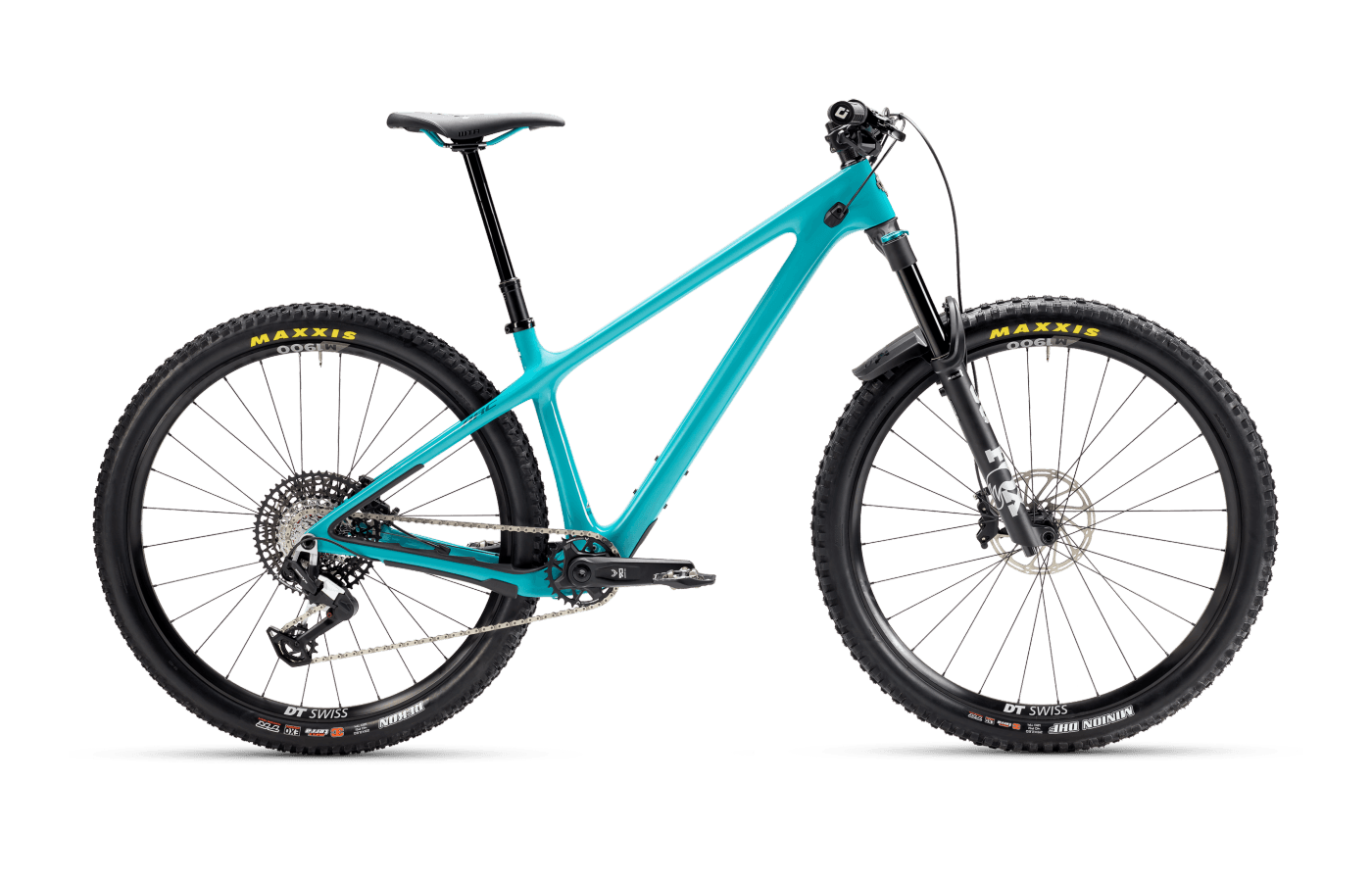
Yeti splits the ARC lineup into two frame tiers: the standard C-series and the lighter, premium TURQ series. The TURQ frame sheds weight without sacrificing stiffness and is available as a standalone frameset or built up with high-end components. Across the board, the ARC is specced with 29-inch wheels, high-volume 2.6-inch Maxxis tires, and a 130mm Fox 34 fork, though the damper quality varies by tier.
The entry-level C-series builds offer a more accessible price point but draw criticism for their component value. These models typically feature basic fork dampers, two-piston brakes, and standard casing tires, which testers found underpowered for the bike's aggressive geometry. Moving up to the TURQ builds, such as the T1 XT Di2 or T2 Transmission models, introduces significant upgrades like Fox Factory suspension, four-piston brakes, and premium DT Swiss wheelsets. While these upper-tier builds deliver excellent reliability and performance, they push the ARC into a boutique price bracket where buyers are paying a distinct premium for the frame's sophisticated carbon construction and heritage.
From the press.
12 reviews from the cycling press.
Reviewers consistently praise the ARC for its exceptional power transfer and refined ride quality, noting that the carbon layup manages to mute trail chatter without feeling overly flexible. Rather than offering a springy sensation, the frame absorbs impacts with a "damped thud" (BikeRadar), relying heavily on high-volume tires to smooth out the ride. On flow trails and moderate singletrack, the bike accelerates instantly and corners with authority. However, testers caution that the ARC has distinct limits. When pushed into aggressive, rocky descents, the lack of rear suspension becomes apparent, and the bike can "break ankles" (Mountainflyermagazine) if ridden recklessly.
The internal tube-in-tube cable routing is a standout feature, earning praise for delivering a "singlespeed level of quiet" (Bike Magazine) over rough ground. While the handling and frame details are widely celebrated, the high price tag is a universal sticking point. Reviewers note that the ARC demands a premium, and some felt the bike was "dancing between two worlds" (Theradavist) by pairing aggressive trail geometry with a relatively short-travel fork and limited frame storage. Despite the cost, the consensus remains that the ARC is a beautifully executed, highly engaging hardtail for those willing to pay for the brand's engineering and aesthetic.
Tested: Yeti ARC
Yeti ARC C 2024 Review
Yeti ARC 2024 Review
Yeti ARC C2 review

The Radavist

The YETI ARC Review - Is This the Carbon Superbike We've ...
Yeti ARC T1: first ride review - MBR
First Impressions: Yeti ARC Hardtail - BikeMag
Yeti Cycles ARC Review: The Mighty Hardtail MTB Returns
First Ride: Yeti's 2021 ARC Hardtail
Compared to.
Most-viewed comparisons.