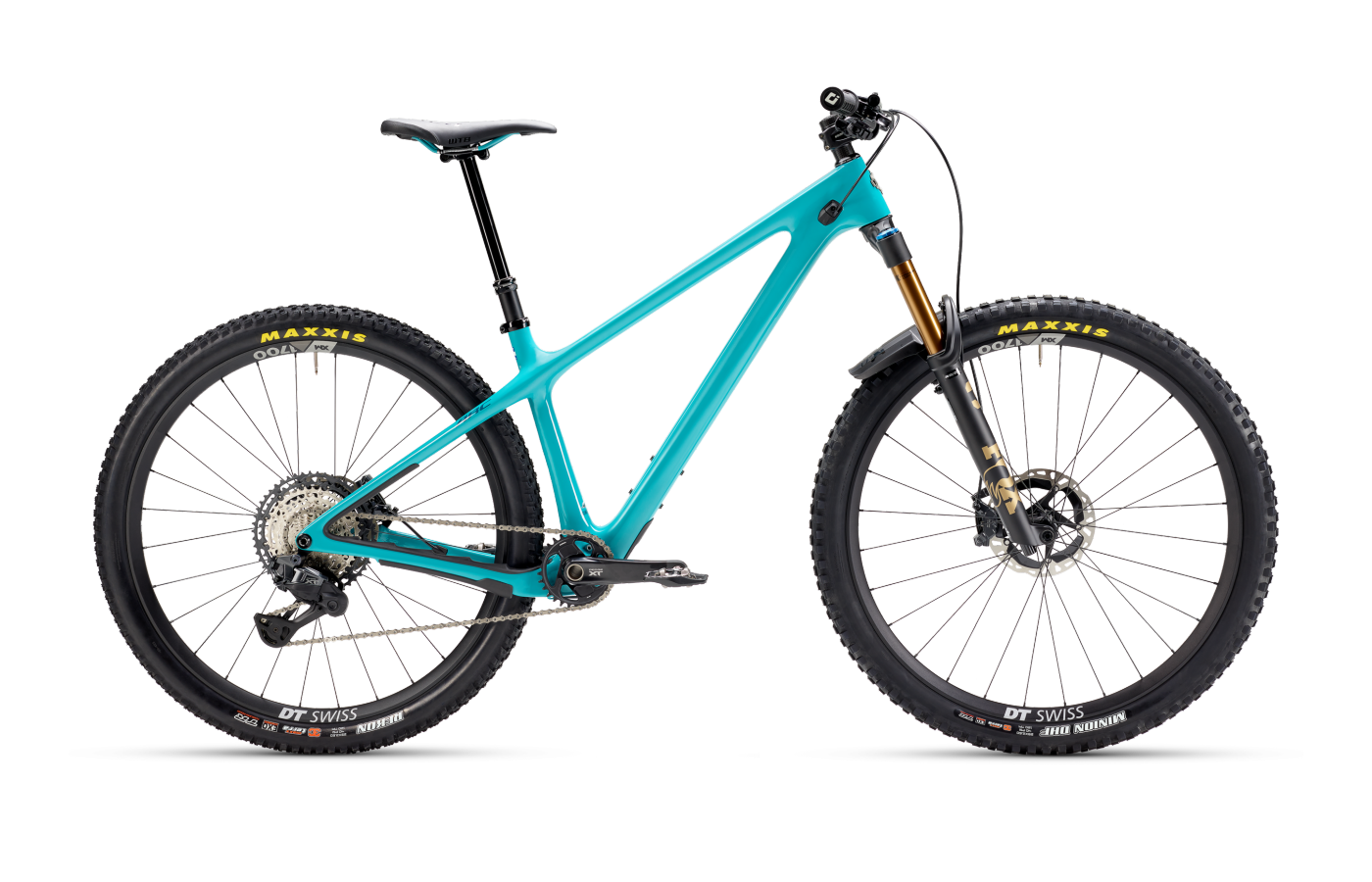
DV9
The Ibis DV9 is a carbon hardtail designed to bridge the gap between cross-country efficiency and everyday trail riding. Now in its second generation, the V2 frame moves away from its purely budget-conscious racing roots to embrace a more capable downcountry identity. Built around a 120mm fork, the redesigned chassis features modernized geometry, a significantly lower standover height, and updated frame standards that align with contemporary mountain bikes.
While it retains the lightweight responsiveness expected of a carbon hardtail, the DV9 is positioned as a versatile platform for riders who want a fast, engaging bike for flowy singletrack, long climbs, and light bikepacking. Practical frame details, including a threaded bottom bracket, Universal Derailleur Hanger compatibility, and room for two water bottles inside the front triangle, underscore its focus on reliable, long-term ownership rather than just race-day performance.
Geometry & fit.
4 sizes published.
The DV9’s geometry reflects its dual-purpose intent, blending pedaling efficiency with stable descending cues. A 66.5-degree head tube angle provides enough slackness to keep the steering predictable on steep trail sections without feeling sluggish on flat ground. This is paired with a steep, size-specific seat tube angle ranging from 74 to 76 degrees, which places the rider in a commanding, forward-biased position over the bottom bracket to maximize power output on climbs.
At the rear, the notably short 425mm chainstays are central to the bike's agile handling, keeping the wheelbase manageable and making it easy to maneuver through tight terrain. Despite the compact rear end, a relatively low bottom bracket helps keep the front wheel planted during steep ascents.
Ibis also heavily sloped the top tube for the V2 generation, resulting in a massive reduction in standover height. This kinked top tube design, combined with a straight seat tube shifted forward of the bottom bracket, allows riders across all frame sizes to run long-travel dropper posts without interference.
Where the handlebar sits relative to the bottom bracket — the single most important fit pair.
01Fit geometry6 values
03Handling geometry7 values
Which size should I buy?
Slide your height to see the recommended size. GearWise's fit algorithm works from the published stack, reach, and ETT — the brand's own recommendation may differ.
→Calculated from GearWise's own stack / reach / ETT algorithm — the brand's size chart may recommend a different size, and a proper bike fit beats any calculator.
The lineup.
1 build, ranging $2,999.
The DV9 is offered in a single Deore build that prioritizes functional, reliable components to keep the entry price accessible for a carbon frame. Priced at $2,999, the package is anchored by a 120mm Fox Float 34 Performance Step-Cast fork, which utilizes a narrowed chassis to save weight while providing supportive damping for trail use.
The drivetrain relies on Shimano’s workhorse 12-speed Deore M6100 group, including the derailleur, shifter, and a 10-51T cassette, paired with a Deore crankset. Braking is handled by matching Deore two-piston hydraulic discs with 180mm rotors front and rear.
Rolling stock consists of Ibis’s own 933 aluminum rims laced to Ibis hubs. While alloy, these wheels are frequently noted for being relatively lightweight and quick to spin up. The build is finished with an Ibis aluminum cockpit, a WTB Silverado saddle, and a KS Vantage dropper post. Depending on availability, the bike ships with aggressive Maxxis trail tires—typically a DHR II paired with either a Forekaster or Dissector—offering substantial cornering grip right out of the box.
From the press.
7 reviews from the cycling press.
Reviewers consistently characterize the DV9 as a fast, highly efficient climber that rewards energetic pedaling. The stiff carbon frame delivers direct power transfer, helping the bike "glide up the climbs" (YouTube) and accelerate quickly out of corners. While this rigidity makes it an eager companion on smooth singletrack and fire roads, a few testers noted that the raw feedback can feel harsh on extended, rocky descents, requiring an active rider to manage trail chatter.
Handling is widely praised as a highlight, with the bike striking a careful balance between cross-country agility and trail stability. The short rear end makes the chassis "snappy and playful" (Theradavist), allowing riders to easily lift the front wheel or navigate tight switchbacks. On faster descents, the modernized front center keeps the bike "surprisingly composed at speeds" (YouTube), though testers caution that it is still a short-travel hardtail that can be overwhelmed on steep black-diamond trails.
A recurring point of discussion among reviewers is the component specification on their test bikes. Many found the stock fast-rolling cross-country tires limited the frame's descending potential in loose or wet conditions. Additionally, several testers pointed out a slight mismatch in clearance: while the frame accommodates a wide rear tire, the specified Fox Step-Cast fork limits front rubber to a narrower profile, restricting riders who might want maximum volume to soften the ride.
Ibis DV9 One Year Review #mtb #hardtail
Discover the Ibis DV9: The King of Hardtails
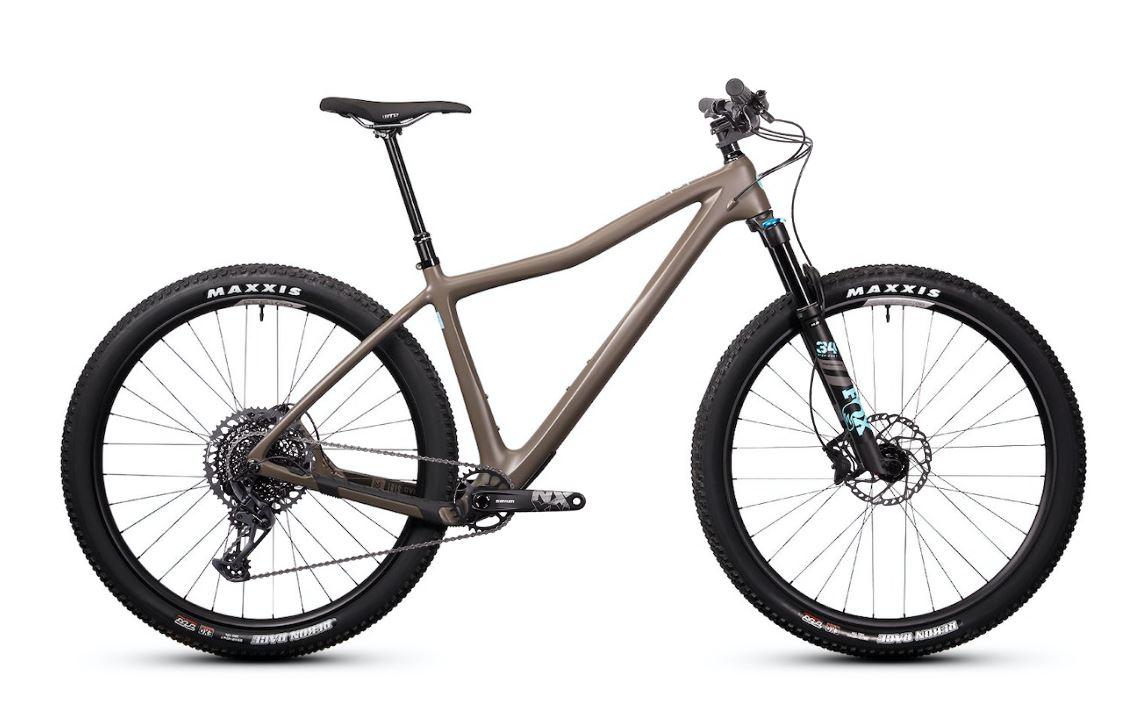
Ibis DV9 GX 2023 Review
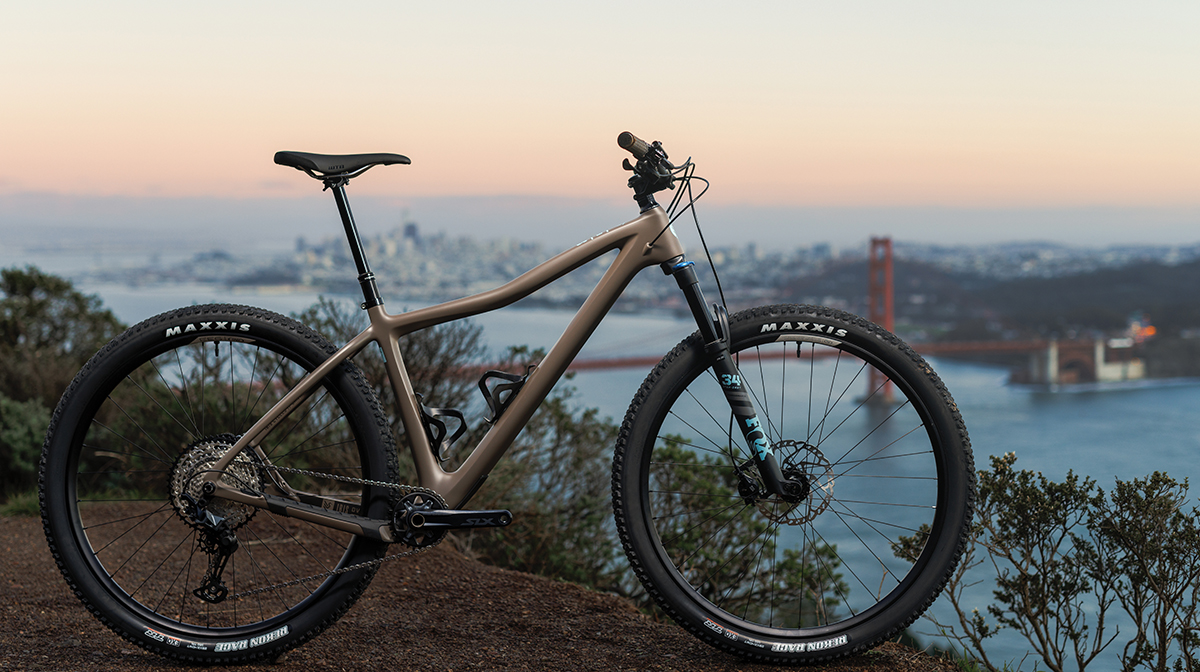
Road Test: Ibis DV9
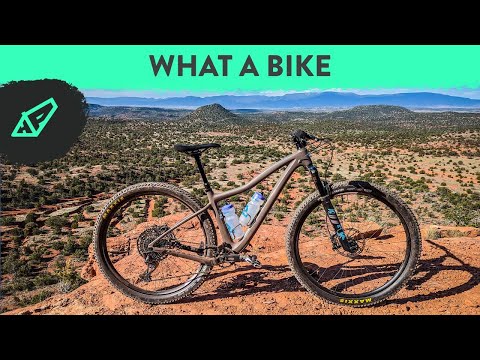
The Brand New 2023 Ibis DV9 Gen 2 Hardtail Review - A ...

Lightweight and Fast and Niche: Ibis DV9 Hardtail 29er ...
Compared to.
Most-viewed comparisons.