Sprint
vsUltimate
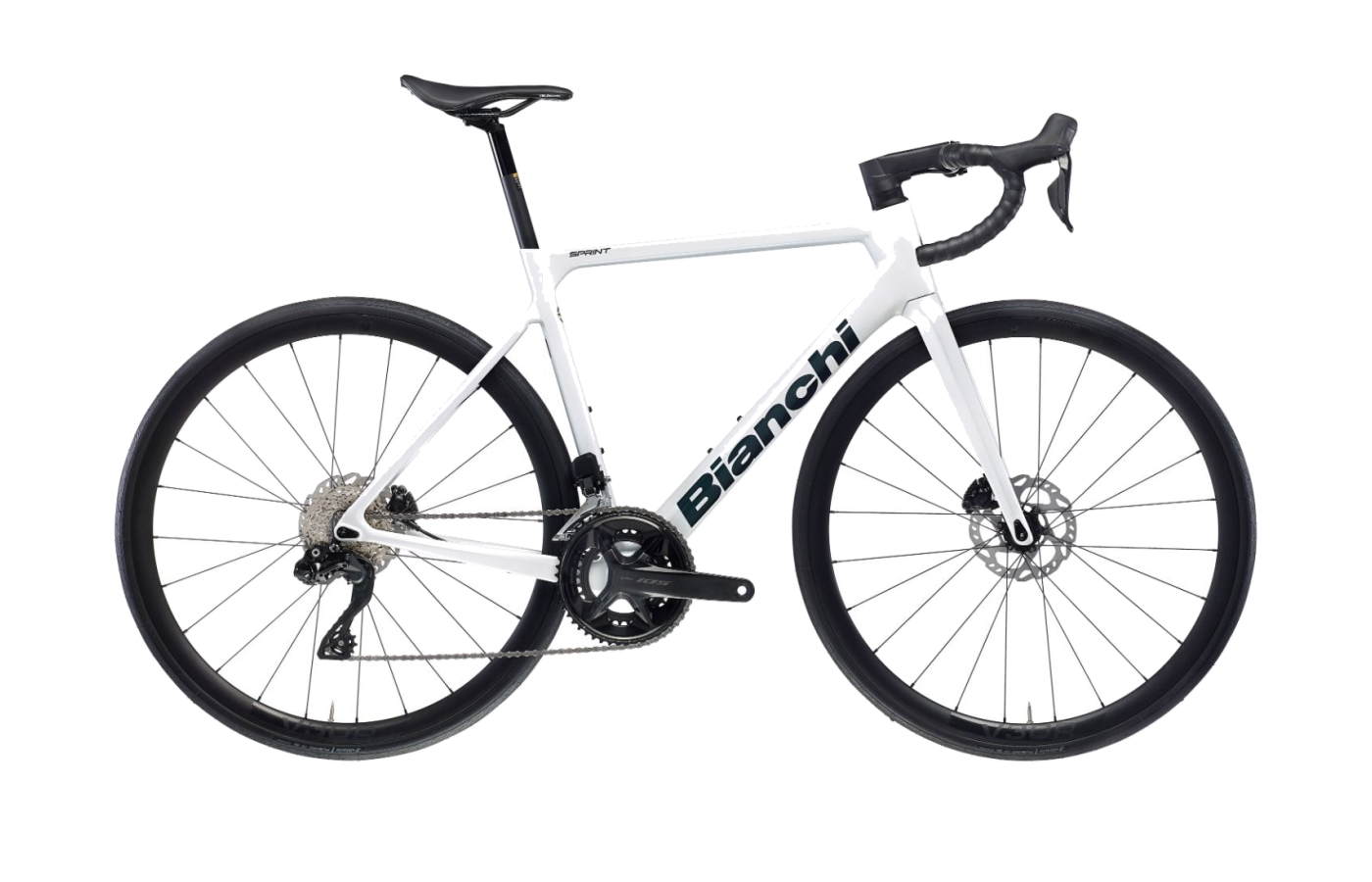
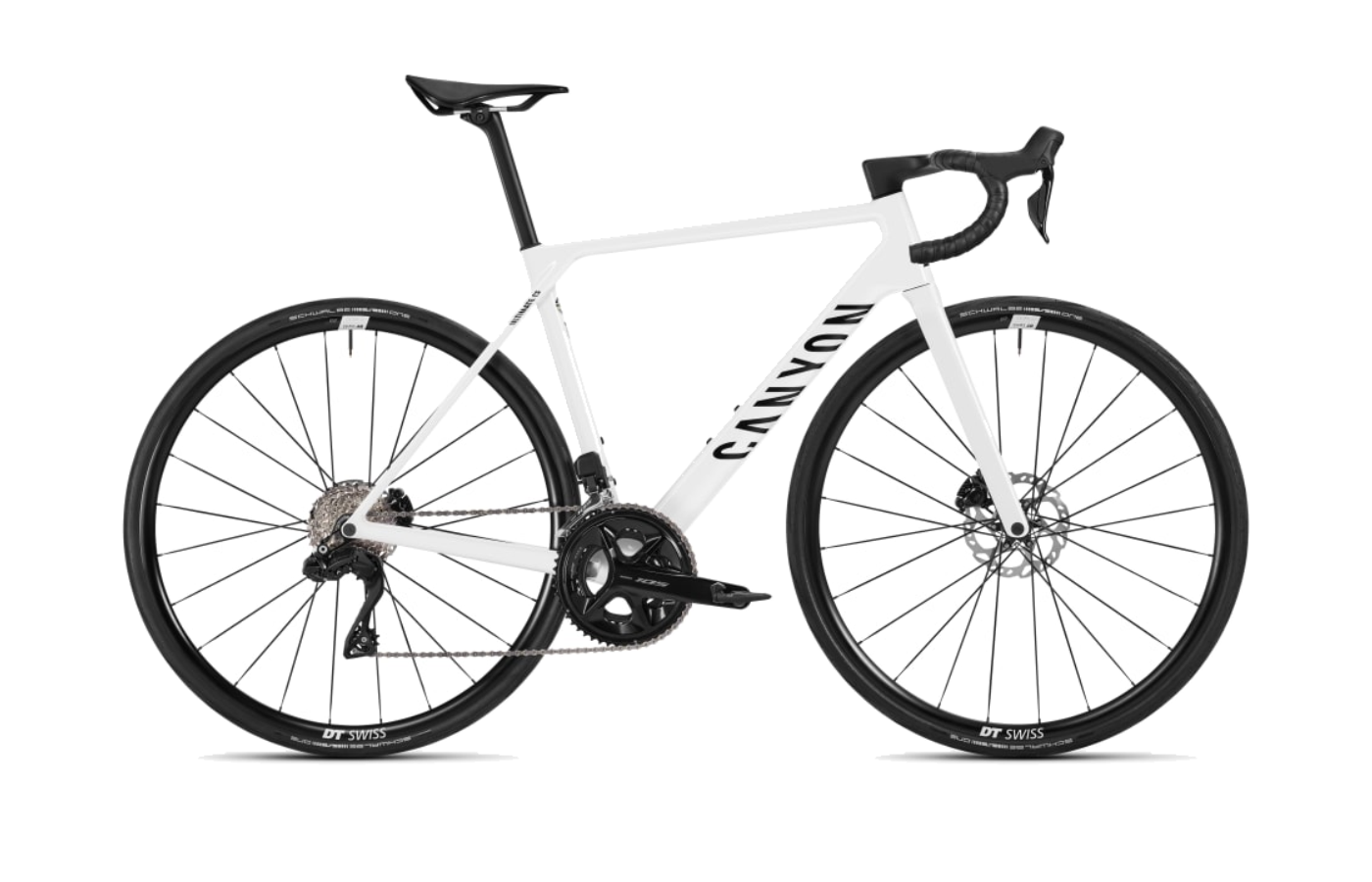
Italian heritage meets German engineering, at the same price.
The Bianchi Sprint is a Celeste-clad entry into carbon racing. The Canyon Ultimate is a five-generation pro-tour platform sold cheap because there's no dealer in the middle.
Sprint
- Full 105 spec — Bianchi ships real 105 rotors, chains, and cranks, not the mixed-tier fudge you see at this price.
- Genuine race chassis — stiff "power box" front triangle and a carbon monocoque frame with internal cable routing for 2024.
- Celeste for $3k — the cheapest way into Bianchi's racing heritage with a modern carbon frame underneath.
- Only two builds in the entire lineup, both at 105 — no upgrade path within the platform.
- Stock Velomann alloy wheels weigh ~2 kg and are openly flagged by reviewers as the first thing to swap.
Ultimate
- Seven builds from $2,899 to $10,499 — three carbon grades let you buy in cheap or go pro-tour.
- Integrated aero carbon cockpit (CP0048) with 50 mm width and 20 mm height adjustment, standard on most builds.
- Proven pro-tour platform — 5th generation of the frame Canyon's WorldTour teams race; claimed 6.26 kg in CFR trim.
- Direct-to-consumer only — no dealer demo and you assemble the bike out of a box.
- Aeroad-derived geometry runs long and low; shorter-torso riders may struggle to get the bars high enough.
Editor’s analysis
Both bikes land around $3,650 with 105 Di2 — but one is the cheapest way into a 140-year-old racing marque, and the other is the cheapest way into the same frame that wins Grand Tour stages.
The Bianchi Sprint and Canyon Ultimate meet almost exactly at the bottom of each lineup — $3,650 for the Sprint 105 Di2, $3,699 for the Canyon Ultimate CF 7 105 Di2. Same drivetrain, same price, both running a stiff race-oriented carbon chassis with internal cable routing. From there, the two platforms diverge hard: the Sprint has one carbon frame and two builds, topping out at $3,650. The Ultimate comes in three carbon grades (CF, CF SLX, CFR) across seven builds, scaling to $10,499 with SRAM Red AXS and a claimed 6.26 kg.
The Bianchi's appeal is singular and honest. It's a Celeste-painted carbon monocoque with a neutral, slightly upright geometry and a "power box" front triangle that reviewers single out for having zero flex when you're pulling on the bars. It climbs Hardknott on the standard 50/34 and 11–34 cassette, holds speed like a cat, and — this is the catch — ships with 2 kg Velomann alloy wheels and an alloy seatpost that reviewers openly flag as upgrade bait. The frame is a genuinely good bike; the stock build is a good bike wearing boots.
The Canyon Ultimate plays a completely different game. James Huang at Velo compared it to the Porsche 911: five generations in, Canyon has iterated on a single platform until it's balanced across weight, stiffness, and aero without being specialist at any of them. Canyon claims 10 watts saved at 45 km/h over the previous Ultimate (roughly 5 watts on the rider), with the flagship CFR frame down to 780 g. The 5th-gen Ultimate unifies its geometry with the Aeroad, so even at size S the fit runs long and low — stack-to-reach tight enough that short-torso riders should check the numbers before they commit.
Put simply: if you want the bike and the brand, the Bianchi Sprint gives you a storied Italian marque in a frame that's stiff, fast, and very much a 2024 design. If you want maximum platform for your dollar — a frame you could ride for a decade and upgrade into a $10k pro-tour bike one build at a time — the Canyon Ultimate is the better foundation. Neither is wrong. They're answers to different questions.
Where the builds differ.
Comparing our editor's-pick builds side-by-side. Winners highlighted row-by-row — lower price and weight, and the better-spec component, each mark a point.
Build variants & pricing
The Sprint has two builds within $650 of each other. The Ultimate spans seven builds and nearly $8,000 across three carbon grades.
Prices are current US MSRP. Bianchi doesn't offer a mechanical-only US build, and the Sprint tops out at 105 Di2 — if you want Ultegra, Force, or flagship carbon from Bianchi, you're looking at the Oltre or Specialissima. Canyon ships direct-to-consumer only: no dealer demo, no local service relationship.
How they fit, how they steer.
Size 550 Sprint vs size S Ultimate — the fit-picked match on each bike. The Sprint sits 6 mm taller at the stack with a 2 mm shorter reach; the Ultimate's chainstays are 3 mm shorter and the wheelbase 8 mm tighter, so it turns in quicker. The Sprint's stance is the more neutral of the two.
Which size should I buy?
Size recommendations are based on stack, reach, and effective top tube. The Ultimate runs wider at both ends of its range (2XS to 2XL); the Sprint covers 470 to 610 in 20–30 mm increments.
→These are starting points. Flexibility, riding style, and preferred position all shift the answer — if you’re between sizes, a professional fit beats a chart.
What the magazines said.
Published reviews from trusted cycling outlets. Click through for the full write-up.
Which one should you buy?
If you want the Celeste and a stiff carbon chassis you'll happily upgrade one wheel-swap at a time, get the Bianchi Sprint. If you want the deepest platform in road and the best bang-for-buck across seven builds, get the Canyon Ultimate.
Sprint
If you've always wanted a Bianchi and the Specialissima is a five-figure fantasy, the Sprint is the honest entry point. Stiff, neutral-geometry carbon with full 105 Di2, built to be upgraded into something special over time.
Ultimate
If your priority is the best frame-per-dollar in road and you're comfortable ordering a bike online, the Ultimate is hard to beat. Pro-tour geometry, integrated carbon cockpit, and a platform that scales from $2,899 to $10,499 without changing the frame family.
Questions buyers actually ask.
Short answers to the things we get emailed about most often.
01Which one actually climbs better?
The Canyon Ultimate, and it's not especially close at the top of each range. The flagship Ultimate CFR is reviewed at roughly 6.26–6.39 kg complete; the Bianchi Sprint has no published complete-bike weight, but its stock Velomann alloy wheels alone are reportedly close to 2 kg — a drag on any climb.
At the 105 Di2 tier, where these two meet head-to-head, the gap shrinks — the Canyon CF 7 frame is heavier than the CFR (claimed 1,110 g vs 780 g), and both bikes roll on alloy wheels at this price. At the entry level, the Ultimate's advantage is real but modest; the Sprint's "power box" front end gives it legitimate punch on short, steep ramps.
02Which is faster on flat roads?
The Canyon Ultimate, thanks to Canyon's claimed 10-watt frameset savings at 45 km/h (roughly 5 watts with a rider on board, per independent testing BikeRadar references). Its integrated CP0048 cockpit and D-shaped seatpost are tuned for aero where the Sprint's traditional Velomann bar/stem and round tubes are not.
That said, neither of these is a pure aero bike — if flat-road speed is your only priority, the Canyon Aeroad or a Cervélo S5 will walk both. The Ultimate's aero is incidental to a balanced all-rounder; the Sprint doesn't claim any aero numbers at all.
03What's the maximum tire clearance?
Bianchi Sprint: 32 mm officially. Stock tire is a 25 mm Vittoria Rubino IV.
Canyon Ultimate: 33 mm officially across all three carbon grades. Most builds ship with 28 mm Pirelli P Zero Race RS or Schwalbe One.
Neither is a gravel bike — both frames are race-road first. For rough pavement and fire roads, look at the Canyon Endurace or a dedicated gravel frame.
04Can I get the Bianchi Sprint with SRAM?
No. The Sprint ships only with Shimano 105 — mechanical on the base build, Di2 electronic at the top. If you want SRAM Rival, Force, or Red on a Bianchi, you'll need to step up to the Oltre or Specialissima, both of which are several thousand dollars more.
The Canyon Ultimate offers both ecosystems: SRAM Force and Red AXS on some builds, Shimano 105 Di2 / Ultegra Di2 / Dura-Ace Di2 on others.
05Is the Canyon really that much cheaper than dealer brands?
It depends on the build. At the entry level, no — the Bianchi Sprint 105 Di2 at $3,650 and the Canyon Ultimate CF 7 105 Di2 at $3,699 are effectively the same price. Canyon's value advantage shows up higher in the range.
The Ultimate CFR Dura-Ace Di2 at $8,899 would list closer to $11k–12k from a dealer-served brand. The catch: no local shop fit, no demo, and you're assembling the bike out of a box.
06How serviceable are the integrated cockpits?
The Bianchi Sprint uses a traditional 2-piece alloy Velomann bar and stem — change either independently, standard parts, any shop can service it. Cables still route through the headset for the 2024 ICR update, so a bar swap requires a partial bleed.
The Canyon Ultimate uses the CP0048 one-piece integrated carbon cockpit on most builds. Width and height adjust 50 mm and 20 mm respectively without swapping the part, but changing stem length means buying a new cockpit outright. Hose replacement requires full re-routing through the headset — a 2-hour shop job.
07What about resale value?
Bianchi Sprint holds value modestly — the brand name is a tailwind, but the Sprint sits at the entry of Bianchi's carbon lineup, so used prices track the spec rather than the badge. Expect roughly 50–60% of MSRP after two years.
Canyon Ultimate depreciates faster in absolute dollars — direct-to-consumer brands tend to take a bigger secondhand hit because buyers can always get a new one at the same (low) price from Canyon. Expect roughly 40–55% of MSRP after two years, worse on the flagship CFR builds.
Similar bikes
If your priorities don’t map cleanly onto either of these, one of these adjacent bikes probably fits better.
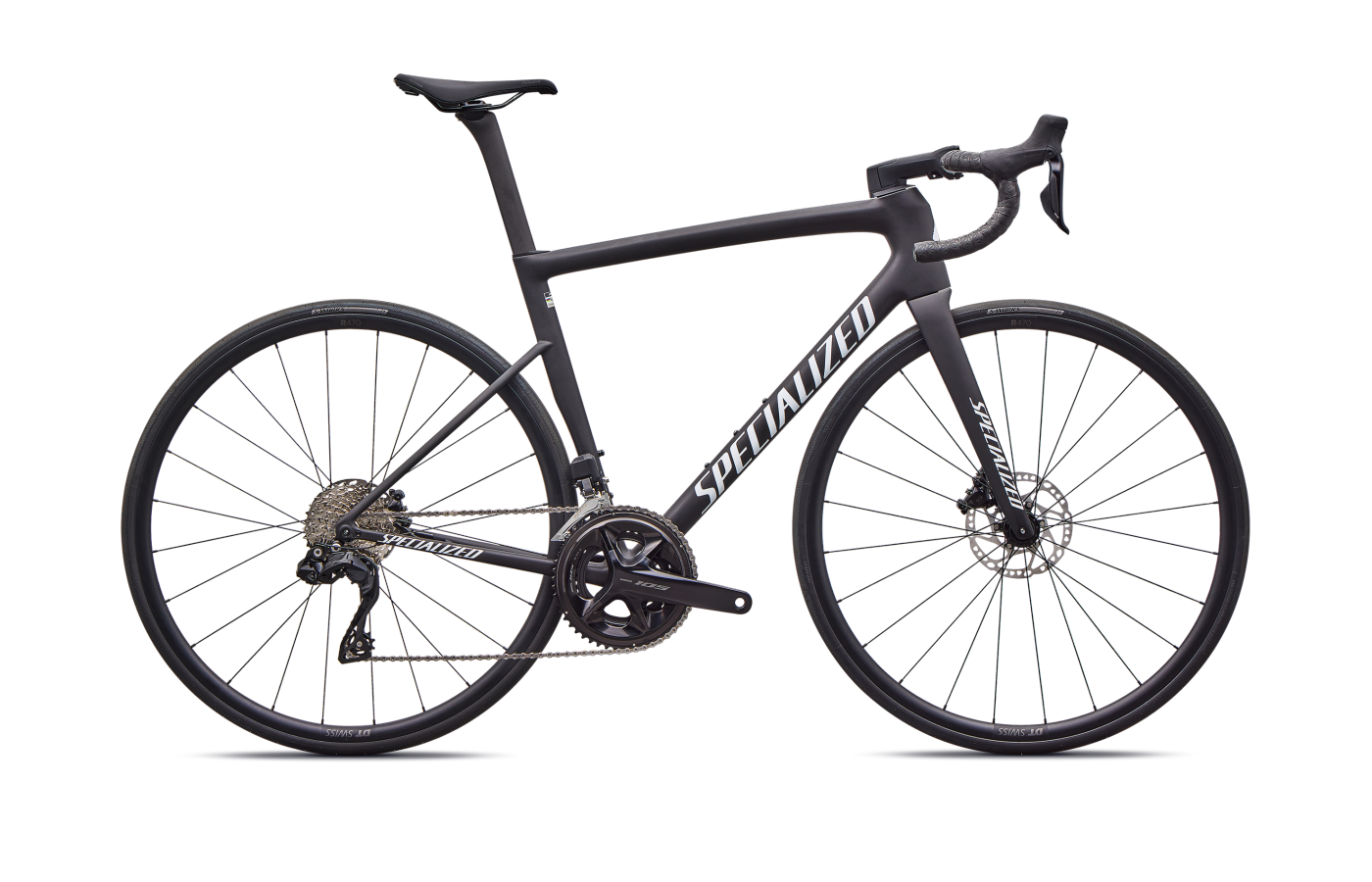
Tarmac
The benchmark all-rounder the whole category gets measured against. A slicker frame than the Sprint and a pro pedigree the Ultimate can match on paper — but you'll pay a Specialized tax at every build tier.
Compare →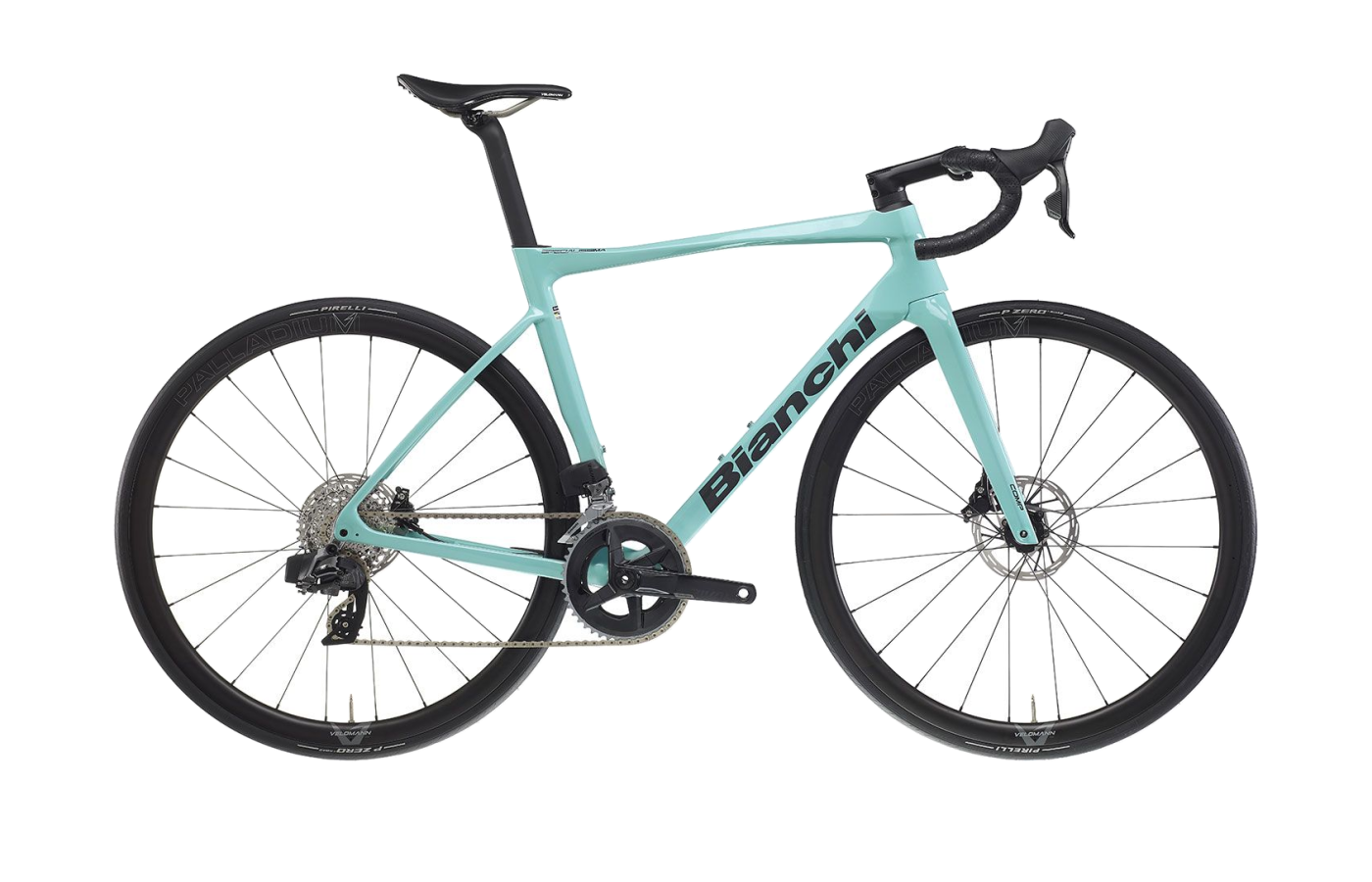
Specialissima
The Bianchi that actually weighs what the Canyon Ultimate CFR weighs — a sub-7 kg lightweight climber that keeps the Celeste and the heritage, but prices it like a flagship.
Compare →
Endurace
Canyon's endurance platform for riders who like the price and the service model but find the Ultimate's Aeroad-derived fit too aggressive. Taller stack, longer wheelbase, more tire clearance.
Compare →