YT
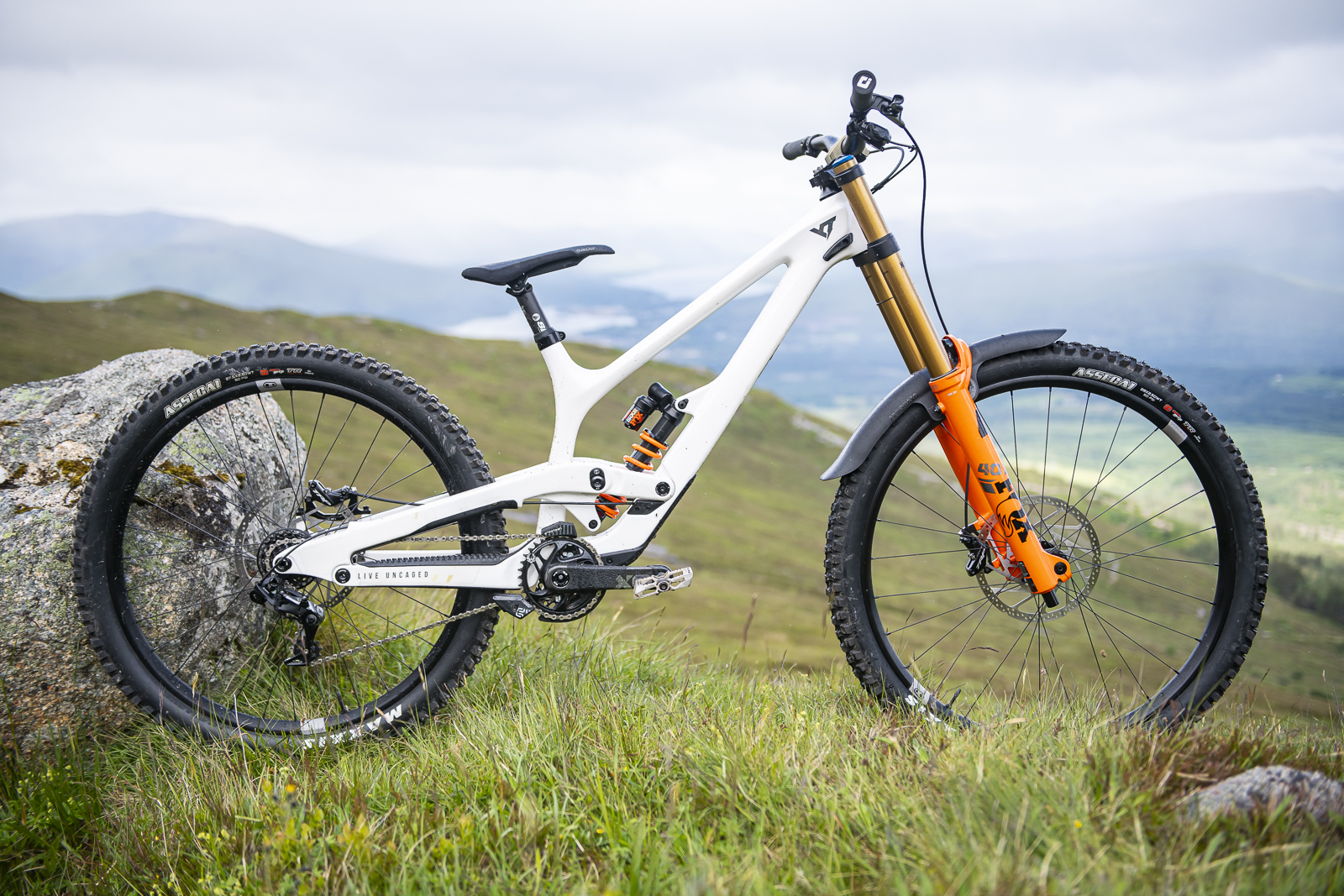
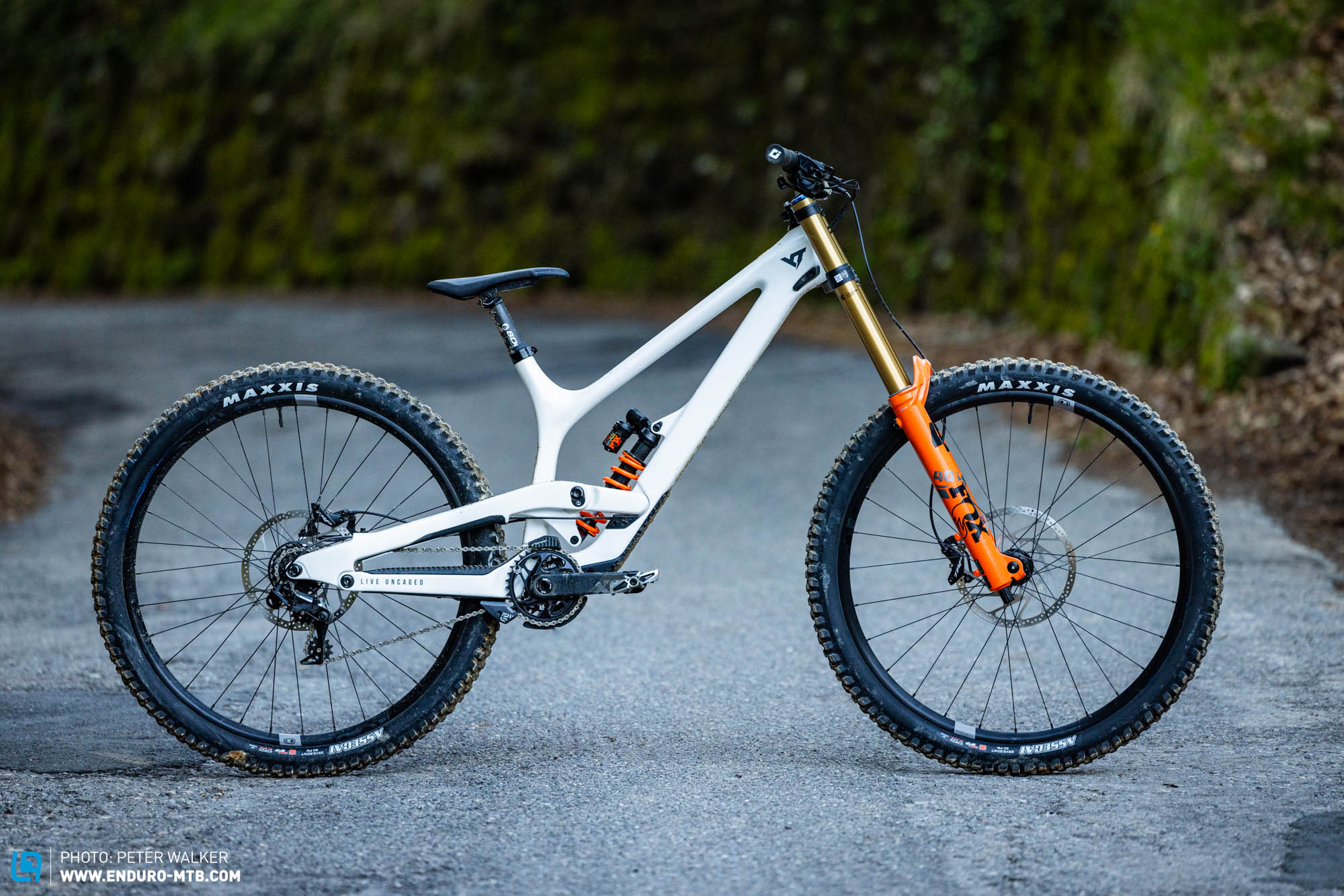
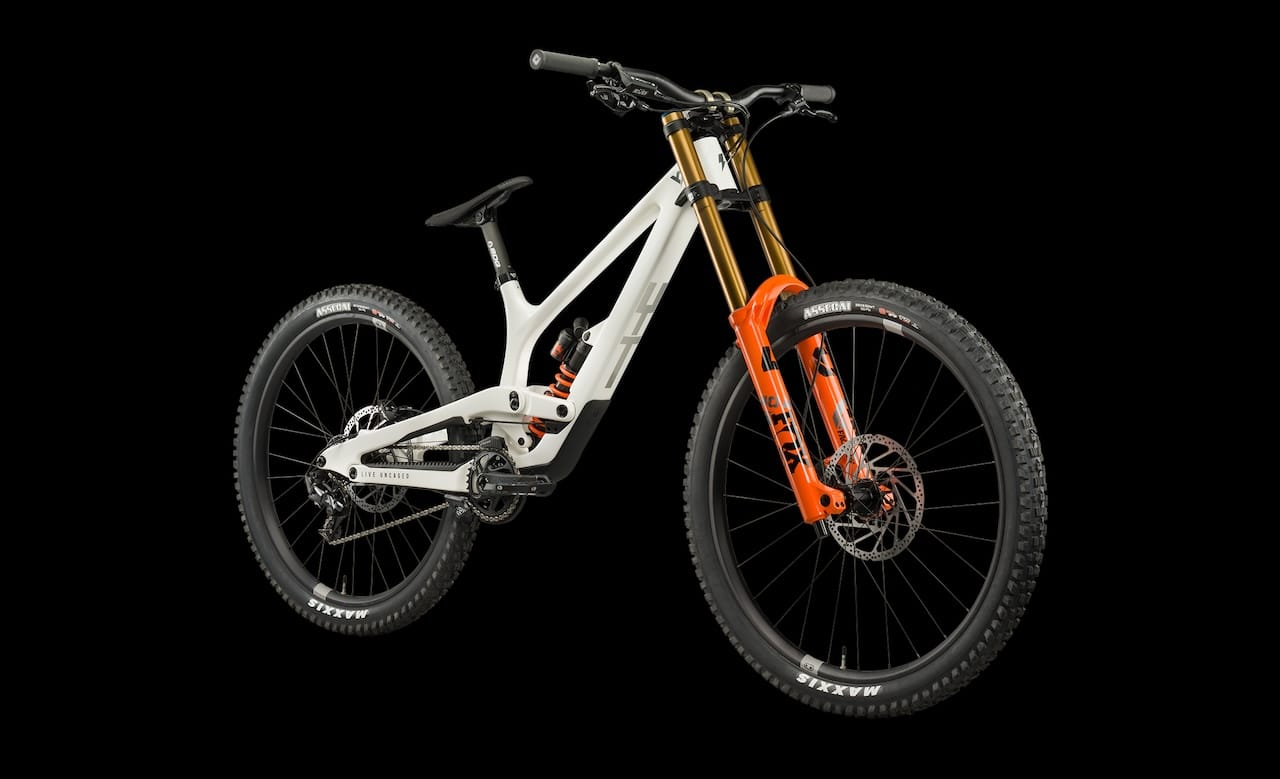
Tues29 Core 4
YT’s 2025 Tues MK4 is a carbon-only downhill race bike that keeps the brand’s familiar four-bar, Horst-link layout and leans into refinement rather than a clean-sheet suspension concept. Instead of chasing the current high-pivot/idler trend, the MK4 focuses on making one chassis cover more ground, with the same frame able to run dual-29 or MX depending on how you configure it.
That adjustability, plus the move to five sizes and practical updates like UDH and a threaded bottom bracket, shape the generation’s identity. The MK4 reads as a modernized Tues that’s meant to be set up around rider preference and venue, rather than forcing a single, locked-in “race-only” stance.
Spec sheet.
Every component shipped with this build.
Geometry & fit.
2 sizes published.
The MK4’s numbers point to a contemporary DH posture: a tall front end paired with a low bottom bracket, and a reach range that spans five sizes in even steps. In practice, multiple reviewers described a “tall standing stance” with hands “up high and almost over top of the front axle,” which helps the bike feel direct in flatter turns and when changing lines, but can make it feel more “pointy” when the trail gets steep and committing.
A big part of the fit story is that the frame is designed around adjustability that actually changes how the rider sits between the wheels. You can alter bottom bracket height and head angle at the lower shock mount, and you can tweak rear-center length via the dropout chip. Those are useful levers for riders who want to tune front-to-rear balance, or who are trying to calm the bike down for faster tracks versus make it easier to move around on jumpier park trails.
Wheel choice is also a fit variable, not just a handling one. Reviews suggest dual-29 brings more rear-wheel presence and rollover, but can reduce room to move for shorter-legged riders; MX creates more clearance and can make the bike feel easier to throw around.
Where the handlebar sits relative to the bottom bracket — the single most important fit pair.
01Fit geometry6 values
02Component geometry4 values
03Handling geometry3 values
Which size should I buy?
Slide your height to see the recommended size. GearWise's fit algorithm works from the published stack, reach, and ETT — the brand's own recommendation may differ.
→Calculated from GearWise's own stack / reach / ETT algorithm — the brand's size chart may recommend a different size, and a proper bike fit beats any calculator.
The lineup.
3 builds, ranging $4,299 – $6,899.
The MK4 lineup is split into three complete builds in this context, all centered on the same carbon frame and its wheel/geometry adjustment system. Pricing runs from $4,299 to $6,899, with Core 2 as the entry point, Core 3 CF in the middle, and Core 4 at the top.
Core 4 is the “ready to race” spec with Fox Factory suspension (40 GRIP2 and DHX2 coil), SRAM X01 DH 7-speed, TRP DH-R EVO brakes, and 220mm rotors front and rear. It also brings a more premium finishing kit, including a Renthal cockpit and carbon SDG I-Beam post, and comes stock as a 29/MX configuration with DH-casing Maxxis Assegai tires. Core 3 CF shifts the value proposition toward Ohlins suspension (DH38 and TTX22) and SRAM GX DH 7-speed, keeping the same TRP DH-R EVO brake model and 220mm rotors, with different wheels and cockpit parts.
Core 2 CF is the budget build, but the component details aren’t specified here, so it’s best viewed as the price-led way into the same adjustable chassis rather than a like-for-like parts alternative to the higher builds. If you’re choosing on ride-critical parts alone, the biggest material differences up the ladder are suspension brand/spec level, drivetrain tier, and wheel/cockpit kit.
From the press.
9 reviews from the cycling press.
Testers tended to describe the MK4 as a downhill bike that feels quicker to respond than the geo chart suggests. Pinkbike said “hopping on it and riding around the car park, it feels more like a long travel enduro bike,” and highlighted that it “doesn't suffer from that wheel flop that you get with really slack bikes” (YouTube). That same review framed its personality as “sharp,” adding it’s “really easy… to find the edge” at the front (YouTube).
Across reviews, the suspension character comes through as supportive and speed-generating when you’re working terrain. Pinkbike called out “a lot of mid-stroke support” and “a lot of pop,” saying it’s “easy to pump and jump through rollers and carry speed” (YouTube). Enduro MTB echoed that, noting “good support and plenty of pop” for rollers, berms, and big jump lines, while also pointing out the rear end can “stiffen slightly” in fast, consecutive hits, costing some traction compared to the most composed bikes in their test (Enduro MTB).
The main tradeoffs reviewers returned to were feedback and personal fit. Pinkbike mentioned it can feel “noisy through the feet” in “high-frequency, high-speed chatter” (YouTube). BikeRadar also flagged “some pedal kickback in specific scenarios,” and noted dual-29 can create clearance issues for shorter riders: “the 29in rear wheel will buzz shorter riders” (BikeRadar).
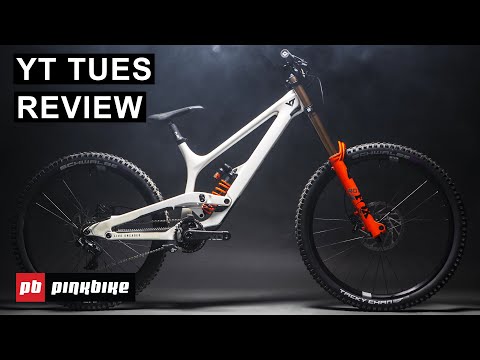
YT Tues Review: Great Value All Rounder | 2024 Downhill ...
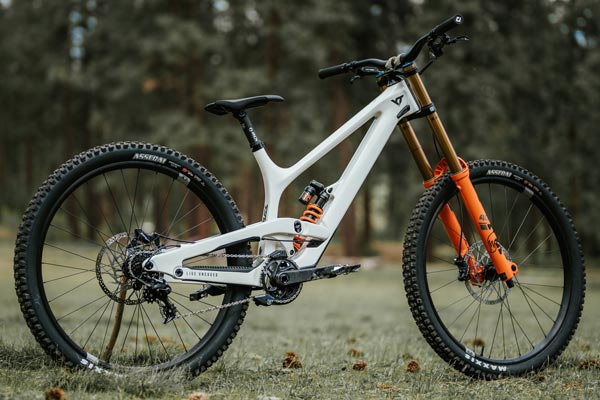
First Ride: The New YT Tues MK4
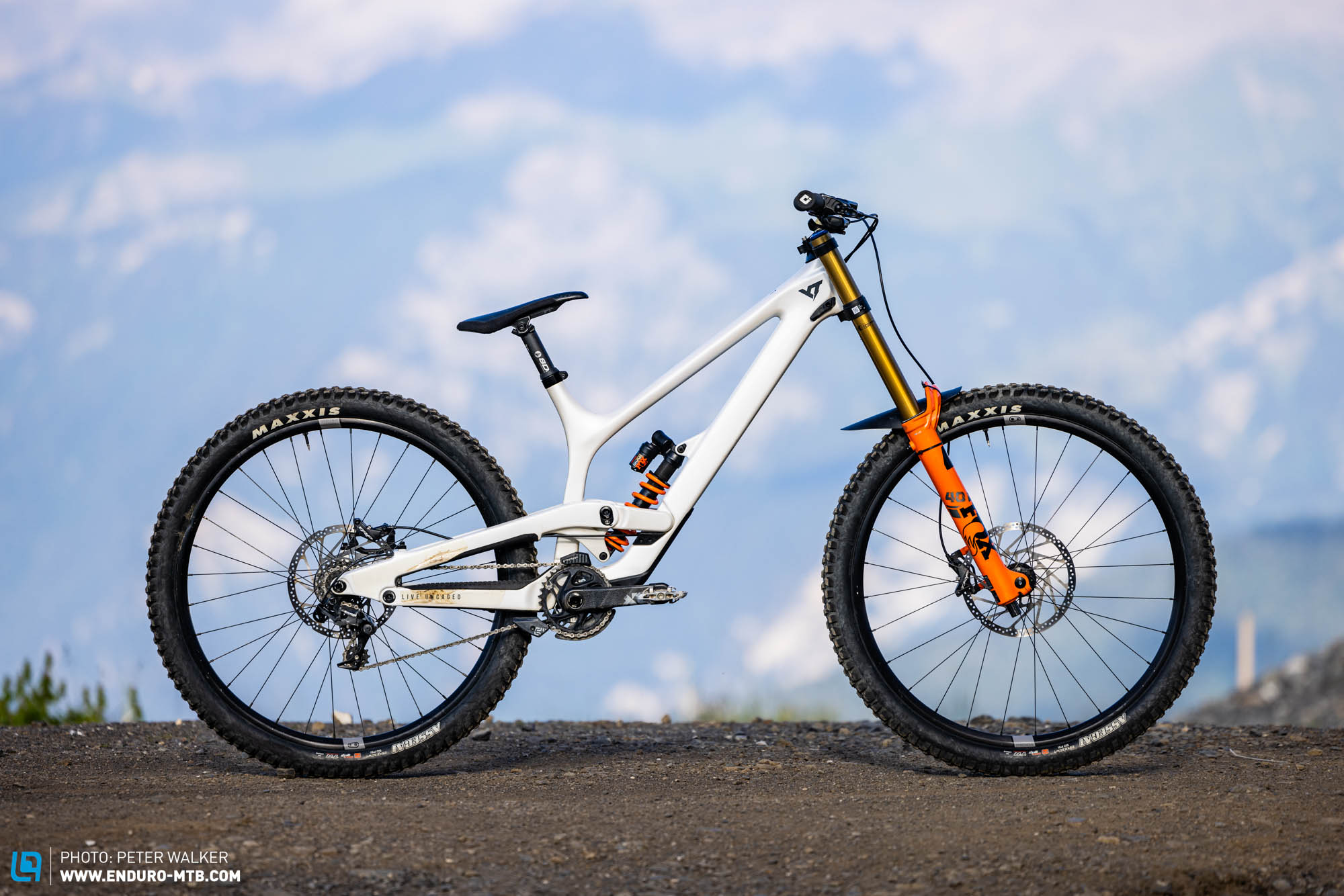
YT TUES MK4 – In our 2025 downhill comparison test
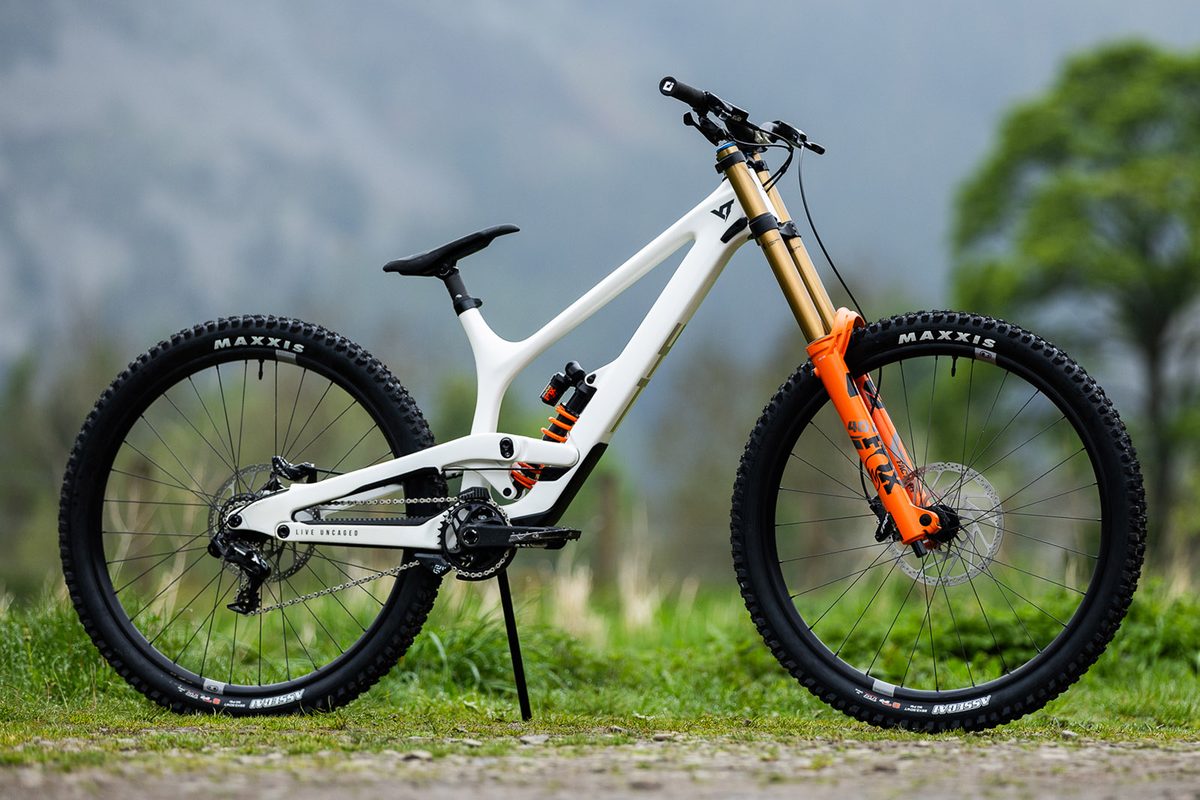
YT Tues Core 4 review
First Look Review : Pete's YT Industries Tues Core 4.
New 2025 YT Tues on test
first ride impressions: yt industries' new tues mk4
First Ride: YT Tues MK4 Downhill Bike
FIRST RIDE - YT's New TUES MK4 DH Bike
Compared to.
Most-viewed comparisons.