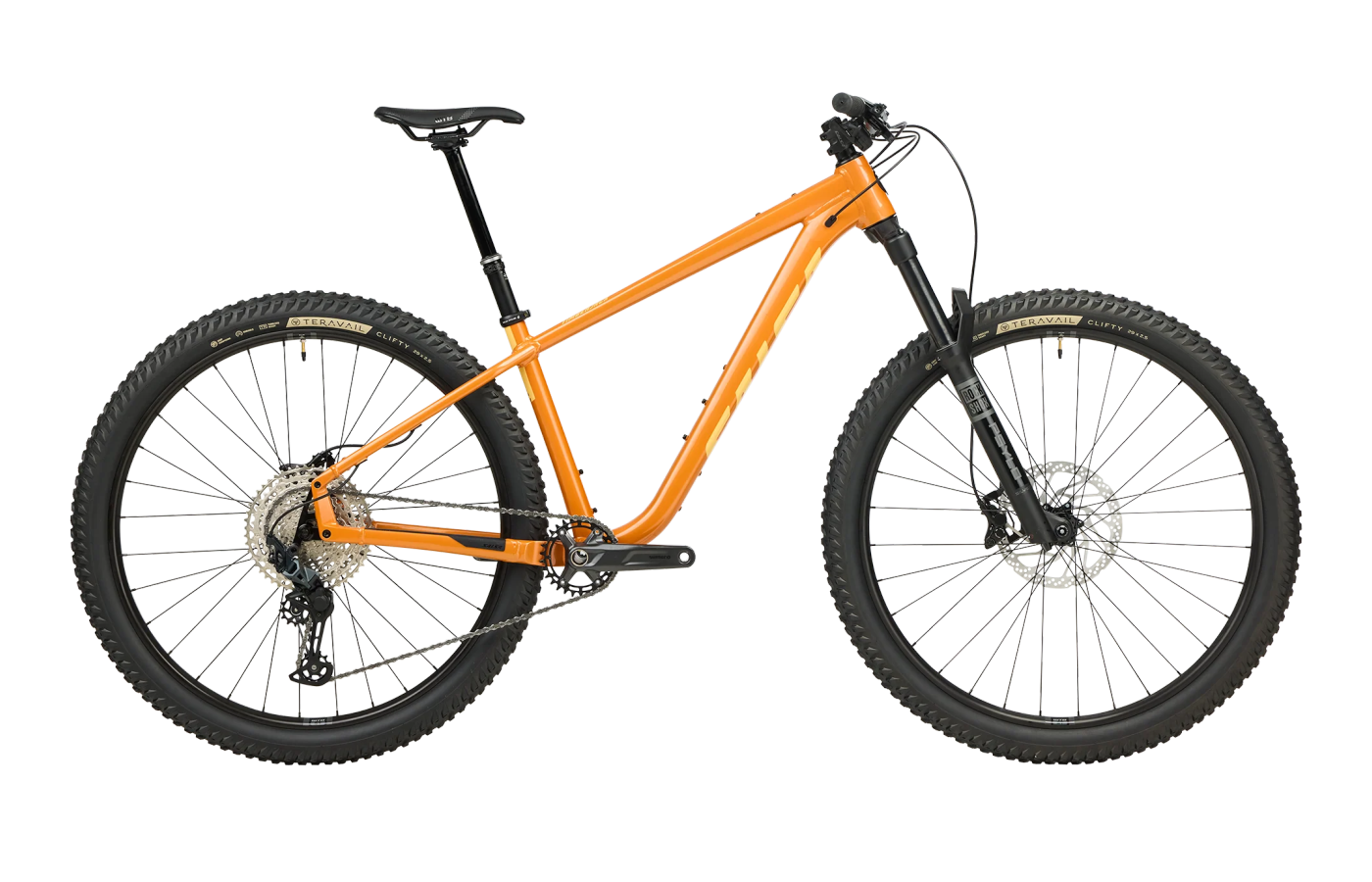
Salsa’s second-generation Timberjack is an aluminum trail hardtail designed to balance aggressive singletrack capability with multi-day bikepacking utility. Introduced for the 2021 model year, the V2 frame marks a deliberate shift toward modern trail norms, moving away from its more conservative predecessor. It is built around a longer, slacker front end and a steeper seated position, making it highly capable on steep descents while maintaining pedaling efficiency.
The frame is highly adaptable, accommodating either 29-inch or 27.5-plus wheels and tires. It features adjustable dropouts to tune the wheelbase, extensive cargo capacity including top-tube and downtube mounts, and clearance for long-travel dropper posts. Rated for suspension forks up to 150 millimeters, the Timberjack V2 is positioned for riders who want a durable, versatile platform that can handle loaded backcountry routes just as easily as fast, technical trail rides.
Where to get it.
No retailers stocking size Medium.
No retailers carrying size Medium right now.
Spec sheet.
Every component shipped with this build.
Geometry & fit.
5 sizes published.
The Timberjack V2 utilizes a distinctly modern trail geometry that fundamentally changes how the bike fits and handles compared to earlier iterations. A slacker head tube angle, measuring roughly 66.4 degrees at sag, pushes the front wheel further out. Combined with a significantly longer reach, this creates a spacious cockpit that centers the rider between the wheels, providing stability and control on steep or fast descents.
To maintain climbing efficiency, Salsa steepened the seat tube angle to just over 75 degrees. This places the rider in an upright, forward-biased pedaling posture that keeps the front wheel grounded on steep pitches without feeling cramped.
The frame’s Alternator 2.0 dropouts allow riders to adjust the chainstay length between 420 and 437 millimeters. The shorter setting tucks the rear wheel under the rider for quicker cornering and easier front-end lifts, while the longer setting stretches the wheelbase for improved straight-line stability and loaded climbing. Additionally, a shortened, straight seat tube across all sizes maximizes insertion depth, allowing riders to run long-travel dropper posts for better clearance on technical terrain.
Where the handlebar sits relative to the bottom bracket — the single most important fit pair.
01Fit geometry6 values
02Component geometry3 values
03Handling geometry6 values
Which size should I buy?
Slide your height to see the recommended size. GearWise's fit algorithm works from the published stack, reach, and ETT — the brand's own recommendation may differ.
→Calculated from GearWise's own stack / reach / ETT algorithm — the brand's size chart may recommend a different size, and a proper bike fit beats any calculator.
The lineup.
6 builds, ranging $1,365 – $2,200.
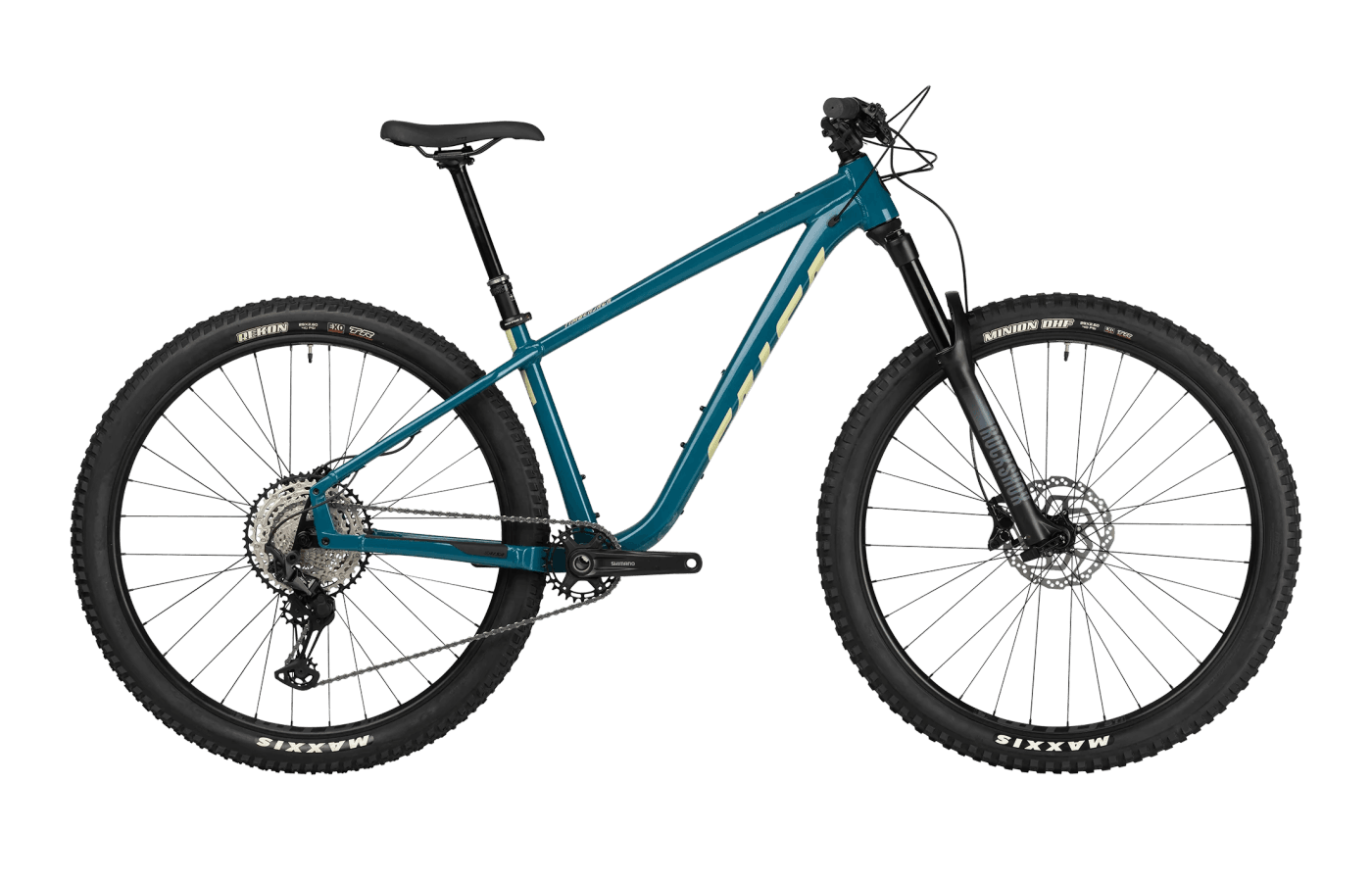
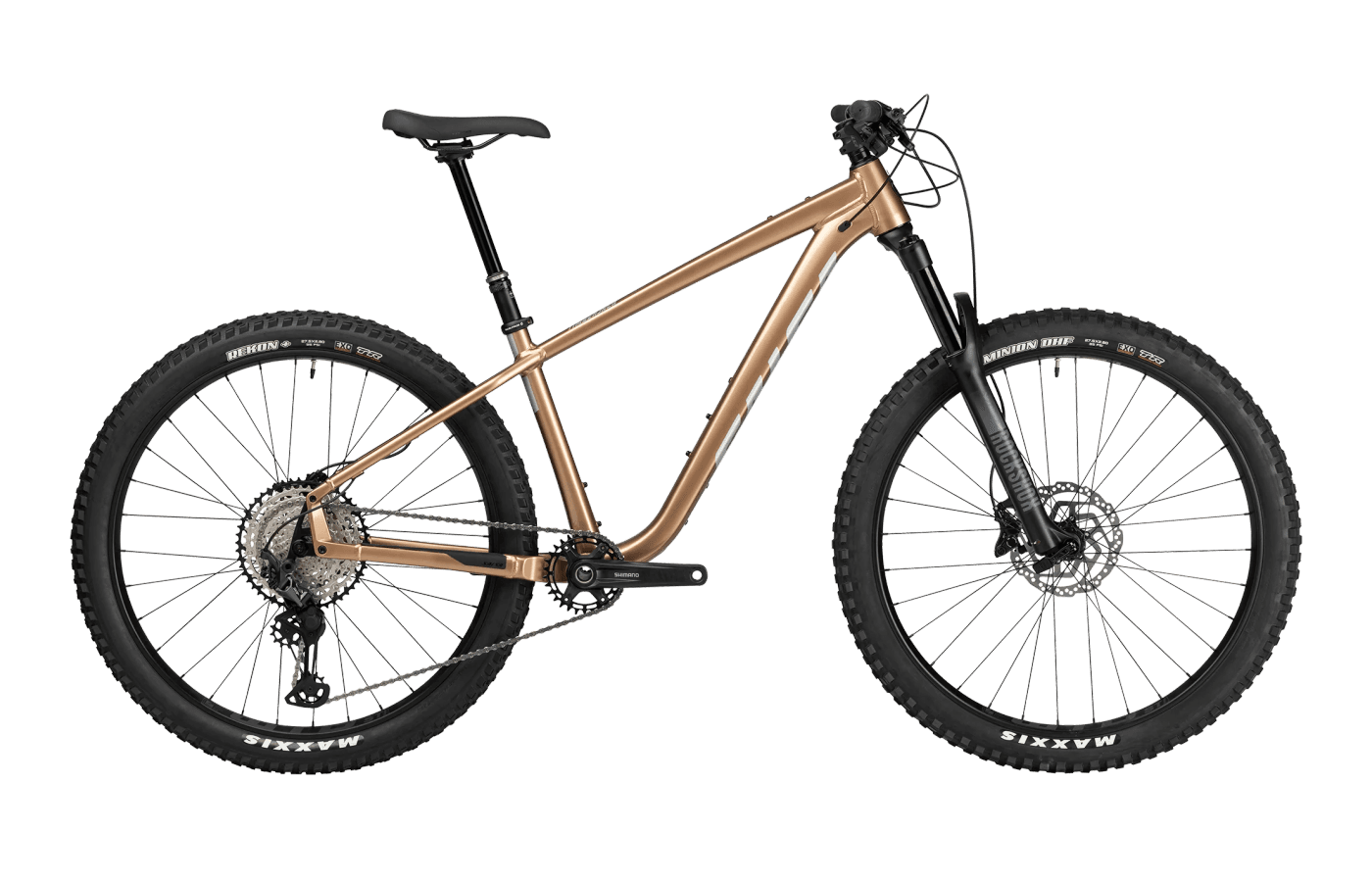
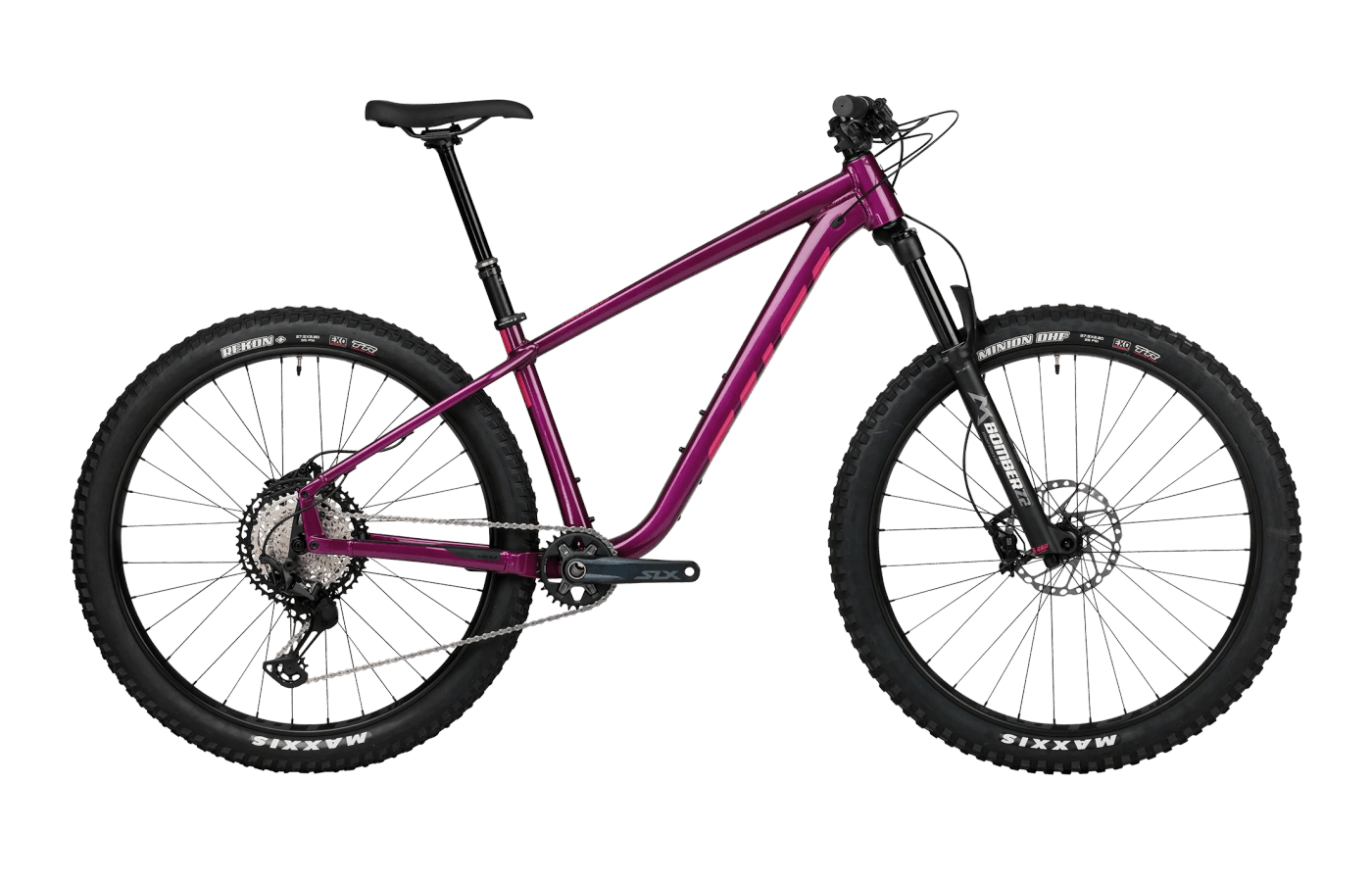
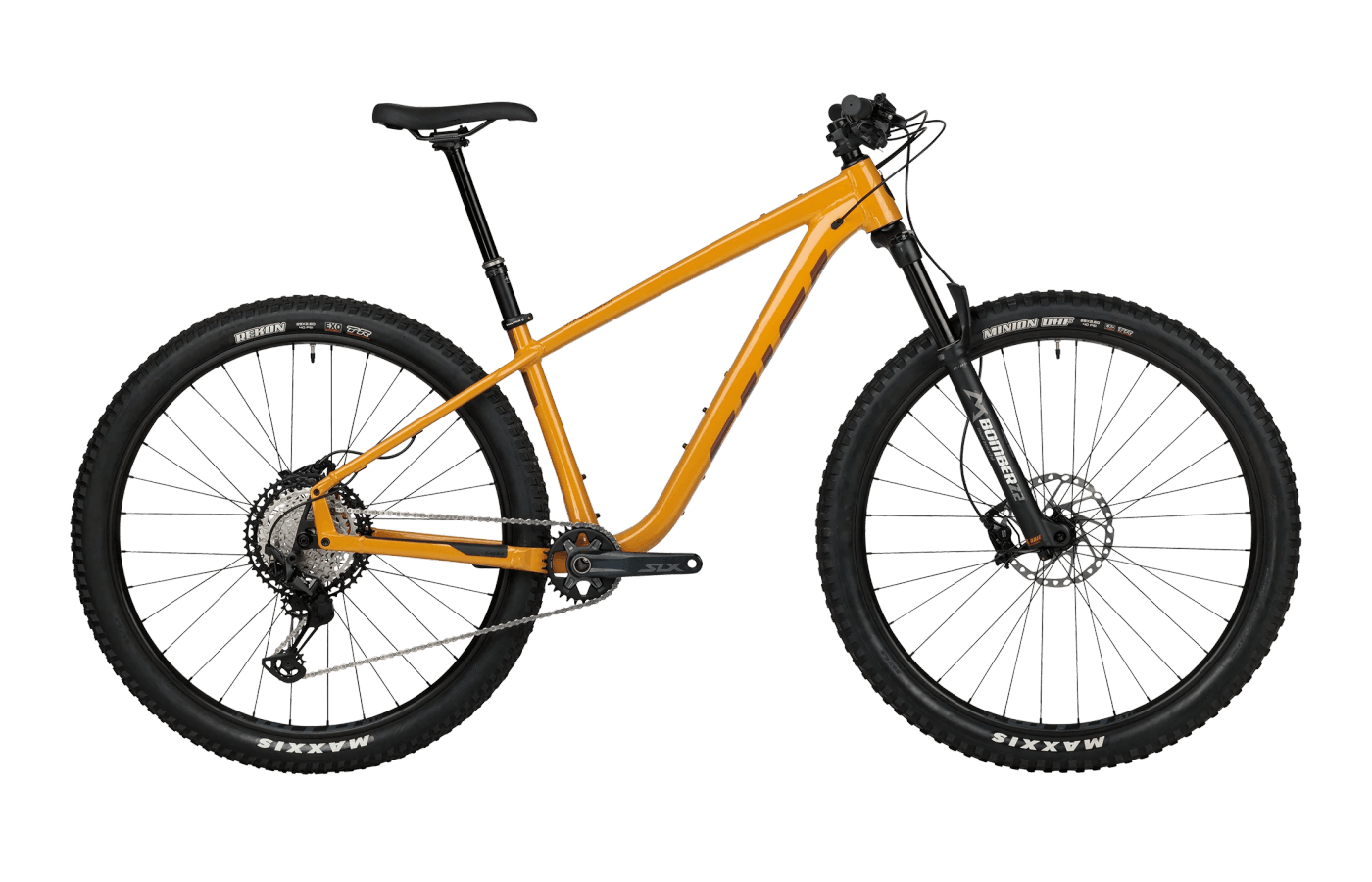
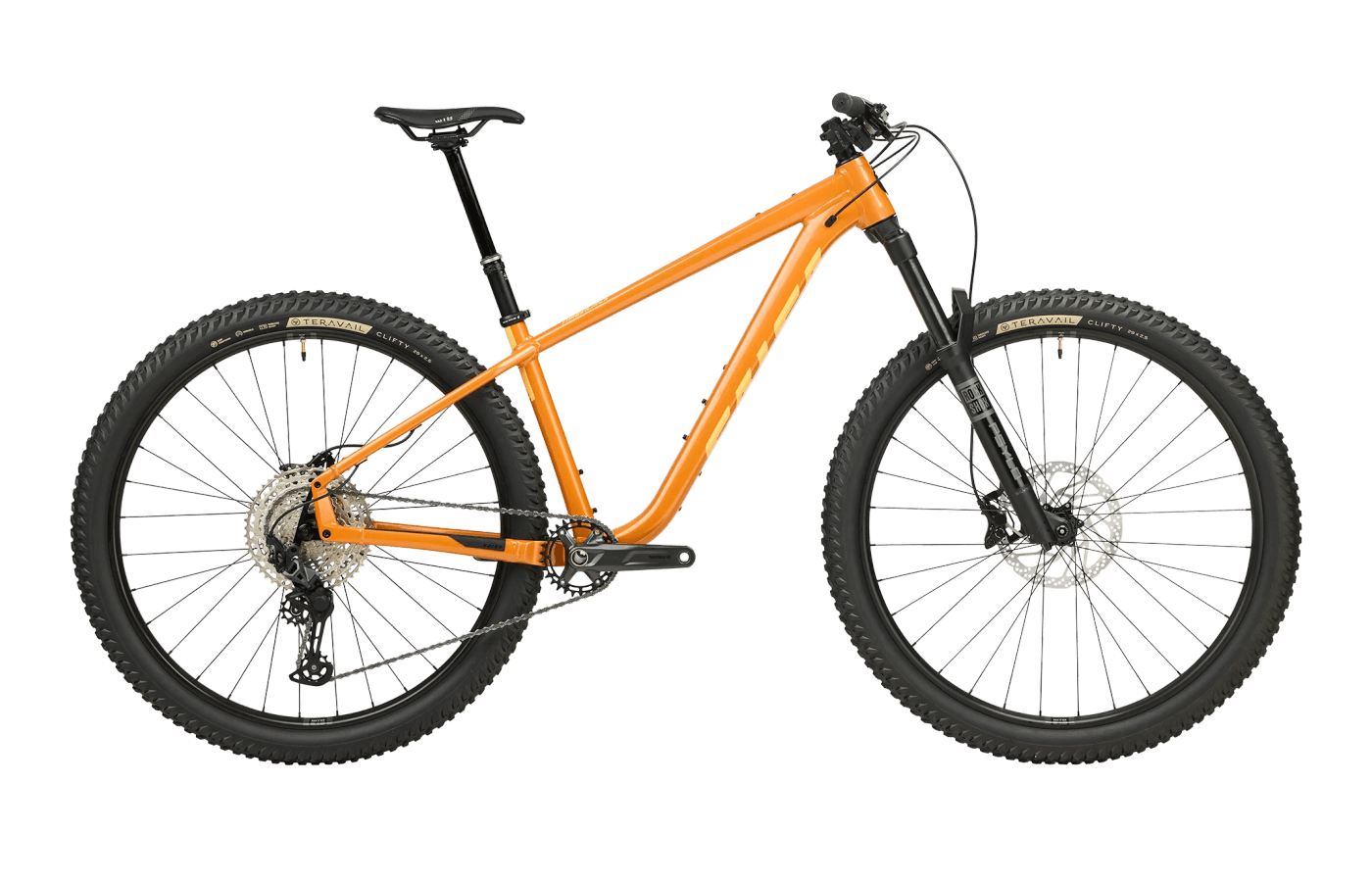
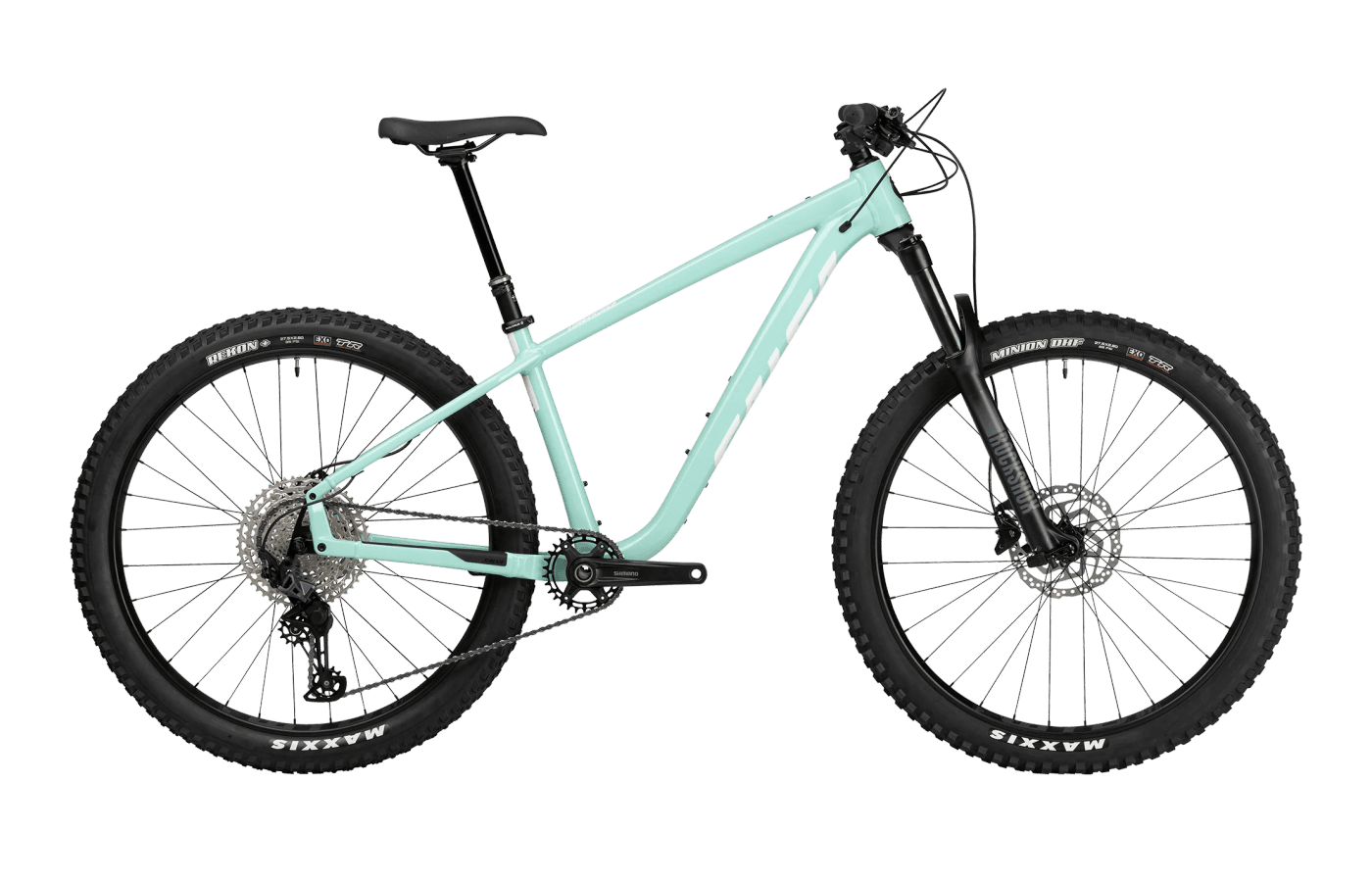
The Timberjack V2 lineup is split across six primary builds, offering identical component tiers in either 29-inch or 27.5-plus wheel configurations. Every model features a 12-speed drivetrain, a dropper post, and a Maxxis Minion DHF and Rekon tire combination, ensuring a consistent baseline of trail capability regardless of price.
The entry-level SLX and mid-tier XT builds utilize RockShox 35 Silver and Gold forks, respectively. While these forks feature stout 35-millimeter stanchions that match the frame's aggressive intent, their basic dampers can struggle to absorb rapid, successive hits on rough terrain. The XT builds also upgrade the brakes to Shimano four-piston calipers, offering a material improvement in stopping power over the two-piston brakes found on the SLX models.
The standout value in the range is the XT Z2 build. For a modest price increase over the standard XT model, it replaces the RockShox fork with a Marzocchi Bomber Z2 and upgrades the crankset and brakes to Shimano SLX components. This package directly addresses the suspension limitations noted on the lower tiers, providing a much more refined and capable front end that fully supports the frame's aggressive geometry.
From the press.
8 reviews from the cycling press.
Reviewers consistently praise the Timberjack V2 for its engaging handling and versatility, noting that the updated geometry makes it highly capable at speed. On descents, the bike feels stable and eager, with riders noting its ability to "charge down steep descents and carve through corners" (Bikepacking). At lower speeds, it remains balanced and precise, avoiding the sluggish steering that can sometimes plague slack hardtails.
The adjustable chainstays are frequently highlighted as a major asset. In the shorter setting, reviewers enjoyed a "fun flickable feeling to the back end" (Singletrackworld) that makes the bike eager to change direction in tight terrain. Conversely, the longer setting provides welcome stability for loaded climbing and fast, sweeping trails.
The primary tradeoff centers on frame compliance and stock suspension. The robust aluminum frame is notably stiff, which translates power efficiently but can feel harsh on extended, rugged descents. This stiffness is compounded on lower-tier builds by the stock RockShox forks, which reviewers found adequate for moderate trails but easily overwhelmed by larger impacts. Upgrading the fork is a common recommendation to smooth out the ride, as the frame itself "wants to charge" (YouTube) and easily outpaces entry-level suspension components.
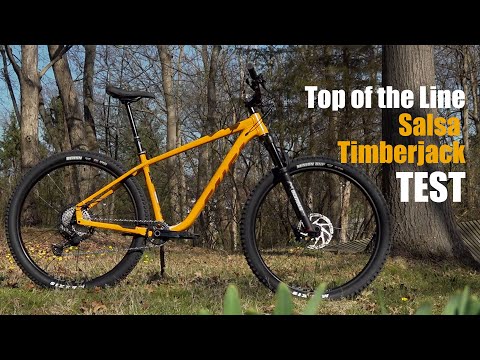
Salsa Timberjack In Depth Test Review
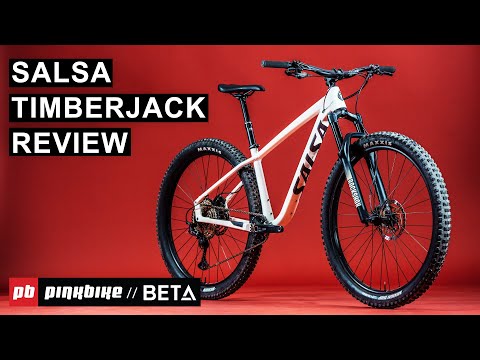
Salsa Timberjack Review: Jack Of All Trades | 2022 Pinkbike Value Field Test
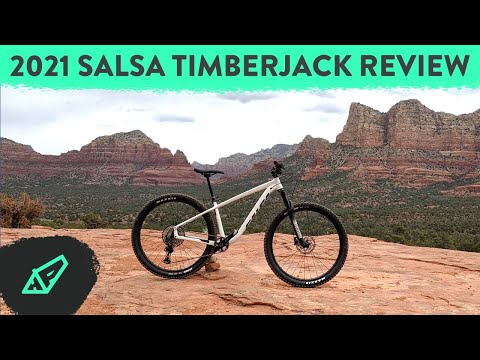
REVIEW: The New 2021 Salsa Timberjack - A Spicier Salsa ...
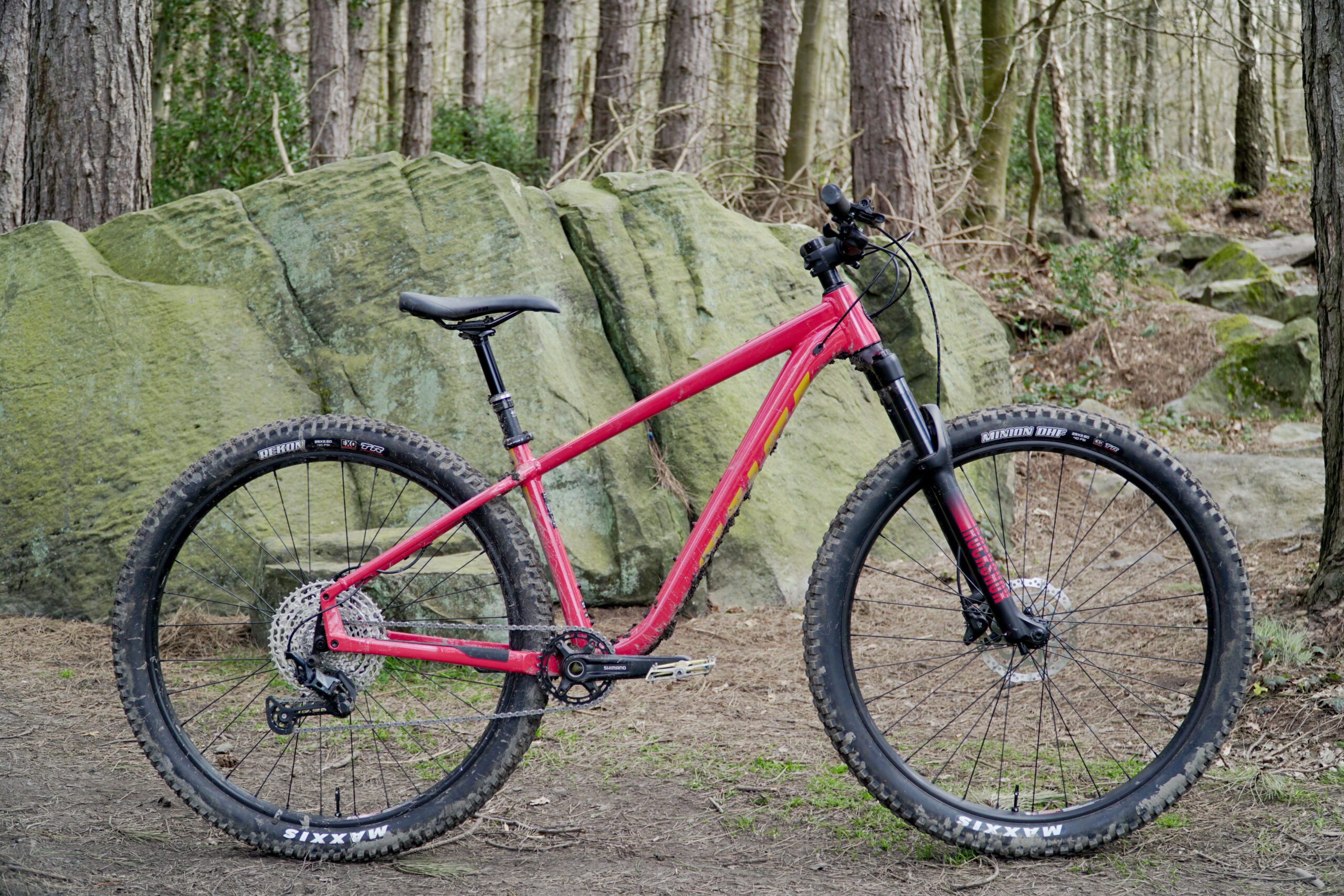
Review: Salsa Timberjack SLX 29 – how will you ride yours?
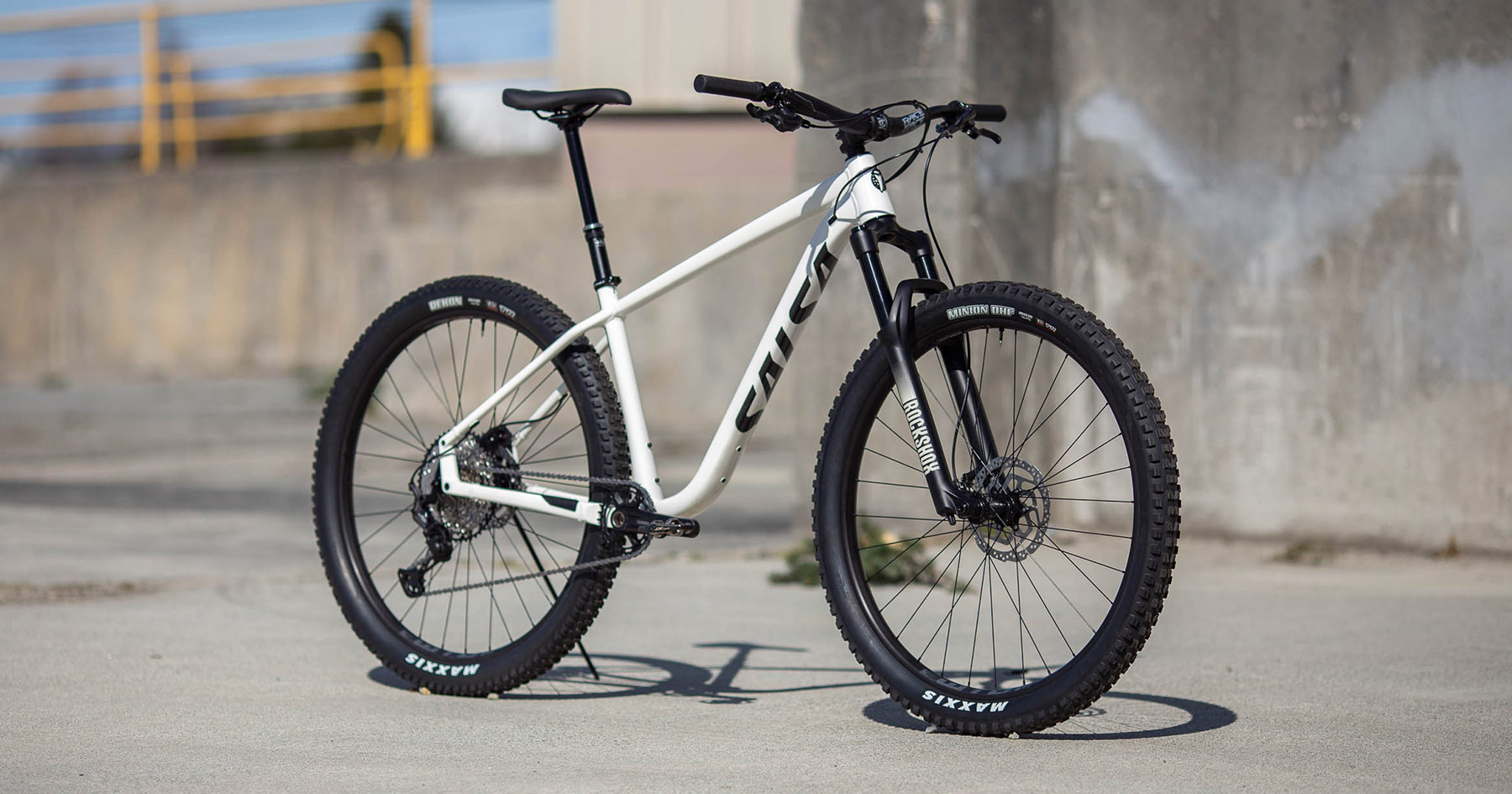
2021 Salsa Timberjack Review: Perfecting the Hardtail
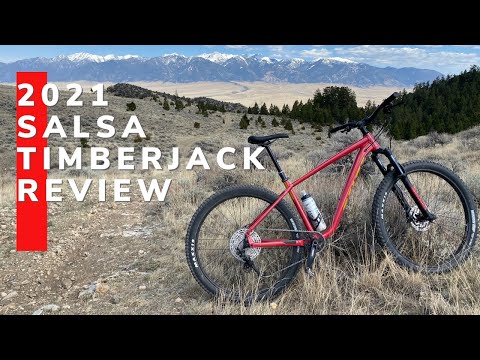
2021 Salsa Timberjack Review | SLX 29 | Hardtail MTB
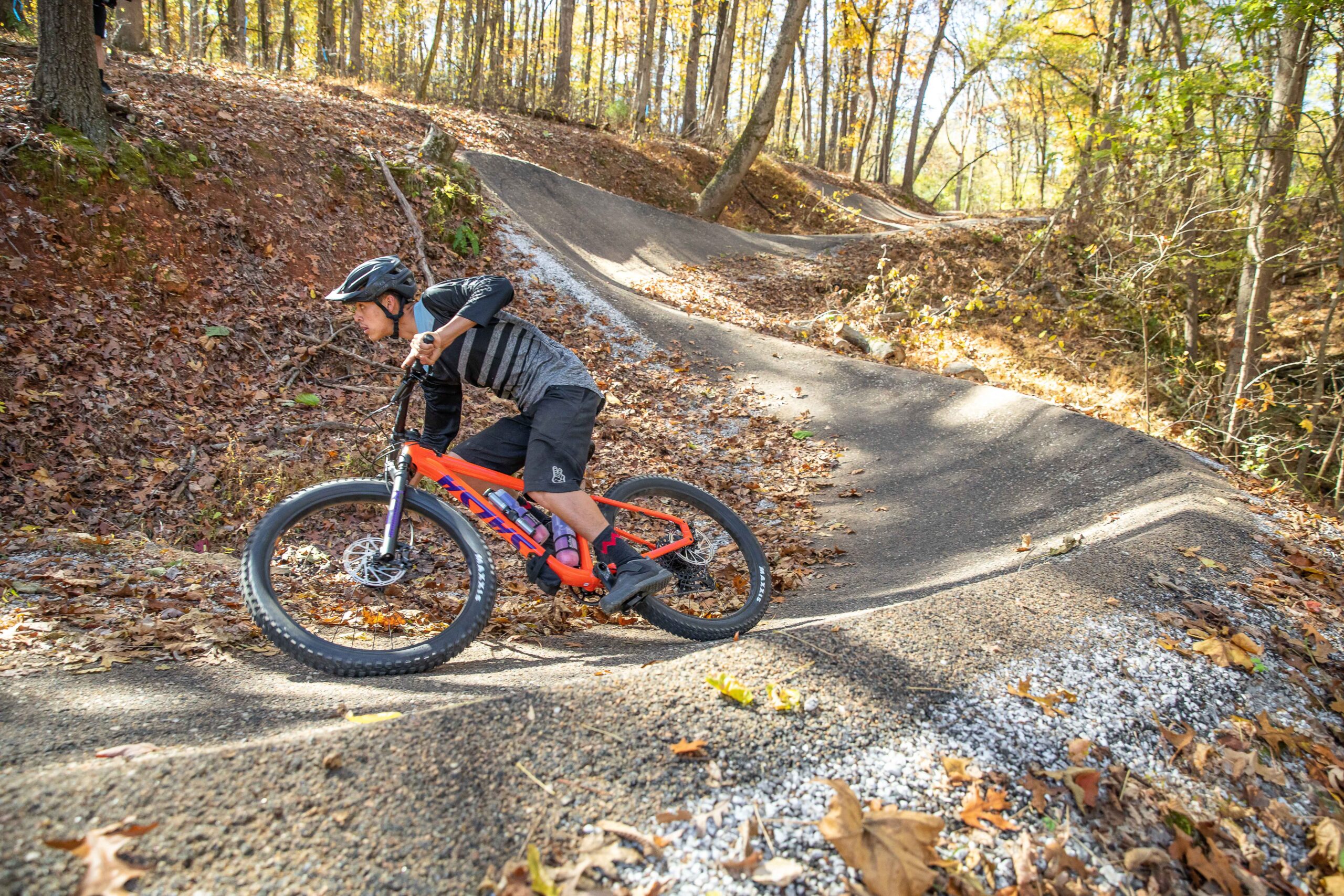
Salsa 2021 Timberjack
Compared to.
Most-viewed comparisons.
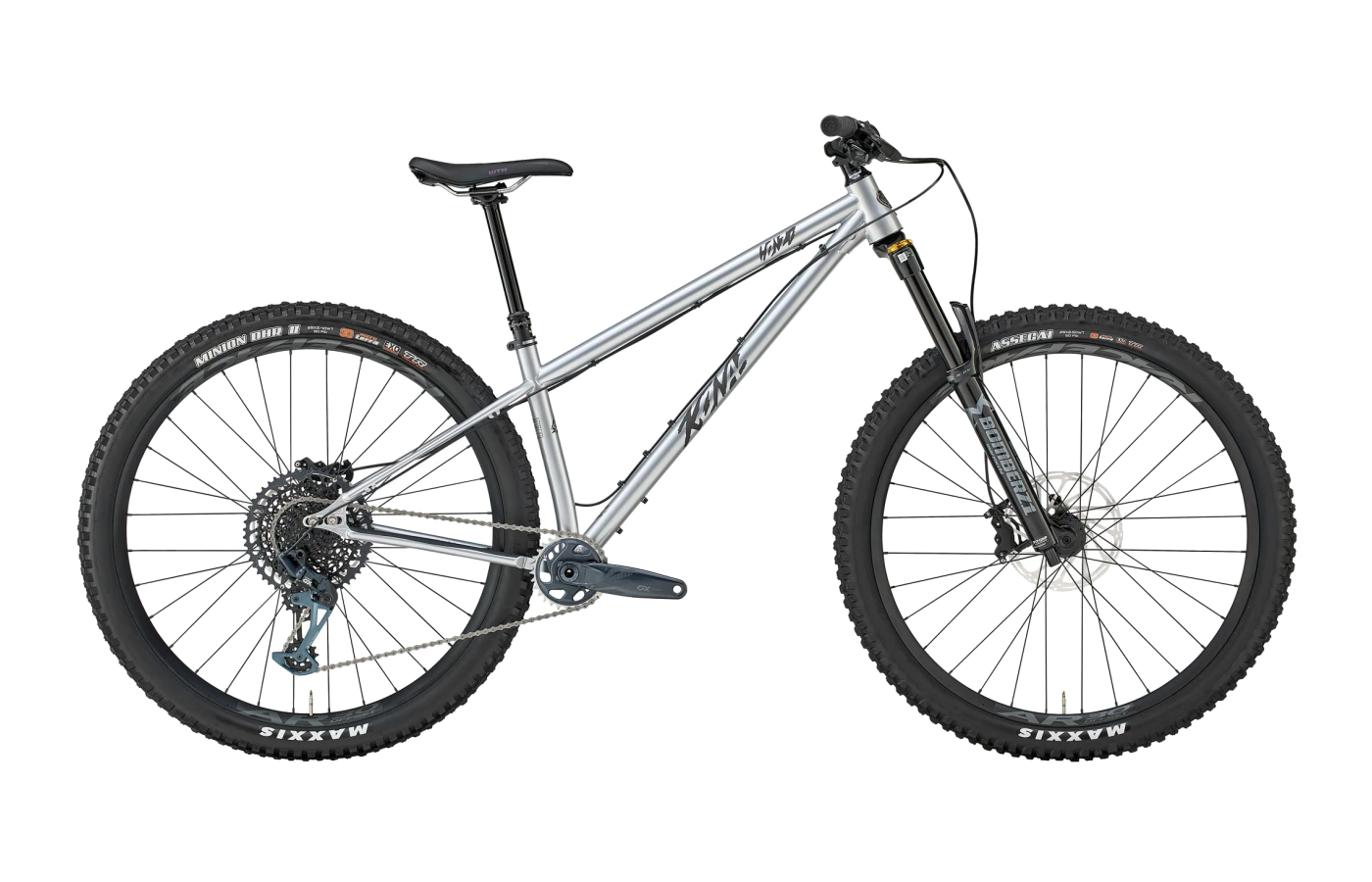
Kona Honzo vs Salsa Timberjack
Read comparison→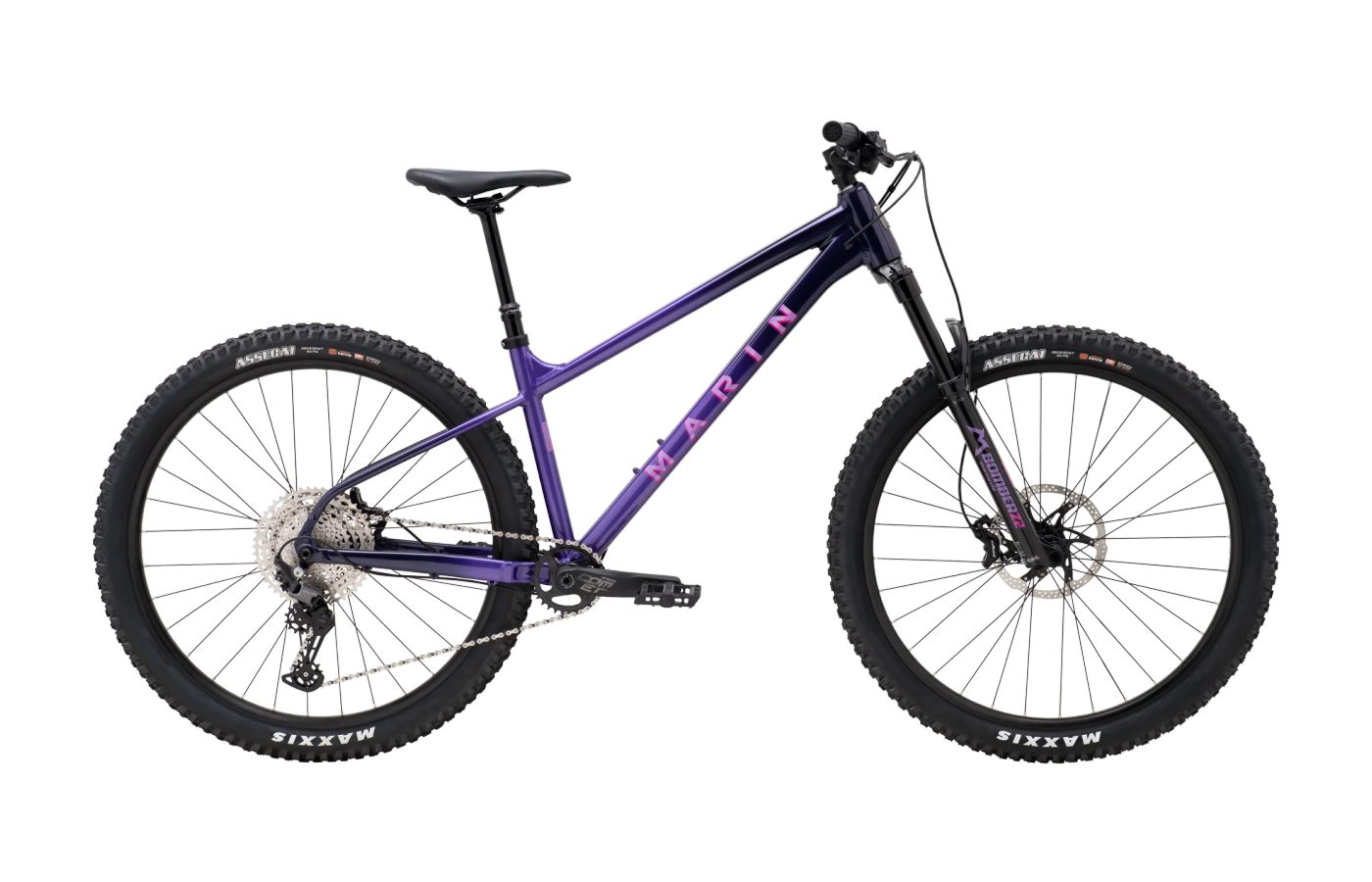
Marin San Quentin vs Salsa Timberjack
Read comparison→
Salsa Cutthroat vs Timberjack
Read comparison→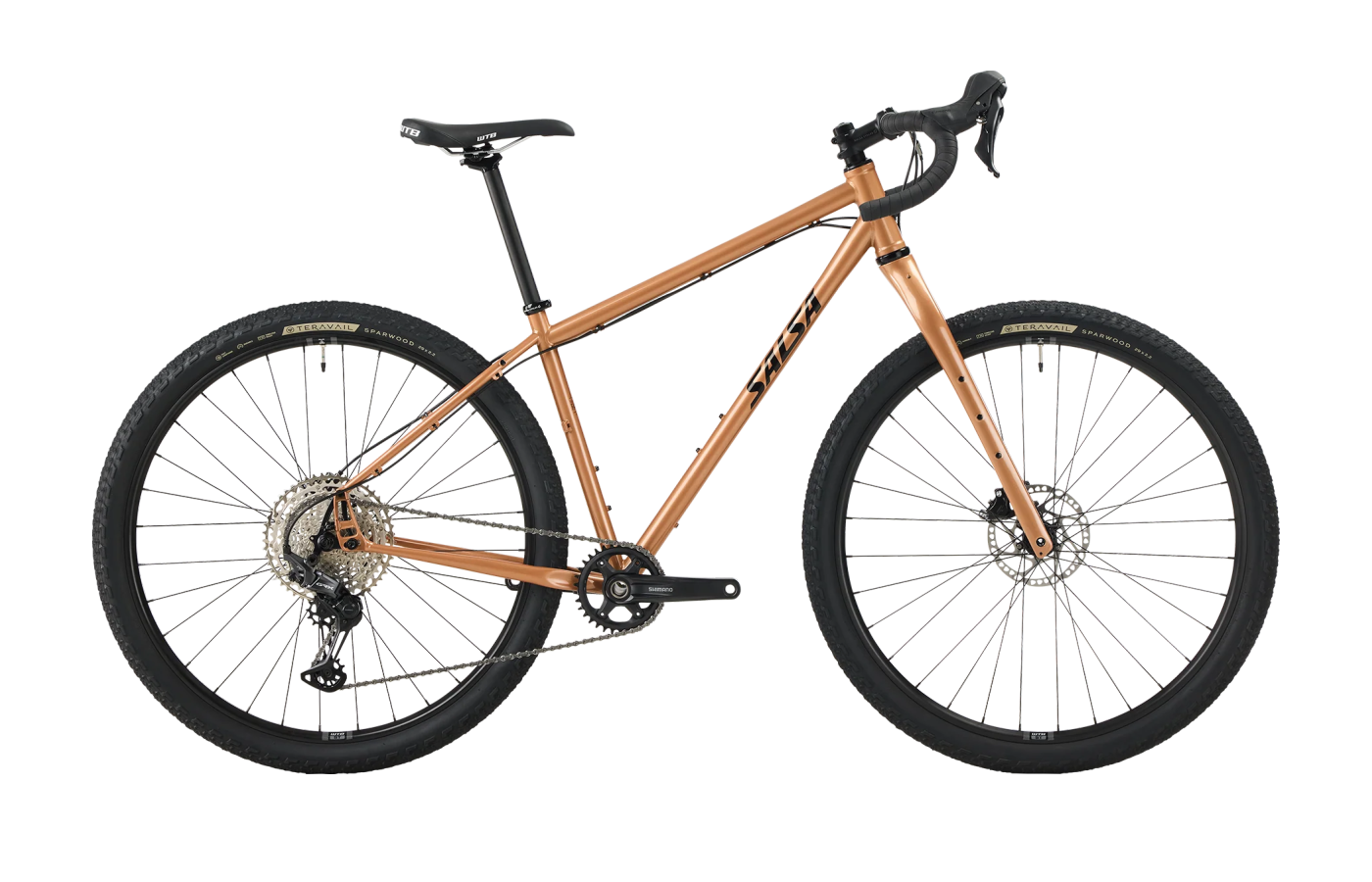
Salsa Fargo vs Timberjack
Read comparison→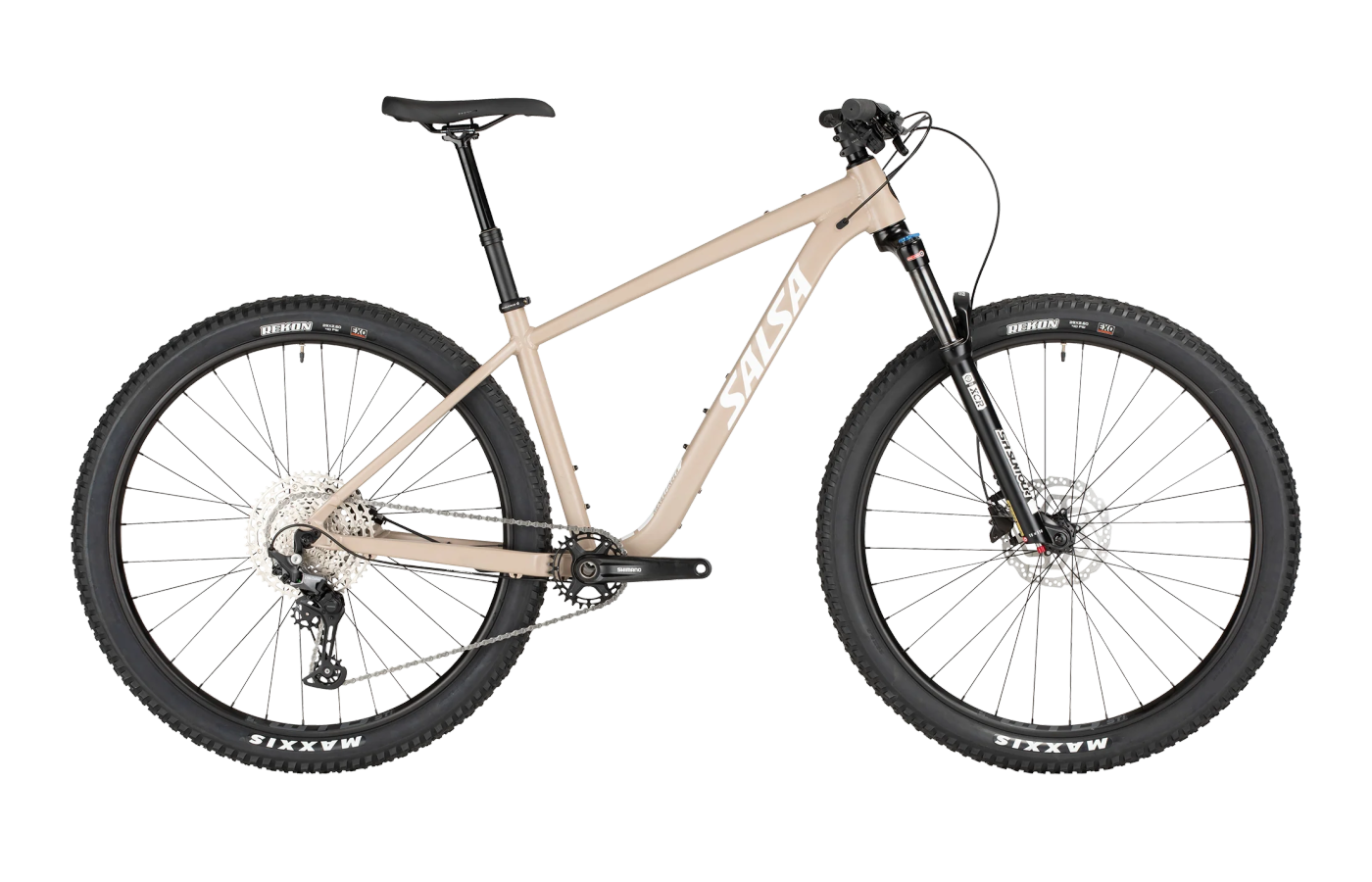
Salsa Rangefinder vs Timberjack
Read comparison→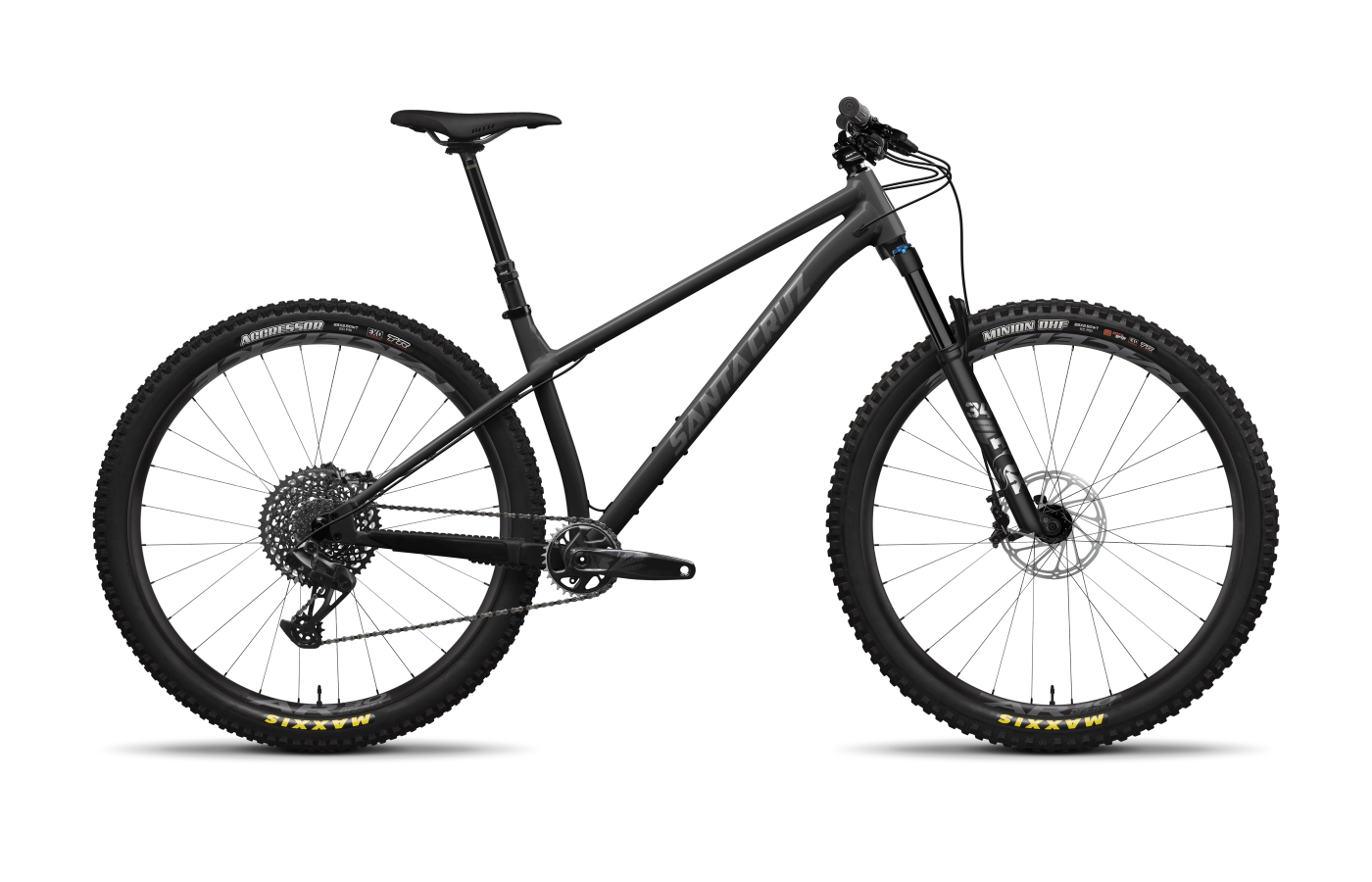
Salsa Timberjack vs Santa Cruz Chameleon
Read comparison→