Spur
vsSB120
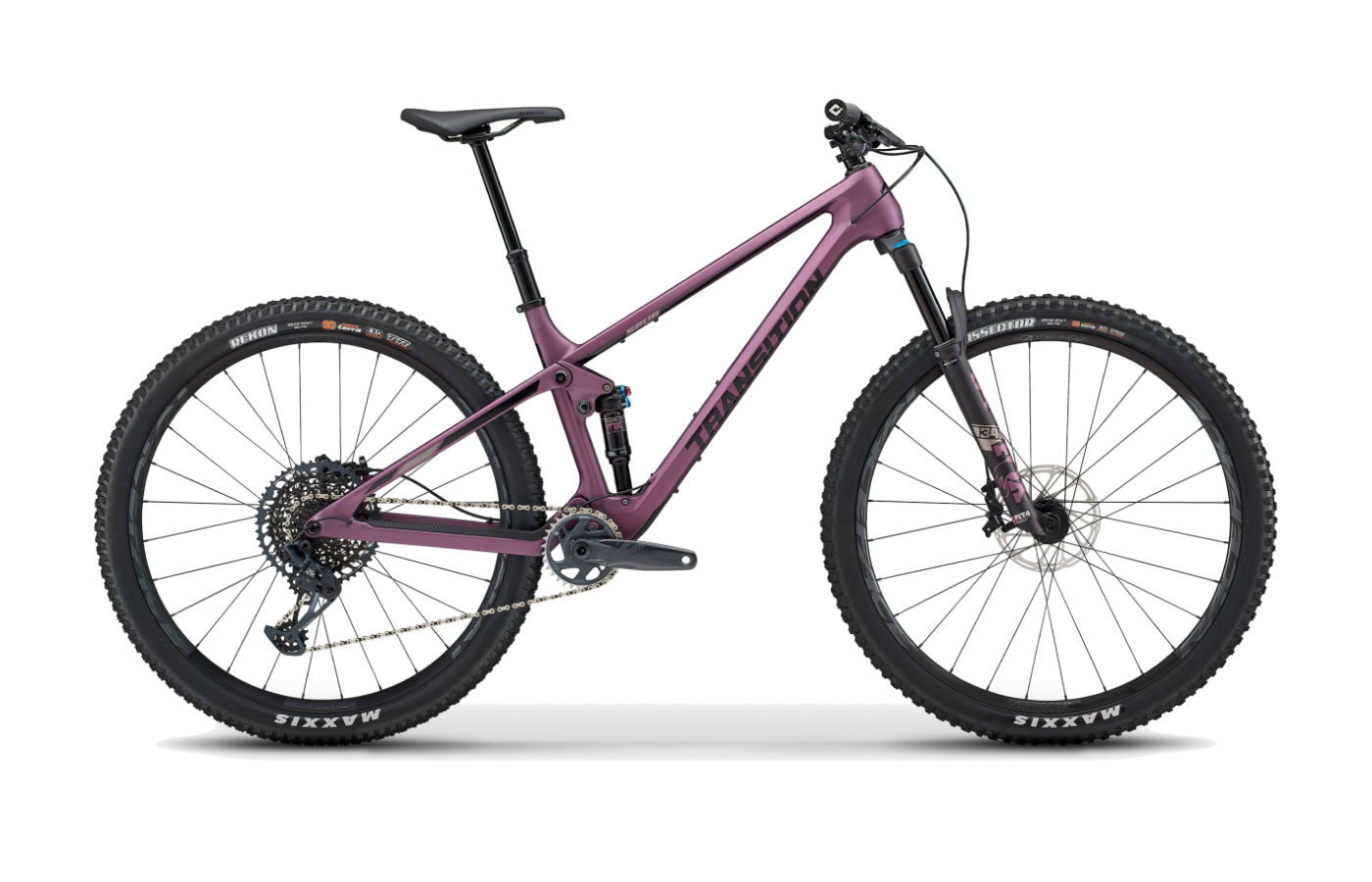
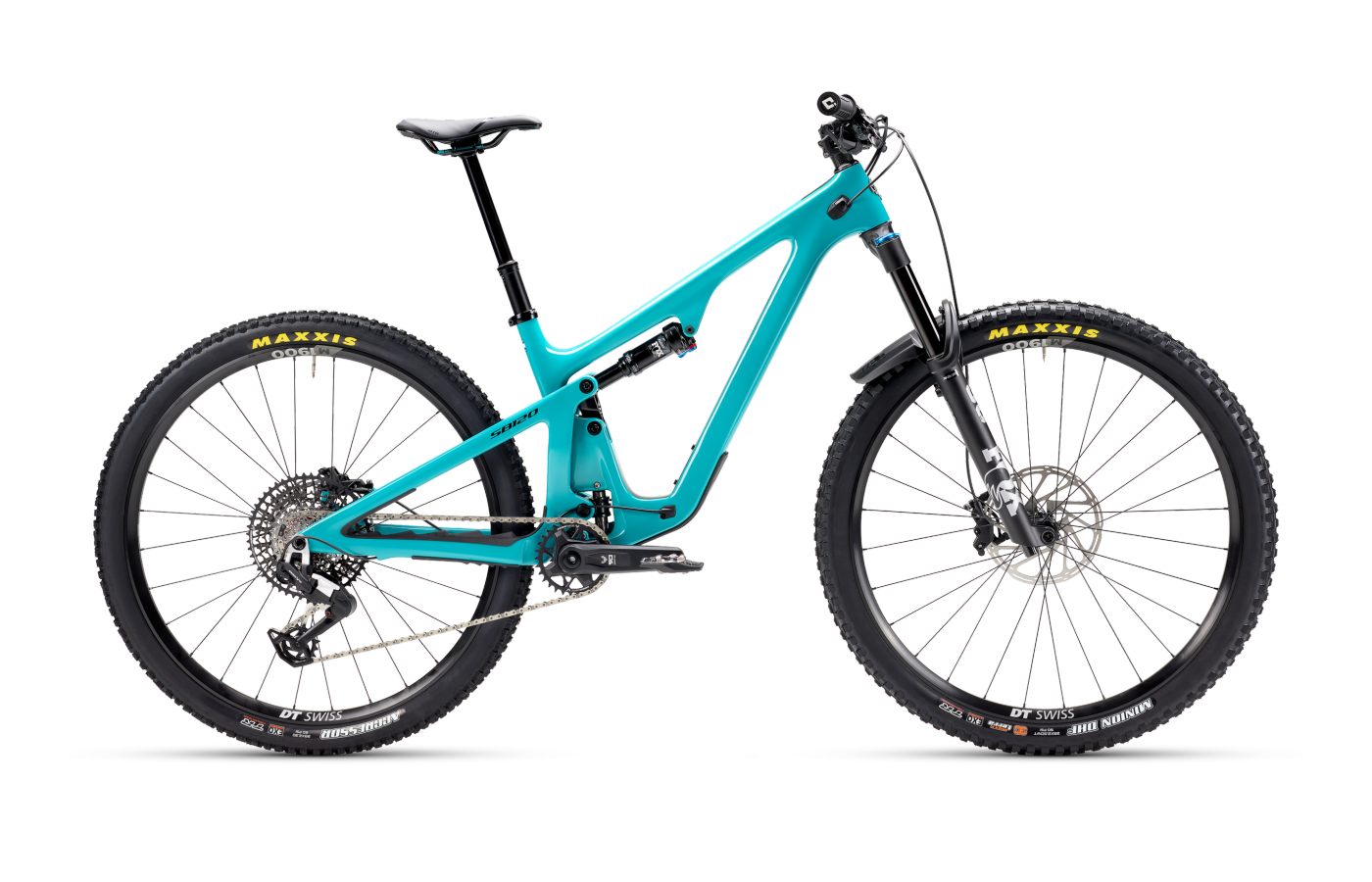
Two takes on 120 mm of rear travel.
The Spur is the lightweight downhiller's XC bike. The SB120 is a refined short-travel trail bike with a 140 mm fork and a heavier, plusher chassis.
Spur
- Genuinely light — 24.5-27.5 lb depending on build, well under the SB120's 29-30 lb.
- Snappy, poppy character — flex-stay GiddyUp rear end carries momentum and rewards an active rider.
- Lower price floor — Carbon Deore build starts at $4,799, well below any SB120.
- 120 mm fork is a real ceiling once descents get steep and rough.
- Heavier or more aggressive riders report frame flex during high-G loads.
SB120
- 140 mm Fox 36 fork — eats square-edge hits and steep chutes the Spur's 34 won't.
- Switch Infinity traction — stays glued on technical climbs and small-bump chatter.
- Size-specific carbon and chainstays — consistent ride feel from XS to XXL, including 433-442 mm chainstays.
- Curb weight of 29-30 lb costs you on long, sustained climbs vs the Spur.
- Premium price floor — every SB120 build starts at $6,000 or more.
Editor’s analysis
Same rear travel, opposite philosophies — one is a Jack Russell, the other an aristocrat.
On a spec sheet, the Transition Spur and Yeti SB120 look like the same bike — 29-inch wheels, 120 mm of rear travel, carbon main triangles, and SRAM Transmission options at every tier. Spend ten minutes on each and the resemblance evaporates. Transition designed the Spur as a 24.5-to-27.5 lb featherweight built around a pivot-less GiddyUp flex-stay rear end, paired with a matched 120 mm fork. Yeti built the SB120 around the Switch Infinity link, gave it a 140 mm Fox 36 fork, and accepted a roughly 29-30 lb curb weight in exchange for a more substantial chassis.
Climb either bike and the personalities show up immediately. The Transition Spur snaps off the line — reviewers consistently call it a 'speed-generating machine,' and the steep 76.2 deg seat tube angle keeps you centered on grunty pitches. The Yeti SB120 is the 'mountain goat' — a touch heavier, but the Switch Infinity stays nearly static under power and the rear wheel hangs onto traction over roots and ledges in a way the Spur's flex-stay can't match. The Spur wins the timed climb; the SB120 wins the ledgy, technical one.
Pointed downhill, the gap closes — and partially flips. The 140 mm fork on the Yeti SB120 buys real composure; reviewers agreed it punches above 120 mm and feels closer to a 130-140 mm trail bike on chunky descents. The Transition Spur stays right with it through flow and pop terrain — it's lighter, more poppy, more willing to hop and jib — but its 120 mm fork is a real ceiling, and several reviewers noted the chassis 'winds up' at high G-loads for heavier or more aggressive riders. Geometry is closer than the brands' marketing suggests: 66 deg head tube angle on the Spur vs 66.2 deg on the Yeti SB120, with reach and wheelbase within a few millimetres at every comparable size.
Put it this way: the Transition Spur is the bike for the ex-XC racer who wants to descend harder than their travel suggests. The Yeti SB120 is the bike for the trail rider who wants a refined, all-day backcountry partner that climbs like a short-travel bike but hits like a mid-travel one.
Where the builds differ.
Comparing our editor's-pick builds side-by-side. Winners highlighted row-by-row — lower price and weight, and the better-spec component, each mark a point.
Build variants & pricing
Both lineups top out around $8-11k, but the Spur opens at $4,799 — almost $1,200 below the cheapest SB120.
Prices are current US MSRP. The Yeti SB120 splits its lineup into TURQ-series (premium carbon, V2 Switch Infinity) and C-Series (lower-grade carbon, V1 hardware) — the C2 and C3 are the value picks, and the T-series builds get the higher-grade chassis.
How they fit, how they steer.
Sized MD vs M for a 5'8" rider, the two are within a few millimetres on every key axis — 455 vs 452 mm reach, 610 vs 617 mm stack, 66 vs 66.2 deg head tube angle. The Spur is 2 mm shorter at the chainstay (435 vs 437 mm); the SB120 sits 7 mm taller in the front end.
Which size should I buy?
Both brands offer five sizes that overlap closely; the SB120 adds an XS (391 mm reach) and XXL (510 mm) at the extremes.
→These are starting points. Flexibility, riding style, and preferred position all shift the answer — if you’re between sizes, a professional fit beats a chart.
What the magazines said.
Published reviews from trusted cycling outlets. Click through for the full write-up.
Which one should you buy?
If you want a featherweight that descends harder than its travel suggests, get the Transition Spur. If you want a refined, all-day trail bike with a 140 mm fork, get the Yeti SB120.
Spur
If you live for long climbs followed by fast, technical descents and you'd rather solve the suspension limit with line choice than travel, the Spur is the lighter, snappier, more affordable answer. It's also the only one of the two with a sub-$5k entry build.
SB120
If you want one bike for backcountry epics, technical climbs, and chunky descents — and the 140 mm fork up front matters more than two pounds on the scale — the SB120 is the more composed, more refined platform. Switch Infinity is more complex but rewards riders who want traction and ride quality over gram-counting.
Questions buyers actually ask.
Short answers to the things we get emailed about most often.
01Same rear travel — why does the SB120 feel like a bigger bike?
Two reasons. First, the 140 mm Fox 36 fork on every modern SB120 build vs the Spur's 120 mm Fox 34 — that's both more travel and a stiffer chassis up front. Second, the SB120 weighs roughly 29-30 lb in mid-tier builds vs 24.5-27.5 lb for the Spur, and that mass plus the Switch Infinity rear end damps high-frequency hits in a way the Spur's lighter, more active flex-stay does not.
Reviewers consistently said the SB120 'punches above 120 mm' and feels more like a 130-140 mm trail bike. The Spur stays composed through chatter but its fork becomes the limit on steep, rough descents.
02Which one climbs faster?
The Transition Spur, on most climbs. It's roughly 3-5 lb lighter than a comparable SB120 build, and reviewers consistently described it as a 'speed-generating machine' that snaps off the line. The 76.2 deg seat tube angle and lightweight carbon chassis make it the clear winner on long, sustained climbs.
The Yeti SB120 climbs differently — slower in raw terms, but its Switch Infinity rear end stays glued to roots and ledges in a way the Spur's flex-stay can't match. On a technical, ledgy climb where traction matters more than wattage, the SB120 often gets up cleaner.
03How different is the geometry, really?
Closer than the brands' marketing suggests. At the fit-picked sizes for a 5'8" rider — MD on the Spur, M on the SB120 — reach is 455 vs 452 mm, stack is 610 vs 617 mm, and head tube angle is 66 vs 66.2 deg. Chainstays are within 2 mm (435 vs 437 mm) and seat tube angle is essentially identical (76.2 deg both).
The SB120 sits about 7 mm taller in the front end, which is partly the 140 mm fork. Beyond that, both platforms are firmly in the 'modern short-travel trail' geometry box.
04What's the deal with the Switch Infinity vs flex-stay suspension?
Two very different design philosophies. Yeti's Switch Infinity is a complex linkage with a translating shuttle that changes the instant center mid-stroke — it gives the SB120 high anti-squat at sag (efficient pedaling), then transitions to a more active, plush feel deeper in the travel. It's praised for being 'sentient' but requires regular maintenance: greasing the Kashima sliders every 40-75 hours via external ports.
Transition's GiddyUp is a flex-stay design — there's no rear axle pivot at all. It saves roughly 200 g, removes a wear point, and gives the bike its 'snappy' character, but reviewers note it can feel less planted on technical climbs and 'wind up' under heavy G-loads.
05Which has better stock brakes?
Neither. Both bikes ship with SRAM brakes that reviewers consistently call underpowered for what the chassis can handle. Newer Spur builds at least moved to a 180 mm rear rotor; older builds shipped with 160 mm and would 'cook' on long descents.
If you ride aggressive descents, plan to upgrade to a four-piston setup (Code Stealth, Magura MT5, Hayes Dominion) — both reviews and owner forums treat this as a near-mandatory aftermarket spend on either platform.
06What sizes do they come in?
Transition Spur: four sizes (SM, MD, LG, XL), reach range 425-510 mm.
Yeti SB120: six sizes (XS, S, M, L, XL, XXL), reach range 391-510 mm with size-specific chainstays (433-442 mm) and a size-specific carbon layup tuned to keep the ride feel consistent across the size range.
If you're at the very small or very large end of the spectrum, the Yeti SB120 is the only one that fits.
07What about tire clearance?
The Transition Spur officially clears tires up to 61 mm (2.4") at the rear, and ships with 2.4" Maxxis Dissector / Rekon rubber across builds. The SB120 ships with a more aggressive 2.5" Minion DHF / 2.3" Aggressor combo on every build, signalling Yeti's intent to position it as a trail bike rather than a downcountry one.
Neither bike is the tool for plus-tire experimentation — both are firmly 29 x 2.4-2.5 platforms.
08Which holds resale value better?
Boutique trail bikes from both brands tend to hold value better than big-three mainstream brands. Yeti has a particularly strong used-market reputation and a lifetime warranty on the frame and Switch Infinity link to the original owner, which carries through paperwork and supports stronger resale.
Transition is smaller and the used market is thinner, but well-cared-for Spurs hold value because the model has been a consistent benchmark in its category since 2020. Both depreciate fastest in year one.
Similar bikes
If your priorities don’t map cleanly onto either of these, one of these adjacent bikes probably fits better.
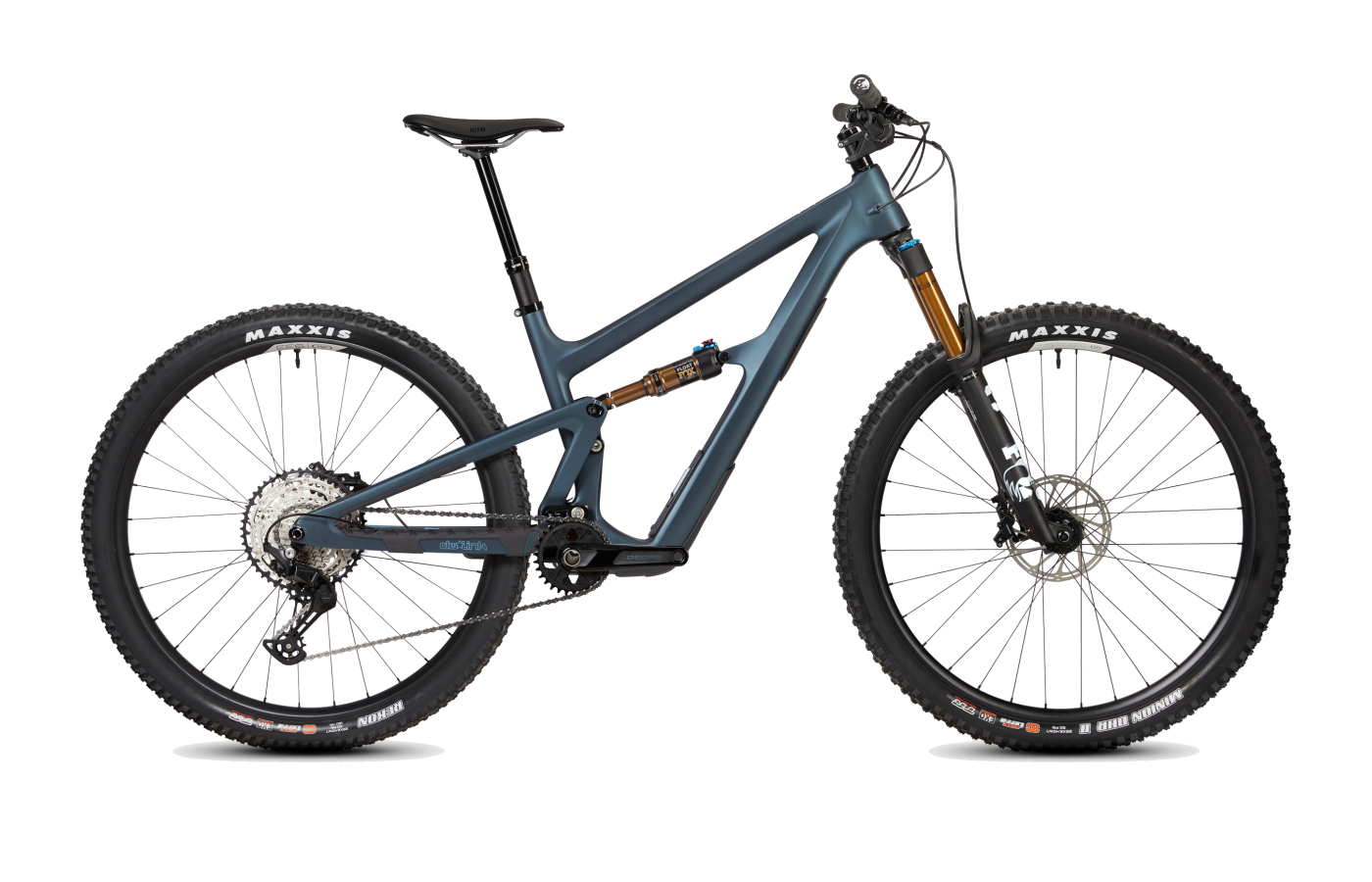
Ripley
The Ibis Ripley is the climbing specialist of the trio — DW-Link suspension stays neutral under power and the lighter, more agile chassis rewards riders who pick lines rather than plow them. The bike to consider if you'd take 'mountain goat' over 'mini-enduro' every time.
Compare →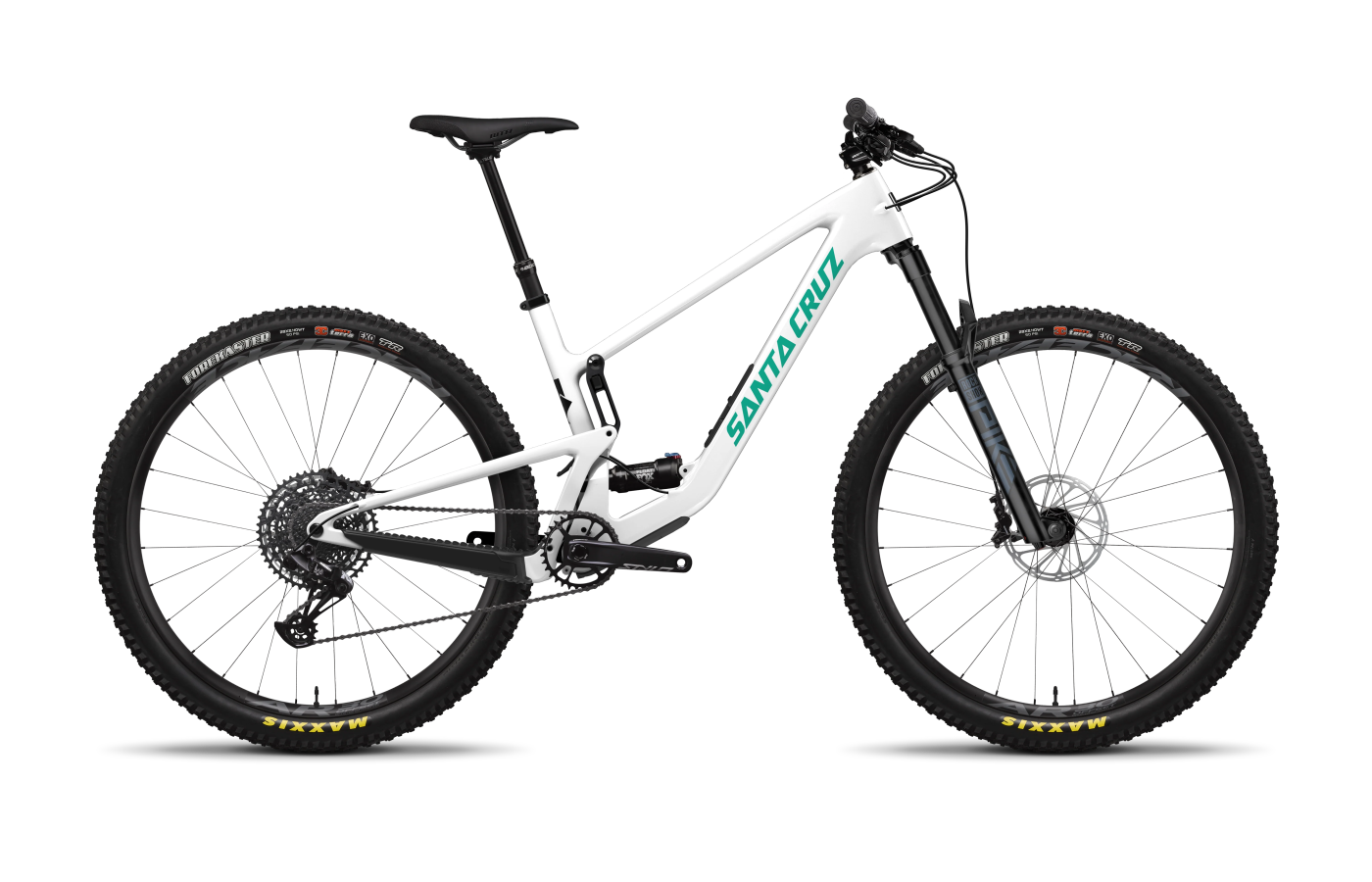
Tallboy
The Santa Cruz Tallboy is the heavier, burlier short-travel option — VPP suspension that feels 'bottomless' on descents and a stiffer chassis built for plowing. Pick this if you want short-travel efficiency on the climbs and near mid-travel composure on the way down.
Compare →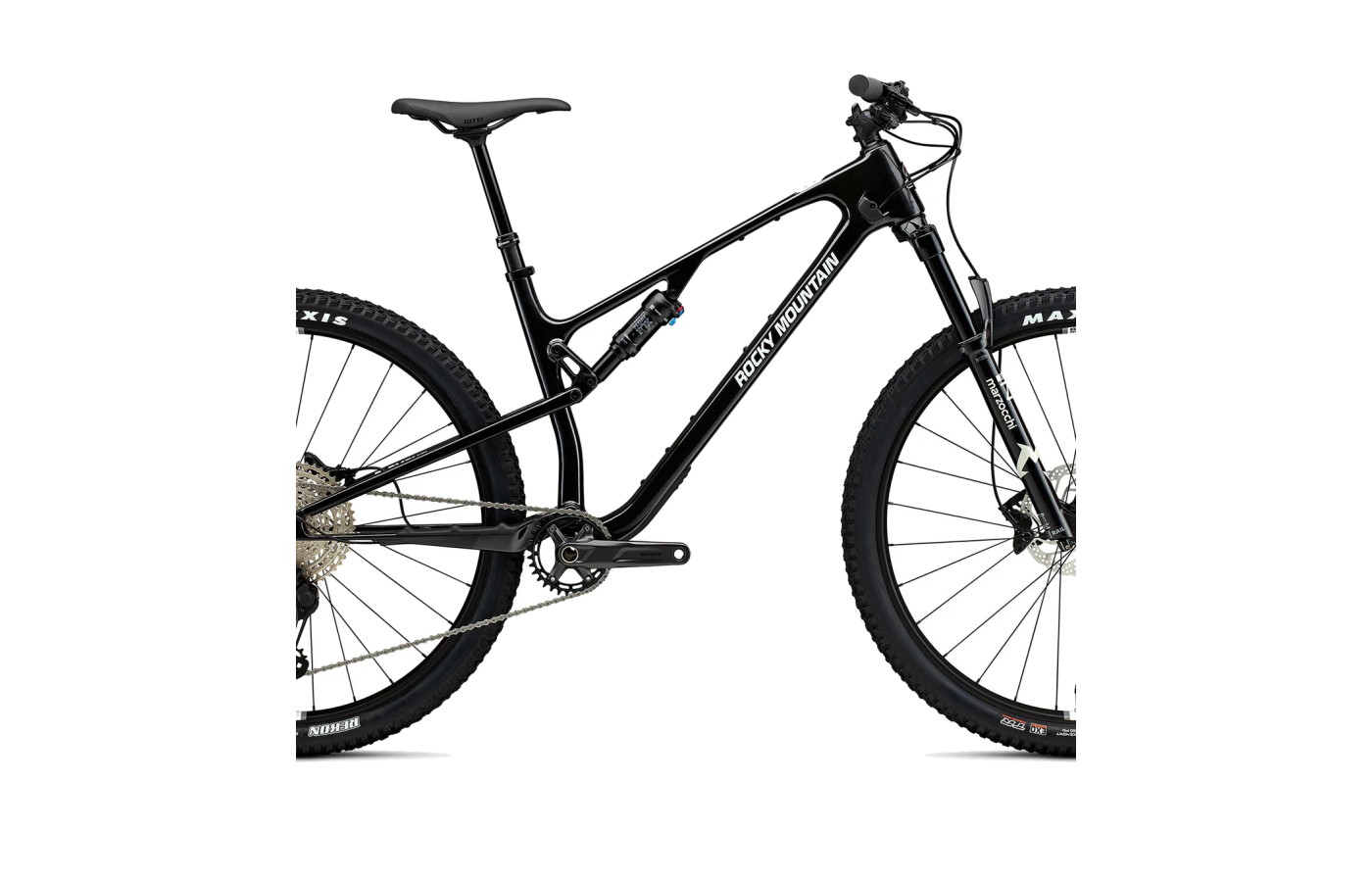
Element
The Rocky Mountain Element is the lightest of the bunch — a true XC-leaning short-travel bike with surprisingly modern geometry. The pick if climbing speed and pedalling efficiency matter more to you than the SB120's chassis composure or the Spur's downhill geometry.
Compare →