Tallboy
vsSB120
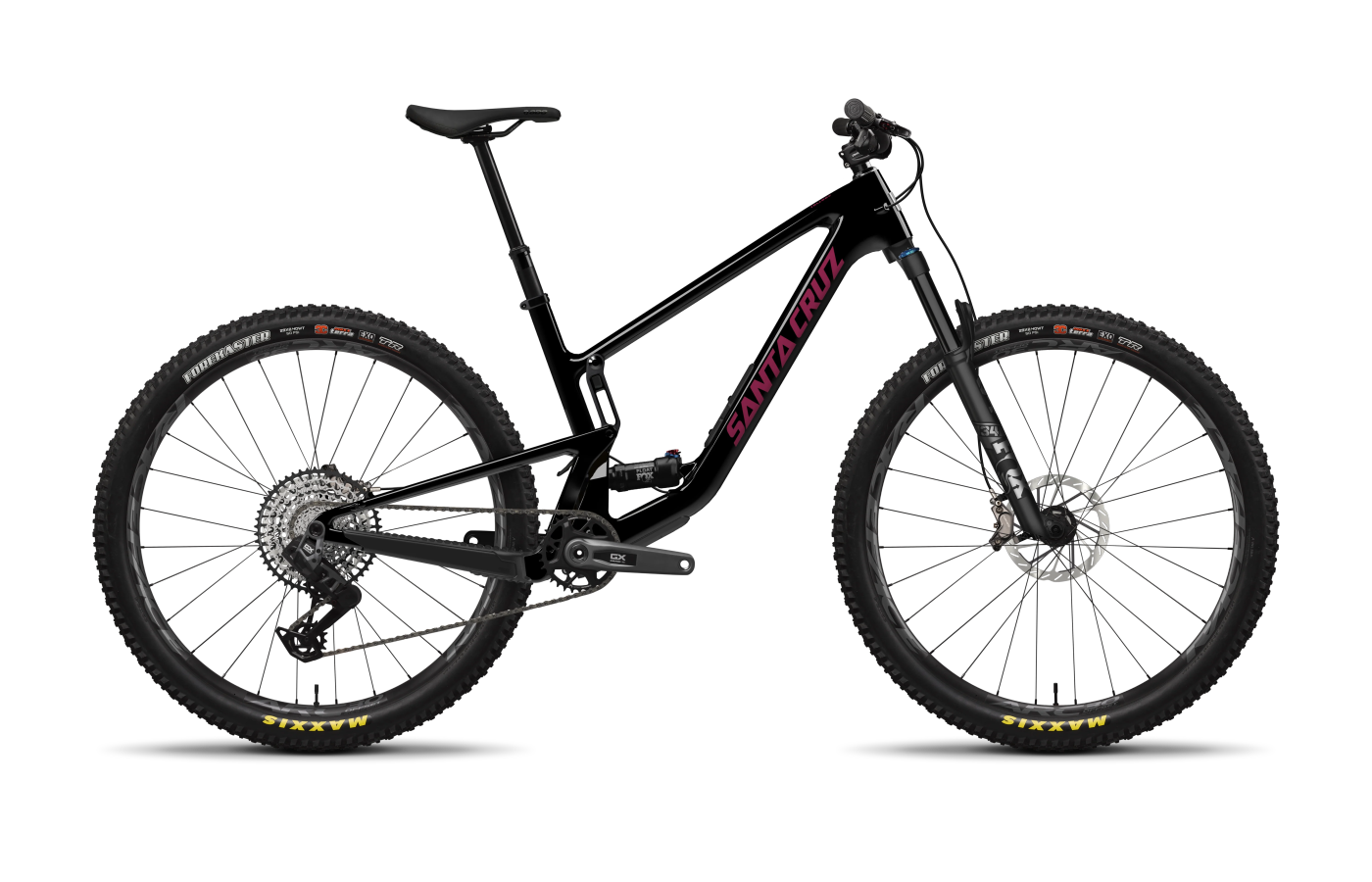
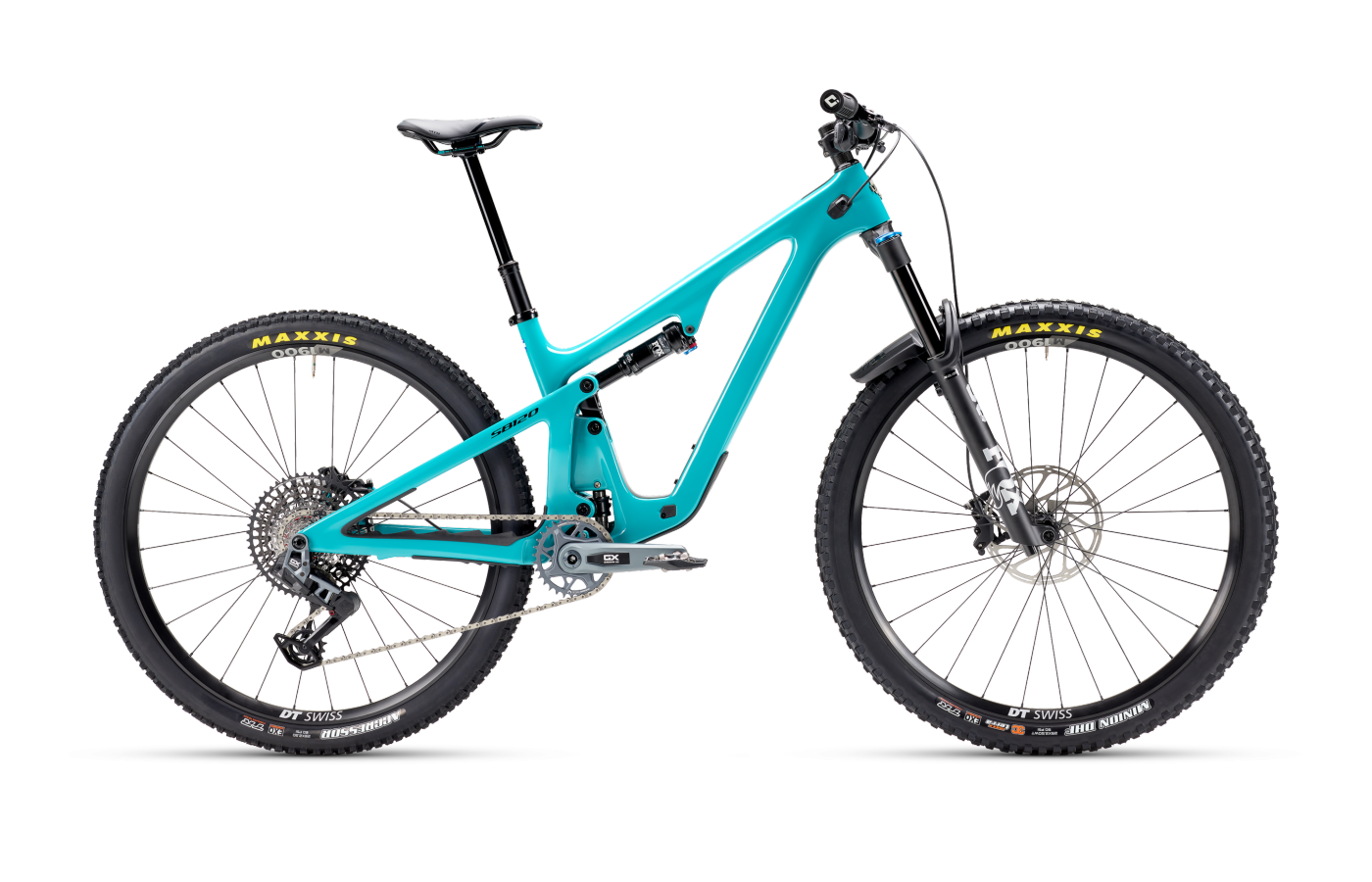
Two takes on the downhiller's XC bike.
The Tallboy is the stout, slack bruiser with downtube storage. The SB120 is the magic-carpet climber that prizes ride quality over hatch features.
Tallboy
- Slacker, more planted descender — 65.7° HTA gives the Tallboy a genuine safety blanket on steep, fast lines.
- Glovebox internal storage — two pouches inside the downtube that the SB120 simply doesn't offer.
- Lifetime bearing replacement — Santa Cruz ships free pivot bearings forever, on top of the lifetime frame warranty.
- Stock SRAM Level brakes are nearly universally flagged as undergunned for the bike's downhill ambitions.
- Frame stiffness verges on 'relentless' — long, chunky descents can be tiring on lighter riders.
SB120
- Magic-carpet rear suspension — Switch Infinity V2 delivers the small-bump sensitivity reviewers describe as 'sentient.'
- 140 mm fork stock on every Turq build — 10 mm more front travel than the Tallboy without giving up climbing manners.
- Cleaner internal routing — tubed-in-tube cable management keeps the bike notably quieter than the Glovebox-equipped Tallboy.
- No internal frame storage — Yeti deliberately skipped a hatch for ride quality.
- SRAM G2 brakes on most builds get the same 'underpowered' criticism the Tallboy's Levels do.
Editor’s analysis
Same travel, same wheel size, same boutique-tier price tag — but two completely different ideas of what a short-travel trail bike should feel like underneath you.
On the spec sheet, the Tallboy and the SB120 look like twins: 120 mm of rear travel, 29-inch wheels, premium carbon, $6k–$11k price ladders, both pitching themselves as the bike you grab when 160 mm feels like overkill. Spend any time on the geometry numbers, though, and the philosophies pull apart fast.
The Tallboy is the bruiser. A 65.7-degree head tube angle, a 130 mm Fox 34, and Santa Cruz's VPP linkage tuned with reduced anti-squat give it what reviewers keep calling a 'planted,' 'steroidally hench' feel — closer to a short-travel Hightower than a stretched Blur. It's the bike that'll let you full-send into terrain meant for 150 mm rigs, with the caveat that the chassis is genuinely stiff and the stock SRAM Level brakes are universally flagged as undergunned for what the frame can do.
The SB120 picks the other lane. A half-degree steeper head angle (66.2°), a 140 mm Fox 36 fork on every Turq build, and Yeti's Switch Infinity V2 link create what nearly every reviewer calls a 'sentient' rear wheel — silky on small-bump chatter, glued to the ground on technical climbs. It pedals with near-static suspension and climbs like a mountain goat, but it asks you to ride a bit more precisely when the trail tips into the steep and gnarly.
Put another way: the Tallboy is the bike you buy when you have a 160 mm enduro bike and want a shorter-travel companion that still rewards a heavy hand. The SB120 is the bike you buy when you used to race XC, came up the food chain, and want a single bike that'll happily climb all day and still hold a line on the way down.
Where the builds differ.
Comparing our editor's-pick builds side-by-side. Winners highlighted row-by-row — lower price and weight, and the better-spec component, each mark a point.
Build variants & pricing
Both ranges run roughly $6k to $11k. The Tallboy stretches lower with a $4,799 NX-equipped R build; the SB120 starts at $6,000.
Prices are current US MSRP. The editor's-pick comparison here is the Tallboy GX AXS against the Yeti C3 GX AXS Transmission — same drivetrain tier, same C-grade carbon, same Fox Performance suspension. Yeti's C3 lands $649 cheaper but on a slightly more entry-tier 36 fork (Performance vs. Performance Elite).
How they fit, how they steer.
Both at size M for a 5'8" rider. Reach is nearly identical (Tallboy 455 vs SB120 452 mm), but the Tallboy runs a half-degree slacker head angle (65.7° vs 66.2°) and a half-degree steeper seat angle (76.7° vs 76.2°). Chainstays differ by under 4 mm.
Which size should I buy?
Size recommendations are based on stack, reach, and effective top tube. Both ranges run XS through XXL with broadly similar coverage.
→These are starting points. Flexibility, riding style, and preferred position all shift the answer — if you’re between sizes, a professional fit beats a chart.
What the magazines said.
Published reviews from trusted cycling outlets. Click through for the full write-up.
Which one should you buy?
If you want a stout, slack short-travel bike that'll let you ride above its travel class, get the Tallboy. If you want a refined, technical climber with the smoothest 120 mm of travel on the market, get the SB120.
Tallboy
If you already own (or used to own) an enduro bike and want a shorter-travel companion that doesn't force you to dial your style back, the Tallboy is the one. The 65.7° head angle, stout chassis, and downtube storage make it a genuine quiver bike for riders who chase descents.
SB120
If you want one bike that'll crush a five-hour backcountry loop, clean every steep switchback on the climb, and still hold a line on the descent, the SB120 is the more rewarding tool. The Switch Infinity rear end is the standout suspension feel in the category, and the 140 mm fork gives it more front-end composure than the head angle suggests.
Questions buyers actually ask.
Short answers to the things we get emailed about most often.
01Which descends better?
The Tallboy, by a clear margin. Its 65.7-degree head tube angle is half a degree slacker than the SB120's 66.2°, and it runs 10 mm less fork travel (130 vs 140 mm) but tucks the rider deeper 'in the bike' with a lower bottom bracket. Reviewers consistently describe it as 'planted' and 'punching above its travel class' on steep, fast lines.
The SB120 isn't a bad descender — it just asks for a more precise, centered rider input when the trail gets truly steep. It rewards 'floating' more than 'plowing.'
02Which climbs better?
The SB120 has the edge on technical, traction-limited climbs. Yeti's Switch Infinity V2 keeps the rear wheel glued to the ground over roots and ledges, and the high anti-squat at sag means almost no pedal bob — reviewers describe it as 'feeling almost like a hardtail' under power.
The Tallboy climbs well too, helped by a slightly steeper 76.7° seat tube angle (vs Yeti's 76.2°) and reduced anti-squat that improves traction on technical climbs. But its 'softer' suspension curve means it sits a touch deeper in its travel, and its stock weight (~30 lbs in GX AXS trim) is comparable to the Yeti's.
03How much rear and front travel does each have?
Both have 120 mm of rear travel, and both pair it with a stout single-crown fork. The difference is up front:
Tallboy V5: 130 mm Fox 34 fork (Performance Elite on the GX AXS build, Factory on the higher tiers).
Yeti SB120: 140 mm Fox 36 fork on every Turq-series build — a noticeably stiffer chassis up front than the 34, and 10 mm more travel.
The Yeti's burlier fork is a big part of why it descends better than its head angle alone would suggest.
04Does either one have downtube storage?
Only the Tallboy. Santa Cruz added the 'Glovebox' downtube hatch with the V5, including two tool/tube pouches. Reviewers like the feature, though long-term reports note the door can develop a creak under load (especially with a full water bottle mounted to it) and the included tool wrap isn't fully waterproof.
Yeti deliberately skipped internal storage on the SB120 — they prioritized frame stiffness and clean cable routing. If you ride with a hip pack or strap your tools to the bike, you'll never miss it.
05Which suspension platform is more reliable long-term?
Both are well-engineered, but they take very different paths.
The Tallboy uses Santa Cruz's VPP — a dual-link layout with grease ports on the lower link for easy purging between major services. Long-term testers report the linkage holding up well over multiple seasons, and Santa Cruz famously offers free replacement pivot bearings for life.
The SB120 uses Switch Infinity V2 with a sliding aluminum link on Kashima-coated stanchions. Yeti recommends greasing it every 40–75 hours via external ports. It's more complex than the VPP and demands more attentive maintenance, especially in dusty or muddy climates — but it's covered by a lifetime warranty and reviewers report long-term durability is solid.
06Are the stock brakes really as bad as reviewers say?
Both bikes get the same criticism, repeatedly: the brakes are spec'd for an XC bike, but the frames want to descend like trail bikes.
The Tallboy ships with SRAM Level brakes through most of the range. Nearly every reviewer flags them as undergunned and recommends Codes (or at minimum a 200 mm front rotor) as a first upgrade.
The SB120 ships with SRAM G2 brakes (or, on the C-Series, lower-tier variants), which get the same 'fail to live up to the potential of the frame' verdict. Same fix: bigger rotors, or a swap to Codes.
Budget $300–500 for a brake upgrade if you ride aggressively on either bike.
07Which is the better value?
Neither is cheap. The Tallboy stretches further at the bottom — its NX-equipped R build is $4,799, the lowest entry into the platform. The SB120 starts at $6,000 with the C2 90 Transmission build.
At the editor's-pick GX AXS Transmission tier, the C3 SB120 lands at $6,500 vs $7,149 for the Tallboy GX AXS — Yeti is $649 cheaper for a roughly equivalent build, though the Tallboy includes Reserve-branded wheels (with Santa Cruz's lifetime warranty) and a slightly higher-tier Fox Performance Elite fork.
For pure dollar-per-spec, neither competes with direct-to-consumer rivals like YT or Canyon. You're paying for boutique frame engineering, dealer support, and lifetime warranties on both sides.
08What about resale and warranty?
Both come with lifetime frame warranties to the original owner. Santa Cruz adds free pivot bearing replacement for life and a lifetime warranty on Reserve wheels — a real long-term value driver. Yeti backs the Switch Infinity link with a lifetime warranty as well.
On the used market, both brands hold value well. Boutique-tier carbon trail bikes from Yeti and Santa Cruz tend to depreciate slower than mass-market equivalents, partly because production runs are smaller and the brands carry strong pull with experienced riders.
Similar bikes
If your priorities don’t map cleanly onto either of these, one of these adjacent bikes probably fits better.
Optic
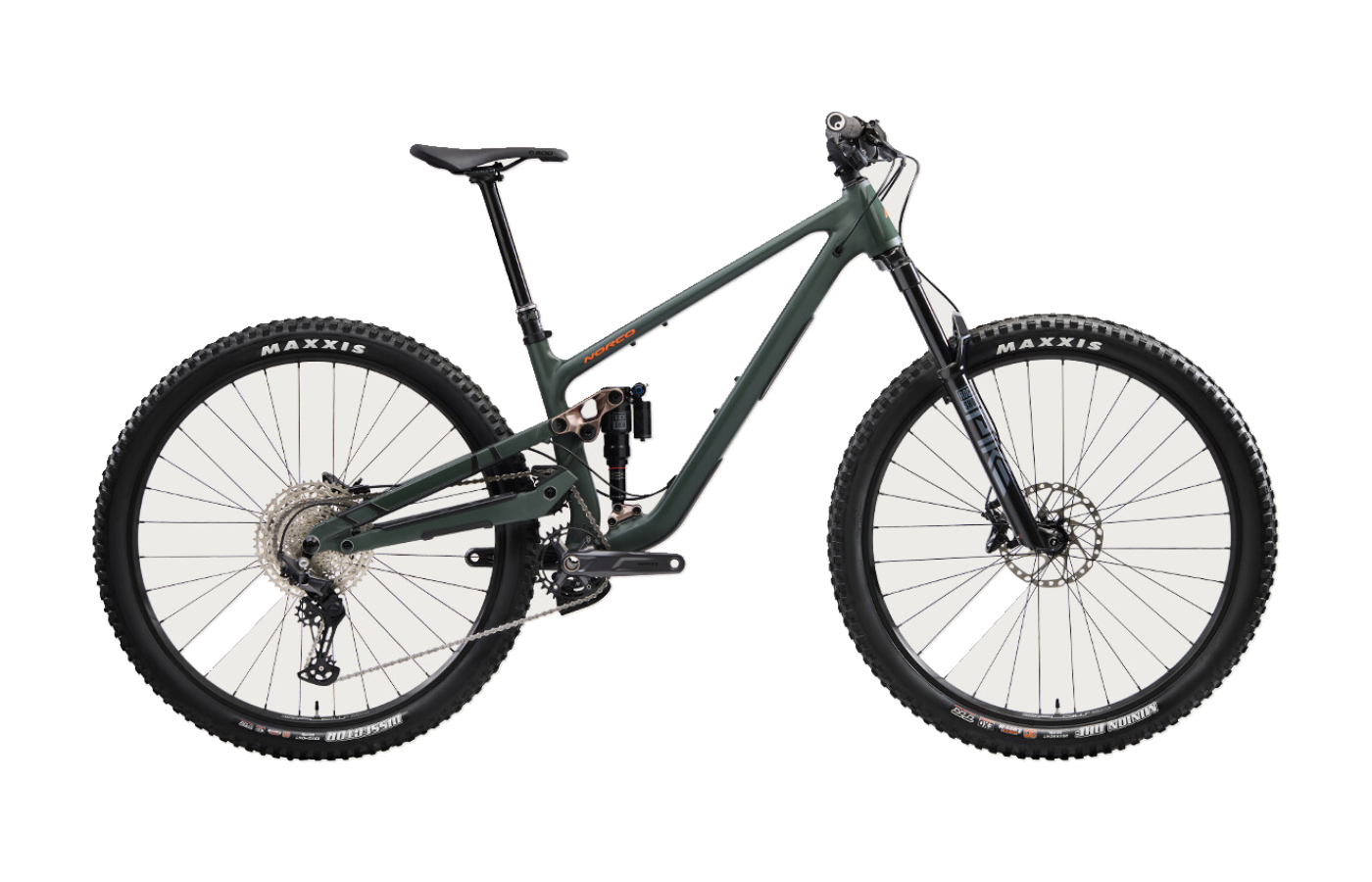
If the Tallboy isn't aggressive enough, the Norco Optic uses an even slacker geometry and a high-pivot-adjacent feel to wring max descending fun out of just 125 mm of rear travel.
Compare →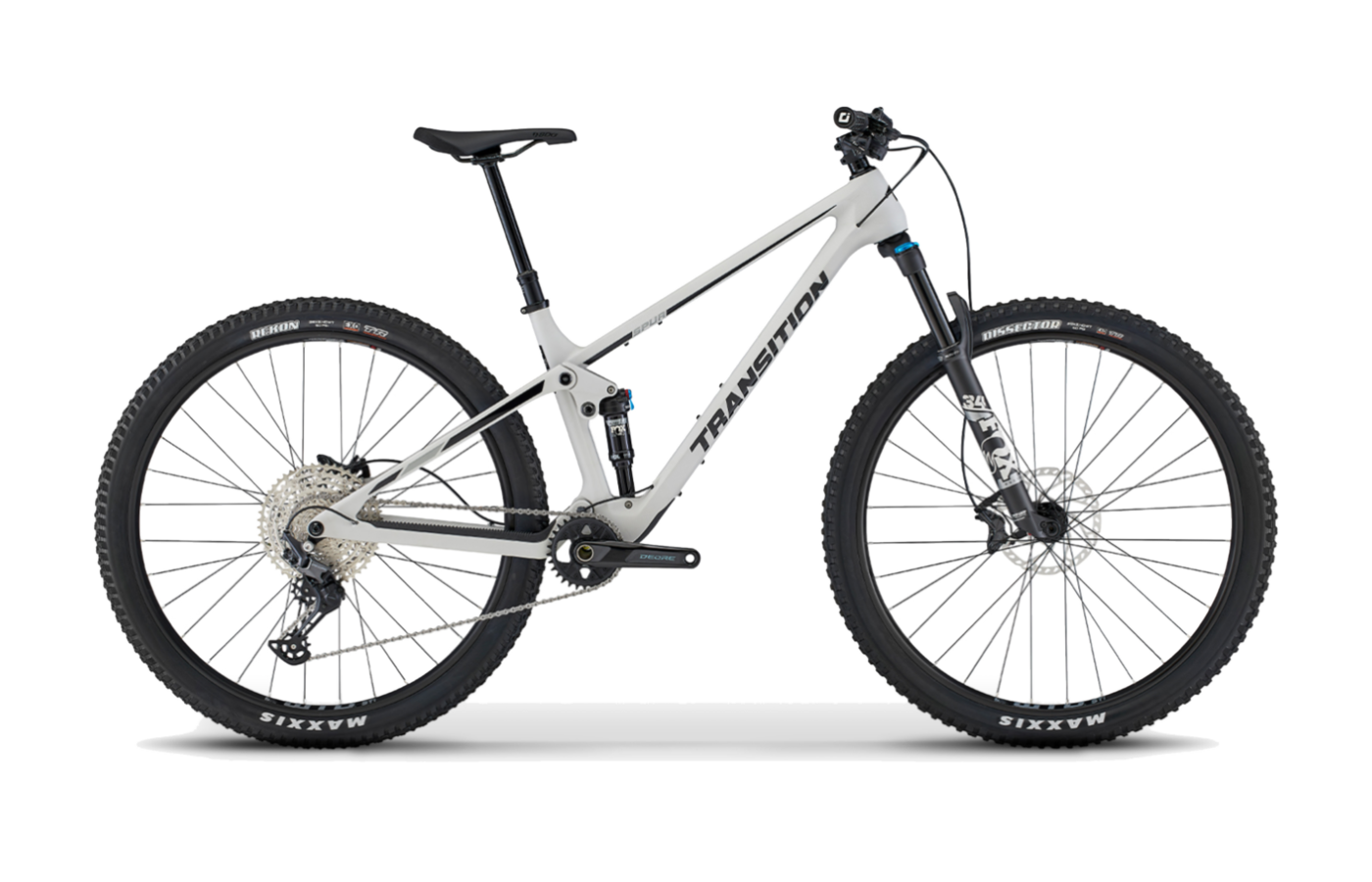
Spur
The genuinely lightweight take on downcountry — the Transition Spur shaves several pounds off either of these and stays surprisingly capable, for riders who prioritize the climb over the smash.
Compare →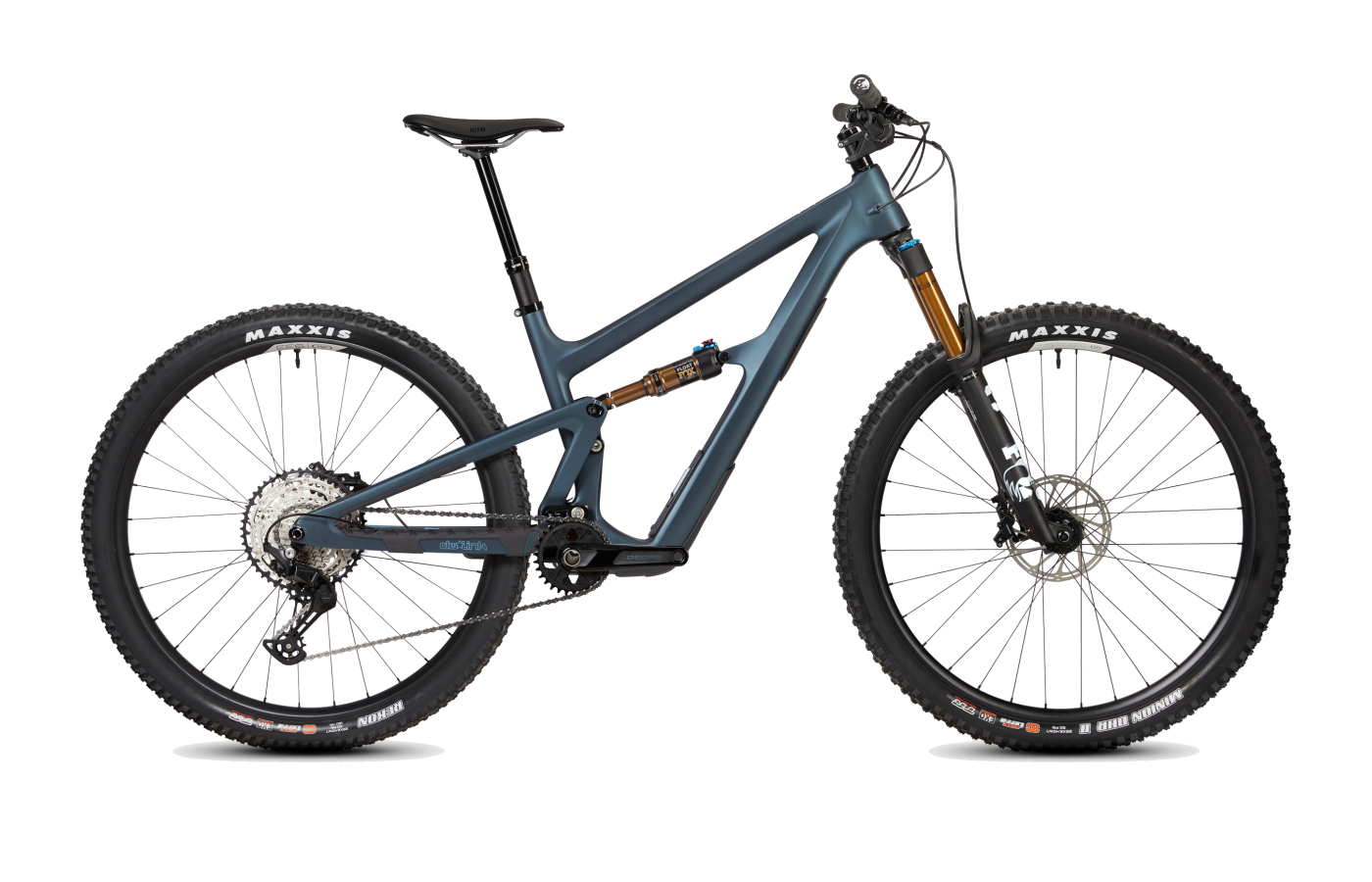
Ripley
The Ibis Ripley is the playful, user-friendly alternative — softer-feeling on the trail and meaningfully cheaper than either the Tallboy or SB120 at equivalent build tiers.
Compare →