5010
vsSB135
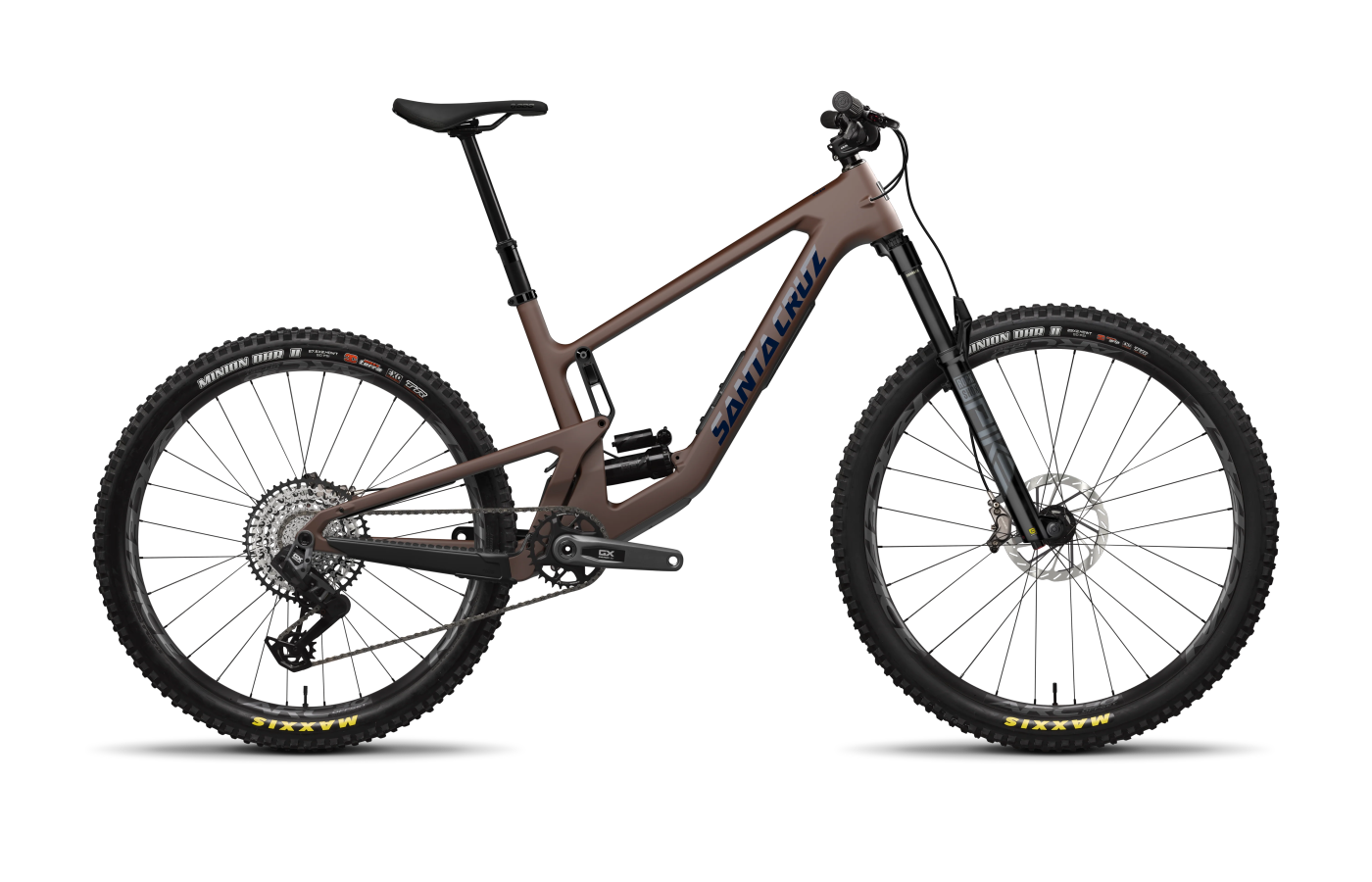
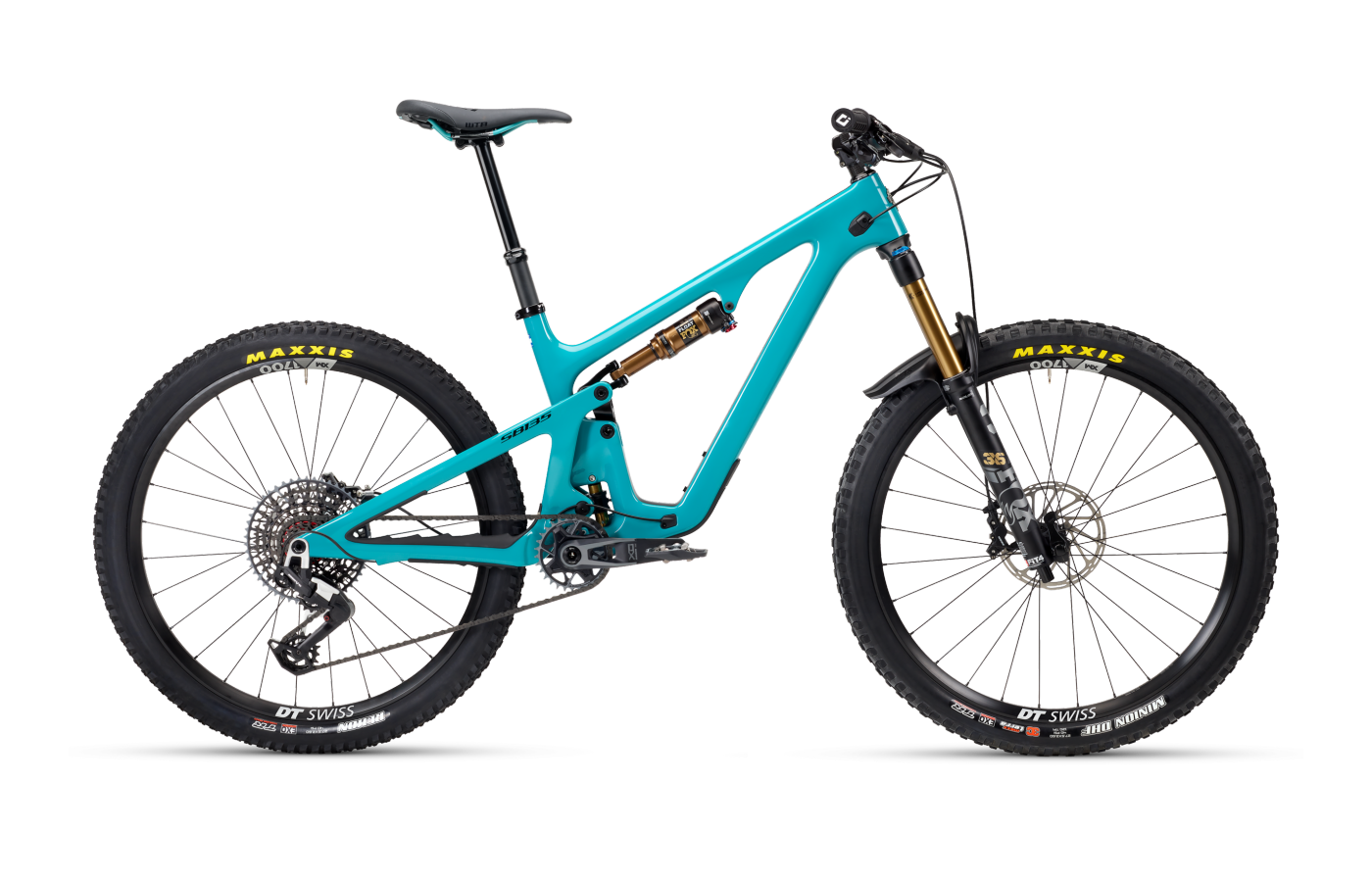
Two short-travel trail bikes, two wheel-size religions.
The Santa Cruz 5010 went mullet to grow up. The Yeti SB135 stayed full 27.5 to stay weird.
5010
- Mullet rollover — the 29" front wheel handles square-edged hits and sustained chatter the SB135 has to dance around.
- Wider build range — starts at $4,799 and scales to $9,349, with both Carbon C and CC frames available.
- Lower-maintenance suspension — VPP pivot bearings are covered for life and don't need the SB135's 20-hour service interval.
- Reviewers consistently flag a slightly soggy feel on smooth out-of-the-saddle climbs after the anti-squat drop.
- Stock G2 brakes and EXO-casing tires are widely panned for a bike this capable — most owners upgrade both.
SB135
- Sharper acceleration — dual 27.5" wheels spin up noticeably faster out of corners and on punchy climbs.
- Bottomless mid-stroke — Switch Infinity makes 135 mm of rear travel feel deeper than it has any right to.
- Hardtail-firm pedaling platform — testers across Pinkbike, NSMB, and Singletracks call standing efficiency near-best-in-class.
- Smaller rear wheel hangs up in deep holes and root nests where a mullet would roll through.
- Switch Infinity link wants service every 20 hours in wet conditions — not a set-and-forget linkage.
Editor’s analysis
This isn't really a 130-vs-135 mm fight. It's a referendum on whether the small-wheel trail bike still has a reason to exist — and the two brands answered the question opposite ways.
On paper the Santa Cruz 5010 and Yeti SB135 land in the same drawer: high-end carbon trail bikes, sub-140 mm of rear travel, 65-ish-degree head angles, party-bike intent. Both are pitched as the playful antidote to the long-travel 29er arms race. But the wheel-size choice underneath each one has cascaded into two genuinely different bikes.
The Santa Cruz 5010 went mixed — 29 in front, 27.5 in the rear — and used the redesign to make peace with grown-up trail riding. Reviewers (Pinkbike, Radavist, BikeRadar) agree the V5 is plusher and more composed at speed than the V4 it replaced, with a 16% drop in peak anti-squat that makes the rear suspension track better through chunder. The trade is climbing snap: testers consistently call out a slightly soggy feel out of the saddle on smooth fire roads.
The Yeti SB135 went the other way and kept dual 27.5" in a market that has all but abandoned the size. The result is a bike Pinkbike literally calls a "dopamine machine" — quicker to flick, easier to pop off every root, faster to spin up out of a corner. Switch Infinity gives it a famously bottomless mid-stroke for a 135 mm bike, and standing efficiency is closer to a hardtail than a trail bike. The catch is rollover: smaller wheels get pinged off line in deep holes and root nests where the 5010's 29" front simply rolls through.
Put another way: the Santa Cruz 5010 is the bike you buy when you want one trail bike that can hang on rougher terrain than its travel suggests. The Yeti SB135 is the bike you buy when you already accept the rollover penalty and want the most agile, highest-feedback short-travel ride still being built in carbon.
Where the builds differ.
Comparing our editor's-pick builds side-by-side. Winners highlighted row-by-row — lower price and weight, and the better-spec component, each mark a point.
Build variants & pricing
The 5010 starts $1,600 cheaper and tops out $3,000 higher; the SB135 lineup is narrower and pricier at the floor.
Prices are current US MSRP. Note that the SB135's spec sheet leans on mechanical SRAM Transmission across all three trims — there is no AXS option below the $6,300 T3. Santa Cruz offers AXS down to the $7,149 GX AXS build and a Carbon C frame underneath it.
How they fit, how they steer.
Both at size M. Reach is essentially identical (459 vs 460 mm), but the 5010 sits 25 mm taller in the stack — a function of the 29" front wheel. Head angles are 0.2° apart; chainstays are within 1.2 mm.
Which size should I buy?
Size recommendations based on stack, reach, and effective top tube. The 5010 runs taller in the front end at every size; the SB135 stays low across the range.
→These are starting points. Flexibility, riding style, and preferred position all shift the answer — if you’re between sizes, a professional fit beats a chart.
What the magazines said.
Published reviews from trusted cycling outlets. Click through for the full write-up.
Which one should you buy?
If you ride trails with sustained chatter or want one trail bike that punches above its travel, get the 5010. If you live for cornering, popping, and sprinting out of turns, get the SB135.
5010
If your rides include rougher, rockier descents and you want a short-travel bike that doesn't get overwhelmed when the trail turns into chunder, the 5010's 29" front wheel does real work. The lifetime pivot-bearing warranty and lower-fuss VPP linkage are the right call for riders who'd rather pedal than service.
SB135
If most of your riding is flowy, corner-heavy, or punchy and you actively want a bike that rewards an active rider, the SB135 is one of the few high-end full-27.5 trail bikes left. Accept the rollover penalty and the 20-hour service interval; the payoff is a ride character almost no one else still builds.
Questions buyers actually ask.
Short answers to the things we get emailed about most often.
01Which is more capable on rough, rocky descents?
The Santa Cruz 5010, by a margin most reviewers agree on. The 29" front wheel has roughly 8% more rollover than the SB135's 27.5", which means square-edged hits and root nests get absorbed instead of ricocheting the front end off line. Pinkbike specifically called out that the V5 5010 "rides a tiny bit bigger than the numbers suggest" and can handle enduro-adjacent terrain.
The SB135 isn't outclassed — Switch Infinity's bottomless mid-stroke holds up well — but Singletracks and Pinkbike both noted that the smaller wheels get "pinged out of your desired path" in steep, janky terrain in a way the mullet 5010 doesn't.
02Which corners better?
The Yeti SB135, with caveats. The dual 27.5" wheels turn in faster, the rear wheel whips through berms with less effort, and BikeRadar described it as dropping onto its shoulder more readily than any 29er in the segment. NSMB and Mountain Bike Action both used the phrase "rips corners unapologetically."
That said, the 5010 is no slouch — it's the same playful platform Santa Cruz has refined for a decade — and the 27.5" rear of the mullet setup recovers most of the SB135's cornering snap. If cornering is the single most important attribute, lean SB135; if you want cornering plus rollover, the 5010 wins on balance.
03How much rear travel difference is there really?
5 mm. The 5010 has 130 mm rear / 140 mm fork; the SB135 has 135 mm rear / 150 mm fork (the LR build pushes the fork to 160 mm). On the trail, that 5 mm is dwarfed by the difference in suspension character — VPP's reduced anti-squat versus Switch Infinity's bottomless feel — and by wheel size. Don't pick on travel numbers alone.
04Which is easier to live with long-term?
The Santa Cruz 5010. Both frames carry lifetime warranties, but the 5010 also covers pivot bearings for life and uses VPP — a relatively low-maintenance linkage. The Yeti's Switch Infinity unit needs service every 20 hours in wet conditions per Yeti's own recommendation, and multiple long-term reviewers (NSMB, Pinkbike) reported premature wear when that interval slipped.
Both bikes use threaded BBs and tube-in-tube cable routing, so day-to-day wrenching is similar. The maintenance gap is mostly about that one Switch Infinity service interval.
05Which is the better climber?
Depends on what you're climbing. On smooth fire roads or paved approaches, the SB135 wins — its Switch Infinity link is famously hardtail-firm under pedaling, and the smaller wheels accelerate faster.
On technical, chunky climbs, the 5010 wins — the V5's reduced anti-squat keeps the rear wheel tracking instead of skipping, and the 29" front rolls over ledges that stall the SB135's 27.5" front. Multiple reviewers called the 5010's technical climbing one of its best traits, while the SB135 is more of a stop-and-surge climber on the same terrain.
06What's the maximum tire clearance?
Santa Cruz 5010: 63.5 mm (~2.5") at the rear, per the published frame standard. Stock builds run a 27.5x2.4" Maxxis Minion DHR II.
Yeti SB135: Yeti doesn't publish an explicit clearance number, but stock builds ship with 27.5x2.6" Maxxis tires (Minion DHF front, Rekon rear), so 2.6" is the practical ceiling.
Both bikes prioritize aggressive trail tires over plus-width — neither is meant to run anything wider than a true 2.6".
07Why does the SB135 cost more at the entry level?
Two reasons. First, the SB135's cheapest build ($4,200 C2) starts at SRAM E90 Transmission on a TURQ-series carbon frame — there's no aluminum option and no lower-tier groupset. Second, Yeti has a smaller dealer network and runs smaller production volumes than Santa Cruz, which translates directly into less price competition at the bottom of the range.
The 5010's $4,799 R build uses SRAM NX Eagle (mechanical, lower-tier than E90 Transmission) on a Carbon C frame — a meaningfully different spec at the entry level, which is part of why the 5010 floor is lower.
08Are both compatible with a coil shock?
Yes — both frames have enough progression and shock-mount real estate to accept a coil. The 5010's leverage curve is moderately progressive and most coil conversions work fine without volume tuning. The SB135's 14% progression is on the linear side of progressive, so coil riders may want to tune for additional ramp-up if they ride bigger jump lines. Neither manufacturer ships a stock coil build, so any conversion is aftermarket.
Similar bikes
If your priorities don’t map cleanly onto either of these, one of these adjacent bikes probably fits better.
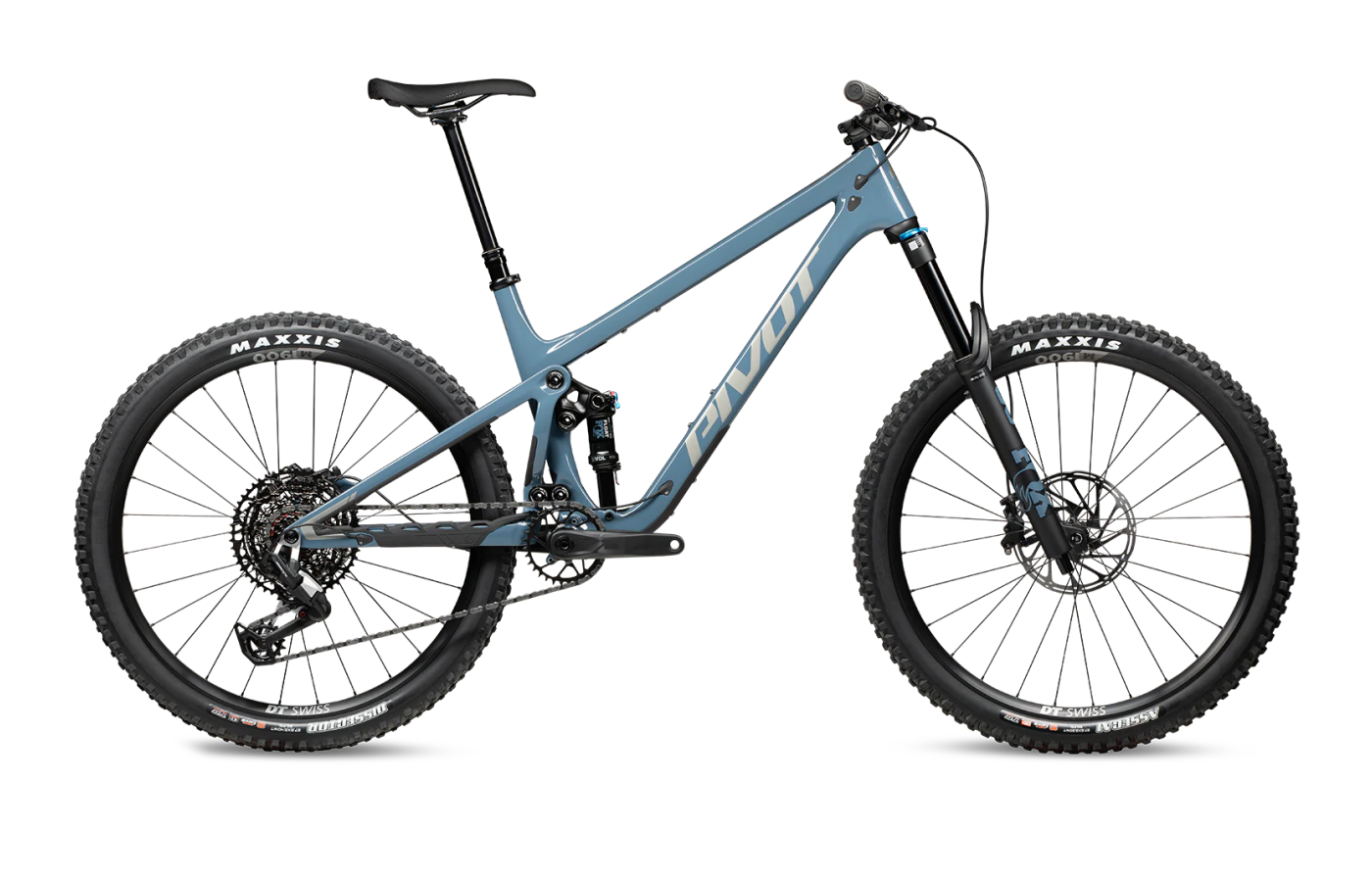
Shadowcat
The closest direct rival to the SB135 — another premium dual-27.5" trail bike with DW-Link suspension and a similarly playful intent. Worth a look if you've talked yourself into full 27.5 but want to shop outside Yeti.
Compare →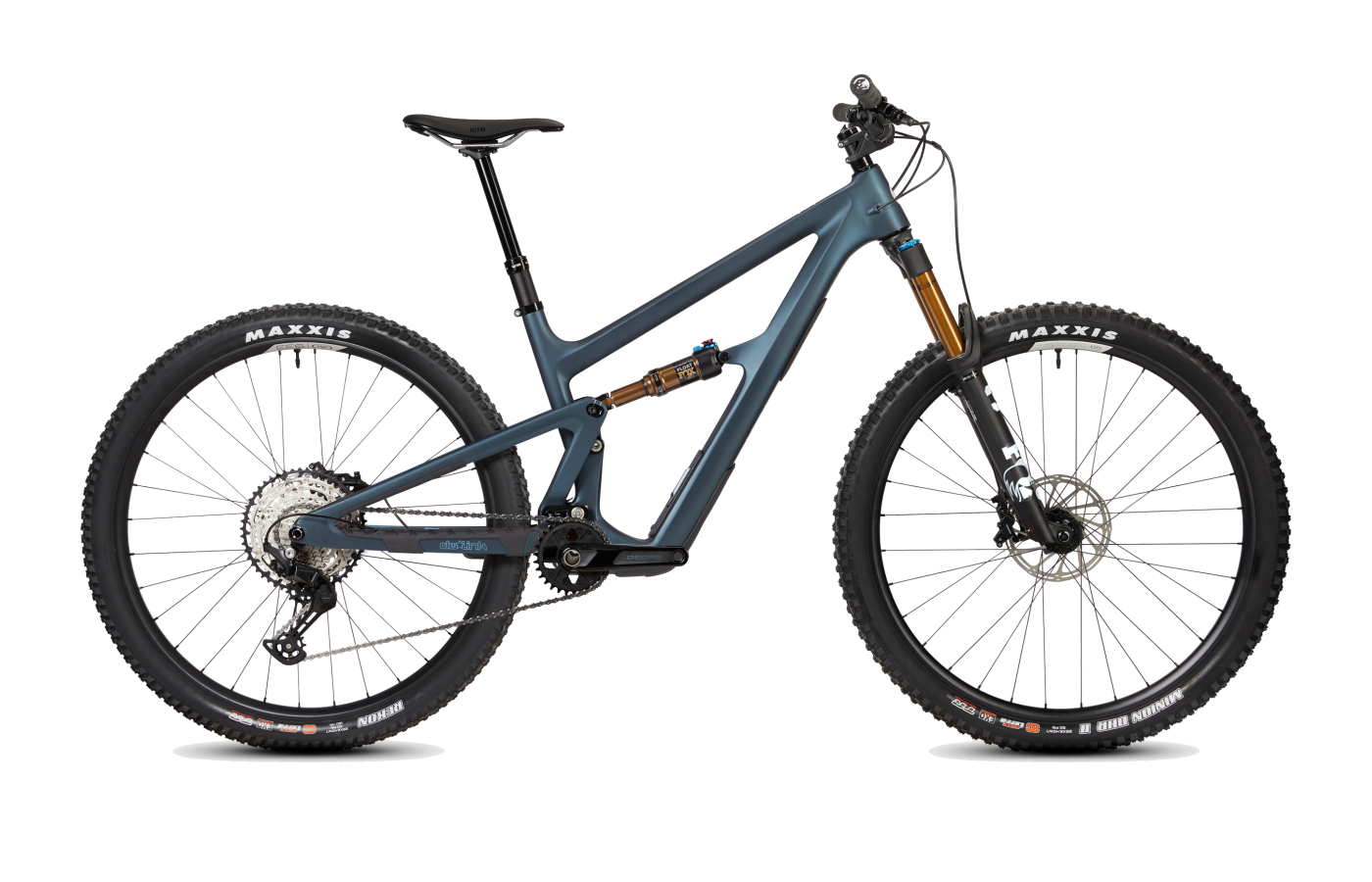
Ripley
Lighter, more XC-flavored full 29er that splits the difference if you want trail-bike playfulness with race-bike efficiency. The pick if your local trails reward pedaling more than they reward popping.
Compare →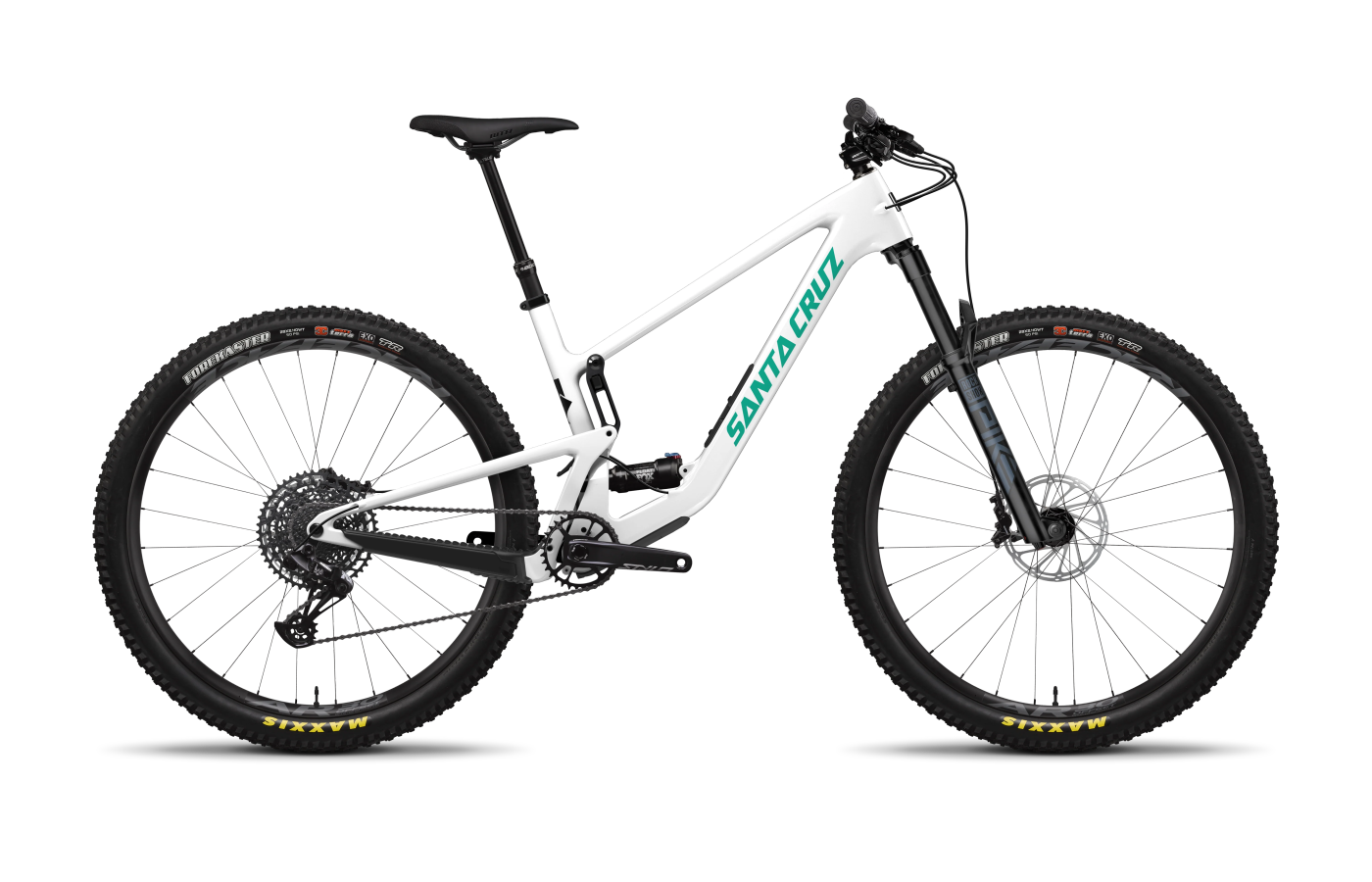
Tallboy
Santa Cruz's full-29er short-travel trail bike — same VPP suspension and brand DNA as the 5010, but faster and more composed at speed in exchange for less mullet-style flick. Pick if you like the 5010 platform but want full 29".
Compare →