Ranger
vsSB120
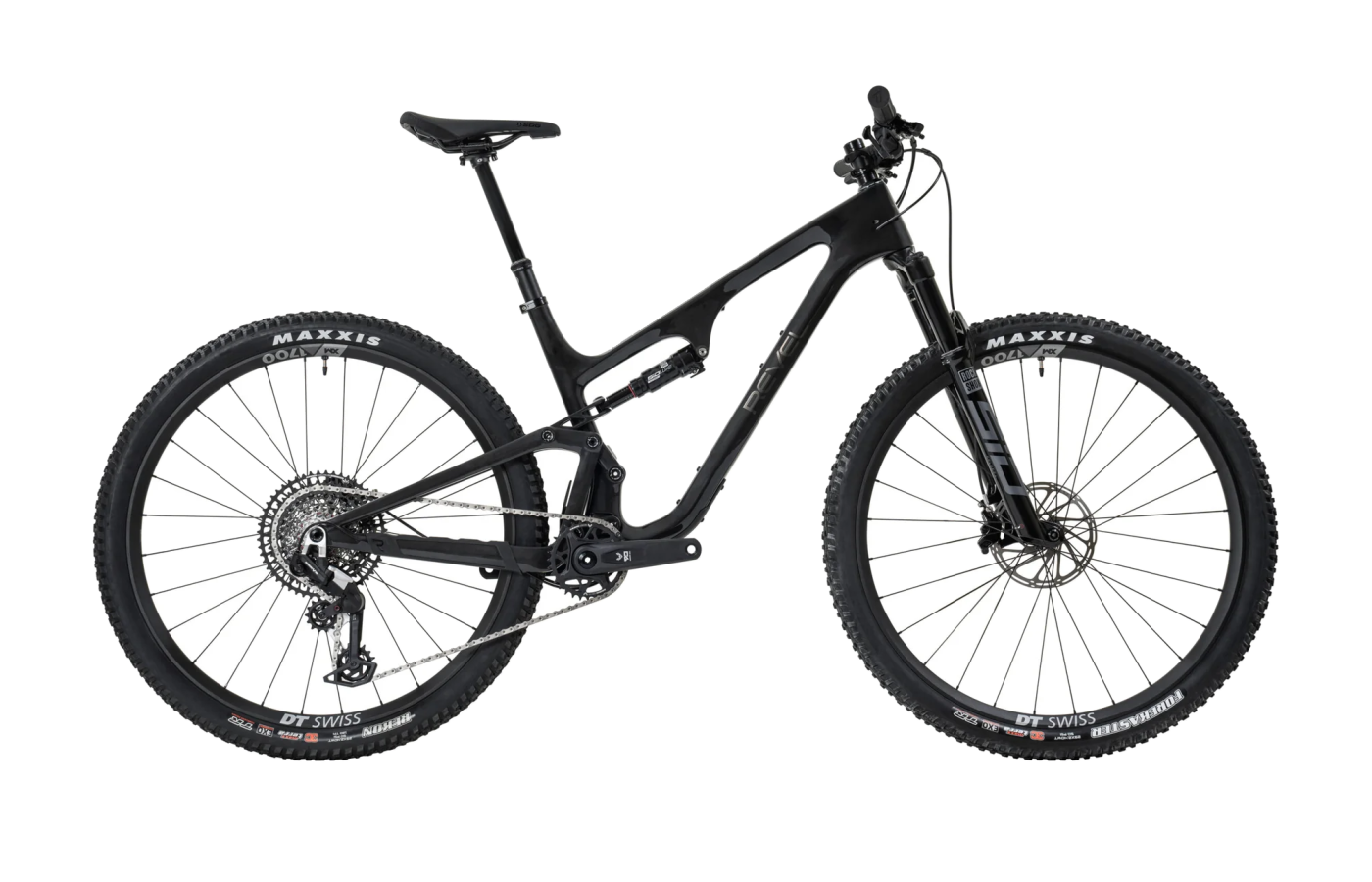
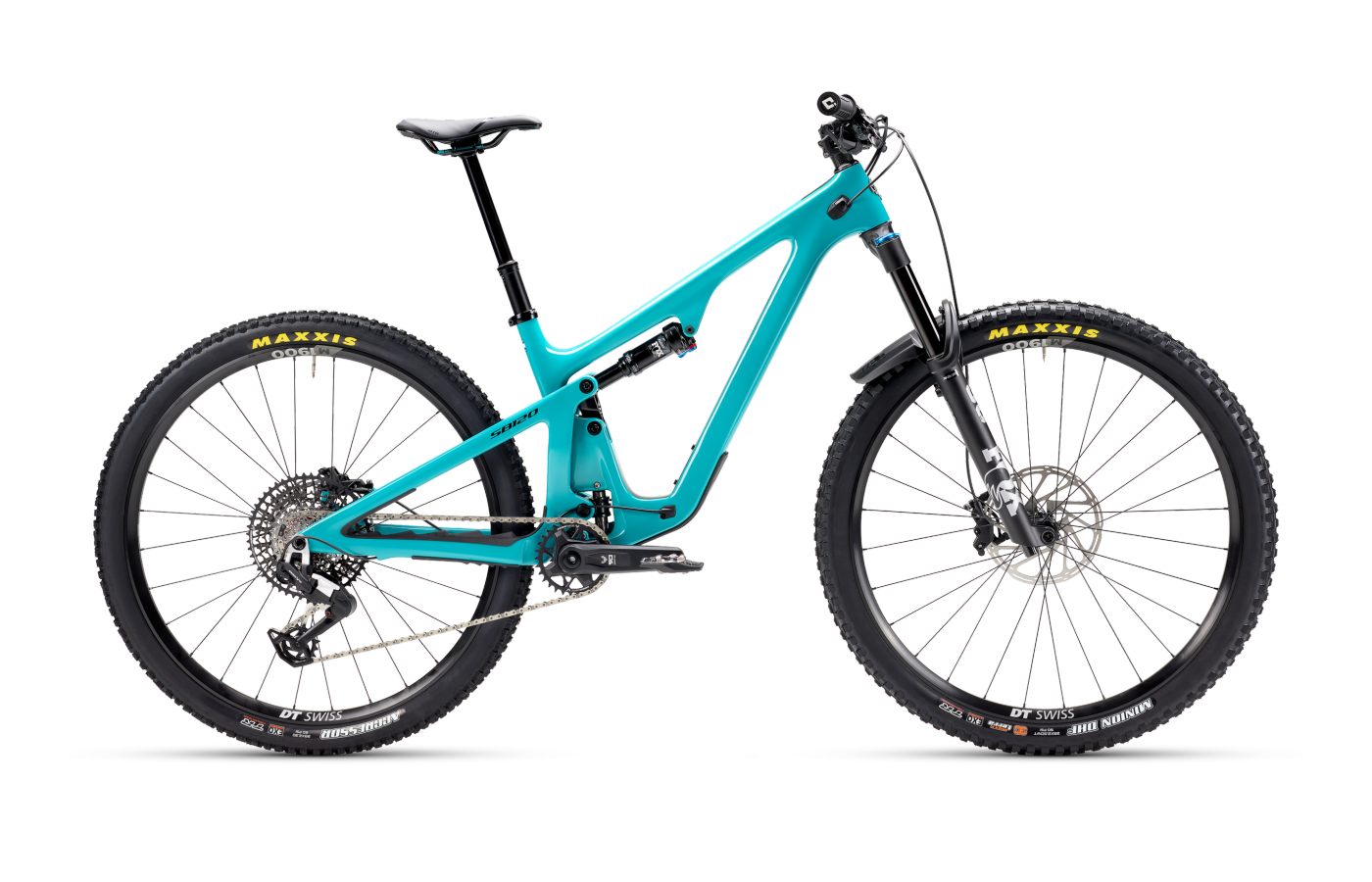
Two short-travel bikes, two definitions of fast.
The Ranger chases efficiency — a 115/120 mm carbon scalpel built around CBF suspension. The SB120 chases composure — a 120/140 mm trail bike with Switch Infinity and a 36 up front.
Ranger
- CBF suspension efficiency — pedaling-force isolation is so complete most riders never touch the lockout on singletrack.
- Lightest in class at roughly 26.25–27.75 lb across builds, noticeably livelier on sustained climbs than the Yeti.
- Entry price advantage — full carbon at $4,499 with both Shimano Deore and SRAM Eagle 90 Transmission options.
- Only two builds, both at $4,499 — no flagship spec ladder if you want XX SL or carbon wheels stock.
- Suspension is firm; reviewers describe it as composed and predictable but not 'poppy' or playful.
SB120
- Switch Infinity composure — the 120 mm rear feels like 140 mm on chunky descents, with a 'sentient' small-bump character reviewers can't stop describing.
- Real trail-bike front end — a 140 mm Fox 36 and 66.2° head angle let the SB120 handle terrain the Ranger has to pick around.
- Six-build range with size-specific carbon — XS through XXL, with chainstays that scale 431.8 to 442 mm so every size handles consistently.
- Boutique tax — the cheapest C2 build is $6,000, $1,500 above the Ranger entry.
- Heavier (29.6–29.99 lb on the C-Series builds we picked, ~30 lb on the T1 XT Di2) — you feel the mass on long sustained climbs.
Editor’s analysis
On paper they share a category. On the trail they're solving completely different problems — one is minimum travel, maximum forward motion; the other is maximum capability, minimum compromise on the way down.
Both bikes get filed under 'downcountry' and both get built around 120-ish mm of rear travel. That's about where the similarities end. The Revel Ranger runs 115 mm rear and a 120 mm SID up front — small numbers chosen on purpose. The Yeti SB120 runs 120 mm rear and ships with a 140 mm Fox 36 SL, a fork that belongs on a real trail bike and doesn't apologize for it. That 20 mm of extra fork travel and an entire chassis tier of front-end stiffness is the headline difference.
The Ranger's character is suspension-led. Canfield Balance Formula isolates pedaling forces almost completely — multiple reviewers noted the rear shock 'seldom moves' under power and described the ride as a 'stoic instrument of speed' (Escape Collective). It climbs like a hardtail with traction insurance, accelerates like the 27-pound bike it is, and rewards riders who attack the trail rather than coast through it. The trade is a slightly firm, less-pop-on-demand feel — it's not the bike you buy to mess around on jumps.
The Yeti is the opposite philosophy. Switch Infinity V2 was tuned for a 'sentient' rear-wheel feel, and reviewers across BikeRadar, Vital MTB, and Pinkbike all converged on the same word — 'bottomless.' It uses 120 mm of travel like a 140 mm bike, takes square-edge hits without flinching, and pairs that with size-specific chainstays (431.8–442 mm) and a 66.2° head angle that buys real composure on steep, rough descents the Ranger has to pick lines through. The cost is roughly 2.5–3 lb and a $1,500 floor on entry pricing.
Put another way: the Ranger is what you buy when you already know you'll be pedaling more than coasting, and you want a bike that turns watts into ground covered. The SB120 is what you buy when you want one bike to do everything from XC marathons to bike-park days you probably shouldn't take it on. Two valid answers to two different questions.
Where the builds differ.
Comparing our editor's-pick builds side-by-side. Winners highlighted row-by-row — lower price and weight, and the better-spec component, each mark a point.
Build variants & pricing
Revel keeps it simple — two builds at $4,499. Yeti spans six builds across two carbon tiers from $6,000 to $10,700.
Picks are tier-matched at SRAM Eagle 90 Transmission (mechanical) on both sides — the cleanest apples-to-apples comparison on offer. The Ranger Eagle 90 is $4,499; the Yeti C2 is $6,000. That ~$1,500 gap is real platform pricing, not a spec mismatch — Revel doesn't sell a higher tier; Yeti doesn't sell a lower one.
How they fit, how they steer.
At their fit-picked sizes, reach is virtually identical (453 vs 452 mm) but the SB120 sits 8 mm taller, runs a 1.3° slacker head tube, and is 24 mm longer in wheelbase — a noticeably more stable, composed front end at the cost of some Ranger snappiness.
Which size should I buy?
Six Yeti sizes (XS–XXL) vs four Revel sizes (S–XL); both bikes overlap closely through M and L.
→These are starting points. Flexibility, riding style, and preferred position all shift the answer — if you’re between sizes, a professional fit beats a chart.
What the magazines said.
Published reviews from trusted cycling outlets. Click through for the full write-up.
Which one should you buy?
If you ride to cover ground and most of your weekends end with a long climb, get the Ranger. If you want one bike that climbs adequately and descends way better than its travel suggests, get the SB120.
Ranger
If your rides are long, undulating, and pedaling-heavy — endurance races, bikepacking, big backcountry loops — the Ranger's CBF suspension will save you energy hour after hour. It rewards an active, assertive style and gets out of its own way when you point it downhill, but it's not the bike you buy to play on features.
SB120
If you want a single bike that climbs respectably and descends like it has 140 mm of travel, the SB120 is the more versatile pick. The 140 mm fork, slacker head angle, and Switch Infinity rear let it punch above its travel on terrain that would have the Ranger picking lines. You pay a real premium and carry real extra weight — both worth it if descending matters.
Questions buyers actually ask.
Short answers to the things we get emailed about most often.
01Which climbs better?
The Revel Ranger, by a clear margin. It's roughly 2.5–3 lb lighter than the SB120 (26.25–27.75 lb vs 29.6–29.99 lb on the tier-matched Eagle 90 builds), and the CBF suspension is the most pedaling-neutral platform in the segment — multiple reviewers said they 'seldom felt the suspension moving' under power.
The SB120 is no slouch — its 76.2° seat tube angle and high anti-squat keep it climbing well — but the extra mass and softer initial stroke mean it climbs more like the trail bike it is than the XC bike the Ranger nearly is.
02Which descends better?
The Yeti SB120, and it's not particularly close on rough terrain. The 140 mm Fox 36 fork (vs the Ranger's 120 mm SID), the 66.2° head angle (vs 67.5°), and Switch Infinity's 'bottomless' character let it handle steep, chunky descents that force the Ranger to pick clean lines.
The Ranger's CBF rear is composed and tracks well, but reviewers consistently described it as a bike that 'isn't designed to absorb repeated hits at speed' (Bikepacking) and one that rewards smooth lines over plowing through chunder.
03What's the actual travel on each?
Revel Ranger: 115 mm rear / 120 mm front (RockShox SID Ultimate on the Eagle 90 build, SID Select on the Deore build).
Yeti SB120: 120 mm rear / 140 mm front (Fox 36 SL across all current builds — Performance grade on C-Series, Factory grade on Turq).
The Yeti's 140 mm fork is the single biggest reason it descends harder. Earlier SB120s shipped with a 130 mm fork; the current spec moved to 140 mm to match how the bike was actually being ridden.
04How heavy are they actually?
The Ranger comes in around 26.25–27.75 lb depending on build and size, per multiple long-term reviews. Both builds use the same carbon frame (~2,470 g without shock).
The SB120 runs 29.6 lb (C2 90 Transmission), 29.83 lb (C3 GX AXS), 29.99 lb (C2 90), and ~30 lb on the T1 XT Di2 — heavier on the C-Series; the Turq builds shed roughly 225 g of frame weight. Reviewers noted the SB120 is heavy for its travel category but argued the chassis stoutness is the trade-off.
05What about tire clearance?
Both are 29-only and both clear up to 2.6" officially. Reviewers reported the Ranger V2's updated rear triangle clears its 2.6" rating well in dry conditions but can rub on a 2.6" Vittoria Mezcal in mud. The SB120 has no widely reported clearance complaints at 2.6".
Most riders on either bike will run a 2.4" — that's how both come specced (Ranger: Maxxis Forekaster front / Rekon rear; Yeti: Maxxis Minion DHF 2.5 front / Aggressor 2.3 rear).
06Is the SB120 worth $1,500 more than the Ranger?
Depends entirely on what you want from the bike. At the tier-matched Eagle 90 spec, the Yeti C2 at $6,000 vs the Ranger Eagle 90 at $4,499 buys you: a 140 mm fork instead of 120 mm, slacker geometry, Switch Infinity suspension, six sizes instead of four, size-specific chainstays, and the more refined frame finishing.
What it costs you: ~2 lb of extra weight, a less efficient pedaling platform, and a less razor-sharp climbing feel. If you mostly climb to descend, the Yeti is the answer. If most rides are pedaling-dominant, the Ranger's premium-feeling chassis-for-the-money is hard to beat.
07How serviceable is each suspension platform?
The Ranger's CBF system has more pivots and hardware than a single-pivot bike, but the V2 update added a one-tool linkage system and titanium hardware — reviewers reported clean, maintenance-light long-term ownership.
The SB120's Switch Infinity V2 uses Kashima-coated sliders that need greasing every 40–75 hours via external grease ports. It's more complex than CBF and requires more attention, but Yeti now presses pivot bearings into aluminum links rather than carbon, which makes overhauls safer for the frame. Both come with lifetime frame warranties.
08Which one is more 'fun'?
Reviewers split sharply on this for both bikes — 'fun' is rider-dependent.
The Ranger divided reviewers: some called it 'wildly fun and easy to jump' (Bikepacking); others said it 'lacked liveliness' and 'preferred to dutifully go about its business' (Escape Collective). It's fun if you like covering ground fast.
The SB120 is more consistently called 'poppy,' 'lively,' and 'carvy' — Yeti tuned the leverage curve for mid-stroke support that loads up under pumping. If you want a bike that begs to be pumped through rollers and railed into berms, the SB120 is more naturally that bike.
Similar bikes
If your priorities don’t map cleanly onto either of these, one of these adjacent bikes probably fits better.
Ripley
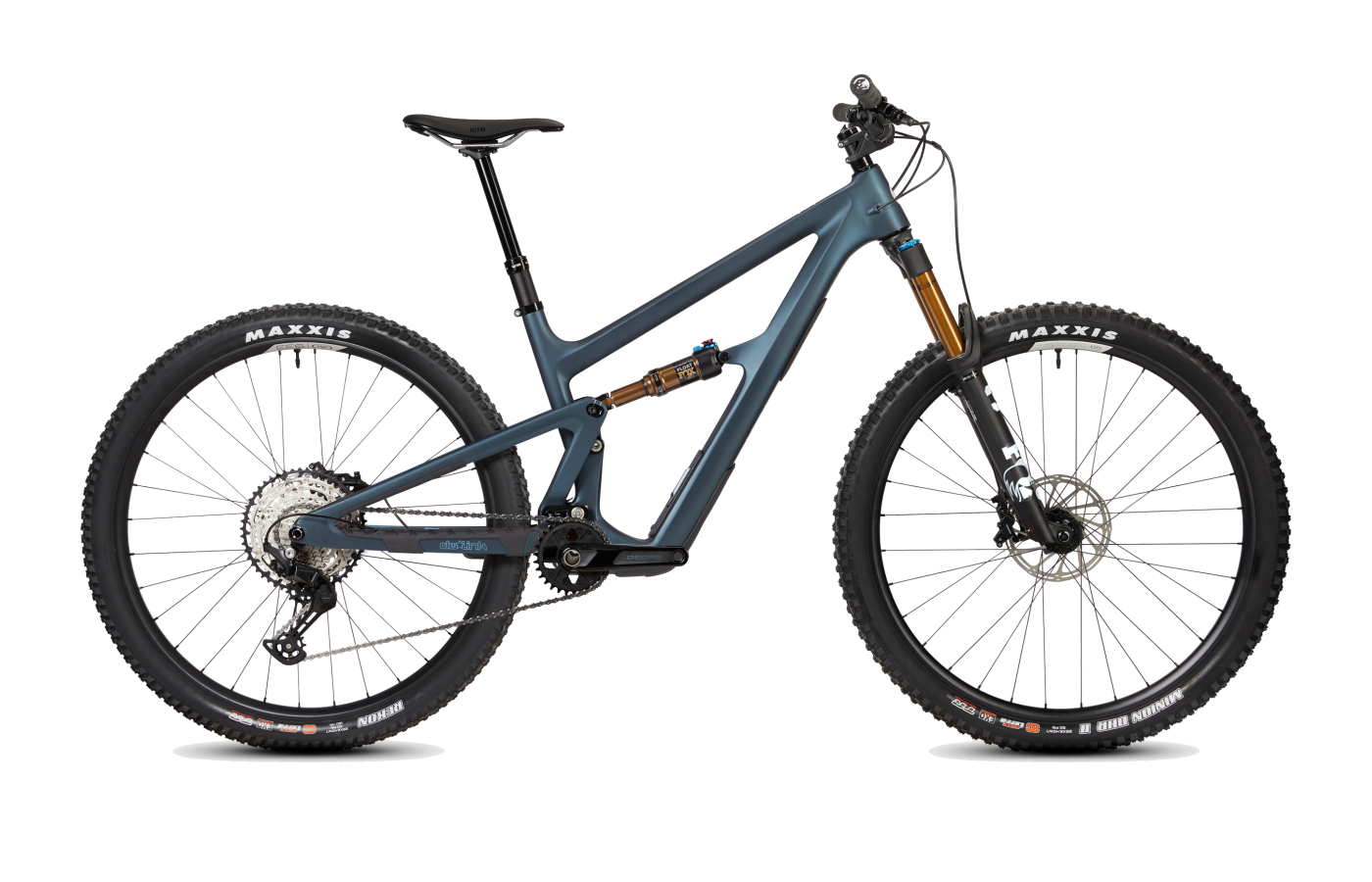
The longtime benchmark in the short-travel trail category — DW-Link suspension, well-rounded climbing-and-descending balance, and a more forgiving price ladder than the SB120. If you like the Yeti's brief but want fewer compromises on value, start here.
Compare →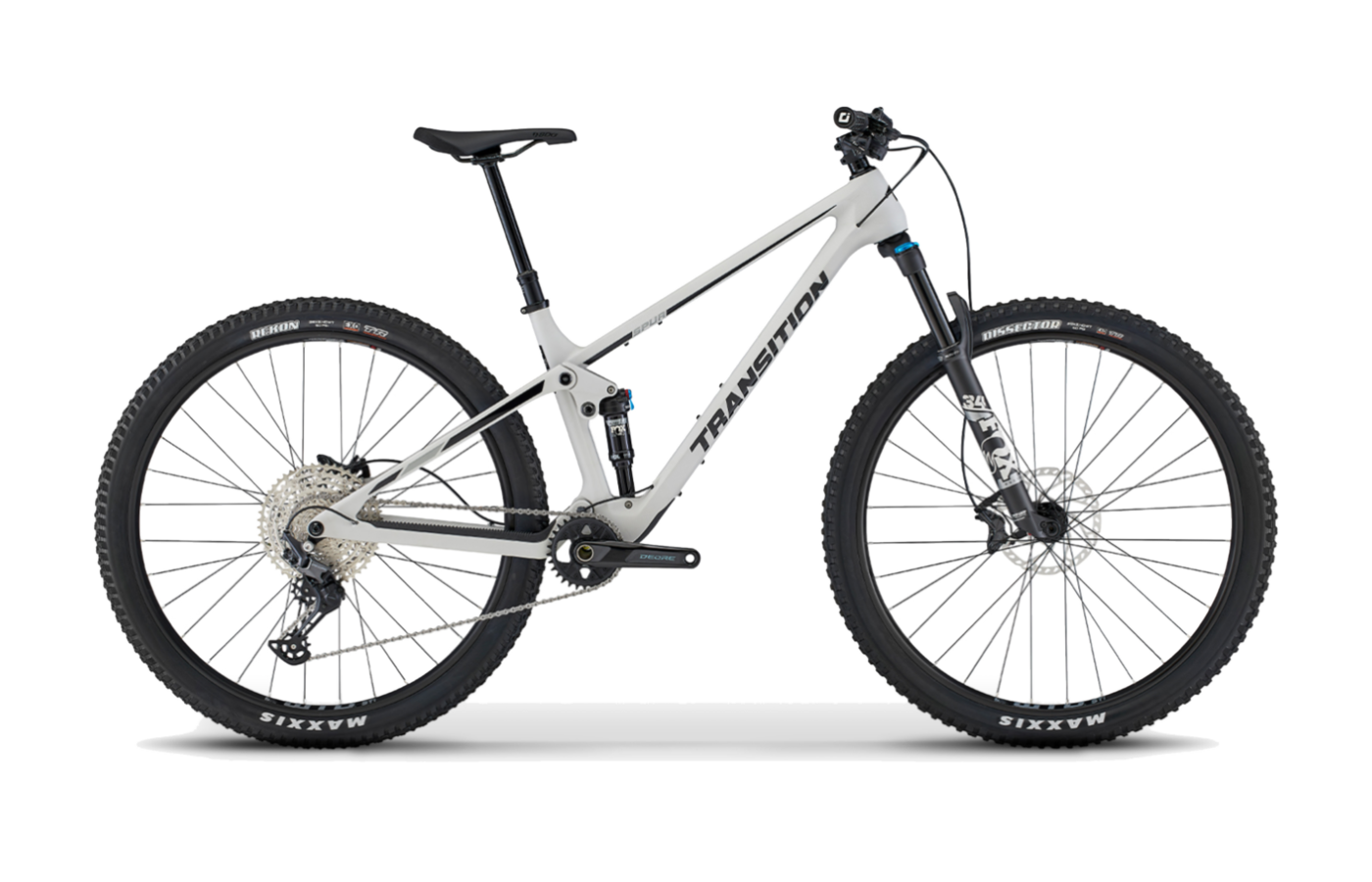
Spur
The lighter, more playful take on the Ranger's brief — race-ready 120 mm rear travel with a livelier feel. If the Ranger appeals but you want more pop on demand, the Spur is the closest cousin in spirit.
Compare →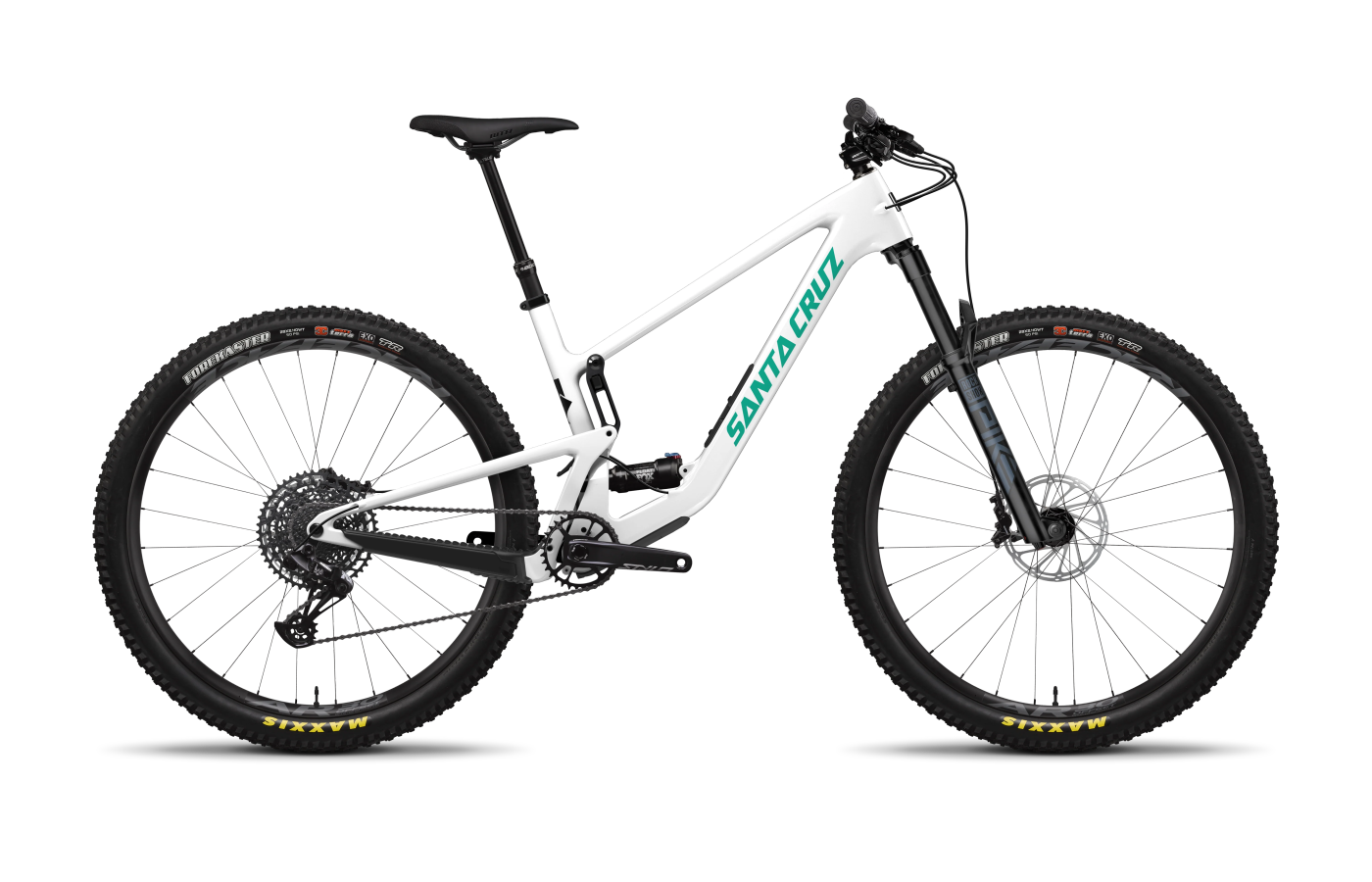
Tallboy
Sits squarely between these two — slightly slacker than the SB120, slightly more capable than the Ranger, and Santa Cruz's signature lifetime-bearing warranty. The default 'one bike for everything' answer in this travel bracket.
Compare →