Spindrift
vsTyee
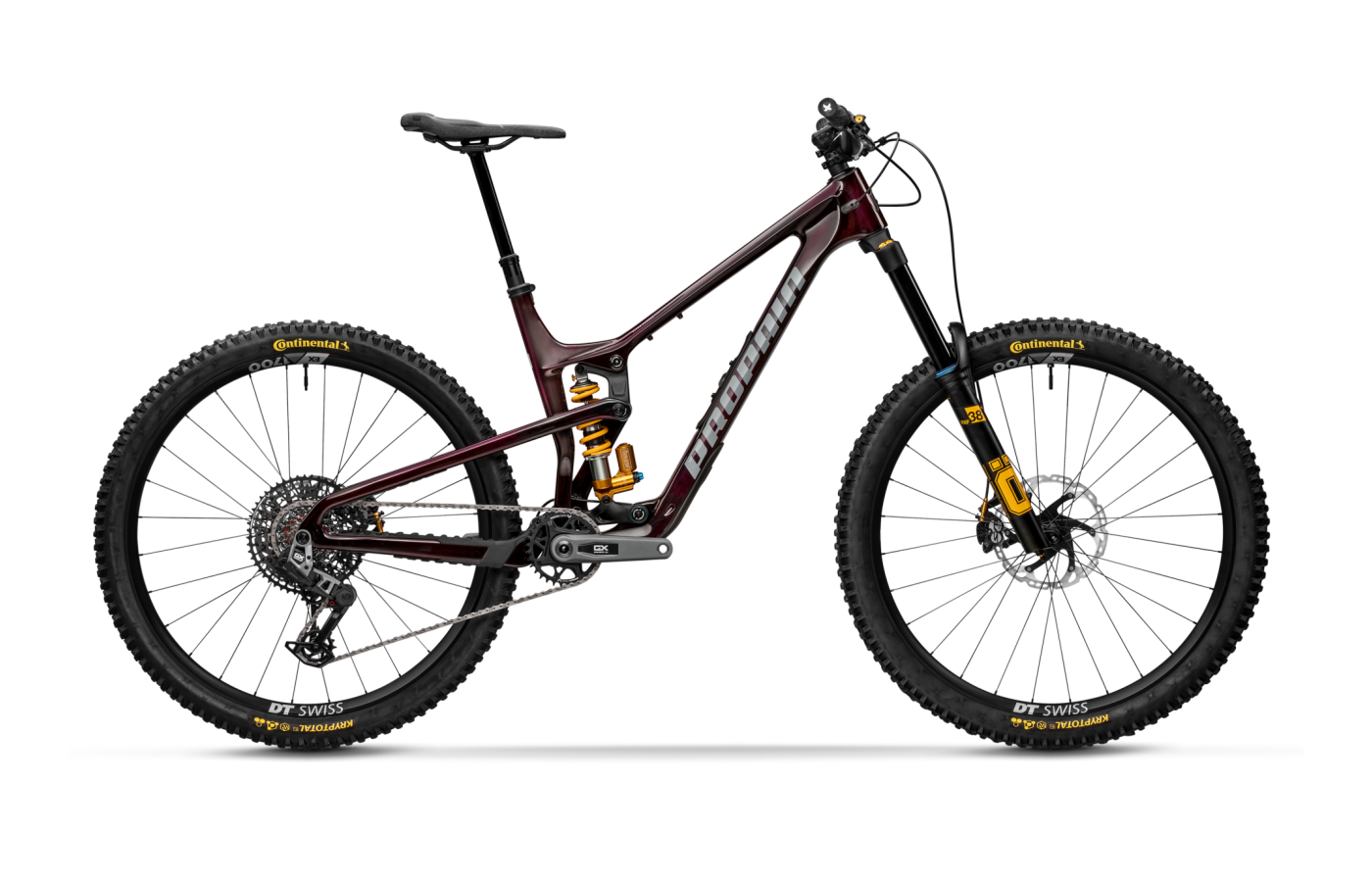
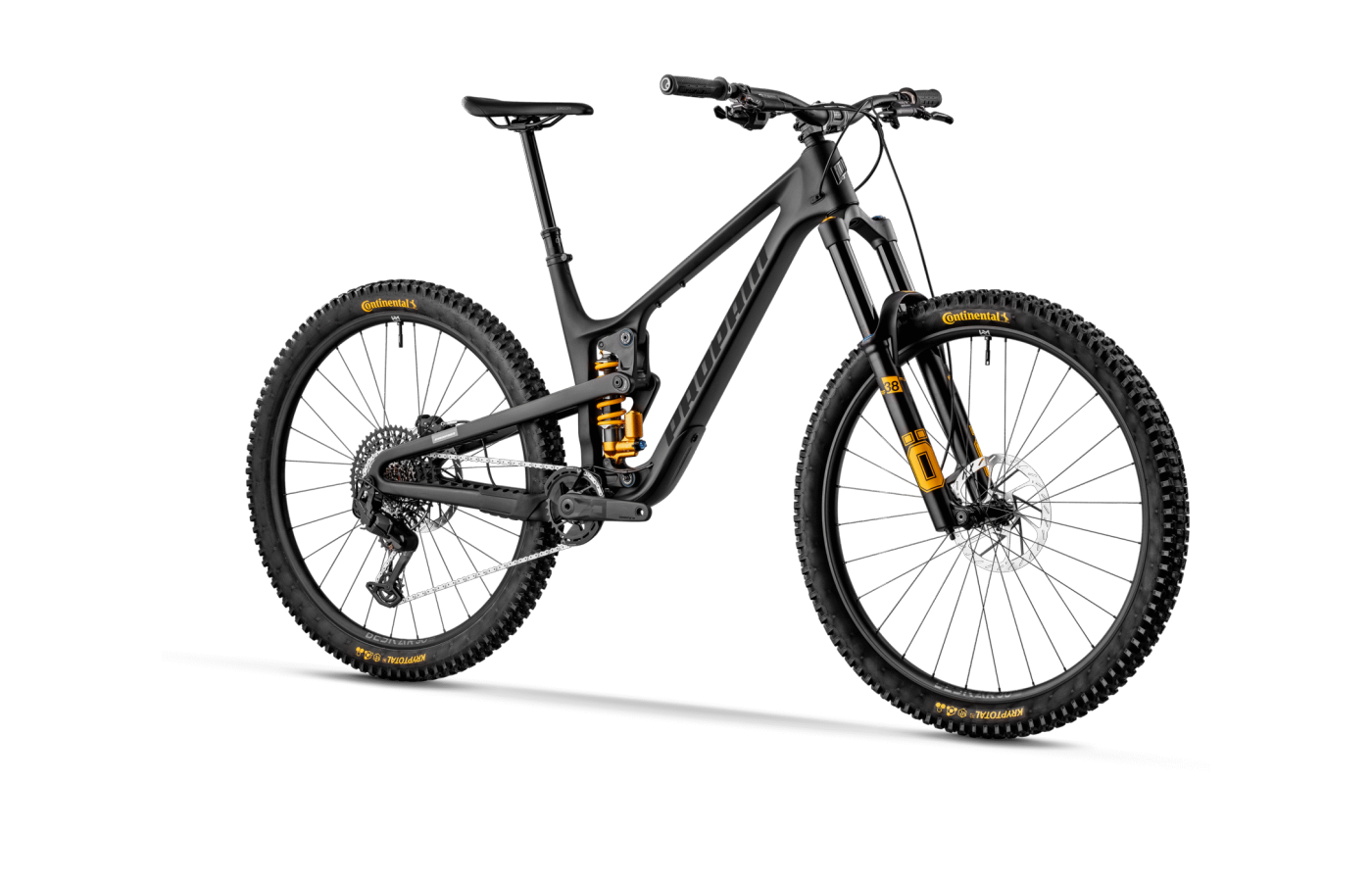
One brand, one suspension platform, two completely different jobs.
The Spindrift is Propain's 180 mm freeride sledgehammer. The Tyee is the 160 mm enduro all-rounder you'd actually pedal up everything.
Spindrift
- Genuine 180 mm freeride travel front and rear — Cat 5 rated, dual-crown compatible on the alloy frame.
- Pedals far better than it should — ~116% anti-squat at sag, climb-switch rarely needed even on long fire-road grunts.
- Stable at speed — 63.5 degree head angle, 460 mm reach in size M, 1,254 mm wheelbase: planted on the rough stuff.
- Can feel underwhelmed and lurchy on mellow trails — it wants speed and gradient.
- Tall standover and limited dropper insertion frustrate shorter riders looking for max post drop.
Tyee
- Two bikes in one shock swap — air for poppy and playful, coil for plow and downhill-bike control. Same frame.
- Best-in-class climber for the travel — ~100–120% anti-squat, steep ~77 degree seat tube, no climb switch needed.
- Flip-chip + 27.5 or 29 in option — tune head angle and reach to your terrain rather than your terrain to the bike.
- Long wheelbase makes very tight, low-speed switchbacks more deliberate than a pure trail bike.
- Cable routing under the BB has been flagged by multiple reviewers for tire rub.
Editor’s analysis
Both run Propain's PRO10 suspension and the configurator's full parts buffet — but the bike around it is doing very different jobs.
On the surface these two read like siblings: same German direct-to-consumer brand, same dual-link PRO10 platform, same Category 5 frame rating, the same online configurator that lets you spec-up to a Factory build or down to a no-frills Base. Both climb better than long-travel bikes have any right to. Both reward an active, pumping rider over a pure plower. Step back, though, and the spread is huge — 20 mm of front travel, $4,800 between Spindrift floor and ceiling, and a head-angle/reach combo that puts the Spindrift in genuine freeride territory and the Tyee firmly in modern enduro.
The Propain Spindrift is the gravity-first bike. 180 mm front and rear, a 63.5 degree head tube angle that used to live only on DH rigs, and on a size M a 460 mm reach paired with a 78 degree seat tube angle — long up front, steep over the cranks, optimized for stability at speed and pedaling access to the gnarly stuff. Reviewers consistently flag two things: it pedals far better than its travel suggests (Pinkbike never used the climb switch; MBR called it 'exceptionally efficient pedalling for a 180 mm bike'), and on truly mellow trails it can feel like too much bike. Buy it if your version of fun involves a chairlift, a shuttle truck, or a 30-minute fire-road grunt to reach something steep.
The Propain Tyee is the do-it-all enduro. 170 mm fork, 160 mm rear, with a flip-chip that swings the head angle between roughly 62.8 and 63.9 degrees and the reach 10–12 mm with it. It sits 21 mm shorter than the Spindrift in size M and a touch more upright — easier in tight, slow tech, more responsive on flatter trails, and (especially with the optional coil) genuinely composed when the descent gets serious. Reviewers across Pinkbike, Enduro MTB, BikeRadar and TheLoamWolf agreed: it's the rare enduro bike that lets you tune playful-vs-plow with a shock swap rather than buying a different platform.
Put bluntly: the Spindrift is the bike you buy when you already own an enduro bike and want something more. The Tyee is the bike you buy when you want one bike to do everything from after-work loops to the occasional enduro race weekend.
Where the builds differ.
Comparing our editor's-pick builds side-by-side. Winners highlighted row-by-row — lower price and weight, and the better-spec component, each mark a point.
Build variants & pricing
Both are Propain configurator bikes — every part is swappable at order time. The numbers below are MSRP for the stock packages.
We've matched these picks at the GX Eagle Transmission tier where Propain pricing aligns most closely on each platform. Spindrift Factory and Tyee S2 represent very different value plays — Tyee builds top out lower because the platform doesn't ask for premium coil/dual-crown options.
How they fit, how they steer.
Both at size M — the fit-picked size for a 5'8" rider on each bike. The Spindrift sits 21 mm longer in reach (460 vs 439 mm in the slack flip-chip), with a 1.1 degree steeper seat tube (78 vs 76.9 degrees in the steep position) — bigger cockpit, more upright pedaling. The Tyee's flip-chip swings its head angle from 63.9 to 62.8 degrees, depending on setting; the Spindrift sits at a fixed 63.5 degrees.
Which size should I buy?
Sizing recommendations based on stack, reach, and effective top tube. Both run S–XL; the Tyee adds an XS for shorter riders, and offers both 27.5 and 29 in chassis variants.
→These are starting points. Flexibility, riding style, and preferred position all shift the answer — if you’re between sizes, a professional fit beats a chart.
What the magazines said.
Published reviews from trusted cycling outlets. Click through for the full write-up.
Which one should you buy?
If you ride bike parks, shuttle days, and steep gnar, get the Spindrift. If you want one bike for everything from after-work loops to enduro race weekends, get the Tyee.
Spindrift
If most of your good days end with a chairlift download, a shuttle truck, or a long gnar descent earned by a fire-road grind, the Spindrift gives you DH-grade composure with a pedal-up route home. Don't buy it as your only bike unless you live somewhere genuinely steep.
Tyee
If your rides are a mix of real climbing and aggressive descending, and you want one bike that can flex from playful trail mode to plow-it enduro mode, the Tyee is the more honest answer. Coil-shock it for race weekends, swap to air for the rest of the season.
Questions buyers actually ask.
Short answers to the things we get emailed about most often.
01What's the actual travel difference?
The Spindrift runs 180 mm front and rear — Propain's freeride / super-enduro travel bracket. The Tyee is 170 mm front, 160 mm rear — a modern long-travel enduro spec.
That 20 mm of front and rear travel changes the bike's character far more than the number suggests. The Spindrift swallows DH-bike-sized hits and feels planted at speed; the Tyee is more responsive at the bar, easier to manual, and quicker to change direction in tight terrain.
02Which one climbs better?
Both climb genuinely well for their travel — Propain's PRO10 suspension runs high anti-squat (around 100–120% at sag on both bikes), which means very little pedal bob and a firm platform when you push on the cranks. Pinkbike's reviewer said they 'never once used the climb switch' on the Spindrift; MBR called the same bike 'exceptionally efficient pedalling for 180 mm.'
If you're splitting hairs: the Tyee is the lighter, more nimble climber — less bike to drag uphill and more responsive when you stomp. The Spindrift rewards smooth cadence; if you keep it pinned, it climbs anything, but it doesn't love stop-start technical pitches.
03Can the Tyee replace the Spindrift in a bike park?
For most riders at most parks, yes. The Tyee in its slack flip-chip setting (62.8 degree head angle) with a 170 mm fork and a coil shock is a serious gravity bike — TheLoamWolf called the coil-shock setup 'an aggressive rocket ship' delivering 'downhill-bike levels of control.'
The Spindrift starts to pull away when the features get truly big — sustained Whistler-grade A-line, cliff drops, mandatory hucks. That's where the extra 20 mm of travel and the dual-crown option on the alloy frame matter.
04Air shock or coil shock — does it matter?
It matters more on the Tyee, where reviewers consistently describe two distinct ride characters depending on shock choice: air gives you a lively, poppy bike; coil turns it into a plush, traction-rich plow. You can effectively tune what kind of enduro bike you want.
The Spindrift is more consistent across shock choice because its travel and progression curve already deliver a very plush mid-stroke regardless. Most stock builds ship with whatever Propain's configurator default is for that price tier.
05How does Propain's direct-to-consumer model actually work?
Propain doesn't sell through bike shops in most markets — you order online through their Build to Order configurator, pick from a wide menu of forks, shocks, drivetrains, brakes, wheels, dropper lengths, and even decal colors, and they ship the assembled bike to you.
Upsides: real customization at order time, and prices that undercut equivalent dealer-network builds. Downsides: no local demo, limited service network outside Germany, and you're committing to a fit and color choice without sitting on the bike. Propain North America has a reputation for solid post-sale support per owner reports, but it's not the same as walking into a Trek shop.
06What's the geometry difference in size M?
Spindrift M: 460 mm reach, 627 mm stack, 63.5 degree head tube angle, 78 degree seat tube angle, 1,254 mm wheelbase, 445 mm chainstays.
Tyee M (29 in, slack flip-chip): 439 mm reach, 633 mm stack, 62.8 degree head tube angle, 76.1 degree seat tube angle, 1,247 mm wheelbase, 445 mm chainstays.
Tyee M (29 in, steep flip-chip): 449 mm reach, 626 mm stack, 63.9 degree head tube angle, 76.9 degree seat tube angle, 1,237 mm wheelbase.
Net: the Spindrift is longer, taller, and steeper at the seat tube. The Tyee is more compact and gives you a flip-chip choice the Spindrift doesn't.
07Are these good for an enduro racer?
The Tyee is the one most reviewers point at. Its flip-chip lets you go slack and aggressive for race day, the coil-shock option turns it into a serious descender, and the climbing efficiency means you're not punished on long timed transfer stages.
The Spindrift is more of a freeride / super-enduro bike than a pure race tool — it's heavier, longer, and the 180 mm rear is overkill for most enduro courses. If your local series tilts toward Whistler-grade tracks, the Spindrift makes sense. For most EWS-style courses, Tyee.
08What kind of warranty and support do they offer?
Propain offers a frame warranty against manufacturing defects and a separate crash-replacement program through their North American office for damage from riding. Customer-service experience appears strong from owner reports — one Canadian owner cited proactively shipped replacement parts and follow-up checks a year after purchase.
That said, you don't have a local dealer to walk a frame into. Plan on doing your own bleeds and bearing services, or building a relationship with a shop willing to work on a bike they didn't sell.
Similar bikes
If your priorities don’t map cleanly onto either of these, one of these adjacent bikes probably fits better.
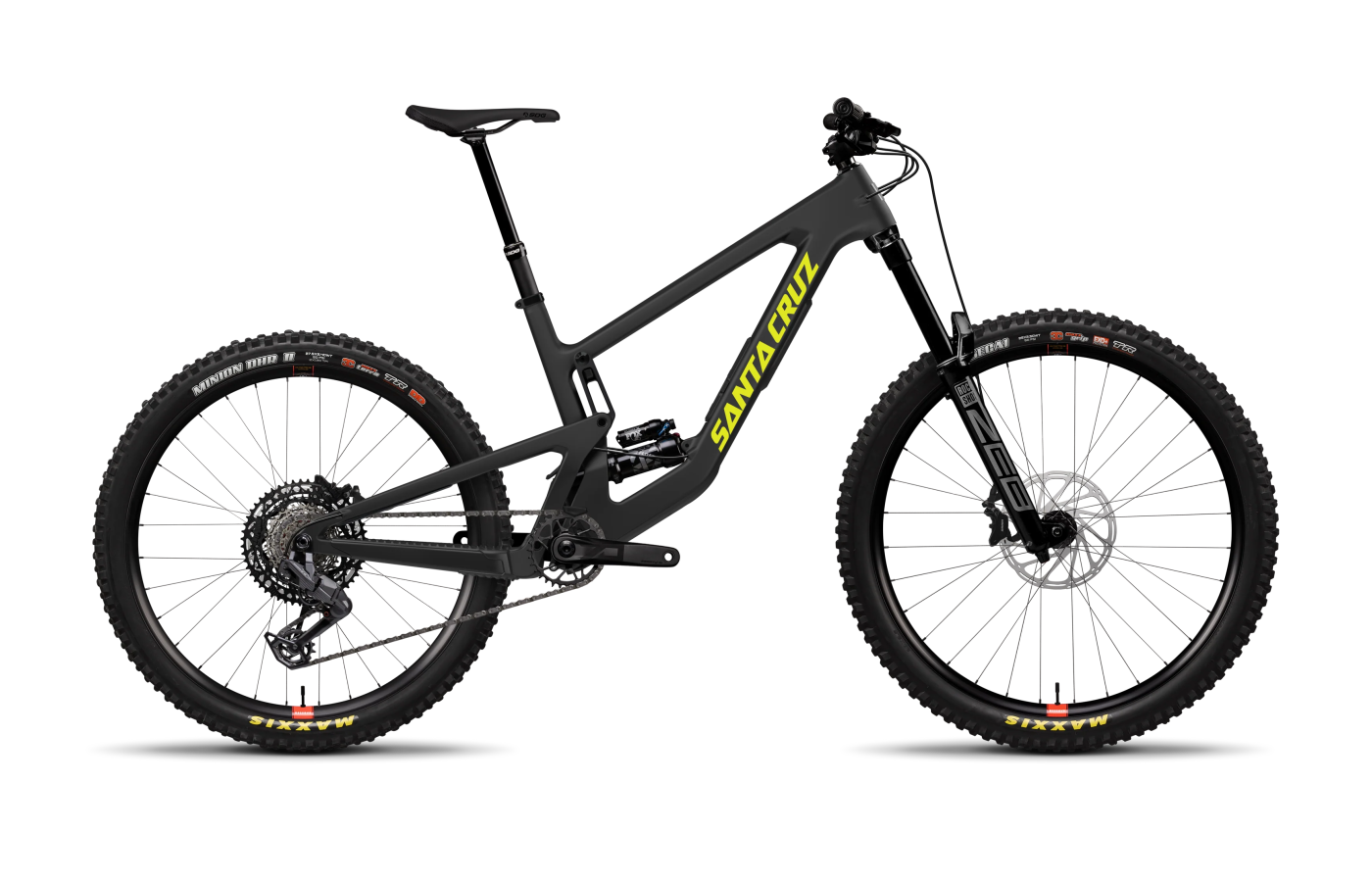
Nomad
Santa Cruz's 170 mm Nomad is the closest mainstream-brand analog to the Spindrift — gravity-first geometry, VPP suspension, and a dealer network if you want one. More expensive, more polished, and easier to demo before you buy.
Compare →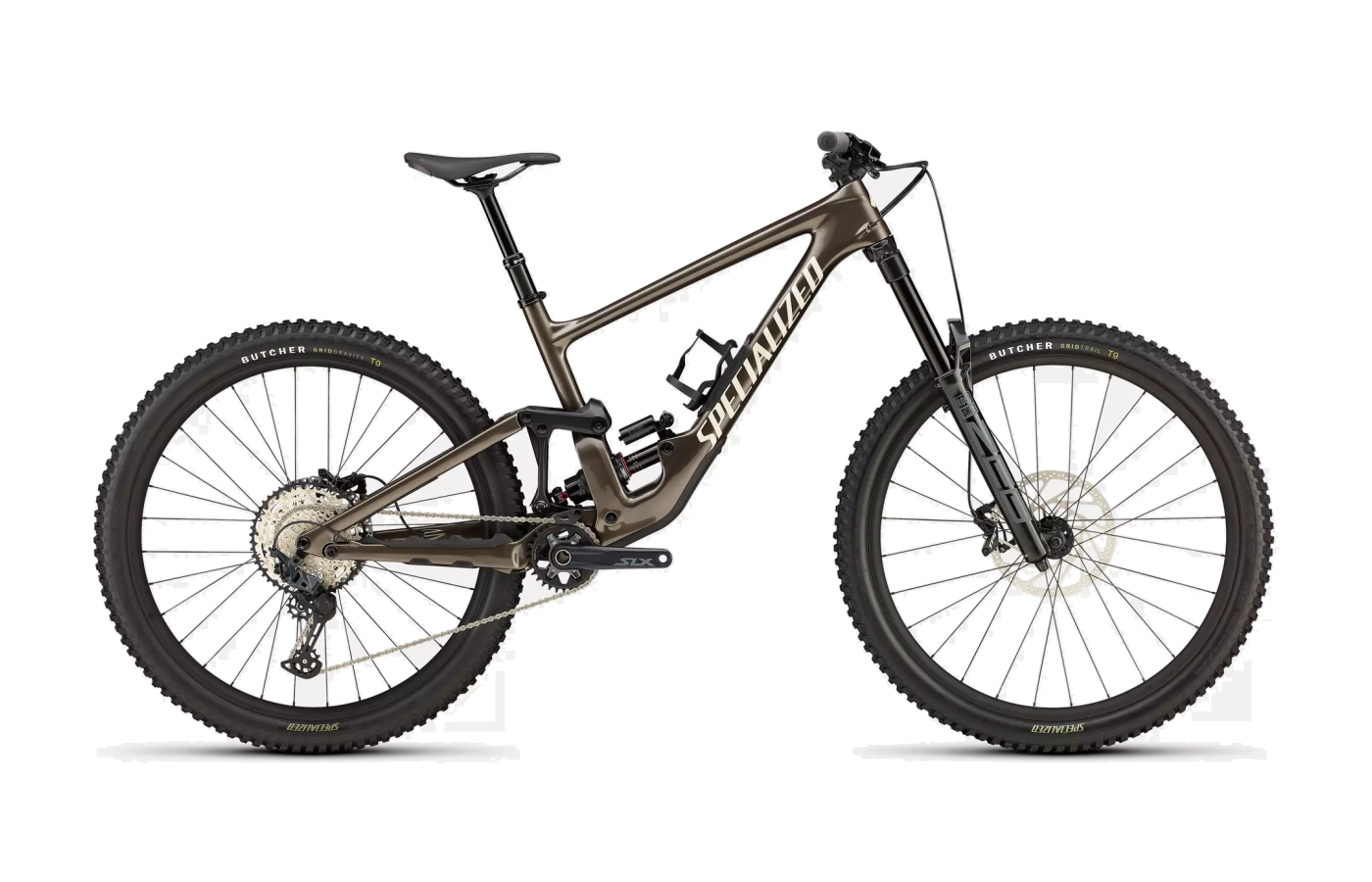
Enduro
The Specialized Enduro punches in the same long-travel race-capable bracket as the Spindrift, with the Specialized service network behind it. Reviewers consistently single out its pedaling efficiency for the travel — a direct alternative if you want freeride travel from a bike you can roll into a shop.
Compare →Capra
YT's Capra is the other German direct-to-consumer freeride/enduro pick — aggressive geometry, sharp pricing, similar trade-offs. A natural cross-shop with both Propain platforms if value-per-dollar is your top filter.
Compare →