Shadowcat
vsSB140
Two trail bikes, two wheel sizes, two philosophies.
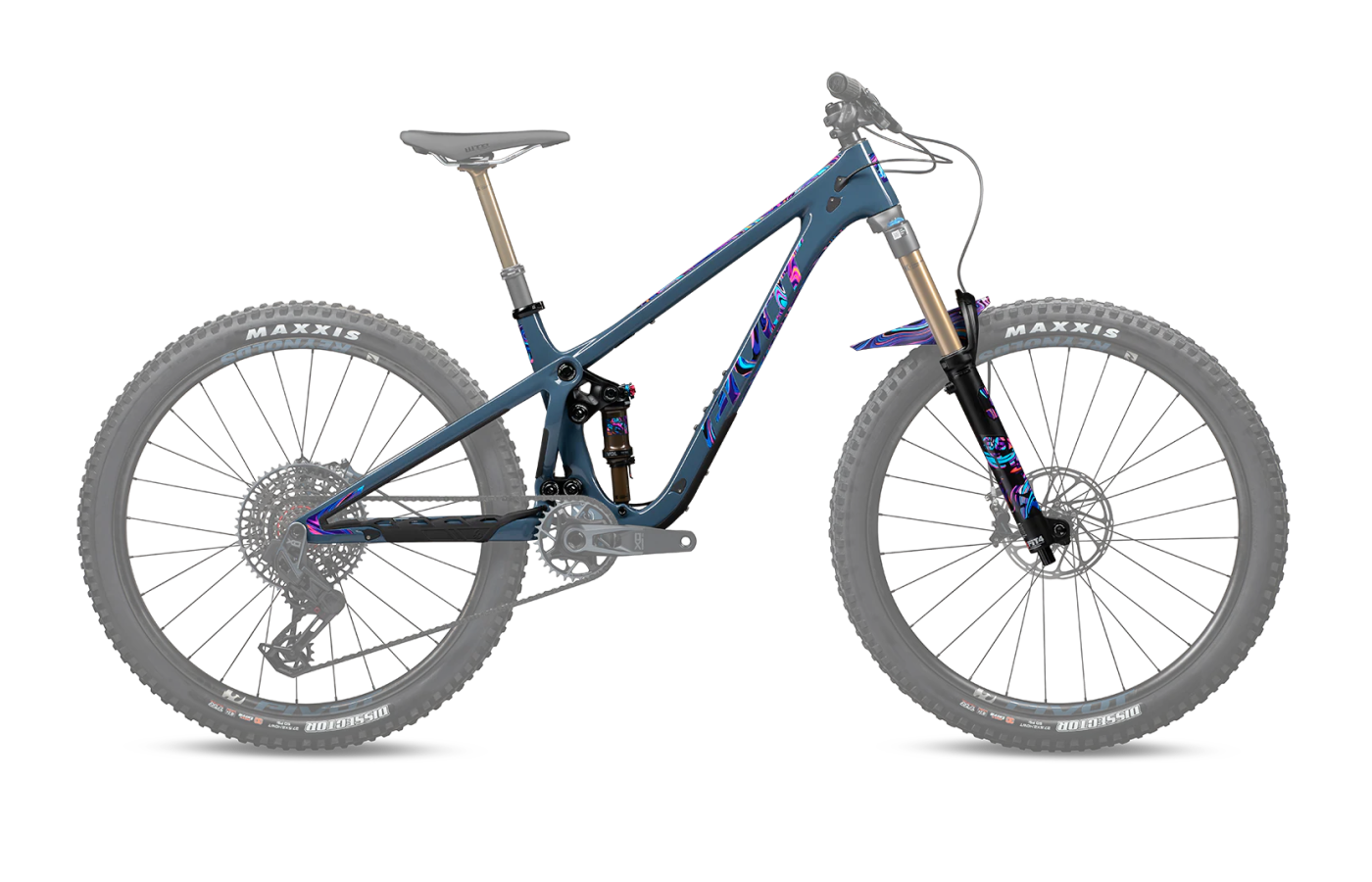
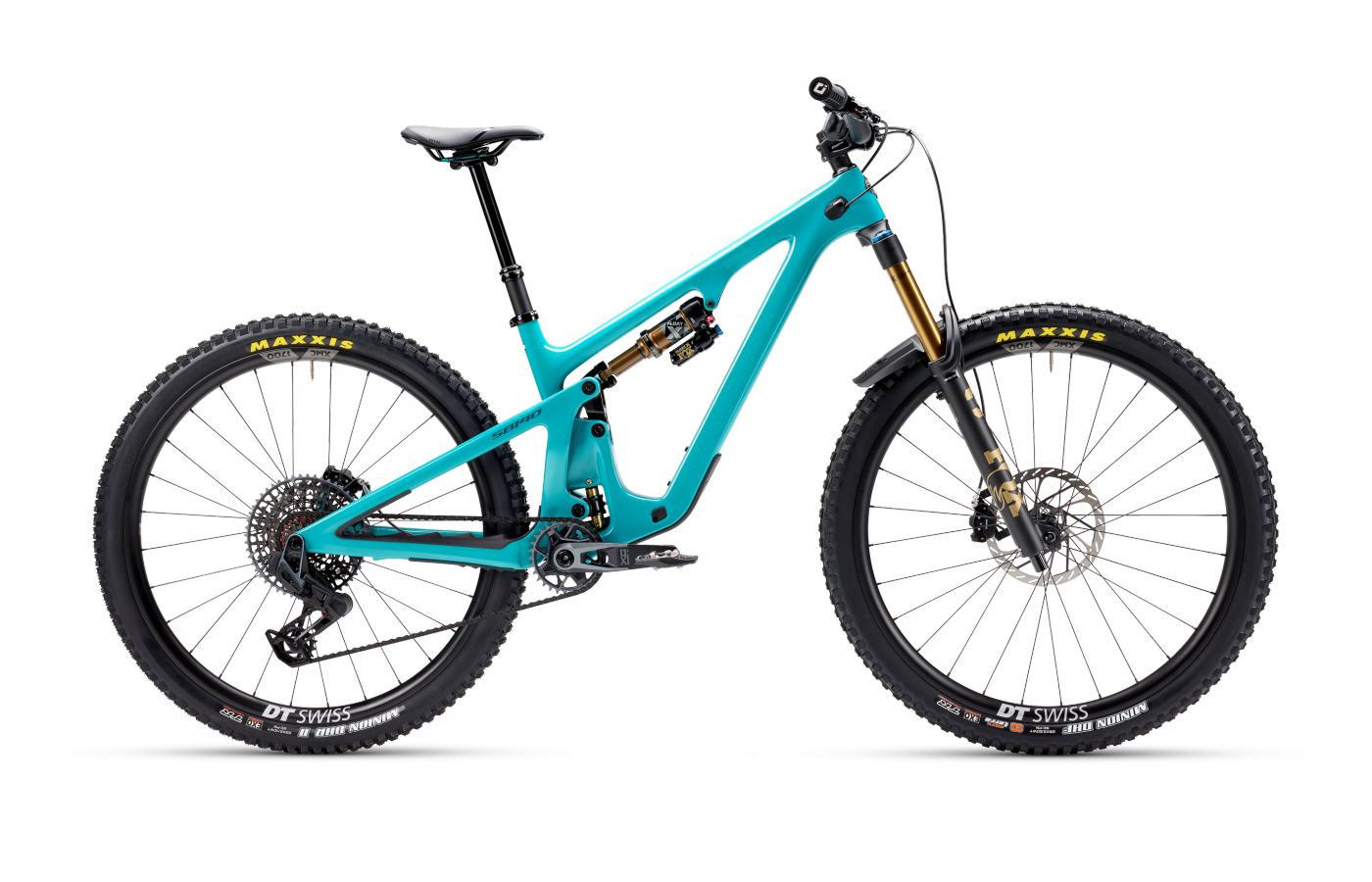
The Pivot Shadowcat is a featherweight 27.5-inch jib tool. The Yeti SB140 is a 29er scalpel built to generate speed everywhere.
Shadowcat
- Exceptional low weight — claimed 26.5 lb for a Team XTR build, lighter than most 120 mm XC-trail bikes.
- Agile 27.5 handling — short 430 mm chainstays and small wheels make it a standout in tight, twisty, feature-rich terrain.
- Excellent pedaling efficiency — DW-Link delivers minimal bob on climbs; many reviewers never reach for the lockout.
- Less stable at high speed in rough, chunky terrain than a comparable 29er.
- Fox 36 ships with a FIT4 damper rather than the more tunable GRIP2 — a sore point at this price.
SB140
- Bottomless mid-travel feel — Switch Infinity makes 140 mm ride like 150–160 mm without sacrificing pedaling composure.
- Elite climbing efficiency — high anti-squat and a steep 77 degree seat angle put every watt forward on long or technical ascents.
- Size-specific chainstays (436–444 mm) keep handling balanced from Small through XXL — Pivot holds 430 mm across every size.
- Heavier frame and heavier complete builds than the Shadowcat — you feel the 3–4 lb gap on long climbs.
- No internal frame storage and no geometry adjustment — features now standard on Stumpjumper 15 and Hightower.
Editor’s analysis
Same 140 mm rear travel, same 160 mm fork, same premium carbon frame — and yet these bikes ask you to ride completely different trails.
On paper the Pivot Shadowcat and Yeti SB140 share a bracket: 140 mm rear travel, 160 mm fork, carbon frame, sub-$12k flagship price, and an identity as a one-bike-quiver trail rig. Spend five minutes with the geometry sheets and the philosophies split open. The Shadowcat runs full 27.5-inch wheels on a fixed 430 mm chainstay across every size, a 65.8 degree head tube, and a size Medium that weighs a claimed 26.5 lb in Team XTR trim. The SB140 is a 29er with size-specific chainstays (436–444 mm), a slacker 65 degree head tube, and a measured 30-plus lb for comparable builds. Those numbers are not rounding error — they are two different bikes.
The Shadowcat is the rarer animal: a mid-travel trail bike that has stuck with small wheels in a segment that abandoned them. Its DW-Link suspension is tuned for pedal efficiency — multiple reviewers said they never touched the climb switch — and the short chainstays and low weight make it an exceptional technical climber. On descents it rewards a pumping, popping, line-hunting style. It is, in Blister's words, a love letter to having fun on a bike. The tradeoff is stability at speed: on fast, chunky terrain the Shadowcat wants active riding, not plowing.
The Yeti SB140 is the opposite trick — a 29er built to feel like a longer-travel bike without the weight penalty. The Switch Infinity suspension is famously efficient on climbs and punches well above its 140 mm rating on descents, with reviewers repeatedly describing a bottomless, Tesla-Plaid-out-of-corners character. It pedals like a short-travel bike and descends closer to a 150 or 160 mm platform. The catch is setup sensitivity (the linkage rewards more compression than riders expect) and a persistently low stock stack that has reviewers swapping for higher-rise bars on almost every build.
Put another way: the Shadowcat is the bike you buy when you want to play with the trail. The SB140 is the bike you buy when you want to go fast on everything the trail throws at you.
Where the builds differ.
Comparing our editor's-pick builds side-by-side. Winners highlighted row-by-row — lower price and weight, and the better-spec component, each mark a point.
Build variants & pricing
Both platforms top out around $11–12k and bottom out around $4–6k; mid-range X0 AXS builds land within $300 of each other.
Prices are current US MSRP. Yeti's C-series frame (C2/C3 builds) uses a different carbon layup than the Turq series and adds roughly 225 g — the kinematics and geometry are identical. Pivot's lineup does not offer a lower-cost frame tier, so the Brunch Ride is the only entry point under $7k.
How they fit, how they steer.
Fit-picked for a 173 cm / 5'8" rider: a Shadowcat SM (reach 430, stack 605) against an SB140 M (reach 460, stack 620). The SB140 is a full size longer and taller — that's the 29er/27.5 divide showing up in the fit algorithm.
Which size should I buy?
Pivot tops out at Large; Yeti runs through XXL. If you are taller than 6'1", the SB140 has a size for you and the Shadowcat does not.
→These are starting points. Flexibility, riding style, and preferred position all shift the answer — if you’re between sizes, a professional fit beats a chart.
What the magazines said.
Published reviews from trusted cycling outlets. Click through for the full write-up.
Which one should you buy?
If you want playful, light, and small-wheel agility, get the Shadowcat. If you want a fast, efficient, go-everywhere 29er, get the SB140.
Shadowcat
If your trails are tight, twisty, and feature-heavy — and you would rather hop off a root than roll over it — the Shadowcat is the most fun you can have on 140 mm of travel. Smaller and lighter riders benefit most from its 27.5 geometry.
SB140
If you ride a bit of everything and want a bike that pedals like 120 mm and descends like 160 mm, the SB140 is the connoisseur's choice. It rewards a forward, active stance and gets better the faster you go.
Questions buyers actually ask.
Short answers to the things we get emailed about most often.
01Which climbs better?
Both climb exceptionally well — it is the standout strength of both platforms. The Shadowcat wins on pure weight-to-climb ratio: a Team XTR build weighs roughly 26.5 lb against 30-plus lb for a comparable SB140. On long fire-road grinds, that 3–4 lb gap is real.
The SB140 climbs like a shorter-travel bike thanks to Switch Infinity's high anti-squat; its 77 degree effective seat tube angle (vs. 76 on the Shadowcat) puts you slightly more forward, which helps on the steepest pitches. On technical tech climbs, the two are close — the Shadowcat rewards nimble line choice, the SB140 rewards traction and rollover.
02Which descends better?
Depends on what 'better' means. The SB140 is more composed at speed. Its 29-inch wheels, slacker 65 degree head tube, and Switch Infinity suspension (which reviewers repeatedly describe as 'bottomless' for 140 mm) let you plow through rough sections that will have the Shadowcat dancing and line-hunting.
The Shadowcat descends better on tight, low-to-moderate-speed trails where you want to jump, manual, and pump off features. Its 27.5 wheels and 430 mm chainstays make it 'easy to chuck about' (Singletrack). Multiple reviewers called out that the Shadowcat 'can feel a little vulnerable on steeper, chunkier terrain' (Pinkbike) — it is not a plow bike.
03Why does the Shadowcat still use 27.5-inch wheels?
Pivot's pitch is that small wheels aren't obsolete — they are the right answer for riders who prioritize agility over rollover. Quick direction changes, easier manuals, and a more playful feel are the upside. The downside is less momentum on rough, fast terrain.
The Shadowcat is explicitly targeted at smaller riders (XS–L only, no XL) and riders on tighter, feature-rich trail networks. Pivot's own lineup offers a 29er counterpart — the Switchblade — for riders who want the same frame quality on bigger wheels.
04What about suspension damping quality?
Shadowcat ships the Fox 36 with the FIT4 damper across every build, including the $11,999 Team XTR. Reviewers have universally noted this as a value miss at this price — the more tunable GRIP2 damper is the expected spec on a flagship, and lighter riders in particular have found the FIT4 'a little over-damped' (Pinkbike).
SB140 T-tier builds ship the Fox 36 with the newer GRIP X2 damper and a Fox Float X piggyback rear shock, giving more adjustability out of the box. For aggressive trail riders, this is a meaningful spec advantage on the Yeti side.
05How is frame storage and maintenance?
Neither bike has internal frame storage — a notable miss on the SB140 relative to the Stumpjumper 15 and Hightower, and a non-issue on the Shadowcat because Pivot has never spec'd it.
Pivot's frame uses Hollow Core Carbon construction with Enduro MAX bearings, integrated headset cups, and UDH. Yeti's frame includes a threaded BSA bottom bracket (a welcome upgrade from press-fit), the updated Switch Infinity V2 linkage with a grease injection port, and UDH. Both offer lifetime frame warranty to the original owner. The Switch Infinity linkage is more maintenance-demanding than a standard four-bar — reviewers note it 'needs a little bit more looking after' (MBR).
06Which frame sizes fit which riders?
The Shadowcat comes in XS, S, M, and L only. A 5'8" rider fits Small (reach 430, stack 605); taller than 6'1", the platform runs out of room.
The SB140 runs S through XXL (reach 429–521, stack 617–671), with size-specific chainstays that grow 2 mm per size. Taller riders get a proportionally longer rear end — a real advantage over Pivot's fixed 430 mm chainstay.
07Are both builds available DTC or through dealers?
Both Pivot and Yeti sell through authorized dealers — neither offers true consumer-direct pricing. That is a meaningful factor against both bikes when comparing to Canyon, YT, or similar DTC brands, where you can get broadly comparable 140 mm carbon trail bikes for thousands less.
08Which holds its resale value better?
Both brands hold value well relative to the broader MTB market — Yeti and Pivot carry strong secondhand demand, especially for recent-year Turq / Pro-series carbon frames. Yeti's lifetime frame warranty (original owner only) slightly favors first-owner purchase over used. Pivot offers a 10-year frame warranty to the original owner.
Both depreciate less in the first two years than mass-market brands and more closely track Santa Cruz and Ibis on the resale market.
Similar bikes
If your priorities don’t map cleanly onto either of these, one of these adjacent bikes probably fits better.
5010
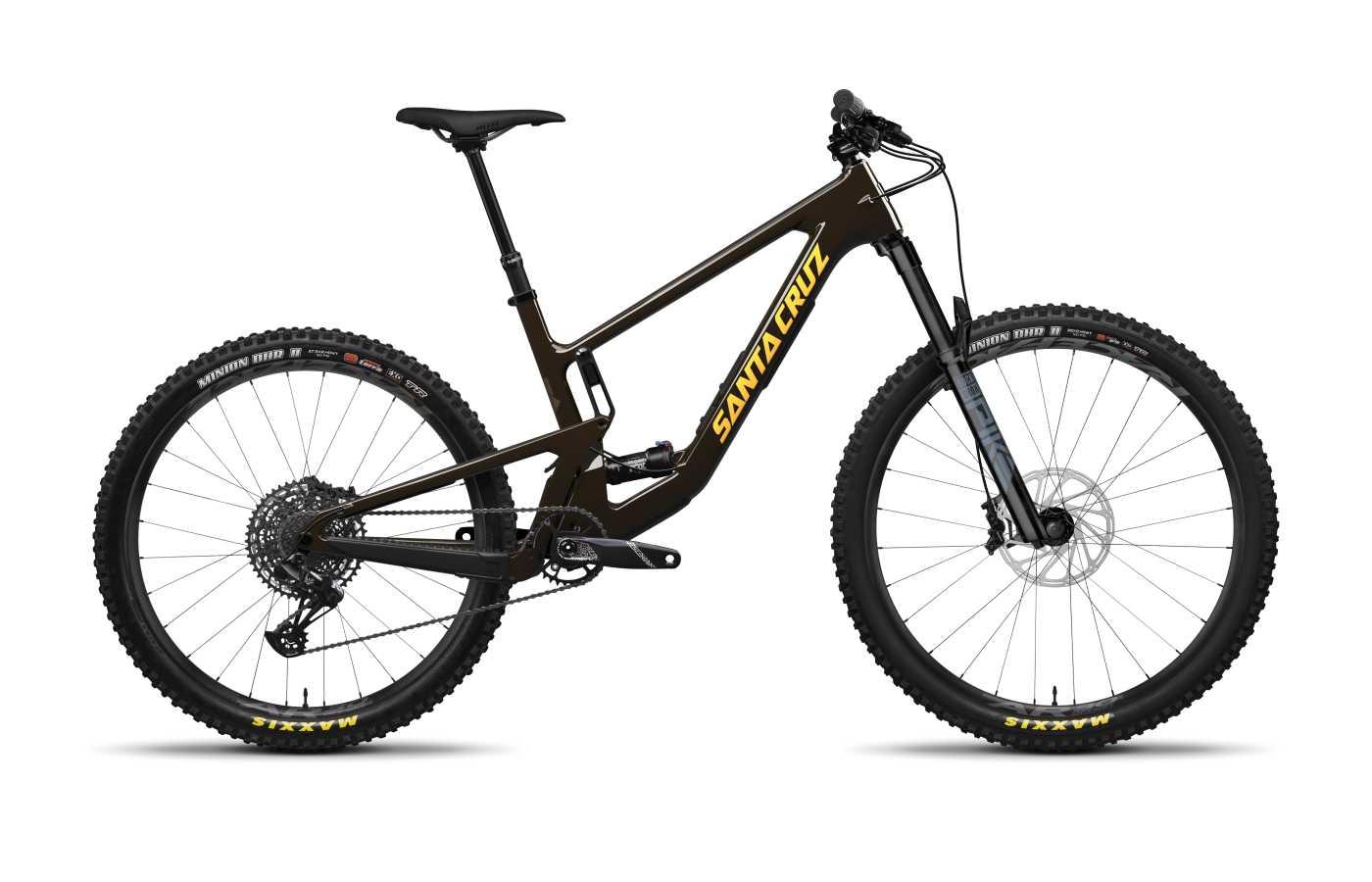
The Santa Cruz 5010 is the most direct rival to the Shadowcat — another premium-brand 27.5-inch trail bike built around agility and feature-play. VPP suspension and a slightly longer travel spec give it a different flavor, but the mission is the same.
Compare →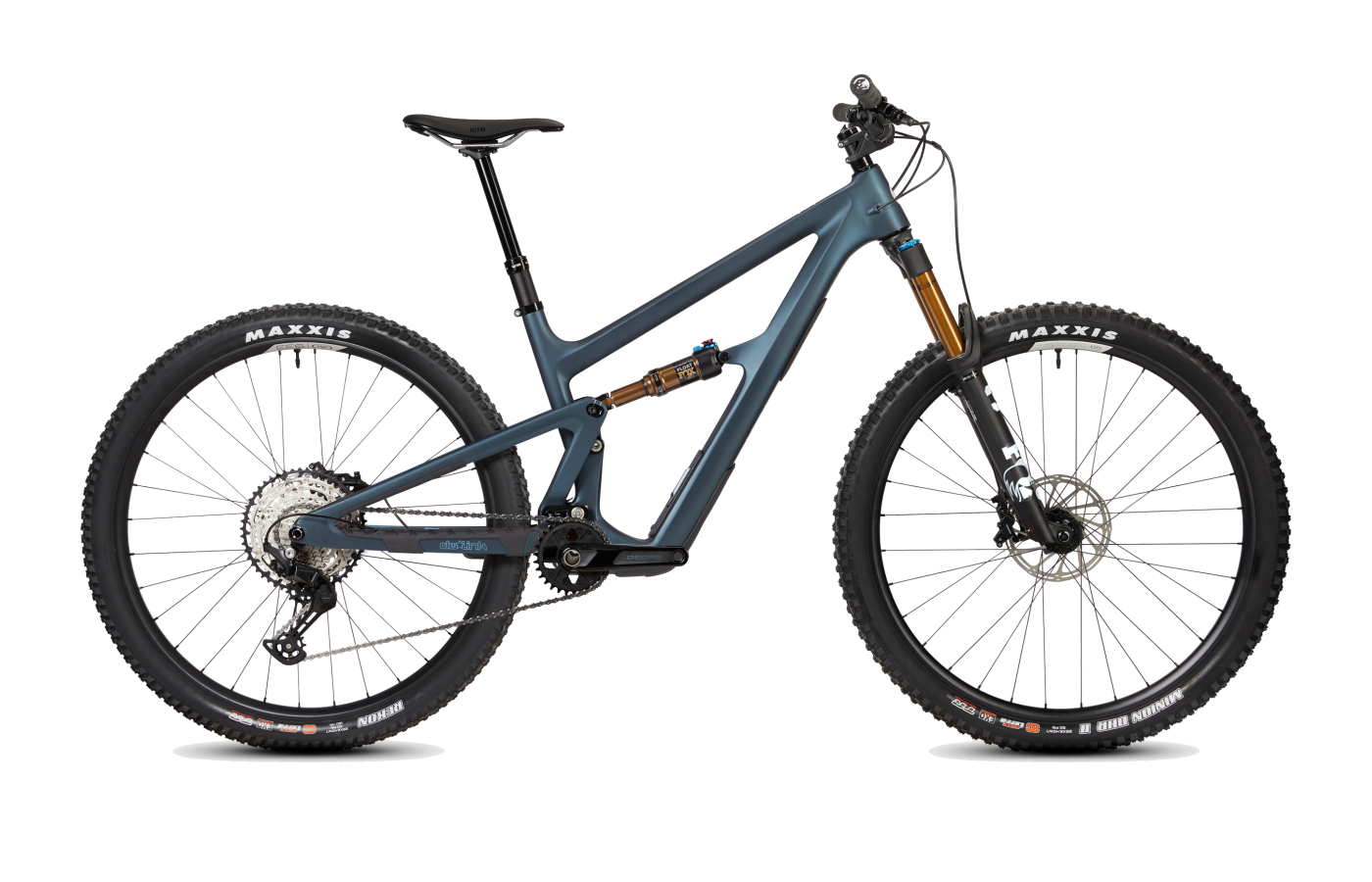
Ripley
The Ibis Ripley splits the difference: DW-Link suspension like the Shadowcat, but on 29-inch wheels with slightly shorter travel. A strong choice if you like the Pivot's pedaling character but want 29er rollover.
Compare →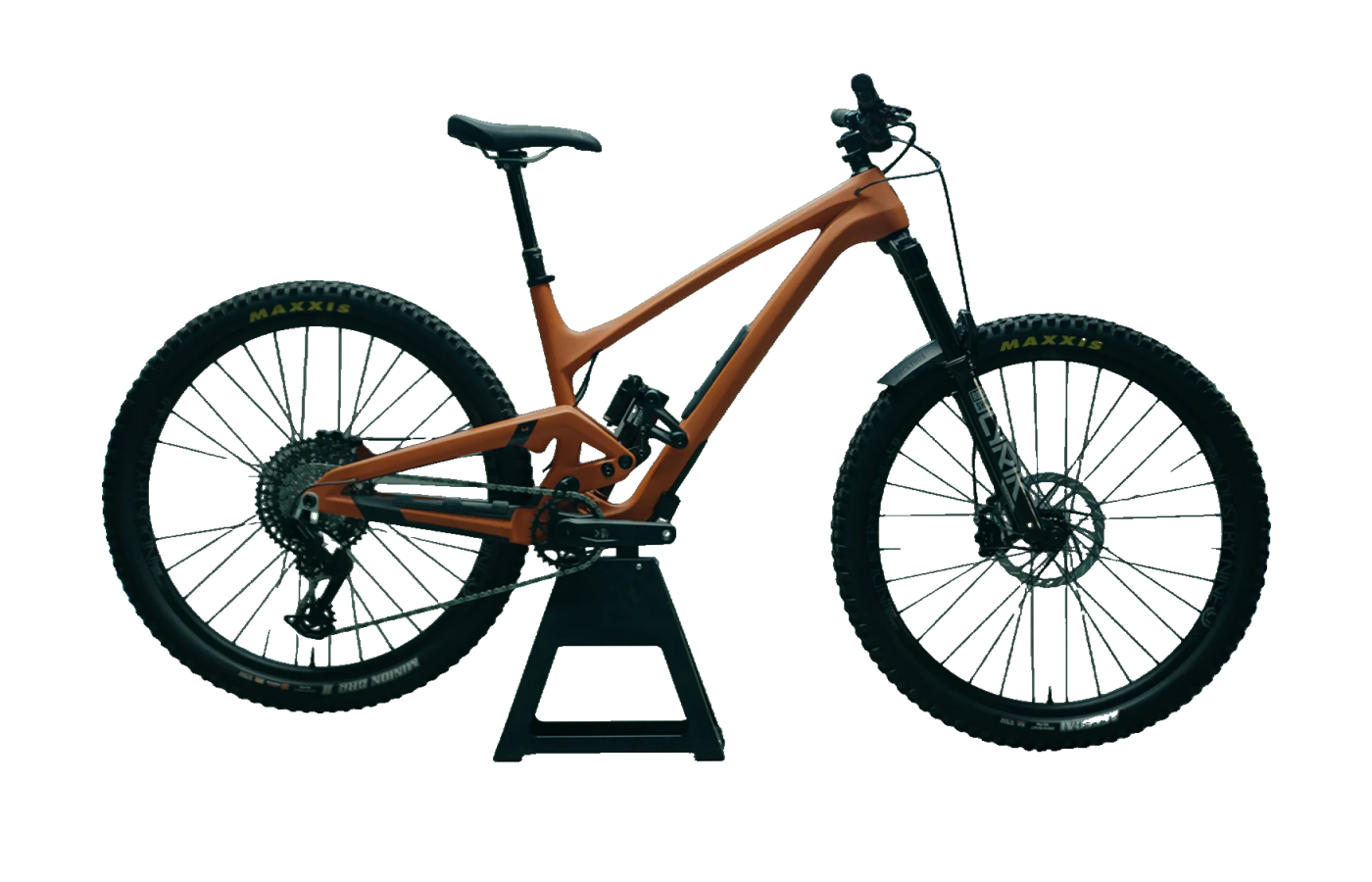
Offering
The Evil Offering is a 29er trail bike with the same playful-but-capable mandate as the SB140. Evil's DELTA linkage delivers excellent mid-stroke support for pumping and popping — closer to the Yeti than the Pivot in character, with a quirkier identity.
Compare →