Dogma X
vsPinarello X
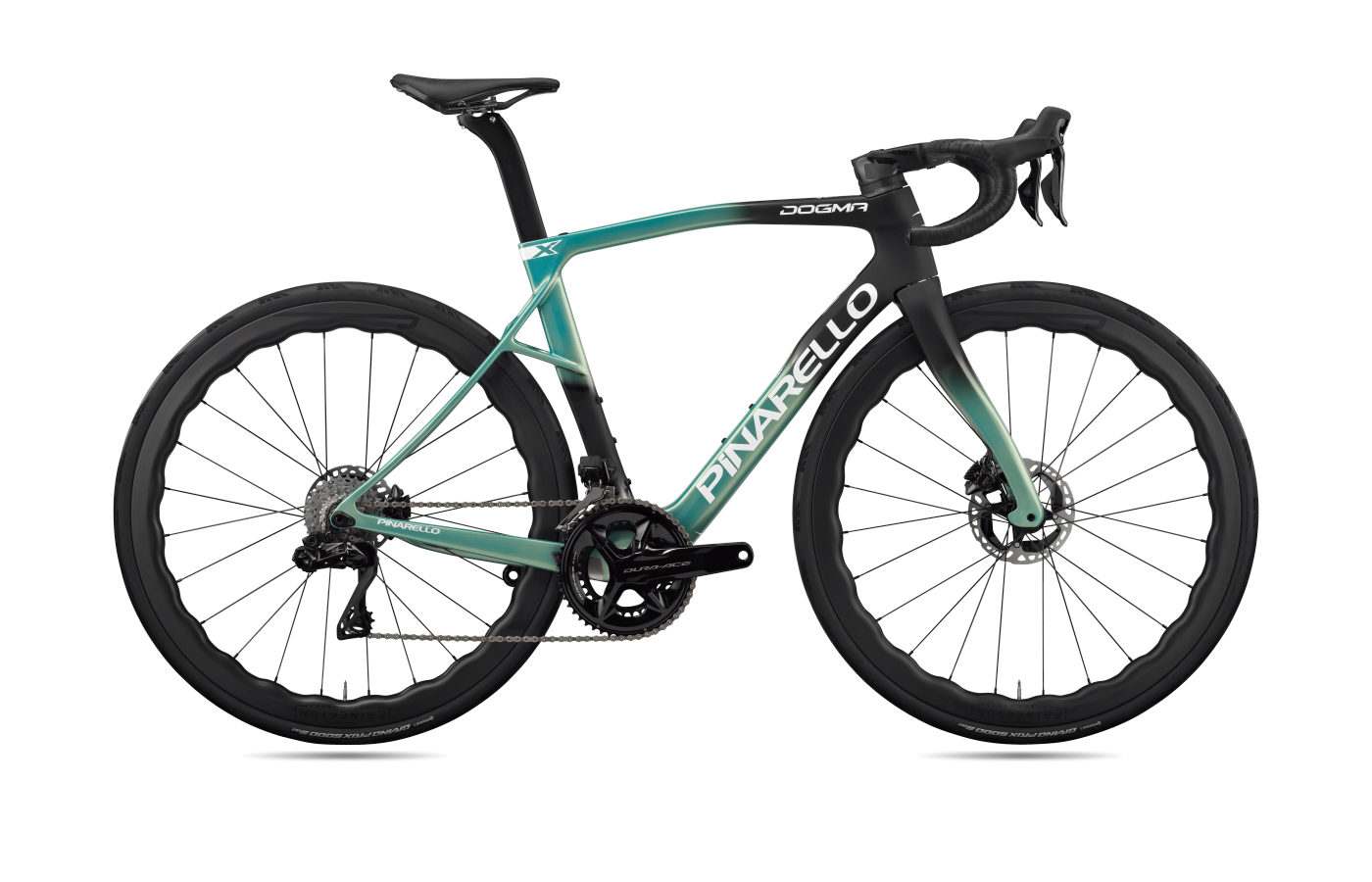
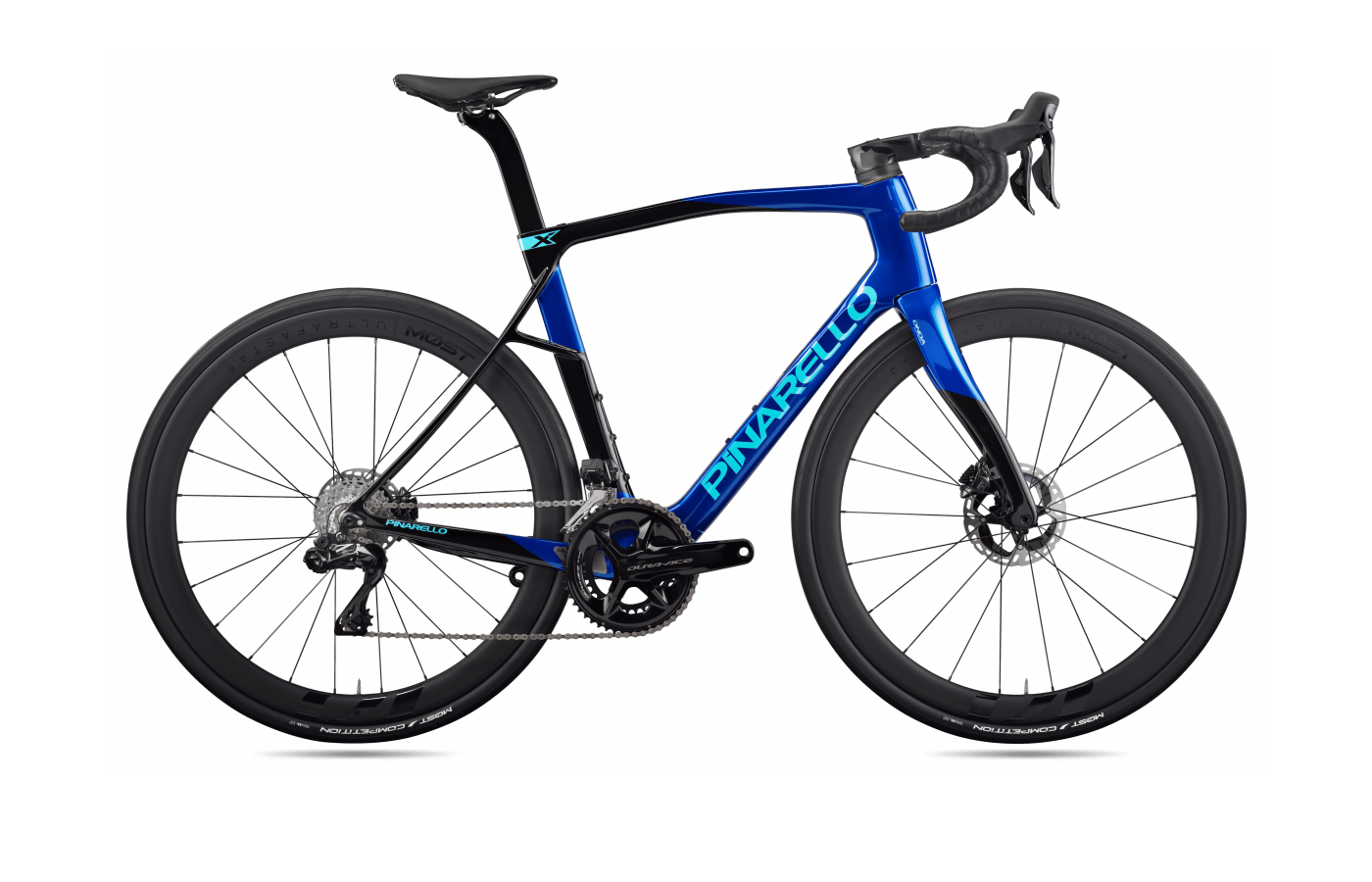
Same X-Stays, different wallets.
The Dogma X is Pinarello's flagship endurance bike on T1100 carbon. The Pinarello X copies the silhouette onto T900 and T700 at a third of the price.
Dogma X
- T1100 1K Dream Carbon frame — the same top-grade weave Pinarello uses on the Dogma F race bike.
- Genuinely compliant rear end — X-Stays plus 35 mm tire clearance deliver the "buttery-smooth" ride reviewers keep naming.
- Lower, racier position — 568 mm stack and 381 mm reach at a 510 give you a Dogma-F-adjacent fit without the Dogma F's punishment.
- Only two builds, both at $15,500 — no mid-tier, no value play.
- Integrated MOST Talon Ultra handlebar is stiff enough that some reviewers felt the front-end buzz contradicts the endurance pitch.
Pinarello X
- Nine sizes, two fork rakes — Pinarello calls it a "fitter's dream" and keeps trail consistent across the range.
- $3,250 entry point — the X1 with 105 mechanical is by far the cheapest way into a modern Pinarello.
- Same 35 mm clearance and Italian-threaded BB as the Dogma X — the practical bits carry across without compromise.
- Frame rides notably stiffer than the Dogma X — Velo called it "buzzier than most endurance bikes" and leaned hard on wide tires to rescue comfort.
- T900 carbon on the X9/X7 and T700 on the X5/X1 — a real step down from the Dogma X's T1100.
Editor’s analysis
Two bikes, one design language, a $12,000 spread — is the T1100 frame really worth four times the money?
The Pinarello Dogma X and Pinarello X are cousins, not siblings. Both wear the distinctive X-Stays rear triangle, both clear 35 mm tires, both ship with the MOST Talon Ultra Light integrated cockpit on their top builds. From ten feet away you'd struggle to tell them apart. The difference is in what's under the paint: Toray T1100 1K Dream Carbon on the Dogma X versus T900 UD on the Pinarello X9 (and T700 on the cheaper X5 and X1).
The Pinarello X is cheaper because the range is honest about what it is. The Dogma X starts and ends at $15,500 — Dura-Ace Di2 or SRAM Red eTap AXS, no other options. The Pinarello X spans $3,250 to $11,000 across five builds, so the X9 at the top gets you the same frame silhouette, same integrated cockpit, and same Dura-Ace Di2 drivetrain as the Dogma, for $4,500 less. Reviewers from Velo have been blunt about the math: the X9 "offers a Dogma-like price point," and the even-cheaper X7 Ultegra is the one they'd buy.
On the road, the frames aren't identical. Reviewers consistently found the Dogma X "buttery-smooth" through the rear — road.cc's tester called it the most comfortable bike they'd ever ridden on 32 mm tires. The Pinarello X, by contrast, runs "buzzier than most endurance and all-road bikes" per Velo, with the X-Stays drawing skepticism and the deep aero seatpost doing "zero favors" for compliance. Both rely heavily on tire volume to smooth the road — but the Dogma X starts from a more compliant baseline.
Geometry-wise, the two bikes diverge more than the shared silhouette suggests. At equivalent fit sizes, the Dogma X sits lower and longer — 568 mm stack, 381 mm reach at a 510 — while the Pinarello X is 576 mm stack, 373 mm reach at the same label. That's a more upright, less stretched position on the Pinarello X, which is consistent with its "accessible endurance" pitch. The Dogma X is the one you buy if you still want a racer's position; the Pinarello X is the one you buy if you've admitted you don't.
Where the builds differ.
Comparing our editor's-pick builds side-by-side. Winners highlighted row-by-row — lower price and weight, and the better-spec component, each mark a point.
Build variants & pricing
The Dogma X comes in two flagship builds only. The Pinarello X spans five builds from $3,250 to $11,000.
Tier-matched at Dura-Ace Di2 for apples-to-apples spec parity, but the $4,500 gap ($15,500 vs $11,000) is the real content — same drivetrain, same integrated cockpit, different carbon grade. If budget matters, reviewers specifically recommend the X7 Ultegra Di2 at $8,200 as the sweet spot.
How they fit, how they steer.
The Dogma X's 500 and the Pinarello X's 525 fit the same rider, but the Dogma sits lower and longer. Stack drops 16 mm and reach grows roughly 3 mm — a racier position on the flagship despite both being "endurance" frames.
Which size should I buy?
Pinarello sizing uses seat-tube mm labels across both lines, but the geometry isn't interchangeable — compare stack and reach, not the number on the tag.
→These are starting points. Flexibility, riding style, and preferred position all shift the answer — if you’re between sizes, a professional fit beats a chart.
What the magazines said.
Published reviews from trusted cycling outlets. Click through for the full write-up.
Which one should you buy?
If you want the best carbon Pinarello builds and a racier position, get the Dogma X. If you want the silhouette and the clearance without the Dogma tax, get the Pinarello X — and consider the X7 Ultegra specifically.
Dogma X
If the Pinarello mystique matters to you and you can sustain a lower, longer position, the Dogma X is the one. T1100 carbon, a rear end reviewers consistently call the most compliant in the range, and a fit that stays closer to the race-bike roots.
Pinarello X
If you want the Pinarello look and the 35 mm clearance but not the Dogma price, the Pinarello X is the honest choice. Buy the X7 Ultegra Di2, spend your savings on wheels or tires, and you'll get most of the same ride.
Questions buyers actually ask.
Short answers to the things we get emailed about most often.
01What's the real difference between the Dogma X and the Pinarello X?
Frame carbon grade and price tier. The Dogma X uses Toray T1100 1K Dream Carbon — the same top-grade weave Pinarello puts in the Dogma F race bike. The Pinarello X9 and X7 step down to T900 UD, and the X5 and X1 drop further to T700 UD.
The silhouettes, the X-Stays design, the 35 mm tire clearance, and the Italian-threaded bottom bracket are all shared. The integrated MOST Talon Ultra Light cockpit shows up on the top X builds too. So visually and geometrically, they're close cousins — but the frame material, the fit (lower on the Dogma X, more upright on the Pinarello X), and the price tier diverge sharply.
02Is the Dogma X worth $4,500 more than the Pinarello X9 if the drivetrain is the same?
That's the question, and reviewers are split. Both the Dogma X Dura-Ace Di2 ($15,500) and the Pinarello X9 Dura-Ace Di2 ($11,000) ship with the same groupset, the same integrated MOST cockpit, the same 35 mm Pirelli P Zero Race tires, and a Princeton GRIT 4540 / MOST Ultrafast 40 wheelset at the front of each. On paper the spec sheets are very close.
What you pay extra for: T1100 carbon instead of T900, a measurably more compliant rear triangle per reviewers, a lower/longer racier fit, and the Dogma name. Whether that's worth $4,500 depends on whether you value the frame grade and fit enough to pay Dogma money. Velo's reviewer explicitly preferred the Pinarello X9's handling over the Dogma X on their test.
03Why do reviewers recommend the X7 Ultegra Di2 over the X9?
Because it's the same frame. The X7 Ultegra Di2 at $8,200 uses the identical T900 UD carbon frame and the same MOST Talon Ultra Light integrated cockpit as the X9 Dura-Ace Di2 at $11,000. The only real differences are drivetrain tier (Ultegra Di2 vs Dura-Ace Di2) and tire spec (Pirelli P7 Sport vs P Zero Race).
Velo put it directly: the Ultegra-level X still gets "the same one-piece handlebar. It still gets carbon wheels, an Ultegra Di2 drivetrain, and the same frame as this bike." At $2,800 less, the X7 is where most buyers should land if the Pinarello X is the platform they want.
04Are the two frames actually identical or just visually similar?
Visually similar, structurally different. Both share the X-Stays rear triangle, the Onda fork profile, the Italian-threaded bottom bracket, and 35 mm max tire clearance. But they're distinct molds with different carbon layups (T1100 on the Dogma X vs T900 or T700 on the Pinarello X) and different geometry.
At comparable fit sizes the Dogma X runs a lower stack and longer reach, while the Pinarello X is taller and shorter — the classic "Pro" versus "Endurance" geometry split. So the two aren't just paint-job variants of the same chassis.
05Which is more comfortable?
The Dogma X, by most accounts. Reviewers from Pezcyclingnews, road.cc, and Competitive Cyclist consistently describe its X-Stays rear end as "buttery-smooth" or "luxurious," with road.cc's tester calling it the most comfortable bike they'd ever ridden on 32 mm tires.
The Pinarello X is notably stiffer. Velo described it as "buzzier than most endurance and all-road bikes I've ridden in recent memory," with skepticism about how much the X-Stays actually do and a call-out that the deep aero seatpost does "zero favors" for compliance. Both bikes respond well to tire volume — running 35 mm tires at lower pressures rescues comfort on the Pinarello X — but the Dogma X starts from a more compliant baseline.
06How do the geometries compare in practice?
At the fit-picked sizes for the same rider (500 on the Dogma X, 525 on the Pinarello X), the Dogma X sits lower and longer. The Dogma X 500 runs a 559 mm stack and 379 mm reach; the Pinarello X 525 runs a 588 mm stack and 377 mm reach. That's roughly 29 mm more stack on the Pinarello X at equivalent fit, a clearly more upright position.
Chainstays are identical at 422 mm on both. Head-tube angles are close (71.5 deg on the Dogma 500 vs 72.25 deg on the Pinarello 525), and both use Pinarello's Onda fork platform. The fit story is simple: the Dogma X is closer to the Dogma F's racing stance, and the Pinarello X is genuinely relaxed.
07Can either fit wider than 35 mm tires?
Officially no — both bikes are rated at 35 mm. That said, Velo's reviewer fit a 37 mm gravel tire on the Pinarello X "with ample room to spare," which suggests the clearance is close to generous enough for light gravel use. No similar off-label experiment has been widely published for the Dogma X.
Neither is a gravel bike. If you want meaningful off-road capability, look at a Grevil or a purpose-built gravel platform rather than stretching either of these.
08Does the Pinarello X give up anything beyond carbon grade?
A few practical things. The X1 at $3,250 drops to T600 carbon and a two-piece alloy cockpit rather than the integrated MOST Talon Ultra. The X5 at $5,000 uses T700 carbon and Fulcrum Racing 800 DB wheels, which are heavier and less aero than the MOST Ultrafast 40s on the X7 and X9.
The X7 and X9 get the same premium T900 frame and integrated cockpit — so once you're above ~$7,500, you're buying drivetrain tier, not frame quality. Reviewers were consistent that a power meter isn't standard on most Pinarello X builds, which at this price level is worth checking before you commit.
Similar bikes
If your priorities don’t map cleanly onto either of these, one of these adjacent bikes probably fits better.
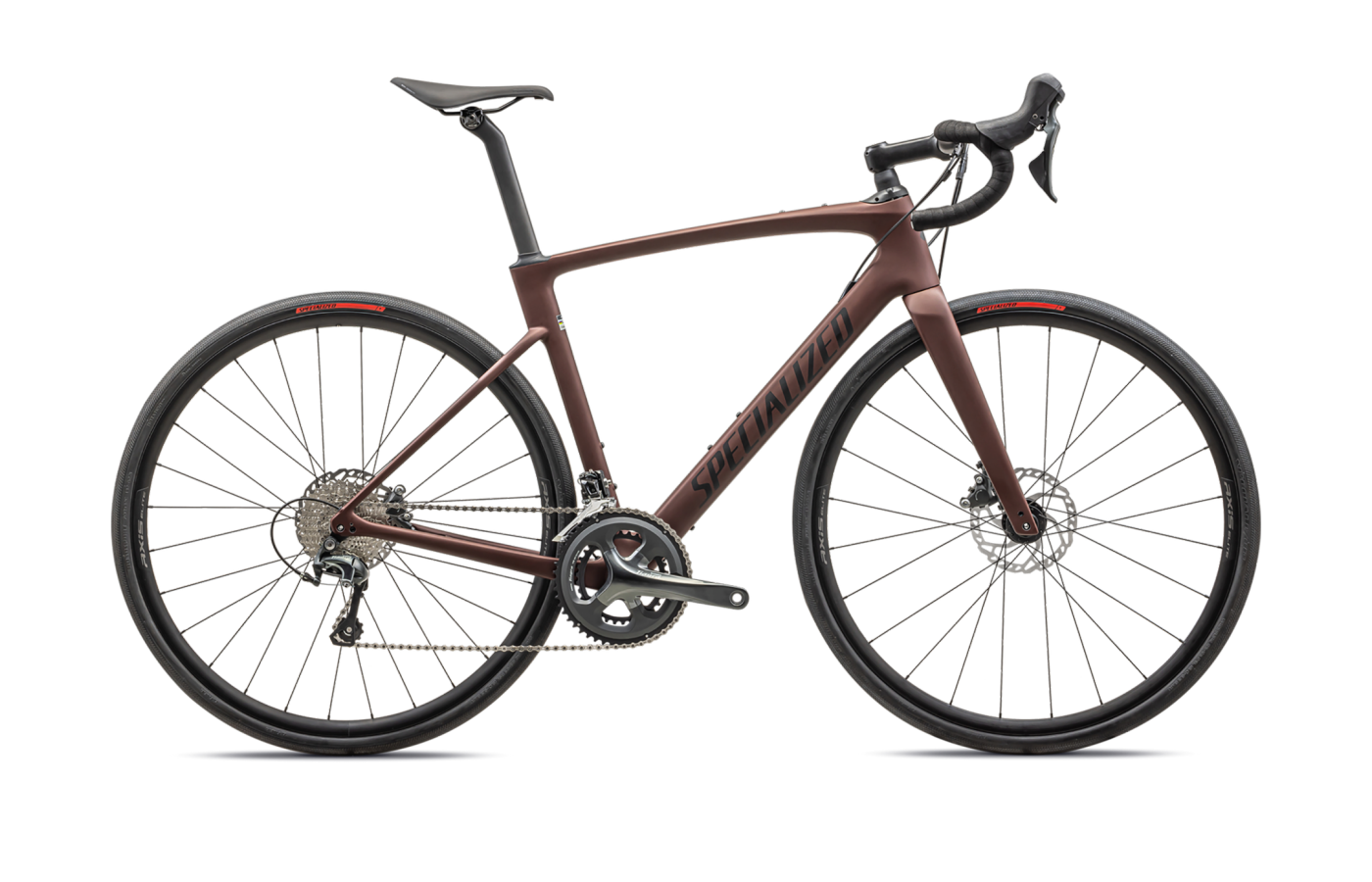
Roubaix
Specialized's endurance benchmark, and the only bike in this class with an active suspension headset — the Future Shock absorbs front-end chatter in a way neither Pinarello can match. The obvious pick if compliance is the priority.
Compare →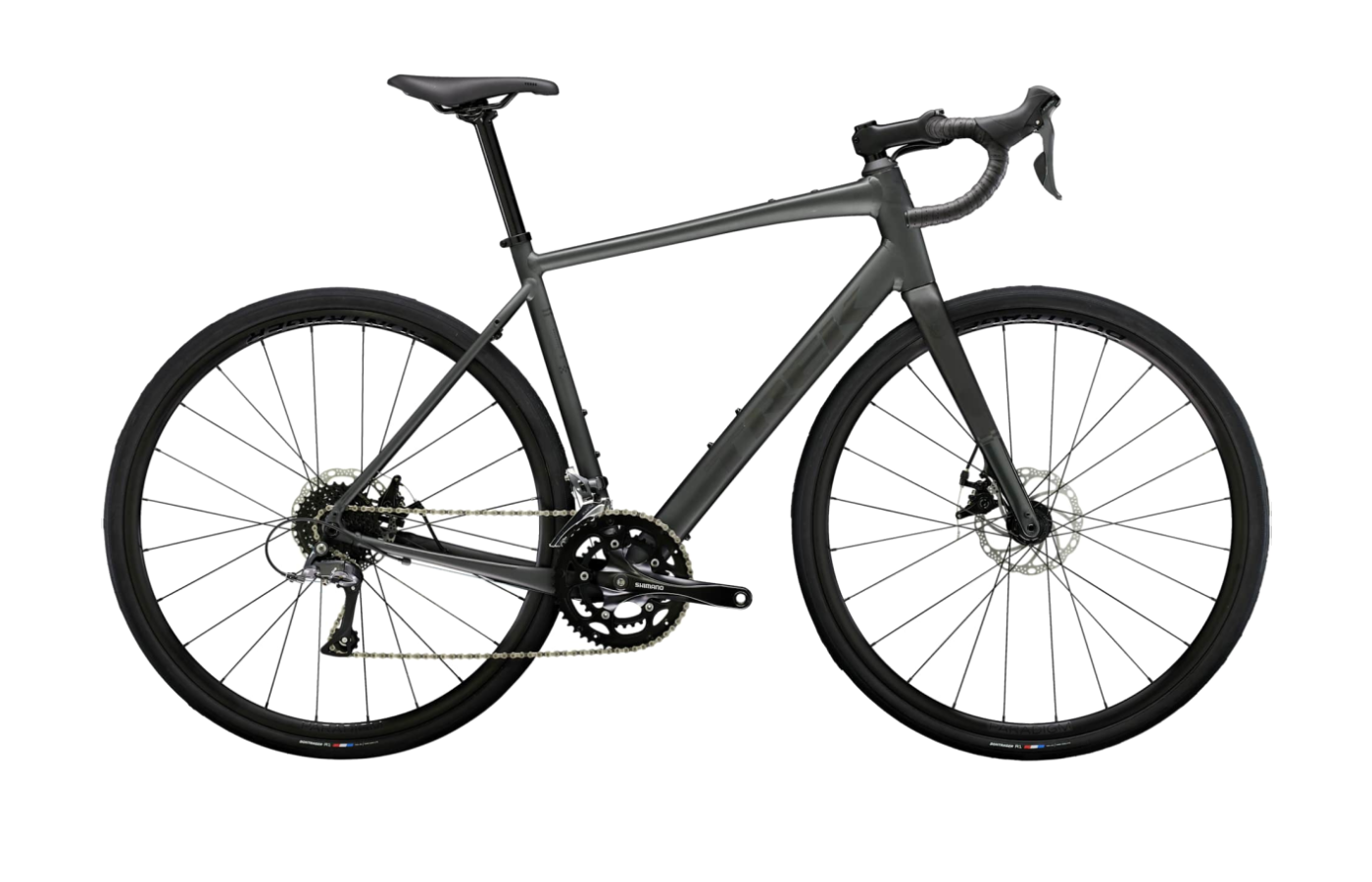
Domane
Trek's IsoSpeed decoupler gives the Domane a genuinely soft rear end that makes the X-Stays look like marketing. Generous tire clearance and optional integrated storage make it the versatile all-day pick.
Compare →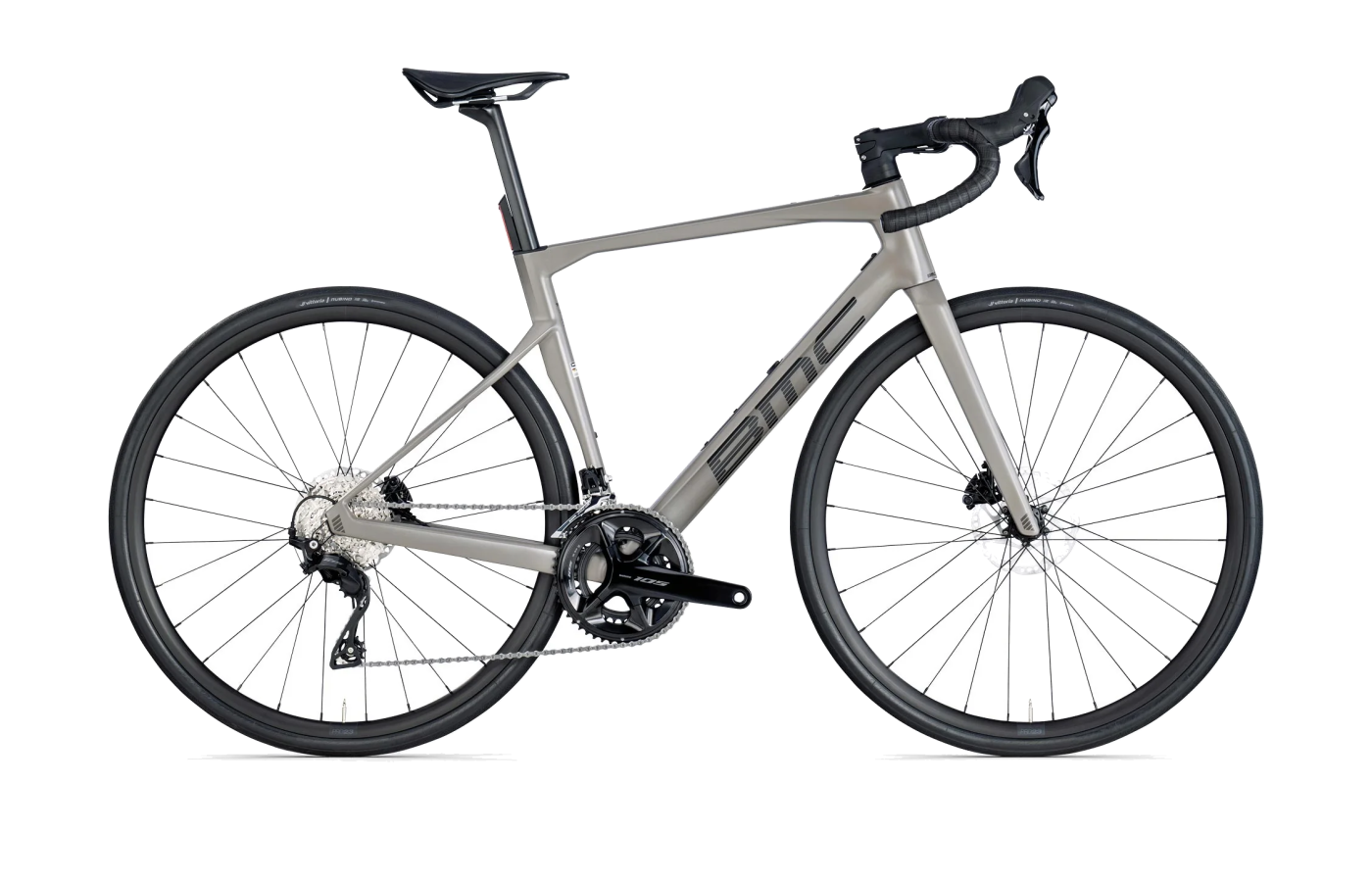
Roadmachine
BMC's endurance platform splits the difference — racier than a Roubaix, more compliant than a Pinarello X — with clever integrated storage in the down tube. The balanced option.
Compare →