795 Blade RS
vsTarmac
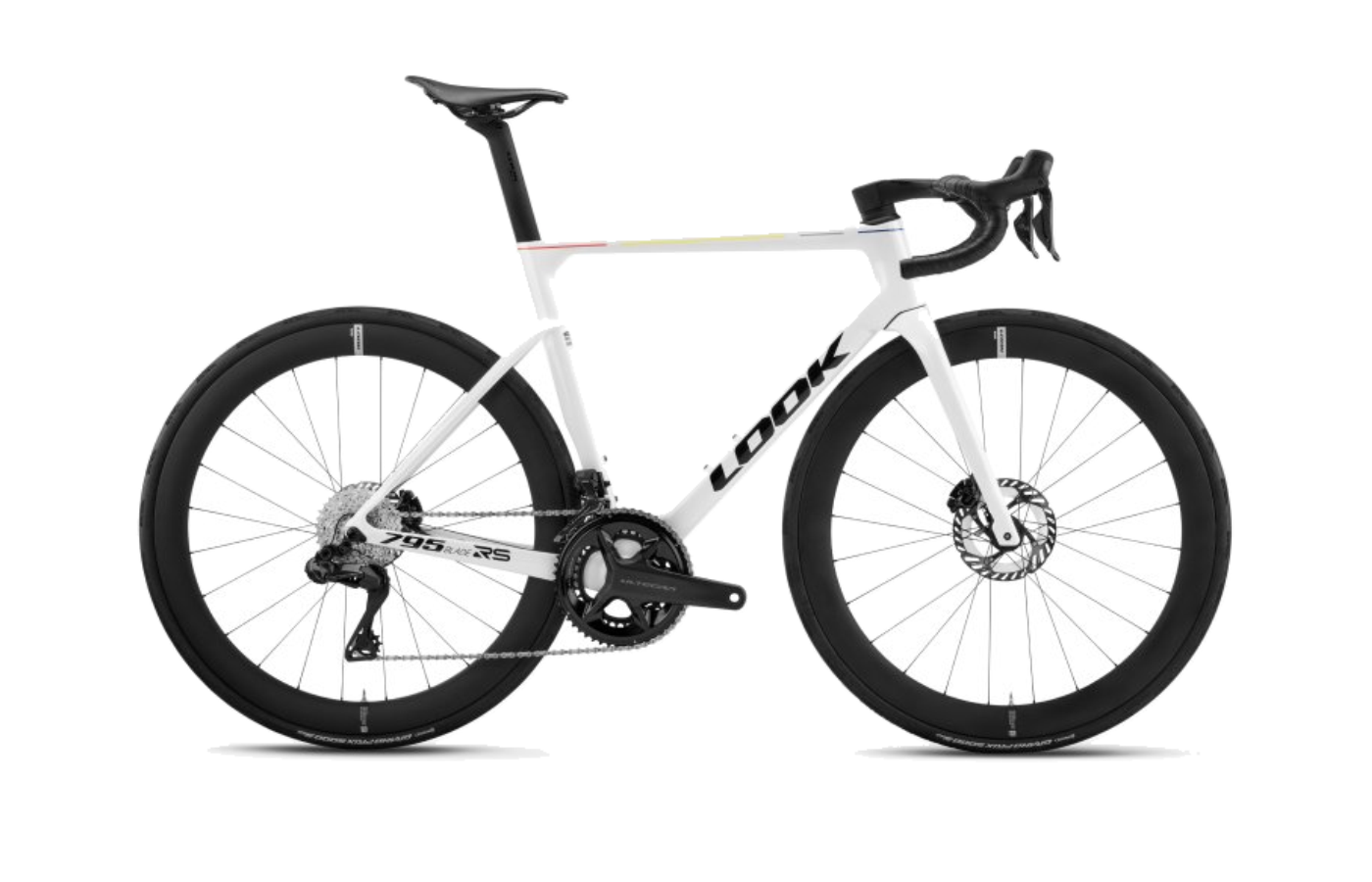
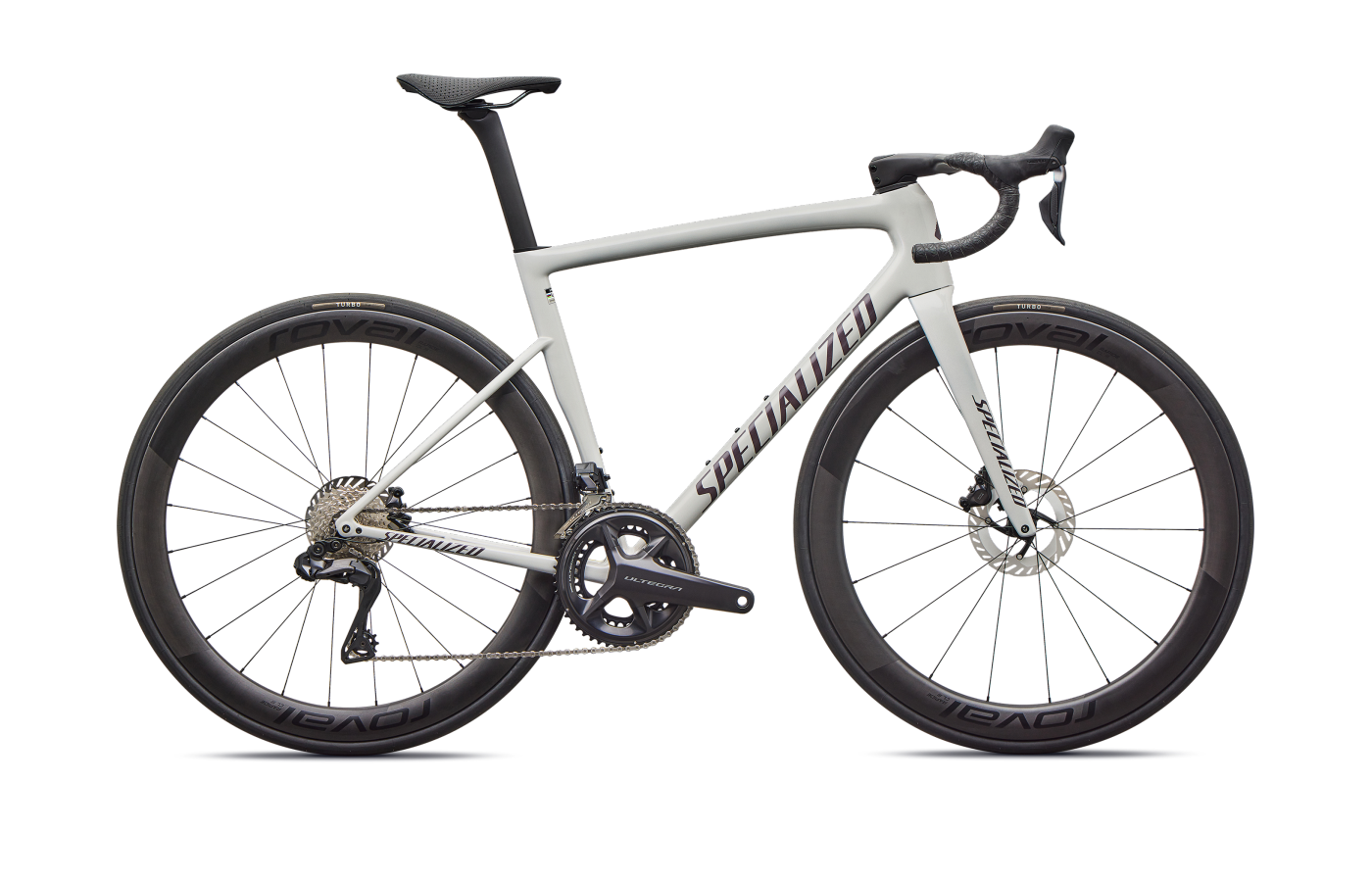
A French specialist meets the universal benchmark.
The Look 795 Blade RS is a track-bred aero machine for smooth tarmac. The Tarmac SL8 is the do-everything race bike with a $4,699 entry point.
795 Blade RS
- Whip-crack BB stiffness — a 7% bump over the previous 795, with sprints reviewers call "instantaneous."
- Modular two-piece cockpit — Look's Aero Combo lets you swap stem length without a full cable re-routing.
- T47 threaded bottom bracket — easy to service, less prone to creaking than press-fit.
- Punishingly stiff on broken pavement — heavier riders report shoulder fatigue on long days.
- $10,700 entry price; no Ultegra build comes with a power meter.
Tarmac
- Wide build range — $4,699 SL8 Comp to $13,499 S-Works, with power meters standard on most.
- Genuinely all-rounder — 685 g S-Works frame, 32 mm tire clearance, and a 6% gain in saddle compliance over the SL7.
- Aero performance on par with dedicated specialists — wind-tunnel-tested at 209 W vs. ~205 W for the Cervélo S5 at 45 km/h.
- Stock 26 mm S-Works Turbo tires are widely panned — plan to upgrade.
- S-Works integrated Roval cockpit has limited fit options and is expensive to swap.
Editor’s analysis
Same race-bike silhouette, two very different ideas of what a race bike should feel like — uncompromising rigidity versus quiet versatility.
On paper these bikes occupy the same WorldTour aero-road bracket. Both run integrated cockpits, both ship on deep carbon wheels, both are raced at the top of the sport — Look with Cofidis, Specialized with Soudal-Quick-Step. But the design briefs diverge fast. The Look 795 Blade RS leans on Look's velodrome heritage: 25% Ultra High Modulus carbon in the bottom bracket area, an oversized BB junction, and a frame Look itself describes as built around efficiency before aerodynamics. The Tarmac SL8 borrows from the Aethos and the dead Venge in equal measure — chasing the lightest, smoothest, most aero do-everything platform Specialized can make.
The Specialized Tarmac's pitch is range. The platform starts at $4,699 for the SL8 Comp and climbs to $13,499 for the S-Works — four tiers, two carbon grades (FACT 10r and FACT 12r), and power meters bundled on nearly every build. Specialized claims 209 W at 45 km/h in independent wind-tunnel data — within ~4 W of dedicated aero bikes — at a frame weight that bottoms out around 685 g for the S-Works. Tire clearance is 32 mm. Reviewers across Cyclingnews, Rouleur and Bicycling consistently call it the best-rounded race bike on the market.
The Look 795 Blade RS picks a narrower lane and sharpens it. It starts at $10,700 — there is no budget build — and Look has openly said the priority was stiffness and direct drive over outright aero or low weight. The result is a 7% stiffer bottom bracket than the previous 795, what BikeRadar called a "whip-crack sharp" front end, and what every reviewer warns is a punishingly rigid ride on broken pavement. Tire clearance caps at 30 mm. The stock 28 mm Continental GP5000s on a 21 mm internal rim leave little room to dial in compliance.
Put simply: the Specialized Tarmac is the bike to buy if you own one road bike and ride everything from group rides to centuries on imperfect roads. The Look 795 Blade RS is the bike to buy if you race on smooth European-style asphalt, already own a softer endurance bike for everything else, and want a sharper, more direct tool for the days that matter.
Where the builds differ.
Comparing our editor's-pick builds side-by-side. Winners highlighted row-by-row — lower price and weight, and the better-spec component, each mark a point.
Build variants & pricing
Tier-matched at Shimano Ultegra Di2. The Look 795 Blade RS starts at $10,700 — Specialized's Ultegra-equivalent SL8 Pro lands at $8,499.
Prices are current US MSRP. Look does not offer a 105 or Rival build on the 795 Blade RS — the $10,700 Ultegra Di2 is the platform's floor. Specialized bundles a power meter on most SL8 builds; Look only includes one on its SRAM Red AXS spec.
How they fit, how they steer.
Look M vs Tarmac 54 — the fit-picked size on each bike. Same 73° head tube angle and identical 410 mm chainstays, but the Look sits 5 mm taller in stack with 7 mm more reach and a 0.5° steeper seat tube — a touch longer and more forward over the cranks.
Which size should I buy?
Pick a size by stack, reach, and effective top tube. The Tarmac offers seven sizes (44–61) versus the Look's six (XXS–XL); both ranges cover most adult riders.
→These are starting points. Flexibility, riding style, and preferred position all shift the answer — if you’re between sizes, a professional fit beats a chart.
What the magazines said.
Published reviews from trusted cycling outlets. Click through for the full write-up.
Which one should you buy?
If you race on smooth roads and want a stiff, direct precision tool, get the Look. If you want one bike that handles everything from crits to centuries, get the Tarmac.
795 Blade RS
If you ride on well-paved European-style asphalt, race in fast group rides, and want a bike that converts every watt into immediate forward motion — this is the sharper instrument. The penalty is comfort: Look 795 Blade RS owners universally recommend it for conditions that don't demand all-day compliance.
Tarmac
If you want one bike for crits, century rides, weekend climbs, and the occasional rough backroad, the Specialized Tarmac SL8 is still the benchmark. Lighter at the top end, cheaper at the bottom, and friendlier on bad pavement — the obvious pick for most buyers.
Questions buyers actually ask.
Short answers to the things we get emailed about most often.
01Which is faster on flat roads?
Probably the Specialized Tarmac SL8, by a small margin. Independent wind-tunnel testing cited by reviewers puts the Tarmac SL8 at roughly 209 W at 45 km/h — within a few watts of dedicated aero bikes like the Cervélo S5. Look does not publish comparable third-party numbers, and the consensus from BikeRadar and Cycling Weekly is that the 795 Blade RS prioritized stiffness over outright aero, claiming a 10% improvement over the previous 795 rather than absolute leadership.
In practice, the difference at sub-35 km/h group-ride speeds is invisible. Both bikes feel fast.
02Which climbs better?
The Specialized Tarmac SL8, by weight. The S-Works comes in around 6.6–6.8 kg in size 56; the Look 795 Blade RS Dura-Ace Di2 is closer to 7.3–7.4 kg in size M. That's roughly a 600–700 g gap — about 1% of system weight for a 70 kg rider, or ~10 seconds on a 30-minute climb.
That said, multiple reviewers (Cyclingnews, Cycling Weekly) note the Look climbs better than its weight suggests thanks to its rigid bottom bracket and steep 74.5° seat tube. It "screams for standing climbs at max heart rate," per Cyclingnews — just don't expect it to match a sub-7 kg Tarmac uphill.
03What's the maximum tire clearance?
Look 795 Blade RS: 30 mm officially. Stock builds ship with 28 mm Continental GP5000s on Look's R50D carbon wheels (21 mm internal). Reviewers note the relatively narrow internal rim limits how much extra volume you actually feel.
Specialized Tarmac SL8: 32 mm officially, with most builds shipping on 26 mm S-Works Turbo tires that nearly every reviewer recommends swapping for a 28–30 mm option.
Neither is a gravel bike. For chip-seal or rougher, look at a Roubaix or Caledonia.
04Do both come with a power meter?
Specialized: Yes on most builds — Quarq on SRAM Force/Red builds, 4iiii on Shimano builds, even on the $4,699 SL8 Comp.
Look: Only on the SRAM Red AXS spec. Reviewers across Cyclingnews, BikeRadar and Cycling Weekly call out the omission on the Dura-Ace and Ultegra Di2 builds as a hard-to-justify miss at this price point. Plan on $400–$700 extra if you want one factory-installed equivalent.
05How serviceable are the cockpits?
The Look uses a two-piece Aero Combo bar and stem. Stem length and bar width can be swapped without re-routing hydraulic hoses — a real advantage over fully integrated systems, and one BikeRadar and Cycling Weekly both highlight as a meaningful practicality win.
The Tarmac SL8 Pro and S-Works use the one-piece Roval Rapide cockpit. Adjusting stem length means buying a new unit (~$450) and a partial brake bleed. The Tarmac Expert and Comp use a more conventional two-piece setup with a six-degree integrated stem and alloy bar — friendlier to fit changes.
06Are both compatible with mechanical shifting?
No. Both frames are wireless/electronic-only, with internal routing designed for Di2 and AXS. If you want Shimano 105 mechanical or Campagnolo cable-shift, you're outside this conversation.
07Why is the Look so much more expensive?
Lower production volume and a more premium build floor. Look's catalog on the 795 Blade RS starts at the $10,700 Shimano Ultegra Di2 build — there is no Tiagra, 105, or Rival entry point. Specialized, by contrast, sells the SL8 Comp at $4,699 with SRAM Rival AXS, the SL8 Expert at $6,499–$6,999, and the SL8 Pro at $8,499 — all on the same FACT 10r frame the higher tiers use.
For a buyer with a budget under ~$10k, the Tarmac is genuinely the only option of the two.
08Which has better resale value?
Specialized has a far larger global used market (Pro's Closet, The Pro's Closet, eBay, BikeExchange) which means easier sales but also more inventory pressure. S-Works frames typically depreciate 30–40% in the first three years.
Look is sold in much smaller volume in North America. The 795 Blade RS holds a niche following — listings are rarer, but so are buyers, and the bike is less universally recognized than a Tarmac. Both depreciate fastest in the first year. Buying a one-season-old bike is the cheapest way into either platform.
Similar bikes
If your priorities don’t map cleanly onto either of these, one of these adjacent bikes probably fits better.
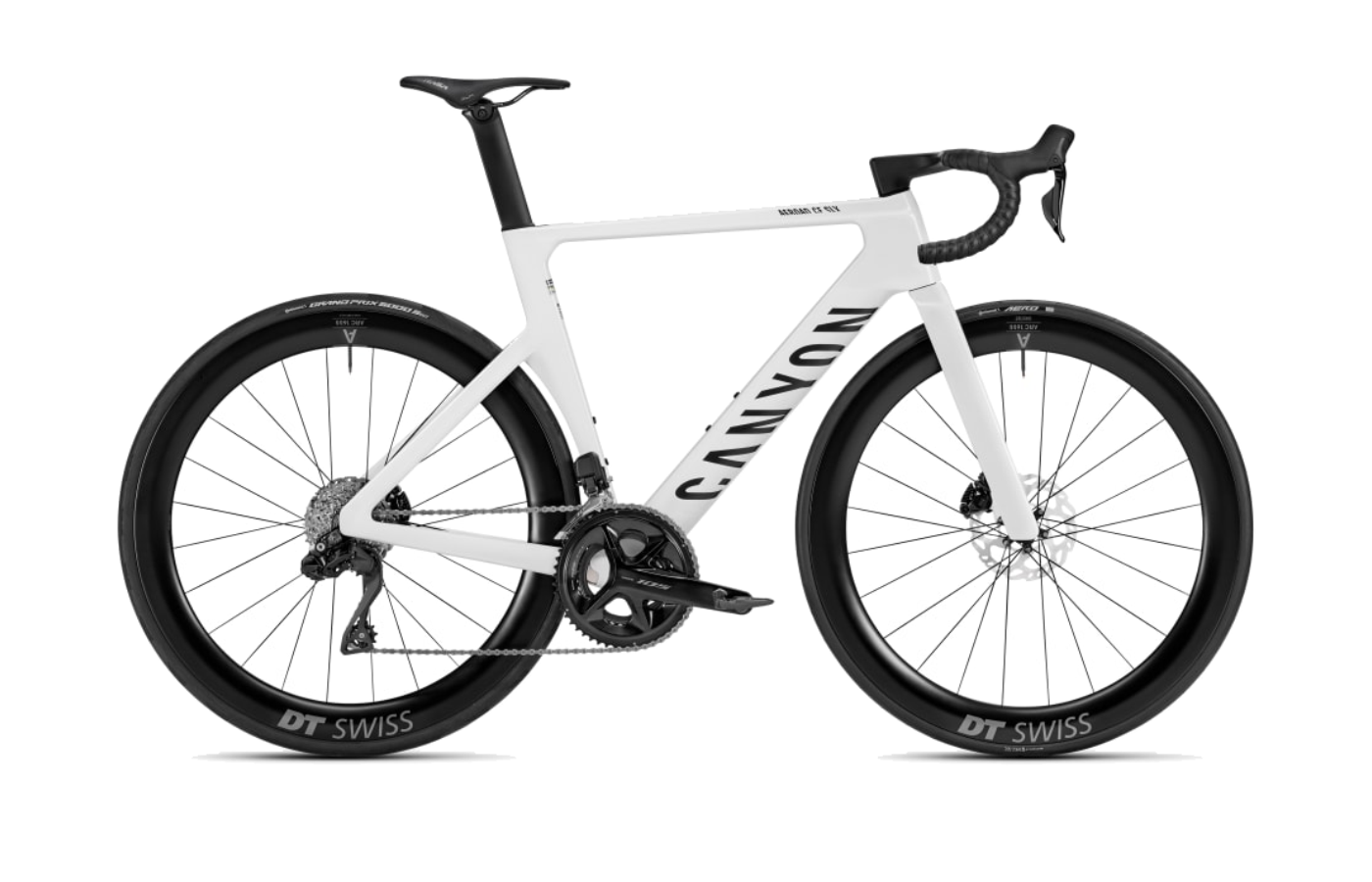
Aeroad
The direct-to-consumer aero specialist — chases the same wind-cheating numbers as the dedicated aero brigade at roughly 30% less money. Catch is no local dealer and no demos.
Compare →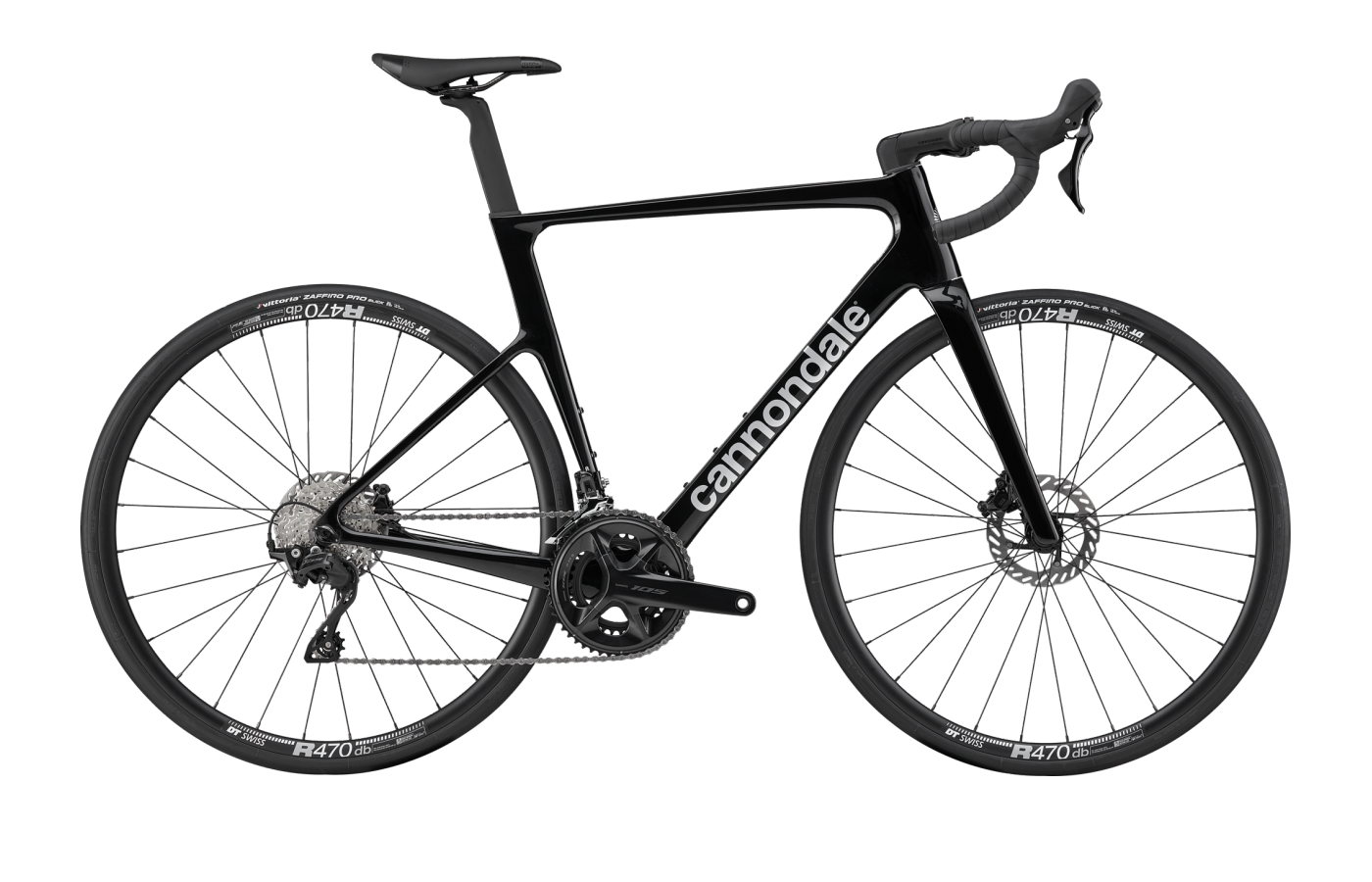
SuperSix EVO
The Tarmac's most direct rival — same do-everything brief, often described as a touch stiffer and more reactive but slightly less smooth over road chatter.
Compare →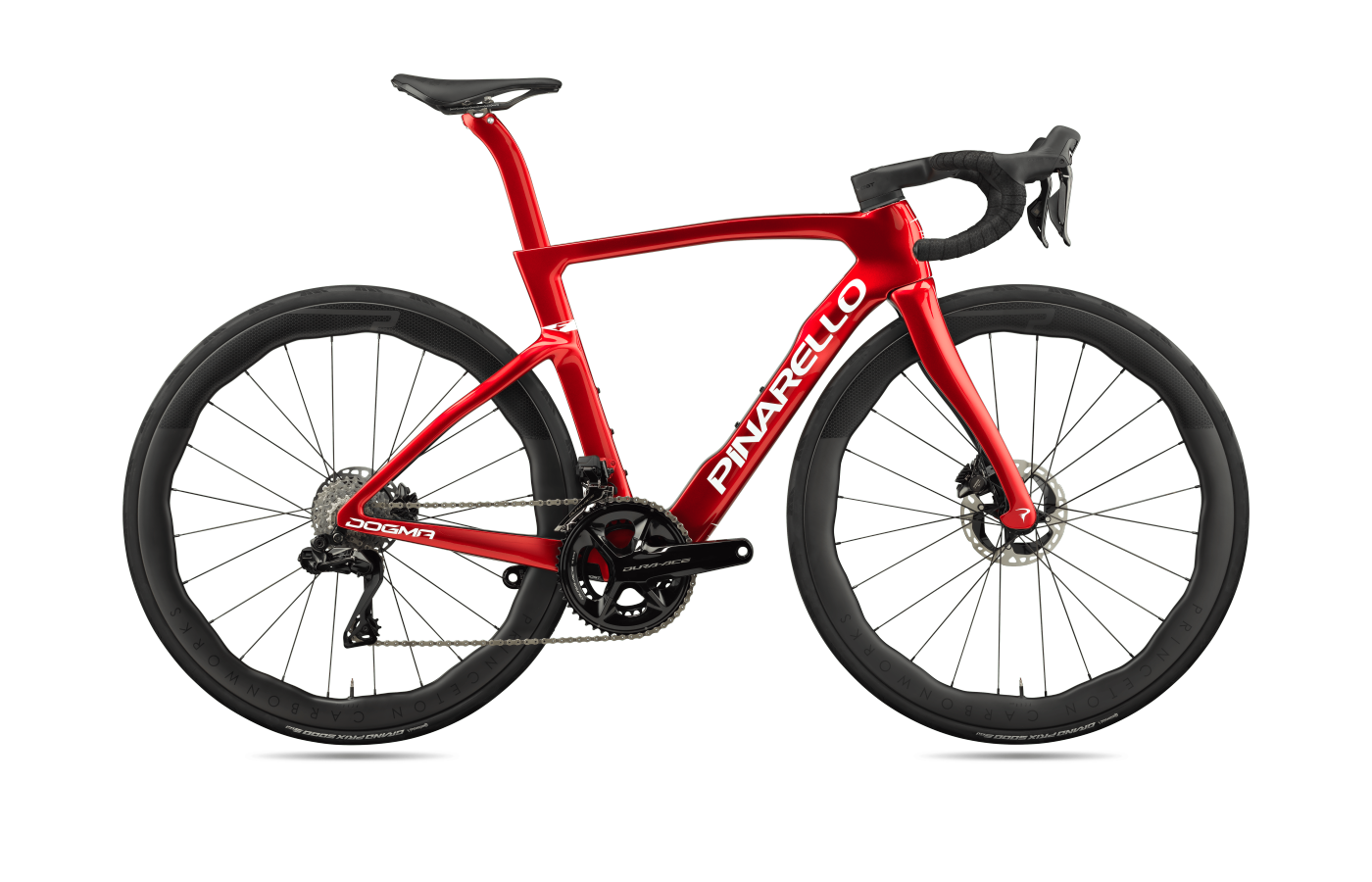
Dogma F
Same brand-prestige tier as the Look but with a handling character many find more stable and refined at speed. WorldTour pedigree to spare, and a price tag to match.
Compare →