LS
vsCrux
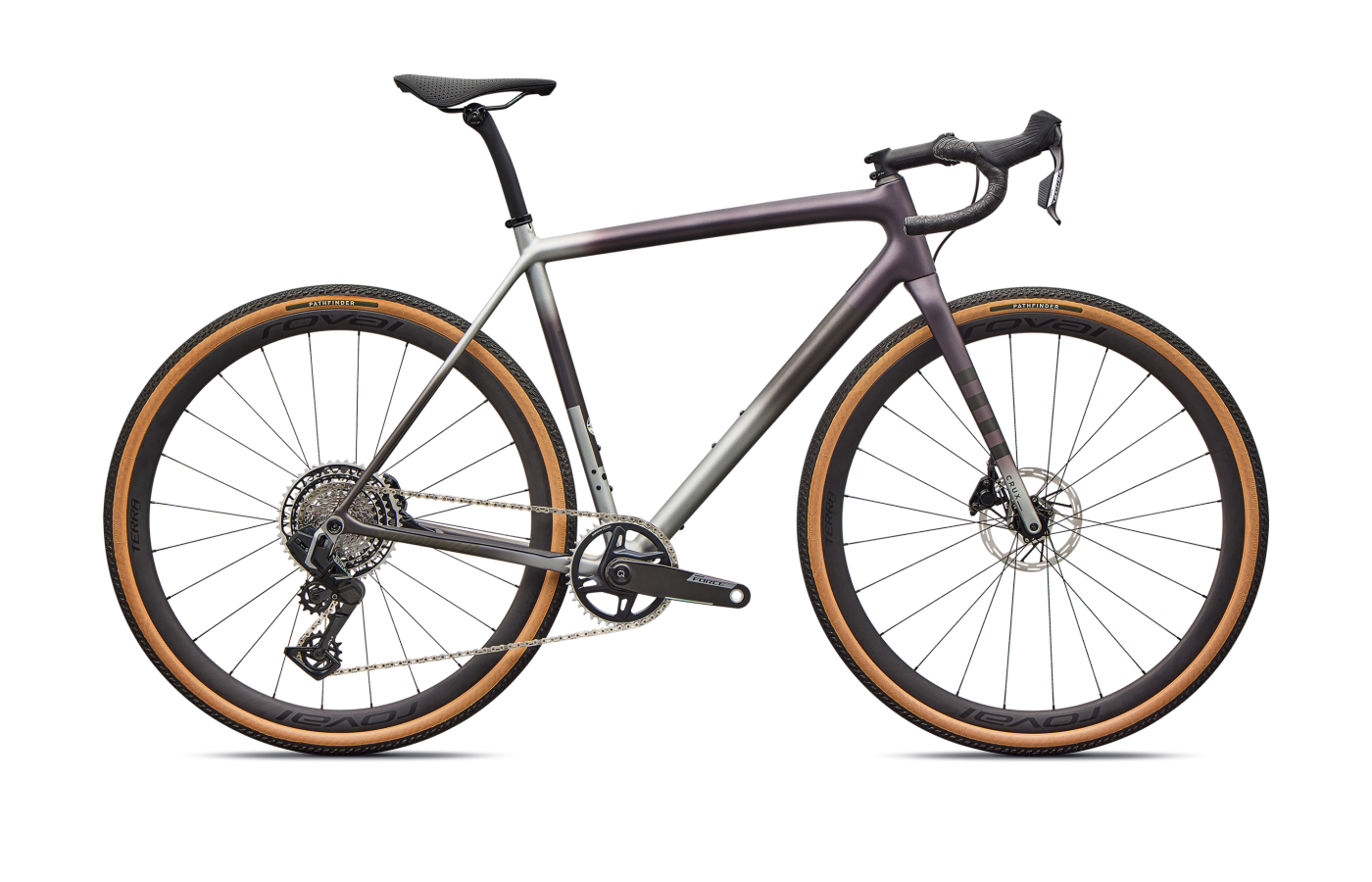
Two road bikes that moonlight as gravel bikes.
The Factor LS is an O2 road frame widened for dirt. The Specialized Crux is an Aethos cousin tuned for cyclocross. Both refuse to compromise speed for utility.
LS
- Sharpest handling in the segment — 60 mm trail, 998 mm wheelbase, and a stiff BB make it feel like a road racer with fat tires.
- Race-ready out of the box — every build ships with Black Inc carbon wheels and an integrated cockpit; no upgrade path needed.
- True road-bike crossover — Velo rated it "impressively good with 32 mm slicks fitted"; the LS genuinely doubles as a road bike.
- 40 mm tire ceiling limits rougher gravel; anything chunkier than Grade 2 gets harsh.
- No build under $6,599, and the integrated cockpit makes front-end fit changes expensive.
Crux
- Featherweight frame — 725 g S-Works / 825 g FACT 10r; complete bikes land as low as 7.25 kg and climb like road bikes.
- 47 mm tire clearance — biggest in the category at this weight; you can run 650b x 2.1 in the same frame.
- Mechanic-friendly standards — threaded English BB, round 27.2 mm seatpost, external clamp, non-integrated cockpit.
- No mounts for fenders, racks, or serious bikepacking — it's a race bike that can't pretend to tour.
- Front-end can feel harsh on chunky terrain; Cycling Weekly reported hand fatigue without wider, lower-pressure tires.
Editor’s analysis
This isn't adventure vs. race — it's two race philosophies, both allergic to the mounts-and-suspension school of gravel.
Gravel has a drop-bar-mountain-bike problem — bikes keep growing mounts, Future Shock towers, and 29x2.2 clearance. The Factor LS and Specialized Crux ignore all of that. Both were drawn by people who start with a road racer and work outward, not from an adventure bike and work inward. On paper that makes them close cousins. In practice, the two diverge at every other spec line.
The Factor LS is the purer racer of the two. A 40 mm tire ceiling, a 420 mm chainstay, and a 998 mm wheelbase in size 52 put it closer to a criterium bike than anything else in the segment — reviewers at Cycling News called it a "razor-sharp instrument," and Velo reported "extremely noticeable" toe overlap as the cost of that wheelbase. The integrated Black Inc cockpit, 27.2 mm seatpost, and the 950 g frame all echo Factor's O2 road DNA. It's fast, stiff, and unapologetic about what it isn't.
The Specialized Crux goes lighter and wider at the same time — a 725 g S-Works frame (one of the lightest in the segment) with room for a 47 mm tire or a 650b x 2.1 in the same dropout. It borrows the Aethos's round tubes and minimalist layup, then wraps it around cyclocross geometry: 425 mm chainstays, a lower bottom bracket than the old Crux, and a 71.5 degree head angle on the 54. Where the LS stays glued to the racer's line, the Crux happily hops obstacles and flicks through technical climbs.
Put another way: the Factor LS is the bike for the roadie whose "gravel" rides are 80% pavement and 20% forest-service road. The Specialized Crux is the bike for the cyclocross privateer who also wants a do-everything fast bike — it handles more terrain and costs less to get into, but demands tire-pressure vigilance and a skilled hand on the rough stuff.
Where the builds differ.
Comparing our editor's-pick builds side-by-side. Winners highlighted row-by-row — lower price and weight, and the better-spec component, each mark a point.
Build variants & pricing
The Crux spans $9k of range from a $2,799 alloy Apex build to an $11,999 S-Works; the LS lives entirely at the top of the market.
Prices are current US MSRP. Factor sells the LS only at the performance tier — there is no alloy or entry-level option. If a sub-$5k gravel bike is what you need, the Crux's Expert and Comp builds don't have a Factor equivalent.
How they fit, how they steer.
Factor 52 vs Crux 54 — the fit algorithm's pick for a 5'8" rider on each bike. The Factor sits 13 mm lower with 10 mm less reach, and runs 5 mm shorter chainstays; the Crux is a tick longer and more planted.
Which size should I buy?
Size recommendations account for stack, reach, and effective top tube. The Factor runs small-numbered (52 is roughly a medium); the Crux uses conventional road sizing.
→These are starting points. Flexibility, riding style, and preferred position all shift the answer — if you’re between sizes, a professional fit beats a chart.
What the magazines said.
Published reviews from trusted cycling outlets. Click through for the full write-up.
Which one should you buy?
If you ride mostly pavement with some dirt and want a sharp second bike, get the LS. If you race cyclocross, climb a lot, or need 47 mm of tire room, get the Crux.
LS
If your gravel ride is 80% tarmac to the trailhead and 20% well-kept forest road — and you want one bike that doesn't compromise on either — the LS is uniquely suited. It's a road racer that fits 40 mm tires, not a gravel bike that fits road tires.
Crux
If you race CX, chase climbs, or want the widest tire clearance available on a sub-8 kg bike — and you value standard, serviceable parts — the Crux is the benchmark. It does more with less, and the platform scales from $2,799 to $11,999 without changing character.
Questions buyers actually ask.
Short answers to the things we get emailed about most often.
01How much tire can each actually fit?
Factor LS: 40 mm is the published clearance, and reviewers at Cycling News noted it's optimized around 40–43 mm gravel tires. Anything wider than 43 mm won't work.
Specialized Crux: 47 mm in 700c, or 2.1 in 650b in the same frame. That's one of the widest clearances in the segment, and a big reason the Crux works on terrain that would overwhelm the Factor.
02Which is lighter?
The Crux, substantially. The S-Works Crux frame is 725 g claimed; the FACT 10r frame on the Pro / Expert / Comp builds is 825 g. Complete S-Works bikes land around 7.25 kg.
The Factor LS frame is 950 g painted (per Velo's teardown), and complete builds weigh ~7.95 kg. That's a ~225 g frame delta vs the S-Works Crux and ~700 g vs a complete S-Works build — noticeable on long climbs, less so on the flats.
03Which is better for actual gravel racing?
Both are built for racing, but they target different courses.
The Factor LS shines on faster, smoother events — Unbound-style open gravel at speed, or road-heavy mixed-terrain races where a 40 mm tire is plenty. Its stiff chassis and tight geometry reward hard, sustained efforts on predictable surfaces.
The Specialized Crux is the better pick for technical or hilly courses — BWR, Mid South, or anything with singletrack sections — because of its lower weight, wider tires, and more forgiving cyclocross geometry.
04Can I run a front derailleur on both?
Factor LS: Yes — two of the three builds are 2x (Ultegra Di2 and Force AXS). Factor designed the frame with modular cable routing for 1x or 2x, mechanical or electronic.
Specialized Crux: Only with electronic. The Crux's cable routing can't accept a mechanical front derailleur, so a mechanical 2x setup isn't possible on any build — it's 1x mechanical or 2x electronic, and in practice every current production build ships 1x.
05Which has better long-term serviceability?
The Specialized Crux, by a wide margin. Specialized went with a threaded English BB, a round 27.2 mm seatpost with an external clamp, a conventional tapered steerer, and a non-integrated two-piece cockpit. Reviewers at Velo and BikeRadar called it "refreshingly hassle-free."
The Factor LS uses a press-fit BB (Velo reported creaking on a test sample until it was re-prepped with retaining compound) and ships every build with an integrated Black Inc barstem. Changing stem length or bar width means a new unit.
06Is toe overlap a real issue on the Factor LS?
Yes — Velo flagged it explicitly as a tradeoff for the LS's tight wheelbase and steep head angle. With a 40 mm tire on a 998 mm wheelbase, toe overlap on the smaller sizes (49 and 52) is unavoidable.
The Crux's longer front-center and slightly slacker head angle make it less of a factor, especially on the 54 and up.
07Which holds up better on rough, rocky terrain?
Neither bike is built for truly chunky terrain — both are race frames without much underside protection. Velo noted the LS has a "noticeable lack of external protection" on the down tube, and described stray rock strikes as a real concern.
The Crux's wider tire clearance lets you run a 47 mm tire at low pressure as a bump buffer, which extends its usable range further than the Factor's. But if your local rides involve baby-head rocks, neither of these is the right tool — look at a Diverge or similarly compliance-focused bike instead.
08What's the cheapest way into each platform?
Factor LS: $6,599, for either the Shimano Ultegra Di2 build or the SRAM Force XPLR 1x build. Both share the same frame and Black Inc components — there is no budget tier.
Specialized Crux: $2,799, for the DSW Comp aluminum build (with the same S-Works carbon fork). The cheapest carbon Crux is the $3,799 Comp. So the Crux's floor is roughly one-third the Factor's.
Similar bikes
If your priorities don’t map cleanly onto either of these, one of these adjacent bikes probably fits better.
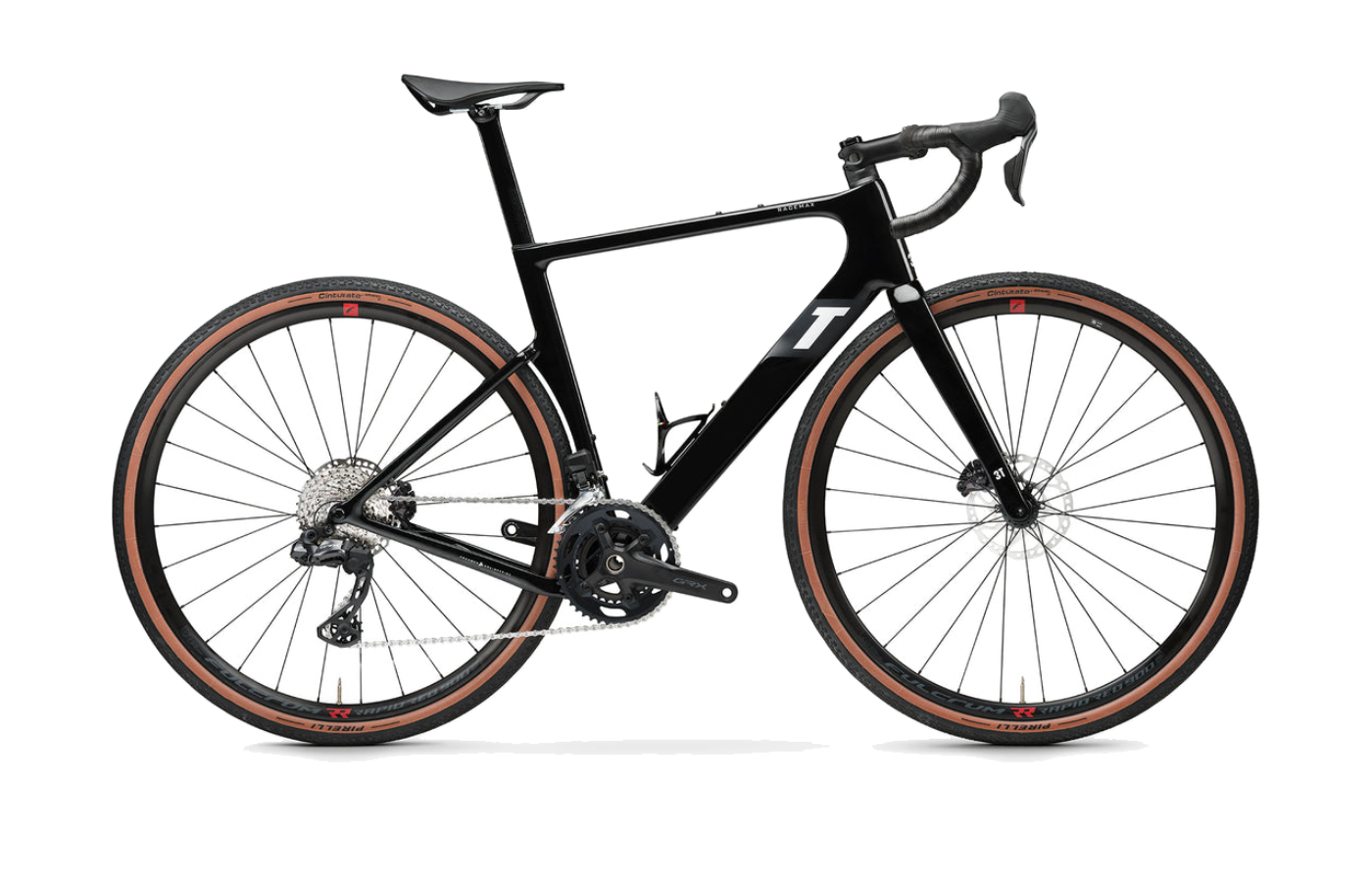
RaceMax
The 3T RaceMax takes the LS's race-first philosophy further — an aero-profiled frame with 1x-optimized rear end. Best for riders who race long, flat gravel events and want a true aero gravel bike.
Compare →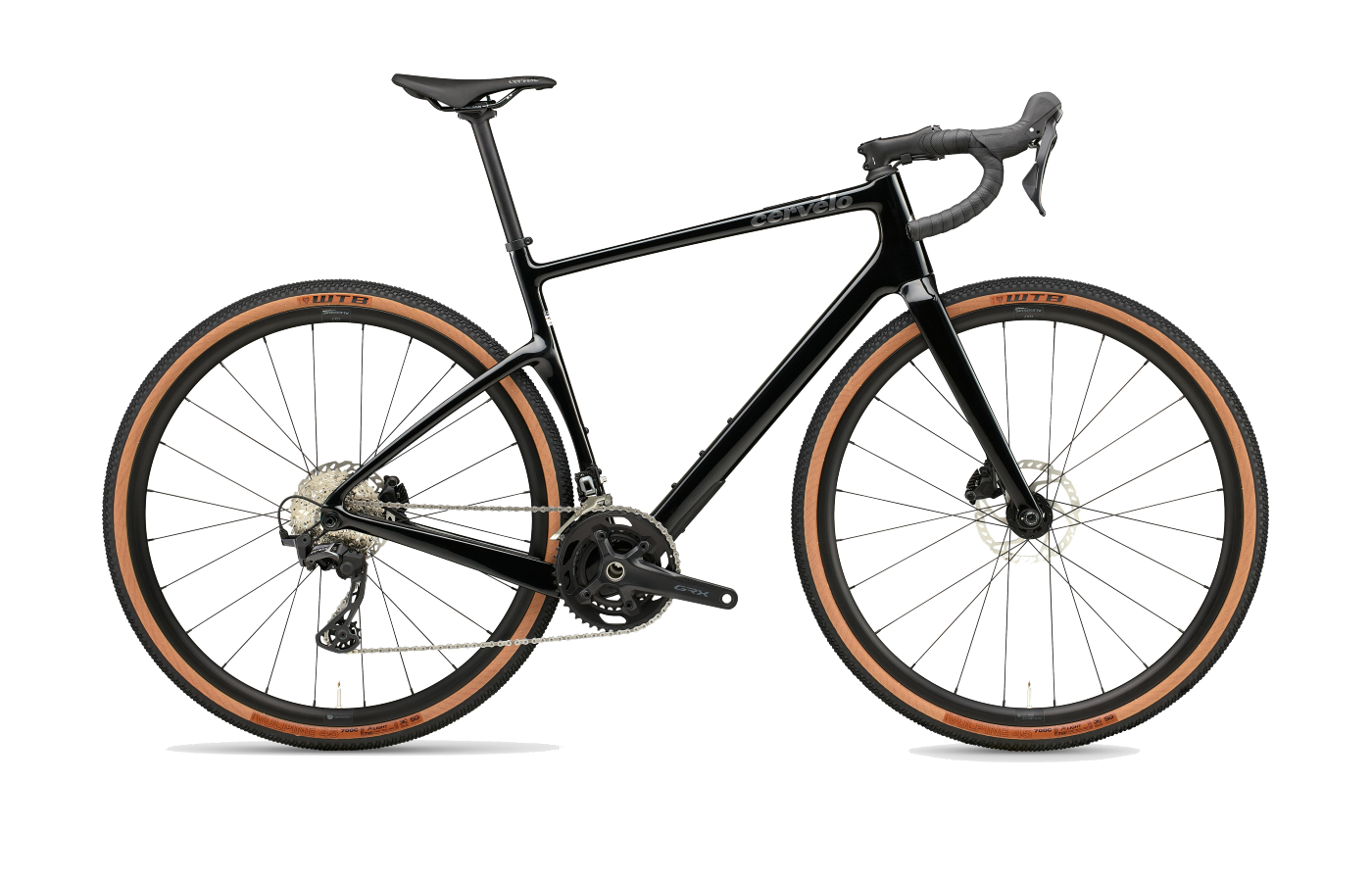
Aspero
The Cervélo Aspero is the closest sibling to the Factor LS — a stiff, sharp-handling roadie's gravel bike, at a meaningfully lower price floor. Worth a look if you like the LS's character but not its $6,599 entry point.
Compare →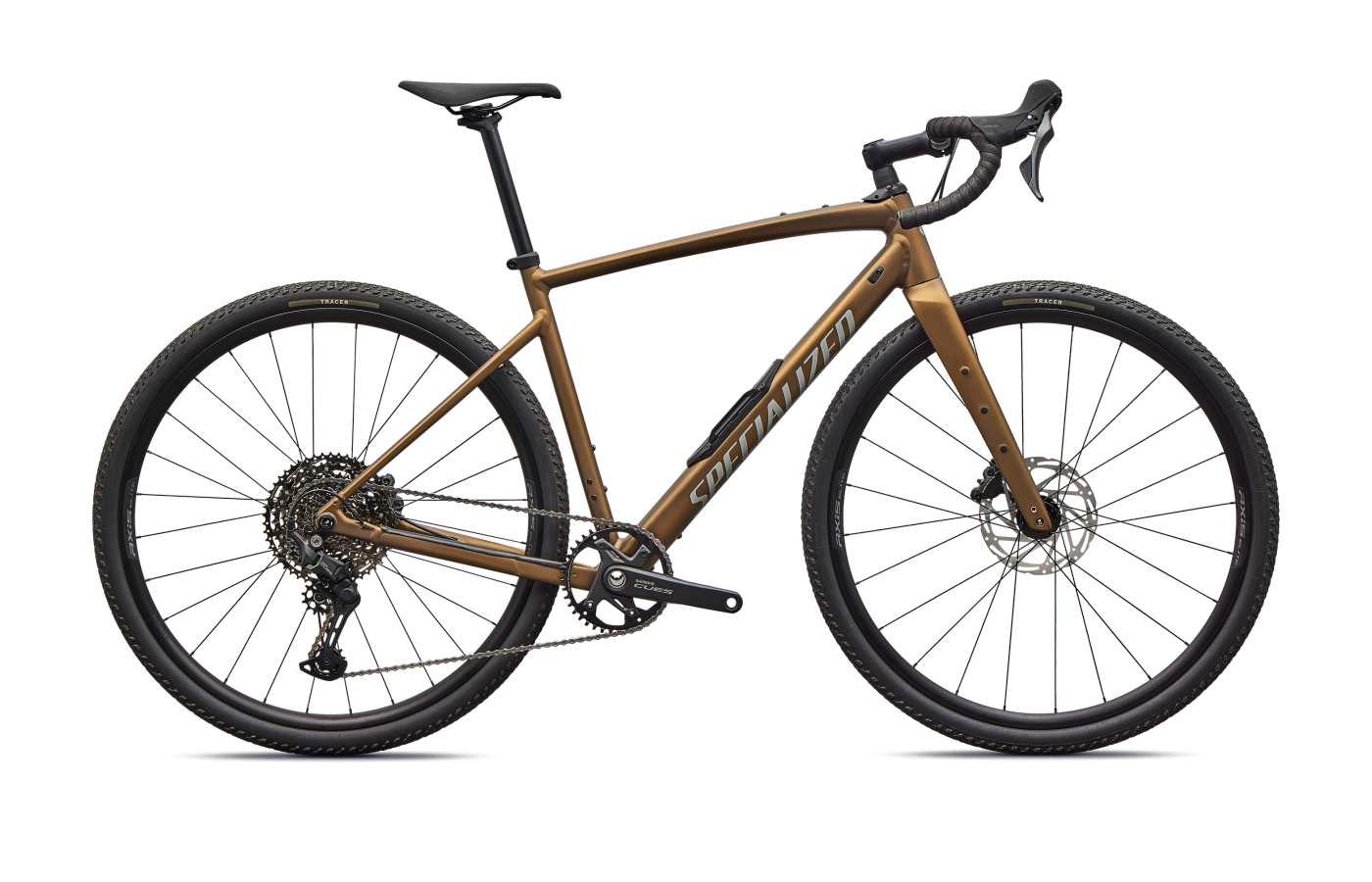
Diverge
The Specialized Diverge is the Crux's comfier sibling — Future Shock suspension, longer chainstays, and mounts for days. Get this if the Crux sounds too harsh and you actually want a gravel bike, not a CX bike with a tire swap.
Compare →