LS
vsOstro Gravel
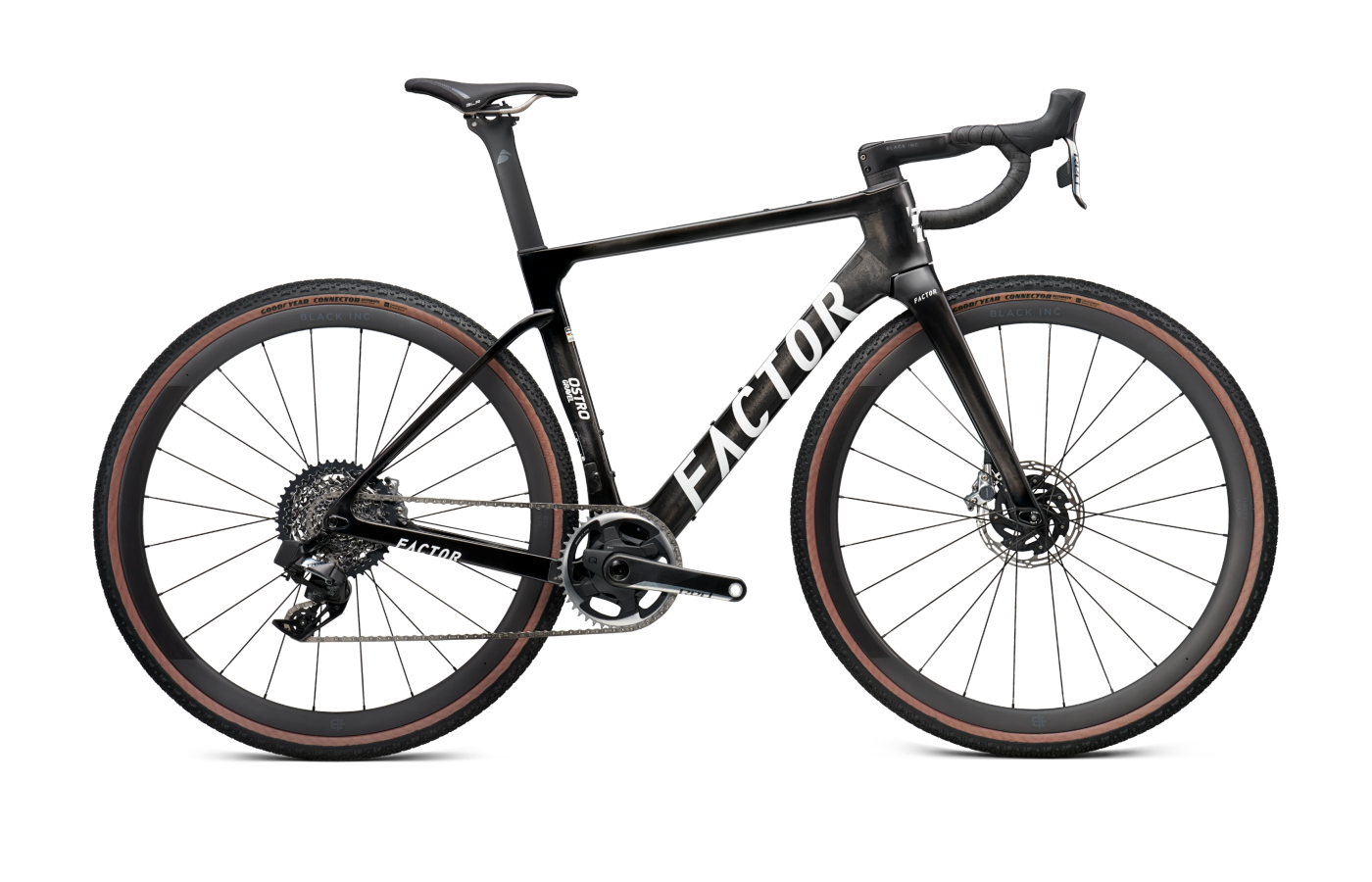
Two gravel racers from the same shop, two different ideas of fast.
The LS is the lightweight, road-bred quiver-killer. The Ostro Gravel is a purpose-built aero weapon that only knows one gear — send it.
LS
- Lighter frame — 850 g claimed vs 950 g for the Ostro Gravel; reviewers weighed complete builds at ~7.95 kg.
- Cheaper entry — $6,599 for the Ultegra Di2 build, about $2,700 below the cheapest Ostro Gravel.
- Drivetrain flexibility — 2x Ultegra Di2, 2x Force AXS, and 1x Force XPLR all offered; Ostro Gravel is SRAM-only.
- Narrower 40 mm tire clearance vs the Ostro Gravel's 45 mm.
- Press-fit bottom bracket; Velo's test sample developed a knocking sound and the reviewer wanted a threaded shell.
Ostro Gravel
- Aero integration — the HB02 cockpit alone is claimed to save 9 watts over a conventional bar/stem.
- 45 mm tire clearance — 5 mm more than the LS, and Factor-sponsored pros race it almost exclusively on 45 mm rubber.
- T47 threaded bottom bracket with CeramicSpeed bearings — the LS's press-fit design is the durability step back.
- Price floor of $9,299 — no build below five figures once you add pedals and tax.
- Proprietary aero seatpost can't be swapped for a compliance post; the ride is "overly firm" on rough ground (Cyclist).
Editor’s analysis
Factor built these bikes three years apart, and in between the whole notion of what a fast gravel bike is changed.
Start with the weight and the shape. The Factor LS is the 2020 answer: take the O2 road platform, give it 40 mm tire clearance, round tubes, a skinny 27.2 mm seatpost, and call it a gravel bike. It's the lighter frame (850 g vs 950 g claimed), has the more compliant-looking silhouette, and starts at $6,599. The Factor Ostro Gravel is the 2022 answer: aero tube profiles from the Ostro VAM road bike, an integrated aero cockpit Factor claims saves 9 watts over a conventional setup, 45 mm tire clearance, and a price that starts where the LS tops out — $9,299.
On the road, they feel closer than the spec sheets suggest. Both are exceptionally stiff, both have road-race DNA, both reward seated, tempo-style efforts. Cycling News called the LS "a razor-sharp instrument designed for the racer." Velo called the Ostro Gravel "unapologetically made for racing." Neither one is a plush, all-day adventure bike and neither one pretends to be.
The split shows up when the surface gets rougher. The LS gets away with its stiffness because the frame itself — skinny seatstays, 27.2 mm post, non-aero tubes — has some give. It "hums effortlessly" on smoother grades, per Velo, and "finds its limits pretty quickly" when it chops up. The Ostro Gravel has almost no give anywhere except the handlebar. The deep aero seatpost is proprietary and can't be swapped for a compliance post. On broken ground it's "unpleasant" (Cycling News) and "quite a handful" (BikeRadar) — the kind of bike where you run max-width tires at low pressure and pray.
Put another way: the Factor LS is the bike you buy when you want one drop-bar bike that goes fast on road and on gravel. The Factor Ostro Gravel is the bike you buy when you already have a road bike and you're building a race-day gravel weapon for Unbound, SBT GRVL, and fire-road courses where the bumps don't get too spicy.
Where the builds differ.
Comparing our editor's-pick builds side-by-side. Winners highlighted row-by-row — lower price and weight, and the better-spec component, each mark a point.
Build variants & pricing
The LS spans $6,599–$7,499; the Ostro Gravel spans $9,299–$11,399. Every Ostro Gravel build is more expensive than every LS build.
Prices are current US MSRP. Both platforms share Black Inc Thirty Four wheels and CeramicSpeed bearing hardware; the Ostro Gravel adds the aero HB02 cockpit, the aero seatpost, and a T47 threaded BB (the LS uses press-fit). Factor doesn't sell an Ostro Gravel below $9k — if that's outside your budget, the LS is the only answer.
How they fit, how they steer.
Both at size 52 — the fit-picked size for a 5'8" rider on each bike. The Ostro Gravel sits 12 mm lower, reaches 7 mm longer, and rolls a 15 mm longer wheelbase with 2 mm more trail — classic race-aero stretch. The LS is the taller, shorter, livelier cockpit at the same nominal size.
Which size should I buy?
Size recommendations based on stack, reach, and effective top tube. Both platforms offer five or more sizes; the Ostro Gravel extends one size taller at the top end.
→These are starting points. Flexibility, riding style, and preferred position all shift the answer — if you’re between sizes, a professional fit beats a chart.
What the magazines said.
Published reviews from trusted cycling outlets. Click through for the full write-up.
Which one should you buy?
If you want one fast drop-bar bike for road and gravel, get the LS. If you're racing aero-focused US-style gravel courses and own a road bike already, get the Ostro Gravel.
LS
If most of your riding is fast road with gravel dabbles on top — groad rides, groomed dirt centuries, the occasional crit — the LS is the sharper pick. Lighter, cheaper, happy on 32 mm slicks, and still capable on 40 mm gravel tires when the route calls for it.
Ostro Gravel
If your calendar is Unbound, SBT GRVL, Mid South, and the flat-to-rolling US gravel circuit, the Ostro Gravel is the purpose-built tool. The aero cockpit, deep tubes, and 45 mm clearance are worth the price premium when you're averaging 30+ km/h on open dirt — and worth nothing on singletrack.
Questions buyers actually ask.
Short answers to the things we get emailed about most often.
01Is the Ostro Gravel actually faster than the LS?
On fast, smooth gravel and tarmac — yes, measurably. Factor claims the HB02 integrated cockpit alone saves about 9 watts versus a conventional bar/stem, and the deep tube profiles add more on top of that. Reviewers consistently describe the Ostro Gravel as feeling "like being shot out of a cannon" on open surfaces.
On rough gravel and singletrack, the advantage inverts. The Ostro Gravel's rear-end stiffness makes putting the power down harder, per Cycling News, and the LS's lighter, slightly more compliant frame is easier to keep at tempo. The faster bike depends on the course.
02Which climbs better?
The Factor LS, modestly. Both frames are race-stiff and both complete builds weigh in the high-7 kg range, but the LS frame is claimed at 850 g vs 950 g for the Ostro Gravel. Reviewed builds came in around 7.95 kg for the LS and 8.05 kg for the Ostro Gravel — roughly 100 g apart, which is worth a couple of seconds on a 20-minute climb.
The bigger climbing question is gearing. The Ostro Gravel editor's pick is 1x Force XPLR with a 44T chainring and 10-44T cassette — reviewers called the 44T "pretty tall" for sustained 20%+ gradients. The LS in 2x Ultegra Di2 or 2x Force AXS trim gives you a 36T or 35T small ring, which is easier on the legs when the road tilts up.
03What's the tire clearance on each?
Factor LS: 40 mm officially, though Factor says it's "optimised around 40 to 43 mm gravel tyres." Reviewers ran 35–40 mm without issue.
Factor Ostro Gravel: 45 mm officially. Factor-sponsored athletes are noted to "use 45 mm tyres almost exclusively on this bike" — per Cycling News — because maximum tire volume is the only meaningful way to take the edge off the frame's stiffness.
Neither frame is a bikepacking rig; neither has rack or fender mounts beyond the LS's subtle fender bosses.
04Can either bike double as a road bike?
Yes, more so the LS. Velo found the Factor LS "felt great with 32 mm slicks fitted" and described the handling as "road-bike-like." Swap in a lighter road wheelset and it's essentially an endurance road bike with a bit of extra stack.
The Factor Ostro Gravel is actually UCI-certified for road racing, so yes in a strict sense — but the deep aero tubes, aero seatpost, and 45 mm-optimized geometry were tuned for off-road, and most riders cross-shopping an aero road bike would just buy the Ostro VAM instead.
05How do the seatposts differ — and does it matter?
It matters. The LS uses a standard round 27.2 mm seatpost, which is the most forgiving common post diameter and lets you swap in a compliance post (like a Redshift) if you want more rear-end give.
The Ostro Gravel uses a proprietary D-shaped aero seatpost. It can't be swapped for an aftermarket option — Cycling News flagged this specifically as a limitation, since the Ostro Gravel's "overly firm" rear end is its biggest ride-quality complaint. If you know you want a bit of seat-tube flex, the LS is the platform that gives you options.
06Which drivetrain options are available on each?
Factor LS (3 builds): Shimano Ultegra Di2 2x ($6,599), SRAM Force AXS 2x with power meter ($7,499), or SRAM Force XPLR AXS 1x with power meter ($6,599).
Factor Ostro Gravel (4 builds): SRAM Force AXS 2x with power meter ($9,499), SRAM Force XPLR AXS 1x with power meter ($9,299), SRAM Red XPLR AXS 1x with power meter ($11,199), or SRAM Red AXS with power meter ($11,399).
The Ostro Gravel is SRAM-only and electronic-only. The LS is the only option if you want Shimano Di2 or a mechanical-capable frame.
07Is the press-fit bottom bracket on the LS a problem?
Potentially. The LS uses a press-fit T47A bottom bracket with CeramicSpeed bearings. Velo's long-term test sample "developed a knocking sound between the cranks" despite the premium hardware — the reviewer fixed it with retaining compound but openly wished for a threaded shell on a bike that was "destined to get filthy."
The Ostro Gravel uses a T47a threaded bottom bracket, which is the direction Factor moved on the newer Ostro VAM road bike as well. If creak-free long-term drivetrain operation is a priority, the Ostro Gravel is the safer pick.
08What warranty do they come with?
Factor offers a five-year frame warranty on the LS and a limited lifetime frame warranty on the Ostro Gravel, per reviews at launch. Both come with Factor's crash-replacement policy for rider-caused damage.
The CeramicSpeed headset and bottom bracket bearings on the Ostro Gravel carry separate lifetime warranties, which is a meaningful long-term ownership perk for a bike that gets ridden in dirt and grit.
Similar bikes
If your priorities don’t map cleanly onto either of these, one of these adjacent bikes probably fits better.
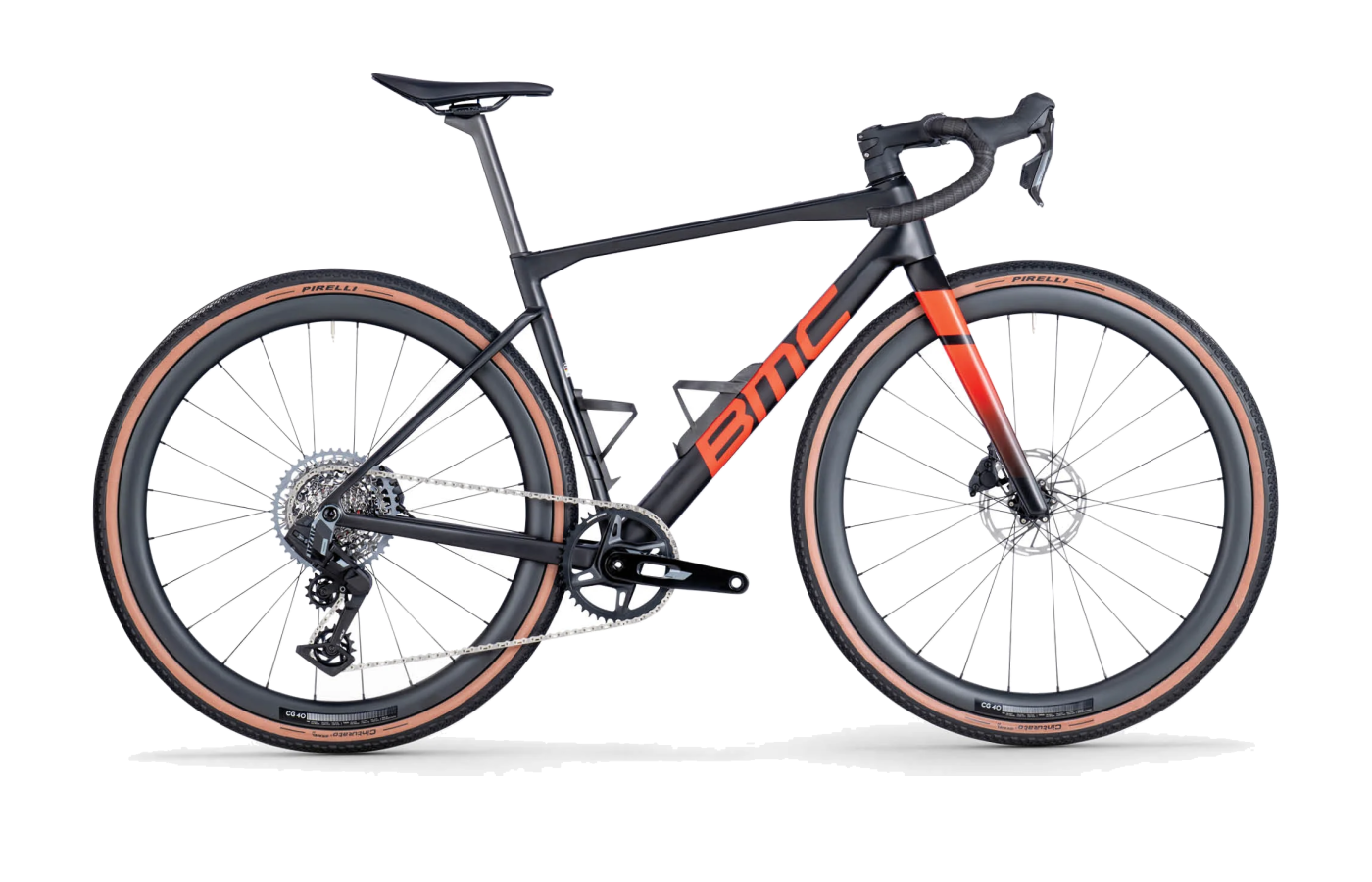
Kaius
The BMC Kaius is the direct cross-shop for the Ostro Gravel — another aero-first gravel race bike with similar stiffness, integrated cockpit, and no interest in plush comfort. BikeRadar notes a Red-spec Ostro Gravel can actually undercut a Red-spec Kaius while bundling a power meter.
Compare →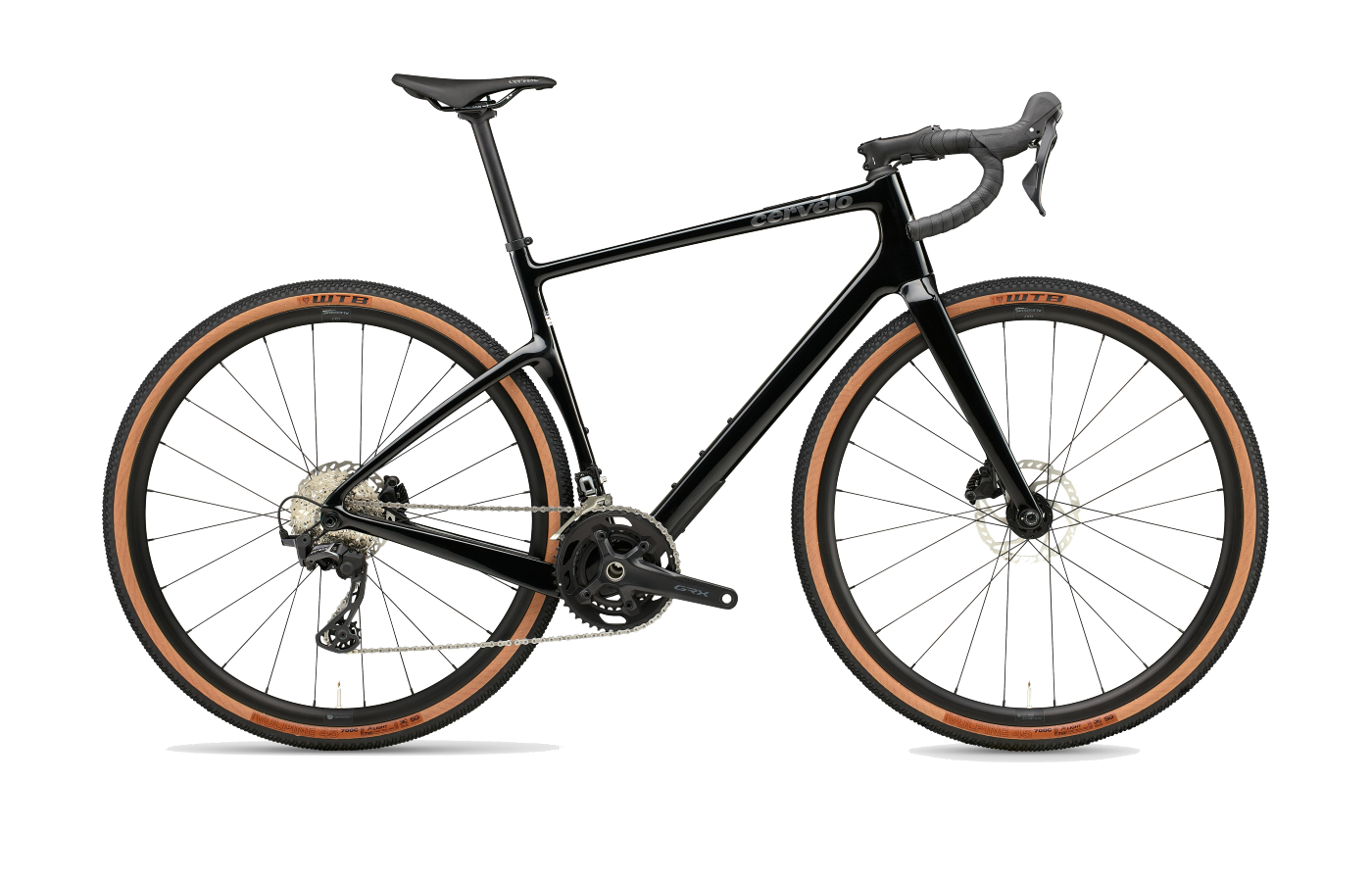
Aspero
The Cervelo Aspero is the cleaner analogue to the LS — a road-bred gravel racer built for agility and speed rather than aero, at a meaningfully lower price. If you like the LS philosophy but Factor's pricing is out of reach, start here.
Compare →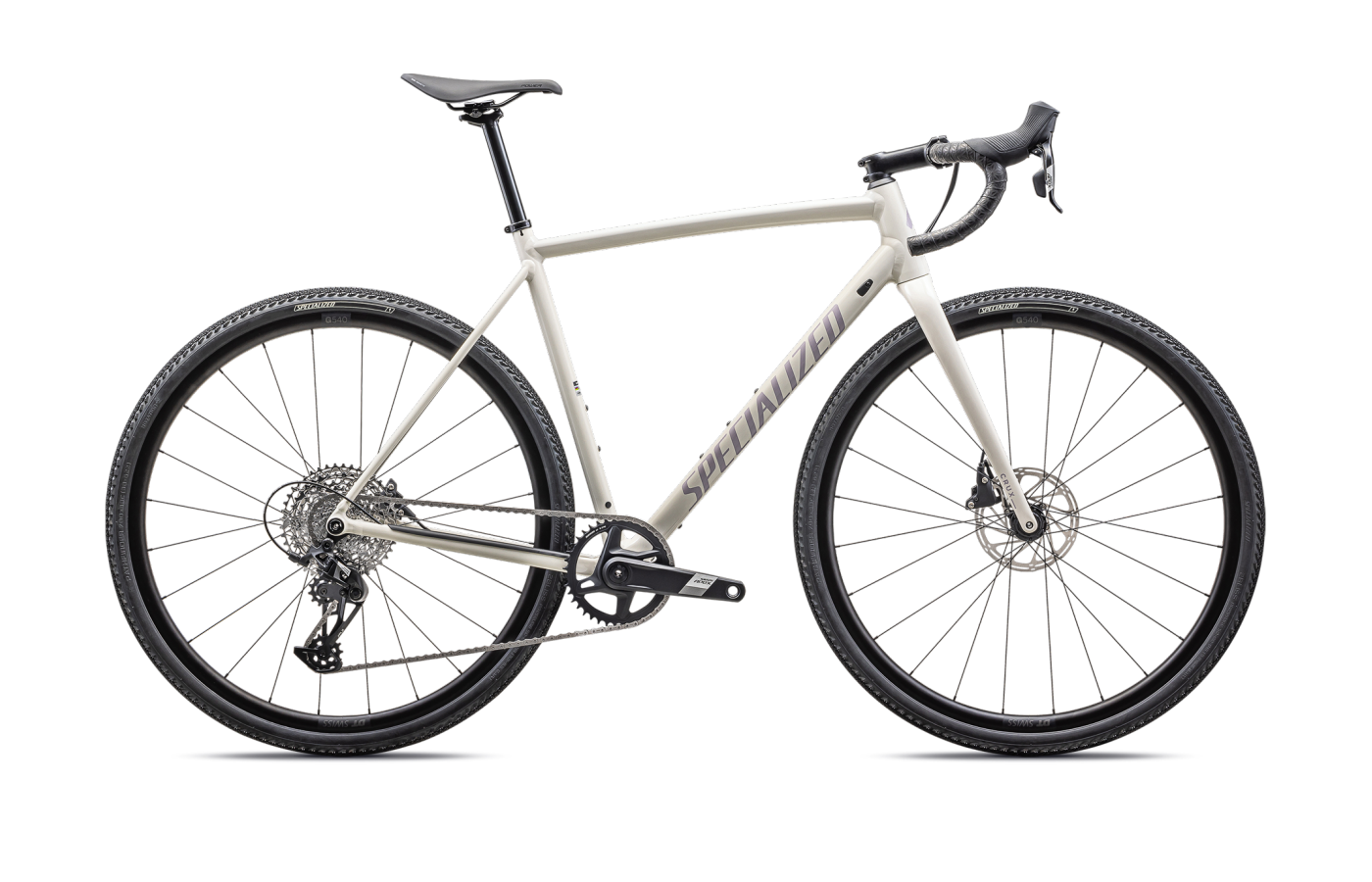
Crux
The Specialized Crux is the ultralight counterpoint — one of the lightest production gravel frames made, with a road-bike feel and tire clearance to match the Ostro Gravel. If climbing matters more than aero, the Crux takes the same brief in a different direction.
Compare →