Offering
vsSB140
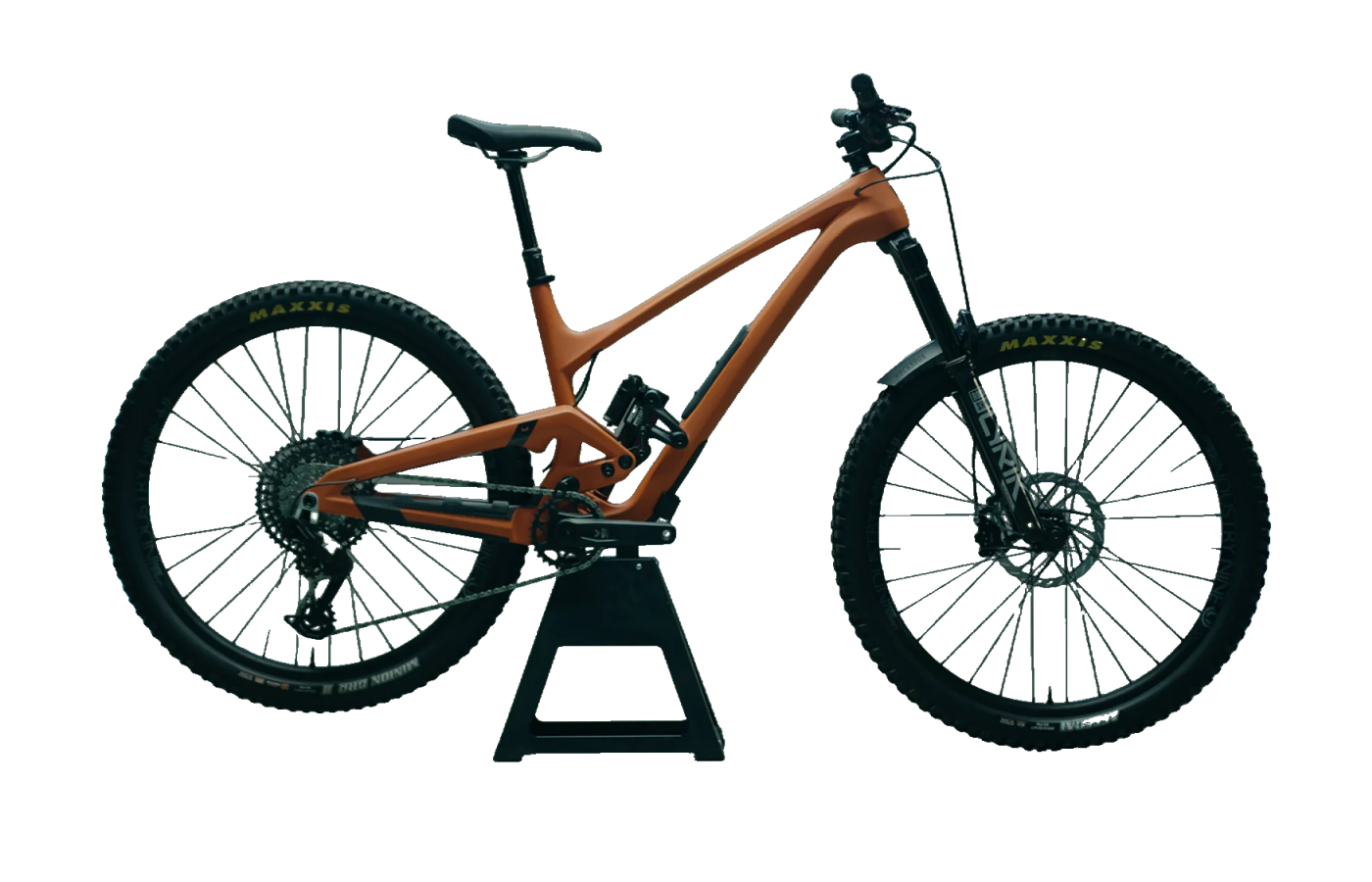
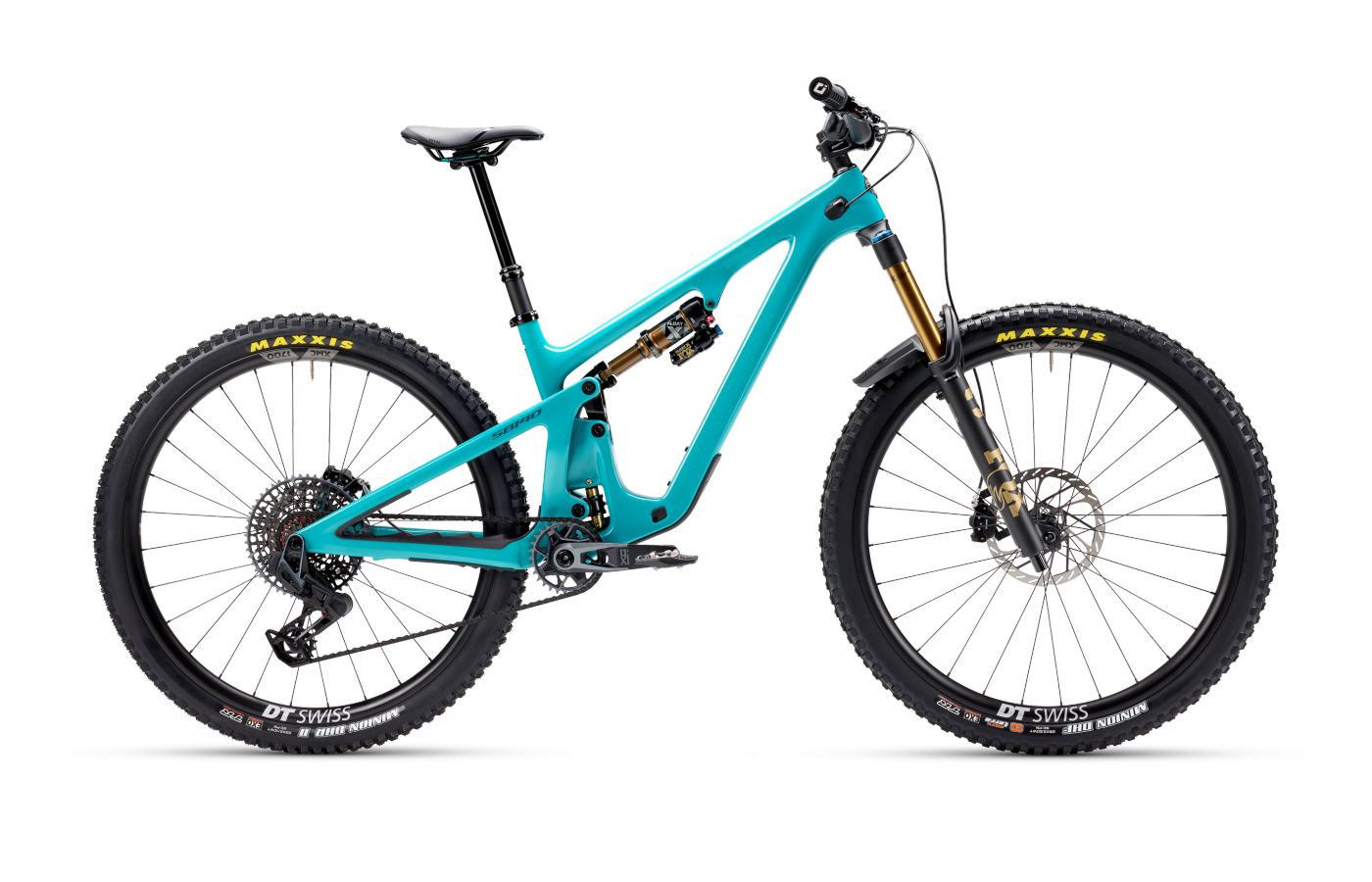
Two trail bikes, two religions.
The Evil Offering is a poppy, jib-hungry 151 mm trail bike. The Yeti SB140 is a 140 mm scalpel built to generate speed where others bog down.
Offering
- Poppiest 29er in the class — a defined trampoline point in the suspension makes it stupid easy to load and launch off small features.
- More rear travel (151 mm) than the Yeti, plus an option to run a 170 mm fork at the same price for mini-enduro duty.
- Steepest seat tube in this comparison at 79° — keeps the front wheel planted on technical climbs without active body English.
- Not a plow bike — gets unsettled on flat, rooty sections and rewards offensive riding only.
- Pedaling efficiency is intentionally compromised — noticeable suspension movement even with the compression lever closed.
SB140
- Punches above its travel — reviewers consistently say the 140 mm rear feels like 150–160 mm on big hits thanks to the 14% progression curve.
- Class-leading pedaling efficiency — Switch Infinity V2 stays high under power; many testers never touch the climb lever.
- Size-specific chainstays from 436.9 mm to 444.5 mm — bigger riders get a more balanced center of gravity than Evil's one-size-fits-all 435 mm.
- Spec value lags the price — even $9k+ T3 builds ship with alloy DT Swiss XM1700/XMC1700 wheels rather than carbon hoops.
- No internal frame storage and no flip-chip — features that are now table-stakes on competitors like the Stumpjumper 15.
Editor’s analysis
Same wheel size, same fork travel, same SRAM Transmission — and they could not feel more different on the trail.
Look at the spec sheet and the Evil Offering and Yeti SB140 read like cousins. Both are full-carbon 29ers with 160 mm forks, both run threaded BBs and Boost 148 mm rears, both ship in SRAM Transmission builds, and both anchor their lineups in the $6,000s and stretch past $9,000. Tire choice is even the same — Maxxis Assegai/DHR II up front and out back. On paper, picking one is splitting hairs.
Suspension travel is the first crack in the symmetry. The Evil Offering runs 151 mm rear via the Delta-link single-pivot, controlled by a 205x60 shock; the Yeti SB140 runs 140 mm rear through Switch Infinity V2. Eleven millimeters doesn't sound like much, but the bikes use that rear stroke for opposite ends. Reviewers describe the Evil's curve as having a distinct "trampoline point" that loads up and launches — it's the bike that wants to leave the ground. The Yeti's Switch Infinity stays high in its travel under power, then opens up underneath you when you hit something — riders consistently report it punches more like a 150–160 mm bike on big hits despite the smaller stroke.
Geometry pushes the divide further. At a Medium, the Evil Offering measures 459 mm reach, 625 mm stack; the Yeti SB140 in M is essentially the same reach (459.7 mm) but 5 mm lower in the stack at 619.8 mm. The Yeti runs a 65° head tube angle and size-specific chainstays (436.9 mm at M, growing to 444.5 mm at XXL) — Evil sticks to a 64.7°/64.2° flip-chip head angle and a fixed 435 mm rear center across every size. The Yeti rewards a forward, weighted-front-tire stance; the Evil sits the rider taller and asks them to pump and jump.
Put another way: the Evil Offering is the bike you buy because every roll, root, and lip looks like a take-off. The Yeti SB140 is the bike you buy because you want to climb for two hours, descend for thirty minutes, and beat your own time on every loop you ride.
Where the builds differ.
Comparing our editor's-pick builds side-by-side. Winners highlighted row-by-row — lower price and weight, and the better-spec component, each mark a point.
Build variants & pricing
Both lineups span roughly $6,200 to $11,000. Yeti splits the range between Turq (high-end carbon) and C-series (~225 g heavier) layups; Evil keeps a single UD Carbon frame across all three builds.
Prices are current US MSRP. The Evil X0 build at $7,999 and the Yeti T3 X0 AXS at $9,300 are tier-matched on drivetrain — same SRAM X0 Eagle Transmission, same flagship-equivalent carbon — making them the cleanest apples-to-apples comparison in the spec table above. The roughly $1,300 gap is the Yeti tax for Switch Infinity and Fox Factory suspension.
How they fit, how they steer.
Both bikes at their fit-picked Medium. Reach is essentially identical (459 vs 459.7 mm) but the Yeti sits 5 mm lower in the stack at 619.8 mm. The Yeti also runs a slightly steeper 65° head angle versus Evil's 64.7° (high) and a 1.9 mm longer chainstay at this size.
Which size should I buy?
Sizes recommended by stack, reach, and effective top tube. The Evil tops out at X-Large; the Yeti goes one size further to XXL for tall riders.
→These are starting points. Flexibility, riding style, and preferred position all shift the answer — if you’re between sizes, a professional fit beats a chart.
What the magazines said.
Published reviews from trusted cycling outlets. Click through for the full write-up.
Which one should you buy?
If you ride to jump, get the Evil Offering. If you ride to go fast, get the Yeti SB140.
Offering
If your idea of a good ride is sessioning lips, manualing through rollers, and treating every root as a take-off ramp, this is the bike. The Delta-link's trampoline point and the high-stack/short-chainstay geometry make it the most playful 29er in this segment — at the cost of being unforgiving when you're tired or defensive.
SB140
If you climb for hours to descend for minutes and want a bike that pedals like a 130 mm trail bike but descends like a 160 mm one, the SB140 is still the benchmark. Switch Infinity V2 and the size-specific chainstays produce a ride reviewers call "surgical" — refined, fast, and rewards precision over commitment.
Questions buyers actually ask.
Short answers to the things we get emailed about most often.
01Which has more rear suspension travel?
The Evil Offering has 11 mm more rear travel — 151 mm vs the Yeti SB140's 140 mm. Both run 160 mm forks stock, and Evil offers an option to spec a 170 mm RockShox Zeb at the same price.
That said, the Yeti SB140 is widely reported to ride bigger than its travel suggests — the 14% progression rate and Switch Infinity V2 deliver a bottomless feel that reviewers say punches into the 150–160 mm range on impacts. The Evil has more travel on paper but uses it for pop and progression rather than plushness.
02Which climbs better?
The Yeti SB140, comfortably. Switch Infinity V2 stays high in the travel under pedaling load and provides a firm platform without needing a lockout — multiple reviewers describe it as one of the most efficient pedaling platforms in the mid-travel category.
The Evil Offering isn't a slouch on climbs — the 79° seat tube angle puts you in a great position over the bottom bracket — but Evil intentionally tuned the rear suspension to stay active for traction. There's noticeable bob even with the compression lever closed. On chunky, technical climbs the Evil's traction is excellent; on long fire-road grinds, the Yeti just goes faster.
03What's the geometry difference at a comparable size?
At a Medium, reach is essentially identical (Evil 459 mm vs Yeti 459.7 mm), but the Yeti SB140 sits 5 mm lower in the stack (619.8 vs 625 mm) and runs a slightly steeper 65° head angle vs Evil's 64.7° (high setting) or 64.2° (low).
The Yeti uses size-specific chainstays — 436.9 mm at M growing to 444.5 mm at XXL — while the Evil Offering runs a fixed 435 mm rear center on every frame size. For a Medium rider the difference is small; for an XL or XXL rider the Yeti's longer rear center produces a more balanced, less twitchy feel.
04Are the suspension platforms easy to live with?
Evil's Delta-link is a single-pivot design with a clevis link — relatively conventional, easy to service, and uses standard sealed bearings. The new V4 frame keeps that simplicity.
Yeti's Switch Infinity V2 is more complex: it uses a translating pivot riding on two Kashima-coated Fox stanchions. The V2 update added improved seals, oversized bearings, and a grease injection port to extend service life, but reviewers still say it needs more attention than a standard linkage. Riders in muddy climates should be especially diligent with the grease gun.
05How do the editor's-pick builds compare on price and spec?
We picked the Evil Offering X0 at $7,999 against the Yeti SB140 T3 X0 AXS Transmission at $9,300 — both run SRAM X0 Eagle Transmission AXS and both sit on the priciest carbon layup each brand makes (Evil's UD Carbon and Yeti's Turq).
The ~$1,300 gap mostly buys Fox Factory 36/Float X suspension and DT Swiss XMC1700 carbon wheels on the Yeti, vs RockShox Lyrik Ultimate/Super Deluxe Ultimate and Industry Nine 1/1 alloy hoops on the Evil. Both are excellent specs — neither is a deal.
06Does either have internal frame storage?
Yes for the Evil Offering — the V4 added a downtube storage compartment, though reviewers note the hatch mechanism is a little tricky to open without feeling like you're going to break it.
No for the Yeti SB140. This is a recurring criticism in reviews of the SB140 — it lacks both internal storage and a flip-chip for geometry adjustment, features that have become standard on competitors like the Stumpjumper 15 and Santa Cruz Hightower. If frame storage matters to you, the Evil wins this one.
07What about the entry-level builds — which is the better value?
The Evil Offering Eagle 90 at $6,699 ships with SRAM Eagle 90 Transmission, RockShox Lyrik Ultimate/Super Deluxe Ultimate (both Ultimate-level dampers), and Industry Nine 1/1 wheels — a remarkably consistent suspension spec with the more expensive builds.
The Yeti SB140 C2 90 Transmission at $6,200 is $500 cheaper but drops to the C-series carbon frame (about 225 g heavier than Turq), Fox Performance suspension instead of Factory, and DT Swiss M1900 wheels. Both are good values; the Evil delivers more suspension performance per dollar at this tier.
08What warranty do they come with?
Both offer a lifetime frame warranty to the original owner against manufacturing defects. Yeti's lifetime warranty also explicitly covers the Switch Infinity link assembly. Both brands offer crash-replacement pricing for damaged frames, though specific terms vary by region and dealer.
Similar bikes
If your priorities don’t map cleanly onto either of these, one of these adjacent bikes probably fits better.
Ripmo
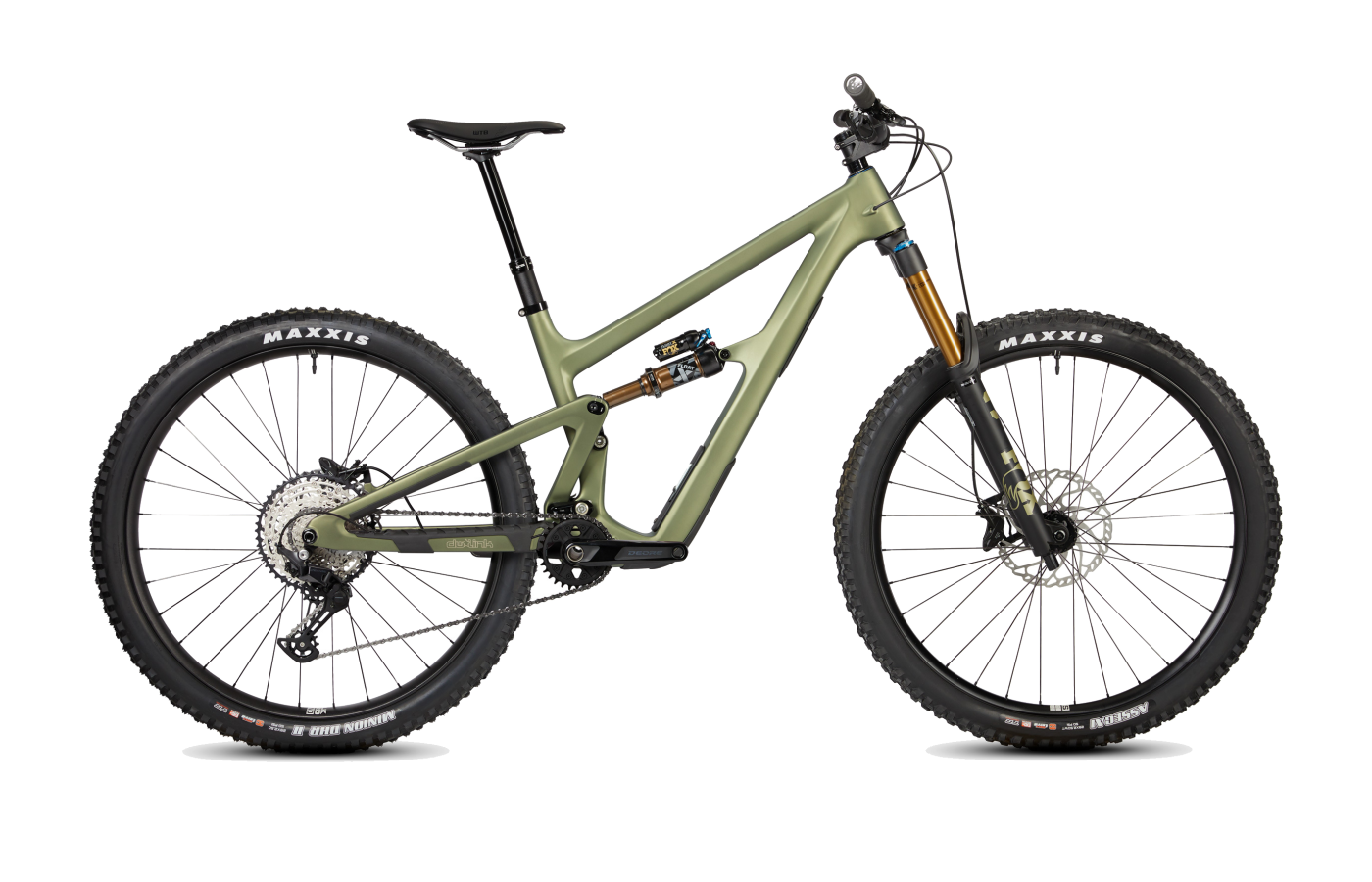
The Ibis Ripmo splits the difference between these two — DW-link suspension that's livelier than Switch Infinity but better-supported than the Evil's Delta-link, at a noticeably friendlier price than either.
Compare →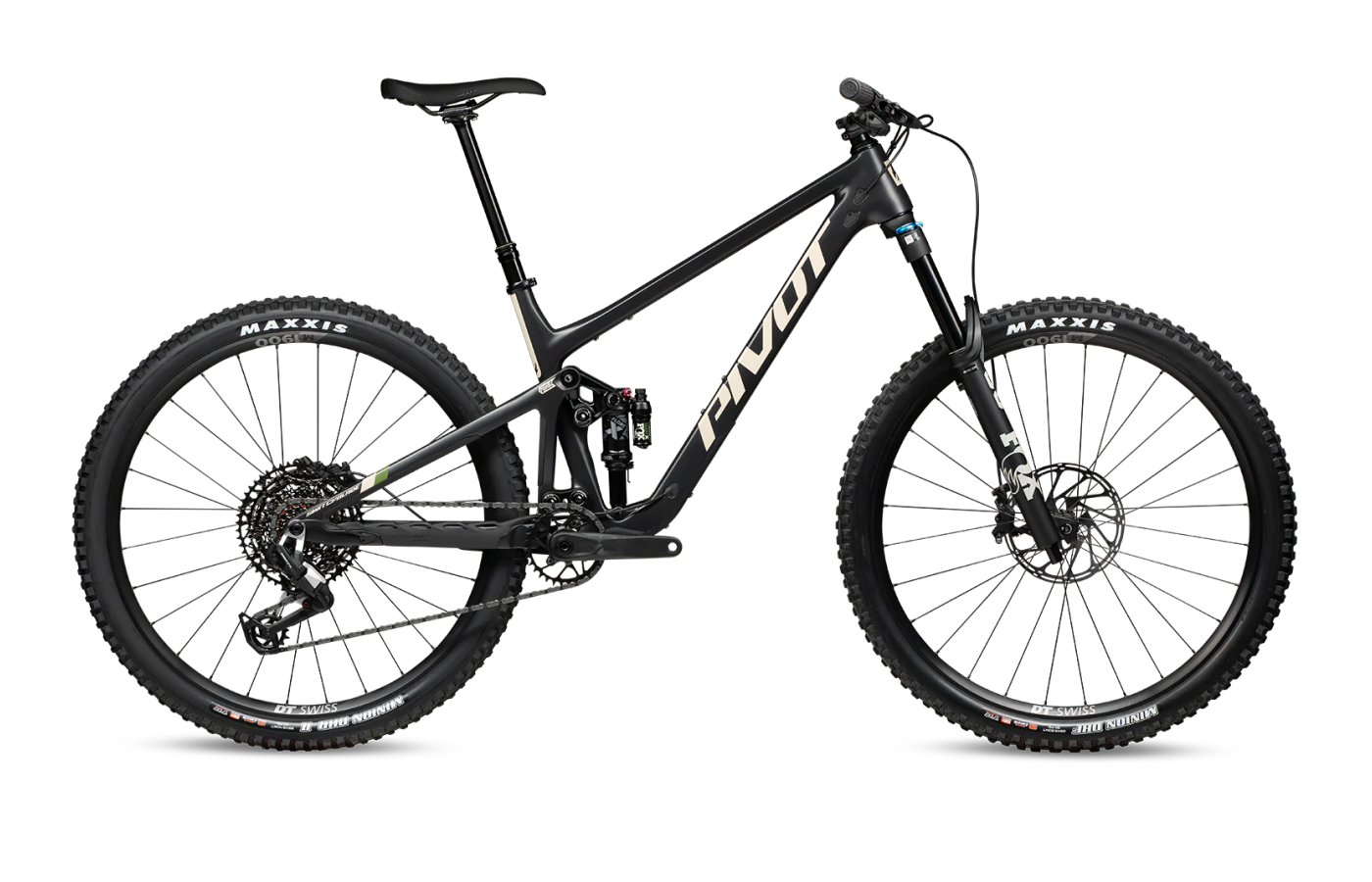
Switchblade
Pivot's Switchblade plays in the same boutique-frame, technical-climbing space as the Yeti — a 160/142 mm dw-link platform with a similarly refined frame feel and a similarly steep price tag.
Compare →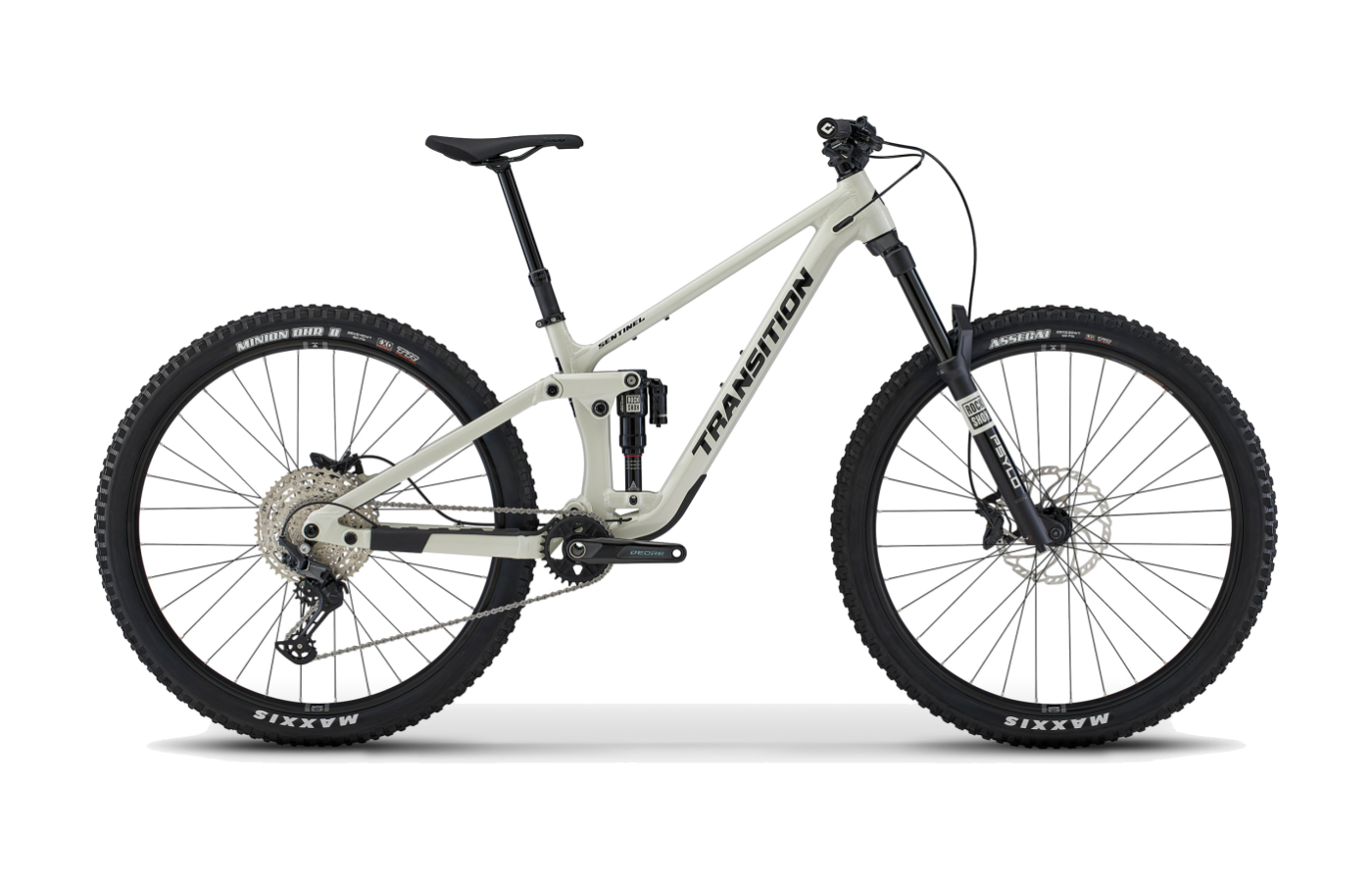
Sentinel
If the SB140's 65° head angle feels too conservative for the descents you ride, the Transition Sentinel is the slacker, gravity-leaning take on the mid-travel 29er — less precision, more freedom on steeps.
Compare →