Following
vsSB120
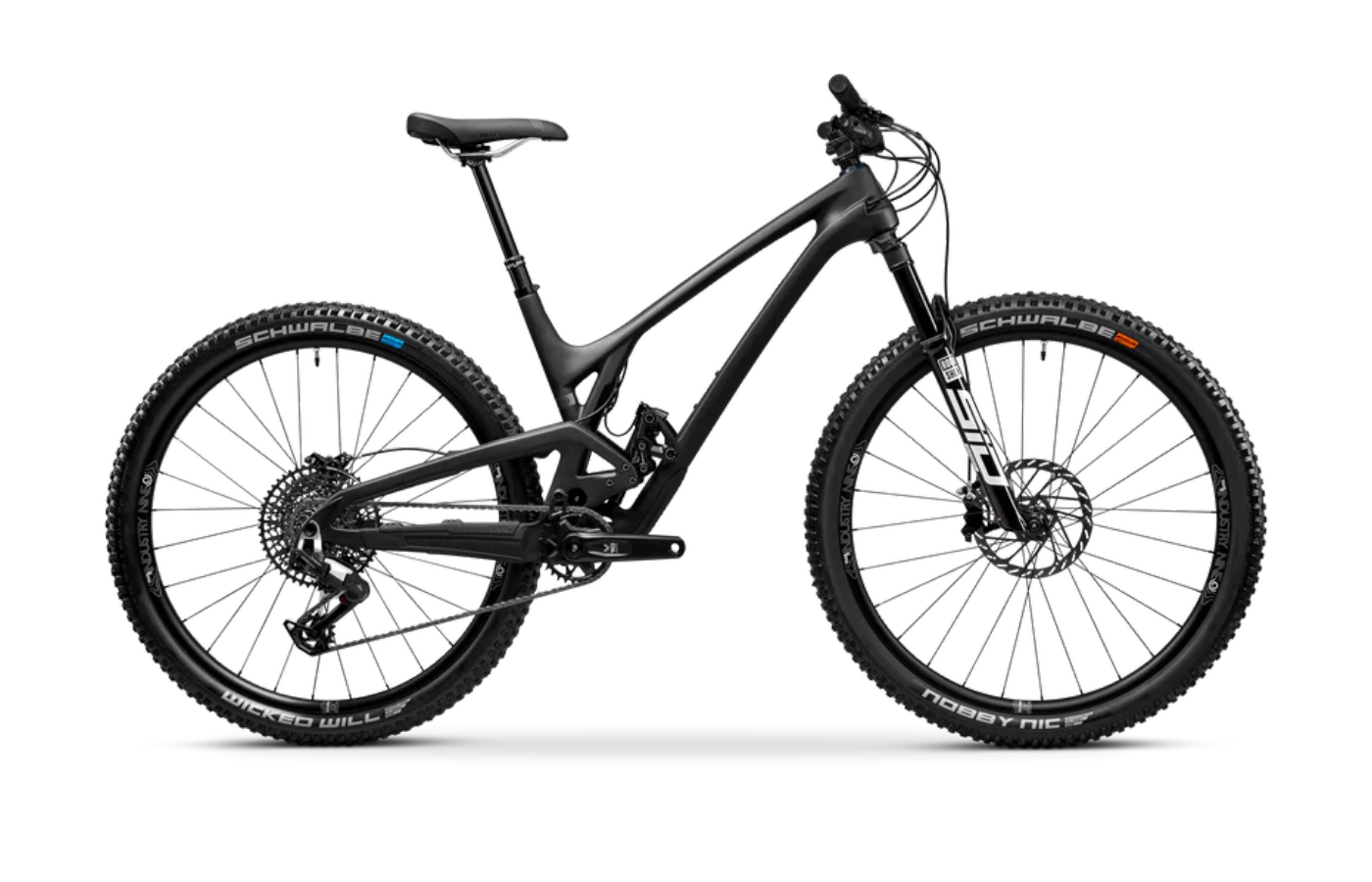
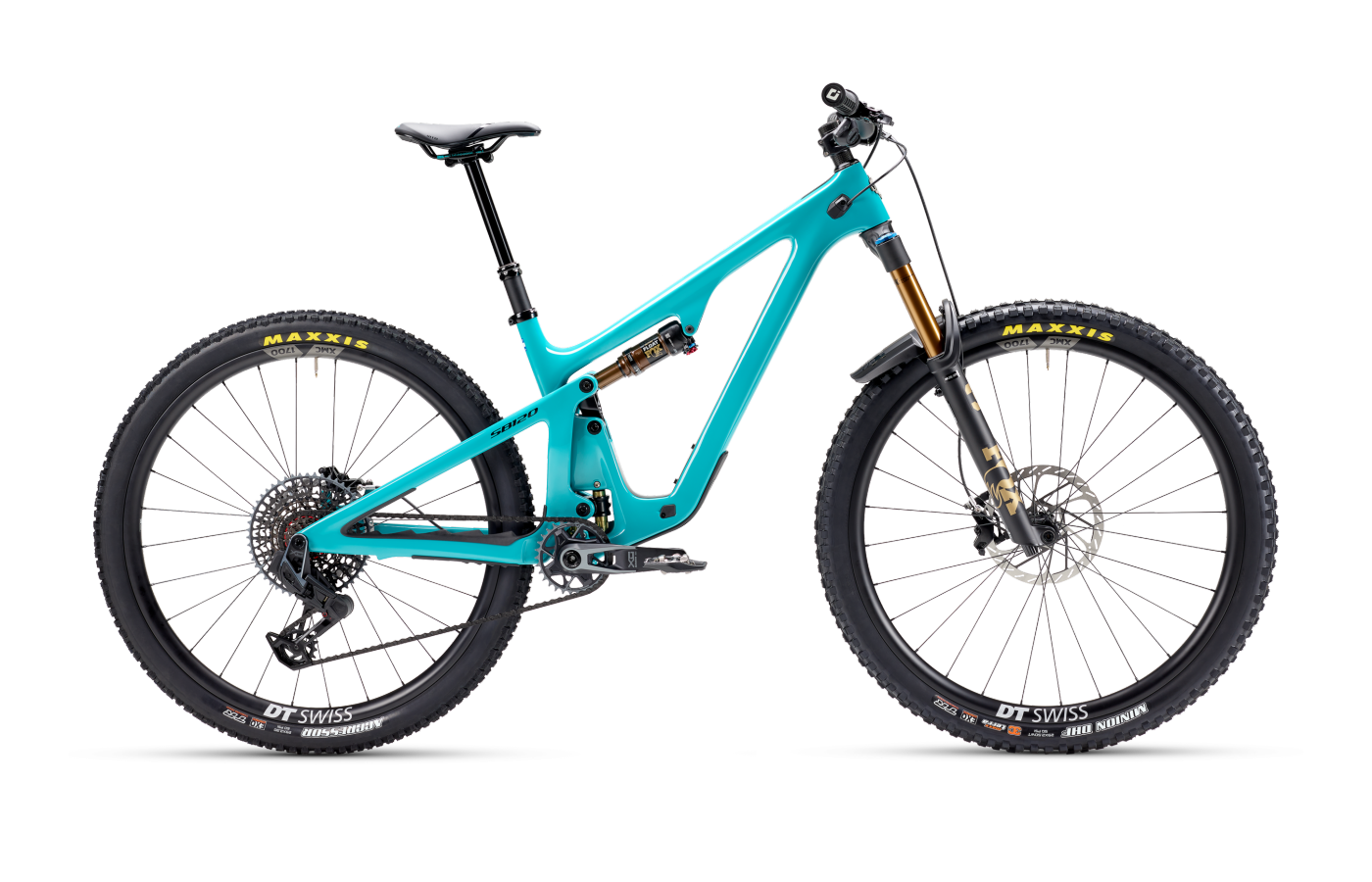
Two 120 mm trail bikes, two personalities.
The Evil Following is the punk-rock cornerer that rides like it has 140 mm. The Yeti SB120 is the composed all-rounder that just refuses to get hung up.
Following
- Class-leading cornering — short 430 mm chainstays plus a stiff carbon rear let you place the back wheel exactly where you want it.
- Dual-progressive DELTA suspension rides like a 140 mm bike without the climbing penalty.
- Lifetime replacement bearings — Evil ships new pivot bearings to original owners on demand, no questions asked.
- Super Boost 157 rear spacing limits hub and frame-only upgrade options.
- DELTA linkage is fiddlier to clean and service than a single-pivot rear end.
SB120
- "Sentient" Switch Infinity rear — stays glued to the ground on technical climbs, doesn't hang up on square edges.
- Size-specific chainstays and layup (432–442 mm; tuned carbon per size) keep the ride feel identical from XS to XXL.
- Threaded BB plus tube-in-tube routing and a removable downtube service door — the friendliest Yeti to live with so far.
- Heavy for the travel bracket — most builds land at 29–30 lb, ~1–2 lb above the Following.
- Yeti's spec choices stretch the dollar (alloy wheels and mid-tier brakes on $8K+ builds) when rivals offer carbon wheelsets at the same price.
Editor’s analysis
Same travel, same wheel size, same downcountry pretensions — and almost nothing else in common.
On paper the Evil Following and Yeti SB120 line up neatly: 120 mm rear, 130 mm fork, 29-inch wheels, premium carbon, six-figure-dollar entry points. Spend a few rides on each and the platforms split apart fast. The Following is built around a Dave Weagle DELTA linkage, 430 mm chainstays, and a stiff carbon chassis tuned for snap. The SB120 is built around Yeti's V2 Switch Infinity link, size-specific chainstays from 432 mm to 442 mm, and a frame Yeti has explicitly tuned for the same ride feel from XS up to XXL.
The Evil Following is the cornering bike. Reviewers from MBR to Awesome MTB keep using the same word — "laser-like" — to describe how the front end tracks, and the short rear lets you flick the bike under you in ways a 130-mm trail bike usually can't. The DELTA suspension is dual-progressive: supple off the top, supportive in the middle, with a bottomless ramp that more than one tester said felt like 140 mm of travel. It rewards an active, body-English rider and punishes a passive one. At very high speed the steeper 66.6-degree head angle is the limit — most testers found it composed, one called it "twitchy."
The Yeti SB120 is the composure bike. The Switch Infinity link delivers what reviewers repeatedly call a "sentient" rear-wheel feel — it stays glued to the ground on technical climbs and small-bump chatter without bobbing under power. Geometry is a hair slacker (66.2 degrees in our data, closer to 66.5 with sag), the wheelbase a touch longer, and the size-specific layup keeps a Medium feeling like the same bike an XL rider gets. The trade-off is weight: even the carbon T-series builds land between 28.5 and 30 lb, where the Following is 1–2 lb lighter at equivalent spec.
Put the two side by side and the choice is character, not capability. The Following is the bike for riders who manual everything and ride trail like a skatepark. The SB120 is for riders who want the same 120-mm efficiency on a four-hour backcountry loop and prefer a bike that does the thinking on rough ground. Neither one is wrong; they're just answering different questions.
Where the builds differ.
Comparing our editor's-pick builds side-by-side. Winners highlighted row-by-row — lower price and weight, and the better-spec component, each mark a point.
Build variants & pricing
Both lineups start near $6,000 and top out around $11,000. Yeti splits the range across two carbon grades (Turq and C/Series); Evil runs a single carbon layup with four spec packages.
Prices are current US MSRP. The Yeti T3 X0 lands $1,500 above the Evil X0 at the equivalent drivetrain tier — that gap is structural, not a one-year fluke. If your budget caps near $6K, both platforms have an entry point; if you want a Turq-grade Yeti, plan on $7,700+.
How they fit, how they steer.
Both at the medium-equivalent, the fit-picked size for a 5'8" rider on each platform. The SB120 sits 13 mm taller in stack and 8 mm shorter in reach; the Following has a 4 mm slacker effective head tube angle (Yeti 66.2°, Evil 66.6° in Low) and noticeably shorter chainstays.
Which size should I buy?
Sizing is based on stack, reach, and effective top tube. Yeti runs a wider XS–XXL range with size-specific layups; Evil offers SMALL–XLARGE only.
→These are starting points. Flexibility, riding style, and preferred position all shift the answer — if you’re between sizes, a professional fit beats a chart.
What the magazines said.
Published reviews from trusted cycling outlets. Click through for the full write-up.
Which one should you buy?
If you ride trail like a skatepark and corner harder than the bike asks, get the Following. If you ride long, technical, all-day loops and want a bike that disappears underneath you, get the SB120.
Following
If you spend most of your ride looking for side hits, manualing rollers, and railing tight switchbacks, the Following is the sharper instrument. The DELTA suspension and 430 mm rear let you ride 120 mm of travel like 140 mm — as long as you bring the body English to use it.
SB120
If your trails are long, rocky, and rewarding for traction over snap, the SB120 will outlast you. Switch Infinity holds the rear wheel down on technical climbs and absorbs square edges without hanging up — at the cost of a couple extra pounds you'll feel on the lift-off, not the long climb.
Questions buyers actually ask.
Short answers to the things we get emailed about most often.
01Which is the better climber?
Both are excellent climbers for 120 mm bikes — but in different ways.
The Yeti SB120 climbs by traction. Switch Infinity stays nearly static under pedaling load while remaining active enough to keep the rear tire stuck to roots and ledges. Reviewers across PinkBike, BikeRadar, and The Loam Wolf converge on the same word: "glued." The 76.2° seat tube angle puts you on top of the cranks even on steep pitches.
The Evil Following climbs by stiffness and anti-squat. The DELTA suspension supports out-of-saddle efforts well and the chassis transfers power instantly — Singletracks said it "feels as if it leaps ahead as soon as you mash the pedals." It's lighter than the SB120 by roughly 1–2 lb at equivalent build, which helps on long sustained climbs.
If you climb seated through technical chunk, the SB120 is calmer. If you climb out of the saddle and sprint pitches, the Following has more snap.
02Which descends harder?
Both punch above their travel, but they ask different things of the rider.
The Following rewards precision and aggression. With a 66.6° head angle (66.4° in Extra Low), 430 mm chainstays, and a stiff frame, it asks you to pick lines and weight the bike actively. Most reviewers found it "unflappably poised"; MBR said it "trumps plenty of enduro bikes with way more travel." One tester (MTB yumyum) noted it can feel twitchy at very high speed.
The SB120 is calmer in chunky terrain. The Switch Infinity link absorbs square edges with what reviewers call a "sentient" feel, and the longer wheelbase and slacker effective angle (66.5° at sag) give it more straight-line composure. The trade-off is the SRAM G2 brakes that ship on most builds — almost every reviewer flagged them as underpowered for the bike's descending potential.
03What's the rear-suspension difference, in practice?
DELTA (Following): linkage-driven single pivot designed by Dave Weagle. Tuned dual-progressive — supple off the top, supportive mid-stroke, ramp at the end. Reviewers describe it as "poppy," "bottomless," and "magic carpet" — best when you're actively pumping the trail.
Switch Infinity V2 (SB120): Yeti's twin-tube translating link from Fox. High anti-squat at the sag point keeps the rear quiet under pedaling without losing small-bump compliance. Reviewers repeatedly use "sentient" — meaning the rear wheel seems to think for itself over rough ground.
DELTA encourages rider input. Switch Infinity tolerates a passive rider and rewards a smooth one.
04How serviceable are the two platforms?
The SB120 is the more mechanic-friendly bike. Threaded BSA bottom bracket, tube-in-tube internal cable routing, removable downtube service door, and pivot bearings pressed into aluminum links rather than the carbon frame. Yeti backs the Switch Infinity link with a lifetime warranty.
The Following is more boutique to live with. The DELTA linkage is fiddlier to clean — Singletracks called it "tedious" in loose conditions — and the Super Boost 157 rear spacing complicates frame-only builds. Evil offsets this with a lifetime replacement bearings policy: original owners get fresh pivot bearings shipped on request, which materially changes the long-term ownership math.
05Why is the Yeti $1,500 more at the same drivetrain tier?
The Yeti T3 X0 AXS Transmission lands at $9,000 with a Turq-series carbon frame. The Evil Following X0 lands at $7,499 with Evil's carbon frame. Both run SRAM X0 AXS Transmission, both wireless, both at the one-down spec tier from flagship.
The gap comes from a few places: Yeti's Turq carbon and V2 Switch Infinity hardware carry a brand premium reviewers consistently call a "boutique tax"; the T3 ships with Fox Factory 36 SL up front (vs. the Evil's RockShox SID Ultimate); and Yeti's complete-bike pricing has historically run higher than direct-to-shop competitors.
If the gap matters, look at Yeti's C-Series builds — same geometry, same Switch Infinity, ~225 g heavier, and the C3 GX AXS lands at $6,500.
06Which has better tire clearance?
Both clear modern downcountry rubber comfortably. The Following uses Super Boost 157 rear spacing specifically to combine short 430 mm chainstays with ample tire clearance — MBR called it the explicit reason Evil moved to 157 spacing on V3. The SB120 runs standard 148 mm Boost spacing.
In practice, both ship with 2.4–2.5 in front and 2.3–2.35 in rear tires from the factory and have room to size up modestly. Neither is built for plus-size rubber. If clearance is a hard requirement for your terrain, check the spec sheet for your exact build before ordering.
07What's the warranty on each frame?
Yeti offers a lifetime frame warranty to the original owner, plus a lifetime warranty on the Switch Infinity link itself. Pivot bearings are a wear item but the link hardware is covered.
Evil offers a frame warranty on manufacturing defects and the standout perk of lifetime replacement bearings for original owners — a real differentiator on a complex linkage bike.
Both brands offer crash-replacement pricing on damaged frames at typical industry discounts.
08Can I run a 140 mm fork on either?
Yes on both, with caveats.
Yeti explicitly designs the SB120 to accept up to a 140 mm fork — multiple T-series builds ship with a Fox 36 at 140 mm out of the box, so the geometry is tested and approved.
Evil ships the Following with a 130 mm fork. Reviewers (notably the Bicycling YouTube test) have run it with a 120 mm fork for an even quicker XC feel and with a 140 mm fork plus an angle set for a "mini enduro" build — the chassis tolerates both. Going to 140 mm slackens the head angle by roughly 0.5° and raises the BB ~7 mm. It's not officially blessed by Evil for warranty purposes; check with them before going outside the spec window.
Similar bikes
If your priorities don’t map cleanly onto either of these, one of these adjacent bikes probably fits better.
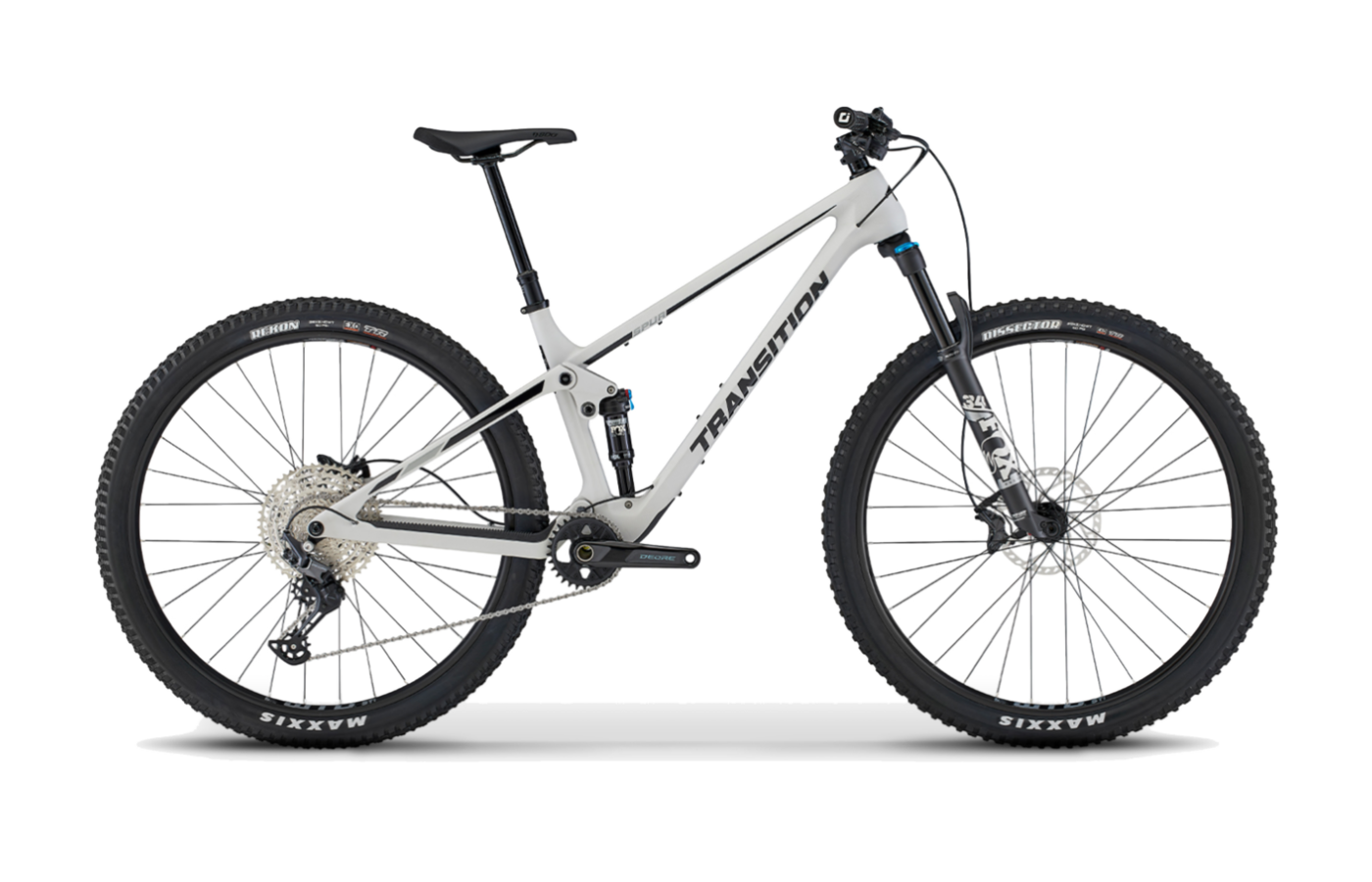
Spur
The Spur is the answer if weight matters more than chassis stoutness — significantly lighter than either the Following or the SB120, with downcountry geometry that climbs like an XC bike but descends like a 120 mm trail bike.
Compare →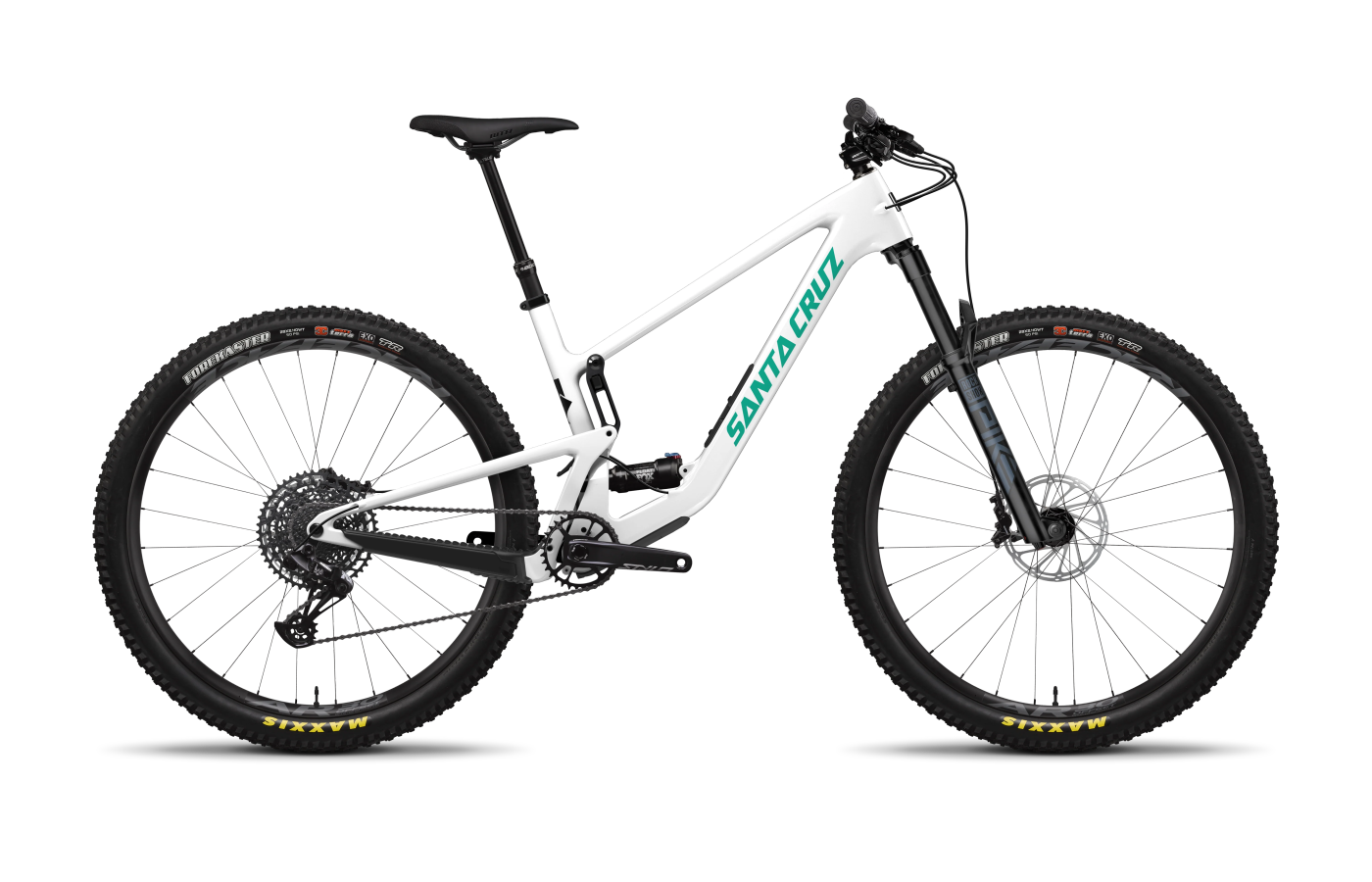
Tallboy
The Tallboy goes the other direction — a slacker 65.5° head angle and in-frame storage make it the better mini-enduro pick if you'd rather have stability on steep chutes than the Following's cornering snap.
Compare →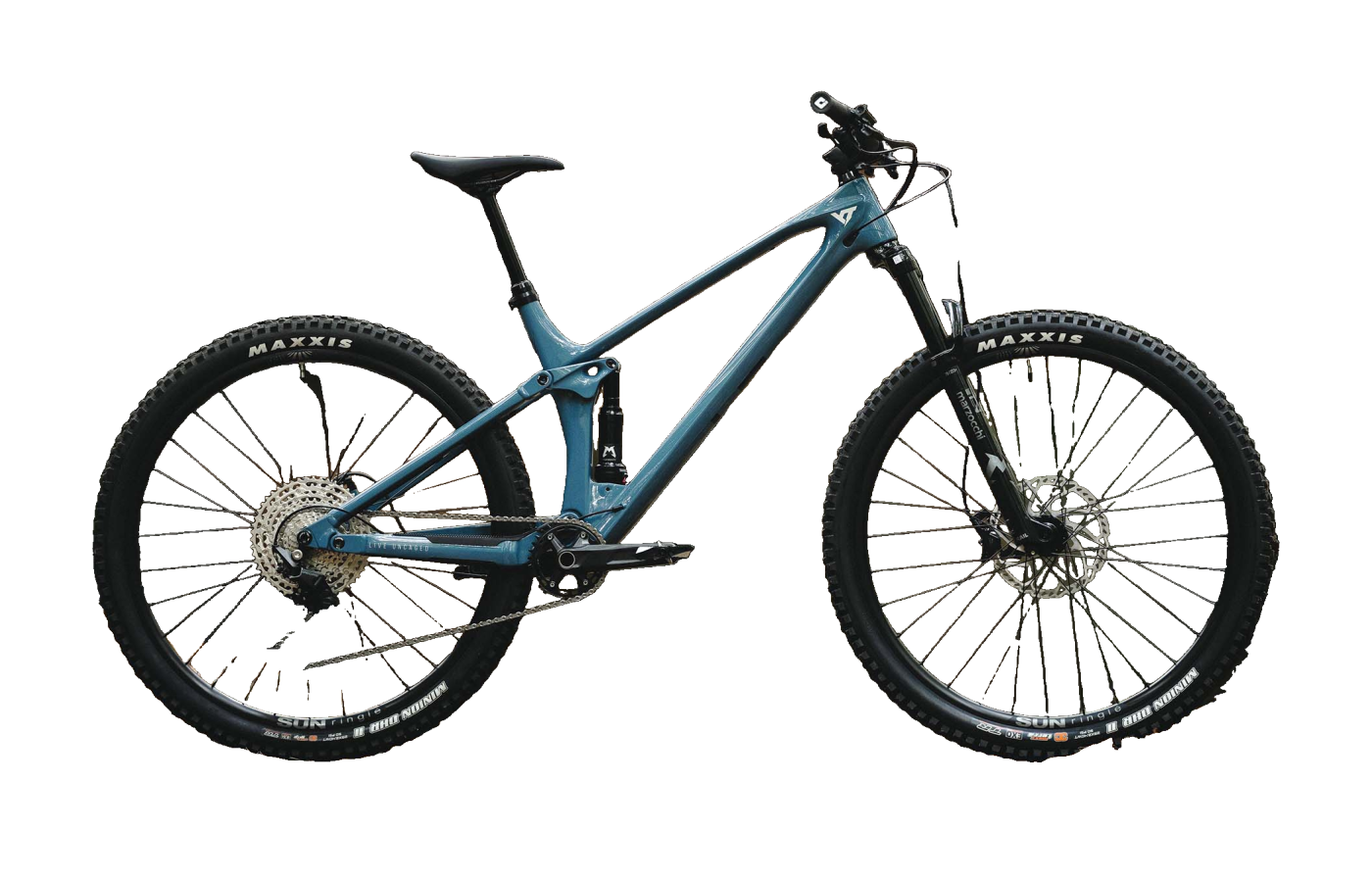
Izzo
The YT Izzo delivers a similar short-travel trail character at direct-to-consumer pricing — roughly the cost of a Yeti C-Series build for a Turq-equivalent spec, with the usual DTC trade-offs of no dealer support and no demos.
Compare →