Following
vsSpur
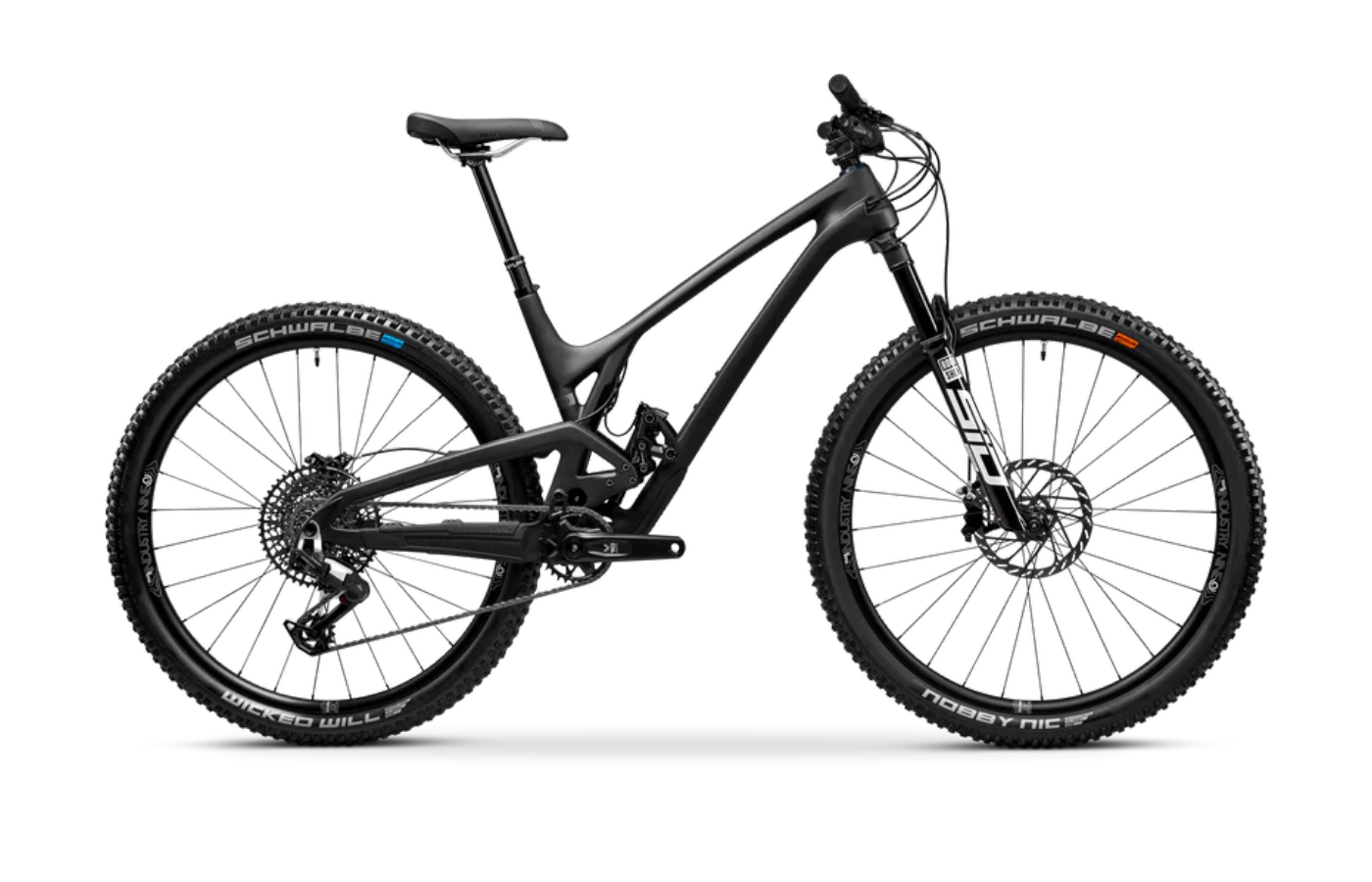
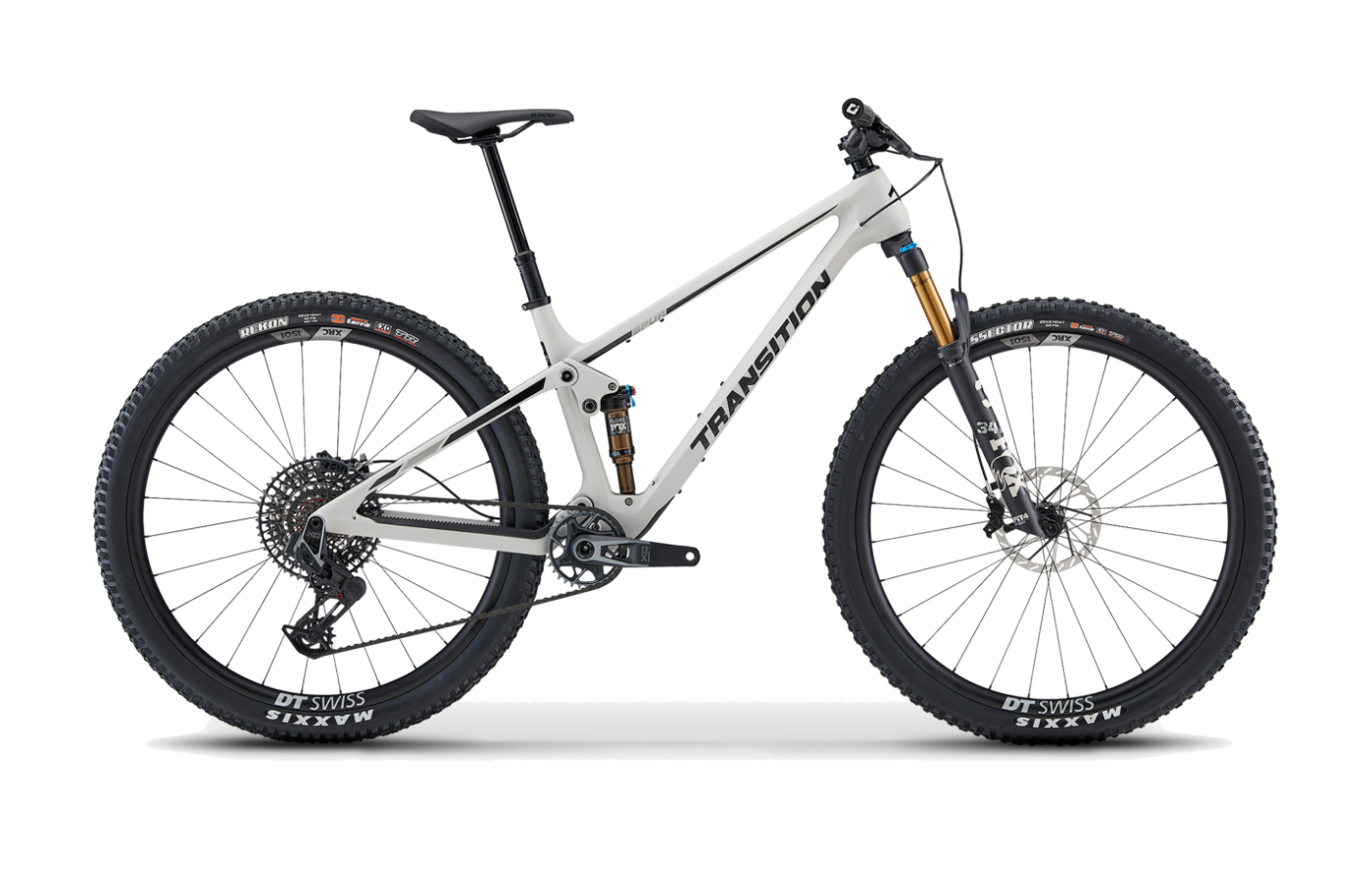
Two 120 mm trail bikes, two suspension philosophies.
The Evil Following is a stout, DELTA-linkage charger that rides bigger than its travel. The Transition Spur is a feather-light flex-stay bike that turns trails into pump tracks.
Following
- DELTA suspension punches above its travel — a 'bottomless ramp' that isolates chatter better than most 140 mm bikes.
- Stiff, Super Boost rear end with 430 mm chainstays rails corners and rewards precision lines.
- Lifetime replacement bearings from Evil make the DELTA linkage far less of a long-term tax.
- Heavier build weight (30+ lb on most trims) dulls acceleration versus true downcountry rivals.
- Price floor starts at $6,199 — no budget or alloy option for riders shopping under that.
Spur
- Feather-light at 27.1 lb on the Carbon XO AXS — pedals circles around 150 mm trail bikes.
- Aggressive 66° head angle and 480 mm reach (Large) give 'mini-enduro' stability in a short-travel chassis.
- Pivot-less flex-stay design means fewer bearings to service and less long-term maintenance.
- Progressive GiddyUp suspension is supportive rather than plush — can get hung up on square-edge ledges.
- Frame flex shows up at 200+ lb rider weights or in high-speed G-outs, feeling springy when pushed past its limits.
Editor’s analysis
Both bikes have 120 mm out back and a 130 mm fork — and that's where the agreement ends.
On paper, the Evil Following and the Transition Spur look like the same bike: 120 mm rear, 130 mm front, 29-inch wheels, carbon front triangle, and geometry that belongs on a trail bike more than a race bike. In the parking lot, though, you notice the Spur is a full two-and-a-half pounds lighter — 27.1 lb for the Carbon XO AXS versus a Following X0 build that routinely lands north of 30 lb with similar kit. Almost every on-trail impression traces back to that weight gap and the two very different suspension philosophies that produced it.
The Evil Following leans hard on its Dave Weagle-designed DELTA linkage — a linkage-driven single pivot tuned for dual progression. Reviewers describe it as a 'magic carpet' that 'trumps plenty of enduro bikes with way more travel,' isolating chatter better than its 120 mm should allow and ramping up hard at the end of the stroke. Pair that with a beefed-up carbon swingarm, 157 mm Super Boost rear spacing, and 430 mm chainstays, and you get a bike MBR handed an Editor's Choice award for cornering 'like an absolute monster.' It rewards precision lines and punishes nothing.
The Transition Spur takes the opposite tack. There's no rear pivot — just engineered carbon flex in the seat stays, which strips roughly 200 g of hardware out of the back end and lets the whole bike come in at 27.1 lb with a SRAM XO AXS drivetrain and DT Swiss XRC carbon wheels. The 30% progressive GiddyUp suspension is supportive rather than plush; reviewers call it a 'speed-generating machine' that stores energy and shoots it back at you through pumps and berms. The 66-degree head angle and 480 mm reach on a Large give it a 'mini-enduro' stance that makes it feel stable well past the speeds a 120 mm bike has any right to hit.
Put them on the same trail and the choice writes itself. The Following smooths chunk, holds laser-precise lines, and eggs you on to bike-park features — at the cost of a few pounds and a more muted feel on smooth stuff. The Spur is the bike you reach for when the ride starts with a two-hour climb and ends with a descent that won't outrun the chassis. Both are 120 mm bikes. Only one of them feels like one.
Where the builds differ.
Comparing our editor's-pick builds side-by-side. Winners highlighted row-by-row — lower price and weight, and the better-spec component, each mark a point.
Build variants & pricing
Both span from mid-tier to flagship. The Spur starts $1,400 cheaper and tops out below the Following's ceiling.
Prices are current US MSRP. The Following's $10,999 XX SL Flight Attendant build adds automated electronic suspension that neither the Spur nor Evil's lower builds offer. If you're cross-shopping at the $6k mark, look at the Evil Eagle 90 and the Spur Carbon Eagle 90 — both sit within $300 of each other on mechanical T-Type.
How they fit, how they steer.
The Following MEDIUM and Spur MD put the rider on almost identical reach (460 vs 455 mm), but the Spur sits 6 mm lower in stack and runs a slacker 66° head tube to the Following's 66.6°. The Spur's 435 mm chainstays are 5 mm longer than the Following's 430 mm — part of why it feels more planted at speed and a little lazier through tight switchbacks.
Which size should I buy?
Size recommendations based on stack, reach, and effective top tube. Both ranges cover the same ground in the middle; the Following extends slightly lower at size SMALL (586 mm stack) than the Spur SM (600 mm).
→These are starting points. Flexibility, riding style, and preferred position all shift the answer — if you’re between sizes, a professional fit beats a chart.
What the magazines said.
Published reviews from trusted cycling outlets. Click through for the full write-up.
Which one should you buy?
If you live for creative lines on chunky, technical terrain, get the Evil Following. If you measure rides by vertical gain and still want to rally the descent, get the Transition Spur.
Following
If your local loop is rocks, roots, and square-edge hits — and you want a short-travel bike that takes them like a 140 mm rig — the Following is the sharper tool. DELTA suspension and a stout 157 mm Super Boost chassis let you push harder and hold lines cleaner than the travel number suggests.
Spur
If your rides are long, your climbs are longer, and you still want enduro-adjacent geometry on the way down, the Spur is the benchmark. At 27.1 lb with pro-level XO AXS, it climbs like a race bike and descends like something with 20 mm more travel.
Questions buyers actually ask.
Short answers to the things we get emailed about most often.
01Which is faster on the climbs?
The Transition Spur, by a wide margin. The Carbon XO AXS weighs a claimed 27.1 lb (12.29 kg) in size MD, while comparably specced Following builds typically land around 30 lb or more. On a 30-minute climb, that weight delta is worth roughly a minute for an average rider.
The Spur's 76.2° effective seat tube angle (size MD) also puts you in a more aggressive pedaling position than the Following's geometry, and the GiddyUp suspension is firm enough to resist bob without a lockout. Reviewers consistently describe the Spur as pedaling 'circles around 150 mm trail bikes.'
02Which descends better on chunky, technical trails?
The Evil Following, for most riders. Its DELTA linkage — a Dave Weagle-designed linkage-driven single pivot — is tuned for dual progression: supple off the top, supportive through the middle, and hard-ramping at the end of the stroke. Reviewers from MBR, Singletracks, and Bicycling all describe it as feeling more like a 140 mm bike than a 120 mm one.
The Spur counters with more aggressive geometry (66° vs 66.6° head angle), but its flex-stay suspension is progressive rather than plush and can get 'hung up' on square-edge ledges. Heavier riders (200+ lb) also report noticeable frame flex on the Spur in high-speed G-outs that the Following's stouter chassis doesn't exhibit.
03How much do the editor's-pick builds weigh?
Transition publishes a claimed 27.1 lb (12.29 kg) for the Spur Carbon XO AXS in size MD. Evil doesn't publish a weight for the X0 build, but reviewers testing similarly specced Followings (X01 AXS tier) have weighed them at around 31.8 lb with pedals.
That's a real 3–4 lb gap between these two X0-tier builds. It's the single biggest reason the Spur feels like a cross-country bike that climbs hard, and the Following feels like a trail bike you can take to the bike park.
04What's the chainstay and head-angle difference?
The Following runs 430 mm chainstays across all sizes with a 66.6° head tube angle. The Spur runs 435 mm chainstays with a slacker 66° head angle.
That 5 mm of chainstay and 0.6° of head angle add up to real personality differences. The Following is quicker in tight switchbacks and feels snappier cornering, while the Spur is more planted at speed and takes a bit more body English to whip around slow corners. Both are Super Boost 157 rear spacing on the Following and 148 Boost on the Spur — worth knowing if you're swapping wheels later.
05How do their suspension designs actually differ?
The Following uses DELTA, a linkage-driven single pivot where a complex rocker system manipulates the shock — all reviewers call out how un-single-pivot it feels. The Spur uses GiddyUp, a pivot-less flex-stay design where the seat stays themselves flex instead of rotating around a pivot.
Trade-offs are real. DELTA gives the Following its 'bottomless ramp' feel and small-bump sensitivity, but the linkage is complex to clean and service. GiddyUp saves weight (the Spur is lighter partly because of this) and needs less maintenance, but the rear end feels more active and less 'glued' than a pivoted design.
06Can either work as a light enduro bike?
Kind of — but they ask for different approaches. Reviewers note the Following is explicitly set up to be pushed hard: 157 mm Super Boost spacing, a beefed-up carbon swingarm, and enough frame stiffness that one Bicycling reviewer described running it with a 140 mm fork and a coil shock as a 'mini-enduro' setup.
The Spur resists that treatment. Its 120 mm SID-class fork and flex-stay rear end are engineered for lightness, not punishment. Reviewers consistently warn that while the geometry 'encourages enduro lines,' the suspension is the hard limit — you'll hear 'audible screams' from the chassis before the bike stops you.
07What are the stock tire sizes?
Both bikes ship on 29 x 2.4 tires front and rear on their carbon builds. The Following uses Schwalbe Nobby Nic Evo SG front / Wicked Will Evo ST rear on the X0 and GX builds, and WTB Ranger Light on the XX SL Flight Attendant for full downcountry weight savings. The Spur Carbon XO AXS uses Maxxis Dissector front / Rekon rear (3C EXO), a more trail-focused combination than the WTB Ranger on the top-tier Following.
08Which has better long-term durability?
Both are well-regarded, but with different profiles. The Spur's pivot-less flex-stay rear end has fewer bearings to wear out, and reviewers report clean ownership experiences. Its main durability caveats: earlier builds had 160 mm rear rotors that cooked on long descents (2024 models now use 180 mm), and the SID fork has seen premature bushing wear reports on aggressive use.
The Following has more pivots and complexity, but Evil offsets this with a replacement bearings for life policy — reviewers single this out as a legitimate ownership-cost advantage. The DELTA linkage can be tedious to clean in gritty conditions, but reports on frame-stiffness longevity and lack of creaks are strongly positive.
Similar bikes
If your priorities don’t map cleanly onto either of these, one of these adjacent bikes probably fits better.
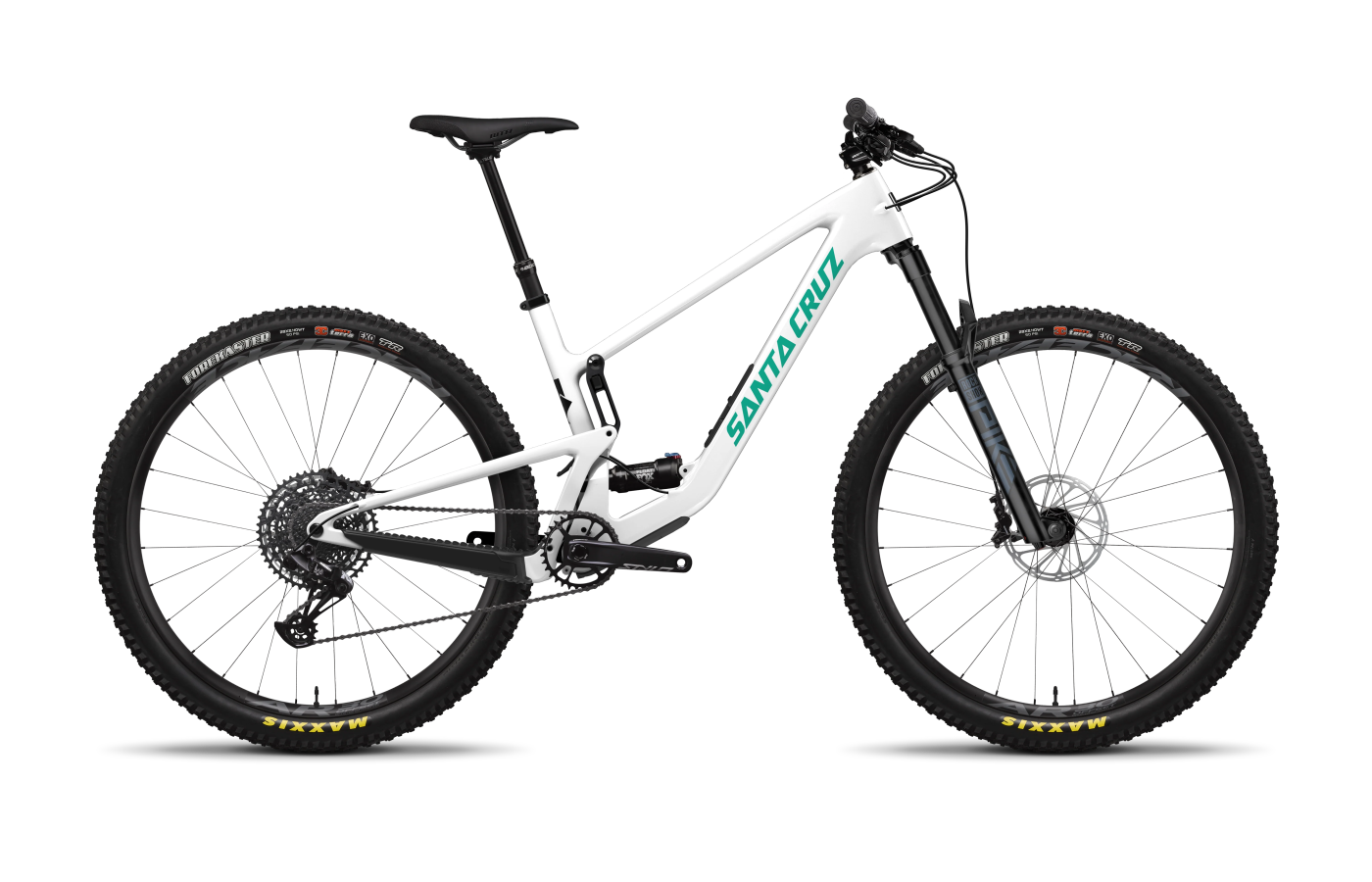
Tallboy
The heavier, stiffer Tallboy uses VPP suspension for a 'glued to the ground' feel that splits the difference between the Spur's springiness and the Following's plushness. Best if you want one-bike durability over the Spur's weight advantage.
Compare →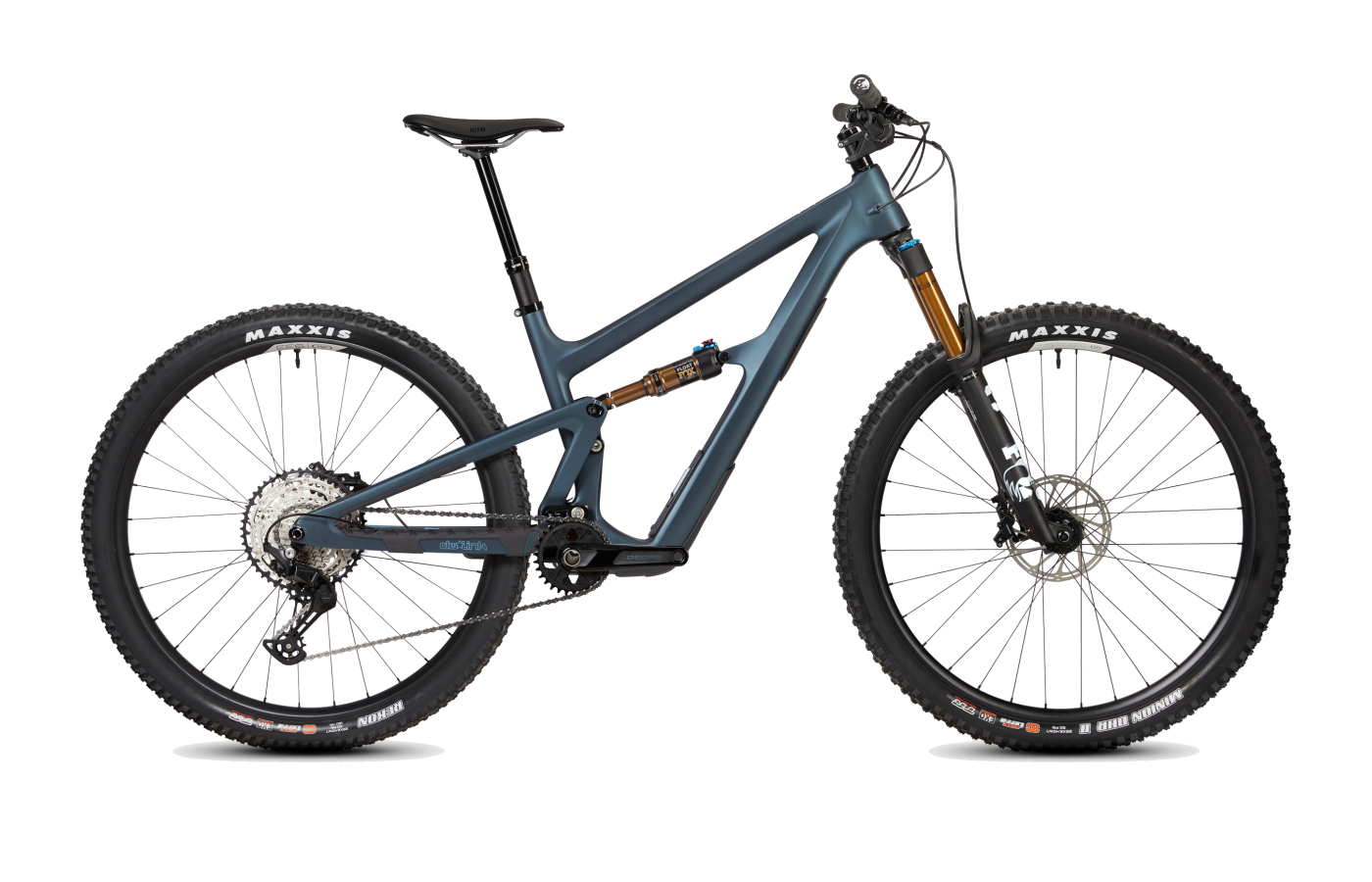
Ripley
The 'mountain goat' alternative — the Ripley's DW-Link delivers the best technical-climbing traction of the three, clawing up square-edge ledges where the Spur's flex-stay gets hung up. Cornering feel is quicker and twitchier than either bike here.
Compare →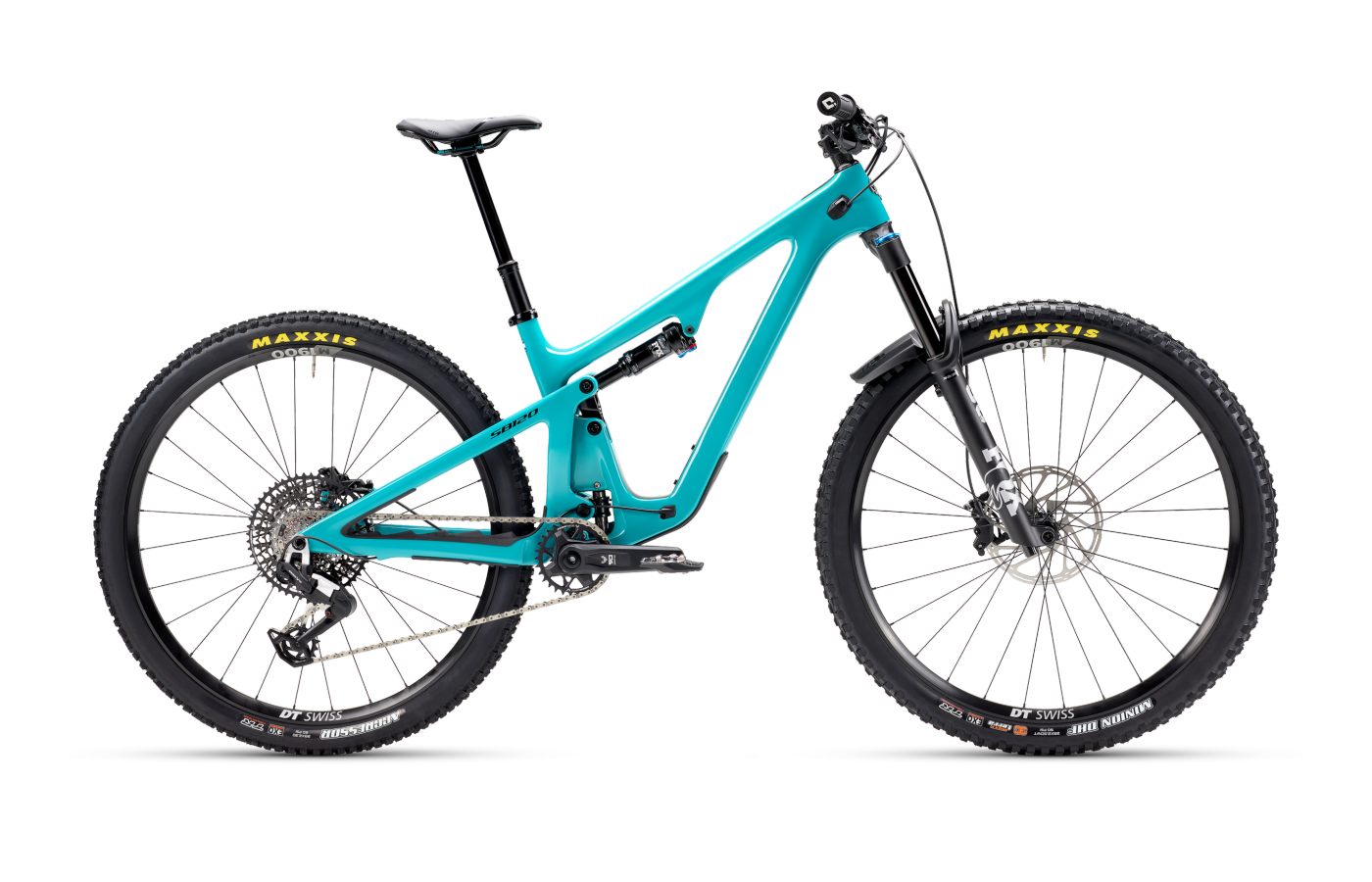
SB120
A refined, premium alternative to the Following — the SB120's Switch Infinity is snappier under power than DELTA, but doesn't match DELTA's 'bottomless' feel on chunky descents. Priced closer to the Spur's ceiling than the Following's floor.
Compare →