Following
vsRanger
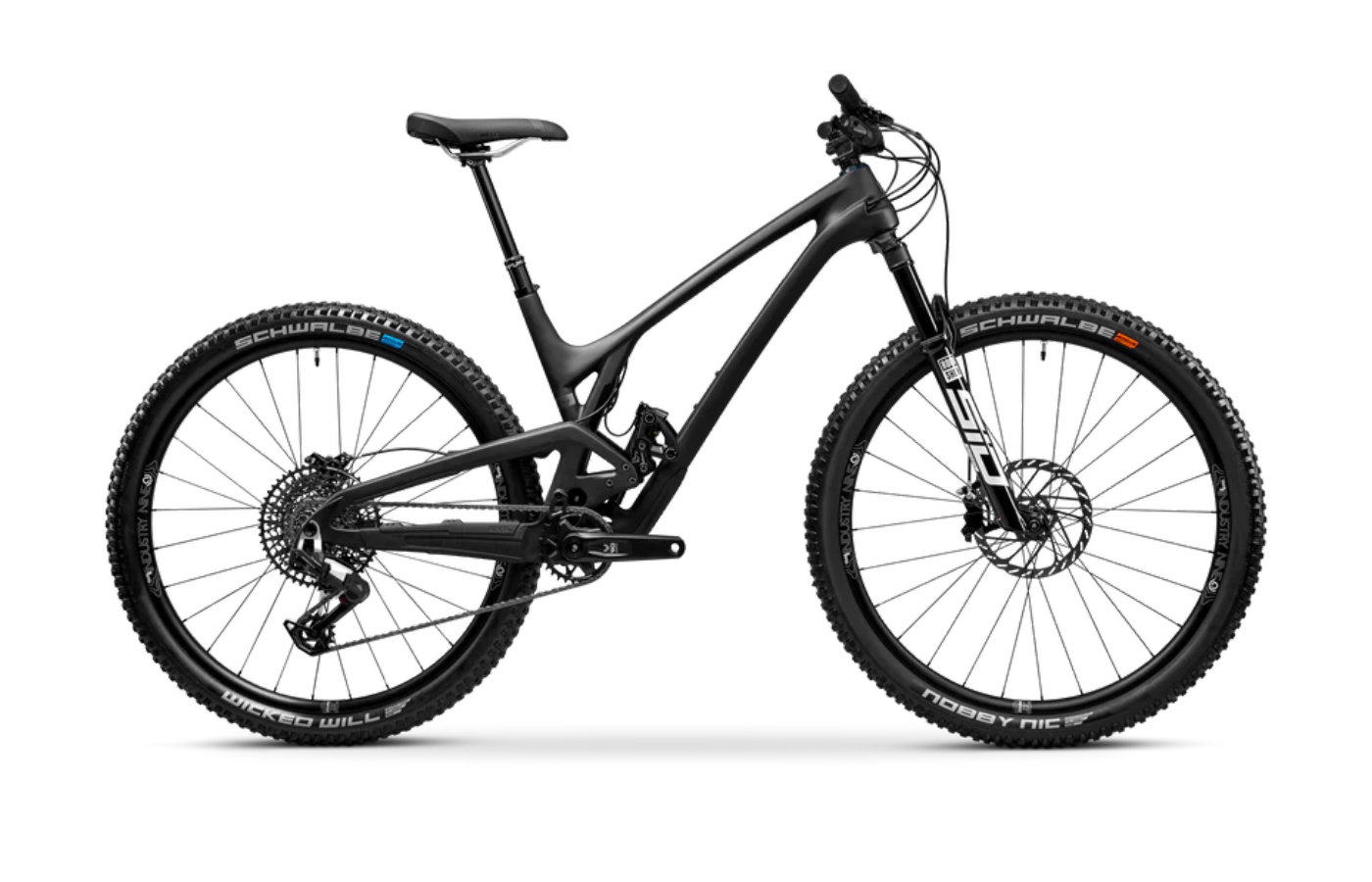
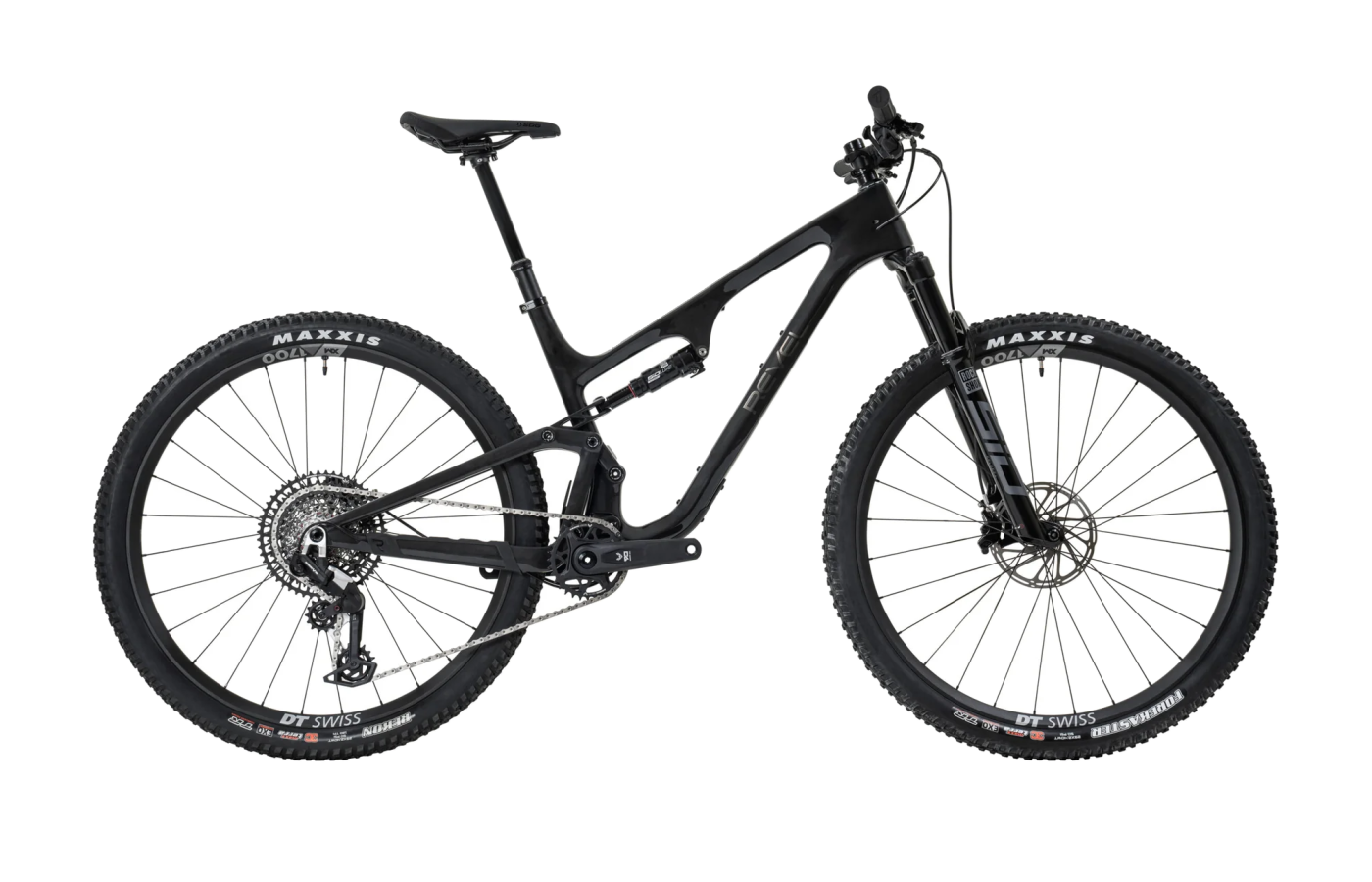
Two short-travel 29ers, two personalities.
The Evil Following is the playful trail bike that thinks it's an enduro. The Revel Ranger is the efficient downcountry machine that covers ground.
Following
- Descends like a bigger bike — DELTA suspension makes 120 mm feel like 140. Reviewers push it into enduro terrain without the bike getting overwhelmed.
- Unreal cornering grip — short 430 mm chainstays plus a stiff Super Boost 157 mm rear end. "Corners like a monster," per Awesome MTB.
- Poppy, playful character — the mid-stroke support rewards pumping, manualing, and launching off features. This is the fun bike in the test.
- Expensive — the cheapest build is $6,199; no sub-$5k option exists.
- Super Boost 157 mm rear spacing limits aftermarket wheel choice and complicates frame-only builds.
Ranger
- Best-in-class pedaling efficiency — the CBF linkage barely moves under power; reviewers called the pedaling platform "nearly bottomless" with "negligible" bob.
- Meaningful price floor at $4,499 — full-carbon frame, SID fork, Eagle 90 drivetrain. The Evil Following's cheapest build is $1,700 more.
- Bikepacking-ready — three bottle/accessory mounts on M/L/XL, threaded BB, guided internal routing, and composure when the bike is loaded.
- Firmer, less lively feel — multiple reviewers (Huang, Ishii) said it "prefers to cover ground" rather than play.
- Only 115 mm rear travel and a 67.5° HTA cap its ceiling in steep, chundery terrain.
Editor’s analysis
Both run 120 mm forks and live in the downcountry bracket — but one wants to pop, the other wants to go.
On paper, these two overlap hard. Carbon 29er, 120 mm fork, SRAM Eagle 90 Transmission build at the reviewed price, RockShox SID damper up front. Both have been called "downcountry" by every reviewer who's thrown a leg over them. And both get the same core pitch: short-travel efficiency that punches above its numbers. Read a spec sheet with the logos stripped off and you'd struggle to tell them apart.
Ride them back to back and the philosophies split immediately. The Evil Following runs 120 mm rear travel through Dave Weagle's DELTA linkage — reviewers describe it as "magic carpet" plushness with a "bottomless ramp" at the end of stroke. Geometry is slacker (66.6° head angle), wider out back (Super Boost 157 mm), and tuned for pop. MBR made it their Editor's Choice and said it "trumps plenty of enduro bikes with way more travel." It's the short-travel bike you buy because you want a long-travel feel without the weight penalty on the climb.
The Revel Ranger trades 5 mm of rear travel for a fundamentally different mission. The Canfield Balance Formula suspension is the most pedal-efficient platform in this category — reviewers consistently say the bike pushes you forward through chunder rather than absorbing chatter for its own sake. Geometry is a degree steeper (67.5° HTA) and 7 mm shorter at the reach on equivalent Mediums. Escape Collective called it "a stoic instrument of speed, not an eager puppy" — which is both a compliment and a diagnosis. Bikepackers love it for a reason.
Put another way: the Evil Following is the bike you buy when you want one trail bike and you like hitting things. The Revel Ranger is the bike you buy when you already own a trail bike and want something to cover 80 km of singletrack without complaining.
Where the builds differ.
Comparing our editor's-pick builds side-by-side. Winners highlighted row-by-row — lower price and weight, and the better-spec component, each mark a point.
Build variants & pricing
Evil spans $6,199–$10,999 across four builds. Revel offers two builds, both at $4,499.
The tier-matched Eagle 90 pick lands $1,700 apart ($6,199 Evil vs. $4,499 Revel). Some of that gap is the I9 Enduro S Hydra2 wheels and lifetime bearings Evil ships stock; most of it is the platform price floor. If your budget caps at $5k, the Revel Ranger is the only option here.
How they fit, how they steer.
Medium on both. The Evil Following sits 5 mm lower (604 vs. 609 stack), runs 7 mm more reach (460 vs. 453), and is 0.9° slacker (66.6° vs. 67.5°) — longer and slacker on all three axes despite similar travel.
Which size should I buy?
Size recommendations use stack, reach, and effective top tube. Both ranges overlap tightly through M and L; neither brand offers an XS.
→These are starting points. Flexibility, riding style, and preferred position all shift the answer — if you’re between sizes, a professional fit beats a chart.
What the magazines said.
Published reviews from trusted cycling outlets. Click through for the full write-up.
Which one should you buy?
If you want to ride everything from XC loops to bike-park laps on one bike, get the Evil Following. If you want to cover 80 km of singletrack and climb home without complaining, get the Revel Ranger.
Following
If you spot side hits, pump every roller, and treat every rock as a lip — this is your bike. The DELTA suspension and slacker geometry let you point it into enduro terrain the Ranger won't touch, and you still climb like a short-travel bike. The punk-rock character is a feature, not a bug.
Ranger
If most of your riding is long, pedally singletrack — races, marathon events, bikepacking — the CBF's momentum-first tune pays off every kilometer. It's the most efficient pedaling platform in the category and the lowest price of entry to a modern full-carbon downcountry bike. Composed, predictable, a little stoic.
Questions buyers actually ask.
Short answers to the things we get emailed about most often.
01Which climbs more efficiently?
The Revel Ranger, and it's not especially close. The Canfield Balance Formula linkage is specifically tuned to minimize bob under pedaling — reviewers consistently describe "very little energy lost to the rear shock" and keep the shock fully open on singletrack. The Ranger also tips the scale lower in reviewed trim (complete weights land in the 26–28 lb range across builds per Escape Collective and Blister).
The Evil Following climbs well for what it is — the steep 75.5°–76° effective seat tube angle puts you over the pedals and the DELTA platform is firm in the mid-stroke — but Singletracks weighed an X01 AXS build at 31.8 lb, and some reviewers noted it "doesn't feel zippy compared to other bikes in this category." On a long fire-road climb, the Ranger will get you to the top faster; on a technical pitch with roots, the Following's traction narrows the gap.
02Which descends better?
The Evil Following, clearly. It runs 5 mm more rear travel (120 mm vs. 115 mm), a 0.9° slacker head angle (66.6° vs. 67.5°), and more wheelbase at equivalent sizes. More importantly, the DELTA linkage's "bottomless ramp" lets it absorb hits that have no business being hit by a 120 mm bike. MBR said it "trumps plenty of enduro bikes with way more travel."
The Revel Ranger is more capable than its numbers suggest — reviewers call it "much more than a straight up XC bike" — but it has limits. Bikepacking.com's reviewer noted it's "not a smash-through-features bike" and "isn't designed to absorb repeated hits at speed" in long rock gardens. If your local trails include steep, chundery descents, the Following is the right tool.
03What's the price difference at comparable builds?
At tier-matched SRAM Eagle 90 Transmission trim, the Revel Ranger is $4,499 and the Evil Following is $6,199 — a $1,700 gap. That difference shows up in three places:
- Wheels: Industry Nine Enduro S Hydra2 (Evil) vs. DT Swiss XM1700 (Revel). Both solid; the I9s carry a real price premium.
- Rear spacing: Evil's Super Boost 157 mm hubs cost more than standard 148 mm Boost.
- Platform baseline: Evil starts at $6,199 regardless of build; there's no budget entry point. Revel's two builds are priced identically at $4,499.
If your budget caps at $5k, the Ranger is the only option in this comparison.
04How much rear travel does each bike run?
Evil Following: 120 mm rear, paired with a 120 mm RockShox SID fork on the builds reviewed here.
Revel Ranger V2: 115 mm rear, paired with a 120 mm fork.
The 5 mm rear-travel gap sounds trivial but compounds with geometry: the Following's slacker head angle and longer wheelbase make the travel feel bigger on steep terrain. Reviewers who rode both consistently placed the Following a category above the Ranger for descending.
05Is the Following's Super Boost 157 mm rear end a problem?
For complete-bike buyers, no — the I9 Enduro S Hydra2 wheels ship with the bike, and Evil sells replacement wheels to the standard. The spacing is what enables the Following's short 430 mm chainstays and generous tire clearance simultaneously, which is a chunk of why the bike corners the way it does.
For frame-only buyers, sometimes. MBR explicitly called it "a headache for frame-only buyers" — Super Boost 157 hub options are limited compared to standard 148 mm Boost, and you can't adapt a Boost wheel. If you're planning to build up from a frameset, factor the wheelset cost and availability in before committing.
06Which is better for bikepacking?
The Revel Ranger, by a meaningful margin. Revel designed the V2 with three bottle/accessory mounts on sizes M and up, a threaded bottom bracket for trailside serviceability, and guided internal routing that doesn't fight cable runs. The bikepacking.com review was explicit that the composed CBF platform stays predictable when the bike is loaded down — the added weight actually "plants" the bike on both descents and climbs.
The Evil Following will technically work for bikepacking but wasn't designed with it in mind — the suspension is tuned for dynamic trail riding rather than loaded composure, and the playful geometry gets twitchier with weight on the bars.
07How does maintenance compare?
Both are carbon full-suspension bikes with linkage-driven designs, so neither is low-maintenance. Two specific callouts:
Evil offers lifetime replacement bearings on Following frames — a meaningful long-term cost reduction, since bearing replacement is typically the main recurring service cost on full-suspension platforms.
Revel's V2 update introduced a one-tool linkage system with larger cartridge bearings and titanium shock mounting hardware specifically to reduce long-term service hassle. Reviewers report the frame stays creak-free under sustained use.
Both run guided internal cable routing (not headset-through), which is the correct choice and makes brake bleeds and housing swaps straightforward.
08Which fits a 5'8" rider better?
Both fit a 5'8" rider on a Medium. On the Evil Following M, reach is 460 mm, stack is 604 mm, top tube is 612 mm. On the Revel Ranger M, reach is 453 mm, stack is 609 mm, top tube is 616 mm.
The Following will feel a touch longer and lower; the Ranger a touch shorter and more upright. Neither is wrong for the size — it's consistent with each bike's broader character.
Similar bikes
If your priorities don’t map cleanly onto either of these, one of these adjacent bikes probably fits better.
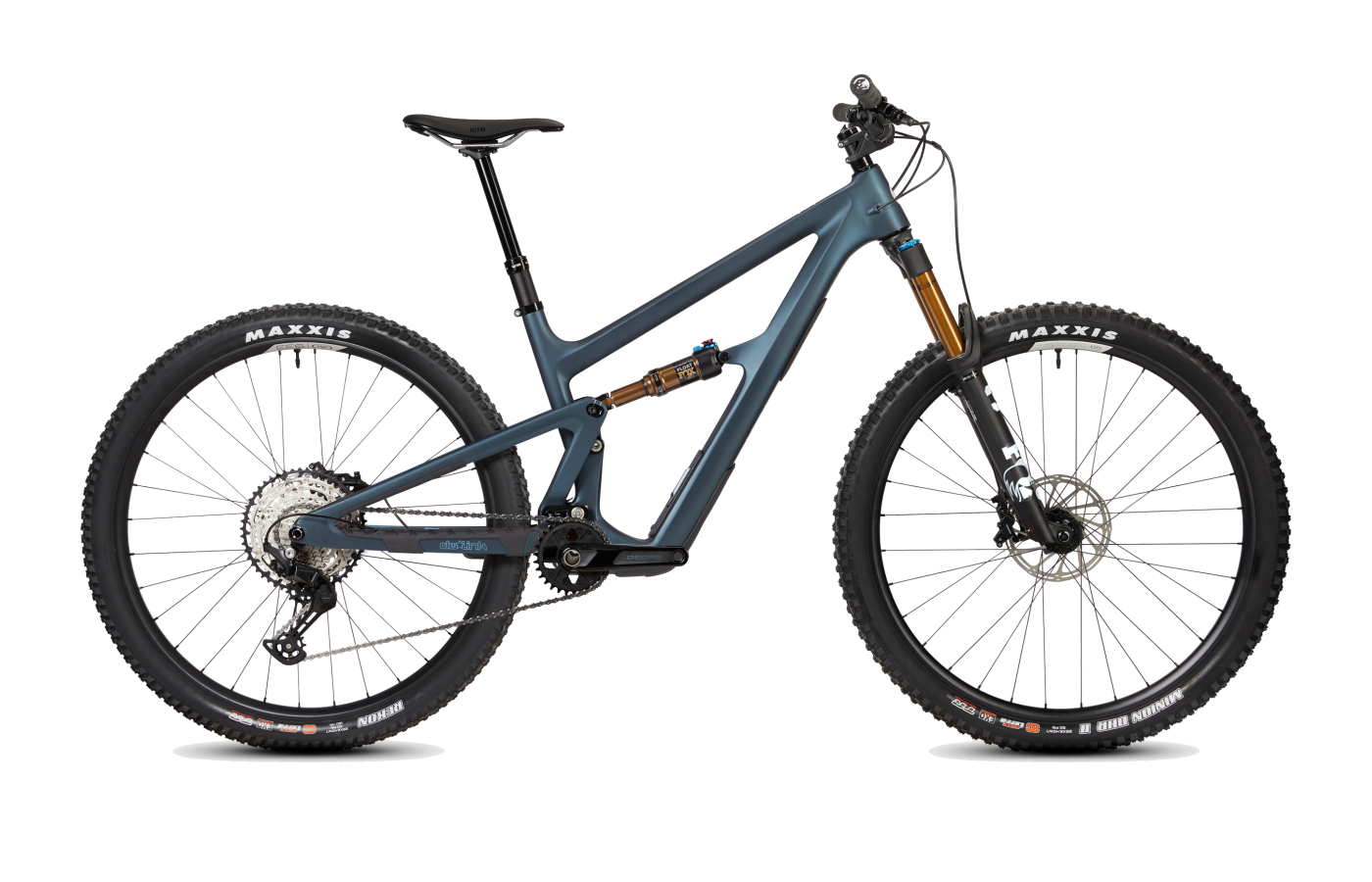
Ripley
The poppy short-travel 29er that both of these owe something to. Splits the difference — more playful than the Ranger, more efficient than the Following, and a softer landing for riders who like both characters.
Compare →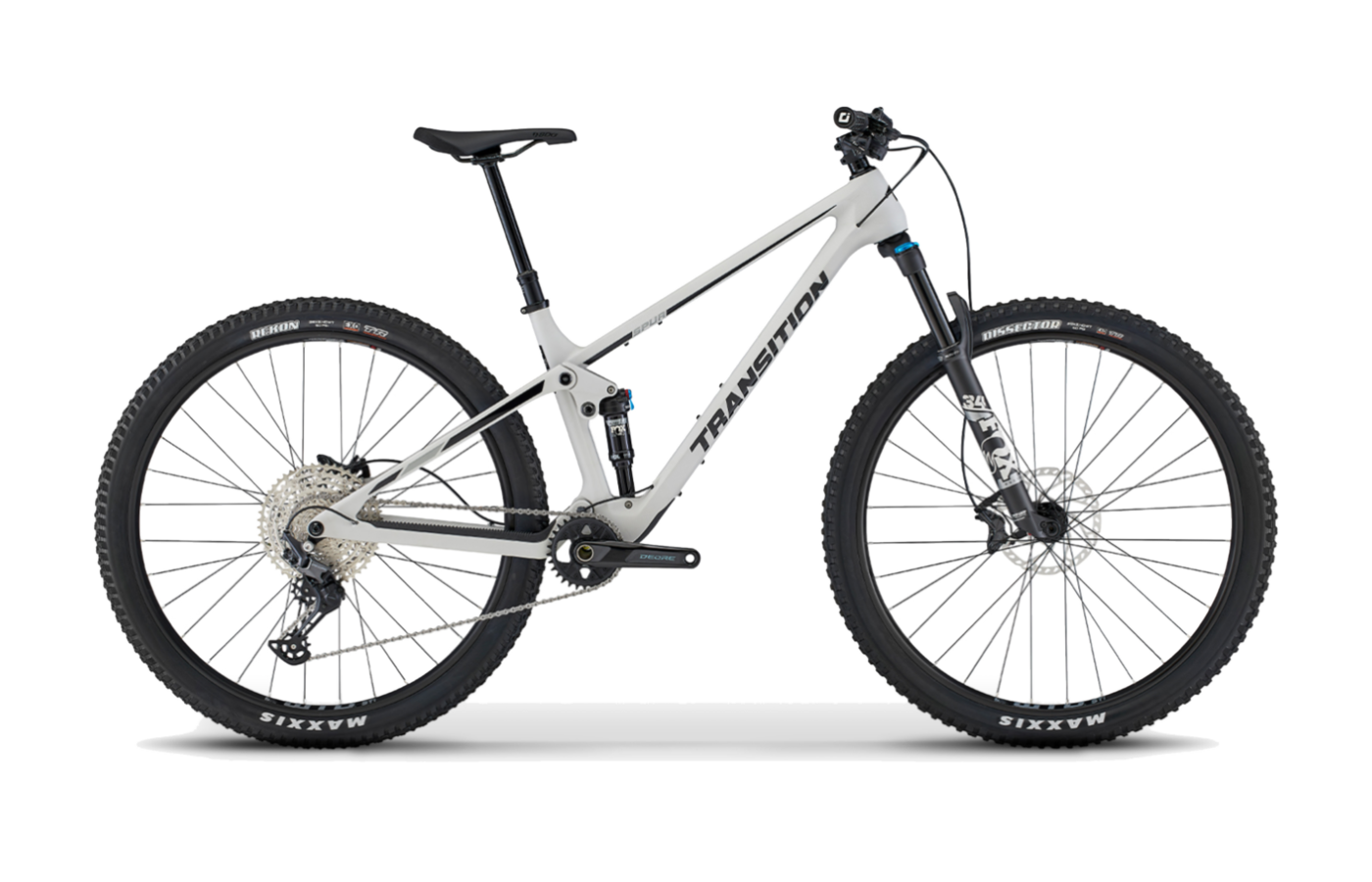
Spur
The lightest bike in this conversation and the closest thing to a pure XC racer with trail DNA. If the Ranger's efficiency is what drew you in, the Spur takes it further — 120 mm fork, featherweight, and surprisingly composed on descents.
Compare →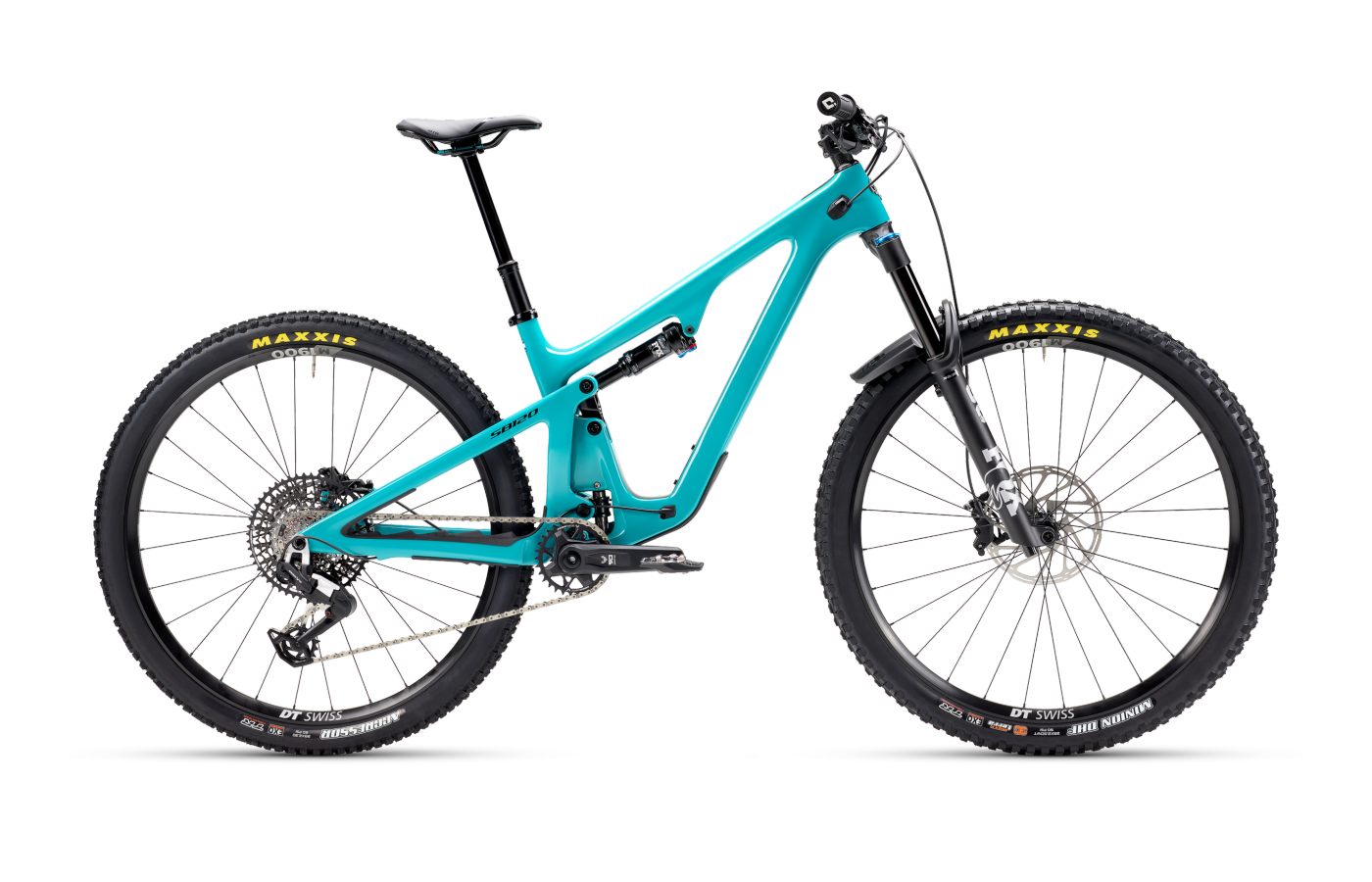
SB120
Matches the Following's 120 mm rear travel but with Yeti's Switch Infinity link and a more race-oriented geometry tune. Closer in character to the Ranger's composed-and-efficient lane than the Following's playful one.
Compare →